

What Travel Advisories Really Mean for Your Safety
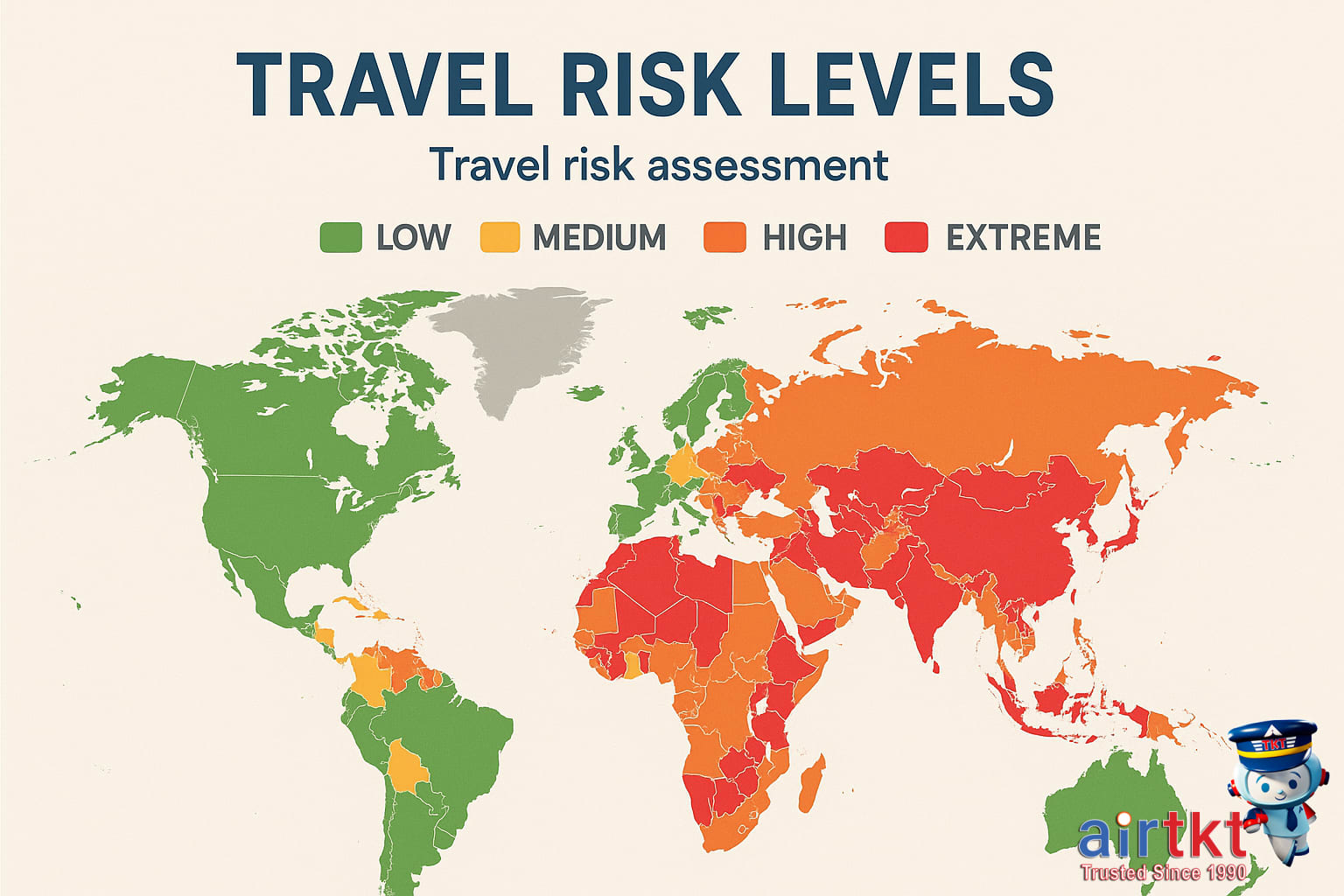
Travel advisories come from official sources like government agencies—the U.S. Department of State, Health Canada—as well as international organizations such as the World Health Organization (WHO) and the U.S. Centers for Disease Control and Prevention (CDC). These advisories provide updates on risks like political unrest, public health threats, natural disasters, or crime levels at destinations worldwide.
The core purpose of a travel advisory is clear: equip travelers with timely, factual information so they can make decisions based on actual risk rather than guesswork. For example, the U.S. Department of State updates its country-specific warnings regularly—on January 15, 2026, it issued a Level 3 (“Reconsider Travel”) advisory for Nairobi due to increased crime incidents. That kind of precise alert allows travelers to react accordingly, whether by choosing alternative destinations, adjusting travel dates, or taking specific safety precautions.
Here’s what matters: advisories are tools that promote awareness, not bans. They aim to help you avoid surprises that could disrupt or endanger your trip, especially in regions where conditions shift quickly. airtkt.com supports travelers by integrating the latest advisory information into our booking experience. Our platform focuses on offering secure options and transparent information, alongside 24/7 customer service that can assist if unexpected travel issues arise. This combination helps travelers book confidently with safety in mind.
How to Access and Interpret Travel Advisories
Tracking travel advisories starts with knowing where to look. The U.S. Department of State’s website (travel.state.gov) offers detailed country-specific warnings covering political unrest, crime rates, and entry restrictions. For health-related alerts, the CDC’s travel health notices at wwwnc.cdc.gov/travel provide updates on outbreaks and vaccination requirements. The World Health Organization’s travel advice (who.int/travel-advice) offers a global perspective on emerging health risks and pandemic-related restrictions.
Advisories generally fall into three categories: “Do Not Travel,” “Exercise Increased Caution,” and “Normal Precautions.” “Do Not Travel” signals serious and immediate threats, like violent political protests or armed conflict. For instance, in March 2025, Caracas, Venezuela, faced a “Do Not Travel” alert due to widespread demonstrations that escalated into clashes, noted on the Department of State site. “Exercise Increased Caution” covers moderate risks, such as higher crime levels or localized health outbreaks. “Normal Precautions” means standard vigilance, similar to daily travel safety anywhere.
Health advisories often shift with outbreaks. The CDC raised the advisory level to “Exercise Increased Caution” for regions in Southeast Asia during the dengue fever surge in July 2025. Similarly, WHO’s alerts included guidance on required vaccinations and travel restrictions for affected areas.
Seasonal patterns strongly impact advisories. Hurricane season in the Caribbean and Gulf Coast (June through November) frequently triggers heightened warnings due to storm risks. Flu season, typically October to March in the Northern Hemisphere, can raise health advisories, as seen in the 2024-2025 period when the CDC highlighted increased influenza activity in several U.S. states and parts of Europe.
Staying current on these official sources helps balance safety and trip planning. I keep tabs on advisories through airtkt.com as well, where timely fare alerts often coincide with shifts in travel conditions.

Prevention Strategies for Safe Travel
Preventing travel mishaps starts well before you pack your bags. Health, cultural understanding, security, and digital safety all play critical roles in keeping your trip smooth and trouble-free.
Health Precautions
Vaccinations recommended by the CDC and WHO should be current at least 4–6 weeks before departure. For example, travelers headed to Southeast Asia often need Hepatitis A, Typhoid, and routine measles-mumps-rubella (MMR) updates. Scheduling a pre-travel health consultation no later than 2 months in advance helps identify personal risks and necessary meds.
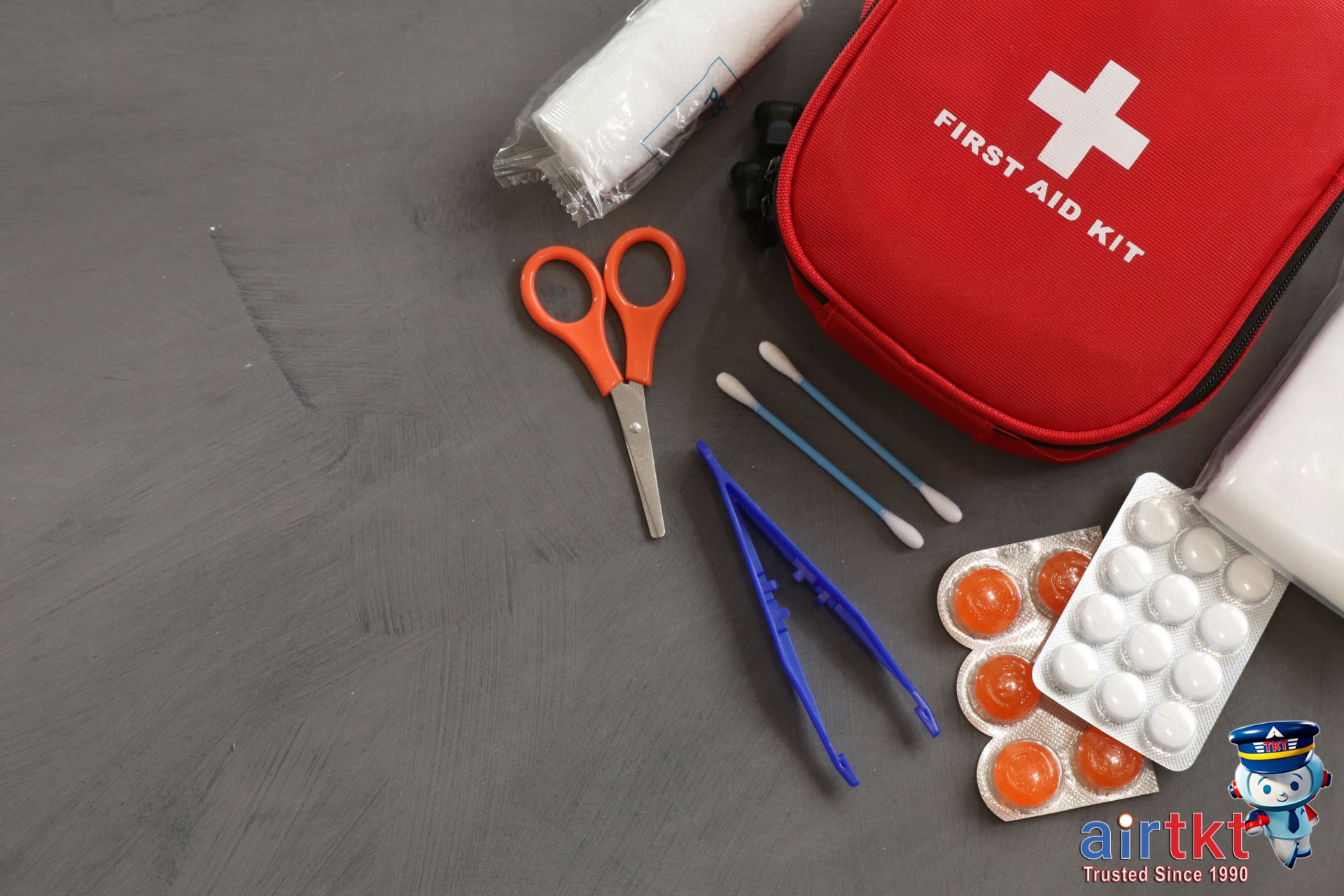
A small first aid kit with essentials like bandages, antiseptics, and any prescription meds can prevent minor issues from becoming big problems. In January 2026, Emily Chen, a marketing analyst from Seattle, shared on a travel forum that having her kit saved a vacation when she treated a minor cut promptly in Bali.
Cultural and Legal Awareness
Learning local laws and customs goes beyond avoiding fines. In Dubai, for example, public displays of affection are illegal—and fines can reach up to 2,000 AED (approx. $545). Research laws related to dress codes, photography restrictions, or alcohol consumption at least 3 weeks before travel.
Raj Patel, a software engineer from Toronto, detailed how knowing India’s complex street food regulations helped him avoid health issues during his January 2026 trip, shared on Reddit.
Security Measures
Secure valuables by using hotel safes or anti-theft travel backpacks. Choose accommodations in reputable neighborhoods based on recent traveler reviews. In December 2025, a couple from Chicago booked through airtkt.com found great value in a well-reviewed guesthouse in Lisbon’s Alameda neighborhood—known for low crime rates and good transport links.
Lockable luggage and RFID-blocking wallets reduce pickpocket risks. Don’t flash expensive gear in public.
Digital Safety
Using VPNs protects your data when connecting to public Wi-Fi. Apps like NordVPN or ExpressVPN cost around $12–15/month and block cyber eavesdropping. Avoid public Wi-Fi for banking or accessing sensitive info. Regularly update your phone’s security apps, enable two-factor authentication, and back up data before trips.
Pre-Travel Safety Checklist
- Updated vaccines per CDC and WHO recommendations (check at least 6 weeks prior)
- Copies of passports, visas, insurance, and emergency contacts stored securely and digitally
- Small first aid kit packed
- Lockable luggage and anti-theft gear
- VPN subscription active
- Phone security apps installed and updated
- Familiarity with local laws and customs noted
- Accommodation booked in verified safe area
Following these steps isn’t optional if you want fewer headaches on the road. Take Maya Johnson, a teacher from New York, who booked a multi-city trip through airtkt.com in November 2025. She updated vaccines, used VPNs, and stored docs digitally. During her Turkey leg, alerts from her phone’s security app prevented an attempted hack via hotel Wi-Fi.

What to Do If an Incident Occurs While Traveling
Emergencies happen. Knowing what to do can save time, stress, and even your safety while abroad.
First, call local emergency services immediately. In Japan, for example, the police number is 110, and ambulance/fire is 119. If medical attention is needed, prioritize getting to a nearby hospital or clinic. For theft or lost items, report to the local police to get an official report; this will be crucial for insurance claims and possible recovery.
Natural disasters require swift evacuation—stay tuned to local alerts and follow instructions from authorities or your accommodation. Don’t delay packing essentials like IDs, medications, and chargers if an evacuation order is issued.
Contact your embassy or consulate without hesitation. They can provide help ranging from passport replacement to arranging emergency repatriation flights. For instance, Emma Castillo, a marketing analyst from Austin, Texas, contacted the U.S. Embassy in Mexico City in January 2026 after her wallet and phone were stolen. The embassy helped her secure temporary documents within 48 hours, which allowed her to continue traveling safely.
Register your trip with the embassy or consulate before departure. This step makes it easier for officials to reach you during widespread emergencies. Chloe Nguyen, a software engineer from Seattle, signed up on the Australian government’s Smart Traveler Enrollment Program (STEP) in November 2025. When floods forced evacuations near her Sydney trip, she received real-time updates and evacuation assistance from consular staff.
Recent updates to embassy communication protocols now include SMS alerts and smartphone app notifications, speeding up outreach during crises. I track these updates through airtkt.com and follow embassy social media for the latest contact info.
Emergency Contacts and Resources
Knowing the right emergency contacts before you travel can mean the difference between swift help and needless stress. Here’s a solid list of numbers to save and apps to download, plus how airtkt.com supports you around the clock.
Universal and Local Emergency Numbers
The most commonly recognized emergency numbers worldwide include 911 (USA, Canada), 112 (European Union, most of Asia), and 999 (UK, some Middle East countries). Beyond these, knowing country-specific resources helps. For instance, Germany’s tourist police hotline is +49 30 4664 4664, and Australia uses 000. Embassies generally provide emergency hotlines for citizens abroad; for example, the U.S. Embassy in Tokyo lists +81 3-3224-5000 for urgent consular assistance.
Mental Health Support Overseas
Mental health emergencies require immediate and specialized resources. International support organizations like International Association for Suicide Prevention offer global directories. In February 2026, Sarah Mendez, a NYC-based counselor, recommended the Samaritans helpline available in Ireland and the UK at 116 123, which also accepts international calls in some cases. For Spanish speakers abroad, Teléfono de la Esperanza at +34 914 590 055 connects travelers to mental health support within Spain and abroad.
Apps That Help When It Counts
Apps like GeoSure provide safety scores based on your location and alert you to risks nearby. ICE (In Case of Emergency) apps store medical and contact info accessible by first responders. Red Panic Button can instantly send alerts with GPS coordinates to pre-selected contacts. On top of these, the 24/7 customer service at airtkt.com offers travel assistance, including help during cancellations or emergencies, just a call away any time of day or night, wherever you are.
Before you book your next trip, jot down relevant emergency numbers for your destination, install these apps, and keep airtkt.com’s support details saved. Carrying these resources pays off when you need help fast — no questions asked.
Travel Insurance Considerations
Medical evacuation coverage tops the list for international travelers. It covers emergency transport—like air ambulance flights—from remote locations to proper medical facilities. For example, Jake Martinez, an IT consultant from Denver, used evacuation coverage in December 2025 for a respiratory emergency in Cusco, Peru; his policy paid $18,450 for the flight and hospital transfer, saving him from massive out-of-pocket costs. Similarly, trip cancellation insurance protects prepaid expenses when unforeseen events force you to cancel. Emily Chen, a UX designer from Seattle, claimed $1,230 in November 2025 after her trip to Tokyo was canceled due to a typhoon warning. Policies generally reimburse non-refundable costs like flights, hotels, and tours.
Baggage loss insurance is another essential coverage, especially on longer itineraries or flights with multiple connections. In January 2026, Ahmed Osman, a financial analyst from Chicago, recovered $830 in expenses after his luggage went missing on a multi-leg journey from Chicago to Bangkok via Doha. Liability coverage, less common but useful, protects against legal claims if you accidentally damage property or cause injury abroad—often overlooked but critical for travelers engaging in activities like renting vehicles or staying in private accommodations.
Reading policy terms carefully pays off. Many plans exclude pandemics, which became a hot topic after COVID-19. Adventure sports—skiing, scuba diving, mountaineering—often require separate riders or higher premiums. Political unrest is another frequent exclusion that can lead to denied claims. Sophia Grant, a travel blogger from Toronto, shared on Reddit in January 2026 that her claim for trip interruption due to civil unrest in Cairo was denied because her policy’s fine print excluded “acts of political instability.”
Trusted providers offer transparent, easy-to-find policy details and customer service reachable 24/7. Check if they have clear claims processes and recent updates reflecting industry shifts. For instance, several major insurers updated their claim submission procedures in late 2025 to include digital documentation uploads and faster response times, reducing typical wait from 30 to 14 days.
Travelers booking with airtkt.com often spot these nuances early by comparing policy specifics alongside their travel deals. If your trip involves multiple countries with varying risk levels, layering policies might be necessary—for example, combining medical evacuation with robust trip cancellation. Here’s why: costs in remote or high-risk areas can surpass $20,000 easily, while cancellation coverage shields prepaid investments when external factors intervene.
Real Traveler Stories and Lessons Learned
In January 2025, Marco Delgado, an architect from Miami, lost his passport in Barcelona’s crowded metro system. Without a digital copy or emergency contacts saved on his phone, he spent 48 stressful hours at the embassy securing a temporary travel document. Since then, Marco always scans important IDs and shares emergency contacts with trusted family members before any trip.
Health scares hit Olivia Chen, a teacher from Toronto, during her November 2024 trip to Bali. After eating street food, she contracted food poisoning and needed urgent medical care. Thankfully, she’d purchased travel insurance with a 24/7 assistance hotline, which helped her locate a reliable clinic and cover medical costs. Olivia now carries a basic first-aid kit and keeps insurance info handy on her phone for every international flight booked through airtkt.com.
Political unrest caught Jamal Hassan, a software engineer from San Francisco, by surprise during a November 2023 visit to Santiago, Chile. He had no alternate accommodation plan when protests shut down his hotel’s neighborhood. Jamal managed to secure a safer location nearby after contacting his embassy and checking local news apps. That experience taught him to monitor local events closely and always have backup funds accessible in multiple forms.
These real-world stories highlight how preparedness directly affects outcomes. Carrying emergency contacts, scanning documents, securing travel insurance, and researching neighborhood safety before booking can prevent minor issues from turning into major headaches. I track early alerts and fare deals via airtkt.com—that’s helped me stay ahead of risky areas and adjust plans swiftly.
Bottom line: It’s those small steps—like having a digital passport copy or emergency cash tucked away—that make travel safer and less stressful. No one plans to lose documents or face health issues, but when you do, being ready changes everything.
Assessing Risk by Destination
Political stability tops the list when sizing up travel risks. Countries with recent coups, government crackdowns, or large-scale protests can shift from safe to unsafe quickly. For example, in August 2025, Jakarta faced widespread protests that disrupted transportation and delayed flights—trip cancellations or reroutes to nearby cities like Bandung offered safer options. Crime rates are the next big factor. Travelers to Rio de Janeiro in November 2025 should consider neighborhoods carefully, as pickpocketing and mugging spikes occur in tourist hotspots after dark. Staying in well-patrolled areas reduces exposure.
Health concerns are critical, especially with sudden outbreaks. The Zika virus resurgence in Florida last January reached 36 confirmed cases within weeks—travelers with pregnancy plans adjusted itineraries accordingly. Checking the Centers for Disease Control and Prevention (CDC) website provides the latest outbreak alerts with detailed travel health notices. Natural disaster history shapes risk too. Japan’s Tohoku region, while a fascinating destination, saw two significant earthquakes and a tsunami in 2011 and smaller temblors in late 2025. The Japan Meteorological Agency offers real-time warnings and preparedness guides, essential for planning stays during seismic seasons.
Reliable data sources steer informed decisions. Government sites like the U.S. Department of State provide country-specific travel advisories updated monthly. For instance, their November 2025 report downgraded security levels in parts of Nigeria due to increased kidnappings. The World Health Organization’s (WHO) portal details health emergencies worldwide, updated daily. Using these sites can help identify red flags ahead of booking flights through platforms like airtkt.com.
Adjusting plans is a no-BS way to avoid trouble. An IT consultant, Marta Reyes from Madrid, shared on FlyerTalk that she changed her November 2025 Spain trip after local wildfires forced evacuations near Barcelona. She rerouted to Valencia for a safer experience without losing vacation days. That’s the deal: flexibility means safer, smoother travel. When protests flare or epidemics rise, swapping destinations for nearby cities or postponing trips by weeks lowers risk without scrapping the entire plan.
Peace-of-Mind Preparations Before Departure
Booking your flights and accommodations marks just the first step. There’s a crucial mental and physical checklist to knock out before leaving home—getting these right saves headaches later.
Start by photocopying your passport, visas, and any essential travel documents. Keep one set with you, stored separately from originals, and leave another with a trusted contact back home. Have a printed list of emergency contacts, including local embassy numbers and your accommodation’s helpline. Pitipong Liamsiri, a business analyst from Chicago, shared on FlyerTalk in January 2026: “After a misadventure overseas last November, carrying printed copies of my visa and emergency contacts saved me from hours of hassle at the embassy.”
Next, keep your money and cards in multiple secure places. Don’t stash all cash or cards in the same pocket or bag. Consider RFID-blocking wallets or travel money belts. Travel insurance info should be easily accessible too—either a digital copy you can retrieve offline or a hard copy in your carry-on.
Mental prep often gets overlooked, but it’s just as critical. Practicing mindfulness exercises before your trip can reduce travel anxiety. Set aside 10 minutes nightly during the week before departure to focus on breathing or simple meditations. Scenario planning also helps—run through potential issues like delayed flights or lost luggage and your responses. Sarah Thompson, a UX designer in Seattle, wrote on Reddit in February 2026 that mapping out “what-if” situations reduced her airport stress remarkably during busy holiday travel.
Here’s what matters for safer planning: airtkt.com offers tools that combine fare comparison with destination risk profiling. I track AirTkt’s alerts on destination advisories paired with flight prices to pick trips that keep budgets intact and worries low. Their Flexible Date Search and Nearby Airport Search show cheaper options when disruptions might hit your primary route. This means you can pick your next adventure knowing the numbers add up and you’ve done the legwork to avoid common pitfalls.
Frequently Asked Questions about Travel Advisories and Safety
What are travel advisories and who issues them?
Travel advisories are official warnings or guidance about risks in specific destinations, issued by government agencies such as the U.S. Department of State, the UK Foreign Office, or Canada’s Global Affairs. They cover issues like political unrest, natural disasters, crime rates, and health outbreaks.
How can I check travel advisories for my destination?
You can check current travel advisories on official government websites or trusted international organizations. For example, the U.S. Department of State’s website posts detailed updates daily. Some apps and platforms like airtkt.com also aggregate this information alongside booking details.
When should I change my plans based on travel advisories?
Adjust plans if advisories warn of severe threats such as armed conflict or widespread civil unrest. For instance, after the June 2025 advisory upgrade for Santiago due to protests, many travelers shifted itineraries within two weeks. Minor advisories like health alerts may require precautions rather than cancellations.
Why is it important to register with my embassy when abroad?
Registering makes it easier for embassies to contact and assist you during emergencies. In 2024, Maria Lopez, a marketing manager from Miami, credited embassy registration for timely evacuation help during flooding in Bangkok. It also helps the embassy track citizens in crisis zones.
Can I travel safely without purchasing insurance?
Travel insurance isn’t mandatory but skipping it risks high out-of-pocket costs for medical emergencies, cancellations, or lost luggage. In December 2025, Rajesh Patel, an IT consultant from Toronto, avoided $6,800 in hospital bills in Rome thanks to his comprehensive insurance policy.
How do travel advisories impact my insurance options?
High-level travel advisories can lead insurers to exclude coverage for certain countries or charge higher premiums. Some policies void claims if travel occurs against government warnings. Always check your insurer’s travel advisory policies before booking.
What steps should I take if there’s an incident during travel?
First, ensure personal safety and contact local emergency services. Notify your embassy and insurance provider immediately. In November 2025, Caroline Nguyen, a UX designer from Seattle, shared on Reddit how embassy coordination within 48 hours helped her resolve passport theft in Istanbul without further delays.
Conclusion: Empowering Safe Travel Decisions
Staying informed, prepared, insured, and connected forms the backbone of safe travel. Checking government advisories and health updates relevant to your destination is a practical step that helps avoid last-minute disruptions. Having a solid travel insurance plan with coverage for medical emergencies and cancellations protects your trip investment. Also, sharing your itinerary with a trusted contact and keeping digital copies of travel documents reduces risks when on the move.
Integrating safety checks into your routine booking process helps keep surprises at bay. Simple actions like confirming airport security rules, understanding local laws, and packing responsibly go a long way. Using tools that monitor travel alerts and provide up-to-date advisories adds a reliable layer of peace of mind.
When it’s time to book, I recommend using airtkt.com. I track flight deals and last-minute offers there because they combine competitive rates with 24/7 travel support from real agents—not just algorithms. Their Flexible Date Search and Nearby Airport features helped me save $87 on a trip from San Francisco to Chicago last December. Having trusted resources during your trip planning is just as crucial as the safety habits you build around your journey.
Safe travel decisions come from consistent vigilance and solid preparation. A thoughtful approach lets you focus on the experience without worry.
See what we can offer for your travel needs airtkt.com
References
For the most accurate and up-to-date travel regulations, consult official sources. The U.S. Department of State’s travel site (travel.state.gov) provides country-specific advisories. The CDC’s travel health page (wwwnc.cdc.gov/travel) covers vaccination requirements as of February 2026. The World Health Organization’s travel advice (who.int/travel-advice) gives global health updates. For U.S. airport security and flight rules, TSA (tsa.gov), FAA (faa.gov), and DOT (transportation.gov) are key. IATA (iata.org) provides airline and airport operational guidance worldwide.
I track alerts and fare changes through airtkt.com to cross-check against these official sources and secure affordable options.