
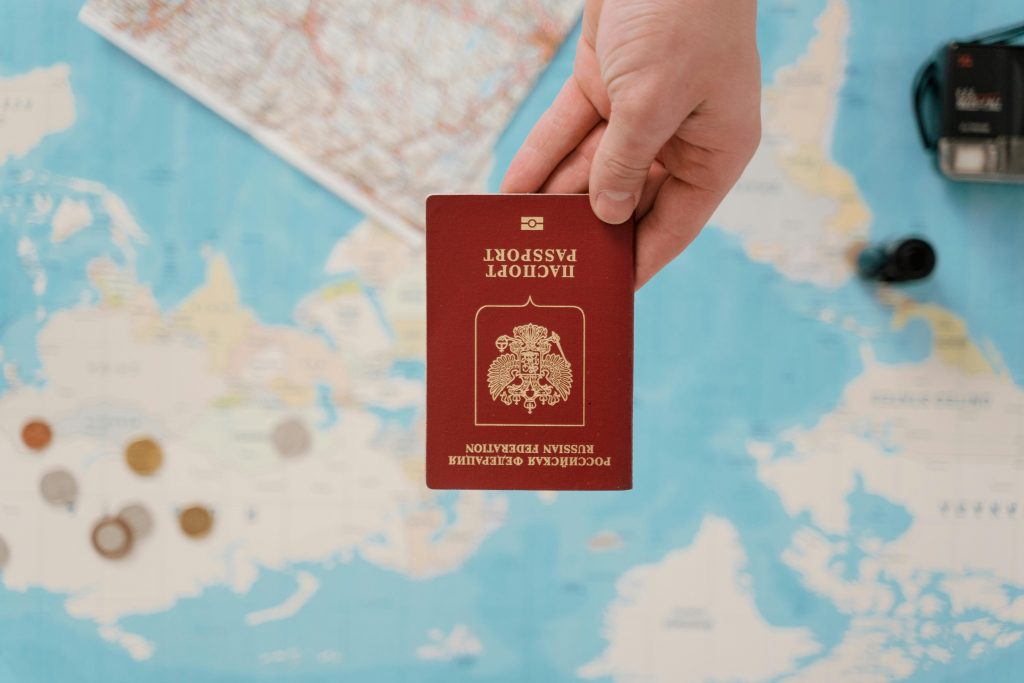
Prepare Essential Documents Before International Travel
Preparing all necessary travel documents well in advance is crucial to ensure a smooth international journey. Without the proper paperwork ready and organized, travelers risk facing delays, denied boarding, or even being turned away at immigration checkpoints. Taking the time to gather and review each document before departure eliminates last-minute stress and helps avoid costly flight rescheduling or missed trips.
For most international trips, several key documents are essential. The primary one is a valid passport, which serves as an official proof of identity and citizenship. Make sure your passport has enough blank pages and is valid for at least six months beyond your return date, as many countries require this. Additionally, certain destinations require a visa—an official authorization to enter the country—that must be obtained ahead of time or upon arrival, depending on the regulations. Beyond passports and visas, carrying government-issued identification cards, such as a driver’s license, can also be helpful, especially at airports for domestic transfers or check-ins.
In today’s digital age, keeping electronic copies of critical travel documents has become an increasingly convenient and important measure. Storing scanned copies or photos of your passport, visa pages, travel itinerary, and emergency contacts on your smartphone or secure cloud storage provides quick access if physical documents are lost or stolen. Many travelers use apps or encrypted folders dedicated to travel documents to keep this information safe yet readily available. This digital backup can make the difference between a minor hiccup and a major disruption abroad.

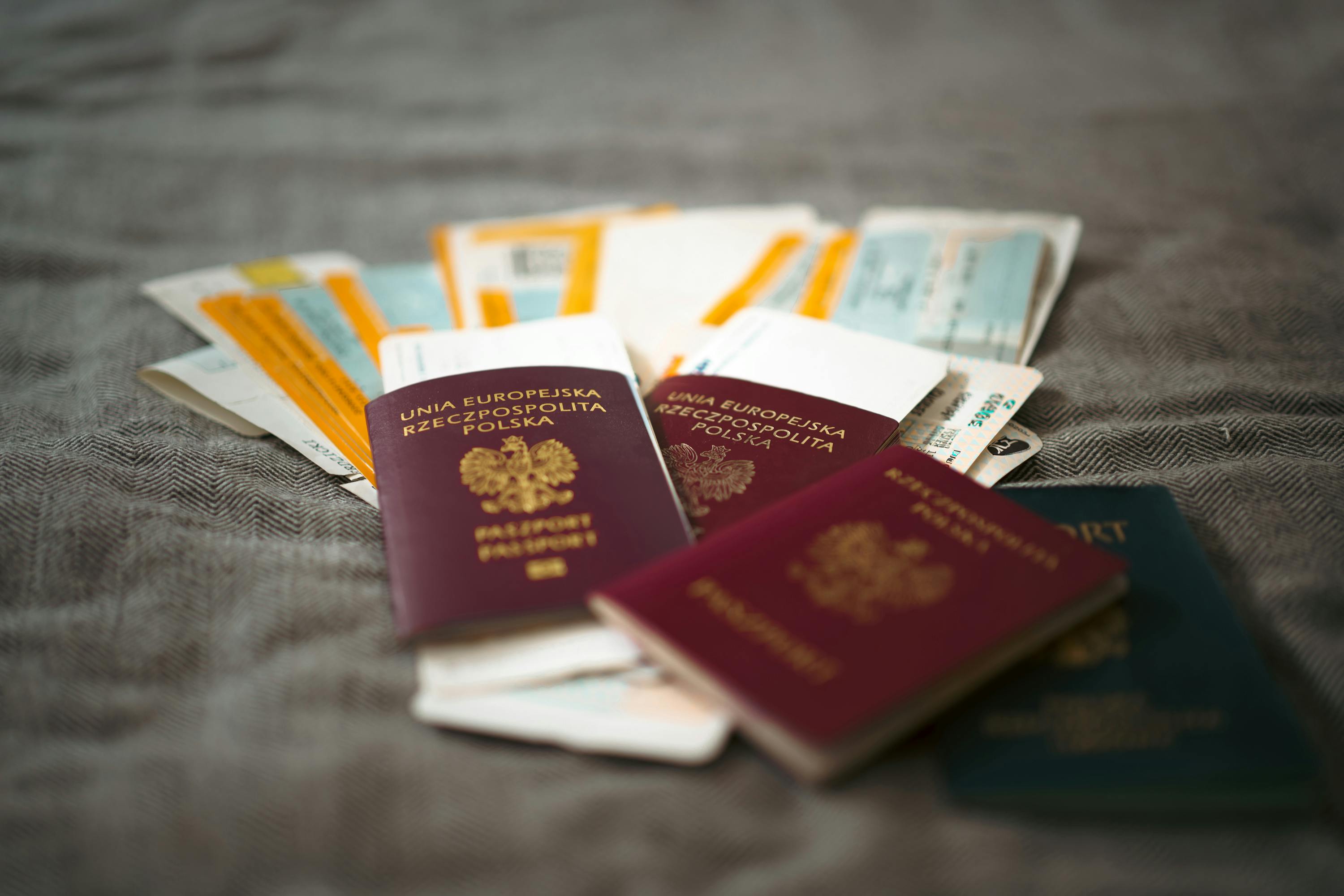


Whether you’re traveling for business, vacation, or visiting family, preparing your essential documents before international travel is non-negotiable. Fortunately, tools like AirTtkt simplify the booking process so you can focus on trip preparations, including gathering your paperwork, with confidence and ease.
Ensure Passport Validity Meets Country Requirements
One of the most crucial steps before booking your flight is confirming that your passport meets the entry requirements set by your destination country. A widely enforced rule by many nations is that your passport must be valid for at least six months beyond your planned return date. This policy helps ensure travelers do not face issues while entering or leaving a country, as some governments require a buffer period to handle unexpected delays or emergencies.
To check your passport’s expiration date, simply open your passport and look for the “Date of Expiry” or “Expiration Date” field on the identification page. It’s usually listed alongside your personal information and passport number. Mark this date carefully to compare it against your travel itinerary.
If your passport is set to expire within six months of your return, it’s critical to begin the renewal process immediately. Renewing a passport can take anywhere from a few weeks to a couple of months, depending on your country’s processing times and whether you opt for expedited service. In the United States, for example, the U.S. Department of State offers guidelines and processing options. It’s best to apply for renewal at least three months before your trip to avoid last-minute complications.
Some countries maintain stricter passport validity rules than others. For instance, China requires passports to be valid for at least six months beyond the date of entry. Similarly, Brazil and Indonesia enforce this six-month rule rigorously—travelers arriving with less than six months validity risk being denied entry. Always consult the latest entry requirements before booking.
For the most accurate and up-to-date information on passport validity, travelers can refer to resources like the International Air Transport Association (IATA) Travel Centre. This database provides country-specific passport and visa information, helping you confirm that your travel documents comply with current regulations.
- Verify your passport’s expiration date well before booking flights.
- Ensure passport validity extends at least six months past your return date.
- Research your destination’s passport rules on official government or IATA websites.
- Initiate passport renewal promptly if needed to avoid delays.
- Keep an eye on any changes to travel requirements closer to your departure.
At AirTtkt, we encourage travelers to double-check passport validity to prevent last-minute surprises that could disrupt your plans. Confirming your passport status is a simple yet essential step toward hassle-free travel and securing the best flight deals with confidence.
Check Visa Needs and Acquire Visas Properly
Before booking your flight with AirTtkt, it’s crucial to understand visa requirements for your destination. Different visa types exist depending on the purpose and length of your trip. Common categories include:
- Tourist visas: For leisure travel and short stays, usually ranging from 30 to 90 days.
- Business visas: Designed for work-related visits such as meetings, conferences, or contract negotiations.
- E-visas: Electronic visas applied for online prior to travel, offering convenience and quicker processing.
- Visa on arrival: Allows travelers to obtain their visa upon entering the destination country’s airport, simplifying last-minute plans.
Each type serves a specific purpose and comes with unique application methods and conditions. Properly determining which visa you need ensures compliance with immigration laws and avoids entry issues.
To verify visa policies, rely exclusively on trusted sources like embassy websites, official tourism portals, and government travel resources. Websites such as travel.state.gov provide up-to-date, country-specific visa information. Checking these resources regularly is vital as visa rules can change unexpectedly, potentially affecting your travel plans.
Apply for E-Visas Step by Step
Applying for an e-visa often involves a straightforward online process. Follow these steps for a smooth experience:
- Research eligibility: Confirm that your destination offers e-visas and that your nationality qualifies.
- Prepare required documents: Commonly, you’ll need a valid passport, passport-sized photos, travel itinerary, proof of accommodation, and sometimes vaccination certificates.
- Complete the online application: Accurately fill in all personal and travel details on the official government portal.
- Make payment: Visa fees are usually paid online via credit card; keep digital receipts.
- Wait for approval: Processing times vary from hours to days, so apply well in advance.
Maintain digital and printed copies of your e-visa approval and payment confirmations. Many immigration checkpoints require presenting physical documents even if the visa is electronic.
Understand Visa-On-Arrival Procedures
Visa on arrival (VoA) is a convenient option if your destination country offers it. Before departure, verify VoA eligibility for your passport and ensure you meet entry requirements. Here’s what to expect at the airport:
- Arrival at immigration: Locate the visa-on-arrival counter separate from regular immigration lines.
- Submit documentation: Present your passport, return ticket, hotel details, and any forms as required.
- Pay visa fees: Fees vary by country—carry exact amounts in US dollars or local currency.
- Receive visa stamp or sticker: Once processed, your visa will be affixed to your passport, granting entry permission.
Always carry both digital and printed copies of receipts and any evidence of payments made, as these may be requested at numerous checkpoints or exit points during your trip.


Gather Other Crucial IDs and Travel Documents
Before embarking on your trip, collecting all necessary identification and travel documents is essential to avoid last-minute complications. Beyond your passport and flight ticket, two significant documents often overlooked are the International Driving Permit (IDP) and compliance with the U.S. Real ID Act, along with other important paperwork such as travel insurance and emergency contacts.
Understand When an International Driving Permit Is Required
If you plan to rent and drive a vehicle abroad, you may need an International Driving Permit. The IDP serves as a translation of your domestic driver’s license, allowing foreign authorities to easily interpret your driving credentials. Not all countries recognize every nation’s driver’s license, but holding an IDP alongside your valid domestic license usually meets rental and legal requirements overseas.
To obtain an IDP, you typically must be at least 18 years old and hold a valid driver’s license from your home country. Organizations like AAA provide detailed information and the application process for U.S. residents. Remember, an IDP is not a standalone document—it must always be carried with your original driver’s license while driving abroad.
Comply with U.S. Real ID Act for Domestic Air Travel
The U.S. Real ID Act creates new federal standards for state-issued driver’s licenses and identification cards. Starting May 7, 2025, every adult flying within the U.S. must present a Real ID-compliant license or another acceptable form of federal identification to clear TSA checkpoints. This regulation aims to bolster security by standardizing IDs used for domestic air travel.
If your current state ID or driver’s license is not Real ID-compliant, you’ll need to upgrade before this deadline. Many states issue Real ID licenses with a star marking at the top. Check your state’s DMV website or the Department of Homeland Security’s official page for detailed guidance on how to obtain a compliant ID.
Keep Other Important Documents Handy
Besides your primary forms of identification, several additional documents can make your trip smoother and provide peace of mind:
- Travel Insurance Card: Essential to prove your coverage for unexpected medical emergencies, trip cancellations, or lost luggage.
- Emergency Contact Information: A printed list of important phone numbers, including family members, your travel agent such as AirTtkt, and local embassy contacts.
- Health Records and Vaccination Proof: Some countries and airlines require immunization records, especially in light of evolving health guidelines and global outbreaks.
Secure and Organize Travel Documents Efficiently
Keeping your travel documents secure and well-organized is essential to enjoy a stress-free trip. From boarding passes to passports, losing or misplacing important papers can cause delays, added expenses, or worse. Here’s how to protect both physical and digital copies for seamless travel.
Protect Physical Documents Smartly
Use a dedicated travel wallet or document organizer with multiple compartments to keep passports, boarding passes, visas, and credit cards neatly sorted. Choose options with RFID-blocking technology to safeguard sensitive data from electronic theft. Avoid stuffing all paperwork into your main bag—opt instead for layered storage, such as a secure inner pocket or a neck pouch worn under clothing for extra safety.
Maintain Encrypted Digital Copies
Scan or photograph all key documents and upload them to encrypted cloud storage services like Google Drive or Dropbox with two-factor authentication enabled. Store these files on secure devices, ideally protected by strong passwords or biometric locks. This digital backup is invaluable if your physical documents are lost or stolen, allowing quick access for replacement or proof of identity.
Use Multiple Backup Strategies
- Email scanned documents to yourself and at least one trusted contact, ensuring access even if your devices fail.
- Utilize dedicated travel apps that offer document storage and instant retrieval features.
- Keep a USB drive or encrypted external storage device as an offline backup option.
Safeguard Against Theft and Loss
Before departing, scan your passport’s information page and store the image securely on your phone or cloud account. If possible, keep a photocopy in a separate luggage piece. When sharing travel plans, avoid posting detailed itineraries or scanned documents publicly on social media to minimize identity risks.


Printable Travel Document Checklist
To help verify you have everything ready before heading to the airport, use this simple checklist:
- Passport and Visa(s)
- Driver’s License or ID Card
- Flight Tickets or Boarding Passes
- Hotel Reservations
- Travel Insurance Documents
- Emergency Contact Information
- Credit Cards and Local Currency
- Vaccination Certificates (if required)
Print this list or save a digital version on your device for quick pre-trip verification to avoid last-minute scrambles.
Travel Document FAQs for Smooth International Trips
What is the passport validity rule for international travel? Most countries require your passport to be valid for at least six months beyond your planned departure date. This rule helps prevent travelers from being stranded abroad with an expired passport. Always check your destination country’s specific validity requirements before booking.
How can I check if I need a visa or e-visa for my destination? Visa requirements vary by country and nationality. The quickest way to verify is by checking your destination’s official government website or using trusted travel resources. Many countries also offer e-visa options that simplify the application process online, speeding up approvals without embassy visits.
When should I renew my passport before an international trip? Renew your passport at least three to six months before your travel, especially if it’s nearing expiration or if your trip is during peak seasons. Renewing early avoids last-minute delays caused by processing times, which can sometimes extend beyond the standard turnaround depending on demand.
Why is it important to have digital copies of travel documents? Having scanned copies of passports, visas, and itineraries stored safely on your phone or cloud allows quick access if originals are lost or stolen. This digital backup helps expedite reporting to authorities and obtaining replacements. Always encrypt or password-protect these files for security.
Can I use a domestic driver’s license abroad or do I need an International Driving Permit? A domestic driver’s license alone is usually insufficient for driving internationally. Most countries require an International Driving Permit (IDP) alongside your license. The IDP translates your license information and is recognized worldwide, making car rentals and legal compliance easier.
How does the U.S. Real ID affect my upcoming flights? Starting May 7, 2025, the U.S. Department of Homeland Security requires travelers to present a Real ID-compliant driver’s license or an alternative accepted ID for domestic flights. If your current license lacks the Real ID star, plan to upgrade it before this deadline to avoid travel disruptions.
What are the best practices for storing and protecting travel documents while abroad? Use a travel wallet or neck pouch to keep documents secure and close at hand. Avoid carrying all originals at once; store copies separately in your accommodation. Always stay vigilant in crowded places to prevent pickpocketing, and consider RFID-blocking sleeves to protect against electronic theft.
Verify Travel Documents Early and Book Confidently
Before you finalize any travel plans, confirming your passports, visas, and identification documents is essential. Last-minute surprises such as expired passports or missing visas can turn an exciting trip into a stressful ordeal. Start the verification process well ahead of your departure date to avoid delays and costly complications.
Travel regulations are often fluid, especially in times of heightened security or health concerns. Rules regarding entry requirements, COVID-19 testing, or quarantine protocols can change rapidly. To stay ahead, consult official government websites and embassy pages close to your travel date. This ensures you have the latest and most accurate information for your destination.
- Passport validity (minimum 6 months recommended)
- Required visas for all transit and destination countries
- Valid government-issued IDs if needed
- Health documentation such as vaccination certificates or test results
- Copies of itinerary, accommodation confirmations, and emergency contacts
Booking with AirTtkt means you gain access to a seamless platform that not only offers affordable flights, hotels, and car rentals but also supports you through your document preparation journey. AirTtkt’s intuitive system and expert customer support help you align your travel paperwork with your bookings for a hassle-free experience.
By verifying your documents early and using reliable services like AirTtkt, you can focus on what really matters: enjoying your journey with peace of mind and confidence. Proper preparation removes uncertainty, letting you embrace your adventure from the moment you book.