

Importance of Global Travel Etiquette
Traveling abroad exposes you to a rich variety of customs, traditions, and social norms that vary greatly between countries. Cultural etiquette in travel refers to the set of unwritten rules and behaviors expected in different cultures. Understanding these guidelines is essential to avoid misunderstandings or unintended offenses that can spoil your trip or cause friction with locals.
Being aware of and respecting local etiquette signals your appreciation for a country’s culture and people, making your interactions more genuine and pleasant. This respect not only fosters goodwill but often leads to unique and rewarding experiences that typical tourists might miss.
In this article, we’ll explore key aspects of global travel etiquette essential for smooth and respectful travels. The topics include tipping customs that differ widely around the world, appropriate greetings reflecting diverse social protocols, dress codes that respect cultural sensitivities, dining manners to avoid faux pas, and how punctuality expectations can vary drastically depending on the destination.
Grasping these differences equips you to navigate social situations confidently and demonstrates cultural sensitivity—a vital part of contemporary travel. Whether it’s knowing when a handshake is appropriate or understanding tipping percentages, mastering these etiquette points enhances your journey and helps you connect respectfully with the people and places you visit.
Travelers booking affordable flights and accommodations with AirTtkt benefit not only from great deals but also from practical tips like these, ensuring smoother international trips. Making cultural etiquette a priority guarantees your travels will be remembered for all the right reasons.
Navigate Tipping Customs Worldwide
Tipping customs vary dramatically across the globe, shaped by unique cultural, economic, and social factors. In many Western countries, tips compensate service workers who rely on gratuities to supplement often modest wages. Meanwhile, some cultures consider tipping unnecessary or even offensive, as excellent service is viewed as a standard expectation rather than an extra favor.
In the United States and Canada, tipping typically ranges from 15% to 20% in restaurants and is similarly expected for services like taxis, hairdressers, and hotel staff. Much of Europe also embraces tipping, though percentages and customs differ; for example, in France, rounding up the bill or leaving 5-10% is customary, while in Germany, small tips are given directly to the server rather than on the table. These countries view tipping as a polite acknowledgement of quality service rather than a strict rule.
Contrastingly, tipping is uncommon or unwelcome in countries like Japan and South Korea. In Japan, the act of giving a tip can be misunderstood as an insult or indication that the staff cannot do their job well without extra money. Instead, impeccable service is considered a professional obligation, included within the price of a meal or service. South Korea shares similar attitudes, where polite refusal or confusion often greets offers of gratuities.
These regional differences highlight the importance of researching tipping norms before traveling. Consulting local guidebooks, travel apps, or online forums can provide up-to-date advice on what to expect—and when to refrain from tipping. Knowing the customs helps avoid awkward situations and ensures respect for local etiquette. It also prevents travelers from overpaying or unintentionally offending service providers.



Adjusting your tipping practices with respect to local customs enriches the travel experience and smooths social interactions abroad. When in doubt, subtle observation of how locals behave or discreetly asking hotel staff can be invaluable strategies. This thoughtful approach promotes goodwill and leaves a positive impression of both you and your home country.
Understand Global Greeting Practices
When traveling internationally, greeting customs vary widely and reflect deep cultural values. Observing and adapting to these differences not only shows respect but also helps avoid awkward social moments. From formal bows to casual handshakes, greetings can range from physical touch to simple nods, each carrying unique significance depending on the region.
In East Asia, particularly Japan, bowing is the traditional form of greeting. The depth and duration of the bow convey respect and social hierarchy— a slight nod for casual hello, a deeper bow for formal occasions. It’s a graceful custom that avoids physical contact, aligning with the culture’s emphasis on humility and politeness.
Meanwhile, in many European countries such as France, cheek kissing is a common greeting among friends and family. The number of kisses can vary—usually two, sometimes three or four depending on the locality. This friendly gesture is warm but can feel unusual for travelers unused to close physical greetings. It’s best to wait for the other person to initiate or pay attention to how locals interact to avoid missteps.
In the United States, the most typical greeting remains a firm handshake. This symbolizes professionalism, trustworthiness, and equality. Eye contact and a smile usually accompany the handshake, reinforcing sincerity. In casual settings, hugs or even verbal greetings like “Hi” or “Hello” might replace handshakes, depending on familiarity.
Reading social cues is essential to navigate these greetings comfortably. Observe how locals initiate contact—do they extend a hand, lean in for a kiss, or bow slightly? If unsure, mirroring the other person’s actions can be a polite way to adapt. When in doubt, a simple smile and verbal greeting in the local language usually serve as a safe alternative.
Understanding greeting practices enriches your travel experience and helps build connections. For example, addressing a Japanese host with a respectful bow or greeting a French acquaintance with a cheek kiss signals cultural appreciation, opening doors to friendlier interactions. Conversely, misreading cues may unintentionally cause discomfort or offense.
Respect Dress Codes at Sacred Sites
When visiting sacred sites, respecting local dress codes is crucial to honoring the cultural and religious significance of these places. Many landmarks require modest attire, such as covered shoulders and knees, to show reverence and avoid offending worshippers. For example, in many mosques across the Middle East, visitors are expected to wear loose, modest clothing and often remove their shoes before entering prayer halls. These practices underline the solemnity of the space and symbolize humility and purity.
Similarly, temples in Southeast Asia commonly enforce dress codes that include covering shoulders and legs, reflecting centuries-old traditions rooted in respect for spirituality. In some Buddhist temples, wearing bright colors or revealing clothes may be considered inappropriate, as muted tones are preferred. European churches, especially historic cathedrals, also encourage modesty—shoulders covered with scarves or shawls and no shorts—to maintain decorum during worship and tourist visits alike.

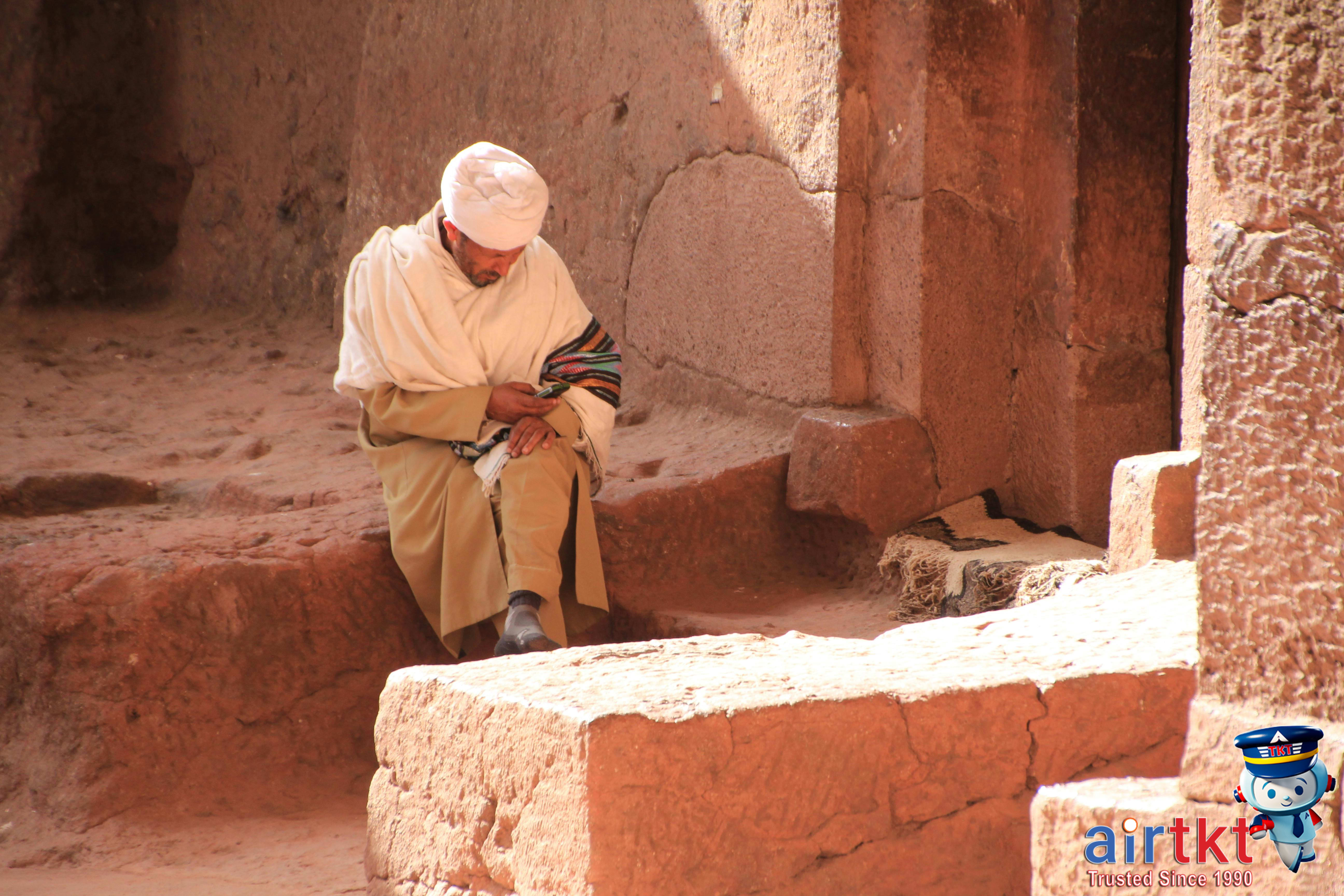
Packing smartly for your travels can make adhering to these dress codes hassle-free. Include lightweight scarves and shawls that can easily cover shoulders when needed. Opt for comfortable long pants or skirts made from breathable fabrics to stay cool while respecting local customs. Slip-on shoes are also practical for places where shoe removal is mandatory. Before you visit any sacred site, always check local guidelines, signage, or the advice of your tour guides to ensure you meet dress expectations without stress.
By dressing thoughtfully and following site-specific rules, you contribute to a respectful travel experience that honors traditions and fosters goodwill with local communities. Remember, respecting these codes reflects well on you as a traveler and enriches your understanding of diverse cultures and beliefs during your journey.
Avoid Dining Etiquette Mistakes Abroad
When traveling internationally, understanding local dining etiquette is essential to show respect and avoid awkward moments. Each culture has unique mealtime customs that may differ widely from what you know. By being mindful of these differences, you can enjoy meals with locals confidently and graciously.
In many countries, using the right hand only while eating is a key rule. For instance, in India and several Middle Eastern nations, the left hand is considered unclean for handling food. Always offer, receive, or eat with your right hand to honor local traditions.
Another notable example is Japan’s chopstick etiquette. Avoid sticking your chopsticks upright in your rice bowl, as this resembles a ritual for funerals and is viewed as disrespectful. Instead, rest your chopsticks on the holder or lay them neatly across your bowl when not in use.
Middle Eastern dining customs also emphasize hospitality and sharing. It’s polite to eat from the food closest to you or the section your host offers. Often, meals are communal, so avoid reaching across without invitation, and use flatbread or utensils to serve yourself rather than your hands.
India’s dining culture often involves eating with your fingers, combining each bite with bread or rice. However, cleanliness is paramount, so wash your hands before and after the meal. Some regions prefer eating from a banana leaf, which is both traditional and eco-friendly.
To navigate these diverse customs smoothly, observe the locals quietly before diving in. Watching how hosts handle utensils, how they gesture during meals, and how they pace eating can provide subtle clues. When in doubt, mimic their behavior or ask a polite question discreetly.

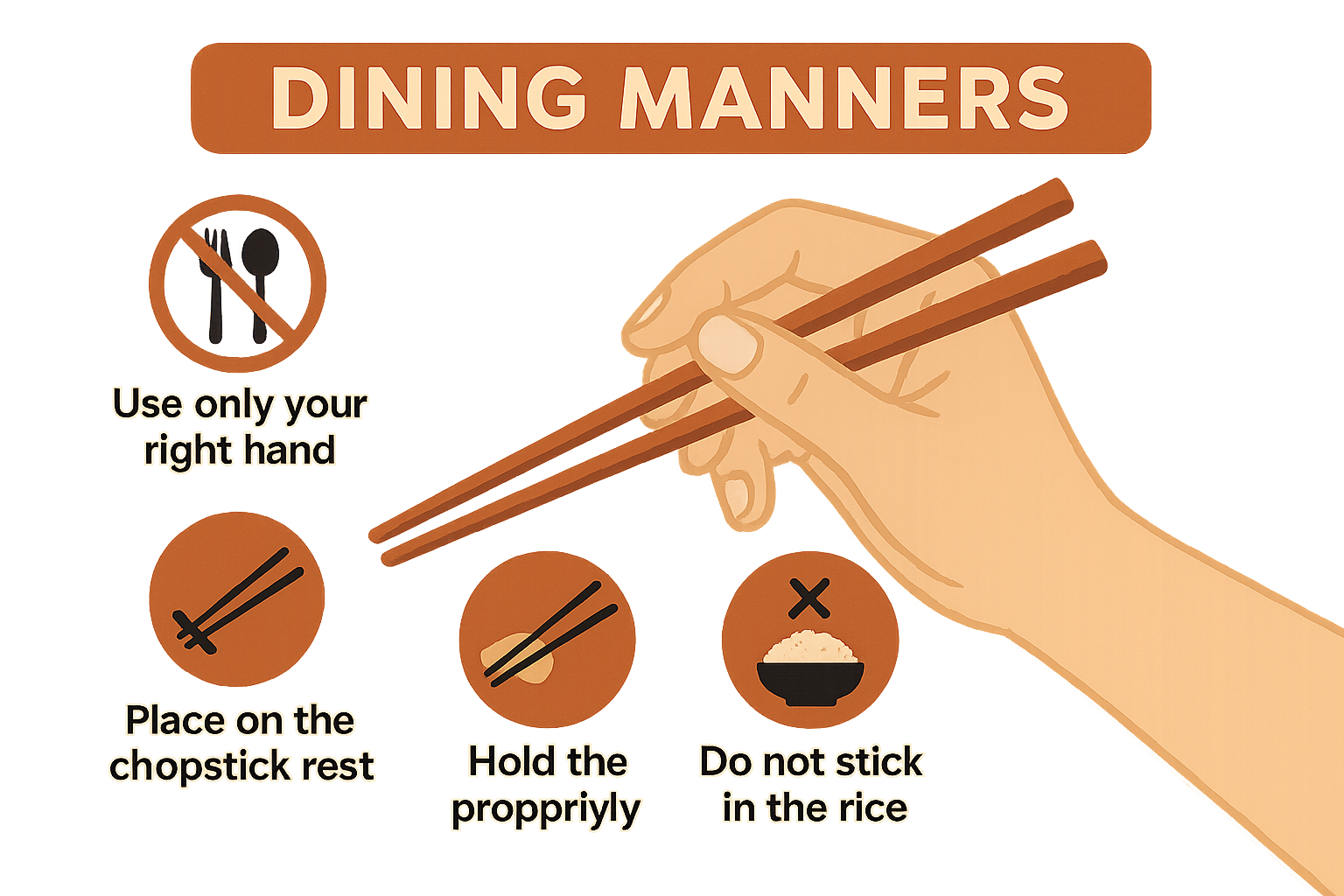
Recognizing and respecting dining customs across cultures not only enriches your travel experience but also fosters goodwill with locals. Whether it’s using the right hand, handling chopsticks correctly, or sharing meals in Middle Eastern style, a little awareness goes a long way. For seamless travel planning and discounts on flights, hotels, and car rentals, visit AirTtkt today and prepare for your next cultural adventure with confidence.
Adapt to Time and Punctuality Norms
Punctuality expectations differ dramatically around the world, making it essential for travelers to understand local time customs. In countries like Germany and Switzerland, strict punctuality is highly valued. Arriving even a few minutes late to appointments or social gatherings can be seen as disrespectful or unprofessional. Time is treated precisely, and schedules are adhered to rigidly.
In contrast, many Latin American and Middle Eastern countries adopt a more flexible approach to time. Here, social and business appointments often start later than planned, and a relaxed attitude toward punctuality is common. This flexibility reflects cultural values emphasizing relationships and personal connection over strict adherence to the clock.

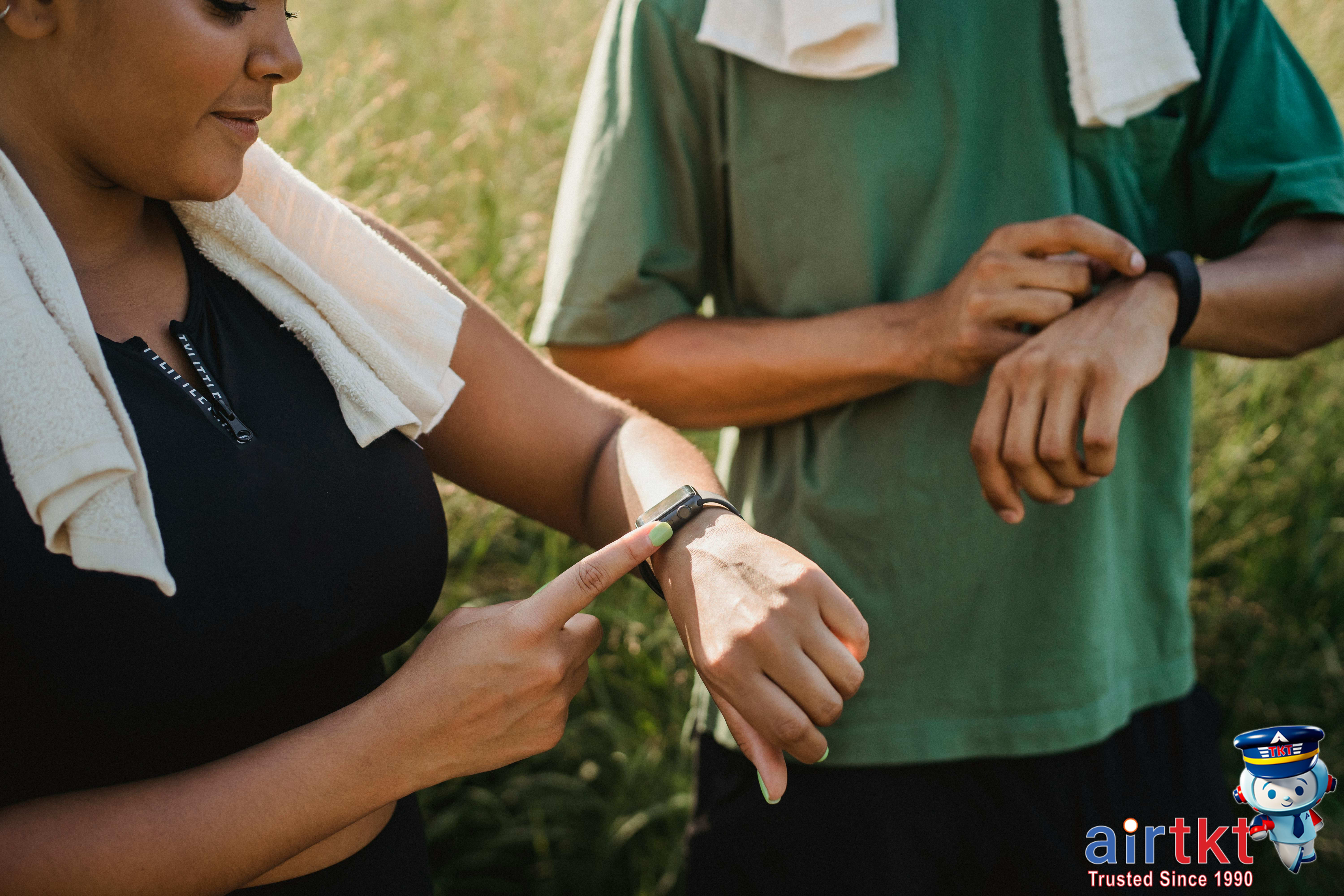
Adapting your behavior to these norms enhances your travel experience and shows respect for local customs. In punctual cultures, always plan to arrive at least 10 minutes early. Set multiple alarms or reminders to avoid surprises. For flexible time zones, allow extra time, expect delays, and embrace the relaxed pace without frustration.
When scheduling travel activities, research the local approach to time. For example, booking tours or reservations in punctual countries requires strict adherence to start times. Meanwhile, in places where time is flexible, it’s wise to build buffer periods into your itinerary to accommodate late starts. This prevents unnecessary stress and missed connections.
Understanding these cultural attitudes toward time helps you manage your schedule more effectively and demonstrates cultural sensitivity. For business travelers, it can improve negotiations and relationships. For leisure travelers, it creates smoother days and a more enjoyable immersion into local life.
Travel Etiquette FAQ
What is cultural etiquette in travel and why is it important?
Cultural etiquette refers to the accepted behaviors, customs, and social norms that vary from country to country. Understanding these helps you show respect, avoid misunderstandings, and create positive interactions while traveling. It’s essential because what’s polite in one culture might be offensive in another.
When should I tip or avoid tipping abroad?
Tipping practices differ widely. In the US, tipping around 15-20% is standard, but in Japan or South Korea, tipping can be considered rude or unnecessary. Countries like Italy and Australia either include service charges or don’t expect tips at all. Research tipping customs beforehand to avoid awkward situations.
How to greet people respectfully in different countries?
Greetings vary from handshakes and bows to cheek kisses. For example, a firm handshake is common in the US, while bowing shows respect in Japan. In some Middle Eastern countries, avoid physical contact with the opposite gender unless initiated. When in doubt, observe locals or opt for a polite nod or smile.
Why is punctuality viewed differently around the world?
In many Western countries, punctuality is a sign of professionalism and respect. However, in places like Latin America, Africa, or the Mediterranean, time can be more flexible, and arriving late is often socially acceptable. Adjust your expectations based on the cultural context to avoid frustration.
Can I wear casual clothes at religious sites?
Most religious sites have strict dress codes requiring modest and respectful attire. In countries like India, the Middle East, or Thailand, covering shoulders and knees is often mandatory. Avoid shorts, tank tops, or flashy clothing. When planning visits, pack clothes suitable for these etiquettes.
How to discreetly learn local dining manners before traveling?
Quick research through travel guides, reputable websites, or apps can provide essential dining etiquette tips. For example, in China, it’s polite to try all dishes offered, while in France, keep your hands visible but not elbows on the table. AirTtkt offers cultural insights alongside travel booking to prepare you better.
Where can I find reliable etiquette information before my trip?
Trusted sources include official tourism websites, travel blogs, guidebooks, and apps focusing on cultural tips. Forums like TripAdvisor or communities on social media also provide firsthand advice. Combining these resources ensures respectful and smooth travels.
Embrace Cultural Etiquette for Better Travel
Traveling with an awareness of cultural etiquette enhances every journey. Being informed about tipping customs, appropriate greetings, local dress codes, dining manners, and punctuality not only prevents misunderstandings but also builds genuine connections with locals. Each of these elements reflects deep-rooted traditions that shape social interactions worldwide.
Embracing these differences demonstrates respect and open-mindedness, paving the way for memorable, positive experiences. For example, knowing when to tip or how to greet someone can show your appreciation and willingness to engage with the culture authentically. Similarly, dressing appropriately and respecting dining protocols reflect sensitivity to local values and customs.
Adaptability is essential when exploring new destinations. Approaching each trip as an opportunity to learn and grow enriches your travel experience. Ready travelers keep an open mind, observe local behaviors, and adjust accordingly to blend in respectfully. This ongoing cultural curiosity fosters trust and goodwill with the people you meet along the way.
Planning hassle-free trips that focus on respectful interactions begins well before you pack your bags. By choosing reliable platforms like AirTtkt, you get easy access to affordable flights, hotels, and car rentals that align with your travel goals. With real-time fare comparisons and exclusive deals, AirTtkt helps streamline your itinerary, allowing you to focus more on cultural discovery than logistics.
Respectful travel and smooth bookings go hand in hand. When your arrangements are simple and cost-effective, you have more energy to appreciate cultural nuances and create meaningful memories. Trust AirTtkt for seamless booking support and enjoy your adventures with confidence and cultural sensitivity.