

Introduction to Traveling in Japan 2024
Japan effortlessly blends centuries-old traditions with cutting-edge technology, making it a top destination for travelers in 2024. From serene ancient temples and tea ceremonies to futuristic cityscapes and bullet trains, Japan offers a unique cultural experience wrapped in vibrant contrasts that fascinate every visitor.
Whether you’re exploring the cherry blossoms in Kyoto or the neon-lit streets of Tokyo, Japan’s natural beauty and seamless modern infrastructure enhance any adventure. Its efficient public transport and welcoming hospitality create an accessible environment for travelers of all ages and budgets.
Planning a trip to Japan may seem daunting, but AirTkt simplifies the process. As a trusted online travel platform, AirTkt helps you find affordable flights, hotels, and car rentals with real-time price comparisons and exclusive deals. Their user-friendly tools and 24/7 support empower you to book confidently, ensuring your Japan trip fits your budget without sacrificing quality.
This article serves as your practical, budget-friendly guide to traveling in Japan in 2024. You’ll find money-saving tips on flights, accommodation hacks, and insider advice for experiencing Japan fully without overspending. Whether you’re a seasoned traveler or embarking on your first journey to Asia, this guide aims to make your planning smarter and your trip unforgettable.
When to Visit Japan for Best Experience
Choosing the right time to visit Japan can significantly enhance your travel experience. Japan’s travel calendar is divided into peak, shoulder, and off-peak seasons, each with unique pros and cons that can influence your trip.
Peak seasons include spring during cherry blossom bloom and autumn with vibrant fall foliage. These periods offer breathtaking natural beauty and lively festivals but come with larger crowds and higher prices. Shoulder seasons — late spring (May) and early winter (December before New Year) — offer pleasant weather and fewer tourists. Lastly, the off-peak seasons in summer (excluding Obon holidays) and mid-winter provide budget-friendly travel options, though some outdoor attractions may be less accessible due to heat or snow.
Weather varies considerably by region, affecting your itinerary choice. Northern areas like Hokkaido enjoy cooler summers and deep snow winters, ideal for skiing. Meanwhile, southern regions such as Okinawa boast subtropical climates perfect for beach lovers year-round. Metropolitan areas, including Tokyo and Kyoto, feature four distinct seasons, offering seasonal charms like warm cherry blossoms and colorful autumn leaves but also humid summers and cold winters.
Japan’s rich cultural calendar enhances travel timing decisions. Notable events include the Cherry Blossom Festivals in April, Gion Matsuri in Kyoto during July, and Takayama Autumn Festival in October. These festivals add vibrant cultural depth but attract substantial crowds. Attending these events can elevate your visit from sightseeing to an immersive cultural celebration.

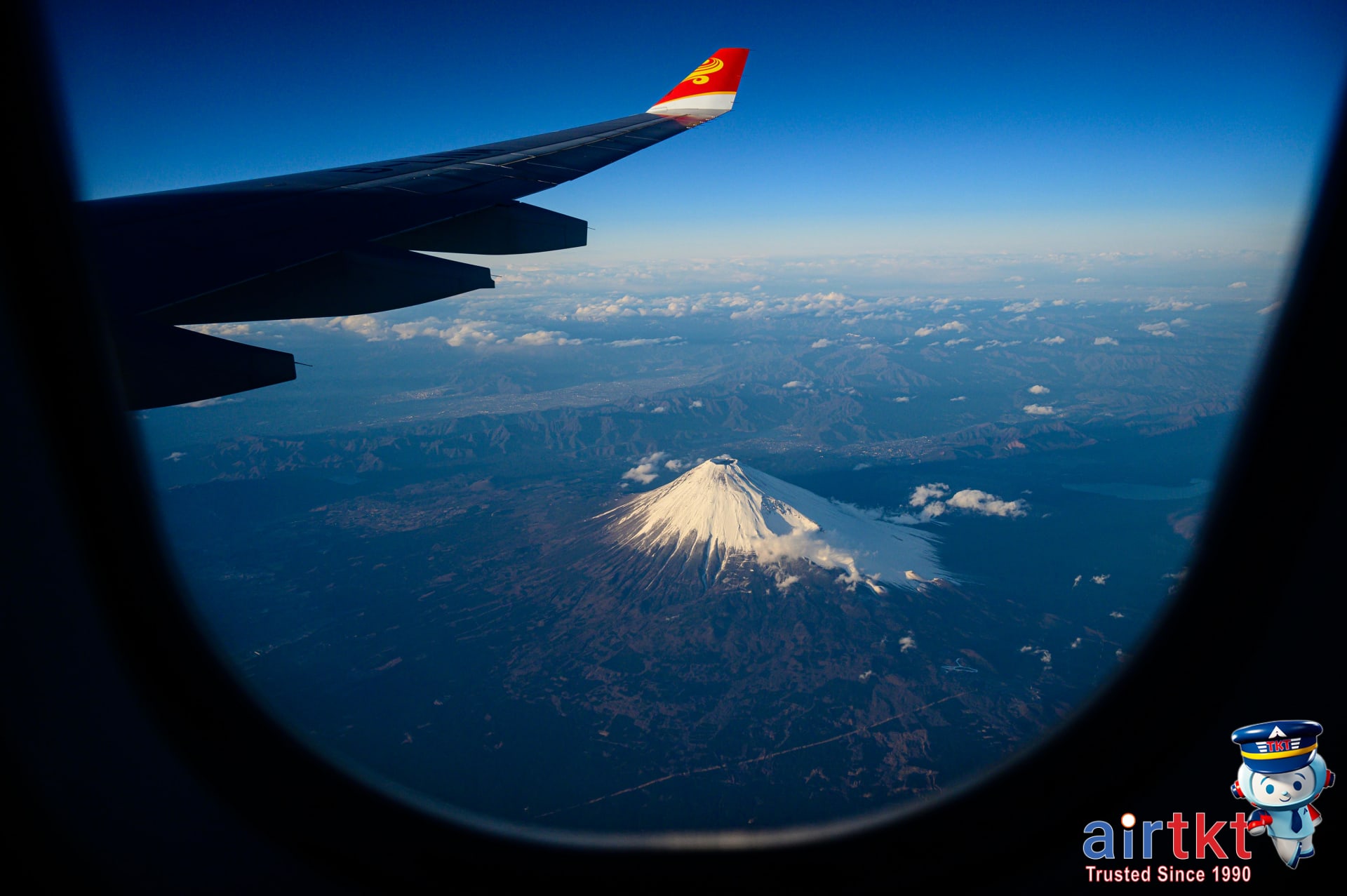
Analyzing verified 2024 airfare trends reveals clear price fluctuations aligned with these seasons. Peak travel months in April and November show the highest airfares, often 30–50% above the annual average. Shoulder months in May and December offer more reasonable prices with good availability. The lowest fares usually occur during winter (January–February) and parts of summer, except for Obon holidays in August, when prices spike briefly.
- Book flights at least 3-4 months in advance for peak seasons to lock in better rates and availability.
- For shoulder or off-peak travel, last-minute deals can provide significant savings.
- Avoid flying during Golden Week (late April to early May) when demand and prices surge sharply.


How to Find Affordable Flights to Japan
Securing budget-friendly flights to Japan starts with smart use of flight comparison tools. AirTkt excels here by offering real-time fare comparisons across multiple airlines and exclusive discounts you won’t find elsewhere. Their intuitive platform helps you pinpoint the best prices quickly, saving you time and money.
When using AirTkt, be sure to set fare alerts and use filters to narrow down flight times, connections, and price ranges. This hands-on approach uncovers deals tailored to your travel preferences, especially helpful for flexible itineraries.


Booking Timing: Early vs. Last-Minute
Choosing when to book your flight significantly impacts cost. Typically, booking 2 to 6 months ahead offers the best fares to Japan. Early reservations lock in lower prices, particularly during peak travel seasons.
Conversely, last-minute deals occasionally arise but are less reliable and often limited in availability. Midweek bookings can enhance savings, as flights departing Tuesday through Thursday generally cost less than weekend travel.
- Book early (2-6 months) for widest fare selection
- Check last-minute deals for limited, sudden discounts
- Favor Tuesday-Thursday departures for better prices
- Avoid flights over weekends due to higher demand
Midweek Departures and Airline Policies
Flying midweek not only lowers your fare but also reduces crowded airports and long security lines. Airlines often price midweek flights competitively to fill seats.
However, be mindful of baggage policies when budgeting your trip. Most airlines to Japan include one checked bag with the ticket, but excess baggage and overweight fees can hike your total cost. Popular carriers servicing U.S.-Japan routes — like ANA, Japan Airlines, and United — have varied fee structures, so review them carefully before booking.
Popular U.S. Gateways and Major Carriers
Major U.S. airports with direct routes to Japan include Los Angeles (LAX), San Francisco (SFO), New York (JFK), and Seattle (SEA). These hubs offer multiple daily flights via key carriers such as:
- All Nippon Airways (ANA)
- Japan Airlines (JAL)
- United Airlines
- American Airlines
Choosing flights from these airports maximizes your options for affordable pricing, flight times, and airline loyalty programs.
For more advanced deal-hunting, explore Black Friday flight tips and holiday travel strategies on AirTkt. These resources provide seasonal insights to help you maximize savings on your trip to Japan.
Japan Entry Requirements and Airport Tips
As of 2024, Japan welcomes international travelers with streamlined entry protocols, balancing safety and convenience. Most tourists do not require a visa for stays under 90 days, but verifying your nationality’s specific visa policies is essential. COVID-19 restrictions have largely eased; pre-departure testing and quarantine mandates have been lifted for vaccinated passengers, though health declarations via Japan’s electronic system remain mandatory before arrival.
Stay updated by consulting official sources or reliable travel sites like AirTkt. This ensures your documentation and health requirements align with the latest regulations, avoiding last-minute surprises.
Stepwise Arrival Procedures at Japanese Airports
- Immigration: Have your passport, completed embarkation card, and quarantine questionnaire ready. Automated gates are available for eligible travelers to expedite processing.
- Customs: Declare any goods accurately on the form. Japan enforces strict rules on prohibited items, so review customs guidelines beforehand.
- Baggage Claim: Follow clear signage to luggage carousels. If items are damaged or lost, report to the airline counter immediately.
- Duty-Free Shopping: Passengers may shop duty-free upon arrival or before departure. Keep receipts handy if claiming tax refunds or for customs verification.
Currency Exchange and Airport Transportation
Most major airports, including Tokyo Narita, Haneda, and Kansai International, offer multiple currency exchange counters and international ATMs. Rates at airport counters tend to be less favorable, so exchanging only what you need immediately is wise. For better rates, consider withdrawing yen from ATMs linked to your bank.
Transportation options from airports are diverse and efficient:
- Trains: Narita Express and Skyliner provide rapid connections to central Tokyo. Kansai offers JR Haruka Express to Osaka.
- Buses: Airport limousine buses cover major hotels and city hubs, ideal for heavy luggage.
- Taxis and Ride-shares: Convenient but pricier—perfect if traveling in groups or off-peak hours.
Public and Private Transport Advice for First-Time Visitors
Japan’s public transport is famously punctual and clean. For first-time visitors, understanding the basics can save time and avoid confusion:
- Plan routes using apps like Google Maps or Japan Transit Planner.
- Purchase regional passes for budget-friendly unlimited travel in specific areas.
- Speak politely and follow queue etiquette on platforms and buses.
Private taxis offer door-to-door convenience but confirm fares upfront, as night and highway tolls may increase costs. Renting a car is generally not necessary in urban centers but can be ideal for rural explorations or group travel.

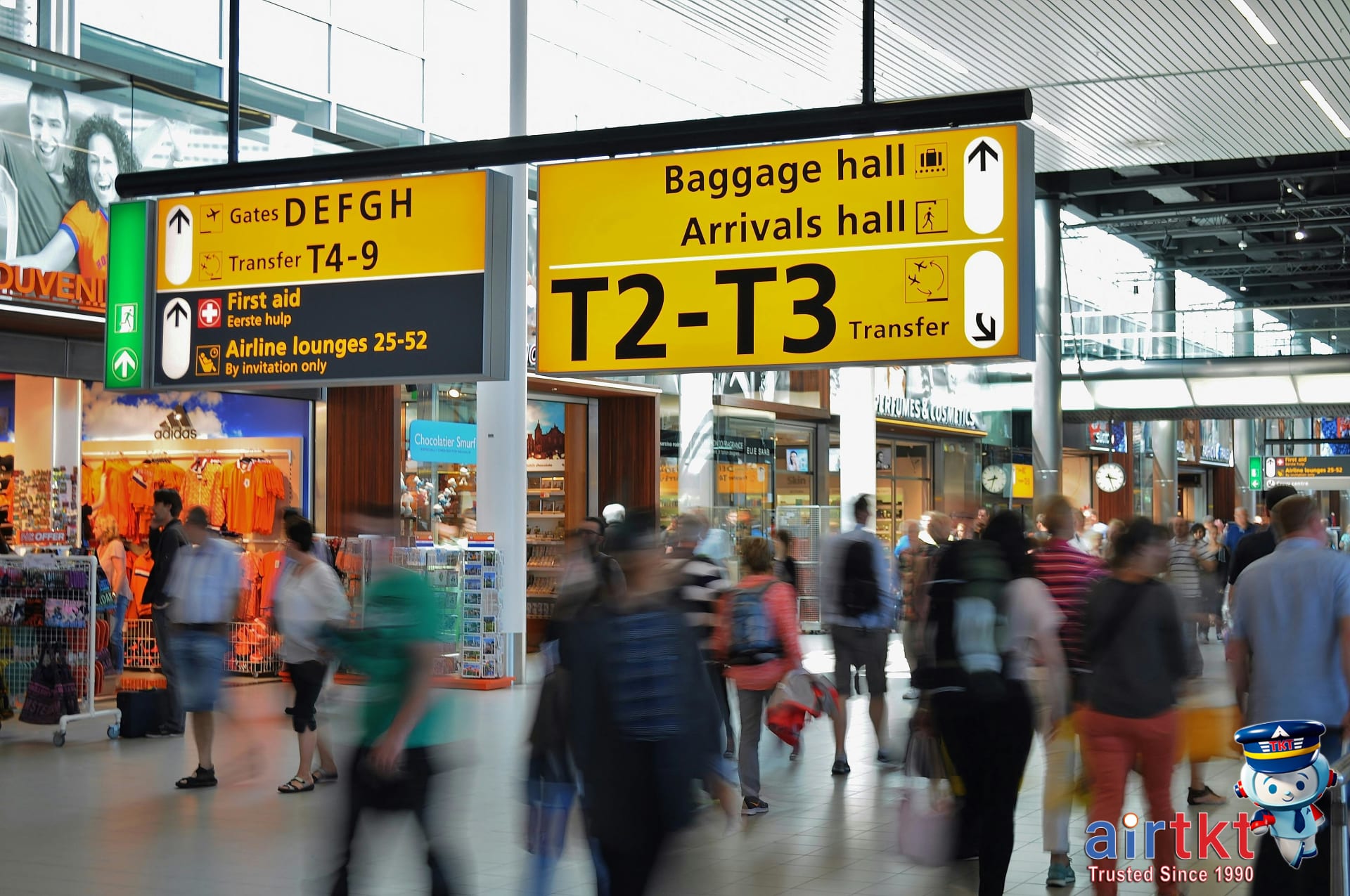
Double-check the latest travel regulations before you depart, as Japan’s policies can evolve with global health trends. Reliable resources like AirTkt provide updated information to help you plan your trip confidently and smoothly.
Practical Travel Tips for Your Japan Trip
Preparing for a trip to Japan requires thoughtful packing, understanding local customs, and using the right tools to navigate efficiently. Tailoring your packing list to the season is essential, as Japan’s climate varies significantly throughout the year.
- Spring (March-May): Pack light jackets and layers for cool mornings and evenings. Include comfortable walking shoes for cherry blossom viewing.
- Summer (June-August): Bring breathable clothing and a compact umbrella for rainy days. Sunscreen and a hat are also must-haves due to high humidity and sun exposure.
- Autumn (September-November): Similar to spring, pack layers and a warmer jacket for cooler nights and fall foliage sightseeing.
- Winter (December-February): Prepare with insulated jackets, gloves, and scarves, especially if visiting northern regions or mountains.
Don’t forget a universal power adapter compatible with Japan’s Type A outlets, and consider a portable charger for on-the-go device use. A reusable water bottle and basic first-aid kit can also come in handy.
Mastering some basic Japanese phrases not only bridges language gaps but shows respect for local culture. Common expressions like “Arigatou” (thank you), “Sumimasen” (excuse me/sorry), and “Onegaishimasu” (please) go a long way. Politeness is highly valued, so remember to bow slightly when greeting and avoid loud conversations in public spaces.
Use etiquette tips such as removing shoes before entering homes or certain traditional places, and never sticking chopsticks upright in rice, as this resembles a funeral ritual. Fitting in with local behaviors enhances your experience and interactions significantly.
Japan is one of the safest countries to travel in, but it’s wise to stay alert and keep valuables secure, especially in crowded areas. Travel insurance is essential to cover unexpected emergencies like health issues or travel disruptions, saving you time and money.
To make your trip smoother, rely on top-rated Japanese travel apps:
- Google Maps: For detailed transit routes and walking directions.
- Google Translate: To understand menus, signs, and conversations instantly.
- Hyperdia or Japan Transit Planner: Essential for navigating Japan’s extensive rail system efficiently.
- AirTkt app: Convenient for booking last-minute flights, hotels, or transportation deals while on the move.
To avoid unexpected costs, clarify baggage rules ahead of time and know that some trains don’t accept certain IC cards, so carry enough cash. Be mindful of tipping customs—tipping is uncommon and can be seen as rude in Japan. Lastly, double-check hotel cancellation policies to avoid fees.
Proper preparation, respect for local customs, and leveraging helpful apps will ensure your journey through Japan is smooth, enjoyable, and memorable.
Frequently Asked Questions about Travel to Japan
How to find affordable flights to Japan?
Use platforms like AirTkt to compare real-time fares across airlines. Flexible dates and nearby airports increase your chances of snagging the best deals. Booking early and monitoring price drops can also lead to significant savings on flights to Japan.
What is the best time to visit Japan for sightseeing?
Spring (March to May) offers mild weather and beautiful cherry blossoms, while autumn (September to November) delivers vibrant fall foliage. Both seasons provide ideal sightseeing conditions with comfortable temperatures and stunning natural scenery.
When should I book flights to Japan to get the lowest fares?
Book your tickets 2 to 3 months in advance for the best prices. Tuesdays and Wednesdays often show lower fares. Using AirTkt‘s flexible date search can help identify the cheapest travel windows and special discounts.
Why is understanding Japan’s baggage policies important for travelers?
Japan’s airlines have strict weight and size limits, often differing between domestic and international flights. Knowing baggage rules helps avoid extra fees, ensures compliance at check-in, and allows you to pack efficiently for a hassle-free journey.
Can I use public transport easily upon arrival in Japan?
Yes. Japan’s public transit is world-renowned for punctuality and coverage. Airports connect to extensive train, subway, and bus networks. Investing in a prepaid IC card can simplify travel across cities efficiently right after arriving.
What are the current entry requirements for Japan travel?
Entry rules vary by country and ongoing health situations. Most travelers need a valid visa or entry exemption, a negative COVID-19 test, and possibly vaccination proof. Check official sources ahead and prepare documents to ensure smooth arrival.
How to stay safe and healthy during a trip to Japan?
Practice regular hand hygiene, carry masks, and follow local regulations. Stay hydrated, avoid crowded places if unwell, and purchase travel insurance. Japan’s healthcare is excellent, but preparation helps maintain wellness during your travels.
Conclusion and Travel Planning with AirTkt
Booking your flights at the right time, understanding Japan’s seasonal travel nuances, and preparing thoroughly can transform your trip into an affordable adventure. Timing your airfare purchases to capture off-peak deals and shoulder seasons helps stretch your travel budget while giving you a more authentic experience. Being well-prepared with essentials like appropriate luggage, travel insurance, and local knowledge also saves you from unexpected expenses and enhances your journey.
AirTkt plays a crucial role in making this planning process simpler and more cost-effective. With its real-time fare comparisons, exclusive discounts, and 24/7 customer support, AirTkt empowers travelers to confidently book flights and manage their trips without stress. Whether you’re hunting for last-minute deals, prefer flexible bookings, or need expert advice, AirTkt provides seamless access to competitive rates and reliable assistance.
For those eager to explore more of Asia affordably, AirTkt offers comprehensive travel guides and booking tips tailored to budget-conscious adventurers. These resources help you unlock hidden savings, avoid costly mistakes, and adapt based on seasonal trends. Leveraging expert insights and user-friendly tools ensures that your travel planning is smart, efficient, and rewarding.
References and Source Material
To ensure accuracy and provide reliable information throughout this article, we referenced multiple authoritative sources. The official Japan travel site (japan.travel) offered comprehensive details on destinations, customs, and travel requirements in Japan, helping shape destination-specific advice.
The U.S. Transportation Security Administration’s official website (tsa.gov) was valuable for up-to-date airport security protocols and baggage regulations, which are vital for smooth travel planning.
For practical tips on booking and navigating airfare deals, several articles from AirTkt’s own resource library were consulted, including:
These sources helped craft actionable booking strategies and holiday travel insights specific to budget-conscious travelers.