

Why Pack Light for Two Weeks

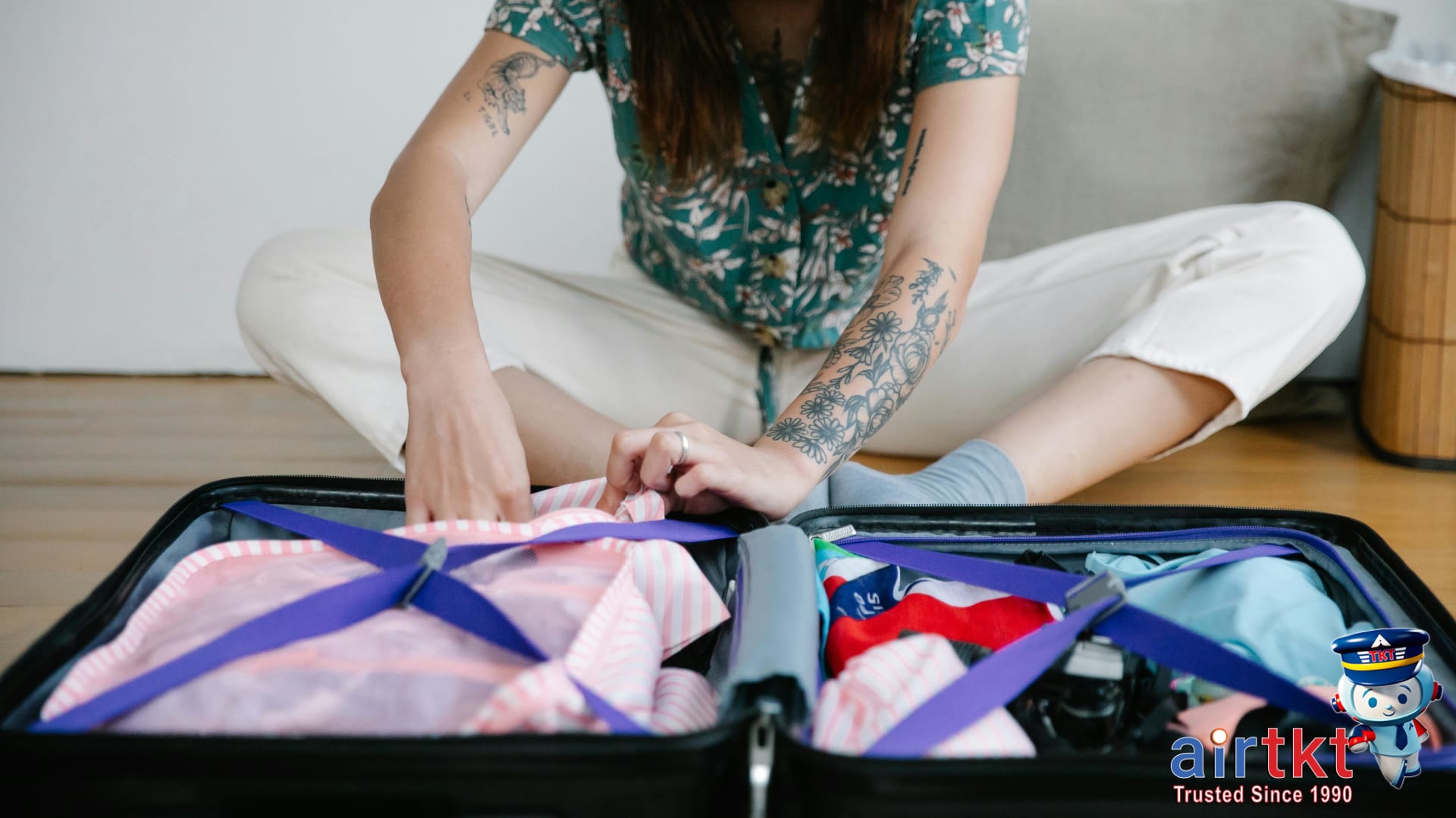
If you’ve ever started a two-week trip lugging around oversized suitcases, you know how tiring it gets. Heavy bags can slow you down at airports, rack up checked luggage fees, and make trains, buses, and even hotel check-ins more challenging. In my experience, skipping the checked bag for a two-week journey felt unexpectedly freeing—boarding was faster, and I avoided staring nervously at the baggage carousel after every flight.
Packing light, especially for a longer trip, means your bag always stays by your side. With just a carry-on, you breeze through security, skip the wait at baggage claim, and dodge extra fees that can add up quickly. This really comes in handy if your trip includes several stops—dragging less weight up stairs or through narrow streets is a real stress saver. I also noticed that with a lighter load, I shifted focus away from stuff and toward making the most of my days on the road.
It’s common to worry you might not have enough outfits or essentials for two weeks. But the truth is, most of us pack more than we ever use. If you think about it, you probably end up using the same favorite items repeatedly. Packing light means being intentional—choosing clothes you can mix, match, and easily wash, along with just the essential toiletries and gear you always reach for. Many seasoned travelers find this approach brings more peace of mind than any amount of backup shoes or just-in-case items.
Travel is a lot smoother when you’re not wrestling with luggage at every transition. Plus, the money you save by not checking bags can go toward a nice meal or a guided activity at your destination. For more time-saving advice, check out these Top Travel Hacks for Airport Efficiency.
Capsule Wardrobe Essentials for Travel
A capsule wardrobe, at its core, is a thoughtfully chosen set of clothing pieces designed to mix, match, and layer for maximum wear and minimum bulk. For travel, this approach lets you fit two weeks’ worth of outfits in your carry-on without feeling limited or sacrificing style. The goal is versatility: pieces pull double (or even triple) duty, coordinate easily, and hold up well through airport sprints, city strolls, and dinner out.
Essential Pieces to Pack
Here’s a straightforward checklist for building a two-week travel capsule:
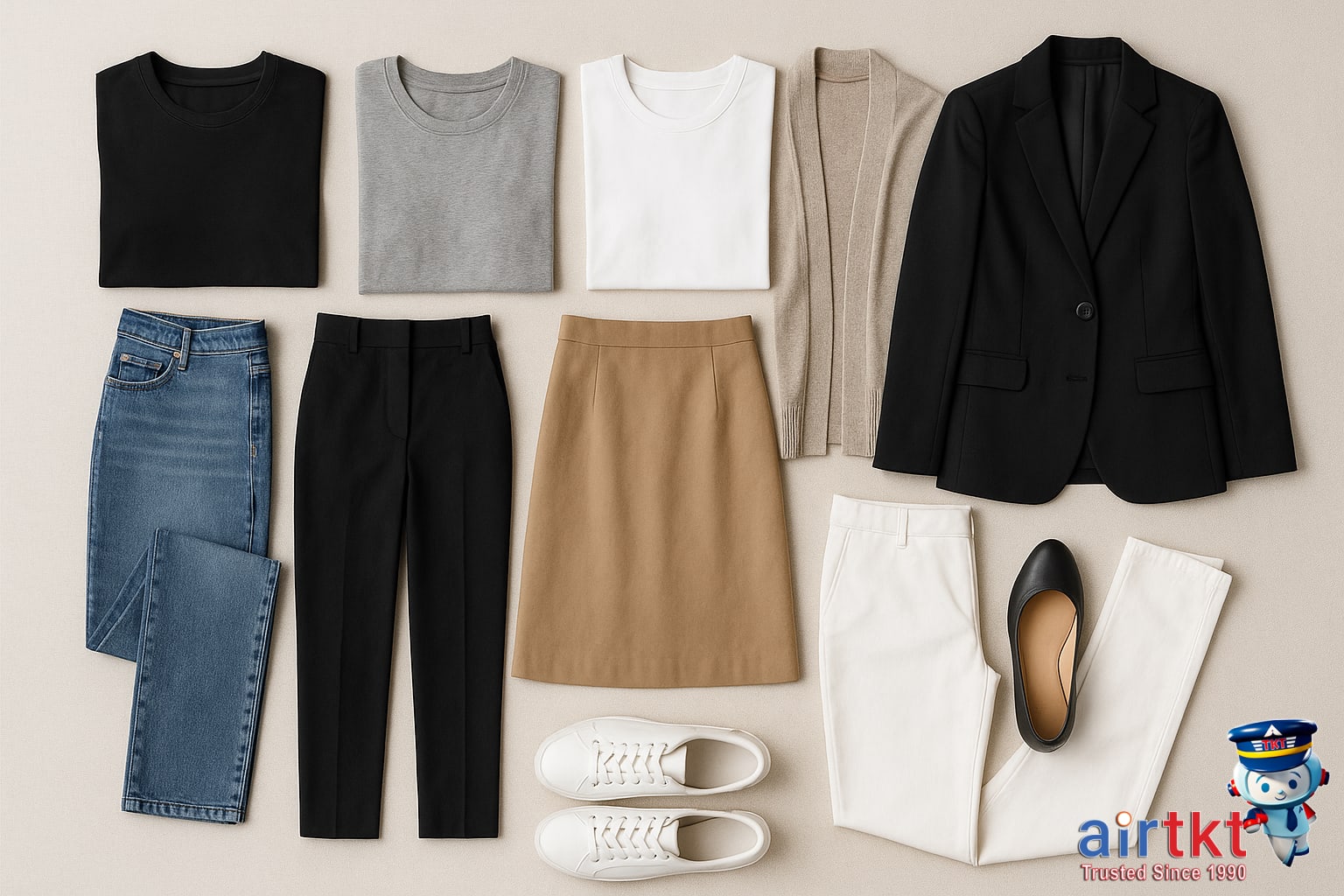
- Tops: Pack 3–4 comfortable shirts or blouses in solid neutrals or subtle patterns, plus one dressier top for evenings. A striped tee or classic button-down can be dressed up or down.
- Bottoms: Choose 2 pairs of pants (like dark jeans and slim trousers) and 1 lightweight skirt or shorts. Stick with basic colors such as black, navy, or tan—easier to mix and match.
- Layering Pieces: Don’t skip a soft cardigan, a versatile blazer, and a light packable rain jacket. These add polish and adjust for changing weather.
- Footwear: Limit yourself to 2 pairs—one comfortable pair for walking (like sneakers or flats) and one stylish pair for evenings. Both should be broken in and supportive.
- Accessories: Add a scarf in a coordinating print, one neutral belt, and simple jewelry. A compact tote doubles as a day bag and personal item for flights.
Choose Travel-Smart Fabrics and Colors
I’ve learned the hard way that wrinkle-prone fabrics and hard-to-match prints make packing a pain. Instead, go for materials like merino wool, modal, or performance blends—they’re lightweight, dry fast, resist odors, and often hide wrinkles. For easy coordination, stick to a palette anchored by 2–3 main colors and one accent—this way, each piece pairs with multiple others effortlessly.
Looking for more strategy? Check out our detailed guide on How to Build a Travel Capsule Wardrobe for step-by-step planning tips.
In my experience, a black midi dress has proven to be my most versatile travel piece—it works layered with a tee and sneakers for day trips, or dressed up with a blazer and flats for dinner. Prioritizing multi-functional clothing has really saved me space, and I’ve never missed the extra luggage.

Best Packing Strategies and Space Maximizing

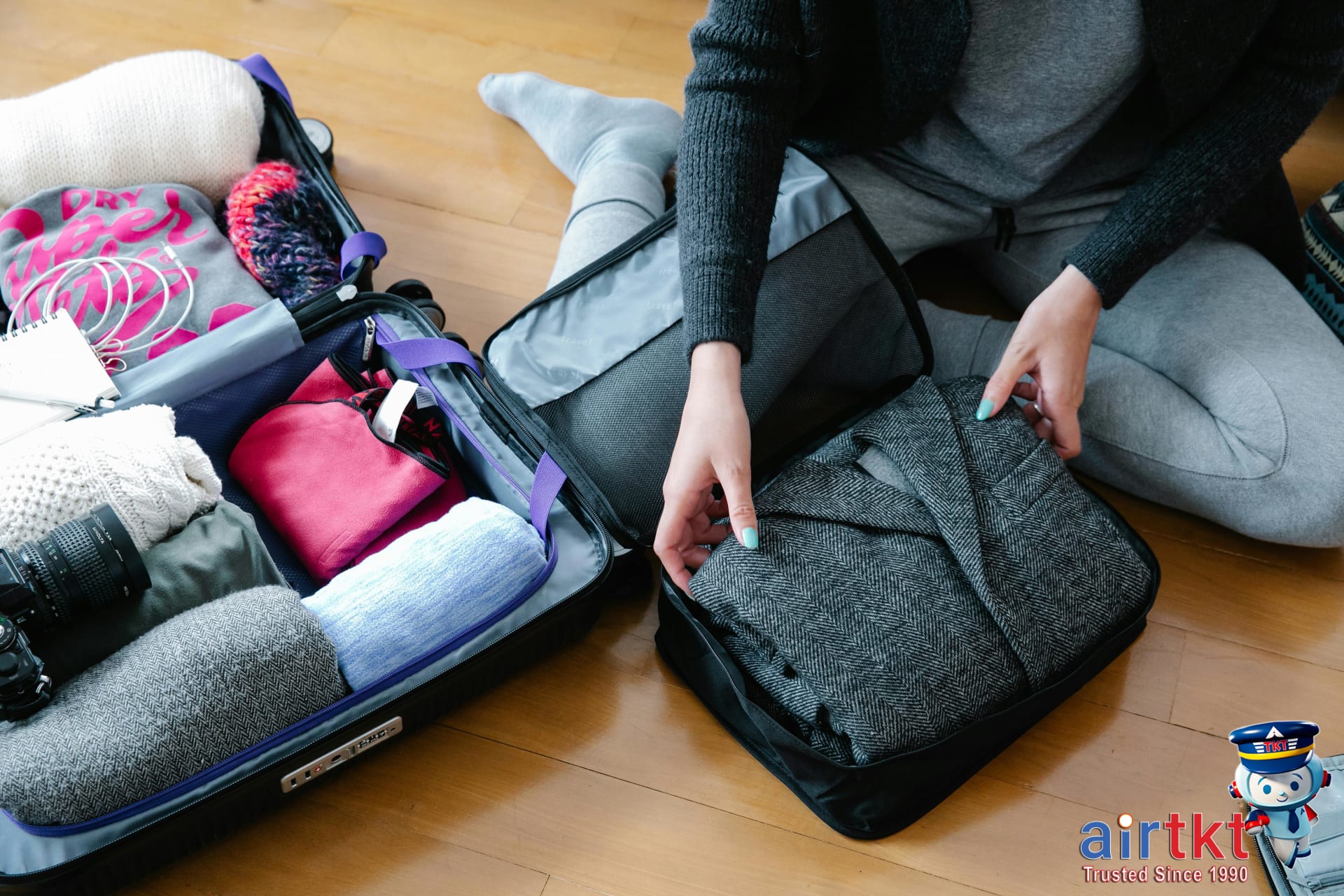
Packing for a two-week trip in just a carry-on sounds impossible at first, but a few proven strategies can make it surprisingly doable. One debate I hear often is rolling versus folding clothes. Rolling wins for me nearly every time—it not only minimizes wrinkles, but it really helps fill up every bit of available space. When I switch from folding to rolling, I always manage to fit more than I expect into the same suitcase.
Packing cubes are another game-changer. I used to just stuff clothes into my bag and hope for the best, but after trying packing cubes, my entire packing routine changed. They help divide outfits (or categories: like tops, bottoms, underwear), making it easy to find what you need quickly. Packing cubes also compress your items so you’re not fighting with a bag that won’t zip. I usually start with my largest and heaviest items at the base, then layer softer pieces above, using scarves or swimwear to gently separate and protect more delicate fabrics like silk blouses or dress shirts.
Maximizing every corner makes a real difference, especially when you’re traveling carry-on only. Shoes are an ideal spot—slip socks, small chargers, or even travel-size toiletries inside each shoe. I also use the corners of my bag for smaller items like belts, rolled tank tops, or charging cords. In my experience, actually planning my outfits ahead (instead of overpacking “just in case” extras) keeps things lighter and more manageable.
If you want more creative ideas, check out our Top 10 Travel Packing Hacks for additional inspiration.
Choosing the Right Carry-On Luggage
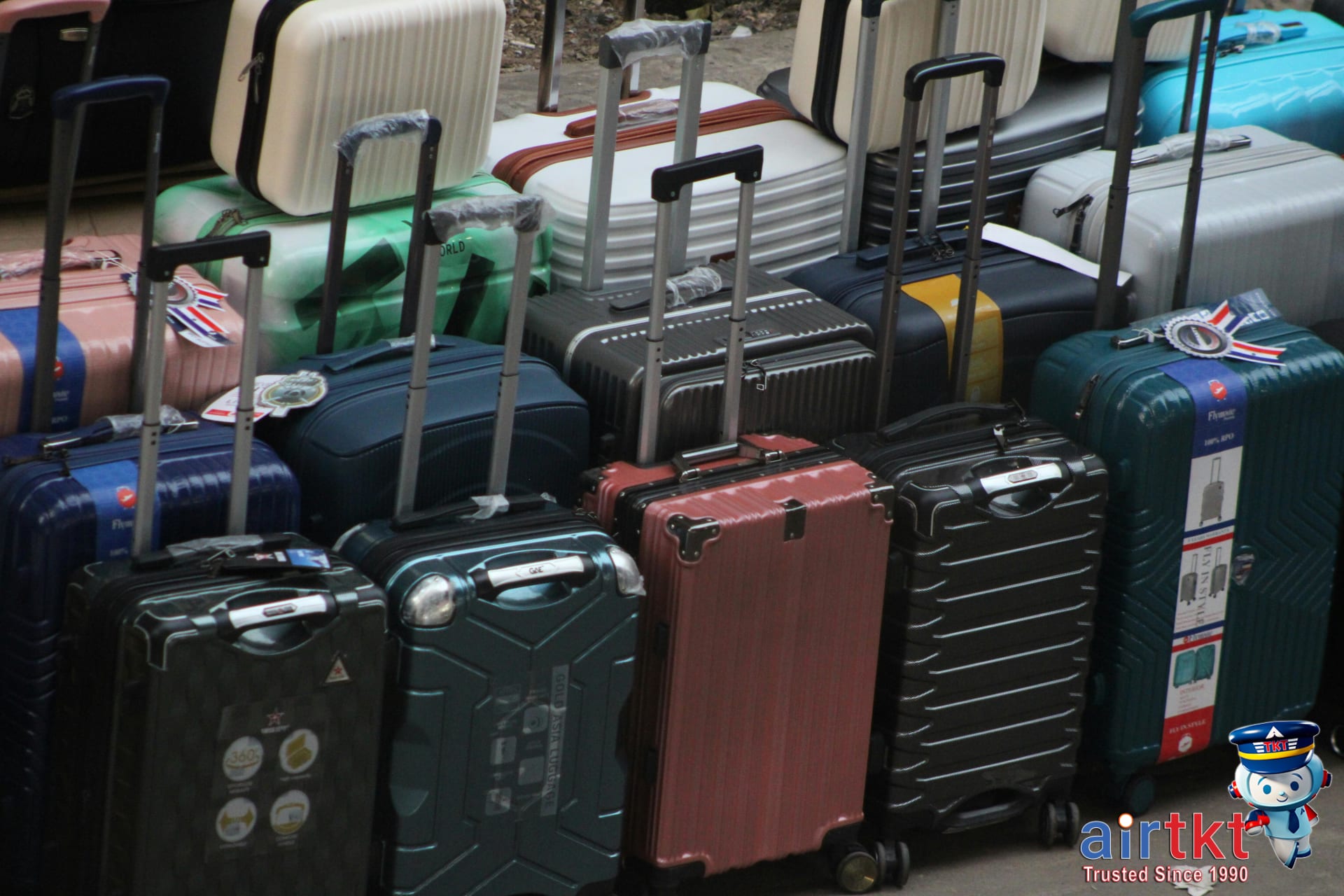
Selecting the right carry-on can make or break a two-week trip, especially when you want to avoid checking bags and keep things streamlined at the airport. The first thing I do when gear shopping is check airline size and weight restrictions—these differ internationally and even between major U.S. carriers. Most airlines allow carry-ons up to about 22 x 14 x 9 inches, but it’s worth reviewing a full guide to airline carry-on bag restrictions before you buy. For the latest details, I always cross-check airline policies directly—sites like Travel + Leisure’s carry-on size guide are helpful for updated airline-by-airline info.
When it comes to construction, hard shell carry-ons typically offer better protection for your gear, especially if you’re carrying electronics or souvenirs. I find they’re easier to stack or store, too. Soft carry-ons, however, often have extra outside pockets and more give—which means they can squeeze into full overhead bins a bit easier. For longer trips, that kind of flexibility can be a plus, but you’ll sacrifice a bit of impact resistance. I usually go with a hard shell spinner that has a subtle zipper expansion, since that little bit of give has saved me more than once on the return trip.
Key Features for Two-Week Trips
There are a few features I look for every time: smooth-rolling wheels (four-wheel spinners are miles ahead of two-wheel rollers for maneuverability), built-in TSA locks for peace of mind, and at least one compartment with compression straps. Organized interiors—think zippered mesh dividers, shoe pockets, or even a dedicated laundry bag—are genuinely useful for longer travel stretches. Expandable sections are great for adding a small extra souvenir or jacket, but just remember that expansion can push your bag over the size limit if you’re not careful.
Personally, the carry-on I stick with most for two-week trips is a medium-weight hard shell spinner, about 6 pounds empty, with in-built compression and a divided interior. It’s proven to be the sweet spot between durable and light, with rolling that makes those long airport walks a little easier. Before you buy, I’d suggest testing the handle and zippers—they tend to be the first things to fail on cheaper models.
Travel Outfit Planning and Mixing
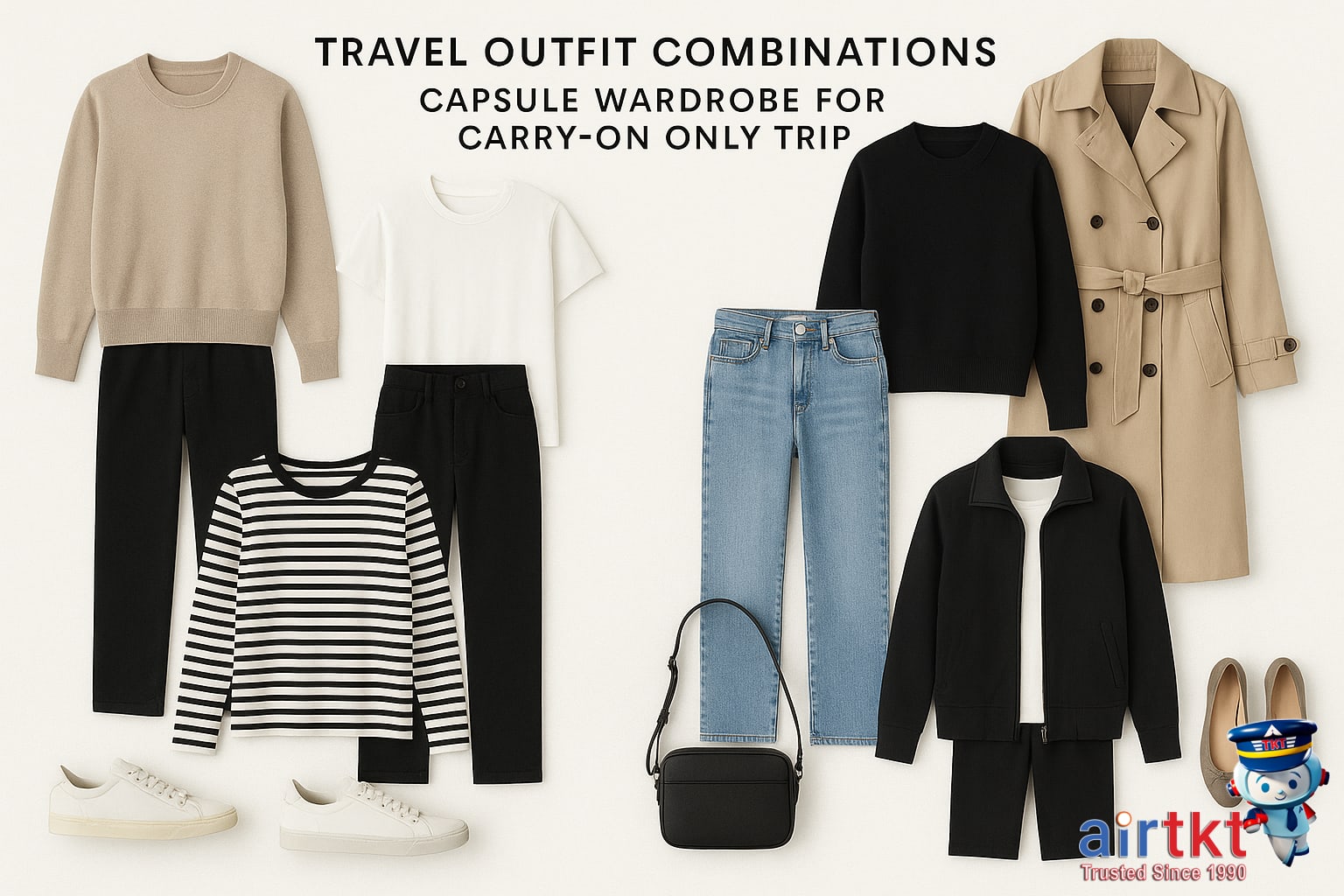
Outfit planning before a trip honestly makes all the difference when you’re trying to keep your luggage light. In my experience, the time I spent putting together a capsule wardrobe helped me trim down to carry-on only—and I felt way less stressed figuring out what to wear each day. Rather than stuffing my suitcase with “just in case” clothes, I look for 6–8 versatile pieces that work together in several ways.
Start by choosing a couple of neutral tops and bottoms, like a black t-shirt, a white button-down, comfy jeans, and dark trousers. Add a lightweight sweater and one or two patterned shirts for personality. With these, you can easily mix and match for different days and activities without repeating the same look.
Maximizing Your Capsule Pieces
Accessories and shoes make a real difference in boosting variety. Just one scarf or a different pair of earrings can make an outfit feel brand new. For a week-long trip, here’s an example rotation I’ve used:
- Day 1: Black tee + jeans + sneakers
- Day 2: White button-down + trousers + loafers
- Day 3: Patterned shirt + jeans + scarf
- Day 4: Black tee + skirt + cardigan
- Day 5: Sweater over button-down + jeans
- Day 6: Patterned shirt + trousers + different necklace
- Day 7: Mix favorite combo from previous days
I usually check the weather and planned activities, then lay everything out to make sure it all works together before I start packing. This way, I know I’m covered—and I’m not carrying clothes I won’t actually wear. If you want more detailed advice, check out the full guide on How to Plan Outfits for Travel for step-by-step outfit strategizing.
Laundry and Garment Care on the Road

Packing light makes sense for any trip, but keeping your few outfits fresh can feel like a puzzle—especially if you’re not staying somewhere with laundry facilities. Over the years, I’ve picked up a few simple habits that make laundry on the road less of a chore and help my clothes last the journey.
Hand Washing Basics in Rooms
Most hotel or hostel sinks work just fine for washing essentials. I usually fill the sink with lukewarm water, add a squirt of travel-friendly liquid detergent (solid soap works in a pinch), soak my items, gently scrub, then rinse well. Rolling clothes tightly in a towel squeezes out extra water before hanging items up—hangers, railings, or even shower rods all work. Light fabrics like synthetics dry overnight, while thicker pieces may need extra time. For more thorough pointers on keeping clothes clean during extended travel, see my Travel Laundry Tips for Long Trips.
Essential Laundry Gadgets For Travelers
I won’t travel without a sink stopper (hotel sinks are notorious for bad seals), a small bottle of concentrated laundry soap, a quick-dry towel, and a flexible travel clothesline with clips. A compact laundry brush comes in handy for spot-treating stains. All of these fit easily into a small zip-top pouch in my suitcase and make doing laundry on the go much less of a hassle.
Freshening Up Clothes Between Washes
Sometimes you just don’t have time or space to wash. Wrinkle release sprays help remove odors and revive wrinkled shirts—just spritz, smooth, and hang for a fresher look. Hanging clothes in a steamy bathroom also works well in a pinch. If you’re stuck without supplies, even leaving clothes to air out by an open window gives them new life.
Honestly, I’ve found that planning my outfits with quick-dry fabrics and using a small detergent bottle has saved me from scrambling for clean clothes. When machines aren’t available, a sink, bar of soap, and towel can keep your minimalist wardrobe rotation going far longer than you’d think.
Budgeting Tips for Carry-On Only Travel

If you’ve ever packed for a longer trip, you’ve probably noticed how much checked baggage fees add up—sometimes eating a surprising chunk of your travel budget. By sticking with carry-on only, I’ve noticed I save a solid amount every trip, freeing up funds for things that are way more memorable than extra suitcase space. Plus, when you’re moving between cities or catching budget flights, skipping the checked bag means faster airport exits and less stress about lost luggage.
Those savings really stack up, especially if you’re traveling for several weeks or hopping between destinations. Instead of shelling out about $35.00 each time for checked bag fees, you could easily turn those savings into a room upgrade, a standout dinner, or entry to an iconic activity you might’ve otherwise skipped.
Sample Carry-On Travel Budget
Here’s how a typical daily budget breaks down for carry-on travelers across three tiers. These fixed sample values should help you get a practical sense of where your savings can go:
| Accommodation | Food | Transport | Activities | |
|---|---|---|---|---|
| Budget | $35.00 | $18.00 | $10.00 | $12.00 |
| Mid-range | $80.00 | $34.00 | $22.00 | $26.00 |
| Luxury | $190.00 | $60.00 | $50.00 | $52.00 |
When I mapped out my travel costs on one of my recent carry-on only trips, I realized just how much flexibility I gained. That extra $35.00 (or more) per travel segment made it easier to book small upgrades—sometimes even splurging on a guided local tour I wouldn’t have sprung for if my budget was tighter. If you want more ideas, check out the airtkt.com guide to How to Save Money on Long Trips for practical long-haul tips.
The overall bonus to carrying less is not just about what you save at the airport. It’s about having the freedom to spend on experiences that matter to you, instead of handing over extra cash for belongings you probably won’t miss.
Real Traveler Tips on Packing Light

Packing light is a skill that even frequent travelers have to refine trip after trip, and I’ve definitely learned my share through trial and error. If you want to breeze through airports and skip baggage claim, take a cue from seasoned light packers—these are their top tried-and-true tips:
Top Five Packing Light Tips
- Start with a tight packing list. Real pros itemize exactly what they’ll need, then ruthlessly edit out anything “just in case.” This helps prevent overpacking before you even unzip your bag.
- Choose versatile clothing. Every item should mix and match, and you’ll wear most things multiple times. Stick to lightweight layers and pack clothes in coordinating colors to easily create different outfits.
- Rethink shoes. Many light packers limit themselves to two pairs: one worn and one packed. I usually recommend one comfortable pair for walking and something slightly dressier, depending on the trip.
- Upgrade your packing cubes. Small compression cubes can seriously shrink down bulk, keep you organized, and help you stick to just a carry-on—no more last-minute panic when you can’t find your charger.
- Leave “what if” items behind. It’s easy to fall into the trap of packing for every contingency. Trust that you can purchase forgotten or emergency items at your destination if needed, rather than lugging things you rarely use.
Pitfalls and Packing Realities
It’s tempting to squeeze in extra “just in case” items, but experienced travelers caution that overpacking is the most common regret. Cramming your carry-on too full risks wrinkled clothes and makes airport security extra annoying. On the flip side, some admit forgetting essentials—like a charger or rain jacket—can be just as frustrating. We’d treat packing as a pre-trip responsibility worth real focus, not an afterthought.
Out of all the advice above, limiting shoes made the biggest difference for me—the space and weight saved changed how I pack now. If you want more inspiration, check out our Light Packing Success Stories for real examples of these ideas in action.
FAQs For Two Week Carry-On Trips

- What are the size limits for carry-ons on international flights?
Most international airlines limit carry-ons to about 21–22 inches in height, but some budget carriers allow even less. I always check the official policy on the airline’s website before packing. For reference, see Delta’s carry-on dimensions or United’s limitations for examples.
- How do I handle laundry on a long trip without a washing machine?
Hand-washing in the sink with travel soap is a common trick. Pack a sink stopper and some quick-drying clothing to make this easier. Many travelers also use laundromats or drop-off services, especially in major cities, if they need to do a full wash mid-trip.
- Can I really pack enough shoes for two weeks in one carry-on?
Packing two or three pairs typically works for most trips: one for walking, one for going out, and maybe sandals or flip-flops. Wear your bulkiest pair in transit to save space. I usually pack flats or sneakers and a lightweight pair of sandals or slip-ons.
- How do I stay wrinkle-free with a capsule wardrobe?
I’ve learned to choose wrinkle-resistant fabrics like knits, merino wool, or performance blends. Rolling clothes instead of folding also helps reduce wrinkles. Carrying a tiny bottle of wrinkle-release spray or hanging clothes up right away can be a lifesaver after you settle in.
- What should I never forget when packing light for two weeks?
Universal adapters, all prescriptions, and a basic first-aid kit should always go in your carry-on. Don’t forget a lightweight packable tote—handy for groceries or laundry! Using a capsule wardrobe checklist, like I shared in my “Carry-On Packing Mistakes to Avoid” guide, keeps me organized every time.
- Are there extra fees for slightly oversized bags at the gate?
Airlines can be strict if your bag doesn’t fit their sizer, especially on budget carriers. Gate-checking an oversized bag often comes with a hefty fee, so measure your bag carefully at home. I recommend carrying a small measuring tape and always allowing some extra space for souvenirs.
- How can I keep my electronics organized and accessible in a carry-on?
Use a dedicated pouch or packing cube for cords, chargers, and adapters to prevent tangled messes. Keeping everything consolidated makes security checks smoother. Personally, I like organizing by device—one pocket for my phone accessories, another for my laptop, and a third for extras like converters.
Answering these made me realize just how much planning can pay off when traveling light for two weeks. For a deeper dive into smart packing, check out my tips on Carry-On Packing Mistakes to Avoid if you haven’t already.
Key Takeaways for Packing Light
Traveling with just a carry-on for two weeks can make your whole journey simpler, from skipping long lines at baggage claim to reducing the stress of packing and repacking. Throughout this guide, we explored the main strategies to make it work: choosing versatile clothing, limiting extras, embracing compact toiletries, and sticking to an organized pre-trip checklist. In my own experience, streamlining what you pack not only frees up space in your bag, but also lets you focus on enjoying your destination rather than worrying about your stuff.
If you’re ready to give packing light a try, there’s no better time than your next trip. It might feel tricky on your first attempt, but you’ll probably be surprised by how little you actually need for a comfortable adventure. The more you practice, the easier it becomes to leave those “just in case” items behind and travel more freely.
When the travel bug bites again, you can keep things simple by planning ahead and booking your flights and accommodations using tools like airtkt.com. Their platform can help you sort through flight options, compare fares, and make practical, budget-minded choices—especially if you want to maximize flexibility and savings on your next light-packing adventure.