

Pack Universal Adapter for Global Travel
For international travelers, a universal adapter is an indispensable tool that ensures your devices stay powered up anywhere you go. Different countries use various plug shapes and voltage standards, making it impossible to rely on a single charger. Without the right adapter, you risk being left without a way to charge your phone, laptop, or other essential gadgets—an inconvenience that can quickly disrupt your entire trip.
Imagine arriving in Tokyo, Paris, or Nairobi only to find your charger doesn’t fit the local outlets. Some regions use round pins, others flat, and voltages can range widely. This diversity means a universal adapter not only facilitates connection to different sockets but often accommodates multiple voltage inputs, protecting your devices from damage. Whether you’re attending a business meeting, capturing memories with your camera, or simply staying connected, this compact gadget eliminates the stress of power compatibility.
This article will guide you through everything you need to know about packing a universal adapter for your travels. We’ll begin with a carefully crafted checklist to help you select the right adapter that suits your destinations and device needs. Next, we’ll share top brand recommendations that combine reliability, versatility, and safety, ensuring you get a product that lasts.
You’ll also learn key tips to meet TSA guidelines and avoid security hassles when carrying adapters in your carry-on luggage. Smart packing strategies will be covered to optimize your bag space and keep your charging gear organized. Additionally, we’ll highlight common mistakes travelers make with universal adapters—such as neglecting voltage compatibility or failing to pack backup adapters—and how to avoid them.
Whether your trip spans several countries with diverse plug types or you’re simply visiting one overseas destination, preparing correctly with a universal adapter can provide seamless connectivity wherever you go. With the right knowledge, products, and packing approach, you’ll stay charged and connected, making your journey smoother and more enjoyable.
Define Universal Adapter and Benefits
A universal adapter is an essential travel accessory designed to enable your electronic devices to plug into different types of power outlets worldwide. Unlike regular chargers or country-specific adapters, which only fit one type of socket, a universal adapter supports a variety of plug shapes and sizes. This versatility makes it an indispensable tool for international travelers who visit multiple countries with diverse electrical standards.
While your regular phone or laptop charger focuses on converting voltage and current, a universal adapter primarily adapts the plug shape, ensuring your device fits securely into foreign sockets. However, many universal adapters also incorporate built-in voltage converters or surge protectors, which enhance safety and compatibility abroad.
Understand Voltage Compatibility and Plug Types
Voltage compatibility is crucial when using a universal adapter. Most countries operate either on 110-120 volts (commonly in North America) or 220-240 volts (typical in Europe, Asia, Africa, and Australia). Devices not rated for dual voltage must use adapters with voltage converters to prevent damage. Fortunately, many modern electronics, such as smartphones and laptops, are dual voltage and only require a plug adapter.
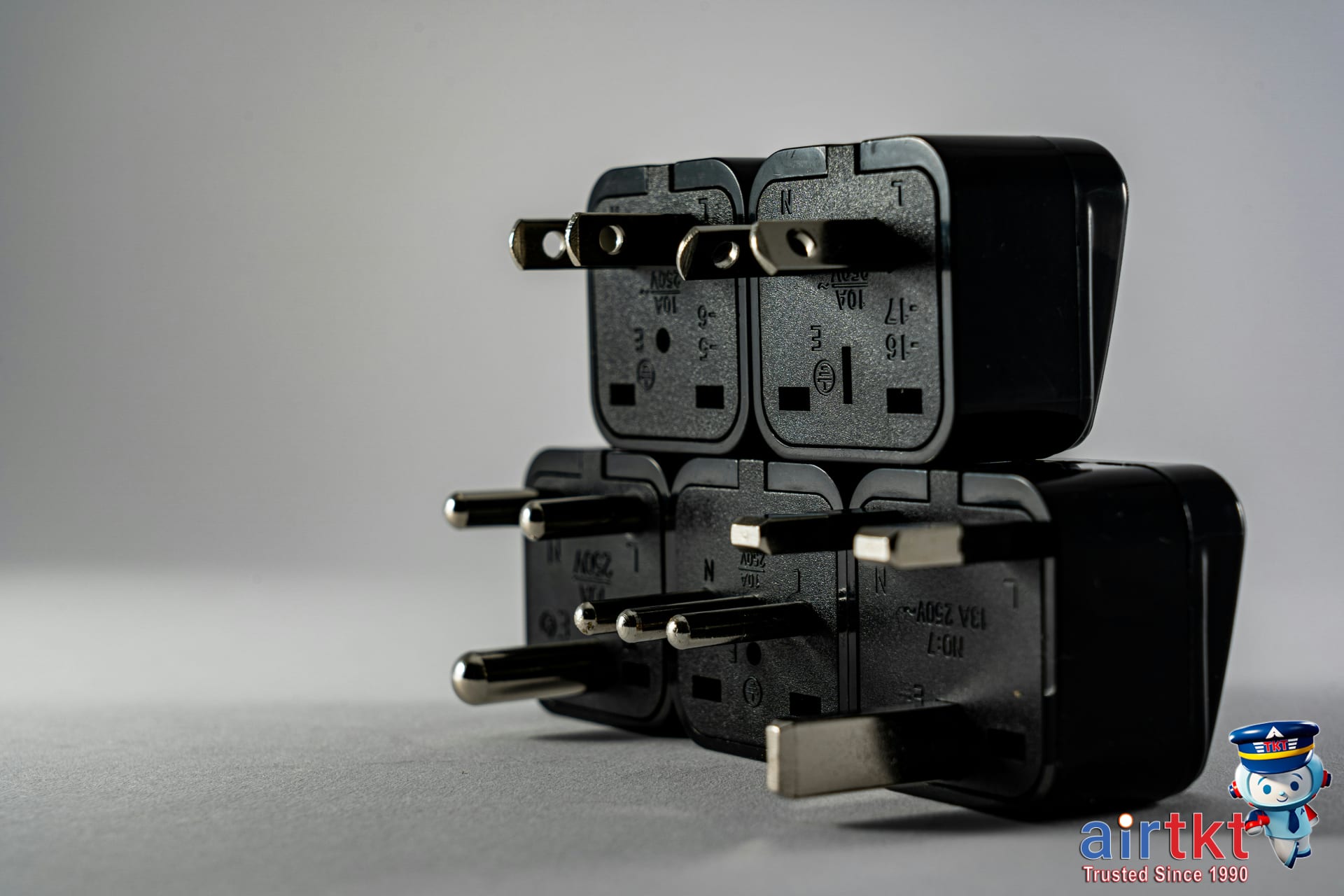
Universal adapters typically include a selection of plug types to accommodate nearly all countries. Some of the most common plug types integrated are:
- Type A: Two flat parallel pins, used in the United States, Canada, Mexico, and Japan.
- Type C: Two round pins, widespread across Europe, South America, and Asia.
- Type G: Three rectangular pins, primarily used in the United Kingdom, Ireland, Hong Kong, and some African countries.
- Type I: Two flat pins in a V-shape plus a grounding pin, common in Australia, New Zealand, China, and Argentina.
This variety equips travelers to plug in easily without searching for region-specific adapters or risking forced fits with incompatible plugs.
Examples of Countries Requiring Specific Plugs
Understanding which plug types are used where helps plan your travel packing smartly. For example:
- United States and Canada: Use Type A and B plugs, which have flat parallel prongs and operate at 120 volts.
- United Kingdom and Ireland: Rely on Type G plugs with three rectangular pins and 230-volt power.
- Germany, France, and most of Europe: Use Type C plugs featuring two round pins, compatible with 220-240 volts.
- Australia and New Zealand: Require Type I plugs with unique angled flat pins and voltage around 230 volts.
Travelers visiting multiple regions will benefit from an all-in-one adapter rather than carrying multiple country-specific units.

Power Safety Considerations with Universal Adapters
Safety is paramount when using universal adapters. Using an adapter alone does not guarantee voltage compatibility; mismatched voltage can lead to device damage or fire hazards. If your device is not dual voltage (usually labeled as “100-240V”), a voltage converter is required.
Additionally, universal adapters often feature built-in surge protection to guard against sudden power spikes common in older or unstable electrical grids. This protective feature helps prevent damage to sensitive electronics during your travels.
Always verify the correct voltage and use an adapter with the appropriate safety certifications. Avoid forcing plugs into sockets or using damaged adapters, as these increase the risk of electric shock or short circuits.
Itemized Universal Adapter Packing Checklist
Preparing for your trip with the right charging essentials ensures all your devices stay powered and ready to go. This detailed packing checklist covers every crucial item you’ll need for universal adapters and charging accessories, tailored to fit solo travelers, business trips, and family vacations.
Essential Adapter and Charging Items
- Universal adapter unit: A must-have compact device compatible with multiple plug types worldwide.
- USB cables: Include cables for your phone, tablet, laptop, or any other electronic devices.
- Charging bricks: Ensure you pack compatible wall chargers that support your devices and adapter unit.
- Extension cords or power strips: Handy for hotel rooms or business centers with limited outlets.
- Protective cases or pouches: Keep everything organized and shielded from damage during transit.
Recommended Quantities by Trip Type
The number of adapters and cables to pack depends on the type of travel and number of devices:
- Solo travelers: One universal adapter, two USB cables (phone and one additional device), one charging brick, and a compact pouch.
- Business trips: One universal adapter, three USB cables (phone, laptop, and tablet), two charging bricks, plus a small power strip for flexibility, all stored in protective cases.
- Family vacations: Two or more universal adapters to support simultaneous device charging, multiple USB cables (at least one per family member’s device), three or more charging bricks, and an extension cord or power strip to accommodate multiple devices together.
Protective Packing Tips
Using protective pouches or wrap materials makes a significant difference in maintaining your charging gear’s longevity. Consider the following approaches:
- Use padded travel cases or dedicated compartments to prevent tangling or crushing of cables and bricks.
- Wrap extension cords neatly and secure with a cable tie or Velcro strap to avoid damage.
- Choose waterproof or cushioned pouches for extra protection when traveling to humid or rugged environments.

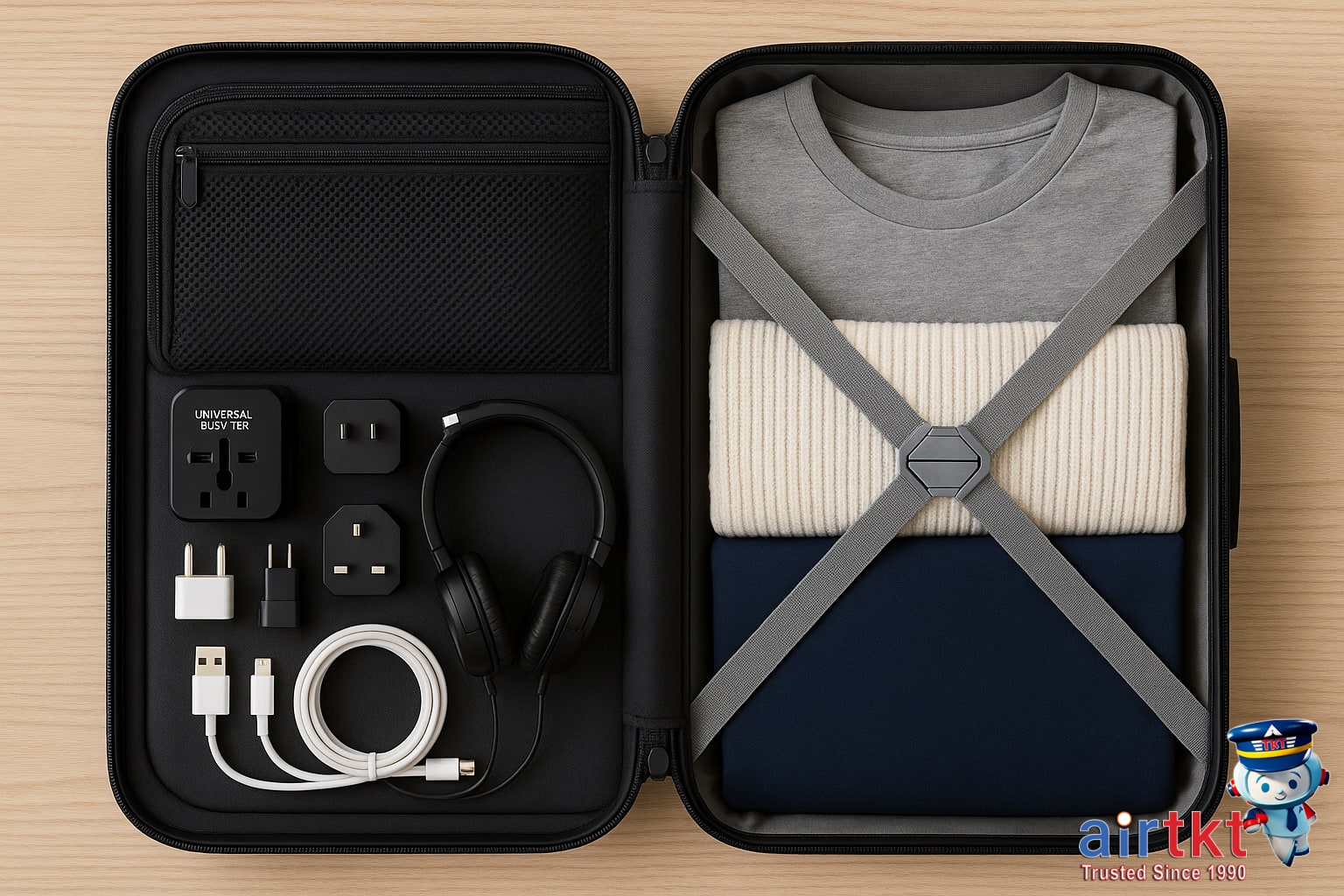
For convenience, AirTtkt offers travelers a downloadable and printable universal adapter packing checklist to help you prepare confidently and avoid last-minute scrambling. Access it on your next visit to ensure all your essentials are accounted for.
Recommend Universal Adapter Brands by Budget
Choosing the right universal adapter depends not only on your budget but also on your travel needs. We’ve categorized reliable brands into budget, mid-tier, and premium options, highlighting essential features and certifications to guide your selection.
Budget-Friendly Universal Adapters
For travelers looking to save without compromising functionality, brands like BESTEK and Ceptics offer affordable, reliable universal adapters. These typically include 2-3 USB ports along with AC outlets, supporting up to 2.4A fast charging per USB port. Although compact, these adapters maintain solid build quality and come with basic safety certifications such as CE and FCC.
While budget models may lack additional features like surge protection or multiple fast-charge protocols, they are perfect for casual travelers who need dependable power conversion at a great price point. User ratings consistently praise these brands for ease of use and durability, provided you verify recent consumer reviews for the latest model updates.
Mid-Tier Universal Adapter Brands
Mid-range brands like EPICKA and TESSAN strike a balance between affordability and advanced features. These adapters usually feature 3-4 USB ports, often including USB-C Power Delivery for faster charging of modern devices. Fast charging compatibility extends up to 3A on select ports, which optimizes device charging times during travel.
Durability is enhanced with reinforced housing and built-in surge protectors. Importantly, these adapters hold certifications such as CE, FCC, and RoHS, ensuring compliance with global safety and environmental standards. Travelers appreciate these models for their broad compatibility across countries and excellent customer support. Always check for the most recent user reviews and third-party ratings to ensure a safe and effective purchase.
Premium Universal Adapter Brands
For frequent and business travelers, premium brands like EPICKA Pro and Zendure provide top-tier universal adapters. These premium models boast multiple fast-charging ports, including USB-C PD 60W or higher, and often support GaN (Gallium Nitride) technology. This innovation enables smaller, lighter adapters with superior heat management, essential for extended travel periods.
Premium adapters also feature robust safety certifications: CE, FCC, RoHS, and sometimes UL listing for additional safety assurance. Users praise their long-term durability, rapid charging speeds, and reliable multi-country compatibility. Additionally, advanced features such as smart chip recognition and overload protection further protect your devices.
Though pricier, these adapters provide an excellent investment in convenience and safety—especially for power-hungry gadgets and frequent international travel. Before buying, reviewing updated consumer feedback and expert industry ratings is crucial to confirm the latest innovations and quality standards.


Pack Efficiently with Space and Weight Tips
When packing your carry-on, especially with universal adapters and electronics, efficiency in space and weight distribution is crucial to avoid bulky or uneven luggage. One of the smartest strategies is to use modular adapters and multi-port hubs instead of carrying multiple single adapters. These compact hubs combine charging capabilities for phones, laptops, tablets, and other devices into one lightweight unit, freeing up space and reducing clutter.
Multi-port hubs also streamline your power setup at your destination by limiting the number of outlets needed. Opting for a sleek, universal adapter with built-in USB and USB-C ports means fewer cables to manage and less chance of unplugged or lost components during travel.
For balanced weight distribution, packing thoughtfully with compartments and layering techniques can make a significant difference. Use internal compartments or packing cubes to separate heavier items like adapters and electronics from lighter clothing. Place heavier items closer to the center and bottom of your carry-on to stabilize the load and prevent shifting during transit.
Layer your suitcase or backpack by packing bulky or fragile items, like adapters and chargers, between soft layers such as clothing or travel pouches. This not only cushions electronics but also keeps them accessible and organized. Rolling clothes tightly around bulky tech accessories helps fill gaps and keeps your bag compact.
Integrating adapter packing alongside other electronics requires planning to maximize space and convenience. Group all charging devices, power banks, and adapters in one dedicated section or pouch inside the carry-on. This keeps all power-related gadgets together, makes security checks smoother, and helps prevent leaving anything behind.
Furthermore, consider charging priorities—pack your most essential electronics and adapters in easy-to-reach spots to access quickly during your journey. This method also allows you to spot-check your gear without unpacking and repacking your entire carry-on.
By consolidating adapters through multi-port options, optimizing compartmentalization, and thoughtful layering, you’ll pack more efficiently and travel lighter. Approaching your packing process this way will improve your experience and protect your electronics, making your trip hassle-free.
Follow TSA Regulations for Adapter Packing
Travelers often overlook the specific Transportation Security Administration (TSA) rules regarding electronic adapters, chargers, and batteries. Staying informed about these regulations helps prevent delays and confiscations during airport security checks. Whether you’re packing carry-on or checked luggage, knowing the limits on adapters and lithium-ion batteries is essential for a hassle-free experience.
According to TSA guidelines updated in 2026, electronic chargers and power adapters should ideally be packed in your carry-on bags. Carrying them onboard allows security officers to inspect these devices more efficiently. Checked baggage should avoid loose cords and adapters, as TSA screenings can deem tangled cables or improperly packed electronics as potential safety concerns, leading to additional screening or removal.
Lithium-ion batteries, which are commonly embedded in adapters and power banks, face stricter scrutiny. The TSA permits these batteries only in carry-on luggage due to their fire risk. Spare lithium-ion batteries must be individually protected to prevent short circuits, typically by keeping terminals taped or stored in original packaging or plastic bags. Airlines often limit lithium-ion battery capacity, typically capping at 100 watt-hours without airline approval; anything above this requires declaration and special handling.
To streamline your security process, organize cords and adapters before packing. Use cable organizers or small pouches to declutter and easily present electronic items during screening. Ensure batteries inside devices are fully contained and not loose. Carrying a minimal number of adapters and chargers that meet airline and TSA rules avoids unnecessary scrutiny.
By following these TSA packaging rules, you reduce the risk of losing essential electronics or enduring long security lines. For the latest TSA updates and to book flights that align with your travel needs, visit AirTtkt and prepare with confidence.
Avoid Common Universal Adapter Packing Errors
Packing a universal adapter is essential for any traveler, but common mistakes can cause frustration or even damage abroad. One frequent error is overpacking duplicate adapters. Travelers often bring multiple adapters with the same plug type, adding unnecessary weight and taking up valuable space. Instead, select only the adapters that cover the countries on your itinerary to reduce bulk.
Another mistake to avoid is ignoring voltage differences. Universal adapters allow you to plug into foreign sockets, but not all support voltage conversion. Using a device without confirming whether the adapter supports the local voltage can damage your electronics. Always verify your device’s voltage compatibility before plugging in, especially for sensitive or high-wattage equipment.
Many travelers also skip protective cases for their adapters, risking damage during transit. Without proper protection, delicate ports and pins can bend or break, rendering the adapter useless. Invest in a compact hard case or padded pouch designed to secure your universal adapter. This simple precaution extends the life of your gear and keeps it ready for use.
Neglecting airline weight limits is another packing oversight. With strict baggage restrictions in place, carrying heavy or excessive adapters can add unwanted fees or cause delays at security checks. Keep adapters and chargers organized in a lightweight electronics organizer to manage both weight and accessibility efficiently.
Additionally, confirming compatibility is crucial. If your devices use uncommon plugs or have unique charging needs, ensure your universal adapter supports them fully. This can prevent inconvenient problems such as slow charging, overheating, or inability to plug in altogether.
Here are actionable steps to streamline your preparation:
- Research your destination’s plug types and voltage standards in advance.
- Select a single, reliable universal adapter that covers all your stops.
- Use a protective case designed for electronics to shield your adapter during travel.
- Organize your adapters with chargers and cables to keep baggage weight manageable.
- Test your adapter with all devices before departure to avoid surprises.
By avoiding these common packing errors, you ensure your universal adapter serves you flawlessly throughout your journey. For seamless travel plans and affordable flight deals, trust AirTtkt to help you reach your destination ready and worry-free.
Answer Frequent Universal Adapter Questions
How do I choose the right universal adapter for international travel?
Choose a universal adapter that covers plug types for all the countries you’ll visit. Look for models with built-in surge protection and USB ports. Compactness and ease of use matter, especially for long trips. A quality universal adapter ensures your devices stay charged safely wherever you go.
What is the difference between a universal adapter and a converter?
A universal adapter changes the plug shape so your device fits outlets abroad. A converter changes the electrical voltage to match your device’s requirements. Many universal adapters don’t convert voltage, so check your devices’ specs before relying on an adapter alone.
When should I check TSA regulations for packing universal adapters?
Check TSA rules before packing universal adapters to confirm any restrictions, especially if they have lithium batteries or built-in converters. Generally, universal adapters are allowed in carry-on bags, but verifying regulations ensures smooth airport security checks.
Why is voltage compatibility important for my devices?
Voltage compatibility prevents damage to your electronics. Devices designed for 110V may overheat or fail if plugged into 220V outlets without a converter. Using a universal adapter without checking voltage compatibility risks frying your devices and can create safety hazards.
Can I carry multiple adapters in my carry-on luggage?
You can carry multiple universal adapters in your carry-on luggage without issues. Organize them neatly to avoid damage or confusion while traveling. If your adapters contain batteries, verify TSA guidelines for battery-powered devices before flying.
What safety certifications should I look for in universal adapters?
Look for UL, CE, or FCC safety certifications on universal adapters to ensure adherence to safety standards. These certifications confirm protection against electrical surges, overheating, and fire hazards, which can keep your devices and you safe during travel.
How many USB ports do I really need for a long trip?
Consider your number of devices—phone, tablet, camera, etc.—and plan for at least two to four USB ports. More ports reduce the need for multiple adapters and simplify charging. Choose a universal adapter with smart charging to optimize power delivery efficiently.
Master Universal Adapter Packing Stress-Free
Successfully packing your universal adapter is key to staying connected and charged wherever your travels take you. Begin with a thorough checklist that includes your adapter along with all necessary components—plugs, USB ports, and charging cables. Sticking to this checklist ensures you never leave behind essential gear. Select adapters from trusted brands known for reliability and safety to avoid malfunction or damage to your devices during your trip.
Compliance with TSA regulations is another critical aspect. Ensure your universal adapter meets security standards and does not contain prohibited batteries or accessories, preventing hassles at airport checkpoints. Packing strategies can save you space and avoid damage: use small pouches or cases to organize adapters and cords. Rolling cables carefully and placing the adapter in the middle protects it from impact and tangling.
Common packing mistakes include leaving adapters unpacked or mixing them with heavy items, which increases the chance of breakage. Avoid overpacking by taking only what you need based on your itinerary’s destinations and their plug types. Preparing adapters thoughtfully guarantees your devices stay functional worldwide, making your travel experience smoother and stress-free.
To complement your packing preparation, explore AirTkt for affordable flight and travel bookings. With competitive fares, user-friendly tools, and expert support, AirTkt helps you plan your trips with confidence while keeping costs low. Whether domestic or international, find the best deals across thousands of routes, making your next adventure accessible and worry-free.