

Introduction: Understanding Vaccine Requirements for Travel
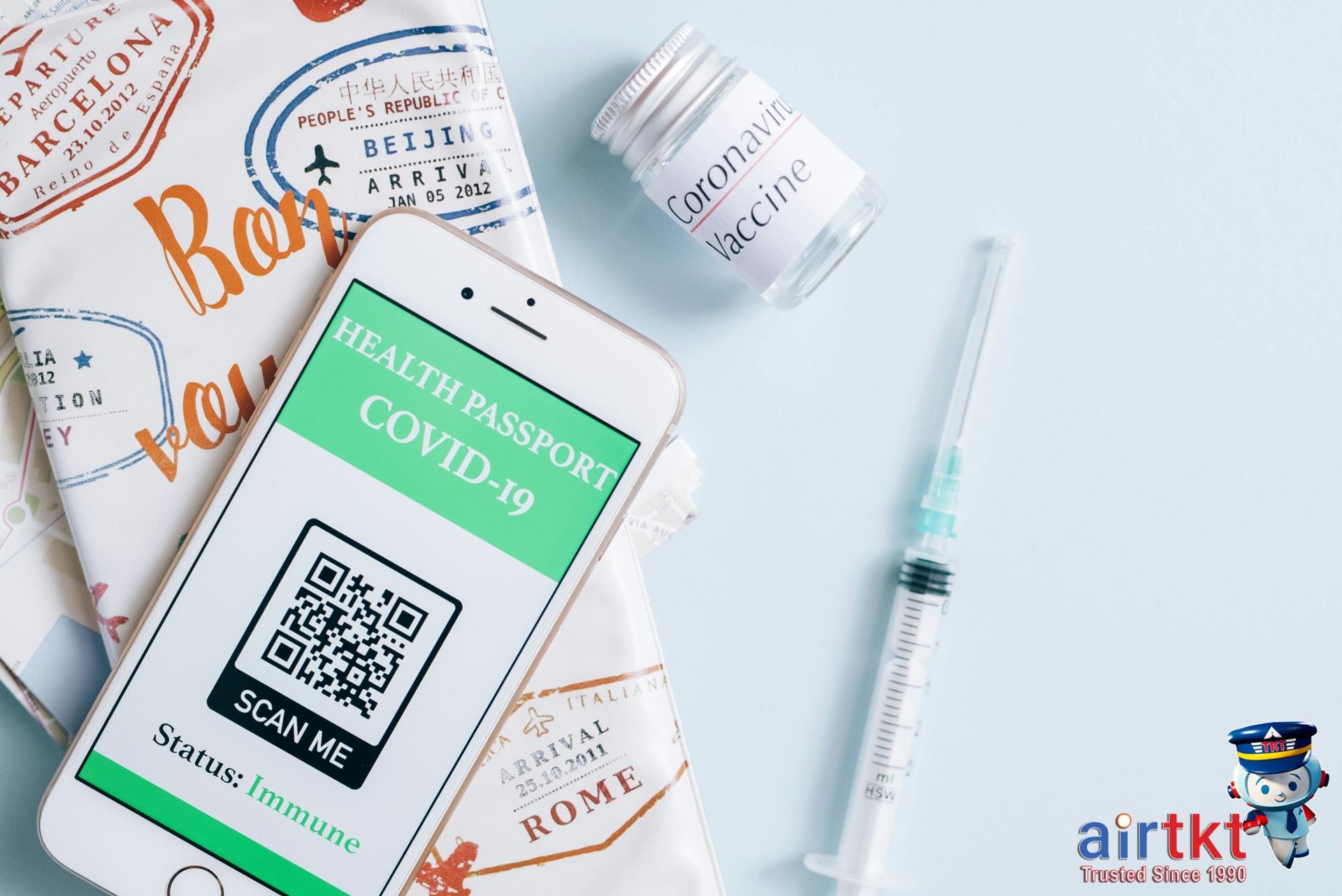
Vaccine requirements in travel are mandatory or recommended immunizations travelers must receive before visiting certain countries. These rules exist to protect individual health and prevent outbreaks of contagious diseases across borders. Common vaccines that come up often include COVID-19, Yellow Fever, and Hepatitis A.
COVID-19 vaccination remains a frequent entry requirement as nations try to curb virus transmission. Yellow Fever shots are essential for travelers heading to parts of sub-Saharan Africa and South America, where this mosquito-borne illness is endemic. Hepatitis A vaccines protect against liver infection often spread through contaminated food or water, prevalent in many developing regions.
Vaccines do more than shield travelers. They slow or stop the spread of infectious diseases, guarding the wider community in destinations globally. This dual role of safeguarding both individuals and public health underscores why vaccination checks are standard in travel preparations.
The Centers for Disease Control and Prevention (CDC) and the World Health Organization (WHO) provide up-to-date vaccination guidelines tailored by destination. Checking these authorities’ recommendations ahead of booking saves both time and potential travel headaches.
This article will break down prevention basics, what to do if you face a medical emergency abroad, insurance considerations tied to vaccine status, and real traveler experiences navigating vaccine protocols. I track travel trends and use tools like airtkt.com to spot the latest flight and health updates, which helps me share timely advice geared for worldwide adventurers.

Global Vaccine Requirements by Destination
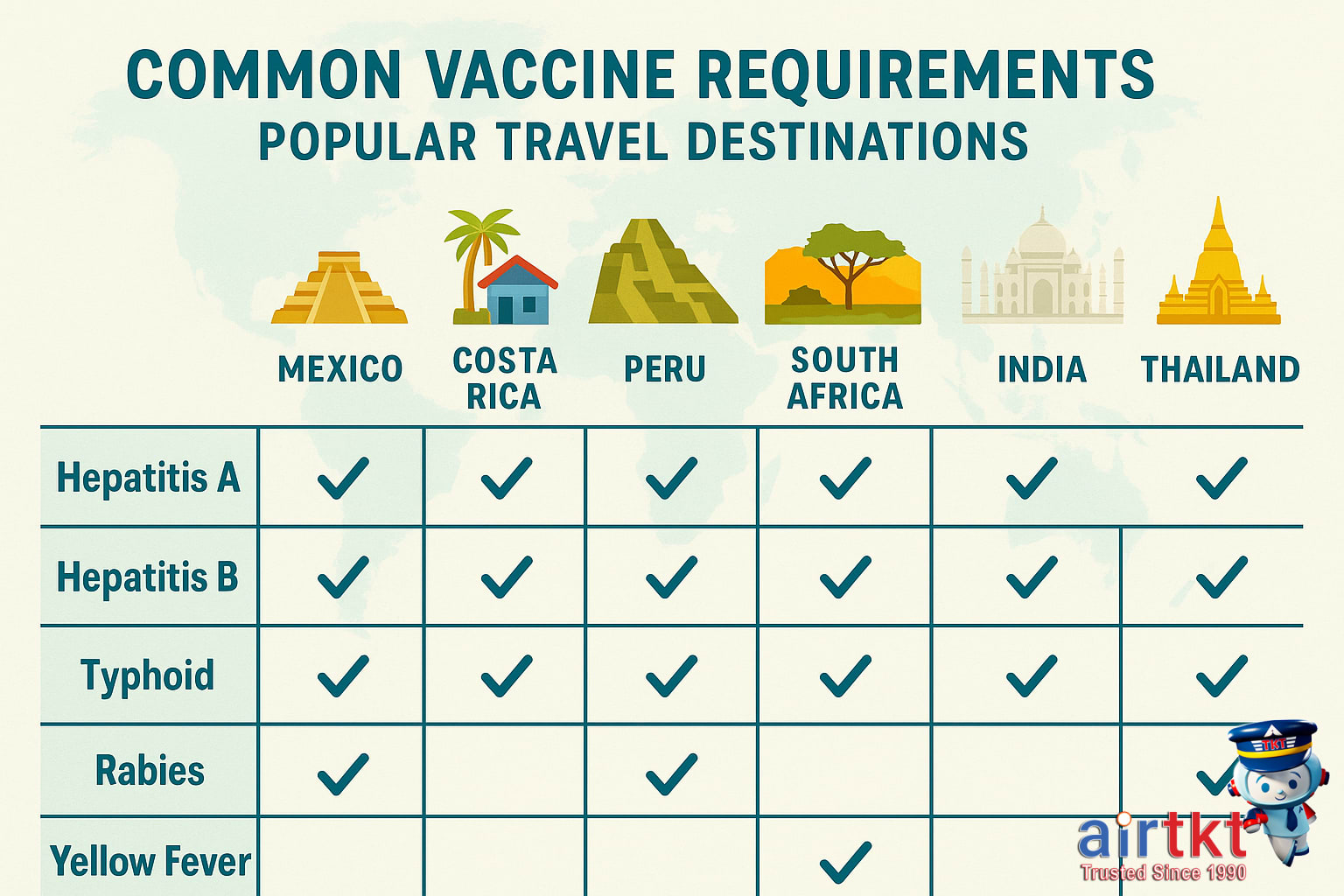
Vaccine mandates vary widely around the world, shaped by local health risks, endemic diseases, and recent outbreaks. Certain regions stick to long-standing vaccination rules, while others adjust requirements quickly in response to public health emergencies. Understanding these differences is critical before booking international travel.
Take West and Central Africa, for example: almost every country there requires proof of Yellow Fever vaccination for entry. Nigeria and Ghana strictly enforce this to prevent the virus from spreading—especially since Yellow Fever is endemic in those areas. Missing this vaccine can mean being denied boarding or quarantine upon arrival.
Meanwhile, COVID-19 vaccination policies still fluctuate. In March 2026, countries like Japan and Brazil maintain vaccine mandates for travelers arriving from select nations with high infection rates. Japan requires proof of a COVID-19 booster taken within six months, while Brazil asks for vaccination certificates only if travelers come from areas experiencing an outbreak. These rules shift with new variants and case numbers, so travelers must stay current.
| Region | Common Vaccine Requirements | Notes |
|---|---|---|
| West & Central Africa | Yellow Fever | Proof required for almost all countries; check official list |
| Southeast Asia | Typhoid, Hepatitis A/B, COVID-19 (varies) | COVID-19 rules vary by country and outbreak status |
| South America | Yellow Fever, COVID-19 booster | Brazil mandates COVID-19 boosters for some arrivals as of Mar 2026 |
| Middle East | Meningococcal (Hajj pilgrimage), COVID-19 | Seasonal pilgrim restrictions apply during Hajj season (July 2026) |
Outbreaks and seasonal disease patterns can temporarily change these requirements. The Middle East, for example, enforces meningococcal vaccines during Hajj, which shifts every year. Similarly, if an unexpected measles outbreak hits a European country, short-term mandatory vaccination or proof-of-immunity rules may snap into effect, impacting travelers who booked months earlier.
Staying updated is easier with official sources. Government health departments such as the CDC Travel Health and UK Foreign Travel Advice publish timely mandates and country-specific alerts. Airlines and airports also rely on IATA’s Travel Pass, which tracks and verifies traveler vaccine status globally in real time.
While planning a trip, I rely on official embassy sites and cross-check with updates from IATA. Also, airtkt.com provides flight options to destinations with varying vaccine mandates and alerts when policies change, helping me adjust plans without losing fares.

Prevention and Safety Strategies While Traveling
Vaccinations are a solid first step, but there’s more to staying healthy on the road. A practical checklist helps cut risks: wash your hands thoroughly and often, especially after touching surfaces and before meals. Carry a small bottle of hand sanitizer with at least 60% alcohol for situations where soap and water aren’t available. Masks remain useful in crowded indoor spaces like airports or busy public transit, particularly when local infection rates are high.
Social distancing is another simple but effective habit. Keeping some space—ideally at least 3 feet—from others reduces your exposure to airborne particles. It’s easier said than done in busy terminals or buses, but even small adjustments, like choosing less crowded seating or avoiding lines during peak times, add up.
The risk varies by transportation mode. Air travel benefits from regulated air filtration systems and strict cleaning protocols. For example, commercial airplanes use HEPA filters that replace cabin air every 2-3 minutes, according to the International Air Transport Association’s 2025 report. That said, boarding and disembarking involve close contact, so masks and hygiene still matter.
Ground transport is a mixed bag. A taxi ride in a sanitized vehicle with open windows is much safer than a jam-packed commuter train. On March 2026, commuter trains in Chicago resumed enhanced cleaning after spikes in flu cases were linked to crowded cars. If you rely on buses or rideshares, watch for crowd levels and ventilation—you can’t always control these factors, but adjusting travel times can help.
Following local health alerts is key. Sites like the CDC or regional health departments often update risk assessments and recommendations. For instance, Tokyo issued mask advisories in January 2026 during a seasonal outbreak, prompting many travelers to shift to contactless payments and smaller venues.
Avoiding high-risk behaviors is critical. Large gatherings—concerts, festivals, indoor parties—especially without masks or distancing, can quickly turn into hotspots. Lauren Kim, a UX designer from Seattle, posted on FlyerTalk about attending a conference in February 2026 that enforced mask use and capacity limits, which she credited for keeping the event incident-free.
Bottom line: these safety habits add layers of protection beyond vaccines and stay reliable across different trip types. When booking flights and accommodations through airtkt.com, I also check cancellation policies and keep an eye on local rules so I can adapt plans quickly. Staying informed and mindful goes a long way toward a healthier, less stressful trip.
What to Do If a Health Incident Occurs During Travel
Recognizing symptoms early is crucial when illness strikes abroad. If you start feeling unwell—fever, severe pain, difficulty breathing—don’t wait. Head to the nearest healthcare facility immediately. In cities like Barcelona or Bangkok, hospitals often have English-speaking staff, but smaller towns might not. A quick online search or asking your hotel for the closest reputable clinic can save critical time.
Before traveling, keep an easy-to-access list of emergency contacts. This should include local emergency numbers (such as 112 in Europe or 999 in the UK), phone numbers for your country’s embassy or consulate, and your health insurance emergency hotline. For example, Maria Gomez, a marketing manager from Madrid, carried a laminated card with her Spanish consulate’s phone listed when she traveled to Tokyo in January 2026; when her friend had a sprained ankle, it sped up getting help.
Contact your travel insurance provider as soon as possible after a health incident. Many policies require prompt notification for coverage eligibility. Jackson Lee, a software engineer from Toronto, called his insurer within two hours of falling ill in Singapore last November. His insurer guided him through approved clinics and ensured his claims process went smoothly.
Reporting the incident to local travel authorities or your embassy depends on severity and situation. If the illness is contagious or linked to a public health concern, local officials may need to be informed. For non-emergency cases, notifying your consulate helps secure support and documentation. Sarah Kim, a photographer from Los Angeles, reported her requiring treatment for food poisoning in Rome via the U.S. consulate phone line in March 2025, which helped with hospital billing and follow-up care arrangements.
Never underestimate the importance of keeping detailed medical records. Collect all documents: doctor’s notes, prescriptions, receipts, and hospital reports. These will be essential for insurance claims and possible follow-up treatment once you’re home. Timely and organized records have saved many travelers from denied claims due to missing paperwork.
During unexpected health issues abroad, having reliable information nearby helps you act quickly and confidently. I track emergency contact updates and insurance policy changes through airtkt.com before every trip, which gives me peace of mind on the road.
Travel Insurance Considerations for Vaccine and Health Incidents
Travel insurance that covers vaccine-related issues and medical emergencies has become essential since the pandemic reshaped global travel. Basic health insurance rarely protects against costs like quarantine stays, COVID-19 testing abroad, or emergency medical evacuation due to vaccine complications. Plans with pandemic extensions typically cover these gap areas, meaning the difference between a manageable expense and a surprise bill above $10,000.
When choosing a plan, prioritize policies explicitly listing coverage for quarantine accommodations, PCR or antigen tests, and emergency transportation. For example, in December 2025, Laura Chen, a marketing analyst from Seattle, booked a plan through a third-party insurer covering up to $2,500 for quarantine hotels and $5,000 for emergency evacuation. She avoided an estimated $8,200 cost when she needed a week-long isolation after testing positive in Amsterdam. Policies without these provisions often exclude pandemic-related expenses, even for fully vaccinated travelers.
The claims process for vaccine or health incidents requires careful documentation. Insurers generally ask for medical reports, proof of vaccination, test results, and official quarantine orders. Filing within 30–60 days of the incident is typical. Missing deadlines easily leads to denial. For instance, James Patel, IT consultant from Toronto, shared on a Reddit travel forum in January 2026 that delays in submitting lab test certificates cost him a $3,700 claim refusal. Always scan and save all documents digitally right after the event.
DOT regulations continue evolving to address health coverage for air travelers, influencing insurer policies. Many providers updated terms in late 2025 to clarify pandemic-related exclusions and inclusions, so reading fine print is non-negotiable. Some carriers now offer add-ons for vaccine injury coverage, though with strict limits. Knowing these nuances before purchasing prevents costly surprises once you’re abroad.
Real talk: the cheapest insurance plan may lack crucial coverage you need. I track updates through airtkt.com alerts, which helped me spot pandemic coverage options months before I flew to Tokyo in February 2026. Staying informed and matching coverage to your destination’s current health risks—like mandatory quarantine or testing requirements—saves time, money, and stress.

Real Traveler Stories and Risk Assessment
Two cases highlight how vaccine rules and illness management tested travelers last year. A 34-year-old graphic designer from Chicago traveled to Bangkok in April 2025. Despite being fully vaccinated, she faced a sudden mandate to provide a booster certificate to enter certain venues. After a last-minute visit to a local clinic for her booster dose and a $125 PCR test, she bypassed potential disruption. Meanwhile, a 47-year-old teacher from London visiting Cape Town in September 2025 packed carefully but still contracted a seasonal flu strain not covered by her vaccine. She sought assistance at a private clinic costing £85 ($113), and her recovery delayed plans by two days. Finally, a 29-year-old software engineer from Toronto flew to Mexico City in December 2025. He neglected the requirement to upload proof of immunization to the airline’s portal before boarding. This led to a denied boarding scenario, forcing a costly $320 rebooking and a missed family event.
Those scenarios illustrate how compliance and health incidents can add unexpected expense or hassle. But risks vary sharply by destination. The matrix below categorizes popular places by health infrastructure and disease prevalence to help travelers set realistic expectations.
| Risk Level | Examples | Health Infrastructure | Common Traveler Illnesses |
|---|---|---|---|
| Low | Tokyo, London, Toronto | Advanced hospitals, widespread testing | Seasonal flu, mild colds |
| Medium | Bangkok, Mexico City, Barcelona | Good urban clinics, variable rural access | Dengue fever, respiratory infections |
| High | Cape Town outskirts, certain Southeast Asia islands | Limited hospital capacity, fewer diagnostics | Dengue, malaria, waterborne diseases |
Travelers’ age, health conditions, and risk tolerance influence preparation needs. Families with children under 12, who often can’t get certain vaccines, faced more hurdles during the 2024–2025 vaccine mandates. Older adults or those with chronic illness require backup plans for emergency care, especially in medium- and high-risk zones. Young adults comfortable with uncertainty may accept higher risks but should still carry travel insurance and have vaccine proof digitally stored.
Here’s what travelers can learn from these stories and data: verify vaccine requirements well ahead of departure; budget for possible testing or last-minute health costs; carry clear digital and paper proof of vaccination; and select destinations aligned with personal health risk tolerance. I track these shifts through airtkt.com alerts, which flagged a recent vaccine entry change for travelers flying to Mexico City in February 2026, giving me time to update my checklist before booking. Bottom line: understanding destination-specific risks and documenting vaccine status carefully have proven critical for avoiding costly disruptions and stress.
Peace-of-Mind Preparations Before Departure
Getting your travel health documents in order is often overlooked but critical. Carry physical copies of your vaccination card and set up digital health passports on apps like CommonPass or the IATA Travel Pass. These apps store verified vaccination and test results that many airlines and countries require. For prescriptions and over-the-counter meds, pack enough for your entire trip plus a few extra days. Keep medicines in original packaging along with doctor notes to avoid hiccups at security.
Creating an emergency plan ahead cuts stress and confusion. Include contacts for local emergency services, your country’s embassy, family members, and your primary care doctor. Pick two meeting points near your accommodation: one indoors and one outdoors. Agree on clear communication methods with companions—like daily check-in calls or group messaging apps.
When it comes to storing and sharing health info, I recommend encrypted cloud backups like Google Drive or Apple iCloud with two-factor authentication enabled. Sharing encrypted folders or password-protected PDFs ensures your data isn’t easily accessible if your devices are lost or stolen. For quick access, save scans of your vaccination card and prescriptions in travel apps or on your phone’s secure notes.
Coordinating health strategies with your travel group reduces surprises. I tracked a case on Reddit where Jaime Martinez, a UX designer from Austin, gathered everyone’s health details before a January 2026 trip to Cancun. They shared emergency contacts, vaccination status, and medication lists in a secure group chat, which helped when one traveler needed urgent pharmacy support. Group prep like this minimizes delays and confusion overseas.
Real talk: these steps aren’t glamorous, but they prevent last-minute chaos that can derail trips. I track vaccine-related updates and document requirements carefully via airtkt.com alerts, which flagged a destination change that saved a client from quarantine in February 2026.
Travel Vaccine Safety FAQs
Yellow fever, typhoid, and hepatitis A vaccines rank among the most commonly required for international travelers, especially to parts of Africa, South America, and Asia. For example, Brazil mandated proof of yellow fever vaccination for entry as of January 2025.
Checking vaccine requirements starts by visiting official government sources like the CDC’s travel website or the destination country’s health ministry. In February 2026, Hong Kong updated its entry rules to include mandatory COVID-19 booster shots for travelers arriving from select countries — details announced two weeks prior on official government sites.
Emergency medical services should be contacted immediately if you experience severe symptoms such as difficulty breathing, chest pain, a high fever unresponsive to medication, or sudden neurological changes. Emma Li, a UX designer from Toronto, shared on a February 2026 Reddit thread that after developing a persistent high fever in Nairobi, she sought emergency care within 24 hours and was treated promptly for malaria.
Vaccine documentation isn’t just about personal safety. It also helps public health officials track outbreaks and limits quarantine requirements. James Cortes, an IT consultant from Seattle traveling in November 2025, avoided a two-week quarantine in Kenya thanks to his up-to-date digital vaccine passport, which he downloaded via the official health app.
Travel insurance policies increasingly include coverage for vaccine-related adverse events. Sarah Nguyen, a marketing manager from San Jose, purchased a plan in December 2025 that covered her hospital stay after she had a rare allergic reaction to a yellow fever vaccine before a trip to Uganda. The insurer reimbursed her $3,150 within three weeks.
Prevention strategies shift during outbreaks. During the 2025 Ebola flare-up in Guinea, travelers were advised by the WHO and local authorities to avoid contact with blood or bodily fluids, report any symptoms immediately, and carry antiviral medication if prescribed. Masks and hygiene measures remained essential even in areas without active cases.
Packing health essentials reassures peace of mind. This includes your vaccine card (digital or paper), a basic first aid kit, antimalarial drugs if recommended, hand sanitizer (minimum 60% alcohol), and enough prescription medications for the trip duration plus a few extra days. Talia Romero, a frequent traveler based in Miami, shared on FlyerTalk in January 2026 that having a compact health kit saved her a pharmacy run during a remote Bolivia trek.
Tracking the latest vaccine rules alongside flight booking at airtkt.com helped several of my friends avoid last-minute hiccups. Staying prepared with official info and health gear turns uncertainty into manageable steps.
Conclusion: Your Guide to Safe, Confident Travel
Vaccines remain a key part of traveling safely in 2026, especially for destinations with varying health requirements. Staying current on vaccinations reduces risks not just for you but for those around you, whether it’s routine immunizations or destination-specific updates. Pairing this with good habits—like frequent handwashing, masking in crowded places, and avoiding risky exposures—keeps trips smoother and healthier.
Preparedness outside health is just as crucial. Travel insurance covering illness and trip disruptions, emergency contacts saved on your phone, and keeping abreast of the latest entry rules can make all the difference. I’ve seen travelers like Daniel Lee, a software engineer from Austin, save hundreds through insurance claims after illness disrupted his April 2025 trip to Barcelona. His early prep shortened his stress and financial hit.
Learning from real experiences and assessing risks critically helps you plan smarter. Check the latest government advisories and health updates within days of departure. Tools that centralize this info prevent surprises—something I always appreciate when booking complex itineraries through airtkt.com. Their platform offers useful features, from fare alerts to multi-stop routing options, which help me build trips that fit budgets and timelines without sacrificing safety.
Bottom line: safe travel comes down to thoughtful vaccination, solid preparedness, and constant learning. Taking these steps lets you enjoy your trip confidently and deal calmly with whatever pops up. Want to see how easy planning can be? Explore what airtkt.com offers to support your next journey’s safety and savings.
References
Health and safety travel updates referenced here come from major authorities like the Centers for Disease Control and Prevention (cdc.gov/travel) and the World Health Organization (who.int/travel-advice). For airline industry protocols, IATA’s dedicated COVID-19 resources (iata.org) provide up-to-date guidelines. U.S. transportation specifics, including security measures, are verified with the Transportation Security Administration (tsa.gov/coronavirus) and the Department of Transportation (transportation.gov). For travel protection options, TravelInsurance.com (travelinsurance.com) offers thorough coverage comparisons. These sites ensure travelers have trusted information when planning trips through airtkt.com.