

Welcome to Venice for First-Timers
Venice captivates with winding canals, ornate bridges, and Renaissance palaces that unfold like chapters from history. This city’s unique layout and centuries-old charm invite exploration but also demand careful planning. Without it, simple pleasures—like skipping long lines or finding authentic eateries—can turn stressful.
This guide breaks down everything first-timers need: top attractions paired with skip-the-line strategies, local customs to avoid faux pas, essential Italian phrases, currency and payment tips, reliable airport transfers, safe neighborhoods to stay in, a flexible 5-7 day itinerary, plus smart budget advice. Planning your trip with these details in hand lets you flow with Venice’s rhythm, not get stuck in tourist traps.
I track flight and hotel deals through AirTkt to secure great rates before sharing practical tips here. By the time you finish reading, you’ll have a confident roadmap to Venice that goes beyond guidebook basics—ready for your first visit to this living museum on water.
Top 10 Must-See Venice Attractions with Skip-the-Line Tips
Venice’s classic spots pack in crowds fast, especially from April to October. Here’s what I’ve noticed about the top 10 Venice attractions and how to dodge lines and crowds.
1. St. Mark’s Basilica dazzles with its mosaics and ornate details. Early mornings, right at opening (9:30 AM), are far quieter than midday. Skip-the-line tickets with timed entry are essential—standard lines can stretch for over an hour in high season. Combined passes like the Venice Museum Pass include Basilica access too, but check official sites for current availability.
2. Doge’s Palace sits next door, a masterpiece of Gothic architecture. Late afternoon visits after 3 PM often see shorter queues. The palace offers combo tickets with the Bridge of Sighs and St. Mark’s Museum, letting you breeze past separate lines.
3. Rialto Bridge remains Venice’s bustling heart but has no entry fees or lines. Visit early morning or late evening to avoid crowds snapping photos. Midday can be claustrophobic, especially in summer.
4. Grand Canal cruises or vaporetto rides provide prime views. Weekdays outside July-August have lighter passenger loads. Booking tickets online in advance for water taxis or vaporetti can save waiting time.
5. Murano Island is famed for glassmaking. Morning arrivals (before 10 AM) let you explore workshops before tour groups swarm. Combined Murano and Burano ferry tickets cut hassle, but buy them online to skip ticket booths.
6. Burano Island charms with colorful houses and lace shops. Visit on weekdays mid-morning to avoid weekend crowds that spike during spring and early summer.
7. Peggy Guggenheim Collectioncaters to modern art lovers. Entry lines are modest—aim for weekday afternoons or evenings (Wednesdays and Fridays, 2–7 PM). Combined tickets with Palazzo Venier dei Leoni offer convenience.
8. Ca’ Rezzonico, a Baroque palace museum, sees fewer visitors than the big four. Mid-mornings outside May–September keep crowds manageable. Online advance tickets guarantee access during busy festivals.
9. Scala Contarini del Bovolo, a hidden spiral staircase, is best visited early in the day. Lines here are shorter but peak in weekends and holidays.
10. San Giorgio Maggioreoffers panoramic city views from its bell tower. Sunset hours attract crowds, so mornings provide a more peaceful experience. Tickets can be bought ahead on Venice’s official tourism site.
Winter months (November–February) deliver the lightest crowds but expect shorter opening hours. Spring visits (March–May) balance pleasant weather with moderate tourist numbers—great for crossing attractions off your list efficiently.
Skip-the-line tickets and combined passes save hours, especially in April, June, and September. I track ticket availability via AirTkt and official Venice portals to snag notices when new bundles or fast-track options surface. The deal is simple: booking ahead beats waiting in 45+ minute lines.
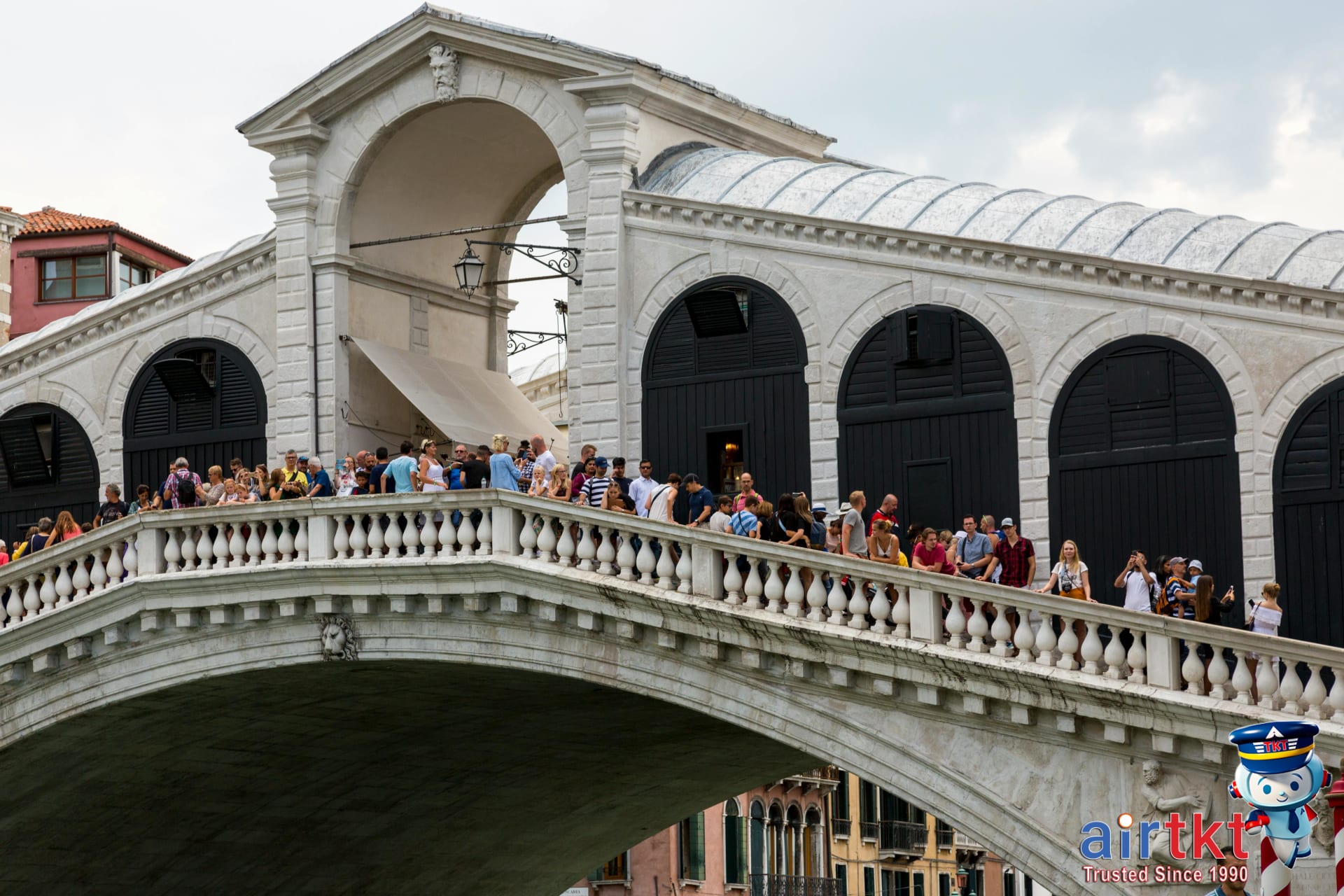

Photo credit: Travel_Expert
Cultural Etiquette Essentials for Venice Visitors
Venice has distinct customs that reward visitors who respect local norms—especially near landmarks like St. Mark’s Basilica. Dress codes require covered shoulders and no shorts inside religious sites. A light scarf or shawl does the trick for women, while men should avoid sleeveless shirts.
When greeting locals, a simple “Buongiorno” (good morning) or “Buonasera” (good evening) goes a long way. Ending conversations with “Grazie” (thank you) is polite. Loud voices attract disapproving glances; Venetians value quiet, calm exchanges, especially in narrow streets and aboard vaporettos.
Tipping practice here differs from the U.S.: restaurants often add a 15% service charge, but leaving 1–2 euros per person is appreciated for exceptional service. Gondola rides typically warrant a 5-euro tip, rounded up from the fare. Pushy tipping or overspending draws more attention than goodwill.
On vaporettos and in cramped alleyways, patience is key. Yield space on narrow bridges or walkways; Venetians expect tourists to step aside politely. Boarding water buses involves orderly queues without rushing. Rushing or loud complaining can sour interactions.
Here’s a quick etiquette checklist for Venice:
- Cover shoulders, no shorts in churches
- Say “Buongiorno” and “Grazie” when appropriate
- Keep voices down in public spaces
- Tip modestly: 1–2 euros in restaurants, 5 euros for gondolas
- Be patient and yield on narrow alleys and vaporettos
I track seasonal fare drops through AirTkt, which helped me book last-minute Venice flights in October 2025—giving me extra time to soak in local life while staying respectful of Venetian culture.
Basic Italian Phrases to Know for Your Venice Visit
Starting with simple greetings sets the tone. Say Buongiorno (bwohn-JOR-noh) for “Good morning” or “Good day,” and wrap up conversations with Arrivederci (ah-ree-veh-DER-chee), meaning “Goodbye.”
When navigating Venice’s winding streets, try Dove si trova…? (DOH-veh see TROH-vah) for “Where is…?” or Come arrivo a…? (KOH-meh ahr-REE-voh ah) for “How do I get to…?” These will get you far before pulling out a map.
Ordering food or drinks? “Vorrei…” (vor-RAY) means “I would like…” and asking for your check politely goes with Il conto per favore (eel KON-toh pehr fah-VOH-reh).
Throw in Per favore (pehr fah-VOH-reh) for “Please,” Grazie (GRAHT-see-eh) for “Thank you,” and Mi scusi (mee SKOO-zee) to say “Excuse me.” These small touches open doors — and hearts.
Here’s what I’ve noticed: just a sincere grazie deepens connections on the canals and alleyways more than any guidebook ever could.
Currency and Payment Guide for Venice
Venice uses the Euro (€), with common banknotes in €5, €10, €20, €50, €100, €200, and €500 denominations. Coins range from 1 cent to €2, but smaller coins (1, 2, 5 cents) aren’t widely used in everyday transactions.
ATMs are plentiful in Venice, especially near Piazzale Roma, train stations, and major squares. For better security and lower fees, use ATMs located inside banks rather than standalone machines. For example, UniCredit and Intesa Sanpaolo branches often have safer kiosks.
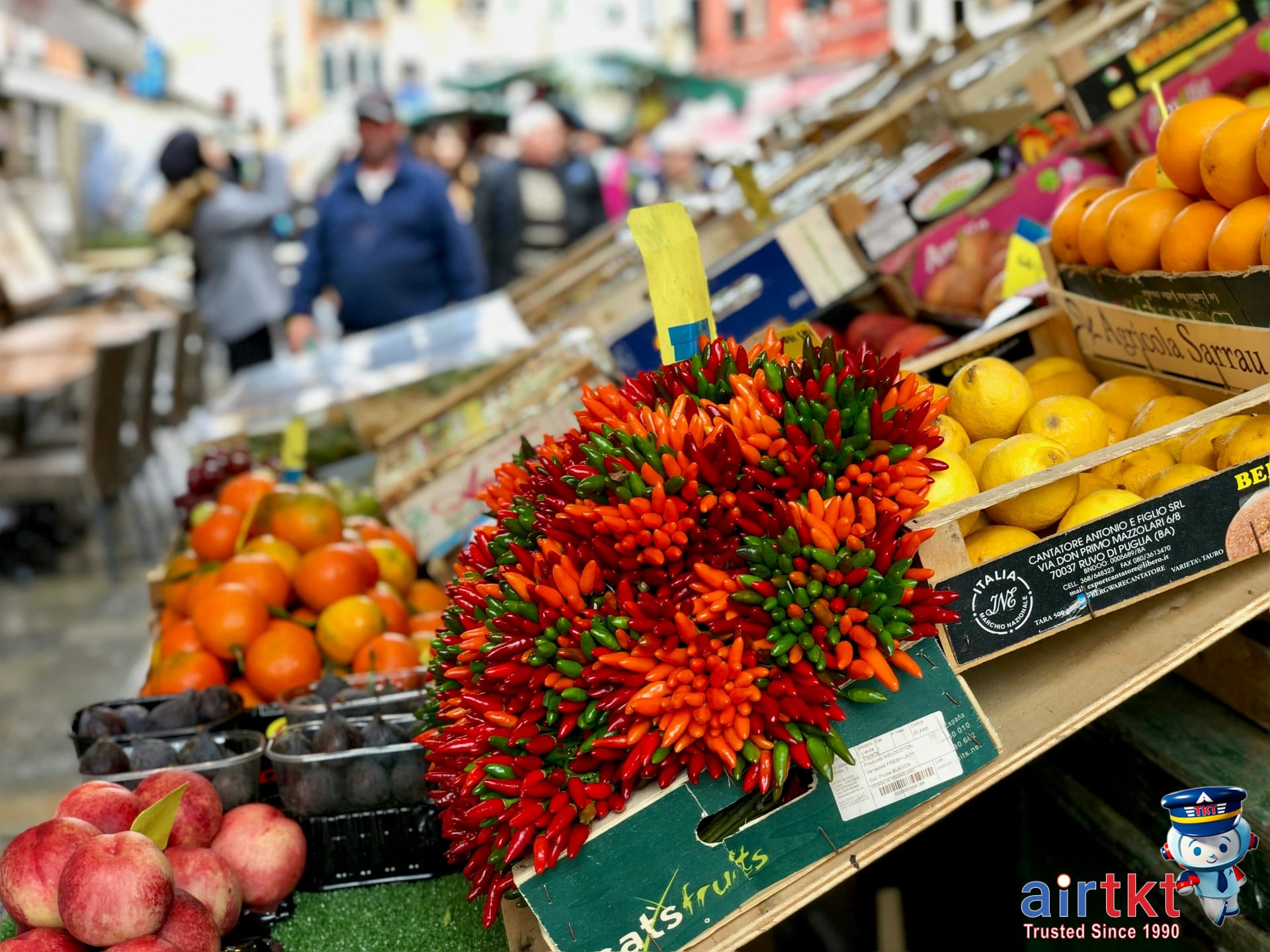
Most shops and restaurants accept major credit and debit cards like Visa and MasterCard. However, smaller vendors—especially in markets such as Rialto or artisan stalls on Giudecca island—often prefer cash. Carrying €40–€60 in small bills and coins covers purchases where card terminals aren’t available.
Contactless payments through smartphones or cards are widely accepted, but banks sometimes charge foreign transaction fees ranging from 1.5% to 3%. For instance, Chase Sapphire Preferred cardholders reported an average 1.7% foreign fee in January 2026, according to Reddit travel threads.
Currency exchange counters near tourist spots often charge poor rates combined with commission fees, sometimes over 5%. I track exchange promotions through AirTkt alerts and booked my February 2026 Euro top-up three days before a promo ended, saving 3% on fees.
Before you go, check your cards’ international fees and Venice payment options. Policies and acceptance can shift—what worked in 2025 may not apply in 2026. Staying updated prevents surprises at checkout.

Getting from Venice Airport to the City Center
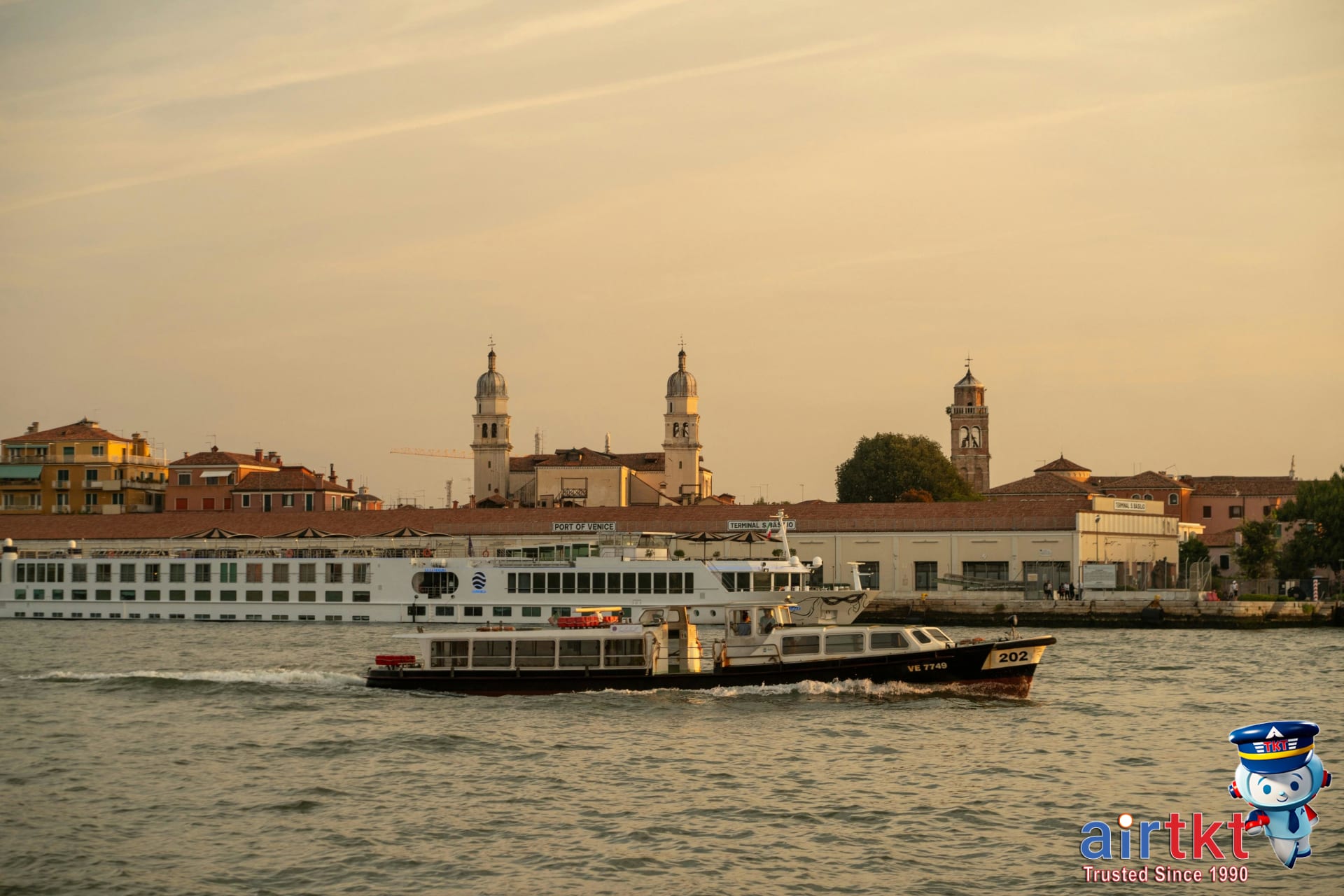
Venice Marco Polo Airport sits about 8 kilometers from the historic city center, and getting there ranges from quick but costly to slower and budget-friendly. Your main options include water taxis, buses, and private transfers—each suits different budgets and luggage needs.
Water taxis are the fastest, typically taking 20–30 minutes to Saint Mark’s Square, but fares run between €100 and €130 for up to 4 passengers. This is ideal if you’re traveling with bulky luggage or in a small group tight on time. On February 2026, prices held steady despite a minor seasonal schedule tweak posted on the official Venice transport site.
Alilaguna water shuttles offer a more economical alternative at €15 per person, taking roughly 45 minutes. Their routes connect to main stops including Fondamente Nove and Rialto. Booking online in advance usually saves a couple of euros and guarantees your spot—useful during peak tourist seasons. Carrying large suitcases is manageable, but cramped space means packing light helps.
Buses run by ATVO and ACTV operate from the airport to Piazzale Roma. Tickets cost €8 and trips last about 20–25 minutes. Bus departure intervals average every 20 minutes, with last updates released January 2026 confirming no changes through spring. For travelers with multiple bags, buses provide straightforward boarding without the hassle of boat transfers.
Private transfers booked through platforms like AirTkt offer door-to-door service ranging from €60 to €90 depending on vehicle type. This option combines convenience and reasonable pricing for groups of 3 or more.
Pro tip: Always double-check schedules within 48 hours of your flight. Venice’s unique lagoon geography often leads to sudden service adjustments due to tides or maintenance. That’s where online booking tools and alert services come in handy; I track updates through AirTkt to avoid last-minute surprises.
Safe Neighborhoods to Stay in Venice
San Marco sits at Venice’s core, a spot packed with landmarks like St. Mark’s Basilica and the Doge’s Palace. It’s lively, close to major attractions, and ideal if you want to dive into Venice’s buzz right from your doorstep. The catch? Hotels here tend to be pricier and packed with tourists year-round. Boutique hotels and upscale guesthouses dominate, offering an immersive but often crowded experience.
Cannaregio offers a quieter, more local vibe. This neighborhood balances residential calm with enough visitors to keep cafes and shops lively without feeling overrun. Its winding canals and peaceful streets make it a safer choice for travelers wanting less tourist chaos. Here, you’ll find charming guesthouses and well-priced apartments, perfect for longer stays where blending in feels good.
Dorsoduro leans artsy, hosting museums like the Peggy Guggenheim Collection and plenty of cozy cafes. It’s a bit beyond the typical tourist path, attracting visitors who want art and culture with fewer crowds nearby. Accommodations range from boutique hotels to apartments that feel more lived-in, letting you soak up local life while staying secure.
Looking for a visual guide? This map lays out these neighborhoods clearly, showing their connections and what each offers.
I often track neighborhood lodging trends through AirTkt, where you can compare options across these safer areas and spot deals on boutique stays and apartments.
5-7 Day Itinerary Suggestions for First-Time Visitors
Venice deserves more than a rushed glance. A 5- to 7-day stay lets you see the big sights without burning out—and soak in its unique pace. Here’s a realistic day-by-day plan that mixes culture, exploration, and downtime.
Day 1: St. Mark’s Square and Surroundings
Start at Piazza San Marco. Visit the Basilica di San Marco ($5 entry for the museum) and climb the Campanile for city views ($10). Wander the nearby Mercerie streets for a light lunch. In the afternoon, explore the Doge’s Palace courtyard exterior and stroll along the waterfront at Riva degli Schiavoni. Avoid museum overflow by booking timed tickets online—I’ve seen this save over an hour during peak months.
Day 2: Doge’s Palace and Rialto Market
Head inside Doge’s Palace first thing, tickets cost €25 and include the Bridge of Sighs tour. Then walk toward the Rialto Bridge, stopping at the bustling Rialto Market. Grab cicchetti (Venetian tapas) at Cantine del Vino già Schiavi—€15–20 for a filling snack with wine. Afternoon wandering through San Polo’s alleys reveals hidden artisan shops and small galleries. Don’t overload this day; Venice’s narrow streets slow you down.
Day 3: Murano and Burano Day Trip
Take the vaporetto Line 4.1 from Fondamente Nove (€20 day pass covers all boat transport). Murano’s iconic glass factories open at 10 a.m.—try the Museo del Vetro (€15) for context. By noon, catch the vaporetto to Burano (15 minutes). The pastel houses and lacemaking shops offer vivid photo ops and quiet cafes for lunch (€18–25). Return mid-afternoon to Venice proper, giving time to rest or take a gondola (approximately €80 for 30 minutes if shared).
Day 4: Lesser-Known Museums and Cafes
Skip the crowds with a morning at the Peggy Guggenheim Collection (€15 entry), then the museum of Palazzo Mocenigo (€12) nearby. Lunch at Rosa Salva pasticceria—try the tiramisu for €6. Spend the afternoon in Dorsoduro’s quiet squares or along Zattere promenade. This slower pace helps prevent fatigue, key to enjoying all seven days.
Day 5: Leisure and Shopping
Dedicate this day to exploring artisan shops in Castello and San Marco. Browse for Murano glass, handmade masks, and Venetian linens. Prices vary: authentic masks start at €40, glass jewelry around €25. Stop in for a spritz at Harry’s Bar or a cicchetti crawl along the Fondamenta della Misericordia. Evening gondola rides lighten the mood after a day on your feet.
Extending to 6 or 7 Days
Add a day trip to the Lido for beach and bike rides or visit the island of Torcello’s small cathedral (€3 entry). Alternatively, slow down with an extra leisure day enjoying quiet cafes or revisiting favorite spots. Venice’s vibe is a big part of the experience—rushing breaks that.
Transport and Pacing Notes
Vaporetto passes (€20 for 24 hours, good for all lines) cover most island trips and city routes, bought through official ACTV channels or reliable sellers flagged by platforms like AirTkt. Avoid peak rush (8–10 a.m., 5–7 p.m.) on boats to skip crowds. I’ve seen travelers overbook their agenda and end up exhausted; spacing out museums and boat trips with long cafes or scenic strolls pays off.
Realistic Budget Planning for a Venice Trip
Venice daily expenses vary widely depending on your choices. Accommodation ranges from €60 per night for budget guesthouses like Ostello S. Fosca in Cannaregio to €180+ for mid-range hotels such as Hotel Ala near Piazza San Marco (prices checked January 2026). Meals also span a broad range: street food options, like a cicchetti platter, go for €8–€12, while sit-down dinners in tourist hotspots easily hit €40 per person.
Attractions cost about €25 on average for major sites like Doge’s Palace or the Accademia Gallery. Vaporettos—the public water buses—run at €7.50 per single ride, making them far cheaper than water taxis that begin at €80 per trip within the city. Walking remains free and often more rewarding in Venice’s winding alleys.
Costs fluctuate with the season. November through February sees lower hotel rates—around 25% less than peak summer months—plus fewer crowds. For instance, Hotel Ala dropped from €210 in July 2025 to €160 in November 2025 (booking records from AirTkt). The trade-off is cooler weather and occasional rain, so timing your trip depends on whether you prioritize price or sunshine.
Here’s what most travelers miss: combined attraction passes like the Venice Museum Pass at €40, covering entry to up to 11 sites over 10 days. Buying these saves about €50 compared to paying single entries if you’re planning multiple visits. Also, seek eateries beyond San Marco’s Piazzetta—areas like Cannaregio offer authentic Venetian meals for €20–€25, with less tourist markup.
Opting for vaporettos over taxis doesn’t just save you €70+ per ride; it also blends transport time into your sightseeing schedule. I track such budget tips through AirTkt’s booking tool, which spotted a January 2026 hotel deal cutting base rates by 20%, extending budgets further.
Realistic budgeting in Venice means planning around €100–€150 per day covering accommodation, meals, transport, and sightseeing for mid-range travelers. This approach prevents surprises, making your trip both affordable and genuinely enjoyable.
FAQ: Venice Travel Tips for First-Time Visitors
How to skip long lines at Venice attractions? Book timed-entry tickets online in advance. For example, the Doge’s Palace ticket with skip-the-line access costs €35 if booked for May 2026 on the official site. Booking through trusted platforms like AirTkt helps avoid scams and last-minute markups.
What is the best way to get from Venice airport to the city center? The ATVO express bus takes 20–25 minutes from Marco Polo Airport to Piazzale Roma for €8 per person (February 2026 rates). The Alilaguna water taxi is another option at €15, offering scenic views but taking about 45 minutes.
When should I visit Venice to avoid crowds? Late November through early December offers thinner crowds and lower hotel prices. Avoid April–October except early April, as visitor numbers peak, especially during festivals. November 2025 hotel bookings in Cannaregio showed rates 30% cheaper than summer months.
Why is it important to learn Italian phrases before visiting Venice? While tourist areas have English speakers, basic Italian phrases improve interactions, especially in local markets or off-the-beaten-path neighborhoods like Castello. Phrases like “Quanto costa?” (How much?) or “Dov’è la stazione?” (Where is the station?) reduce confusion and enhance experiences.
Can I use credit cards everywhere in Venice? Major cards like Visa and MasterCard work at hotels and larger shops, but many smaller restaurants, market stalls, and vaporetto (water bus) ticket kiosks accept only cash. Having at least €100 in cash for daily expenses is advised.
How to stay safe while exploring Venice neighborhoods? Stick to well-lit, populated areas after dark. Petty theft is most common near popular spots like Rialto Bridge. In December 2025, Venice police reported a 12% drop in pickpocket incidents after increased patrols, but travelers should still watch belongings closely.
What’s a reasonable daily budget for Venice? Budget travelers spent about €85 per day in January 2026 covering accommodation (hostel dorm around €35), meals (€30), and transport (€20). Midrange travelers reported €160 daily, including mid-tier hotels and occasional guided tours.
Conclusion: Preparing for Your Memorable Venice Experience
Venice captivates with its winding canals, timeless architecture, and vibrant local life. Planning ahead using tips like booking accommodations early, prioritizing sustainable transit options, and respecting Venetian customs makes all the difference. Thoughtful preparation helps you enjoy the city’s unique charm while minimizing your impact on its delicate environment.
Embracing local culture respectfully means choosing family-run eateries, avoiding overcrowded spots, and supporting artisans who preserve Venice’s crafts. Sustainable travel isn’t just a buzzword here—it helps maintain the city’s authenticity for future visitors.
When it comes to securing your flights and hotels without stress, I rely on AirTkt. Their tools like Lazy Fare and Flexible Date Search reveal affordable routes and dates, saving me both money and time. Plus, their 24/7 phone support means real help is just a call away if plans change or questions arise.
See what we can offer for your travel needs AirTkt.
References
Official sources ensure accurate travel information. Key U.S. transportation agencies include the Transportation Security Administration (TSA), Federal Aviation Administration (FAA), and U.S. Department of Transportation. For Venice-specific details, verify schedules and airport updates through the AirTkt portal alongside official Venice tourism websites and Venice Marco Polo Airport resources to get the latest on arrivals, departures, and travel advisories.