

Discovering Machu Picchu’s Inca Legacy

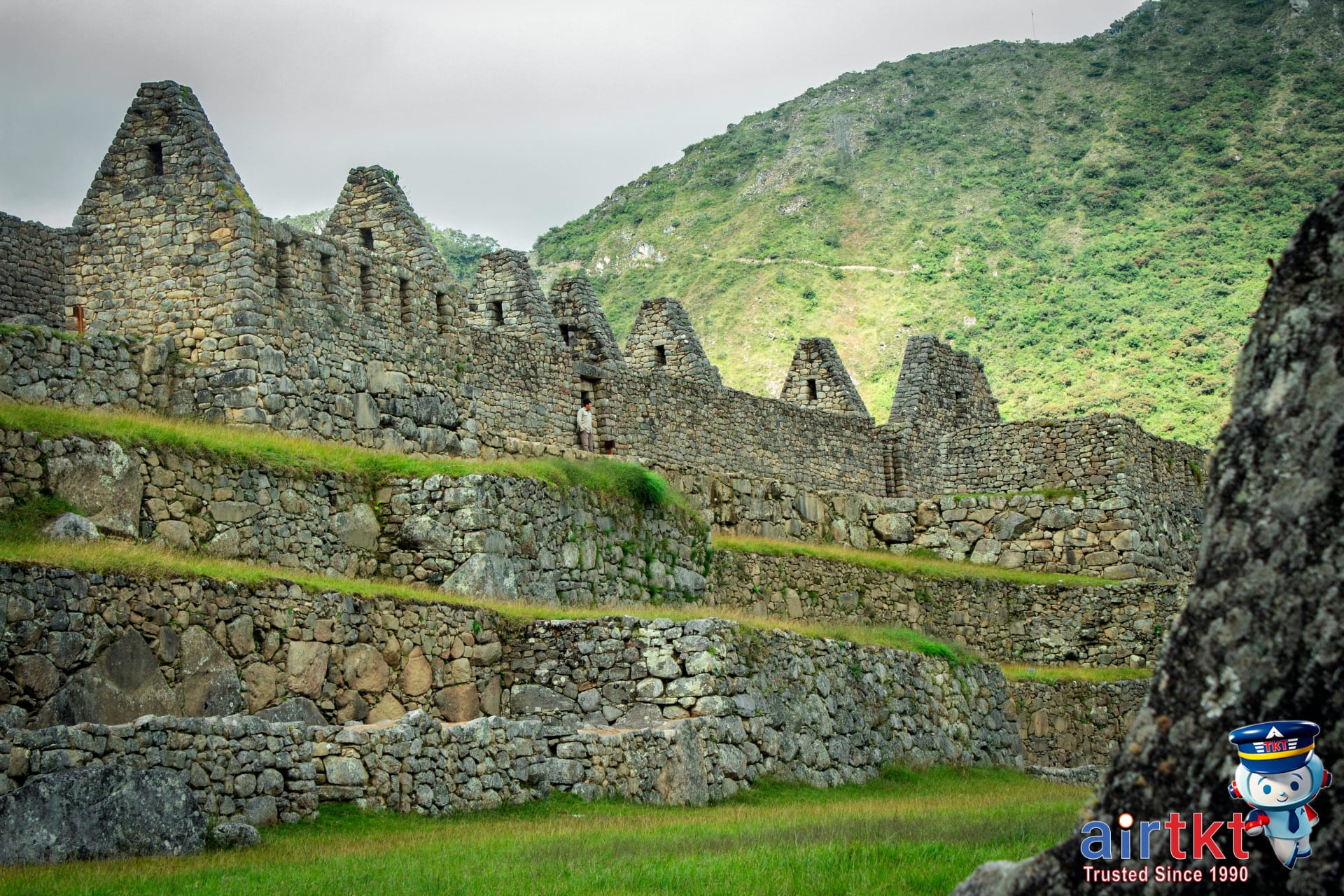
Set high in the Andes mountains, Machu Picchu stands as one of humanity’s most awe-inspiring achievements and a true testament to the brilliance of the Inca civilization. Declared a UNESCO World Heritage site, this sacred city was never revealed to Spanish conquistadors and remains remarkably well preserved—offering a rare window into the mysteries of Inca culture, ingenuity, and spiritual worldview.
The historical significance of Machu Picchu goes beyond its stunning structures and panoramic views. Built in the 15th century during the reign of the Inca emperor Pachacuti, many historians believe it served as both a royal estate and a ceremonial center. The site’s precise stonework, agricultural terraces, and complex water channels reveal a society deeply connected to both their environment and their deities. Exploring it firsthand, I remember pausing in one of the open plazas, the morning mist still swirling over the green peaks. That sense of standing on ground shaped by hands centuries ago filled me with a kind of reverence I hadn’t expected, deepening my appreciation for how the Inca lived—and how much remains undiscovered about their world.
Machu Picchu is more than a tourist destination; it’s a living link to Peru’s ancestral heritage. The myths, rituals, and everyday activities of the Inca civilization linger in the stone pathways and tranquil temples, reminding visitors of the civilization’s lasting impact. If you’re seeking travel inspiration for a trip that blends history, culture, and unforgettable landscapes, Machu Picchu is a compelling starting point. For more ideas on what to experience across Peru, check out the airtkt.com Peru travel page.
Bus Logistics for Machu Picchu Access

The main gateway to Machu Picchu is Aguas Calientes, and from this little town, buses regularly shuttle travelers up the mountain to the entrance of the famed ruins. The route winds along a scenic switchback road for about 25 minutes, with buses generally starting in the early morning and running at frequent intervals throughout the day. If you’re hoping to maximize your time on the mountain or catch the dramatic sunrise, timing your bus ride is critical.
For bus tickets, you have a couple of options, but I always suggest booking online ahead of your trip. The official bus company allows you to purchase tickets in advance for a specific date, saving you from waiting in long lines at the Aguas Calientes ticket office. Tickets can also be purchased in person the day before or even the morning of your visit, but I’ve seen travelers frustrated by the lines—especially during peak travel months. Once you’ve got your ticket (printed or digital), keep it handy; you’ll need to show it at boarding along with your passport.
Boarding and Early Morning Tips
Buses load from Avenida Hermanos Ayar in Aguas Calientes, with boarding operating on a first-come, first-served basis. If you’re like me and want the experience of watching the mist rise over Machu Picchu as the sun comes up, you’ll want to catch one of the first buses. The earliest departures often see long lines of eager travelers—some start queuing an hour before the first departure. I made a point of getting into line well before dawn, and the peaceful ruin views just after sunrise made the early start completely worth it.
If you want more ideas on how to reach Machu Picchu and get around Peru, check out this comprehensive guide to Peru transportation options from airtkt.com.
Top Sunrise Viewpoints at Machu Picchu

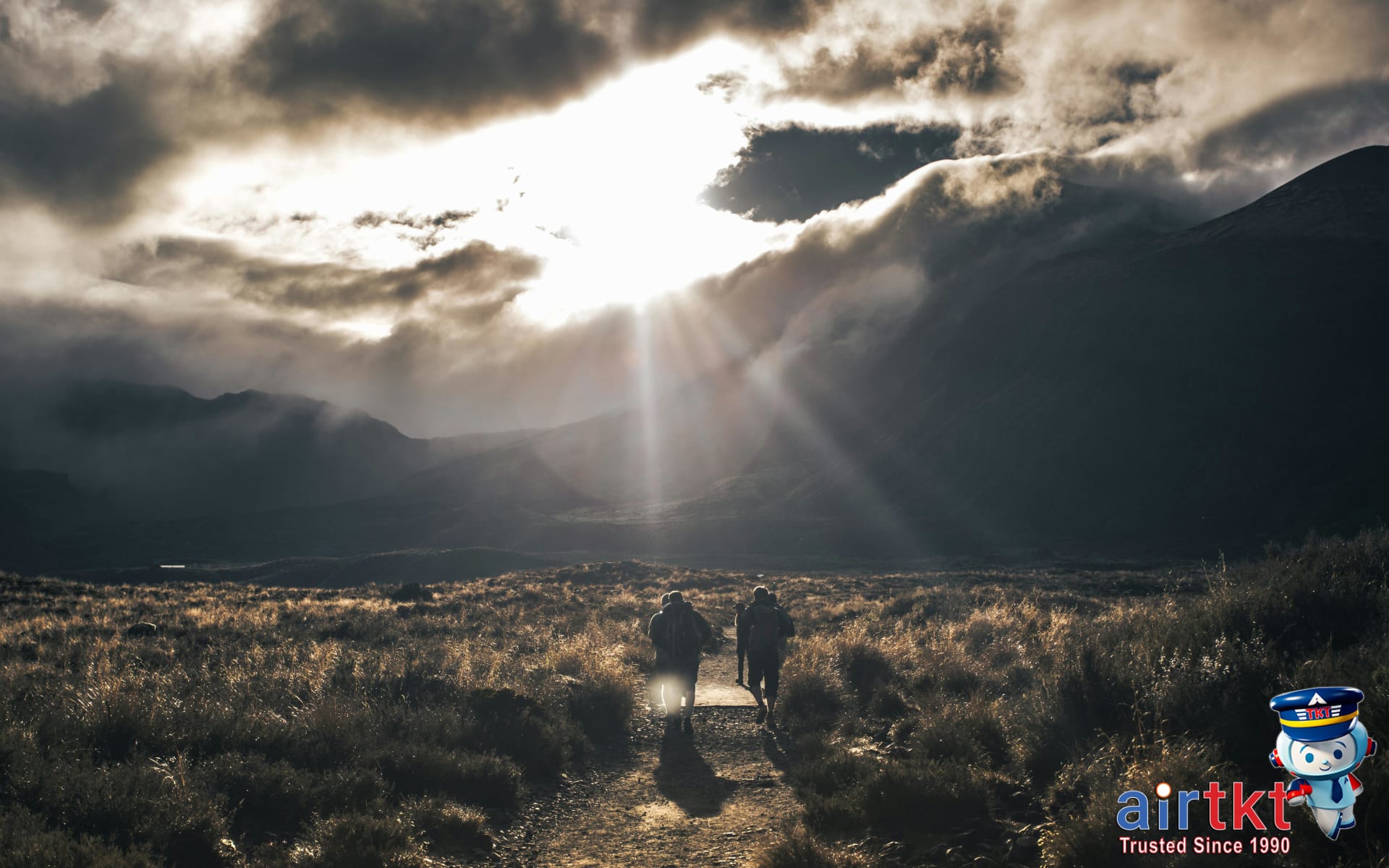
Catching the sunrise at Machu Picchu is a highlight for many visitors—and for good reason. The golden morning light streaming over misty peaks creates a scene that really sticks with you. When it comes to the best sunrise spots, two stand out: Inti Punku (the Sun Gate), and the classic main viewpoint that overlooks the ruins.
Sun Gate View at Dawn
If you’re up for a hike before dawn, the Inti Punku trail is a rewarding choice. This historic entry point to Machu Picchu was once the official gateway for arriving Inca pilgrims. As you approach the Sun Gate, you’ll start to see the ruins emerge from the shadows with the first light—a view that honestly gave me goosebumps and made the early start worthwhile. Plan around an hour for the uphill hike from the main entrance, and be ready for some moderate exertion. Solid shoes are a must, and the path can be slick with morning dew.
Main Overlook for Sunrise Magic
The classic viewpoint just above the ruins is by far the easiest place to catch sunrise—it’s accessible from the main circuit, and you don’t need to hike as far. This spot puts you directly above Machu Picchu as the sun crests the mountains and illuminates the terraces. Seeing mist lift from the site while sunlight slowly reveals the ancient walls is something I’ll never forget. If you’d rather join a group, you can find sunrise-focused Machu Picchu tours through airtkt.com and other providers, which often include early entry options.
Both sunrise options require some preparation. The site opens early, so give yourself plenty of time to reach your chosen viewpoint before the sky starts changing color. Mornings are surprisingly cold, especially out in the open, so bring a warm layer or two on top of your daypack basics. Don’t forget water and a little snack—there are no shops inside the site itself.
Machu Picchu and Inca Civilization Legacy

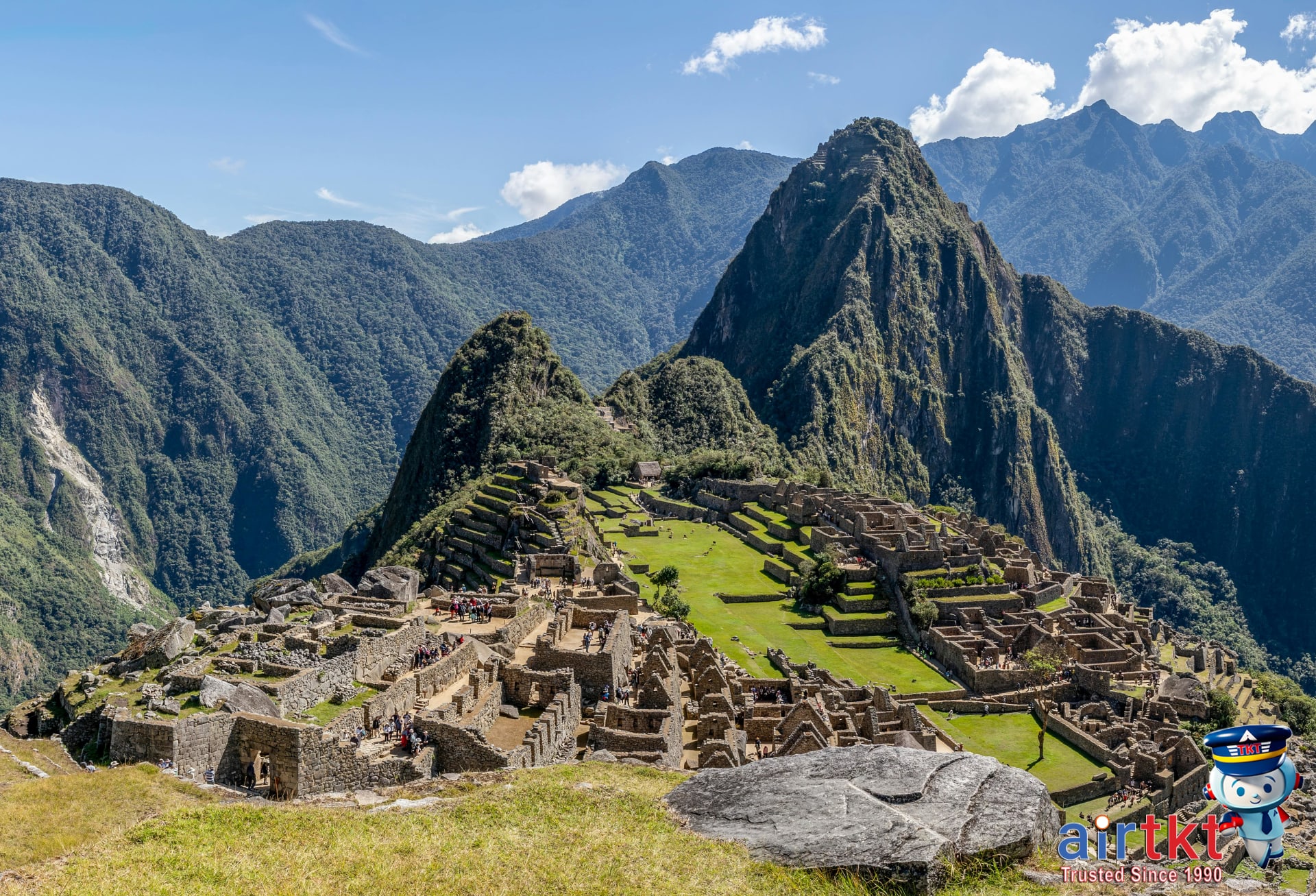
Exploring the ruins of Machu Picchu isn’t just about seeing a famous landmark—it’s a window into the brilliance of the Inca civilization. The Incas, who established their empire in the Andes by the 15th century, are renowned for achievements that still captivate experts and travelers today. Their feats in architecture alone set a high bar: terraced fields cling to impossible slopes, with stonework so precise that even modern blades barely fit between the stones. Agricultural innovations like these terraces and sophisticated irrigation systems made it possible to farm the steep Andean terrain, supporting a thriving empire across a wide range of altitudes.
Machu Picchu itself is a living showcase of Inca ingenuity. The structures are built from expertly cut stones fitted together without mortar—a technique called ashlar masonry—which has allowed the complex to withstand centuries of earthquakes and landslides. Walking through the site, I found myself pausing in awe of their engineering skill, particularly after learning more about the tools and methods they used. The way the Incas tied their architecture to the surrounding landscape, aligning temples with the sun and mountains, really highlights how skilled and deeply thoughtful their builders were.
But it’s not just the technical side that makes the Inca legacy so impressive. Their culture wove together art, astronomy, and community, leaving behind a heritage that continues to shape Peru today. Machu Picchu is a reflection of that ingenuity—and for those curious to go beyond the ruins themselves, there’s even more to discover. If you want to deepen your understanding, the Machu Picchu Museum in Aguas Calientes (also called the Museo de Sitio Manuel Chávez Ballón) offers artifacts, models, and displays that provide invaluable context to everything you see on the mountain.
If you’re hungry for even more history, I’d suggest checking out our Peru history travel guide for stories about ancient cultures and archaeological sites across the country.
Planning Your Visit: Permits and Tickets
If you’re dreaming of seeing Machu Picchu up close, knowing how the permit and ticketing system works is crucial. Machu Picchu has a strict daily visitor limit to protect both the ruins and the surrounding ecosystem. Currently, only a certain number of people are allowed in per day, and once those tickets are gone, there’s no way to enter until the next day.
All visitors—regardless of nationality—must purchase an official entry ticket through the Peruvian government’s website or at select ticket offices in Peru. However, I always suggest buying online in advance since tickets can sell out months before your intended trip, especially from May through September. In my experience, booking tickets early saved me from missing out completely when I visited during the high season.
How to Secure Your Ticket
The process is straightforward but requires attention: Head to the official Machu Picchu ticket website. Select your chosen date and entry circuit, fill out visitor details, then proceed to payment (typically by credit card). You’ll receive a digital ticket by email—be sure to bring both a physical and digital copy to the entrance. If you’re also booking trains or hotels, combining the itinerary using user-friendly tools on airtkt.com makes coordination easier.
If you want the site to yourself (or close to it), the earliest morning slots and late afternoon entries tend to be less crowded. Mid-morning and midday see the most visitors, so timing really affects your experience.
Best Photo Spots in Machu Picchu
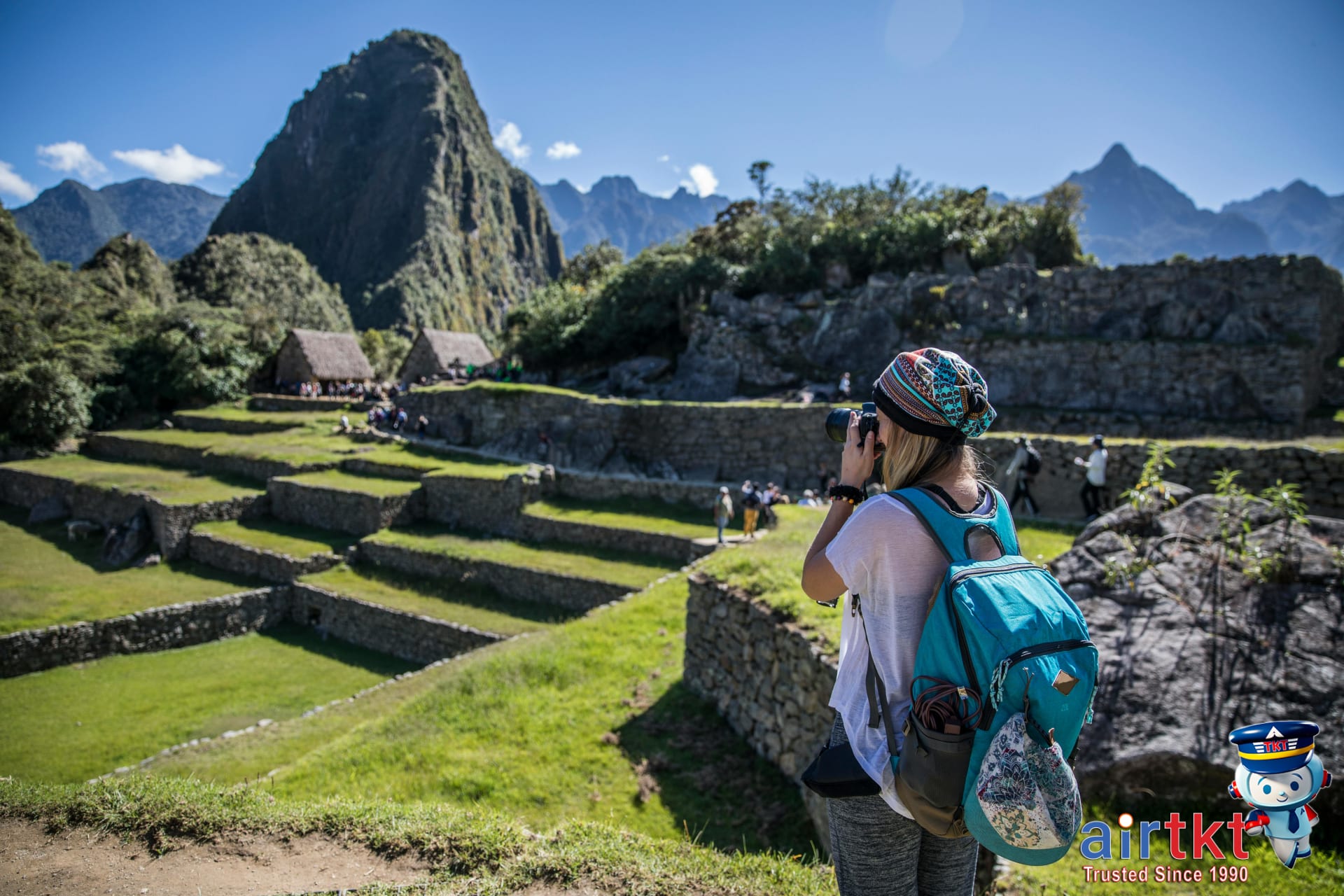
If you’re hoping to bring home stunning photos of Machu Picchu, some spots stand out above the rest. The classic terraces near the Guardhouse offer that iconic sweeping view of the ruins with the sharp peak of Huayna Picchu rising behind it. This is one of those scenes you’ll find on countless postcards—and it’s popular for a reason. Arrive early if you want the site almost to yourself and the soft morning light on the stonework.
Another prime spot is the trail leading up to Huayna Picchu. After a steep climb, you’re rewarded with an aerial perspective looking back over the ancient city. While not everyone attempts the hike, the view up here is absolutely worth the effort if you’re able. For wide expanses or panoramic shots, a wide-angle lens (or a panorama mode on your smartphone) really makes a difference.
Don’t skip the Sacred Plaza, either. From this central space, you can frame the Temple of the Three Windows with vistas of surrounding green mountains in the background—great for both detail shots and sweeping landscapes. If you’re chasing softer afternoon light, the terraces above the main plaza offer a fantastic vantage without the early-morning crowds.
During my visit, capturing the scene just as the clouds parted over the ruins after a brief rainstorm was unforgettable. The mist clinging to the stones and the shifting light made it feel like we’d stepped into a secret world—I still return to those photos for that sense of wonder.
If you’re keen for extra inspiration and tips on the best ways to capture Machu Picchu, I’d check out detailed airtkt.com photography guides or blogs focused on Peru’s top shutter-worthy locations.
Machu Picchu Travel Budget Table
Planning out your Machu Picchu expenses ahead of time can make all the difference, especially since costs can climb quickly if you’re not careful. Below, you’ll find a practical overview for Budget, Mid-range, and Luxury travelers. I found that mapping out each category before my trip really helped me avoid financial surprises—especially when it came to local transportation and last-minute admission fees.
| Budget | Mid-range | Luxury | |
|---|---|---|---|
| Accommodation | $25.00 | $80.00 | $220.00 |
| Food | $10.00 | $30.00 | $70.00 |
| Transport | $35.00 | $70.00 | $180.00 |
| Activities | $50.00 | $110.00 | $260.00 |
How These Costs Break Down
- Accommodation: Expect simple hostels at the budget end, clean three-star hotels for mid-range, and well-appointed resorts with extra amenities if you’re going luxury.
- Food: Budget covers market meals or simple cafés, while mid-range bumps you up to nicer restaurants. For luxury, fine dining and larger hotel breakfasts are typical.
- Transport: Budgeting for buses or basic train seats, versus mid-range tourist trains or shuttles, and luxury-class trains with panoramic views and meals onboard.
- Activities: This includes your Machu Picchu entry ticket—plus, for higher tiers, guided tours, Huayna Picchu hikes, or private experiences.
It’s smart to keep a little extra padding in your budget for tips (guides, porters, drivers), unexpected detours, and little splurges. Even careful planners like me can get caught by surprise taxi fares or spontaneous side-trips in and around Aguas Calientes, so a safety buffer will spare you unnecessary stress.
Frequently Asked Questions on Machu Picchu Travel
- What is the best time of year to visit Machu Picchu?
The best time to visit Machu Picchu is during the dry season, typically from May to September, when rainfall is lower and hiking conditions are more comfortable. I recommend arriving early in the morning to enjoy cooler temperatures and fewer crowds at this iconic site.
- How do I secure entry tickets for Machu Picchu?
Tickets to Machu Picchu must be purchased in advance through the official government website or authorized vendors—tickets are not sold at the entrance. The number of daily visitors is limited, so I’d secure your ticket as early as possible, especially if you plan to visit in peak season.
- Is Machu Picchu accessible for travelers with mobility challenges?
Machu Picchu has steep paths and uneven stone steps, which can make accessibility difficult. While some areas at the entrance are relatively flat, the majority of the site is not wheelchair-friendly. I’d recommend contacting the official site for current accessibility options if mobility is a concern.
- Is Machu Picchu safe for solo travelers and families?
Machu Picchu is generally considered safe for visitors, including solo travelers and families. As a precaution, keep valuables secure and watch your step on the steep, sometimes slippery paths. Local staff and security are present, and basic first aid is available at the entrance area if needed.
- What should I know about Machu Picchu’s history before visiting?
Machu Picchu is a 15th-century Inca citadel believed to have been built for Emperor Pachacuti. Most historians agree it served as both a royal estate and a religious retreat. Details remain a mystery, but you’ll see temples, farming terraces, and stunning examples of ancient architecture throughout the site.
- Can I visit Machu Picchu in a single day from Cusco?
Many travelers visit Machu Picchu on a day trip from Cusco using the train to Aguas Calientes and then a bus to the entrance. While possible, it makes for a long day—departing early and returning late. Staying overnight in Aguas Calientes allows for a less rushed experience.
- What should I pack for a trip to Machu Picchu?
I usually recommend packing lightweight layers, sunscreen, a hat, insect repellent, and a reusable water bottle. Don’t forget sturdy walking shoes, as the terrain is uneven and often slippery. Rain gear is also wise, even during the dry season since weather in the Andes can change quickly.
Final Tips for Visiting Machu Picchu

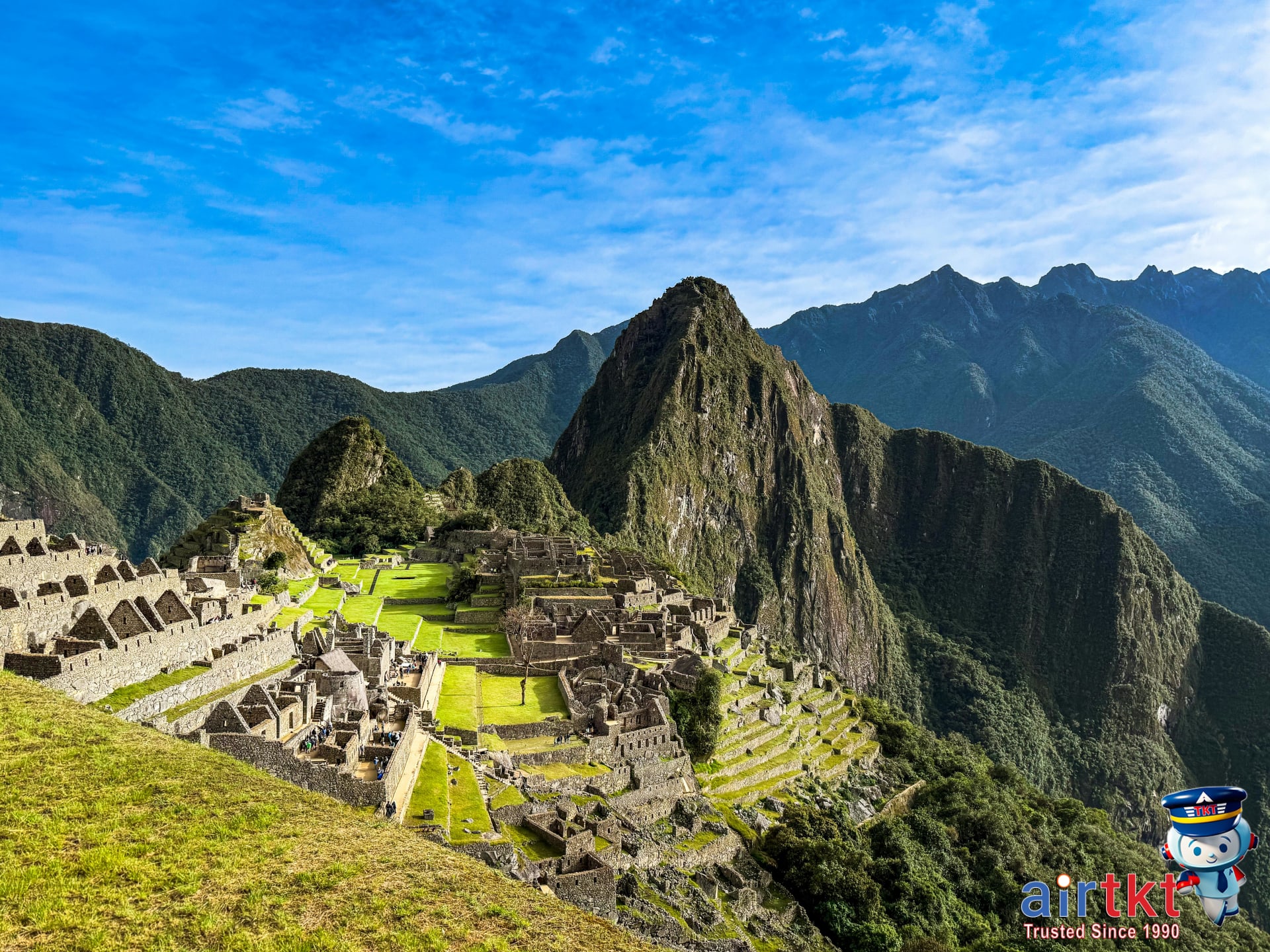
After all the anticipation and planning, standing at the edge of Machu Picchu’s spectacular terraces truly feels unforgettable. I found that having a solid plan in place—like booking tickets early, checking train or bus times in advance, and familiarizing myself with entry requirements—kept the day focused on discovery instead of logistics. This ancient site sees plenty of foot traffic, so respecting both the posted rules and the archeological grounds is essential for everyone’s experience.
To get the most out of your visit, I’d recommend packing light but smart. Bring a reusable water bottle (there aren’t any vendors once you’re inside), and wear sturdy, comfortable shoes for climbing the ruins and uneven steps—this made a big difference for me. Sunscreen, a hat, and breathable clothing will keep you much more comfortable in the changing mountain weather, especially if you start with the early morning crowds.
Take the time to pause at the viewpoints—the classic overlook is as breathtaking in person as every photo suggests, but there are quieter corners that invite reflection too. I still remember the quiet moments sitting above the fog, watching clouds drift across the stone walls; the magic of Machu Picchu has stayed with me long after leaving Peru.
If you’re ready to plan your own adventure, check out airtkt.com for Peru vacation deals and affordable flights. A little extra preparation pays off, ensuring you can focus on the moments that matter most at this remarkable world wonder.