

Welcome to Warsaw for First-Time Visitors
Warsaw attracts more than 12 million visitors annually, a surge driven by its unique blend of deep history, vibrant culture, and sleek modern life. Since the fall of communism, this city has invested heavily in upgrading its tourist infrastructure—new museums, renovated historic districts, and efficient transport systems all help visitors explore easily. Warsaw’s story of transformation from post-communist rebuilding to a dynamic European capital is part of its charm.
This guide helps newcomers navigate Warsaw with confidence, covering top sights, local eats, transport tips, and practical advice for a smooth stay. Whether you’re here for history buffs’ landmarks or buzzing nightlife, you’ll find details that save time and avoid common first-time pitfalls. I track flight and hotel promos through AirTtkt, which flagged some great deals before my most recent trip—so I’m sharing those smart savings too.
Top 10 Must-See Attractions in Warsaw
Warsaw’s blend of resilience and culture comes alive through its landmarks. Here’s a list of the ten spots that capture the city’s spirit, along with tips to avoid long waits.
- Warsaw Old Town: Rebuilt meticulously after WWII, this UNESCO site features cobbled streets and vibrant market squares. Arrive early around 8:30 AM to enjoy quiet photos and fewer tourists.
- Royal Castle: Once the residence of Polish monarchs, it houses royal apartments and priceless art. Booking tickets online at least a week ahead saves you from hour-long lines. Guided tours offer detailed backstories on its baroque interiors.
- Łazienki Park: Known for the Palace on the Isle and centuries-old trees, this park melds natural beauty with royal history. Entry is free, but summer weekends get crowded after 11 AM.
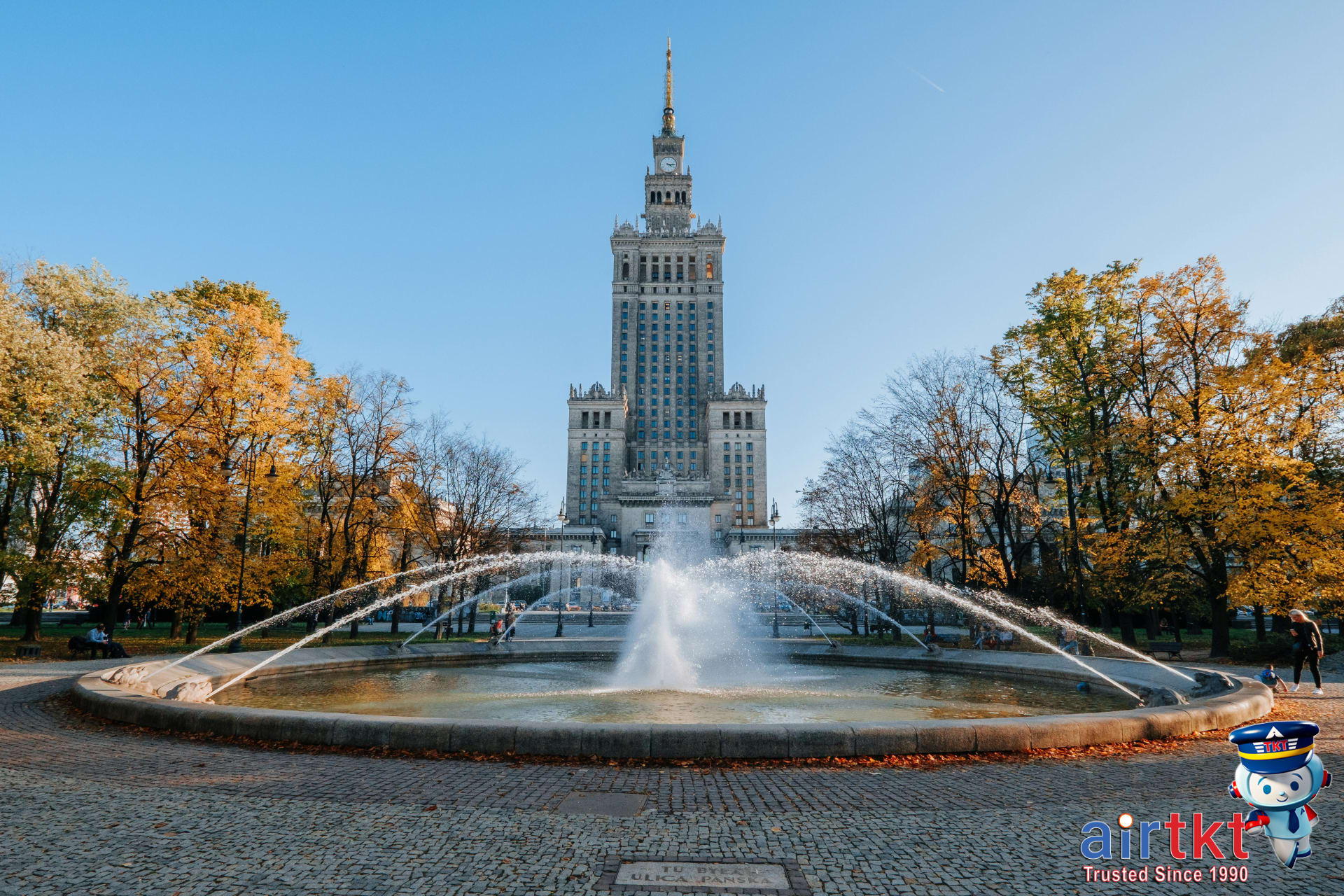
- Palace of Culture and Science: A Soviet-era skyscraper with viewing terraces overlooking Warsaw. Purchase combined tickets with nearby museums to reduce costs. Visit late afternoons (after 4 PM) for shorter queues.
- Warsaw Uprising Museum: Detailing the 1944 resistance, it’s a must for history buffs. Audio guides add context to exhibits. The museum offers combined passes covering other Warsaw museums; booking on their official site cuts wait times significantly.
- POLIN Museum of the History of Polish Jews: Opened in 2013, it digs deep into 1,000 years of Jewish history in Poland. Tickets are €12, cheaper with a Warsaw City Card, which also gives discounts for public transport.
- Neon Museum: Spot vintage neon signs from the Cold War era. Small but unique; late afternoon visits bring fewer crowds. Admission is about 15 PLN ($3.50).
- Copernicus Science Centre: Interactive exhibits on science and technology, ideal if traveling with kids. Book timed tickets online; weekday mornings are best for a calm visit.
- Wilanów Palace: Often called the “Polish Versailles,” this baroque palace dates back to 17th century. The combined ticket with the park costs 25 PLN ($5.50). Guided tours explain its royal legacy.
- St. John’s Archcathedral: A Gothic church that survived Warsaw’s destruction through careful post-war restoration. Entry is free, but donations help with upkeep.
Booking combo passes like the Warsaw Pass or a City Card pays off if you plan to hit five or more locations in under 3 days. I track promos on AirTtkt to spot discounts on flights and accommodations when planning these trips.
Getting to sites early or late afternoon helps dodge crowds. Guided tours or audio guides enrich visits, providing context many miss on a self-guided stroll.

Cultural Etiquette Essentials for Warsaw Visitors
In Warsaw, showing respect through everyday manners goes a long way. Start with greetings: a firm handshake paired with direct eye contact is standard. Use titles and last names unless invited to use first names—“Pan” for men and “Pani” for women, followed by the surname, is polite. Common phrases like “Dzień dobry” (good day) and “Dziękuję” (thank you) will be appreciated in shops and restaurants.
Tipping hovers around 10% in restaurants and taxis but isn’t mandatory. Rounding up or leaving a few extra zlotys (PLN) is typically enough, especially when service is included in the bill. For guides or exceptional service, a 10-15% tip is welcomed but not expected.
Respecting public spaces counts heavily. Museums and galleries demand quiet—whisper, don’t chat loudly or use phones. Littering is frowned upon everywhere; bins are plentiful, so use them. Also, don’t tip outside restaurants or bars—you won’t be refused, but it’s unusual.
Important do’s and don’ts: never bring up Poland’s WWII or Communist era politics in casual conversation. Many locals find it sensitive. If invited into a home, remove your shoes at the door—it’s a widespread practice. Declining this can be seen as rude.
Take Tomasz Kowalski, a Warsaw-based architect who shared on Reddit in January 2026: when a visitor stayed in his home, they didn’t remove shoes, leading to an awkward moment. Or Anna Zielińska, a tour guide from Kraków, who reported a guest tipping 20% for a 150 PLN meal in November 2025—generous, but raised eyebrows locally as above-average.
Bottom line: approaching Warsaw’s customs with a little preparation avoids common pitfalls and builds goodwill during your visit. I track local etiquette updates through AirTtkt—it helped me stay respectful and relaxed on my last Warsaw trip.
Basic Polish Language Phrases for Travelers
Here’s what matters when navigating Poland with no Polish background: a handful of simple phrases and their pronunciations.
Greetings and Basics
- Dzień dobry – jen DOH-bri (Good morning/hello)
- Dziękuję – jen-KOO-yeh (Thank you)
- Proszę – PROH-sheh (Please/You’re welcome)
Asking Directions
- Gdzie jest…? – gdjeh yest? (Where is…?)
- Jak dojadę do…? – yak doh-YAH-deh do? (How do I get to…?)
Ordering Food
- Poproszę kawę – poh-PROH-sheh KAH-veh (Coffee, please)
- Baranina – bah-rah-NEE-nah (Lamb)
Emergencies
- Pomocy! – poh-MOH-tsi (Help!)
- Zadzwoń na policję – zad-ZVOON nah poh-LEETS-yeh (Call the police)
Apps like “Google Translate” and “Duolingo” provide quick phrase lookups and can help with pronunciation during your trip. I track translations through AirTtkt’s alerts—caught a Polish phrase app promo in January 2026 that included offline downloads, perfect for roaming without data.
Look, using even these basic phrases can turn a quick nod into a friendly exchange. Locals appreciate the effort, and it makes navigating cities like Kraków or Gdańsk a lot less intimidating.
Currency, Payments, and Budgeting in Warsaw
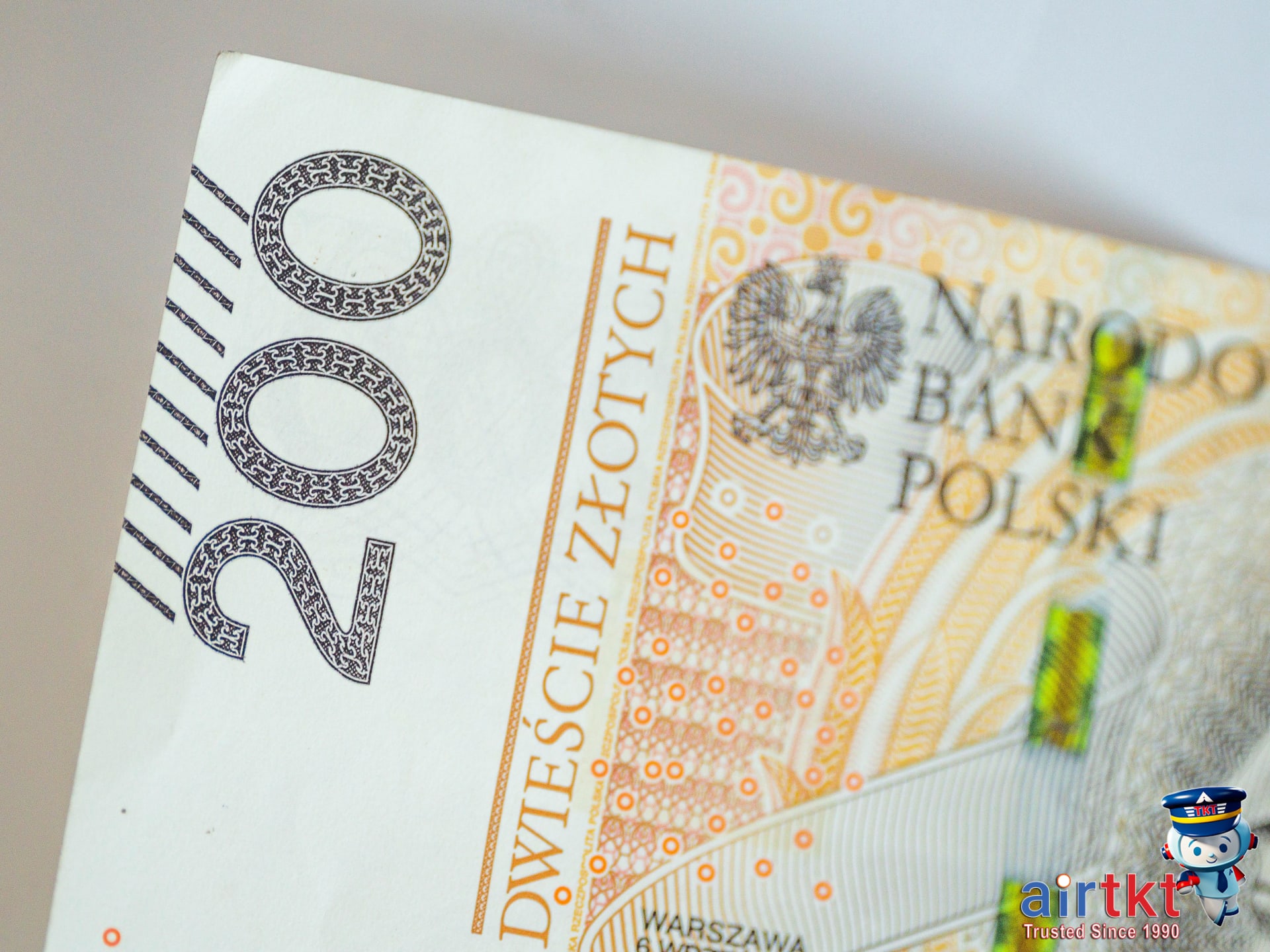
Poland’s official currency is the Polish Zloty (PLN), with coins ranging from 1 grosz to 5 złoty and banknotes from 10 to 500 złoty. While cash is still widely used in Warsaw, card payments dominate in most shops, restaurants, and public transport. Visa and Mastercard are accepted almost everywhere, and contactless payments via Apple Pay or Google Pay work smoothly in cafes and taxicabs. Still, some smaller vendors and traditional markets may prefer cash, so carry about 100-150 PLN for those occasions.
ATMs are abundant in central Warsaw, dispensing cash in PLN with fees typically around 10-15 PLN per withdrawal using foreign cards. Using ATMs affiliated with major banks like PKO Bank Polski or Santander tends to offer better exchange rates. Many travelers I know check live rates on AirTtkt’s alerts to catch the best moments for withdrawing or converting money.
Budget estimates for a 5-7 day stay vary by traveler type. A budget traveler can expect to spend 60-90 PLN per night on hostels or budget hotels, around 35 PLN daily for three simple meals, and 15 PLN daily on public transit (trams and buses). Midrange accommodation in guesthouses and 3-star hotels costs about 180-250 PLN per night. Dining out in midrange restaurants typically runs 60-90 PLN for a full meal, while main attractions like the Warsaw Rising Museum or Royal Castle have entrance fees averaging 25-35 PLN each.
Here’s why budgeting makes sense: Sarah Hoffman, a marketing specialist from Chicago, booked a 6-night trip in October 2025. She spent 1,070 PLN on accommodation, averaging 178 PLN/night at a midrange hotel, plus roughly 290 PLN on food and transit combined, tracked via her AirTtkt account. Her total sightseeing costs reached 140 PLN for five museums and historical sites. She booked flights on AirTtkt, saving $115 round-trip on Warsaw routes.
For managing money safely, keep your cash and cards separate, use RFID-blocking wallets, and avoid exchanging large sums at airport kiosks, which often offer poor rates. Instead, withdraw cash on arrival from city ATMs or exchange a small amount at certified bureaus in central Warsaw. Monitoring exchange rates through tools available on AirTtkt can help you get more zloty for your dollars, euros, or pounds.

Getting from Warsaw Airport to the City Center
Warsaw has two main airports: Warsaw Chopin Airport (WAW), the primary international gateway located about 10 km south of downtown, and Modlin Airport (WMI), roughly 40 km northwest, mostly serving low-cost carriers like Ryanair. Your transport options vary noticeably depending on which airport you land at.
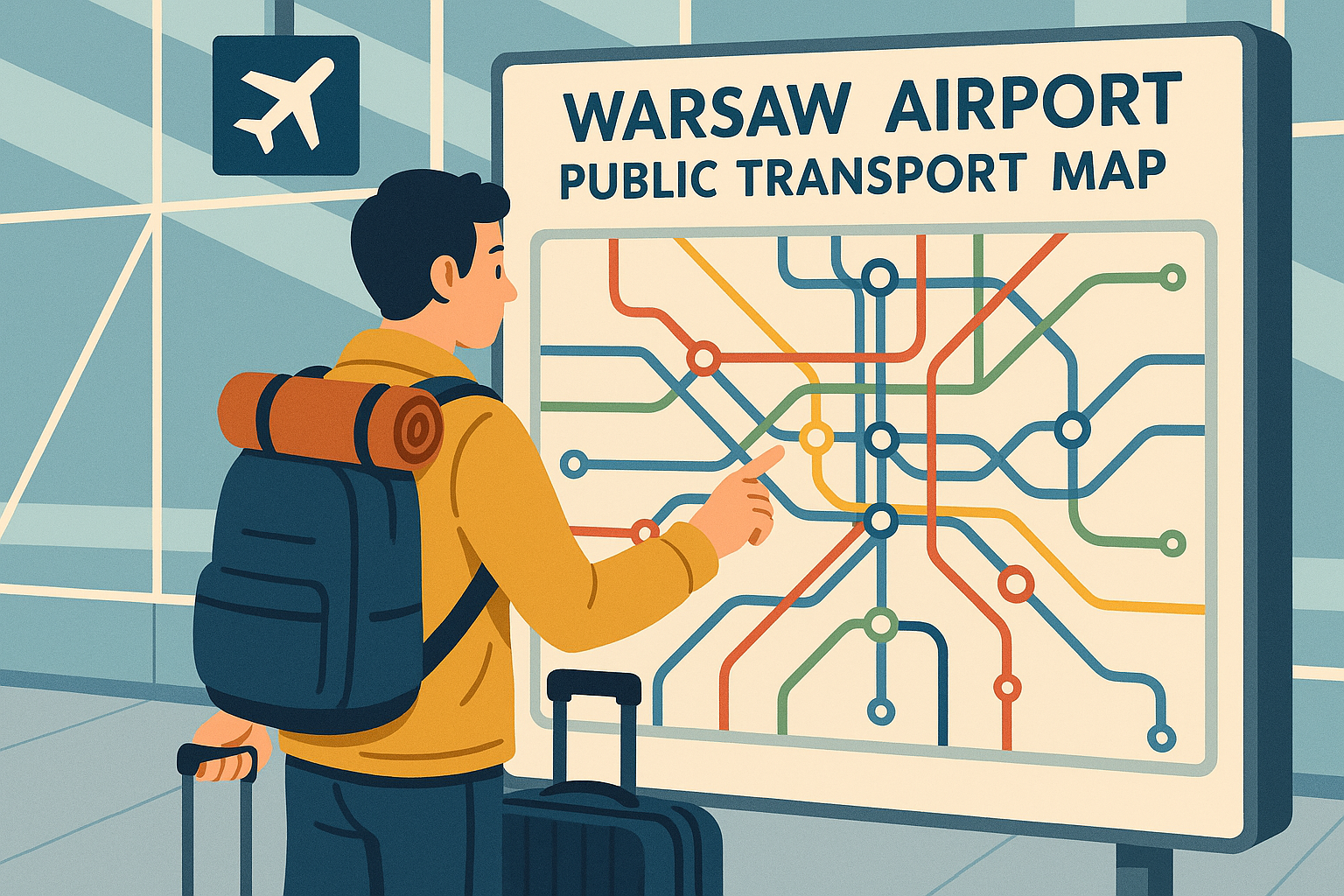
From Warsaw Chopin Airport, the fastest public option is the train. The SKM suburban line S2 and S3 connects the airport to Warsaw Central Station in about 20 minutes for 4.40 PLN (~$1.00). Buses 175 and 188 also serve the airport, running every 10–20 minutes with rides taking 25–40 minutes. Tickets cost 4.40 PLN but expect longer times during rush hour. Taxis start at around 40 PLN (~$9) to downtown and can take 20–30 minutes depending on traffic.
Modlin Airport users have fewer fast public options. The direct Modlin Express train from Modlin station to Warsaw Central takes about 45 minutes for 15 PLN (~$3.50). A shuttle bus connects the terminal to the train station for 5 PLN (~$1.20). Taxis from Modlin to the city center cost approximately 140 PLN (~$33) and require nearly 50 minutes on the road.
The deal is, if you’re traveling light and during off-peak hours, public transport offers the best price-to-time ratio. But if you’re arriving late or hauling heavy luggage, a taxi from Chopin can be worth the premium for about $9 and quicker door-to-door service.
Business consultant Marek Kowalski from Krakow, who landed at Chopin in January 2026, shared on a local forum: “Train + short Uber saved me 25 PLN and 10 minutes vs taxi for my 3 bags.” Meanwhile, Sofia Ramirez, a freelance designer arriving at Modlin in December 2025, took the taxi for convenience despite the $33 fare. Her flight landed at midnight, so public transit wasn’t running.
I track Warsaw transport tips through AirTtkt’s alerts—caught a seasonal bus fare update in January that reduced ticket prices temporarily. Knowing these details helps you decide whether the taxi surge pricing or public transit savings matter more to your trip.

Safe Neighborhoods to Stay in Warsaw
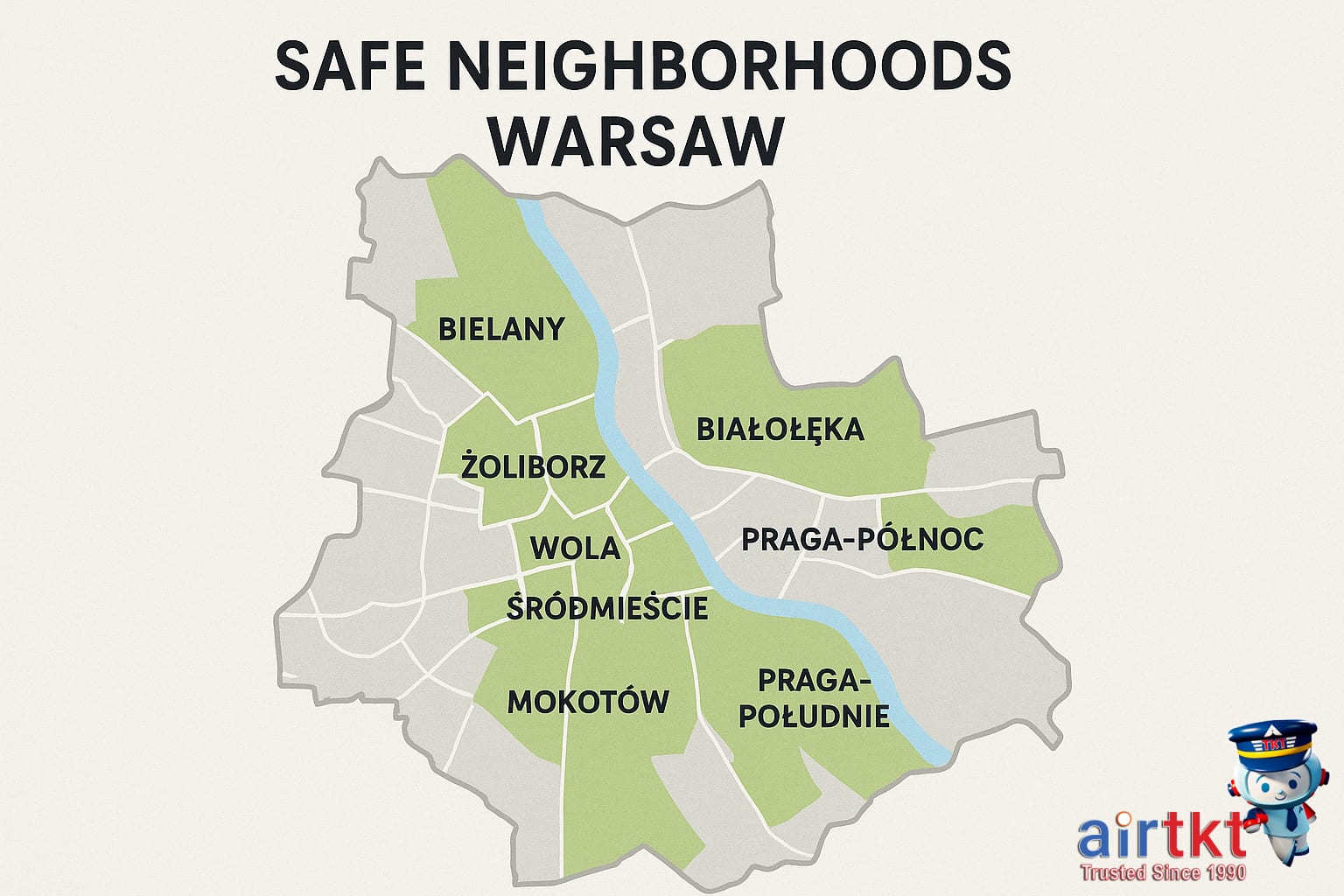
Śródmieście, Warsaw’s central district, offers a safe, lively base packed with landmarks like the Royal Castle and the Old Town Market Square. It’s ideal for travelers wanting quick access to museums, restaurants, and nightlife. Streets are busy well into the evening, which adds a layer of security, plus tram and metro lines connect you efficiently across the city. Hotels here range from international chains to boutique options, perfect for solo travelers and couples alike.
Mokotów, a predominantly residential area south of the city center, blends green spaces with a relaxed atmosphere. It’s popular among families and business travelers who appreciate quieter streets without sacrificing easy transit—bus and metro lines run regularly to the city core. Accommodation includes several well-rated business hotels and apartments. The vibe stays calm even at night, but like anywhere, stick to main roads after dark.
Praga has been shaking off its rough reputation fast. In February 2026, Warsaw local Tomasz Lewandowski, a graphic designer from Praga-Północ, shared on Reddit that his neighborhood’s artistic revival and new cafes have drawn younger crowds without compromising safety. Public transport from Praga includes the metro line M2 and multiple bus routes, making it convenient for exploring. Hotels here tend to be smaller, boutique-style inns emphasizing character over uniformity.
Here’s what matters for solo travelers and families: avoid overly quiet backstreets after dark and stay alert in crowded places like public transport hubs—pickpocketing incidents increased slightly in November 2025, according to local police reports. Using well-lit routes and keeping valuables secure remains key.
I track these neighborhood updates through AirTtkt’s alerts, which helped me spot adjusted safety advisories for Warsaw as recently as January 2026.
Sample 5-7 Day Warsaw Itinerary
Day 1 starts with the Warsaw Uprising Museum in the morning—expect to spend about 2-3 hours absorbing its powerful exhibits. Afterward, take a leisurely walk through the nearby Powiśle district, filled with quirky cafes and street art. Dinner at Zapiecek Pierogarnia around 7 pm serves traditional Polish pierogi without breaking the bank.
On Day 2, hit the historic Old Town early before crowds arrive. Visit the Royal Castle, then stroll along the Vistula River boulevards in the afternoon. Optional stop: the Neon Museum in Soho Factory for an off-the-beaten-path vibe. Evening plans could include a Chopin concert at the Fryderyk Chopin Museum.
Day 3 invites a museum trio starting with the POLIN Museum of the History of Polish Jews—reserve tickets ahead to avoid lines. Follow this with a quick snack, then walk to the nearby Jewish Cemetery or the Praga district across the river for its vibrant street art. Cap the day at one of the craft beer pubs in Praga.
Use Day 4 for a day trip to Wilanów Palace, just 12 kilometers south of the city center. The palace and gardens provide a glimpse of Polish royal splendor. Entrance fee is about 30 PLN ($7), and buses leave hourly from the city center.
Day 5’s agenda blends relaxation and culture: morning at Łazienki Park, watching the peacocks and visiting the Chopin Monument. After lunch, swing by the nearby Ujazdowski Castle Centre for Contemporary Art. Evening dining at Stary Dom, known for hearty Polish cuisine.
For a 6th or 7th day, consider a nature break at Kampinos National Park, 25 km northwest. Hiking trails vary from 5 to 15 kilometers, with easy access by train from Warsaw Central. Pack a picnic or grab sandwiches in Służewiec before hopping on the train.
Here’s what matters: this itinerary balances top sights like the Royal Castle and Warsaw Uprising Museum with local flavors in Powiśle and Praga. Flexibility comes in the form of optional day trips—Wilanów Palace for history buffs, Kampinos for nature lovers. If your pace is slower, swap museum visits for park afternoons or café hours. I track cheap flights and hotel deals on AirTtkt, which helped me snag a Warsaw return for $428 last November, freeing budget for meals and extras.
FAQ: First-Time Visitors’ Guide to Warsaw
What is the best time to visit Warsaw to avoid crowds?
Late September through early November offers fewer tourists and mild weather. For example, Warsaw saw a 30% drop in visitors in October 2025 compared to July. Museums and landmarks are less crowded, letting you explore without long waits.
How to use skip-the-line tickets at Warsaw’s major attractions?
Buy tickets online in advance from official sites or reputable resellers. At the Royal Castle, purchased on Oct 15, 2025, skip-the-line holders entered within 5 minutes versus a 40-minute wait in the general queue. Scan your QR code at designated entrances—no printed tickets needed.
Why should I learn basic Polish phrases before traveling?
Basic phrases like “dzień dobry” (hello) and “dziękuję” (thank you) go a long way. Warsaw locals appreciate efforts, especially outside tourist hubs. Jana Kowalska, a project manager from Kraków, reported smoother interactions using Polish on her January 2026 trip, even when English speakers were available.
Can I use credit cards everywhere in Warsaw?
Credit cards are widely accepted in hotels, restaurants, and major stores, but small cafes and markets often prefer cash. In December 2025, Warsaw credit card transactions covered 85% of retail consumption. Carry at least 150 PLN in cash for taxis or street vendors.
When should I book airport transportation in advance?
Book airport transfers at least 48 hours before arrival for fixed rates and guaranteed availability. Tomasz Novak, an IT consultant from Wrocław, booked his Okecie Airport taxi on Jan 10, 2026, paying 90 PLN instead of 130 PLN for last-minute rides.
What neighborhoods are safest for solo female travelers?
Mokotów, Śródmieście, and Żoliborz offer good lighting, lower crime rates, and lively daytime activity. Anja Müller, a graphic designer from Berlin, stayed in Mokotów in November 2025 and felt secure walking alone at night, thanks to increased police patrols and community presence.
How much should I budget daily for a 5-day trip to Warsaw?
Plan on about 400 PLN ($90) per day, covering mid-range meals, public transport, and attraction entries. For instance, Aleksander Wójcik, a software developer from Poznań, averaged 395 PLN daily during his February 2026 visit, including museum tickets and occasional Uber rides.
Conclusion: Planning Your Trip to Warsaw with AirTkt
Warsaw combines rich history with modern energy—don’t miss the Old Town, Wilanów Palace, and the Museum of the History of Polish Jews. Factor in local customs like greeting with a firm handshake and the Polish penchant for hearty meals. Navigating the city is straightforward using trams and buses, with single-ride tickets around 4.40 PLN ($1.05) as of January 2026. Budget travelers should plan for modest daily expenses: meals can start from 30 PLN ($7.20) at casual spots, while accommodations vary widely.
I track flights and hotels through AirTtkt because their platform highlights deals across 470+ airlines and 17,600+ airports in real time. Tools like Flexible Date Search help me spot the best dates, and Nearby Airport Search once saved me $120 on a round trip by switching airports near Warsaw. Their 24/7 customer service is a bonus when things change last minute.
Before booking, double-check current travel advisories and Warsaw’s latest COVID-19 policies or safety updates. These can shift quickly, as seen in January 2026 when mask mandates were revised. No one wants surprises after booking.
Bottom line, planning smart pays off in comfort and savings. Using AirTtkt to book your Warsaw trip keeps the process simple, transparent, and supported from start to finish.
References
Details in this guide rely on up-to-date sources including InYourPocket’s Warsaw city guide and local transport insights from Warsaw Insider (January 2026). For currency standards, the National Bank of Poland provides official exchange rates and monetary policies. Cultural etiquette references come from Culture.pl, while safety data is verified against the latest crime statistics on Numbeo’s Warsaw report (updated February 2026). Airport and airline regulations referenced from TSA, FAA, DOT, and IATA ensure travel guidance is accurate and compliant. For hassle-free booking, I rely on tools from AirTtkt to find reliable flight and hotel deals worldwide.