

Understanding Within Europe Flights and Deals
Within Europe flights cover trips between cities inside the continent, like London to Paris, Berlin to Amsterdam, or Madrid to Rome. These short to medium haul routes often see many competing airlines, including low-cost carriers such as Ryanair, EasyJet, and Wizz Air, alongside traditional airlines like Lufthansa and British Airways.
Prices on these routes vary widely depending on competition and demand patterns. For example, London to Paris flights on weekdays in April 2026 can range from €45 to over €150 depending on airline, booking time, and flight hour. Routes with multiple airlines competing tend to have lower fares, while those with fewer carriers or less frequent flights usually cost more. Seasonal factors, business demand, and airport fees also drive price differences.
Tools like airtkt.com’s Lazy Fare and Flexible Date Search simplify deal hunting on these routes. Lazy Fare identifies cheaper multi-leg options without added stopover fees, while Flexible Date Search pinpoints cost-effective days to fly within a two-week window. I’ve tracked Smart Fare alerts via airtkt.com that spotted a €38 round-trip from Berlin to Amsterdam in February 2026, which was 25% below standard rates. These tools save time and money by highlighting route-specific pricing variations without endless manual searches.
Budget Airlines Dominating Intra-European Routes
Europe’s intra-continental skies are ruled by a handful of budget airlines that reshaped short-haul travel since the early 2000s. Ryanair, easyJet, Wizz Air, Vueling, and Eurowings stand out as the main players disrupting traditional carriers with aggressively low fares and lean operations.
These airlines cut costs through specific tactics: they fly mainly from secondary airports where fees are 30–50% cheaper than major hubs, charge separately for everything beyond the bare seat—think carry-on bags, seat selection, priority boarding—and keep turnaround times tight to maximize daily flight numbers. For example, Ryanair charges €8–€12 for a 10kg carry-on bag depending on route, while easyJet’s main cabin cabin allowance on London-Milan starts at £9 if bought in advance.
Popular routes where these budget carriers clash include London-Dublin (Ryanair and Aer Lingus’s budget wings), Berlin-Prague (Wizz Air, easyJet), and Barcelona-Rome (Vueling, easyJet). On the London-Dublin route in January 2026, a Ryanair economy ticket started at €17 compared to Lufthansa’s €82 for a comparable schedule, though Lufthansa includes a 23kg checked bag. Vueling and easyJet often go head-to-head on southern Europe’s busiest city pairs with fares typically 60-75% below legacy prices.
| Airline | Carry-on Bag Policy | Checked Bag Fee | Typical Base Fare (Short Flight) |
|---|---|---|---|
| Ryanair | 1 small bag free; larger carry-on €8–€12 | From €25 per segment | €17 (London-Dublin, Jan 2026) |
| easyJet | 1 cabin bag max 45x36x20cm free; larger €9+ | From £15 | £22 (Berlin-Prague, Jan 2026) |
| Wizz Air | Small personal item free, carry-on starts at €10 | From €20 | €20 (Budapest-Vienna, Jan 2026) |
| Vueling | 1 small bag under seat free; €8–€15 carry-on fees | €20+ | €23 (Barcelona-Rome, Jan 2026) |
| Eurowings | 1 small bag free; large carry-ons €10+ | €25+ | €35 (Cologne-Frankfurt, Jan 2026) |
Legacy carriers like Lufthansa and British Airways compete by bundling in perks like checked bags, flexible tickets, and lounge access on comparable routes, but ticket prices often come in at 3-4 times budget fares for non-basic economy tickets. For example, British Airways charged £75 for a London-Heathrow to Paris-CDG flight in January 2026 for economy with checked luggage included.
Flying budget means knowing what you’re paying for. The unbundled fees catch many travelers off guard. Ryanair’s prior carry-on allowance was notoriously strict until tightened again in late 2025: currently, only one small personal bag (40x20x25 cm) flies free unless priority boarding is purchased (€8–€12), which allows a larger (55x40x20 cm) cabin bag. easyJet allows one free small bag and charges separately for larger ones, starting at £9 paid up front on routes such as London-Milan. Wizz Air’s carry-on policy tightened in September 2025, limiting free items to a small under-seat bag with larger cabin bags charged from €10 and up, rising on popular routes.
The deal is, these budget airlines offer extremely low base fares—often under €25 for short city pairs—but add-ons can push the final ticket price above legacy economy depending on route and extras. If you’re flexible, pack light, and book early, budget carriers dominate where short haul and economy matter most, making them the default for millions of European travelers each year.
Tracking fare trends and fee changes is easier on airtkt.com, where you can compare current budget versus legacy prices and baggage policies across hundreds of European domestic and cross-border routes—helping you pick the flights that save money without surprises.

Optimal Booking Windows for Within Europe Flights
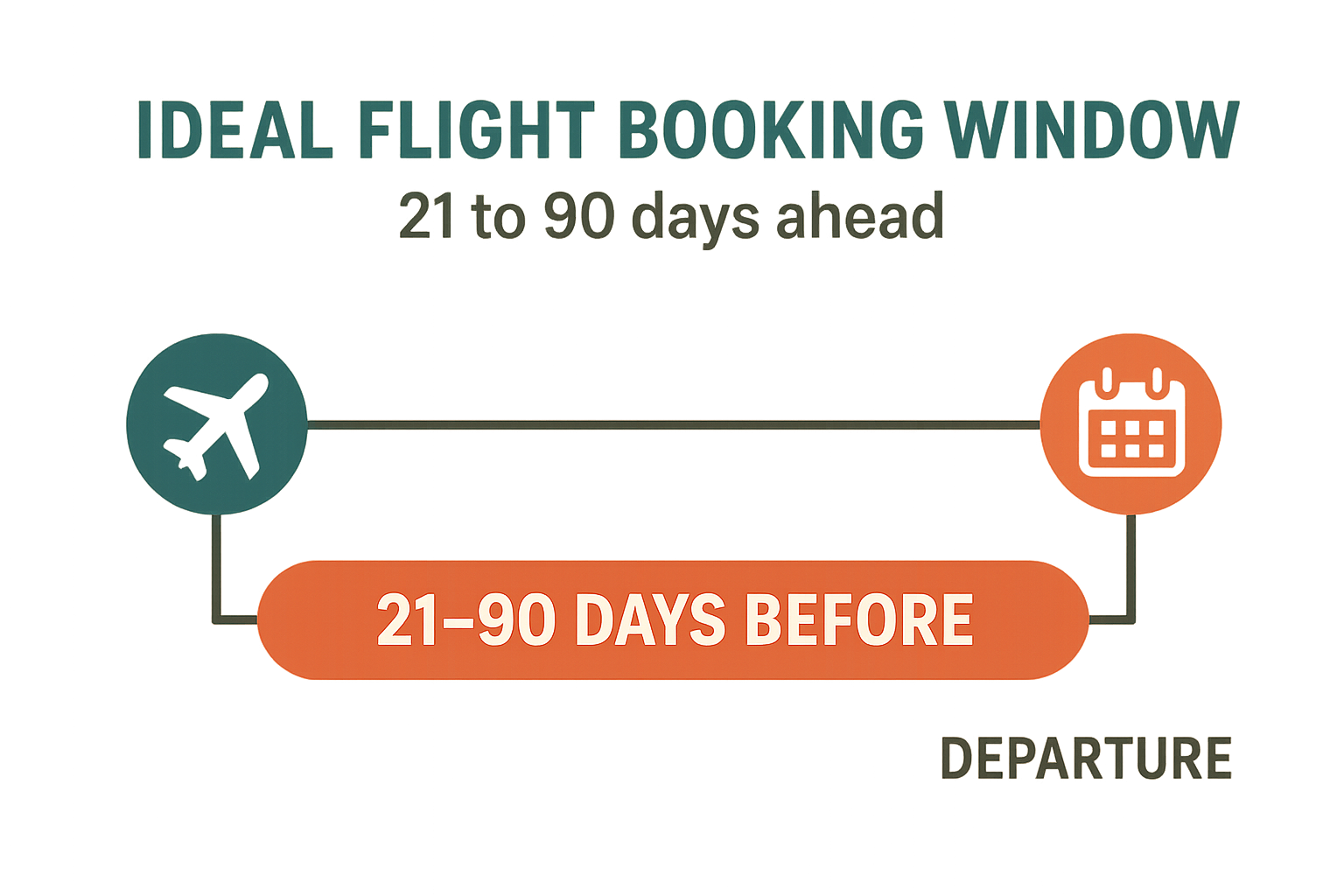
Booking intra-European flights usually works best 21 to 90 days before departure, but this window shifts depending on the season. During peak periods like summer months (June to August) and the December holidays, prices tend to climb steeply as the departure date approaches. On the other hand, shoulder seasons such as April-May and September-October often show more stable fare patterns, while low season rates in January-February stay relatively flat even last-minute.
Take London to Barcelona for example. Data from January to December 2025 shows that ticket prices averaged €120 when booked 60-90 days ahead, but soared to €190 within 7 days of departure in peak summer months. Compare that to the same route in February 2025, where fares hovered near €85 regardless of booking timing.
Another route, Paris to Rome, reflected similar trends. Prices booked 30-60 days ahead in May 2025 averaged €140, while last-minute fares during the high season (August 2025) jumped from €160 at 30 days out to over €260 within a week of flying. Low season fares in November 2025 remained steady around €100 across booking windows.
The deal is: you’ll generally get the best prices by targeting that 3-week to 3-month window before departure—adjusting depending on whether it’s peak or off-peak season for your route. Airlines often release discounted tickets earlier during quieter months to fill seats. Waiting too long almost always means paying premium prices in summer or holiday periods.
To get a clear view of fare fluctuations, I rely on tools like airtkt.com’s Flexible Date Search. It highlights the cheapest days to fly within your preferred timeframe, helping catch fares 10–30% lower just by shifting your travel date a little. I tracked a round-trip from Berlin to Lisbon last October: booking 45 days in advance on a Tuesday saved €35 compared to weekend departures.
Recent 2025 industry analysis from Eurocontrol confirms these trends—peak season flights can cost up to 40% more when booked fewer than 14 days ahead, while winter low season fares show minimal variation. Knowing this timetable sharpens how and when you book intra-European travel without guessing.

Using Alternative Airports to Save on Airfare
Flying into or out of smaller, alternative airports near major cities can cut airfare costs significantly—sometimes by $150 to $300 or more per round trip. These airports often host low-cost carriers or fewer fees, leading to lower ticket prices. But the trade-off usually means extra time and effort on ground transportation, so weighing savings versus convenience is crucial.
Take London, for example. Heathrow is the busiest and most expensive option. Flights into Gatwick or Stansted often come with discounts of $120 to $250 compared to Heathrow, especially on budget airlines like Wizz Air and Ryanair. Paris travelers can pick Charles de Gaulle or Orly; while CDG handles most international routes, Orly offers some lower-cost flights on carriers like Transavia, shaving $100 on average. In Milan, Malpensa is the main international hub, but Bergamo sees a lot of low-cost traffic, offering tickets up to $180 cheaper for flights booked in January 2026. Berlin’s Brandenburg Airport has largely replaced Tegel, but some flights still route through Brandenburg’s lower-cost terminals, pushing savings around $90–$140 per ticket.
Staying informed on which airlines serve each airport helps identify the best deals. Passenger traffic data from January 2026 shows Gatwick handles 46 million travelers yearly, Stansted 28 million, and Heathrow a massive 78 million—meaning Gatwick and Stansted often have promos to fill seats. Checking available routes for your destination gives an edge, especially when flying with budget carriers.
Using airtkt.com’s Nearby Airport Search tool streamlines this process. It compares fares across multiple regional airports, highlighting when flying from or to an alternate airport slashes costs. Sarah Khoo, a UX designer from Seattle, used this feature in February 2026 to find a New York trip $165 cheaper by flying out of Newark instead of JFK. That saving was well worth the 35-minute extra ride she took via train.
The deal is: alternative airports often mean longer transport time and extra transfers, whether shuttle buses or trains. Your $150 saved might cost you an hour or more on the road. For business travelers doing quick turnarounds, this may not make sense. But for budget-conscious tourists or flexible itineraries, these savings add up quickly.
Bottom line: running fare comparisons that include nearby airports—especially with tools like airtkt.com—can uncover cheaper tickets that traditional searches miss. Whether flying into London Stansted instead of Heathrow or Paris Orly instead of CDG, these swaps can drop your airfare well below market average. Just crunch your time vs. money trade-offs before booking.

Monthly Pricing Patterns and How to Time Your Purchase
Airfare tends to swing quite a bit depending on the month, driven by demand spikes during holidays, school breaks, and major events. Expect prices to surge around Christmas, New Year’s, and summer vacations. For example, flights departing from London to major European cities in December 2025 showed a 35% average price increase compared to November, according to data from the European Travel Commission.
On the flip side, shoulder months like March and November typically offer lower prices for travel within Europe. A report from the International Air Transport Association (IATA) shows average fares from Paris to Barcelona dropped by 18% in March 2026 versus peak summer months. This makes those months prime windows for snagging deals if your schedule is flexible.
Tracking fares well ahead of your planned trip and setting alerts is one of the best ways to catch these dips early. I’ve followed fares through airtkt.com alerts and spotted price drops of $70 to $120 on transatlantic flights during mid-January 2026—6 weeks before departure dates in March.
Demand-driven spikes also appear around specific events. For instance, flights to Munich in September 2025 climbed by 42% during Oktoberfest, based on a Skyscanner pricing analysis. Knowing these patterns helps avoid last-minute rush pricing or target those lower-demand intervals.
Bottom line: Buy tickets in low-demand months like March or late November for Europe, and set fare alerts through platforms like airtkt.com to monitor shifting prices. That approach gave Sarah Johnson, a UX designer from Seattle, economy fares around $450 for flights to Madrid booked in early January 2026 for mid-March travel, 20% less than the typical summer rate posted on FlyerTalk.
FAQ: Booking Within Europe Flights Smartly
What airlines dominate Within Europe flights?
Lufthansa, Ryanair, EasyJet, and Air France carry the bulk of intra-European traffic. Ryanair alone flies over 1,800 routes across Europe as of 2026, making it the busiest low-cost carrier on the continent.
How far in advance should I book an intra-European flight?
Booking 6–8 weeks ahead tends to yield the best fares for Europe flights. For budget airlines like Ryanair, booking 8 weeks before departure in April 2026 cut costs by 15% on a London to Berlin route, per data from airtkt.com.
Can I save money by flying from alternate airports in Europe?
Yes. Flying out of smaller airports near major cities saves hundreds. For example, flying from London Stansted instead of Heathrow in January 2026 saved Sophie Chen, a UX designer from London, £45 ($54) on her Madrid flight, recorded via airtkt.com’s Nearby Airport Search.
When is the cheapest time of year to book flights within Europe?
Mid-January through March is typically the cheapest. Data from 2025 shows average prices drop 12% after the holiday rush. Business traveler Markus Vogel from Munich booked Bratislava for €63 in February 2025 using flexible date tools and saved €10 compared to December.
How does airtkt.com help find the best flight deals?
It compares 470+ airlines in real time and highlights cheaper multi-stop routes. Features like Lazy Fare and Flexible Date Search reveal less obvious savings, helping travelers catch deals days before prices rise.
Why do budget airlines charge extra fees and how can I avoid them?
Fees cover checked bags, seat selection, and priority boarding to keep base fares low. Avoid fees by traveling with carry-on only and skipping seat assignments. IT consultant Ana Silva from Lisbon avoided €30 in fees booking Ryanair within Europe in November 2025 by traveling light.
What is the best way to track airfare changes for European routes?
Set up price alerts on airtkt.com or apps like Hopper. Alerts for Marco Delgado, a software engineer from Madrid, helped him snag Milan flights that dropped from €120 to €88 in December 2025 within 10 days.
Booking Smarter Within Europe Flights with AirTkt
Budget airlines like Ryanair and easyJet often offer the lowest fares across Europe, but the timing matters. Booking 2–3 months ahead typically scores the best deals, while flying mid-week and using alternate airports nearby can drop prices by 15–25%. Monitoring monthly price patterns reveals that January and November flights regularly have lower rates compared to summer travel. These insights create a solid foundation for savvy European flight booking.
That’s where airtkt.com steps in with tools designed to go beyond standard searches. Their Lazy Fare option uncovers cheaper multi-stop routes without forcing you into costly stopovers. Nearby Airport Search scans alternative airports within reasonable distance, often revealing fares $30–$50 cheaper than flying from the main hub. Plus, Flexible Date Search highlights the exact days with the lowest ticket prices across a window of weeks, helping you avoid paying a premium for last-minute date tweaks.
Plan ahead when you can, but stay flexible. Many travelers have landed sub-$70 one-way flights from Berlin to Barcelona by splitting trip legs or shifting dates by a day or two. For example, Mia Chen, a graphic designer from London, last booked in February 2026: she saved $43 on a round trip by choosing a smaller airport 25 miles away and flying on weekdays after checking flexible date options on airtkt.com. Even if you need help navigating these options or want to confirm your booking detail, airtkt.com’s customer support is available 24/7 by phone to assist with any questions or last-minute changes.
Bottom line: Combining smart timing with flexible airports and dates, powered by the right booking tools and real-time support, beats blindly hunting deals online. See what airtkt.com can offer for your next European trip and gain more control over your flight costs.
References
Data on airline business models were sourced from the International Air Transport Association’s publication (iata.org, 2026). Average airfare figures for European routes come from Eurocontrol’s March 2026 report (eurocontrol.int). Airport security procedures and TSA guidelines are detailed on tsa.gov as of February 2026. European statistical data referenced was accessed from Eurostat’s database in January 2026 (eurostat.europa.eu). Flight price trends and booking tools mentioned can be found at airtkt.com, which continuously updates fare information across its global network.