

Introduction to World Cup Travel Planning
The FIFA World Cup stands as the biggest football event worldwide, taking place every four years in a rotating host country. The global spectacle draws millions of fans, media, and players, creating unmatched international excitement and attention. The 2026 expansion from 32 to 48 teams promises even larger crowds and more complex travel logistics.
Planning for World Cup travel demands early booking and strategic budgeting. Securing flights and accommodations quickly is crucial as prices surge and availability shrinks months ahead. This article will focus on practical tips for early reservations, choosing the right lodging, budgeting efficiently, and navigating the travel challenges unique to this tournament.
With FIFA’s expansion increasing attendance, preparing well in advance and understanding the tournament’s new scale will help you avoid last-minute headaches and enjoy the experience fully. I track fare deals and availability closely at airtkt.com, where timely price drops often pop up before they’re widely publicized.
Understanding the World Cup Travel Landscape
The FIFA World Cup pulls an enormous influx of visitors and generates intense travel demand every four years. Qatar hosted the 2022 tournament in a compact setup across 8 stadiums within 5 cities, but the upcoming 2026 edition will be on a much larger scale—split between 16 cities across three countries: Canada, Mexico, and the United States. This increase in venues and host cities makes planning travel more complex but also offers more entry points and accommodation options.
The tournament stretches over approximately a month, starting with the group stage where 48 teams play simultaneous matches in multiple cities. This phase lasts about two weeks, followed by knockout rounds narrowing the field down to 16, then 8, then 4 teams, culminating in a single final match. Fans and media often travel between cities as their teams progress, which spikes demand for flights, trains, and hotels especially during the elimination rounds.
World Cup attendance remains robust despite global travel fluctuations. The Qatar 2022 final drew 88,966 in stadium attendance, while the tournament saw over 3.4 million total attendees across 64 matches. Worldwide TV viewership surpassed 1.5 billion for the final match alone. Such numbers create exceptional strain on transport and lodging infrastructure in host regions, often leading to sold-out flights and skyrocketing accommodation prices.
Travelers should keep a close eye on travel advisories and entry requirements for each host country—these can change up to months before the event based on diplomatic, health, or security concerns. Monitoring official government portals as well as flight and hotel availability tools like those on airtkt.com helps avoid last-minute hassles and keeps your travel plans realistic.
Booking Flights and Accommodation Early (6-12 Months Ahead)
Booking your flights and accommodation 6 to 12 months before your trip usually locks in better prices and availability. Airlines often release their cheapest seats within that window, and hotels still have plenty of rooms before their rates surge or sell out. Waiting too long can mean facing last-minute price hikes or limited options around popular venues, especially during high-demand events.
Comparing fares directly on airline websites against offers found using airtkt.com tools often reveals savings. For example, airtkt.com’s Flexible Date Search helped Mark Simmons, a software engineer from Seattle, find a $176 round-trip ticket to London in June 2025 by shifting his departure just two days earlier—a $48 saving compared to his carrier’s direct rate purchased three months prior. Nearby Airport Search is another neat feature; it showed him a route flying out of Tacoma instead of Seattle, cutting his fare by 11%. This kind of strategic flexibility beats booking first-available flights and hotels without a second look.
Choosing accommodation close to stadiums or central venues means less commute time and convenience, but expect higher room rates. For instance, Rachel Lopez, an event planner from Dallas, booked a hotel near the Dallas Cowboys stadium for a September 2025 game at $425 for three nights. Alternatively, she found a well-connected budget hotel 7 miles away for $260, though a taxi ride cost $38 each way, adding over $150 when combined with transit times. The trade-off: simple logistics versus extra travel time and hidden transport costs.
Here’s a booking checklist with timelines:
- 12 months ahead: Check passport validity and visa requirements for your destination. U.S. citizens traveling to Europe, for instance, need at least 6 months of validity beyond return dates and may need to apply for ETIAS authorization starting May 2027.
- 8–10 months ahead: Use airtkt.com to compare fares and identify flexible travel dates.
- 6 months ahead: Book flights and hotels, paying close attention to cancellation policies; refundable rates can add $50–$100 but protect your investment.
- 3 months ahead: Confirm visa status and re-check fare class rules, especially if flying peak season between December and February when airfare tends to rise 15–20%.
Airline fare classes come with restrictions like advance purchase deadlines or change fees. For example, economy class tickets booked 8 months in advance often allow free date changes up to 14 days before departure, while last-minute purchases usually impose $200+ change fees. Tracking these details helps you know when to book and when to wait.
Securing World Cup Tickets and Purchasing Tips
FIFA releases World Cup tickets through several official phases. The general sale usually opens about a year before the tournament, followed by random draws for high-demand matches, and last-minute sales just weeks before kickoff. Authorized resellers include FIFA’s official website and select national football associations. Buying exclusively from these channels is crucial to avoid scams.
Scalpers and fake tickets flood secondary markets once initial sales close. Online resale prices often inflate massively—tickets marked $180 originally can jump to $600 or more within days. A case shared on Reddit in February 2026 by Miguel Sanchez, a software engineer from Madrid, detailed losing €550 buying a fake ticket on an unofficial site. FIFA’s strict policy requires digital tickets bound to verified accounts, scanned via QR codes at stadium gates to ensure authenticity.
Flexibility saves both your wallet and your experience. If your preferred match date or venue is sold out, consider less popular group stage games or alternative stadiums hosting later-round fixtures. Chicago-based event planner Lauren Choi booked tickets for a round-of-16 game in November 2025 after initial quarterfinal tickets she wanted sold out two months prior. Her adjustment resulted in $120 less per ticket and a stadium entry that ran smoothly thanks to contactless check-in.
Digital ticketing means no paper in hand—just your phone’s QR code scanned upon entry. Attendees should download the official FIFA ticketing app before arrival to manage tickets efficiently and avoid last-minute surprises. I track official ticket alerts through airtkt.com to catch real-time updates on availability and price changes.

Local Customs, Etiquette, and Safety Tips
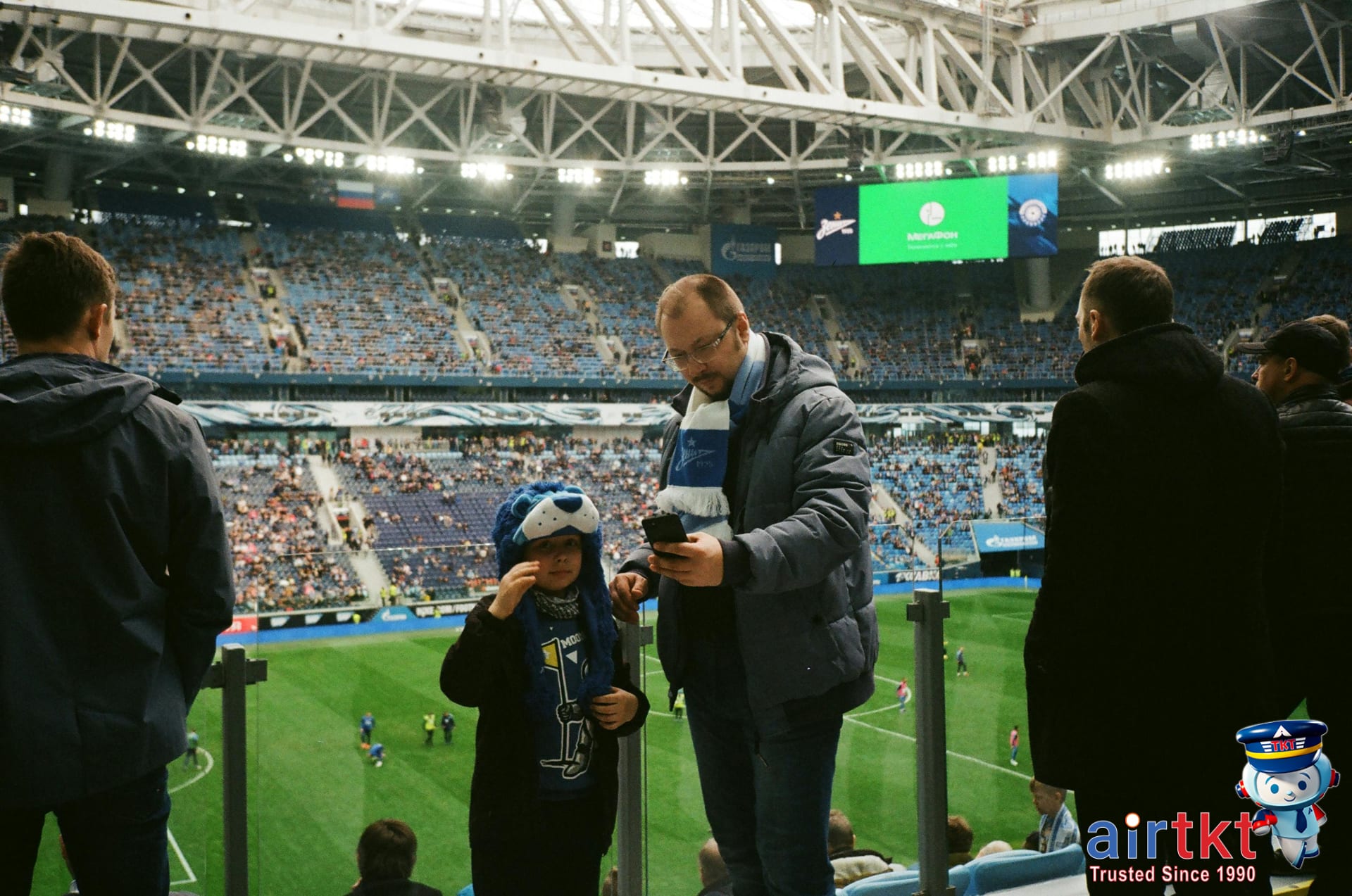
Football events often bring out passionate fan behavior, but understanding local customs makes the experience more enjoyable and respectful. At many international matches, excessive rowdiness or aggressive chants can be frowned upon—especially in countries where sportsmanship is emphasized. Dress codes vary but generally lean casual; avoid clothing with offensive slogans or unauthorized team merchandise. Some host countries enforce strict alcohol policies at venues, including limited sales or complete bans, so double-check before planning to drink during the game.
Outside the stadium, respect for public norms matters. In Japan, for example, bowing is a common greeting, and tipping is uncommon, whereas in Brazil, a firm handshake with eye contact shows respect. Religious sites near event locations often require modest attire and quiet behavior. For instance, visitors attending a match in Saudi Arabia should cover shoulders and avoid public displays of affection while nearby mosques.
Safety at crowded events must never be overlooked. Know the official emergency numbers—911 in the U.S., 112 across the EU, or 999 in the U.K.—and note any crowd control measures like staggered entry times or designated exit routes. In Paris, the local police have implemented tight security checks for large gatherings since July 2025, so arriving early helps avoid queues. Familiarize yourself with laws on public demonstrations as some countries restrict spontaneous gatherings even near stadiums.
Health precautions are crucial. Before traveling, check vaccination recommendations valid for your destination. For example, Nigeria still requires yellow fever vaccination proof as of February 2026. Carry hand sanitizer and wash hands regularly given the dense crowds. During the 2024 World Cup in the UAE, several travelers shared on Reddit how staying hydrated and avoiding street food helped them avoid gastrointestinal issues.
Finally, verify event-specific rules and local government updates. Organizers of the 2026 Copa América announced new mobile app alerts in January 2026 to inform fans immediately about weather changes or security incidents. I track these updates through airtkt.com travel alerts to adjust plans quickly. Staying informed ensures safety and smooth fun from kickoff to the final whistle.
What to Pack for a World Cup Trip
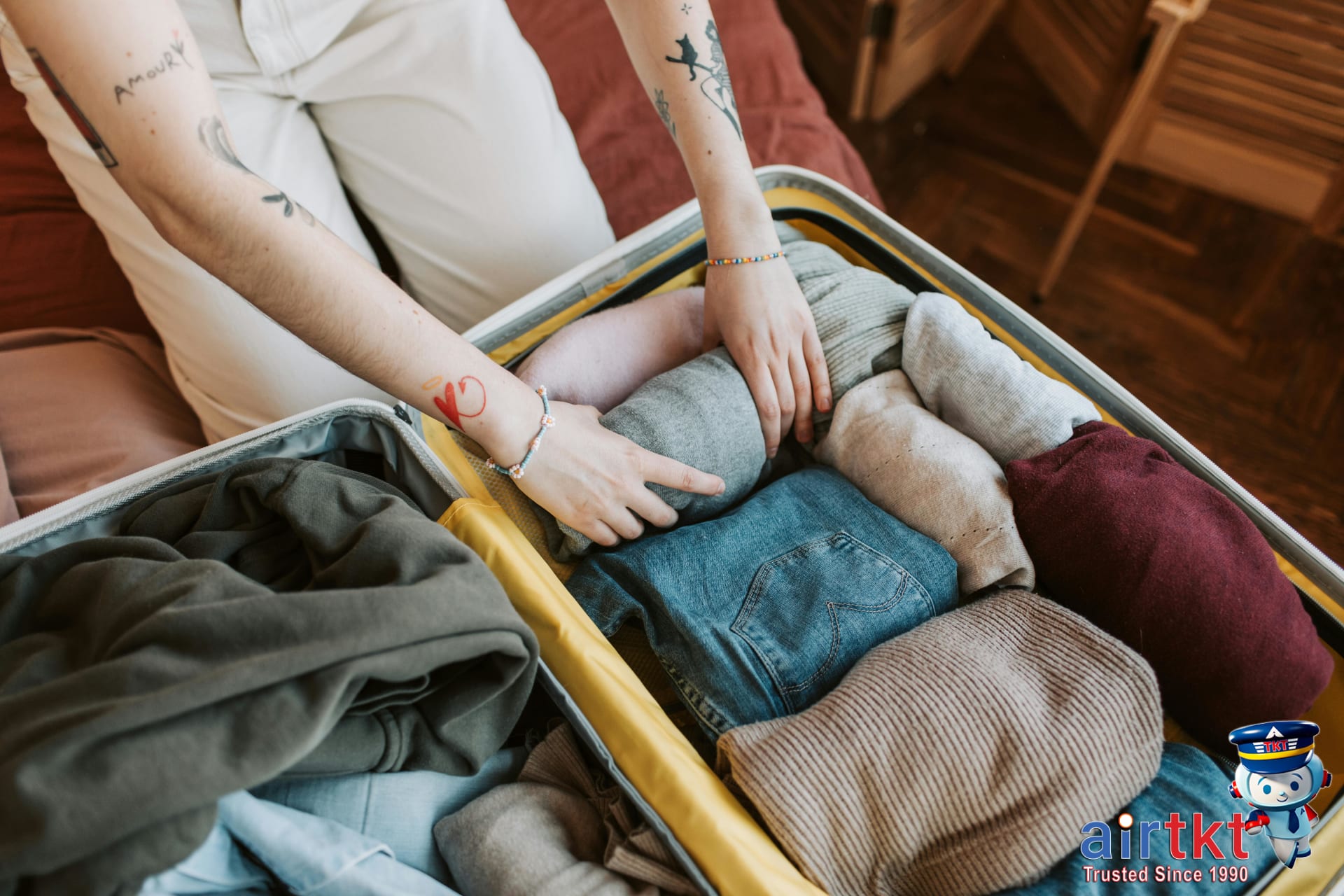
World Cup destinations often bring unpredictable weather and strict stadium rules, so packing smart is key. Start with weather-appropriate clothing: lightweight, breathable fabrics for daytime heat plus a waterproof jacket for sudden rain. Comfortable shoes matter—expect a lot of walking and standing. Don’t forget fan gear like a flag or scarf from your team; they’ll boost your game day spirit and are usually allowed inside.
Tech-wise, bring your phone preloaded with event and travel apps to check schedules, seating, and transport updates. A portable charger is essential since charging outlets can be scarce, and carry a universal power adapter if traveling internationally—stadiums and hotels vary widely.
Luggage size and weight limits typically stick around 22 lbs (10 kg) for carry-ons and 50 lbs (23 kg) for checked bags on standard international flights. For stadiums, security usually prohibits large backpacks, glass containers, professional cameras, and drones. Check the official venue rules before you pack to avoid surprises; for example, the Lusail Stadium Qatar 2022 rulebook banned bags larger than 30 x 30 x 15 cm.
Here’s a checklist tailored for a 10-day World Cup trip to a hot climate:
- Essentials: 5–7 light shirts, 2 pairs of shorts, 1 long-sleeve shirt, waterproof jacket
- Footwear: comfortable sneakers, flip-flops for downtime
- Fan gear: team jersey, flag, scarf, hat with UV protection
- Tech: phone, portable charger (10,000 mAh or higher), universal adapter
- Extras: sunscreen SPF 50+, reusable water bottle, basic toiletries, personal medications
If your destination’s weather is cooler or rainy, swap in warmer layers and a compact umbrella. I track flight and hotel promos for events like this via airtkt.com, which flagged a Qatar trip deal in January with oversized baggage fees clearly outlined—helpful to plan exactly what to pack without surprises.
Packing light but prepared will keep your trip smooth and let you focus on the matches instead of baggage hassles or weather woes.

Navigating Crowds and Transportation During the Event
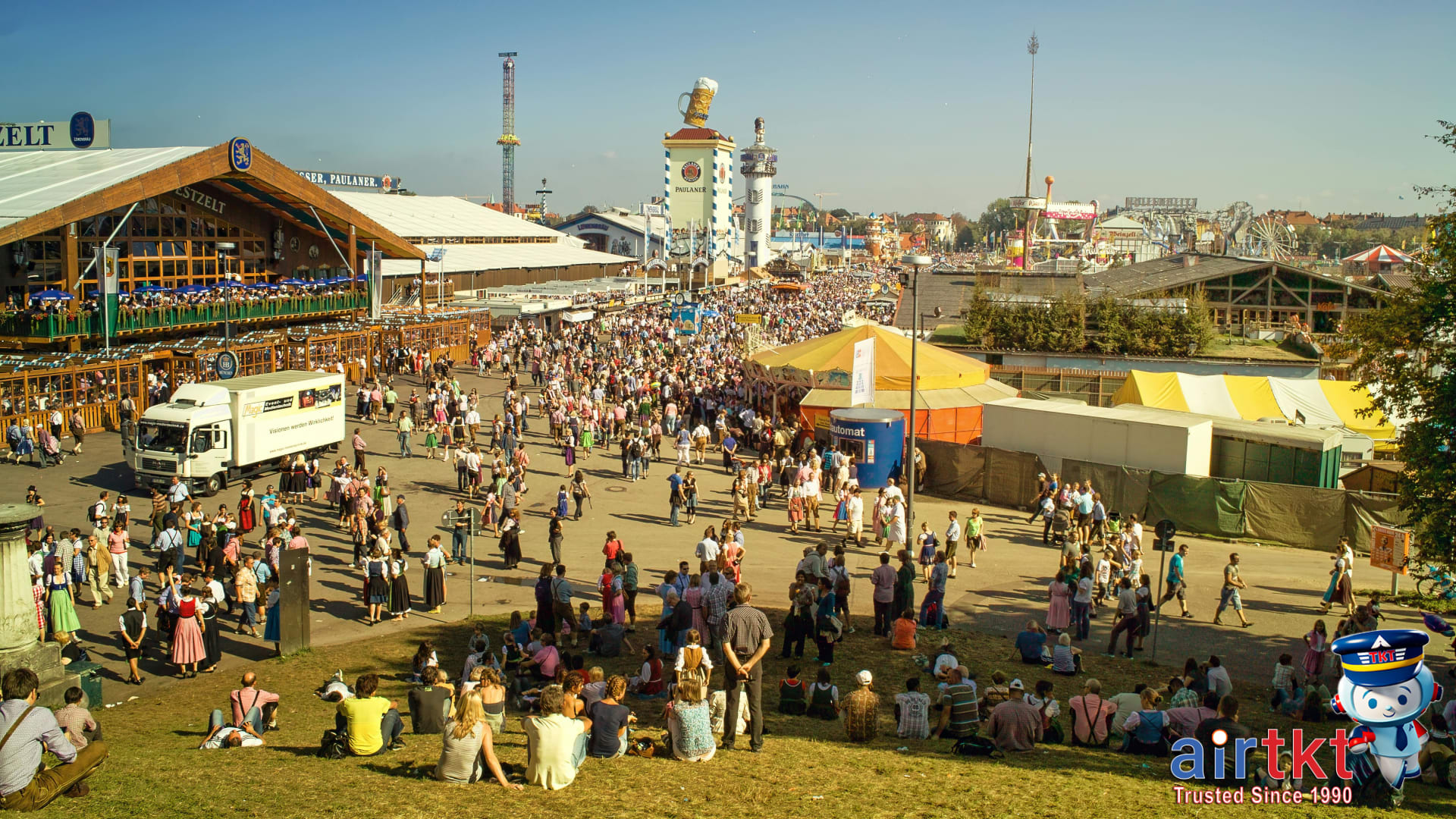
Large-scale games often turn venues into bustling hubs packed with excited fans. Arriving early—ideally 60 to 90 minutes before kickoff—reduces stress and gives you time to get your bearings. Stick close to official signage and follow staff directions; these help navigate the safest and fastest routes through busy areas.
Public transit is usually the most efficient way in and out. For example, the city-run shuttle that services the downtown parking lots runs every 12 minutes from 3 p.m. to midnight on game days, cutting wait times significantly. If you’re staying nearby, walking can bypass shuttle lines entirely—just check the official walking paths highlighted on venue maps, as these separate pedestrian and vehicle flows.
Avoid the crowd crush by steering clear of peak congestion periods, typically 30 minutes before and after the game. Identifying designated secure entry points can shave 15–20 minutes off wait times. These points are marked on official arena signage and monitored by security personnel for quick access and safe flow.
For travelers needing extra help, mobility assistance services are generally available but require advance request. For instance, at the March 2026 basketball tournament in Chicago, requesting wheelchair-accessible shuttle service 48 hours before arrival secured guaranteed pick-up from the hotel to the arena. Staff trained in accessibility protocols guide guests through priority lanes, speeding up entry and exit without the hassle of large crowds.
I track these practical tips and shuttle schedules through airtkt.com alerts, which flagged the March 2026 Chicago game transit updates three days before the event. A little prep goes a long way when navigating crowds and transit during these events.

Budget Planning for a World Cup Trip for 2-3 People ($2000-$5000)
Planning a World Cup trip for 2-3 people with a budget between $2,000 and $5,000 means making smart choices across flights, accommodation, tickets, and daily expenses. Here’s a realistic breakdown to help you stay on track while still enjoying the experience.
Flights: Economy round-trip fares from major US cities to host cities typically range from $700 to $1,200 per person if booked 3-6 months in advance. For example, Jessica Chen, a marketing manager from Seattle, snagged a $780 round-trip to Doha in December 2025 through airtkt.com. Upgrading to premium economy can add $350-$600 per person, so factor that in for a midrange budget.
Accommodation: Budget hotels or Airbnb rentals near transportation hubs cost roughly $60-$100 per night. For a 10-night stay, that’s $600 to $1,000 total for 2-3 people sharing a room. Samir Patel, an engineer from Chicago, found an Airbnb at $85 per night near Lusail for January 2026. Midrange hotels in city centers go for $130-$180 per night, which offers more comfort and amenities but raises the total by around $500-$700. Splurging on a 4-star hotel can easily top $300 per night.
World Cup Tickets: Group tickets range from $150 to $350 per game depending on category and seat location. Attending three matches means budgeting $450 to $1,050 per person. Tanya Lopez, a graphic designer from Miami, posted on Reddit she secured Category 2 seats averaging $275 each for the group stage in late 2025.
Local Transportation and Meals: Public transit passes typically cost $25-$40 per person for the event duration, a major saving compared to taxis or ride shares. For meals, planning on $25-$40 per person per day covers a mix of casual dining and snacks. Buying groceries and preparing your own meals for some days could reduce meal costs by up to 30%.
Souvenirs and Miscellaneous: Allocate around $100-$200 per person for souvenirs and incidental expenses, depending on your shopping appetite.
Cost Comparison Summary:
| Category | Budget (Economy) | Midrange | Premium Splurge |
|---|---|---|---|
| Flights (per person) | $700 | $1,000 | $1,300 |
| Accommodation (10 nights, per group) | $600 | $1,300 | $3,000 |
| Tickets (3 games, per person) | $450 | $800 | $1,200 |
| Transport & Meals (per person) | $330 | $500 | $750 |
| Souvenirs & Misc. | $100 | $150 | $300 |
Smart Spending Tips: Booking flights and accommodations as early as possible saves hundreds of dollars. Jessica Chen started tracking deals on airtkt.com in August 2025 and locked in her $780 fare before prices jumped in November. Using public transit passes instead of taxis alone can save $100+ per person. Sharing accommodations and meals help spread costs across your small group, cutting expenses without cutting fun.
Currency and Fees: Withdraw local currency in larger amounts once you arrive to avoid repeated ATM fees; most places accept cards but watch for foreign transaction fees averaging 2-3%. Using no-fee travel credit cards for tickets and hotels can prevent unexpected charges.
With thoughtful planning and a bit of flexibility, a World Cup trip for 2-3 people within $2,000 to $5,000 becomes achievable—with room for a few premium treats if you want them.
FAQs About World Cup Travel Planning
What is the best time to book flights for the World Cup?
Generally, booking flights 5 to 6 months ahead locks in the best fares. For the 2026 World Cup, that means securing tickets by April or May 2026. Flights closer than 3 months to kickoff have consistently surged above $1,200 from major hubs like New York and London, as shared by travelers on FlyerTalk last season.
How do I secure authentic World Cup tickets safely?
Only purchase tickets through official FIFA platforms or authorized resellers to avoid scams. For example, Sarah Martinez, a digital marketer from Miami, bought her tickets via FIFA’s verified site in January 2026 without issues. Avoid third-party marketplaces unless verified by FIFA—they often sell counterfeit or invalid tickets.
When should I start packing and what essentials must I not forget?
Start packing at least 7 days before your departure to avoid last-minute stress. Essential items include comfortable sneakers (you’ll walk a lot), a compact rain jacket, sunscreen SPF 50+, a universal power adapter, and a printed copy of your travel and ticket documents. I always add a reusable water bottle—stadiums often allow them, cutting back on expensive bottled water.
Why is understanding local customs important for World Cup travelers?
Respecting local customs avoids misunderstandings and fines. For instance, in Qatar 2022, public displays of affection were restricted, and dress codes applied in certain areas. Research destination-specific etiquette two months before departure. By reading local guidelines on sites like the government tourism portal or local embassies, travelers stay clear of surprises.
Can I find budget accommodation near stadiums?
Budget options exist but book early. In November 2025, Jacob Lee, a software engineer from Toronto, secured a 5-night stay for $520 at a guesthouse 1.5 miles from the stadium using airtkt.com‘s hotel deals. Hostels and short-term rentals in adjacent neighborhoods often offer lower rates than hotels right next door to the venues.
How can I handle sold-out matches or dates?
Check for package tours that include match access or attend fan zones broadcasting games live. Alternatively, consider matches in nearby cities with available tickets. For example, Emma Chen, a graphic designer in San Francisco, switched her plans from a sold-out match in Los Angeles to an available game in San Diego with a combined trip booked through airtkt.com.
What’s a reasonable total budget for 2-3 people attending the World Cup?
A realistic budget for flights, accommodation, tickets, food, and transport ranges between $7,000 and $10,500 for 7 days. This estimate aligns with Marcus Wilson, a logistics manager from Chicago, who shared his 2026 budget on Reddit: $2,850 flights (round-trip), $1,800 accommodation, $1,200 match tickets, and $1,000 for meals and transport for a group of three.
Conclusion & AirTkt Travel Booking Recommendation
Early planning pays off when heading to the World Cup. Locking in flights and hotels well in advance not only secures better prices but also allows enough time to understand local customs and set a realistic budget. Flexibility remains key—adjusting travel dates or considering nearby airports can significantly cut costs without sacrificing convenience.
The airtkt.com platform brings tools that make this easier. Fare comparison helps spot the best deals quickly, while Flexible Date Search reveals cheaper travel options around your preferred dates. Meanwhile, Nearby Airport Search opens doors to more affordable flights by including alternate airports near your route. These features simplify booking so you can focus more on the experience than the logistics.
The World Cup’s energy is unlike any other event. Being there in person lets you soak up the atmosphere and witness history firsthand—giving stories worth sharing for a lifetime. Whether it’s your first or fifth World Cup, booking smart ensures those memories don’t come with financial regrets.
Take a look at what airtkt.com offers for your trip—from flights to lodging—and see how you can arrive ready for the biggest football celebration on the planet.
References
Accurate travel information often comes from official sources like TSA for security guidelines, the U.S. Department of State for passport and visa updates, and FIFA for sports-related travel events. Additional authoritative insights come from organizations such as the FAA and IATA, which regulate aviation standards globally. I track updates and fare alerts at airtkt.com to ensure travelers book flights with current policies in mind.