

What To Expect From Amtrak Travel

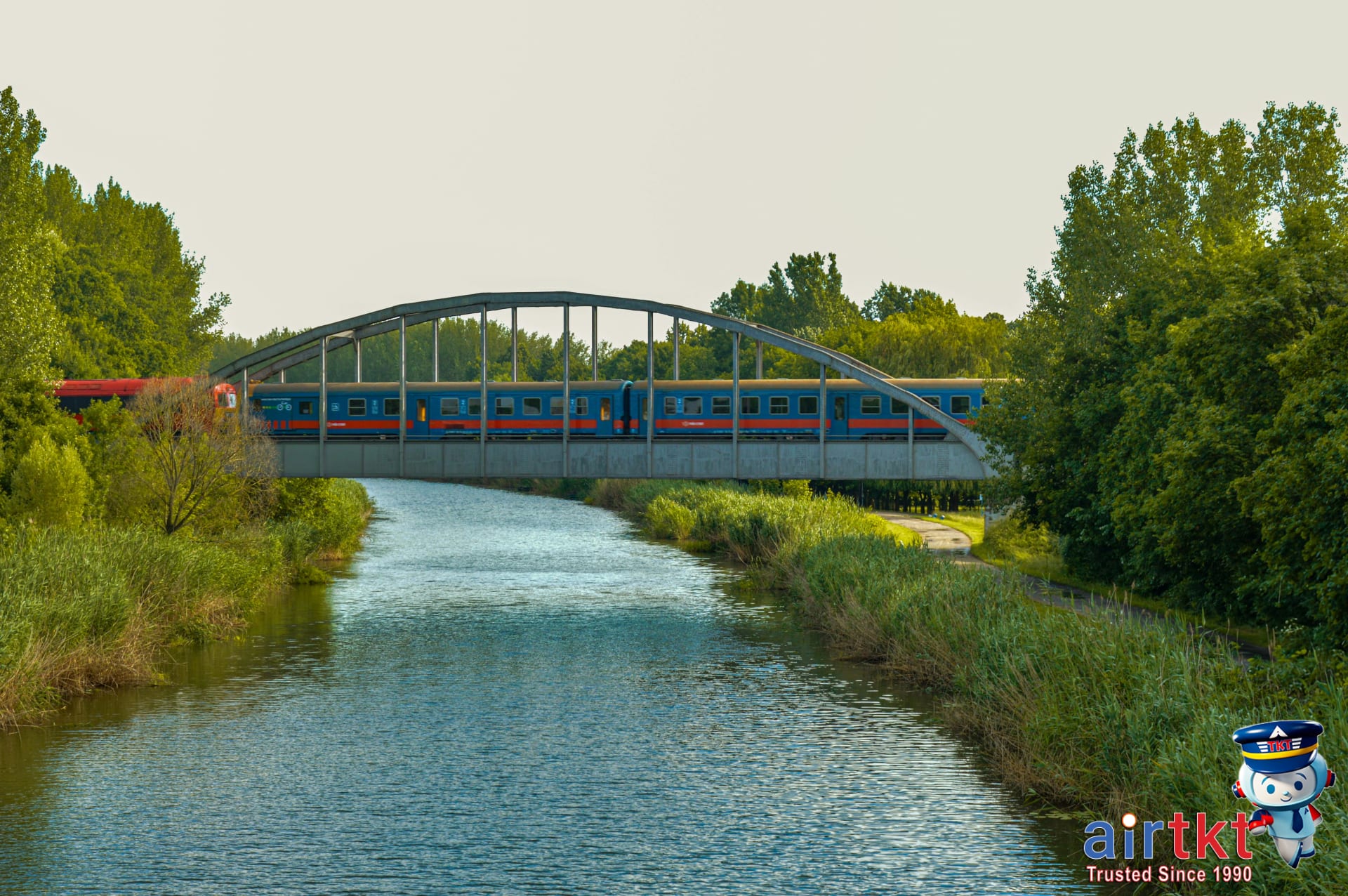
Train travel in the U.S. has a character that’s hard to match—plenty of space to stretch out, access to wide windows that frame the countryside, and the chance to skip both highway traffic and airport crowds. In this article, I’ll walk through the major things you need to know about Amtrak journeys: from the iconic cross-country routes you can ride, to the USA Rail Pass, and practical tips to help you save a good chunk of money on your ticket. I’ll also include a few of the best ways to keep train travel affordable, so you can enjoy all of this without breaking your budget.
For me, one of the best parts about trains is the way they slow things down—in a good way. I usually choose Amtrak over flying or driving when I want a break from security lines and the stress of the road. On a train, you genuinely get to enjoy the scenery, meet fellow travelers, and arrive rested rather than frazzled. If you’re searching for affordable ways to go long distances, there are options beyond Amtrak as well—I’d recommend checking out airtkt.com’s guide on affordable long-distance travel options too.
This guide will cover Amtrak’s most popular lines, explain how passes like the USA Rail Pass work, and walk you through the easiest ways to find lower fares. The key to landing the best ticket prices? I’d always plan early; it pays off in both availability and savings.
Top Amtrak Routes to Explore

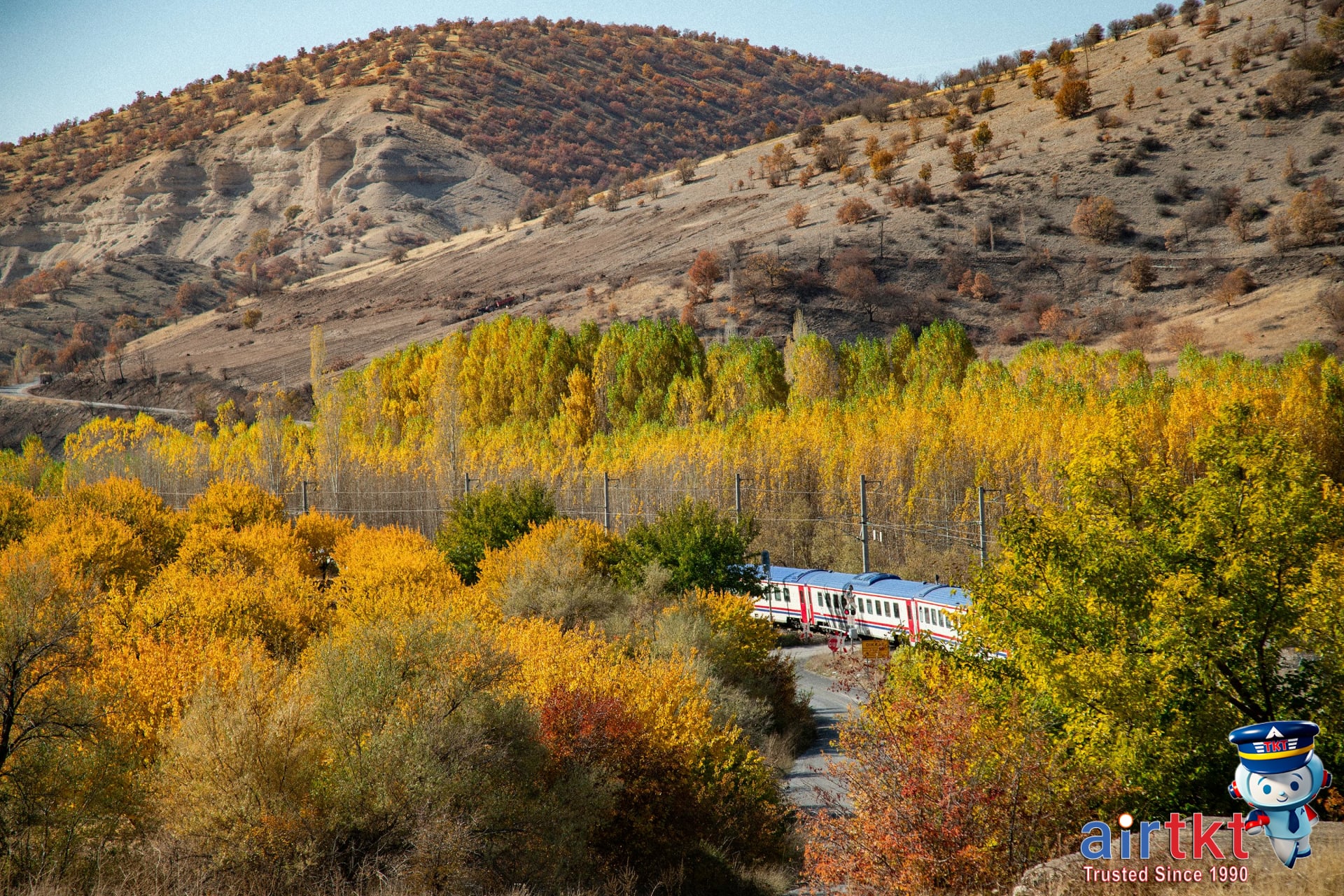
No U.S. rail adventure truly matches an Amtrak journey across diverse landscapes. Whether you’re after mountain crossings, big-city hop-ons, or sweeping coastlines, Amtrak’s flagship routes deliver panoramic views and a meditative change of pace. Here’s a look at three iconic lines that capture some of the best scenery in North America, plus a few tips I’ve learned for making the most of your seat selection and booking windows.
California Zephyr Highlights
The California Zephyr spans from Chicago to the San Francisco Bay, covering over 2,400 miles. You’ll roll past the grassy Midwest before climbing into the dramatic Rockies and crossing the Sierra Nevada. For me, the Zephyr’s passage through Glenwood Canyon and the Colorado River valleys has been unforgettable—glass-domed lounge cars make the scenery that much more immersive. If your trip starts in Chicago, consider giving yourself a day or two to explore; our Chicago destination guide points you to the city’s classic deep-dish spots and live jazz venues before you board.
Empire Builder Scenic Features
The Empire Builder is a westbound classic, running from Chicago up through Minneapolis, then out across the northern plains to Seattle or Portland. Highlights include the approach to Glacier National Park, endless stretches of Big Sky country, and glimpses of the Columbia River Gorge. Departing near dawn maximizes your mountain views as daylight hits the peaks—these are the wide, wild spaces that make long-haul train travel so rewarding. Once you reach Seattle, I’d recommend checking out the city’s coffee shops and waterfront markets with ideas from our Seattle destination guide.
Coast Starlight Coastal Views
No list is complete without mentioning the Coast Starlight, which traces the West Coast between Los Angeles and Seattle. The route offers a blend of Pacific beaches, forested mountains, and stopovers in cities like San Francisco and Portland. Those seaside stretches between Santa Barbara and San Luis Obispo are particularly photogenic, especially around sunset. Personally, nothing beats watching the sun dip down over the Pacific from a window seat here—a true highlight for anyone who loves coastal scenery.
For all these trains, window seats on the proper side of the carriage can make a world of difference. Depending on your direction, the best views are usually on the north (Empire Builder/Zephyr) or west (Coast Starlight) side of the train. Booking at least several weeks in advance can help secure these prime spots.
How the USA Rail Pass Works

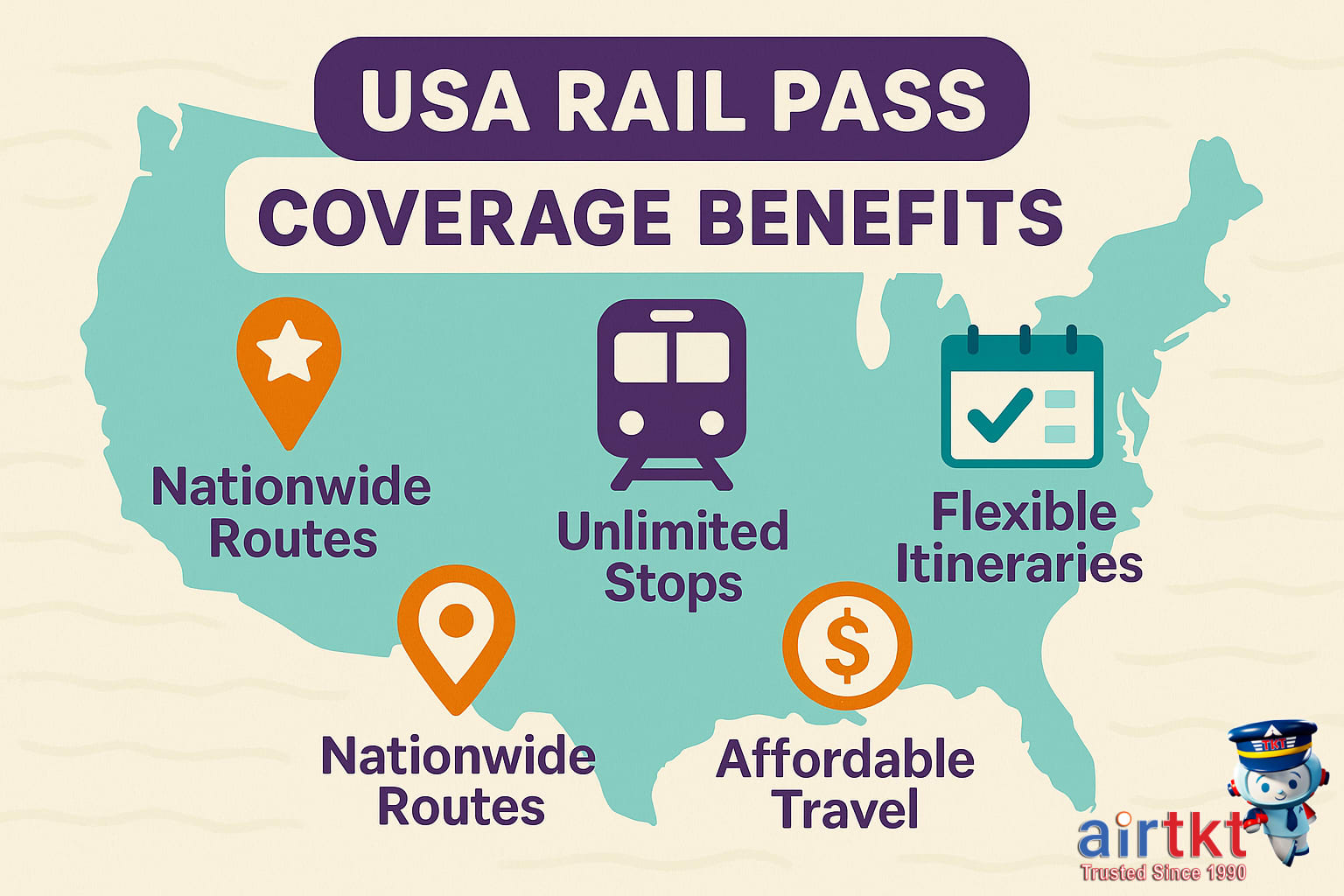
The USA Rail Pass is Amtrak’s flexible ticket option that lets you travel across dozens of train routes covering much of the United States. It’s designed for anyone looking to explore multiple places without buying separate tickets for each journey—a real time-saver for cross-country travel. The pass includes access to most long-distance and regional trains, with the freedom to plan stops in cities both major and small. Most USA Rail Passes allow riders to take up to ten train segments within a 30-day period.
This pass is especially practical if you want a coast-to-coast experience, plan to hit several cities in one trip, or simply love the rhythm of train travel. Long-distance travelers and those planning multi-stop itineraries will get the most from the pass. If your trip involves crisscrossing the country or visiting less-served destinations that are still on Amtrak’s map, the pass can make logistics and budgeting a lot simpler compared to buying tickets individually.
I’d personally recommend the USA Rail Pass for anyone planning at least four or five separate train legs within a month—otherwise, single tickets might be more cost-effective. In my experience, the pass is ideal if your trip is flexible and you appreciate building spontaneity into your route. Just be aware that some routes may require reservations, and there are certain blackout dates or limited availability on high-demand trains, so always double-check route schedules before you commit.
If you’re comparing different rail or bus passes, or want a deeper look at how pass booking works, you can find step-by-step tips in our detailed booking guide. One last thing: be mindful of the pass’s start date and expiration period. Once activated, the clock starts ticking, and not all travel days are available due to possible blackout periods—especially around holidays or peak travel seasons.
Booking Strategies for Savings
If you want to save money on Amtrak tickets, timing and flexible search tools make all the difference. I usually start looking for fares about 3–6 weeks ahead—this window often gives you a better shot at snagging lower prices before popular routes and times fill up. Amtrak’s official site posts schedules and offers some limited deals, but I’d recommend checking airtkt.com at the same time. This way, you can quickly compare direct Amtrak rates and exclusive third-party discounts on one screen.
One of the most effective booking strategies is to use fare alerts and to be flexible with your travel dates. Both Amtrak and platforms like airtkt.com provide tools that let you set up email notifications for price drops, flash discounts, or special offers. Taking advantage of Flexible Date Search lets you see how prices change by day—not just the date you originally planned to travel. Sometimes shifting your trip by even one day can save you a noticeable amount.
Seasonal promotions and holiday sales are also worth monitoring. Amtrak occasionally runs limited-ticket flash sales—these sometimes coincide with travel off-peak days or major holidays. Meanwhile, airtkt.com often pushes out destination-specific offers, holiday deals, or discounts for groups like seniors, students, and military travelers. Personally, I double up: I’ll scout for fare alerts through both Amtrak and airtkt.com, and if there’s a big sale, I rerun my flexible dates on both to see which gives me the better bottom line. That’s how I’ve been able to cut my usual spend, especially around busy periods like summer vacations or the winter holidays.
For a more detailed walkthrough, you can check out one of airtkt.com’s fare alert setup tutorials—especially handy if you’re new to price tracking features. By combining official sources, third-party tools, and a little proactive research, you can reliably spot savings opportunities and travel more affordably.
How Seasons Affect Amtrak Travel
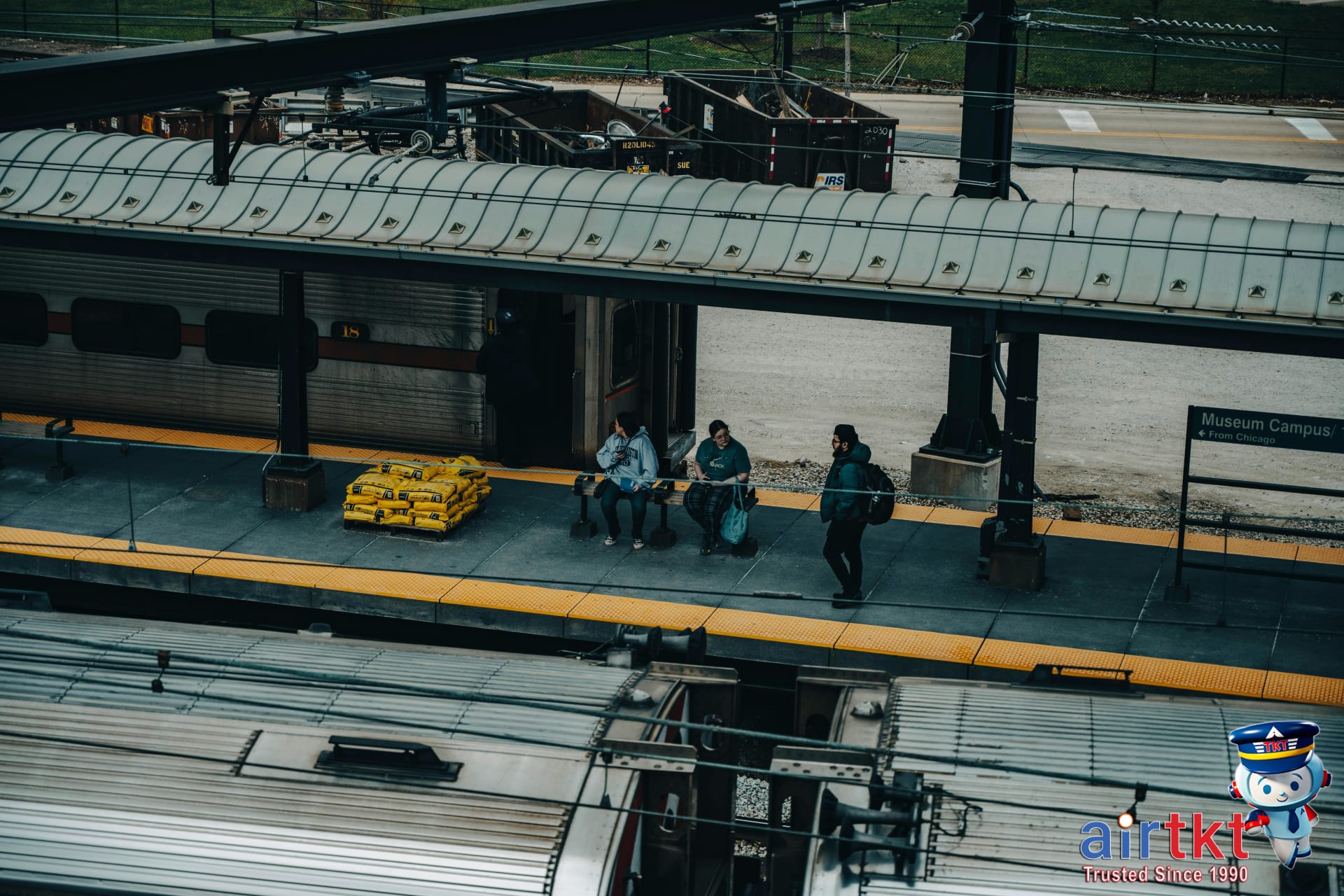
Planning an Amtrak trip means thinking about more than just your route—it’s smart to know how the time of year shapes your experience and your wallet. In my experience, Amtrak fares usually inch upward around the holidays (like Thanksgiving, Christmas, and spring break), and availability for those dates can disappear quickly. It’s tempting to wait, but fares tend to be higher and seat selection limited when demand spikes. If you’re headed to a seasonal event—like the Cherry Blossom Festival in DC, summer concerts in Chicago, or fall foliage in New England—expect a bigger crowd and less flexibility on last-minute bookings.
The climate along your route can also impact travel comfort. Summer trains often fill up with vacationers and families, sometimes making the atmosphere lively but also a bit busy. In contrast, winter brings fewer travelers but also the risk of weather-related delays, so pack your patience along with your ticket. Personally, my favorite season for Amtrak trips is early fall. The weather is usually milder, crowds taper off after summer, and you get a front-row seat to changing leaves outside your window—especially stunning on routes like the Vermonter or the Adirondack.
Every region has its peak travel rushes. For example, the West Coast lines are busiest during summer tourist season, while Northeast Corridor rides fill up for college move-in weekends and popular city festivals. If you’re planning around a major event at a top stop like New York, Boston, or Portland, research local calendars and consider booking extra early. You’ll find more destination inspiration and seasonal guides for major Amtrak stops in our seasonal destination articles.
Onboard Comfort and Amenities Guide
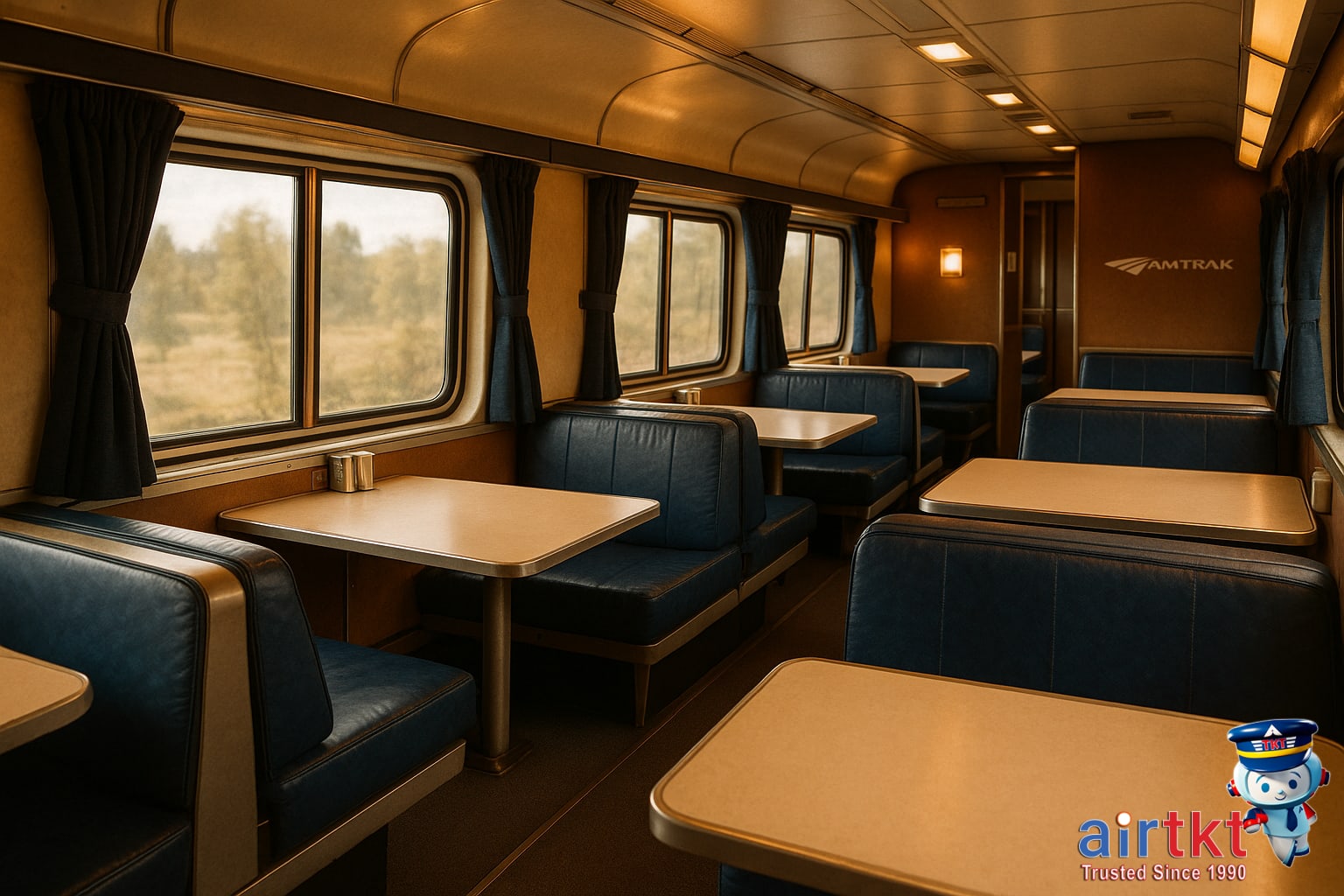
Traveling by Amtrak offers a surprisingly wide range of onboard amenities designed to make your ride as comfortable as possible. Whether you’re in coach for a quick daytime journey or settling in for a longer route, the train experience is tailored with comfort and convenience in mind. You’ll find roomy seats—even in coach—that let you stretch out, doze off, or get some work done without feeling cramped. Tables and power outlets are scattered throughout most cars, making it easy to stay charged and productive.
For many travelers, the dining car is a major highlight. Amtrak’s dining menus change depending on the route and train type, but you can usually count on hot entrees, salads, and sometimes desserts. Coach passengers can order from the café car, which offers snacks, sandwiches, and drinks. If you’re traveling in a sleeper accommodation, meals are included and served either in the dining car or delivered right to your private roomette or bedroom.
Wi-Fi is available on most major Amtrak routes, which makes catching up on emails, streaming, or browsing easy. Connection speeds can vary depending on the route, and streaming might not always be reliable, but it’s good for light work or chatting. Accessibility is another priority—Amtrak trains provide accessible seating and restrooms, and larger stations have staff to assist travelers who need extra help boarding or getting around.
I prioritize a good sleeper cabin whenever an overnight trip is involved. Having a private space to rest, with a real bed and a door I can close, transforms a long journey into something much more relaxing. I’d recommend reading up on sleeper car amenities in detail before your first overnight; it really helps set your expectations and avoid surprises. If you’re considering an upgrade, reviews of Amtrak’s sleeper and dining experience can offer more insight into what’s included and whether it suits your style of travel.
Popular Destinations Accessible by Train

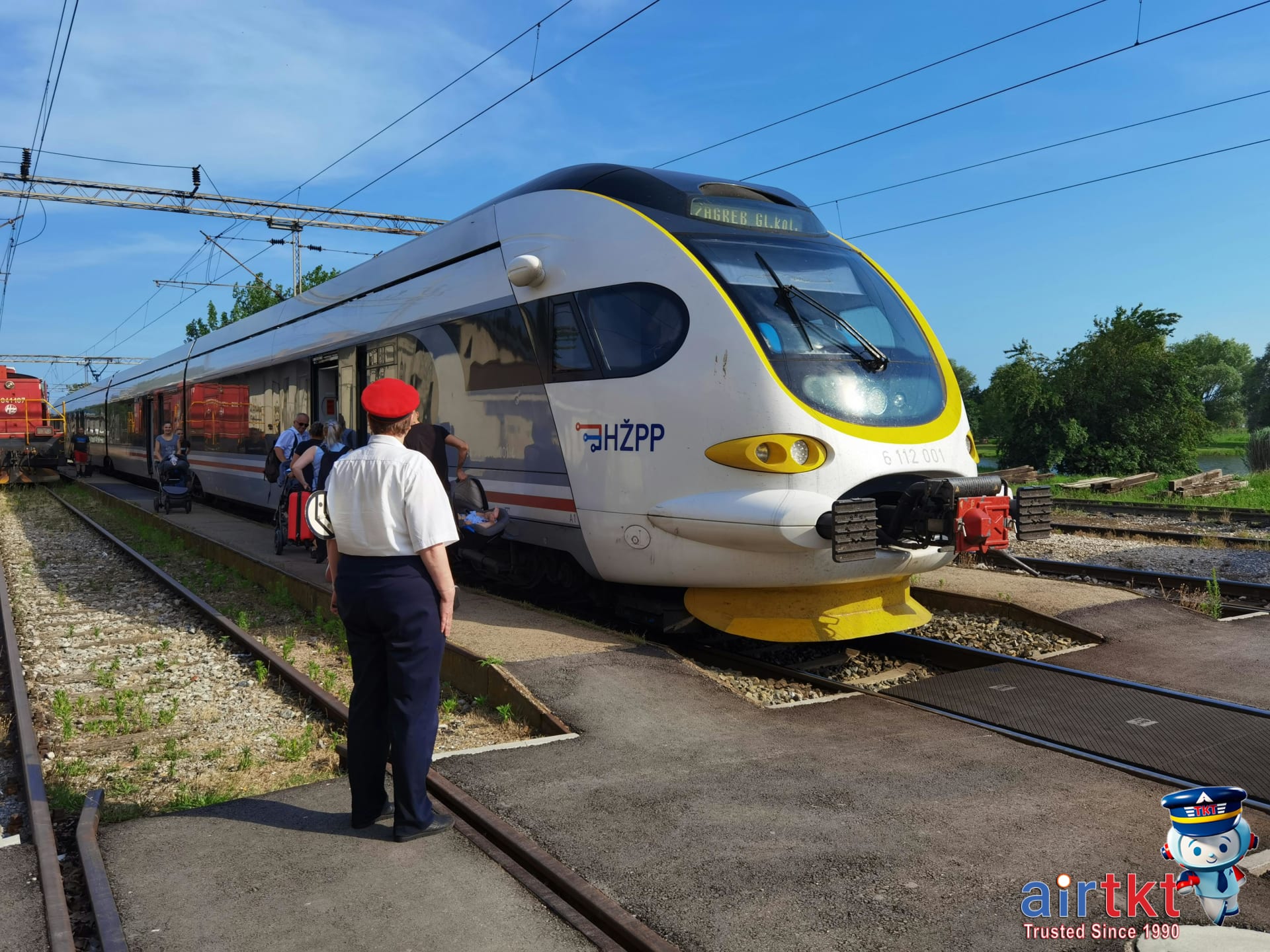
One of Amtrak’s advantages is how it serves the heart of many major cities, making classic U.S. destinations like Chicago, New York City, and Seattle easily accessible. You step off the train right in the center—not miles away at an airport. Chicago’s Union Station, for example, is a hub for Amtrak long-distance and regional routes, linking the Midwest to the rest of the country. From Union Station, local options like the CTA subway and buses put most of the city’s attractions within quick reach, so you can head from your train car to deep-dish pizza or the Art Institute in no time.
New York’s Penn Station sits directly beneath Midtown Manhattan. I usually recommend travelers take the subway, walk, or even hop on a CitiBike right after arrival—Times Square, Broadway theaters, and the High Line are easily accessible. In Seattle, you’ll arrive at King Street Station, which connects smoothly to the city’s Link light rail, buses, and even ferries for day trips to the islands. If you haven’t used city transit before, it’s worth checking out the city’s official website or a dedicated local guide to learn how to get passes or use mobile ticketing.
Personally, my favorite city to explore by train is Chicago. There’s something special about arriving at Union Station with its grand architecture, then walking straight out into the Loop’s skyscrapers and riverfront parks. You never feel cut off from the action: if you only have a weekend, you can make the most of every hour, since you’ve avoided airport shuttles and long cab rides entirely.
Other great Amtrak-accessible destinations include San Francisco (via Emeryville station and a quick bus transfer), Washington, D.C. (with Union Station steps from the Capitol), and Boston (South Station, connected to the T subway). Once you factor in the short walk or local train ride from station to hotel or sightseeing spots, the case for rail travel grows even stronger. If you want detailed info on getting around these cities after your train arrives, I’d recommend checking our airtkt.com travel guides and local transport advice for each destination.
Safety and Travel Tips for Amtrak
Amtrak takes safety seriously, and it pays to be familiar with their key rules before you depart. Every station has security checks, and onboard conductors regularly review tickets and walk through the train. Bags must have identification tags, and unattended items are flagged. For luggage, you’re generally allowed two carry-on bags and two checked bags, though it’s smart to confirm the latest policies since restrictions can vary by route and class.
Planning ahead helps you avoid hiccups at the station. I always double-check my reservation in the Amtrak app, pack only what I’m willing to carry myself, and make sure my tickets are stored digitally on my phone—no scrambling for paperwork at boarding. Arriving at least 30 minutes early gives you room to navigate security and check your luggage if needed. If it’s your first Amtrak journey, watch for clear signage and staff, who are helpful with directions or last-minute questions.
While onboard, keep your belongings close, especially electronics and wallets, even when stepping away to the café car or restrooms. Use overhead storage and never leave valuables out in the open. Amtrak’s restrooms are generally clean and accessible, but I recommend carrying basic hygiene items for convenience. It’s also useful to know where the emergency communication panels are in each car; these are marked and easy to spot.
If you travel in winter or during high-traffic seasons, check for service alerts—weather and maintenance sometimes lead to delays. For even more insight on staying connected and notified about changes, you can check out technology-related travel tips on airtkt.com as part of your preparation process.
Amtrak Travel Budget Table Breakdown

When planning your Amtrak trip, it helps to know how your total costs will stack up depending on your travel style. The table below compares common daily expenses across three tiers—Budget, Mid-range, and Luxury—to help you set expectations before booking. (If you want to dive deeper into travel money strategies, check out airtkt.com’s guide to budgeting for travel.)
| Budget | Mid-range | Luxury | |
|---|---|---|---|
| Accommodation | $55.00 | $110.00 | $225.00 |
| Food | $40.00 | $70.00 | $125.00 |
| Transport | $60.00 | $115.00 | $250.00 |
| Activities | $20.00 | $55.00 | $120.00 |
Main cost drivers often come down to your seat or sleeping arrangement and how you eat onboard and on stopovers. For example, economy seat tickets sit firmly in the budget column, while private Viewliner or Superliner sleeping cabins fall into the luxury tier for comfort and privacy. When it comes to meals, I’ve found dining car service costs quite a bit more than a simple café car sandwich or grabbing snacks during station stops.
Personally, I adjust my budget tier depending on the trip’s length and purpose—sometimes I’ll splurge on a sleeper for a long route, but stick to coach and casual eats for quick hops to stay on track financially. If you want more detailed breakdowns or extra ways to trim costs for any style, I’d recommend browsing the money-saving tips over at airtkt.com.
Frequently Asked Questions About Amtrak
- What are the best Amtrak routes for beginners?
If you’re new to train travel, popular Amtrak routes like the Pacific Surfliner in California or the Northeast Regional between Boston and Washington, DC, offer frequent service and scenic views. I’d usually suggest these options when helping new travelers decide because they’re straightforward, convenient, and showcase some fantastic landscapes along the way.
- How do I use the USA Rail Pass?
The USA Rail Pass allows travelers to take several Amtrak trips within a set number of days, providing flexibility for those exploring multiple cities. After purchase, you book individual segments within your pass dates through Amtrak’s website or app. Make sure to reserve each leg in advance, since seats on popular routes can fill up quickly.
- How can I save money on Amtrak tickets?
I’ve seen travelers save by booking tickets early, traveling midweek, and using Amtrak’s deals page for discounts. Signing up for Amtrak Guest Rewards can also help earn points toward future trips. Children, seniors, military, and students may also qualify for special fares, so always check available discounts before you book.
- What should I know about booking Amtrak tickets?
You can book Amtrak tickets online, by phone, or at stations. E-tickets are sent by email, and you can save them to your phone or print them for boarding. In my experience compiling these FAQs, travelers often overlook the benefits of flexible and refundable fares, which can be valuable if plans change unexpectedly.
- Does Amtrak offer sleeper cars, and how do they work?
Amtrak features sleeper cars—called Roomettes or Bedrooms—on many long-distance routes. Your fare usually includes meals and access to a private car attendant. You’ll get a more comfortable ride with beds and private space, which is especially handy for overnight journeys or if you want extra privacy while traveling across the country.
- What is checked baggage policy on Amtrak?
Most long-distance Amtrak trains allow you to check up to two bags for free, along with carry-on items. Dropping off luggage is simple at staffed stations, but not all routes or stops offer checked baggage. Before packing, confirm baggage services for your specific route to avoid surprises at departure.
- Are Amtrak trains reliable for cross-country travel?
Amtrak trains cover much of the United States, but cross-country routes may encounter occasional delays from freight traffic or weather. I’d treat published schedules as best-case estimates when planning connections or tight itineraries, especially if you’re transitioning to flights or other onward travel the same day.
Planning Your Amtrak Journey
Wrapping up your dream train adventure across the U.S. starts with a smart plan—whether you’re looking at epic cross-country routes, flexible rail passes, or a simple city-to-city connection. Amtrak’s network covers major cities, national parks, and countless small towns, offering not just transportation but a uniquely immersive way to see the country up close. Booking in advance usually gets you better fares, and seats on popular routes can fill up quickly, especially for private rooms or scenic journeys. I always recommend looking at flexible dates and different classes to spot the best options before locking in your trip.
If you want a streamlined booking process without the confusion, I’d compare your options through airtkt.com. Their train travel section lets you review available routes, check real-time ticket availability, and grab passes—making it easier to save on your journey. It’s worth checking if the platform offers bundled travel services like hotels or transfers for your arrival city. The process often feels just as smooth as booking a flight, but comes with the added bonus of choosing scenic rail routes that flights simply can’t match.
Personally, I encourage every traveler to try a long-distance U.S. train trip at least once. There’s something special about unwinding in a comfy seat and watching America’s landscapes change hour by hour—from city skylines to ranchlands and rugged mountains. If you’ve only ever flown or driven, rail brings a fresh perspective and a slower, more memorable way to travel.