

Why Backpackers Love South America

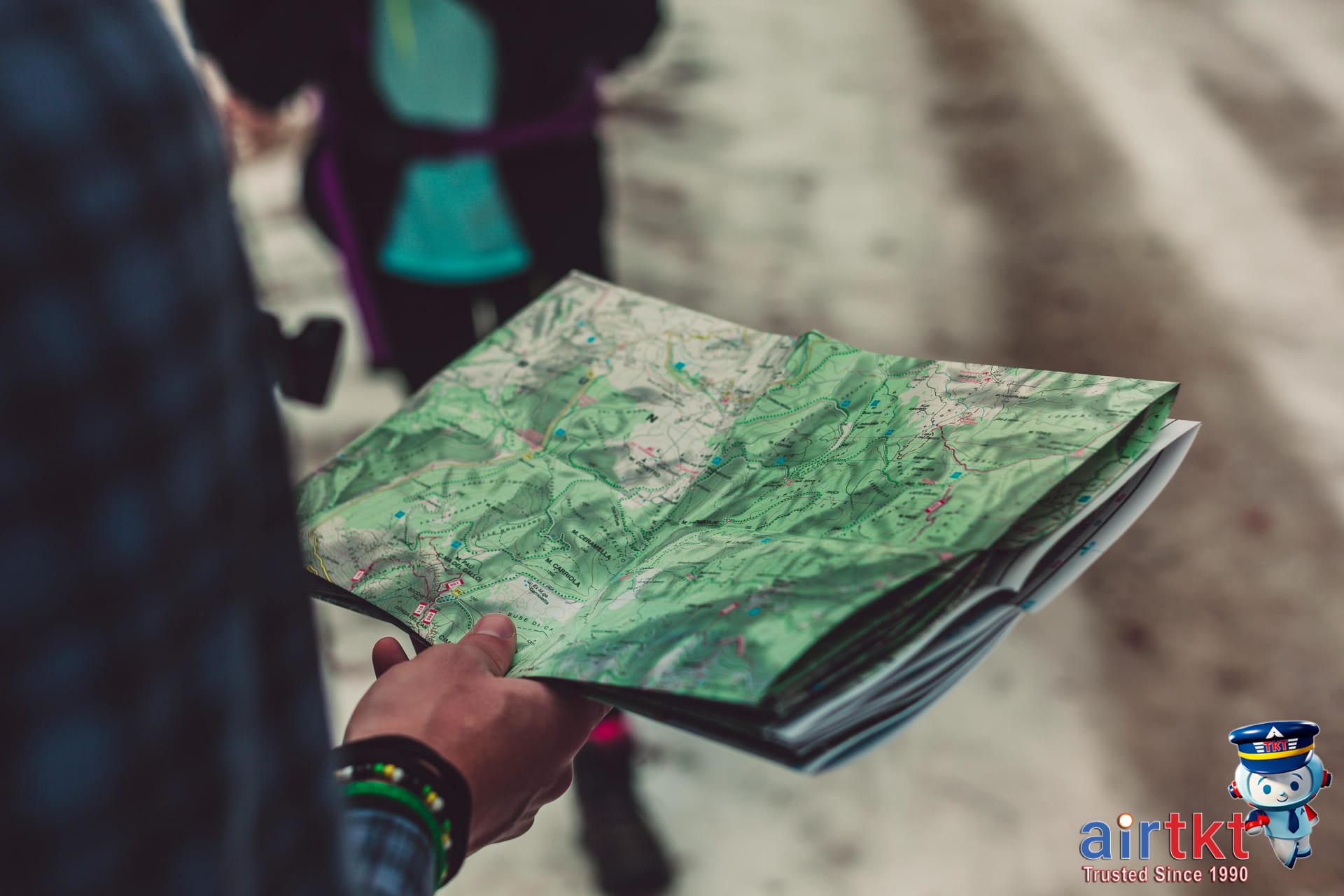
South America draws in backpackers from all corners of the world, thanks to its dramatic mountain ranges, untamed jungles, vibrant cities, and a captivating mix of cultures. It’s a place where you can trek through Patagonia’s wild landscapes, wander colorful markets in Peru, and get your fill of history, all without blowing your savings. The continent’s infrastructure caters to travelers on a tight budget, with affordable transport, hostels, and endless choices for street eats.
A big part of the appeal for many—myself included—is the classic Gringo Trail. This isn’t an official “trail” with markers, but rather a well-trodden backpacker circuit stretching through the most popular countries like Peru, Bolivia, Ecuador, Colombia, and beyond. The route covers incredible highlights like Machu Picchu, Salar de Uyuni, Lake Titicaca, and the coffee towns of Colombia, making it an irresistible roadmap for anyone craving both adventure and social connections. I remember pouring over blogs and maps, realizing how easy it was to meet like-minded travelers and stretch my budget—and that sealed the deal for me.
If you’re considering setting out, expect plenty of overnight buses, casual hostels, deliciously cheap food, and a strong sense of community. Most backpackers find it easy to make friends and tap into travel tips along the way. Of course, costs and weather can vary by country and season, so timing your trip is key if you want that sweet spot of savings and sunshine. For more ideas on keeping expenses low, check out other airtkt.com guides for budget travel in Latin America.
Essential Stops on the Gringo Trail

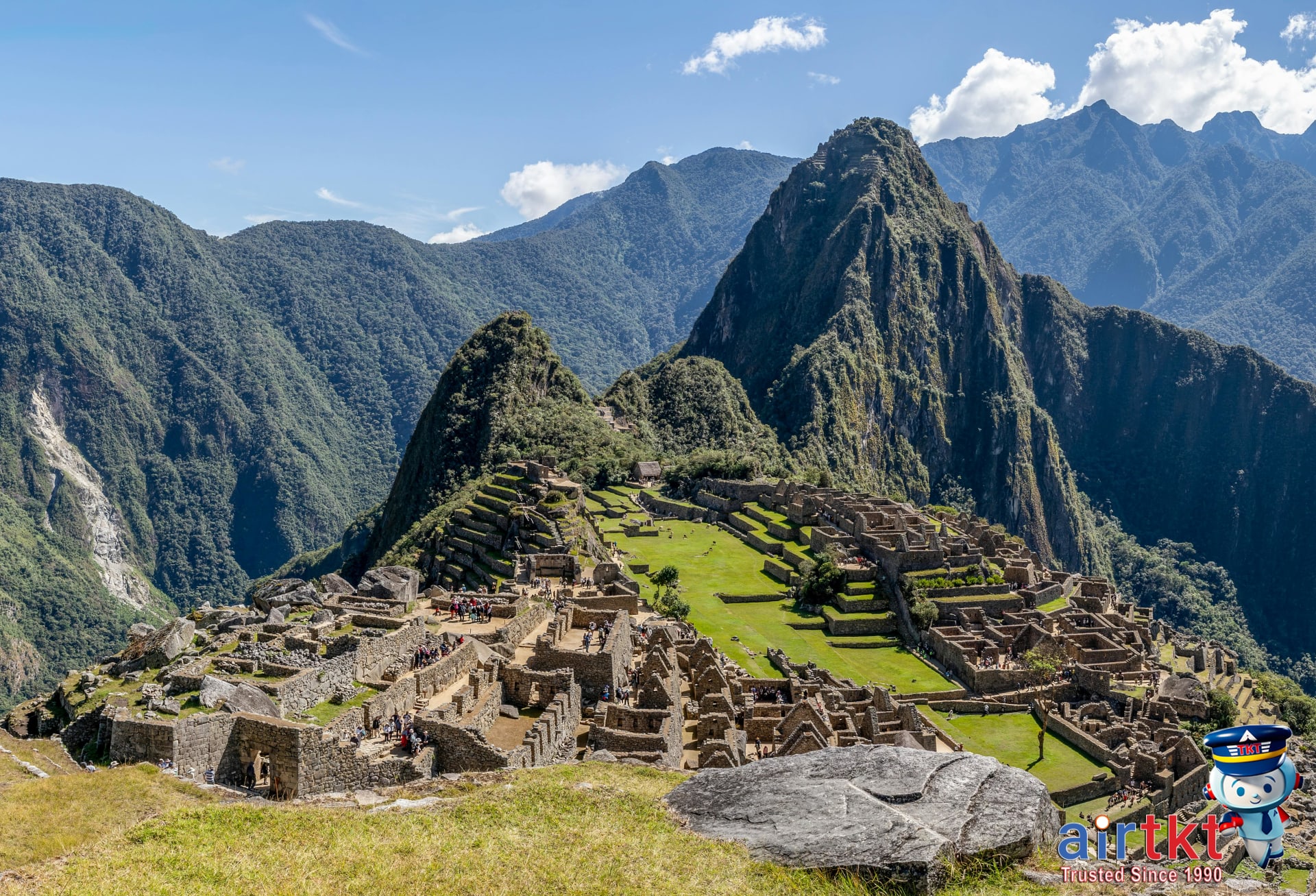
Trekking the classic Gringo Trail through South America brings you face-to-face with some of the continent’s most iconic destinations. From cosmopolitan coastal cities to dramatic highlands and salt-crusted deserts, it’s the kind of journey you measure in moments, not just miles.
Lima’s Culinary and Coastal Scene
Your adventure often begins in Lima—a city where the Pacific surf meets Peru’s famous culinary tradition. Lima’s Miraflores district is hard to beat for its ocean views and rooftop bars, while the historic center is filled with Spanish colonial architecture perfect for leisurely walks. If you land here hungry, you’ll notice that the ceviche is every bit as fresh as travelers say. I’ll admit, savoring my first plate at sunset was a highlight I couldn’t have planned better.
Cusco: Gateway to Inca Culture
After Lima, most head to Cusco, the former Inca capital nestled high in the Andes. The altitude hits you right away, but the city’s cobbled streets and vibrant markets make every step worth it. San Pedro Market quickly became my favorite for its mix of local crafts and sounds. Don’t rush—Cusco’s slow mornings, when the city is waking up, feel especially magical.
Machu Picchu’s Timeless Wonder
No Gringo Trail is complete without Machu Picchu. The arrival, whether by train or on foot, is nothing short of awe-inspiring. Watching the sun break through the swirling mist over the ruins is an emotional moment, even if you’ve seen it a hundred times in photos. In my experience, the early morning crowds are thinner, so aim for the first entrance slot for a more peaceful visit.
La Paz’s Unique Urban Heights
Crossing into Bolivia, La Paz is both dizzying and dynamic—literally, thanks to its extreme altitude. Cable cars crisscross the city and give you sweeping views of jagged mountains and bustling neighborhoods. Sampling street food here, especially salteñas, was a small adventure in itself. I usually recommend checking out the Mercado de las Brujas (“Witches’ Market”) for folk remedies and souvenirs.
Uyuni Salt Flats: A Blinding Landscape
Bolivia’s Salar de Uyuni is a shimmering expanse of white that almost doesn’t look real. Most backpackers take a guided jeep tour, stopping at cactus-studded islands and colorful lagoons. If I had to pick one surreal experience, stargazing here at night—with the salt reflecting every light—would be hard to match anywhere else along the trail.
San Pedro de Atacama’s Desert Mystique
Next, it’s usually onward to Chile’s San Pedro de Atacama, a tiny town at the edge of the driest desert on Earth. The area is packed with hot springs, lunar valleys, and geysers. My favorite was biking to Valle de la Luna for sunset—everything turned gold and pink in a way that photos never quite capture.
Patagonia’s Wild Landscapes
Many travelers cap their trail with a venture into Patagonia. Split between Chile and Argentina, this epic wilderness is filled with icy peaks, turquoise lakes, and paths for days. The sheer vastness made it my personal favorite stop, especially after days spent in crowded cities. Even short hikes here feel like true adventure.
For practical flight routes between these Gringo Trail hotspots, I’d compare options on airtkt.com before booking, since routes and fares can shift with the seasons and demand.
Budget Travel Tips for Backpackers
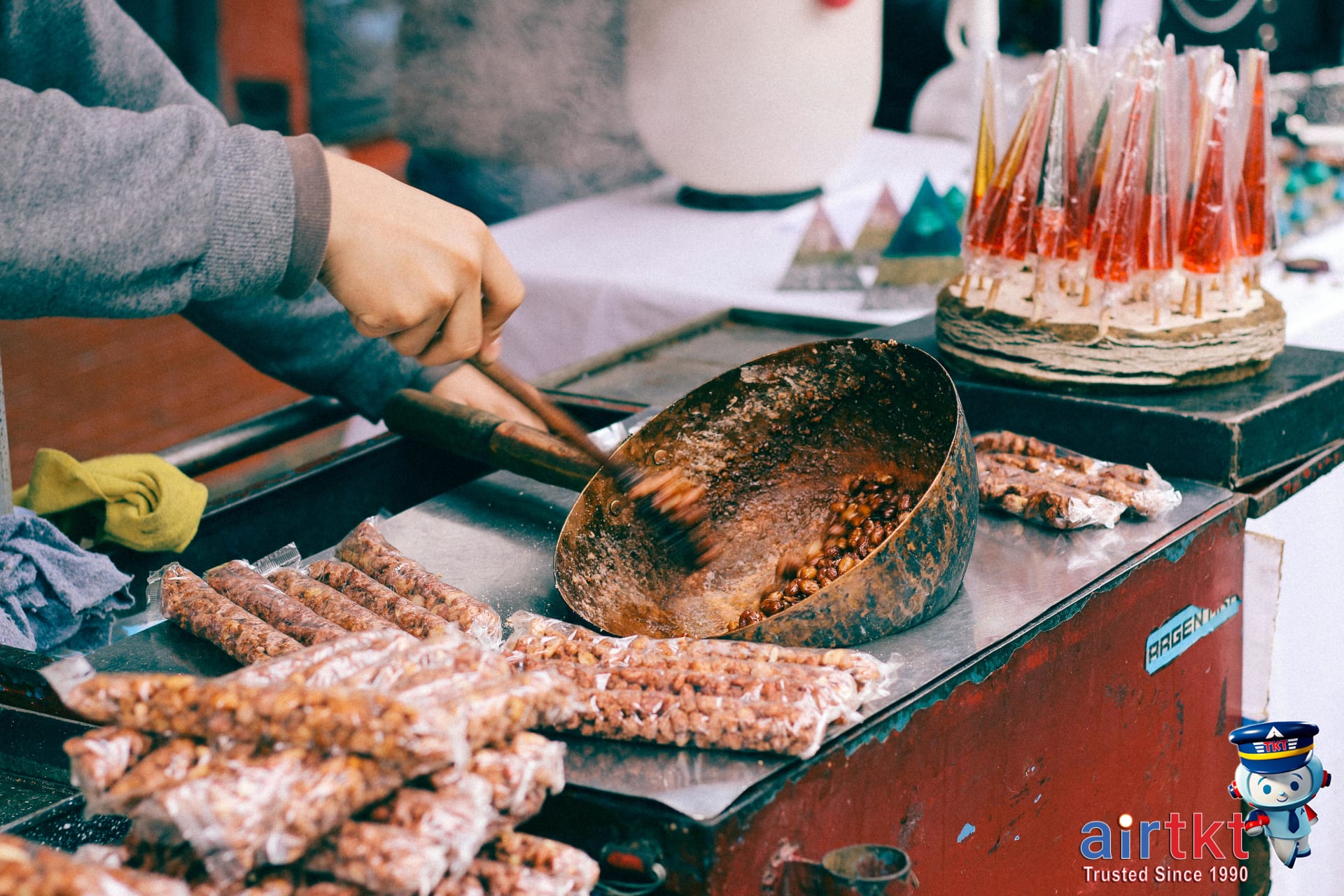
If you’re aiming to stretch your dollars as a backpacker, there’s a balance between comfort and cost that’s worth mastering early on. Over many trips, I’ve learned that saving money doesn’t have to mean roughing it unnecessarily—especially with access to smart booking tools and local know-how. Here’s how I keep daily expenses down while still enjoying the journey.
Affordable Lodging Strategies
Hostels remain a go-to for the backpacker crowd, offering dorm beds at much lower rates than hotels. Many modern hostels now have private rooms if you crave a bit more privacy. Don’t overlook local guesthouses and budget hotels; sometimes these offer extra amenities for the same price as a basic hostel bed. I usually check for options on airtkt.com—the site often lists discounted deals and lets you compare different types of budget accommodation with user reviews.
Eating Well, Spending Less
Sampling local street food can be easy on your wallet and is often the most memorable part of a trip. I’ve found that food markets and small family-run eateries typically offer meals for about $3.00, with portions big enough to keep you fueled for a day of exploring. If your accommodation has a kitchen, buying fresh ingredients at the market and cooking a simple meal is an effective way to save money and have a bit of home comfort on the road.
Getting Around For Less
Buses and trains usually offer the best value for intercity travel. In cities, public transit not only helps you stick to your budget but also gives you a glimpse of local life. When journeys are long, night buses can save you both a night’s accommodation and transport costs. It’s important to weigh cost against convenience—sometimes I’ll pay a little extra for a quicker or safer route if I think it’s worth the trade-off.
Low-Cost Activities And Experiences
You don’t need to spend a lot to get the most out of a destination. Walking tours, which are often free or tip-based, are an ideal way to orient yourself and connect with locals. I look for museums with free entry days, wander in public parks, and seek out local festivals or cultural events that don’t require a ticket. Nature is usually free—whether it’s hiking, visiting city lookout points, or relaxing by a lake.
Over time, I’ve realized that sticking to a budget doesn’t mean skimping on good sleep or meaningful experiences. Finding that sweet spot—whether it’s splurging on a comfortable bed after a week of dorms, or savoring a sit-down meal with new friends—can keep your trip affordable and rewarding.
Travel Strategies for Getting Around
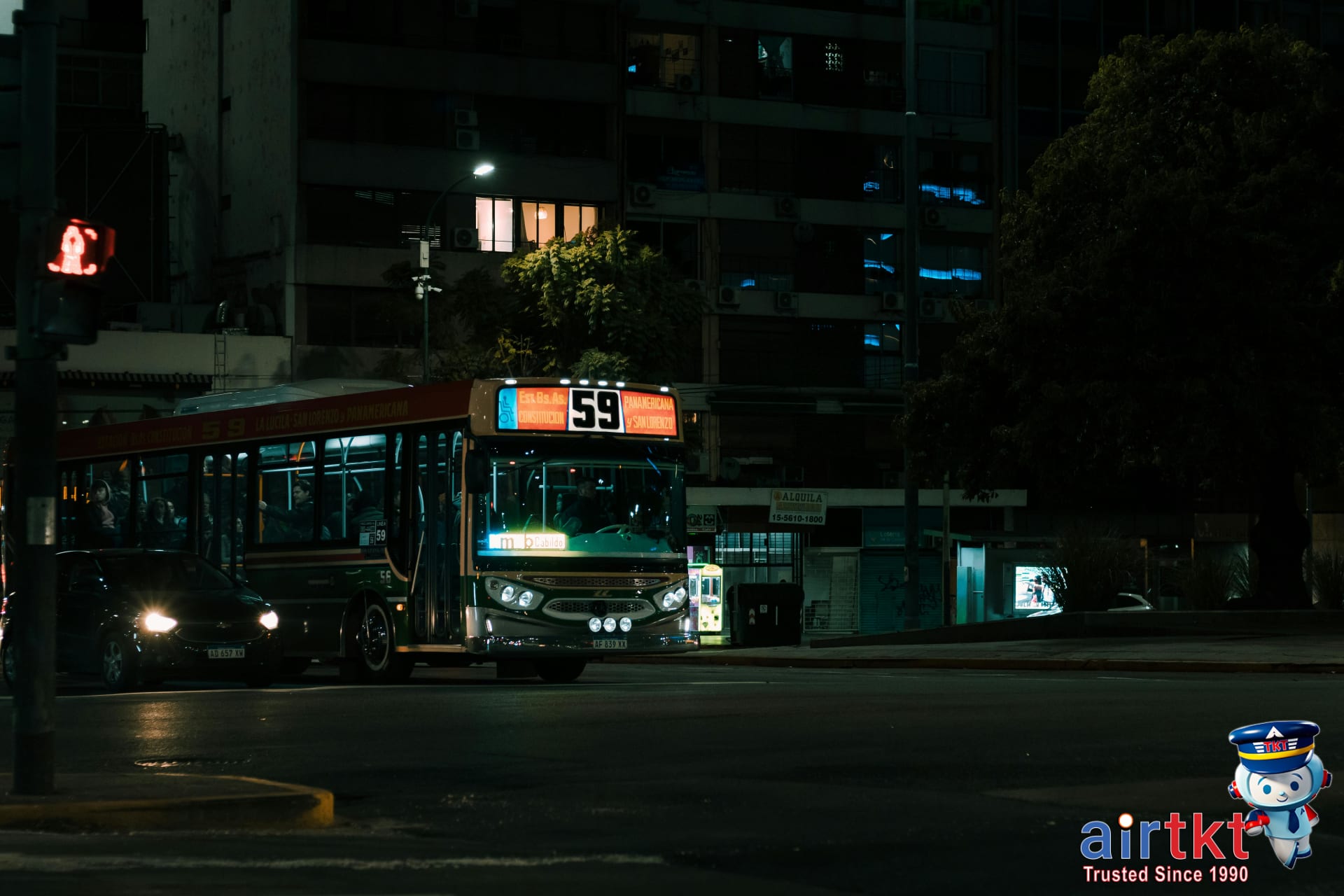
Backpackers exploring the Gringo Trail usually face a familiar question: should you hop a local flight, book a long-haul bus, or try your luck hitchhiking? Each option shapes your journey in very different ways. From my own trip, I leaned heavily on overnight buses, mainly to stretch both my budget and travel days, a choice I didn’t regret.
Comparing Common Transit Methods
Overnight buses are the backbone of long-distance travel for many along the trail. They’re budget-friendly, help save money on one night’s accommodation, and cover huge stretches—sometimes 10 hours or more—while you sleep. I found the ability to arrive in a new city after dawn ready to explore hard to beat. Most long-distance routes have regular departures, but during busy months (like Christmas or July–August), buses fill up quickly. Booking ahead is one thing I always check now.
Local flights are another option when distances grow, or if you’re short on time. If you plan flights strategically—especially by checking sites like airtkt.com for fares within South America—you may only pay a little more than a deluxe bus ticket, with dramatic time savings.
Hitchhiking still appeals to a certain adventurous energy, but it’s much less common and requires comfort with uncertainty. On some stretches of the Gringo Trail, I met travelers who thumbed rides, but most didn’t rely solely on hitchhiking for key transitions, especially at border crossings or rural late-night routes.
How I Weighed My Options
I chose overnight buses for several longer hops. That decision often meant arriving early and saving about $30.00 that would have otherwise gone to a hostel or basic hotel. Flexibility is helpful, but my advice is to reserve both bus seats and flights in advance if your itinerary is tight or you’re traveling in peak season.
Cultural Experiences And Local Interactions
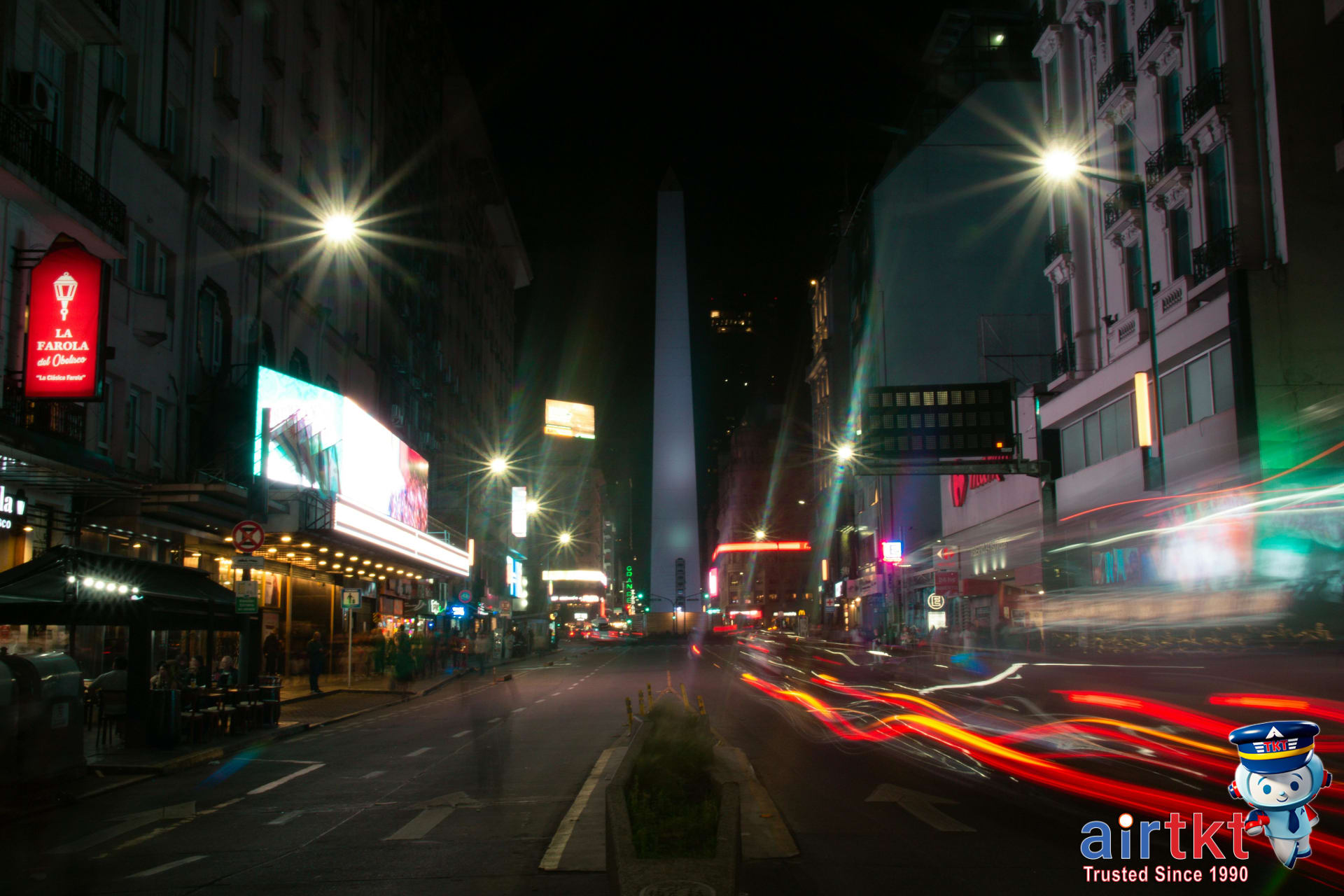
One of the most rewarding aspects of traveling along the South American Gringo Trail is the chance to really immerse yourself in the local culture. Vibrant city plazas, colorful street markets, and traditional festivals all offer authentic windows into daily life. Some of the best places to experience this are the bustling San Telmo Market in Buenos Aires, the lively Sunday craft markets in Cusco, and the unforgettable Carnaval celebrations in Bolivia and Brazil. Even if you’re just passing through, making time to visit a local food stall or artisan market can really open up new ways of seeing a place.
Trying local street food has always been one of my favorite ways to connect with a community, and one moment especially stands out. In Lima, I found myself wandering into a night market, drawn by the aroma of sizzling anticuchos. The vendor greeted me with a friendly smile, encouraging me to try these grilled skewers. Not only were they delicious, but our conversation (a lively mix of basic Spanish and helpful gestures) made me feel instantly welcomed. Interactions like this have genuinely shaped my memories of South America far beyond any guidebook sightseeing.
Cultural festivals, from the epic Inti Raymi in Peru to the fiery Tango shows in Argentina, are also highlights for any backpacker. Many locals are proud to share these experiences, so don’t be shy about asking questions or joining in respectfully. Sometimes, even a simple “¿Cómo se llama esto?” (What’s this called?) can spark a warm exchange. I’ve found that even a little curiosity and effort to communicate go a long way toward genuine local encounters.
Packing Essentials and Safety Tips
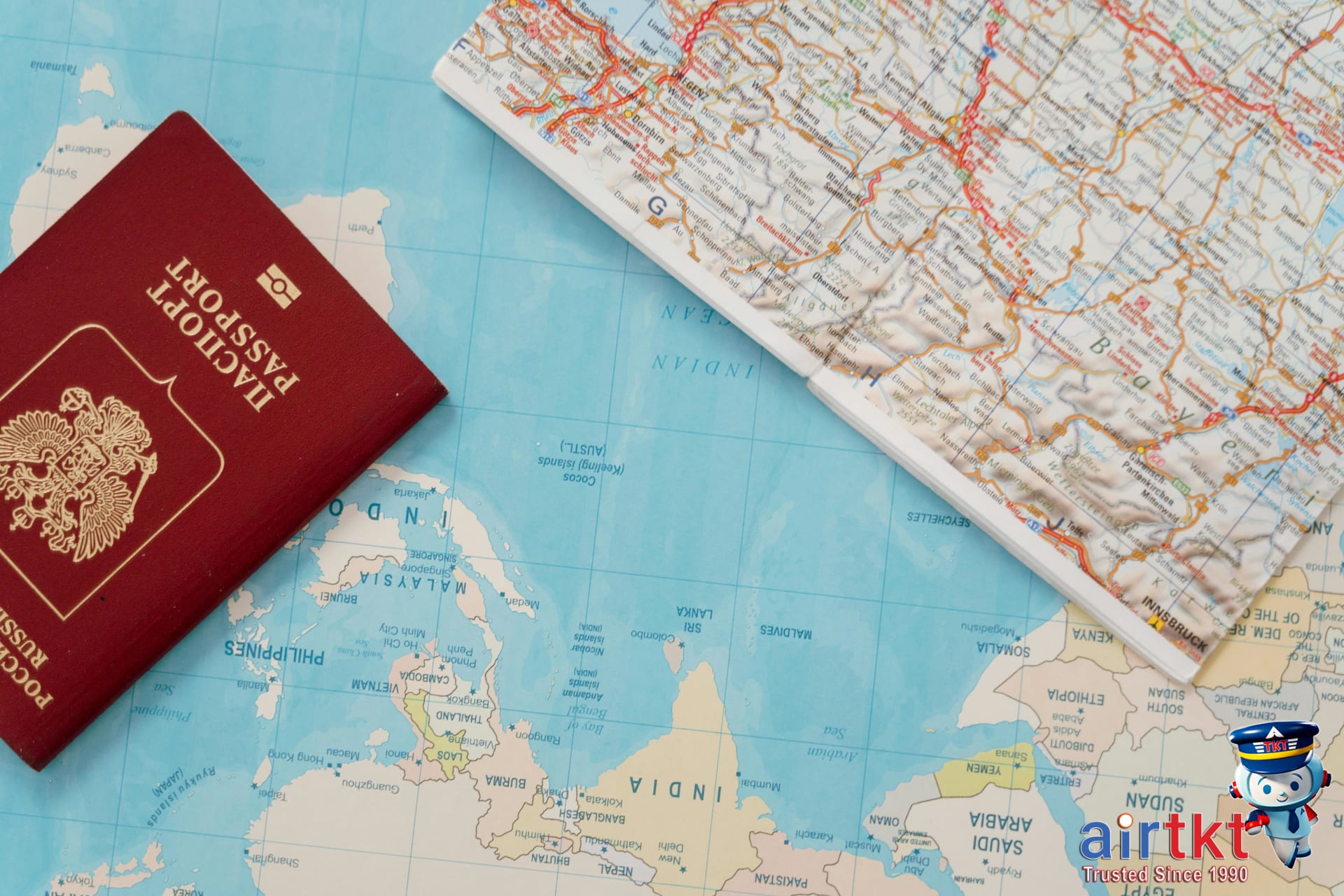
South America’s Gringo Trail packs a little of everything when it comes to climate and terrain—scorching lowland jungles, chilly Andean peaks, wet coastal cities, and dusty highland highways. Having the right gear is less about how much you pack, and more about what makes your trip easier and safer from day one.
Gear Checklist for South America
- Backpack (40–50L): Large enough for essentials, comfortable to carry on long stints.
- Daypack: Just big enough for sightseeing or short hikes, and folds easily into your main bag.
- Lightweight rain jacket: Even dry-season Andes are unpredictable.
- Layering tops (including quick-dry shirts and a warm fleece): These adapt best across climates.
- Packing cubes or compression sacks: I find these keep my load from ballooning. It’s surprising how much less you carry when things are organized this way.
- Sun hat and sunglasses: The equatorial sun is no joke at any altitude.
- Durable walking shoes and sandals: One pair for trails, one for towns and hostels.
- Microfiber towel: Quick-drying and saves space in your bag.
- Universal power adapter: Outlets can vary between countries and even cities.
- Reusable water bottle: Hydration is critical on treks and long bus rides.
Throw in travel basics—copies of important documents, toiletries, and basic medications like pain relievers and stomach remedies. For remote trekking, I’d bring a basic emergency whistle, a small first aid kit, and enough cash for at least a day or two in case you run into card trouble or need a taxi in a pinch.
Safety Musts on the Trail
Before you zip your bag: travel insurance isn’t optional when exploring remote or high-altitude regions, especially if you’re planning activities like hiking, biking, or even taking crowded local buses. Keep both physical and digital copies of your insurance details and passports, and have emergency contacts handy—sometimes, having these on paper is faster than searching through your phone if you’re rattled or in a Wi-Fi dead zone.
Lock up valuables in hostel safes and always keep a photocopy of your ID in a separate place from the original. If you need to hail cabs in bigger cities, I usually write down the license plate number before getting in. It’s a habit worth having, especially if you’re traveling solo or at night.
Backpacking South America Budget Table
Having a realistic daily budget makes backpacking South America a lot less stressful, especially when you know how quickly costs can add up. I found that creating a clear expense breakdown ahead of time made it much easier to control my spending and prioritize what I wanted to experience most. Here’s a table comparing typical daily costs across budget, mid-range, and luxury travel styles, covering accommodation, food, transport, and activities.
| Budget | Mid-range | Luxury | |
|---|---|---|---|
| Accommodation | $15.00 | $50.00 | $150.00 |
| Food | $8.00 | $25.00 | $60.00 |
| Transport | $5.00 | $18.00 | $50.00 |
| Activities | $10.00 | $30.00 | $80.00 |
If you want to quickly compare costs while mapping out your route, I’d recommend using travel tools for flights and hotels as early as possible. For example, airtkt.com offers affordable booking options, which help you work those big-ticket expenses into your budget from the start.
Frequently Asked Questions About Backpacking South America
- What are the visa requirements for backpacking South America?
Visa requirements change depending on your nationality and the countries you plan to visit. For example, U.S. citizens generally don’t need a visa for short stays in most South American countries, but always check each country’s embassy site before booking flights or setting your travel dates.
- How safe is backpacking in South America?
Backpacking in South America is rewarding, but travelers should stay alert in crowded areas, particularly busy bus terminals or city centers. Petty theft like pickpocketing can be a risk. Secure your valuables, use lockers at hostels, and avoid flashing expensive gear in public. Common sense goes a long way.
- When is the best time to backpack South America?
The ideal time depends on your route. For the Andes, dry season runs May to September, offering great hiking weather. If you plan to focus on Brazil or coastal areas, December to March brings warmer, wetter weather, but lots of local festivals as well. Always pack for rapidly changing conditions.
- How can I budget effectively for the Gringo Trail?
Plan for about $35.00–$70.00 per day covering dorm accommodation, meals, buses, and a daily activity. Tracking expenses in a notebook or budgeting app helps you stay on track. Factor in occasional splurges, like guided hikes, and allow some flexibility in case you change plans along the way.
- Do I need special vaccines or medications for backpacking South America?
Some shots like yellow fever may be required for entry to certain countries or national parks, especially in the Amazon. Consult a travel clinic a few weeks before departure for recommended vaccines. Packing anti-diarrheal medication and insect repellent is smart, especially if visiting remote, tropical regions.
- Is it easy to get around South America as a backpacker?
Buses are popular for backpackers, crisscrossing well-known routes with regular service. Expect long rides on winding roads, especially in the Andes. Booking ahead for long-distance or overnight buses can reduce stress. Domestic flights, found on platforms like airtkt.com, can save time between major cities.
- Can I backpack South America on a vegetarian or vegan diet?
It’s possible in bigger cities with growing numbers of vegetarian-friendly spots and plenty of markets. However, in rural areas, options can be slim, especially when meat is central to local cuisine. I recommend learning basic food vocabulary in Spanish or Portuguese to find suitable meals more easily.
Final Thoughts on Backpacking the Gringo Trail

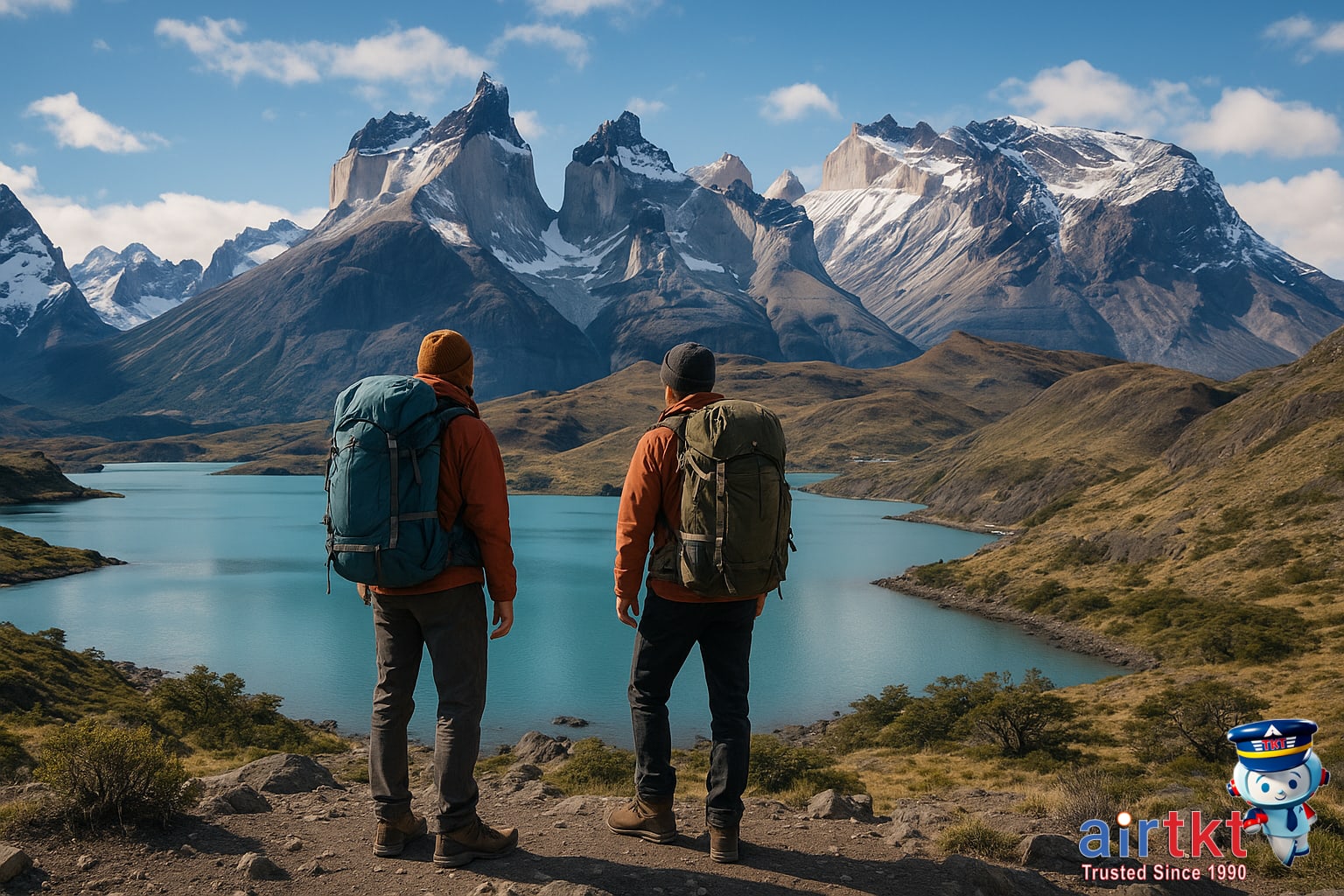
Backpacking the Gringo Trail is more than just a route through South America—it’s a patchwork of colorful towns, breathtaking landscapes, and unforgettable moments that come from shared hostel kitchens and spontaneous festival nights. The trail offers both well-worn paths and surprises if you’re willing to step off them, and that blend of freedom and discovery is the heart of its appeal.
I found that the best memories often came from unplanned detours and simple conversations with fellow travelers. If you’re thinking about tackling this journey, whether it’s your first big backpacking trip or your tenth, there’s always something new waiting along the way. Accessible options, friendly travel infrastructure, and communities of like-minded explorers make it easier than you might think to dive in.
Getting the logistics right can set the tone for a smoother adventure. I usually recommend booking flights early, especially if you’re planning a multi-destination trip on the Gringo Trail. Flexible date searches and nearby airport options on airtkt.com made it easier for me to stitch together the trip I wanted without draining my budget. If you’re exploring multiple countries, booking those segments in advance gives you more time to enjoy the experience and less to worry about in transit.
However you choose to experience the Gringo Trail, embrace the unpredictability. It’s the spontaneous detours and the friendships forged over street food that often leave the biggest imprint. My advice? Take the first step—South America is waiting, and your own trail will unfold with each bus ticket and mountain sunrise.