

Bahamas Beach Paradise Overview

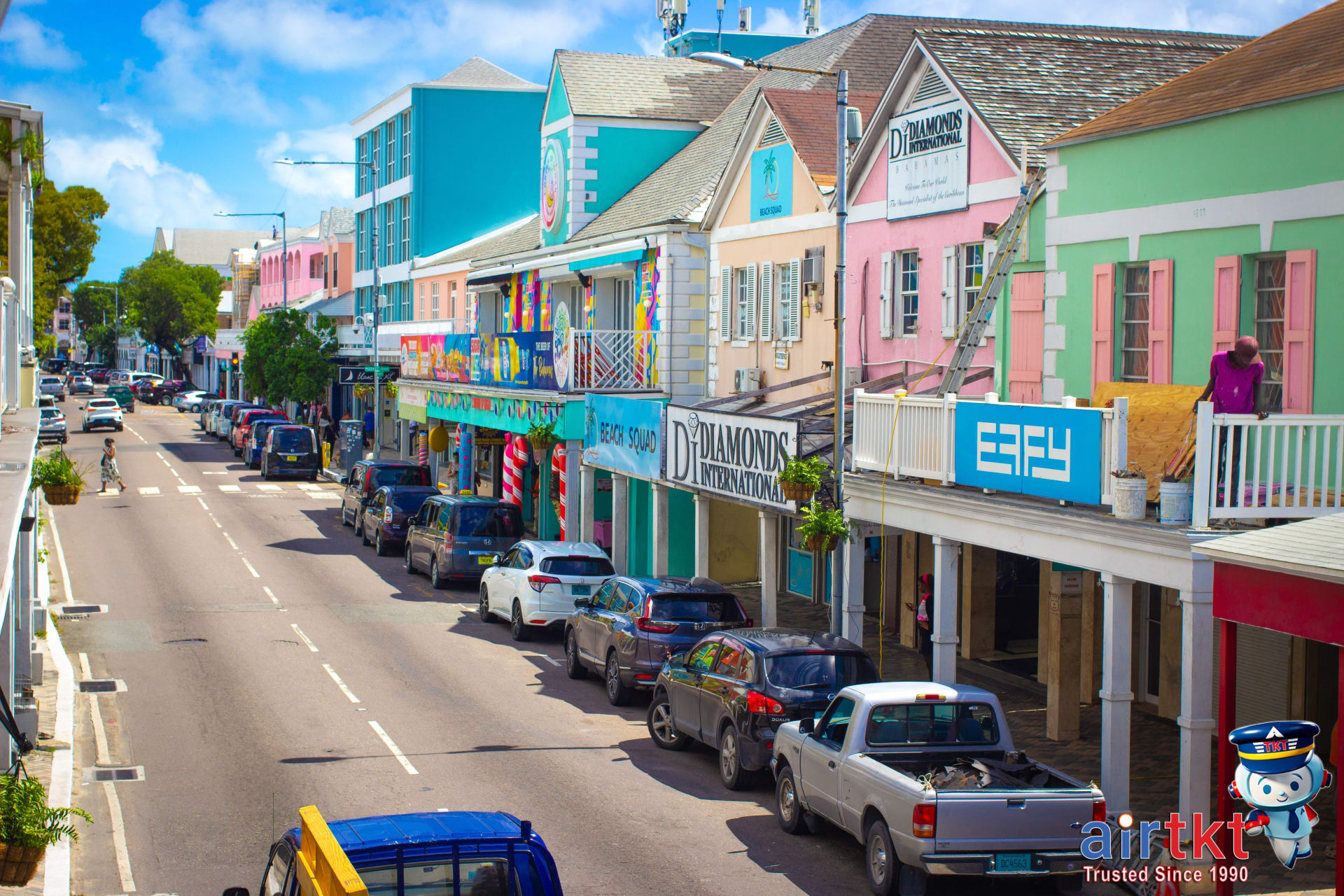
The Bahamas truly lives up to its reputation as a beach paradise. With over 700 islands and cays scattered across the dazzling turquoise Atlantic, this archipelago is synonymous with sun-drenched escapes, swaying palms, and impossibly clear water. The warm, tropical climate means you can count on sunny skies and gentle trade winds throughout most of the year—a classic setting for a relaxing getaway.
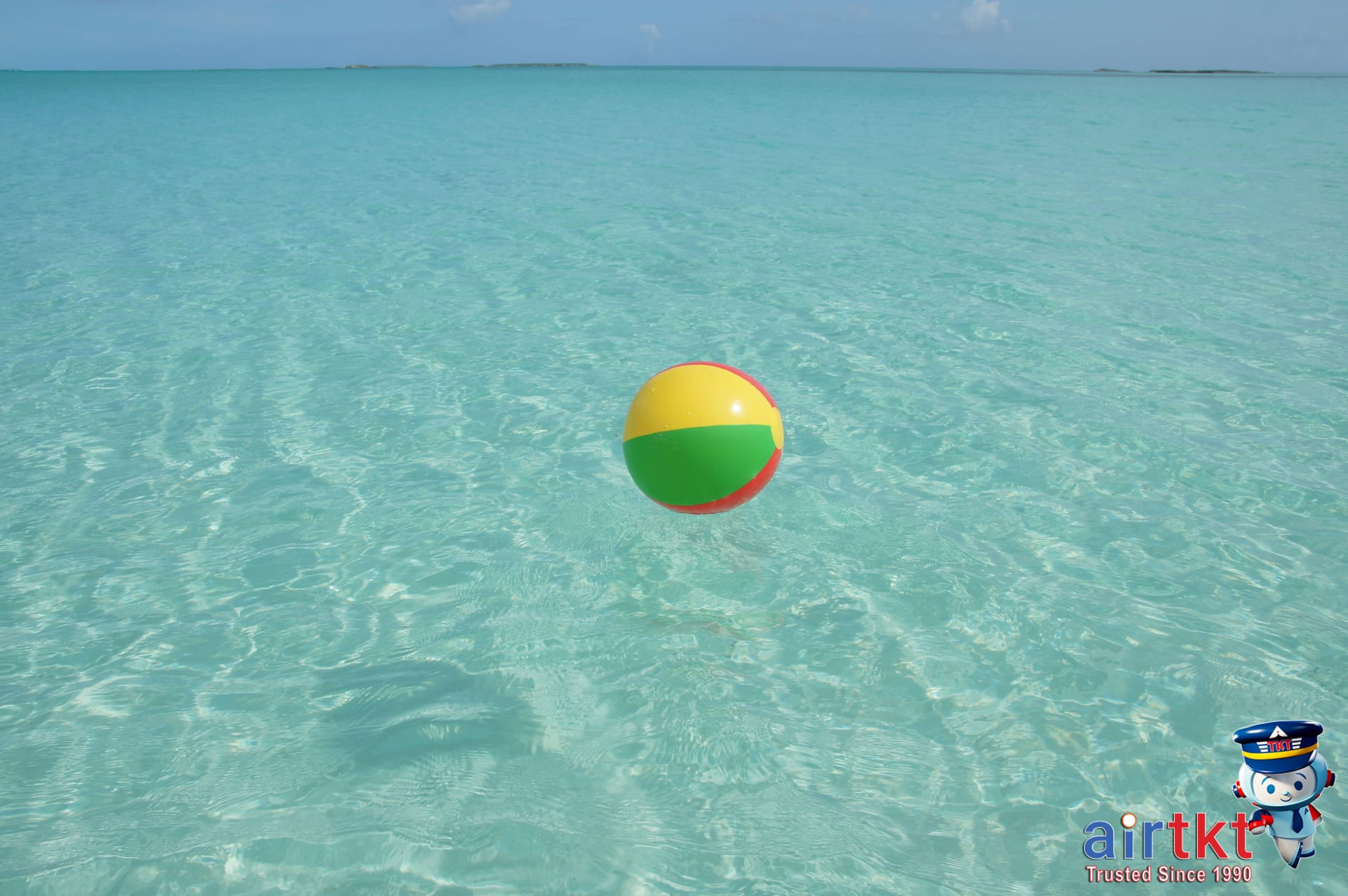
What always stuns me, even after seeing dozens of gorgeous coastlines in my travels, is the way Bahamian waters seem to glow in shades of blue you simply don’t find anywhere else. Stepping off the plane and catching that first glimpse of shallow, transparent waves lapping soft, powdered sand is one of those jaw-dropping moments I still remember vividly.
Each Bahamian island has its own personality—New Providence’s colorful Nassau blends history with high energy, the Exumas boast secluded coves and wild swimming pigs, while Eleuthera offers pink sand beaches and a truly mellow pace. Whether you’re into snorkeling reefs, seafood shacks, boutique resorts, or untamed wilderness, you’ll find an island scene to match your style. If you’re weighing other Caribbean getaways, you might enjoy this roundup of Caribbean beach destinations for an easy side-by-side comparison.
Exploring Nassau’s Culture and Landmarks
Nassau’s history isn’t just something you read about—it comes alive in every corner of the city. This Bahamian capital is dotted with reminders of its colonial past and spirited present. Fort Charlotte, the largest of Nassau’s historic forts, stands west of downtown and offers panoramic views of the harbor. Its stone tunnels and dungeons hint at the island’s days of pirates and British rule—you can wander its ramparts and imagine life centuries ago. I still remember a walk along those weathered walls, followed by an afternoon weaving through Nassau’s colorful streets, where the city’s Afro-Caribbean heritage jumps out in murals, music, and markets.
Nassau’s Vibrant Local Markets
The city’s local markets are a sensory experience all their own. Don’t miss the Straw Market; it buzzes with vendors selling handwoven crafts, straw hats, and wood carvings. This is the place if you want a genuine piece of Bahamian artistry. Nearby, the Pompey Square Art Market showcases works by local artists, from paintings to jewelry—ideal for browsing or chatting with creative minds. I’d set aside time for the small vendors along Bay Street too, where you can pick up fresh fruit or try conch salad prepared before your eyes.
Culture, Music, and Must-See Spots
Nassau is more than its historic architecture. If you’re interested in cultural events, check calendars for festivals like Junkanoo, where costumed dancers parade to drums and whistles—if your visit lines up, it’s unforgettable. For quieter cultural moments, step into the National Art Gallery of The Bahamas to view history and contemporary creativity side by side. Queen’s Staircase is another landmark: 66 limestone steps cut by enslaved workers in the late 18th century, tucked in lush gardens and reverent silence.
If you’re planning a deeper dive into Caribbean heritage, I recommend finding a detailed guide to Caribbean historical cities—these overviews help put Nassau’s sites in context and make each visit more meaningful.
Exploring Exumas Beaches and Famous Pigs
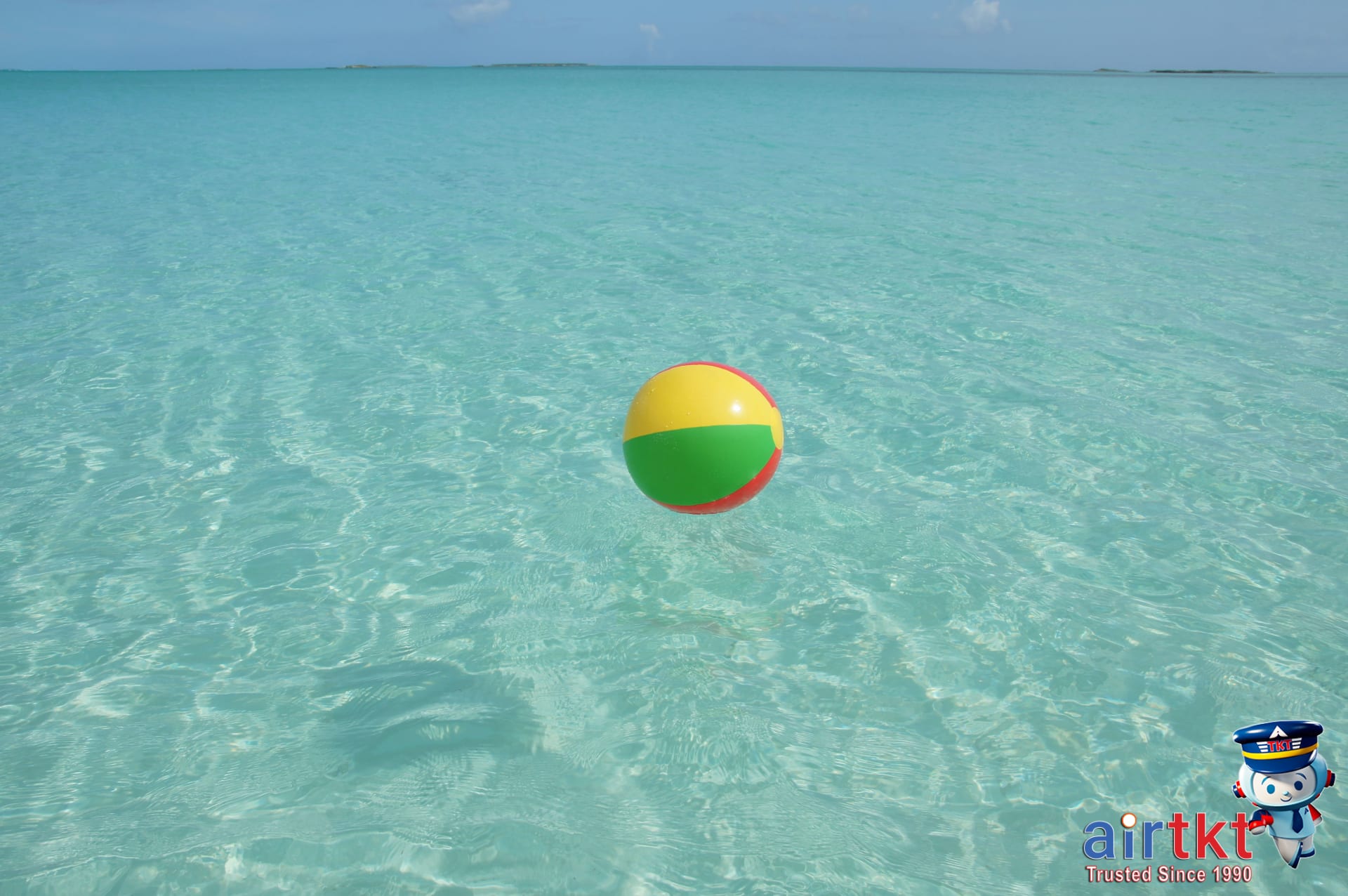
The Exumas are a collection of over 365 cays and islands scattered in the Bahamas, renowned for crystal-clear waters, powdery white sand, and untouched stretches of coastline. If you’re after seclusion, you’ll find plenty of barely-touched beaches—places where the only footprints might be your own. The water here is the kind of turquoise that makes you stop and stare, and moving between different cays by boat gives you ever-changing views of unspoiled paradise.

Visiting the Famous Swimming Pigs
No trip to the Exumas is complete without meeting the iconic swimming pigs. These playful residents of Big Major Cay are known for splashing out to greet arriving boats and happily posing for those now-famous photos. I still remember the thrill of watching a group of curious pigs paddle out as our boat approached—the whole experience is both surreal and genuinely fun, provided you’re respectful of the animals and their environment.

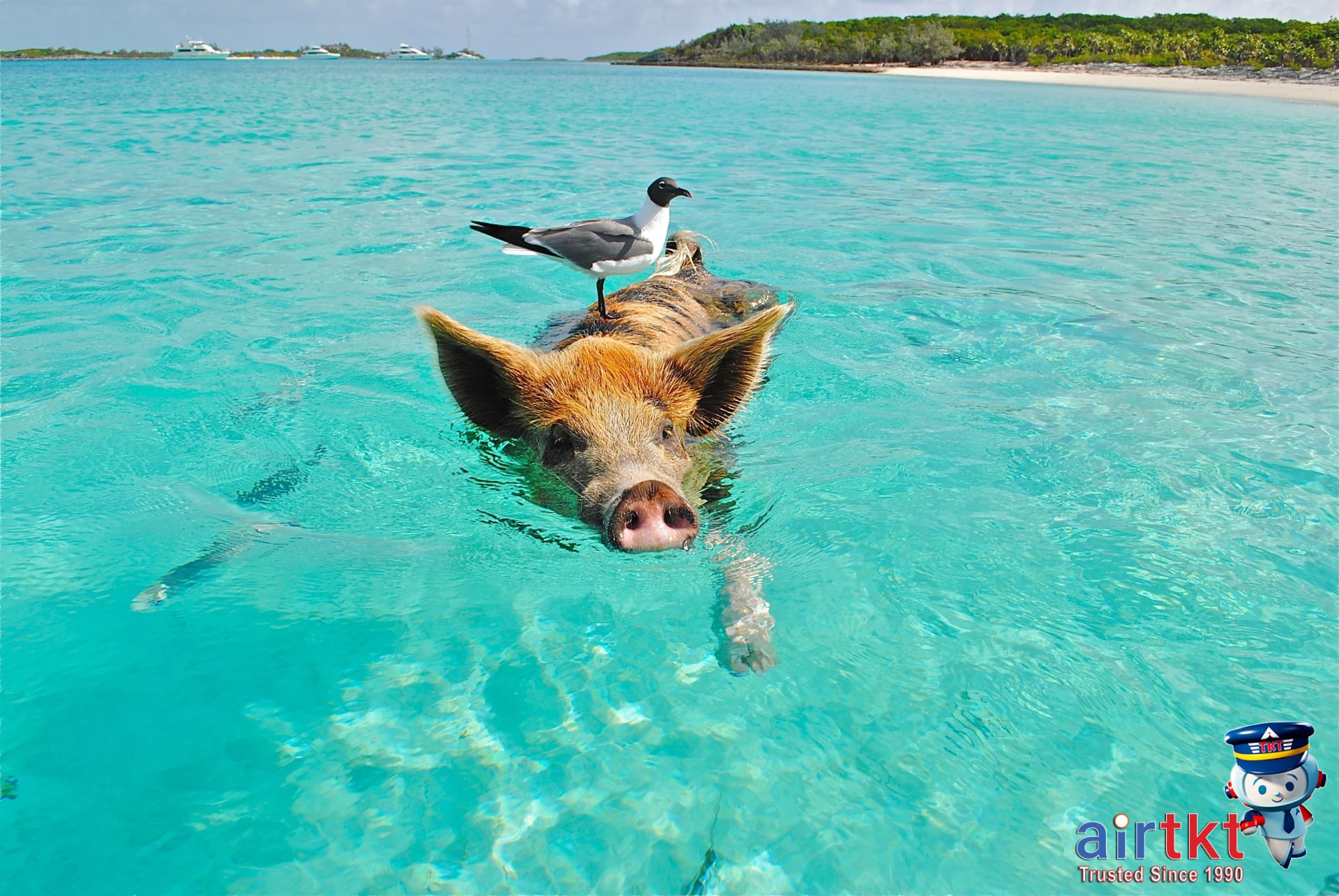
To visit the Exumas’ swimming pigs, you’ll need to book a guided boat tour—either from Great Exuma, Nassau, or local marinas. Options range from private charters to group outings that also stop at snorkeling reefs and nearby cays. I’d compare a few tour companies and choose one that emphasizes ethical animal viewing. The pigs are wild, and responsible tour operators help protect them: visitors are discouraged from feeding them snacks not provided by the crew, and it’s always best to let the pigs approach your boat rather than the other way around. For official guidance, check resources like the Bahamas Ministry of Tourism’s Swimming Pigs Code of Conduct to ensure you’re enjoying this unique encounter responsibly.
Tips for Boat Tours and Wildlife Etiquette
When joining a boat tour, bring water, reef-safe sunscreen, and a sense of flexibility—the Exumas are about relaxed adventure, not strict schedules. Listen to guides about handling interactions with wildlife and avoid loud noises or sudden movements around the pigs or any other animals you spot. I usually recommend reading up on the ethics of wildlife tourism before booking, especially if you’re interested in similar boat-based wildlife encounters elsewhere in the Caribbean. Our recent article on the best wildlife boat tours in the Caribbean is a good place to start if you want more ideas on planning responsible adventures.
Popular Bahamas Water Activities Guide

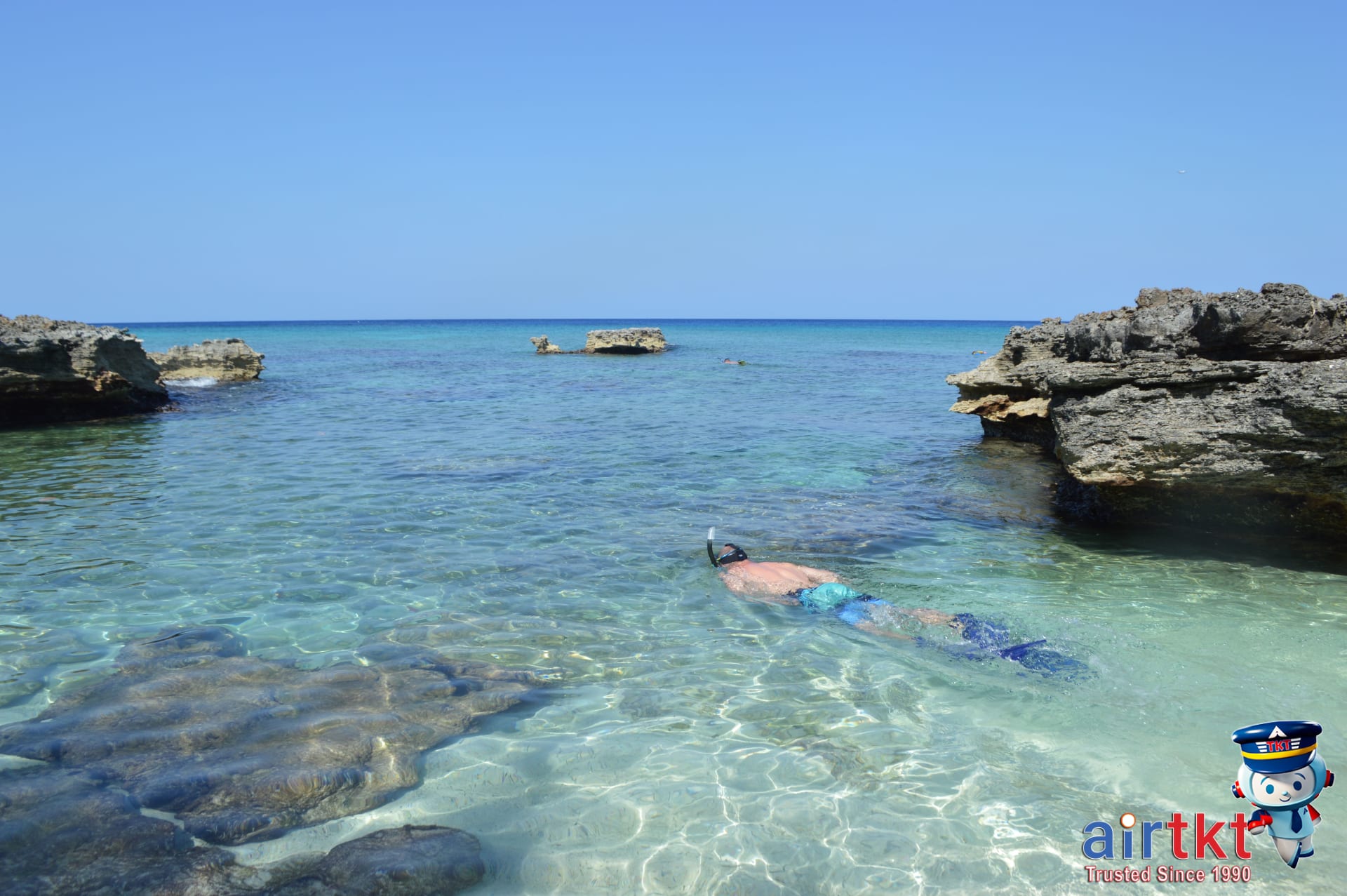
It’s hard to visit the Bahamas without feeling drawn to the water—the shimmering clarity, kaleidoscopic reefs, and wild-lush cays make it a haven for ocean lovers. If you want to see the islands from their brightest angle, try some of the area’s popular water activities: snorkeling, boat tours, and guided excursions each offer a unique way to get close to marine beauty and Bahamian culture.
Top Snorkeling Spots
The islands are filled with places where even first-timers can experience vibrant reef life. I’ll never forget floating off the coast of Exuma, surrounded by clouds of blue tang and the flutter of parrotfish through rippling coral. Nassau’s Clifton Heritage National Park is popular for snorkeling from shore, while the Andros Barrier Reef is a favorite for guided outings. Be ready to spot everything from sea turtles gliding above seagrass to colorful angelfish darting around healthy staghorn and elkhorn coral. For travelers interested in broader water sports guidance, this snorkeling guide for the Caribbean is a solid starting point.
Boat Tours & Island Hopping
Boat excursions are everywhere in the Bahamas, and they really do unlock hard-to-reach gems. Choose from glass-bottom boats for family-friendly reef viewing, sailing tours for a breezy afternoon, or high-speed powerboat trips to visit the famous swimming pigs at Big Major Cay. Some tours focus on deserted beach picnics, while others offer full-day visits to smaller cays where you can meet stingrays or snorkel blue holes. Before booking, I usually recommend checking recent reviews and tour policies directly with established local providers like Stuart Cove’s Dive Bahamas (stuartcove.com), which is widely recognized for safe, professional operations.
Guided Nature and Culture Excursions
If you want to go deeper than just sunny photo ops, guided excursions take you into local history or natural habitats. Eco-tours in the Exumas often include kayaking mangroves and guided visits to marine reserves, while some Nassau tours add on a dose of local food and storytelling. I’d compare both land and water-based excursions before choosing, since operators sometimes combine these for a fuller day. Adventurous divers might also opt to explore blue holes with established guides, giving you a front-row seat to the Bahamas’ limestone wonders.
Sampling Local Bahamian Cuisine
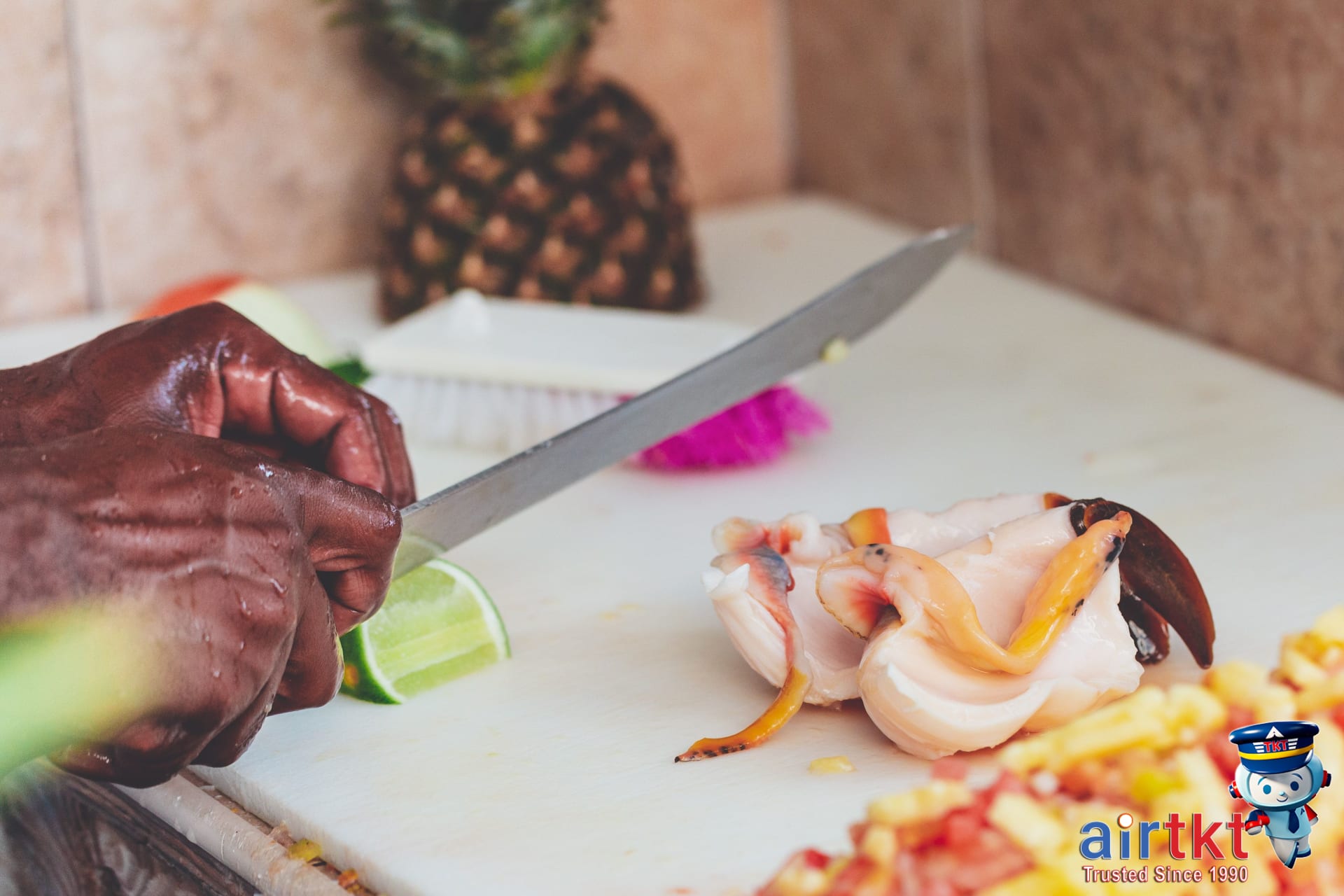
If you’re heading to the Bahamas, there’s no better way to immerse yourself in island culture than by sampling local cuisine. Bahamian food celebrates the ocean, featuring plenty of fresh conch, rock lobster, and fried fish. The first time I tried conch salad—diced raw conch tossed with lime, tomatoes, onions, and spicy peppers at a bustling Nassau market—I instantly understood why it’s a national classic. The combination of zesty citrus and tender seafood truly captures Bahamian flavors.
Alongside conch, don’t miss the chance to savor cracked conch (delicately battered and fried), rock lobster tail (usually grilled or steamed and served with a spicy sauce), and the ever-popular fried snapper or grouper. These dishes pop up at both casual fish shacks and fancier waterfront restaurants, but you’ll find some of the most authentic bites at local food stalls and roadside vendors. Potters Cay Dock and Arawak Cay, for example, are vibrant spots in Nassau where you can order directly from Bahamian cooks—dining amongst locals is half the fun.
Bahamian food culture also loves hearty sides like peas n’ rice and johnnycakes. Try them at down-home eateries sprinkled throughout the islands or at laid-back beach bars. For adventurous eaters, local specialties like souse (a tangy, peppery soup of meat, lime, and allspice) and guava duff (a sweet, fruit-filled dessert) are not to be missed.
Where To Try Authentic Dishes
Food festivals—such as the Bahamas’ annual Conch Festival or Fish Fry events—let you sample different takes on island classics while mingling with chefs and food lovers. If you’re interested in going deeper, several operators offer culinary tours that guide you through Nassau’s top markets and beloved mom-and-pop kitchens. I usually recommend checking out local food blogs, such as Bahamas.com’s food section, for up-to-date listings on new eateries, seasonal pop-ups, and food-focused events.
If you enjoy exploring food traditions across the Caribbean, you might also like our post on Caribbean seafood dining experiences for inspiration beyond the Bahamas.
Bahamas Travel Tips and Budget Advice

Planning a trip to the Bahamas is all about timing and thoughtful choices, especially if you want your budget to stretch further across these beautiful islands. Let’s start with timing your visit: peak season runs roughly from mid-December through April, when the weather is warm and dry. This period attracts more travelers, so prices for hotels and flights generally climb. If you’re more flexible, visiting during May–early November can mean fewer crowds and better deals—just keep in mind this overlaps with the rainy season and hurricane risk, especially August through October.
Affordable Stay and Eating Options
For accommodation, you’ll find everything from plush resorts to simpler guesthouses and local inns. I found sticking to local family-run hotels or well-rated hostels made a noticeable difference in my trip costs. Vacation rentals can also be a budget-friendly pick, especially if you’re comfortable cooking some meals. When it comes to dining, look for small Bahamian eateries (“fish fry” shacks are popular) where you can try authentic dishes like cracked conch or peas and rice for much less than resort restaurants. A typical casual meal might run about $13.00, while snacks from local markets are even less.
Getting Around the Islands
Island hopping is part of the fun, but getting around does call for planning. Ferries can be a practical way to explore the more popular islands (like the route between Nassau and Eleuthera). Taxis are plentiful on larger islands, but—based on official Bahamas Ministry of Tourism info—fares are usually set per ride, so always ask before you hop in. If you want to really explore at your own pace, renting a car is an option, often around $65.00 per day on the bigger islands. For farther-flung spots, domestic flights are common—just know that booking early will almost always get you the best rates for inter-island flights. In my own visits to the Bahamas, careful planning and booking these details ahead of time kept my expenses on track from start to finish.
Essential Budget Breakdown Table
Below is a sample daily budget for a traveler in the Bahamas, organized by travel style. These figures reflect representative values based on published fares, mid-level dining, and estimates from the Bahamas Ministry of Tourism for accommodation and transportation.
| Accommodation | Food | Transport | Activities | |
|---|---|---|---|---|
| Budget | $50.00 | $20.00 | $18.00 | $15.00 |
| Mid-range | $110.00 | $38.00 | $45.00 | $33.00 |
| Luxury | $300.00 | $85.00 | $90.00 | $80.00 |
If you want even more regional tips, check out this detailed airtkt.com guide to budget travel in the Caribbean—it covers cost-saving strategies and when to visit for the best weather deals.
Bahamas Travel Frequently Asked Questions

Over the years, I’ve noticed travelers have a lot of questions about planning trips to the Bahamas—especially around documentation, safety, and choosing the right island. Based on feedback and my own research, below are answers to common Bahamas travel questions to help streamline your travel prep.
- Do I need a visa to visit the Bahamas?
Most U.S. and Canadian citizens do not need a visa for stays up to 90 days. A valid passport and a return or onward ticket are required. Always double-check current entry requirements on the official Bahamas immigration site, since rules can change unexpectedly due to policy updates or world events.
- What is the best currency to use in the Bahamas?
The Bahamian dollar (BSD) is the local currency and is pegged 1:1 to the U.S. dollar. You can pay with either currency almost everywhere—there’s no need to exchange money if you already have U.S. dollars. Small businesses and taxis may prefer cash, so carry some bills if you can.
- Which Bahamas islands are best for first-time visitors?
Nassau (on New Providence) and Paradise Island are the easiest for first-time travelers since they offer a range of activities, good beaches, and convenient flights. If you want a quieter vibe, I’d suggest checking out Exuma or Eleuthera, which readers often describe as less crowded and great for relaxed explorations.
- How can I get around the Bahamas between islands?
Inter-island travel is possible by domestic flights, ferries, or chartered boats. Bahamasair offers short flights, while fast ferries connect major islands like Nassau, Freeport, and Eleuthera. Schedules can vary seasonally—so I recommend checking ahead and booking transport before your trip whenever possible.
- Is the Bahamas safe for tourists?
Tourist areas in the Bahamas are generally safe, but petty theft and scams can happen, especially in busy spots. I personally always remind travelers to use hotel safes, keep valuables secured, and watch for official updates. For more details, read our safety tips or consult government travel advisories before you go.
- What kind of health precautions should I take for the Bahamas?
No vaccines are required for entry, but up-to-date routine immunizations are wise. Protect yourself from sunburn and mosquito bites by using sunscreen and wearing repellent. Tap water on main islands like Nassau is usually safe, but I stick to bottled water if in doubt, especially on smaller islands.
- What travel documents should I bring to the Bahamas?
Bring your valid passport (with at least six months remaining before expiration), a printed travel itinerary, proof of accommodation, and your return ticket. Based on what readers have asked, keeping copies—both physical and digital—can really help if you’re ever asked for documentation by authorities or airline staff.
If you have more specific questions, detailed travel documentation and safety help articles are a great resource. For official updates, I often refer travelers directly to the Bahamas government FAQ and the Ministry of Tourism website before their trip.
Bahamas Farewell and Next Steps

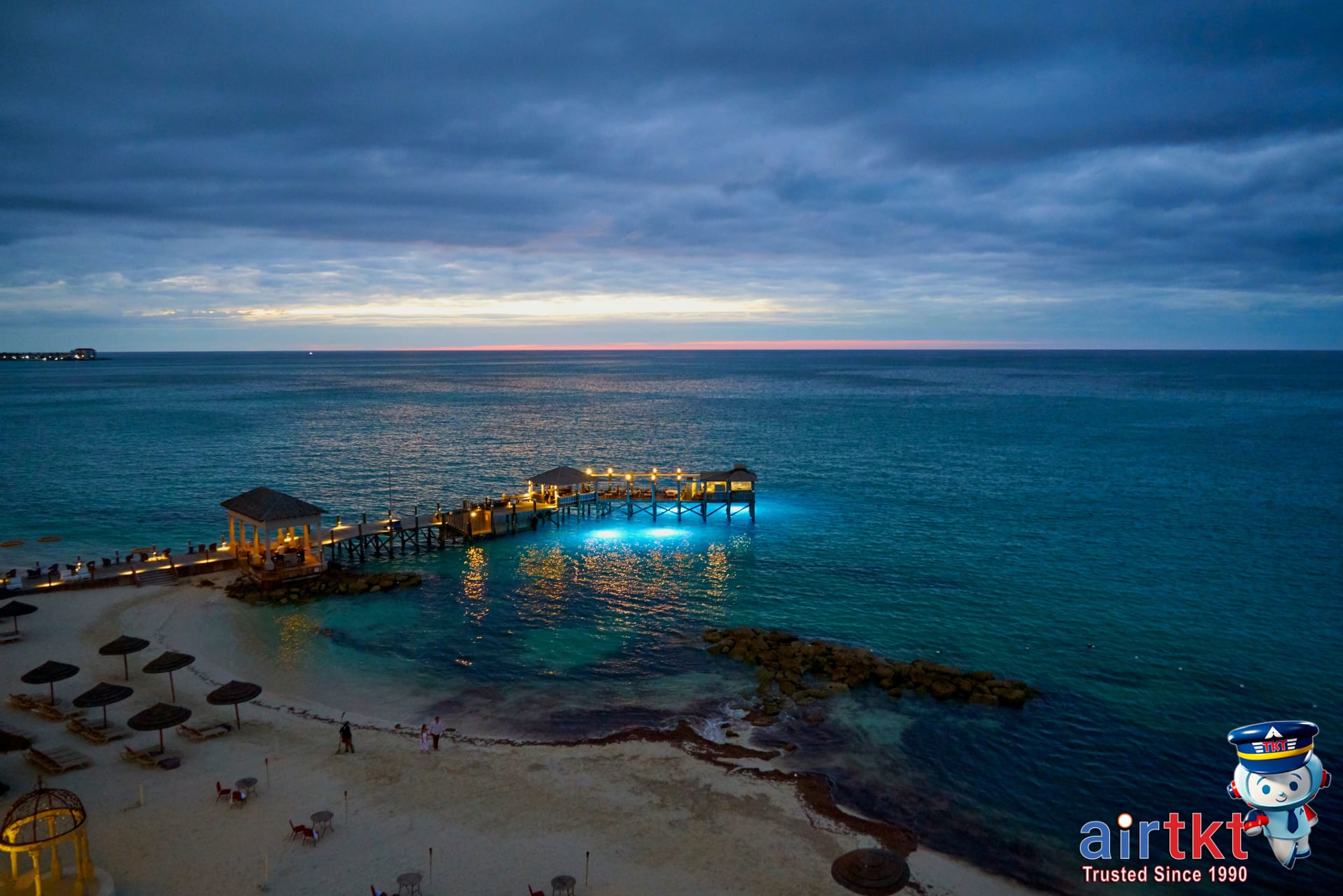
After exploring crystalline waters, laid-back islands, and vibrant festivals that color every corner of the Bahamas, it’s easy to see why travelers return again and again. Whether you’re dreaming of snorkeling among the coral reefs, sampling conch salad at a local stall, or just unwinding beneath a coconut palm, these islands really do offer something for every pace and interest.
I find myself recommending the Bahamas often—and honestly, I’d go back in a heartbeat. There’s always a new cay to discover or another local flavor to try. For anyone feeling inspired to plan, my advice is to bookmark this momentum and start mapping out your trip while the highlights are still fresh in your mind. Prioritize what excites you—maybe a secluded pink-sand beach or the pulse of Junkanoo celebrations—and use that as your anchor for research and bookings.
If you’re looking for a deeper planning checklist, a comprehensive Bahamas travel guide can help outline everything from recommended neighborhoods to flight booking tips. And when you’re ready, sites like airtkt.com can help you compare fares and options across airlines so you get the trip that fits your style and budget.
With its unmatched beauty, welcoming culture, and endless ways to explore, the Bahamas calls many of us back time and time again. I hope your journey there is every bit as colorful and memorable as you imagine.