

Why Airline Pricing Is So Complicated


If you’ve ever wondered why finding the right airfare can feel like hitting a moving target, you’re not alone. Airline pricing is anything but random—it’s actually a carefully engineered strategy that balances demand, available seats, seasonality, and competition. When I first looked into airline ticket prices, I was surprised how dynamic and complex they really are. What you’re seeing is the result of airlines calculating dozens of factors behind the scenes to set and adjust fares in real time.
At the heart of this system is something called yield management, or dynamic pricing. Airlines use sophisticated algorithms to analyze how tickets are selling, who is searching, and what competitors are doing. Fares can change quickly depending on remaining capacity, current bookings, and even what day of the week you search. For example, if a popular route is selling out, you might notice prices climbing as fewer seats remain. If a competing airline drops its fares, others may follow suit.
This level of detail is designed to help airlines maximize both the number of filled seats and revenue from every flight. It’s a balancing act—charging enough to stay profitable while also keeping flights attractive to cost-conscious travelers. That’s one reason you might see widely different prices on the same flight depending on how far ahead you book or whether there’s a sudden surge in demand.
How Airline Pricing Actually Works

Airline pricing isn’t as set-and-forget as it may seem when you first start searching for tickets. Instead, fares are shaped by a flexible and constantly changing system behind the scenes. At the heart of this system is something called yield management—a strategy airlines use to adjust prices based on how many seats are left and how many people want to book them.
Yield management works by analyzing patterns like booking trends, travel dates, demand spikes, and even special events in your departure or arrival city. Airlines group available seats into different “fare buckets,” each with its own price point. As those buckets begin to sell out—say, when a flight is filling up quickly—the airline automatically bumps up the prices on remaining seats. On quieter flights, fares may drop to entice more bookings. I’ve learned that airlines constantly adjust prices based on demand using yield management, which means what you see today is rarely the absolute lowest or highest fare the flight will ever offer.
Why Prices Fluctuate Every Day
As a traveler, it’s easy to be frustrated when fares seem to shift every time you search. This isn’t just random—these changes are a reaction to real-time data: the number of seats left, how fast they’re selling, and even what day of the week you’re searching. You might notice for popular holidays or big local events, airfares can rise sharply months in advance, while midweek departures on less crowded routes often see lower prices.
Understanding these patterns can help you land a better deal. If you’re flexible with your travel dates, you can use tools like the airtkt.com Flexible Date Search to see which days offer lower fares. In my experience, spotting these small differences can add up to big savings on a long-haul flight, especially if your schedule isn’t locked in.
How Yield Management Works

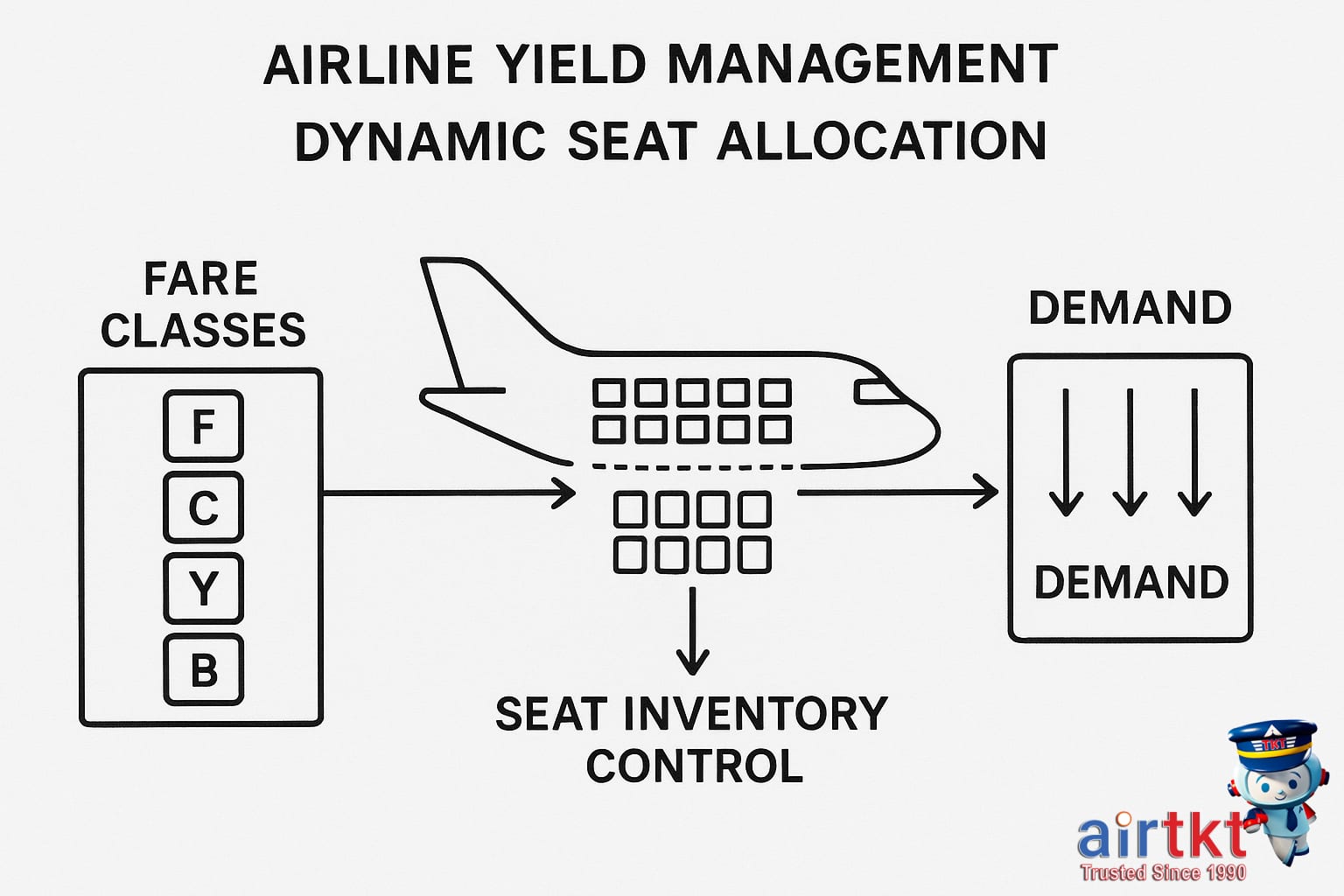
If you’ve ever wondered why airline prices seem to bounce around, the answer lies in yield management. Airlines don’t just set a price and leave it there—they dynamically adjust fares based on seat class, demand, and how far in advance you book. As a traveler, understanding yield management helped me book smarter and avoid overpaying for last-minute flights.
Seat Classes and Fare Buckets
Airlines divide the seats on every flight into “fare buckets” or booking classes. Each bucket corresponds to a certain price and flexible conditions, like refundability or baggage allowance. For example, a flight might have a small number of seats available in the least expensive fare bucket (think basic economy), a larger block in standard economy, and others reserved for premium classes.
Initially, only a handful of the cheapest seats are up for grabs. Once those sell, the system releases the next level—usually at a higher price point. The process is designed to capture every possible price a traveler is willing to pay. That’s why two people sitting side by side might have paid very different amounts for the same trip.
How Booking Curves Shape Prices
To predict how a flight will fill up, airlines use “booking curves.” These graphs track the pattern of how quickly seats sell at different stages before departure. For a popular route during the holidays, seats may fill up fast, prompting fare increases early on. For less busy flights, airlines keep lower fares on offer longer, but don’t hesitate to bump prices up if bookings suddenly increase.
Airlines constantly monitor these trends and adjust seat availability and prices day by day—or even hour by hour. In practical terms, this means yesterday’s best deal can disappear overnight if a surge in bookings pushes the flight closer to full. Conversely, if a flight isn’t selling as expected a month out, airlines might quietly release some lower-priced seats to attract more buyers.
Factors Influencing Airline Pricing

Understanding why airfares fluctuate can feel like a mystery, but it often comes down to some key factors. First up: fuel prices. Since jet fuel is a major airline expense, even small changes in global fuel costs can push ticket prices higher or drop them lower. I’ve noticed how fuel prices directly impact ticket costs when I travel; spikes at the gas pump almost always seem to be followed by pricier flights a few weeks later.
Next, demand plays a huge role. Airlines adjust their fares in real time based on how full a flight is, seasonal peaks, or unexpected surges in travel (think holidays or major events). For example, booking for a popular destination during a busy period will typically mean paying more, while traveling during quieter months often brings lower fares.
Competition is another driver. When several airlines fly the same route, they’re more likely to drop prices to attract customers. In less competitive markets, fares may remain higher simply because there aren’t as many alternatives. Over time, new entrants or expanded service can actually lower prices for travelers.
Don’t forget about operational costs. Airlines don’t just pay for fuel—they have to cover pilots, maintenance, airport fees, insurance, and aircraft leasing or purchase payments. These costs all add up and are reflected in the price you pay for your ticket. If you notice fare increases that don’t align with fuel prices, operational overhead could be the culprit.
How Seasons And Markets Affect Fares

Flight prices can swing wildly depending on the time of year, local holiday rushes, and shifts in travel demand. During major holidays—like Thanksgiving, Christmas, New Year’s, and school breaks—fares tend to spike because so many people are traveling at once. Airports get packed, and airlines raise prices to match surging demand. I usually avoid traveling during peak holiday times to save money, even if it means shifting my plans by a week or two.
Besides obvious holiday crunches, keep in mind that destinations also have their own “peak seasons.” For example, Europe summers, Caribbean winters, and cherry blossom season in Japan all see higher ticket prices as travelers rush in. Conversely, off-peak or “shoulder” seasons—which fall between busy and low periods—often bring noticeably lower fares and fewer crowds. Think late spring before summer kicks into gear, or early autumn just after kids return to school. These windows can be an opportunity for real savings and a more relaxed trip experience.
Market trends also come into play. Events like festivals, sporting finals, or even big conferences can drive up demand for specific routes. Meanwhile, airlines sometimes adjust pricing tactics based on last-minute demand surges, fuel costs, or overall competition, adding to the fare roller coaster. That’s why being flexible with dates—not just destinations—can give you an edge in finding better deals.
Booking Tips to Save on Airfares
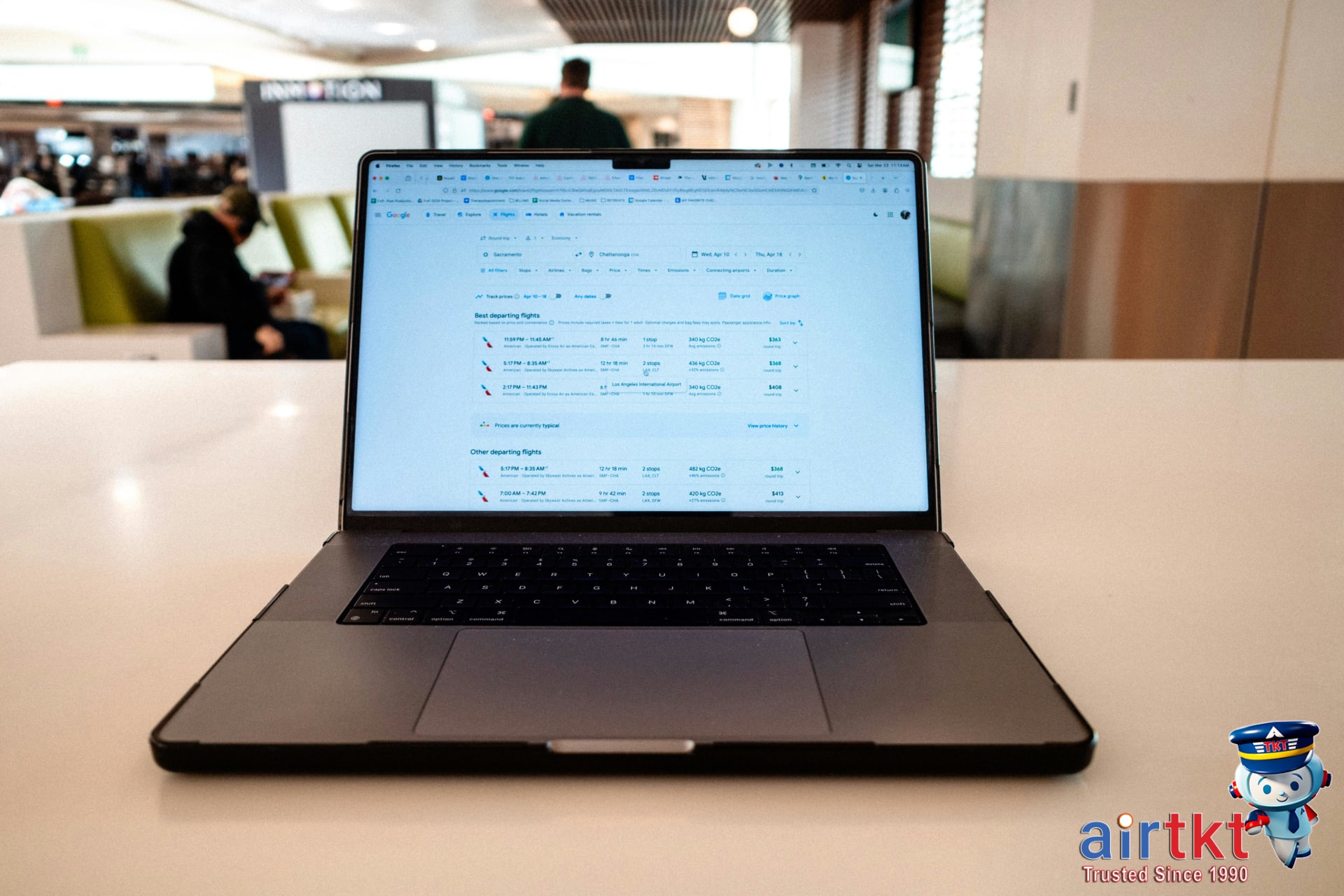
Getting the lowest airfare isn’t about luck—it’s all about timing, staying alert, and using the right booking tools. There’s no single “best” day of the week for booking, but I’ve consistently found that searching for flights 3–6 weeks before departure on domestic routes, and 2–4 months ahead for international trips, generally reveals the best deals. If you’re traveling during a busy season or planning a holiday getaway, it’s smart to check even earlier, since prices can climb fast as seats fill up.
One of the most effective strategies I use is setting up fare alerts. Most booking sites and travel apps let you track flight prices for your specific route. Whenever there’s a price drop, you’ll get an alert—making it much easier to jump on discounted tickets before they disappear. Using fare alerts helped me snag a great deal last minute, when a sudden dip popped up just days before my flight and I was able to book quickly without overpaying.
Mix-and-match flight routes can also help you save, especially for longer or less direct journeys. Instead of relying only on roundtrip tickets, look for one-way combinations, open-jaw tickets, or creative connections. The Lazy Fare feature from airtkt.com is built exactly for this. It automatically scans for cheaper multi-stop routes—even if those require mixing different airlines or booking two separate legs—without sticking you with big stopover penalties. This can uncover savings that the big-name search engines might not show right away.
Another trick I recommend is checking for flights from and to nearby airports. A major city might have several airports, some of which handle fewer crowds and offer lower fares. The Nearby Airport Search tool from airtkt.com makes it easy to compare options and spot more affordable departures or arrivals just a short drive away.
Try mixing these booking strategies on your next trip. Stacking timing, alerts, and flexible routes can add up to surprisingly big savings when you book your flight.
How AirTkt Finds Affordable Flights

If you want one place to compare cheap airfare, find exclusive ticket deals, and get help any time, airtkt.com makes the whole process a lot easier. Their booking platform is laid out clearly: you just enter your basic trip details and immediately see a real-time list of ticket options from over 470 airlines—including lesser-known carriers that often have lower fares. This real-time comparison means fares are current, so you don’t waste time chasing expired deals or running searches on half a dozen other sites.
Their best-known tools are designed to help you spot savings that aren’t always obvious at first glance. For instance, Lazy Fare is a clever feature that shows you multi-stop itineraries that may reduce airfare without forcing overnight layovers—good news for travelers who care about price above all. If your airport isn’t set in stone, the Nearby Airport Search points out alternate options nearby where ticket prices can dip noticeably. And for those with flexible travel dates, the platform’s Flexible Date Search shows which days have lower fares, so you can shift your trip and save easily. I rely on AirTkt’s tools to find cheaper flights easily, especially on routes where timing or airport can make a big difference.
What really stands out for me is how transparent airtkt.com is about pricing and discounts. Final ticket prices are displayed upfront, with taxes and fees included before you pay—so there are no last-minute surprises. Exclusive discounts are another perk: you’ll find military, senior, and veteran deals, seasonal offers, and limited-time email or SMS promos not available elsewhere. It’s always worth checking their current discount flight deals page before booking, since surprise offers pop up regularly.
Travelers who prefer to speak to a person aren’t left behind, either. The 24/7 customer support team is available by phone, email, or chat. This is especially valuable for changing bookings, resolving payment issues, or just double-checking details before you pay—something I appreciate when booking multi-city international trips. It’s rare these days to have real people answering travel questions at 2 a.m.
Budgeting Your Airfare Expenses Effectively
Budget planning shouldn’t stop at booking your flight. Tracking my travel expenses alongside airfare helps me manage my trip better, keeping the overall journey within reach—especially when other costs like hotels, meals, and local transport can quickly add up. For travelers like me, it’s helpful to outline your likely spending ahead of time. Here’s a real-world snapshot of what you might spend in each major category, whether you’re stretching every dollar or splurging on extra comfort.
| Accommodation | Food | Transport | Activities | |
|---|---|---|---|---|
| Budget | $35.00 | $20.00 | $10.00 | $15.00 |
| Mid-range | $80.00 | $40.00 | $25.00 | $40.00 |
| Luxury | $210.00 | $80.00 | $70.00 | $120.00 |
Keep in mind, these values are per day and reflect common travel styles. Budget travelers usually stick to hostels and public transport, while luxury travelers are more likely to choose boutique hotels and private tours. I usually start my trip budget by looking at the largest expense—often airfare—and then estimating daily spending for the rest. This approach stops me from going overboard and gives me extra peace of mind before and during the trip. If you haven’t set these numbers for previous trips, I’d suggest noting every expense next time—those little purchases add up faster than you think!
Common Questions About Airline Pricing

- Why do airline prices change so frequently?
Airline prices can shift hourly due to demand, booking patterns, and yield management software. Airlines continuously adjust fares to fill flights as efficiently as possible. This means tickets might cost more during peak periods or drop if seats remain unsold as departure approaches. Flexibility when searching often helps reveal the lowest fares.
- What is airline yield management and how does it affect fares?
Yield management is a system airlines use to maximize revenue by dynamically setting prices based on demand and availability. As certain fare classes sell out, prices may rise for remaining seats. This strategy ensures airlines get the most value from every flight, which can mean higher fares the longer you wait to book.
- Are flight prices lower if I book at certain times of day?
Some believe booking at midnight or midweek guarantees savings, but there’s no universal “best time” that always provides lower prices. Fare changes can occur anytime, so watching prices over several days and being ready to book when you see a good deal is a reliable approach.
- Why do I see different prices for the same flight?
Prices can differ because of cookies, browsing history, seat availability, or special deals offered by booking sites. Airlines may also adjust fares for mobile versus desktop. Clearing your browser’s cache, using incognito mode, or comparing across booking platforms like airtkt.com can highlight the best option.
- Can using flexible dates make a big pricing difference?
Being flexible with your dates often leads to noticeable savings. Flying on days that normally have less demand, like Tuesdays or Wednesdays, usually brings lower fares. Using fare comparison tools such as Flexible Date Search at airtkt.com helps you quickly spot the cheapest travel windows for your trip.
- Is it true that booking early always gets the lowest airline price?
Booking early sometimes means lower fares, but not always. For popular routes or peak seasons, early booking is usually safer. Closer to departure, prices can spike as cheap seats disappear, but last-minute deals occasionally pop up. Track fares and book when you see a price that fits your budget and schedule.
- Where can I find current travel policies or fare rules?
The most accurate info on airline pricing, cancellation policies, and travel requirements is available through your booking site’s FAQ or Help resources. If you have specific questions about policies, visit the airtkt.com FAQ page for the latest details before finalizing your booking.
Wrapping Up Airline Pricing Insights

Navigating airline pricing can feel overwhelming at first, but stepping back, a few core ideas stand out: fares constantly shift due to yield management strategies, airlines use sophisticated systems to adjust prices, and your flexibility has a bigger impact on cost than you might guess. Tools like Flexible Date Search and Nearby Airport Search—offered by airtkt.com—can help you uncover savings you might have missed otherwise. In my own experience, understanding airline pricing has made me a smarter traveler and helped take the guesswork out of trip budgeting.
Throughout this guide, we touched on why fares can change from one minute to the next, how seat classes and booking windows influence costs, and why comparing alternate routes sometimes yields a better deal than just picking the obvious flight. I’d recommend making these tactics part of your regular booking checklist. Another practical step? Take advantage of loyalty programs. Many airlines and booking platforms—including the airtkt.com rewards program—offer members access to special discounts, priority support, and sometimes even early access to deals.
Staying organized and learning even a little about how fares work means fewer travel surprises. While there’s no single trick for getting the absolute lowest fare every time, combining smart tools and loyalty perks makes a real difference. The next time you plan a trip, experiment with flexible dates, consider nearby airports, and don’t forget to sign up for programs that reward you for loyalty. These steps make travel planning less stressful and more rewarding.