One Bag Travel: Complete Packing Guide and Checklist
Sunny Khurana
Click to rate this post!
[Total: 0 Average: 0]
Benefits of One Bag Travel
Minimalistic travel has steadily gained momentum over recent decades, evolving from a niche lifestyle choice into a mainstream trend embraced by frequent flyers and casual travelers alike. Rooted in the idea of carrying only what is essential, one bag travel simplifies journeys, allowing travelers to move quickly and freely without the burden of excess luggage. This approach originally sparked from backpacking culture but now appeals broadly due to its powerful convenience and efficiency.
One of the biggest benefits is the reduction of transit hassles. Managing a single bag streamlines airport navigation – from check-in lines to security screening – because travelers no longer juggle multiple pieces. This ease extends beyond airports, improving mobility on crowded public transport, bustling city streets, or during quick layovers. The freedom to travel light enhances flexibility, shortens wait times, and reduces stress, making every trip smoother.
Besides convenience, one bag travel offers significant cost savings. Airlines typically charge extra fees for checked baggage, which can quickly add up for round-trip or multi-leg flights. Carrying just one approved carry-on helps avoid these surcharges entirely, making budget travel more accessible. This cost-efficiency is especially valuable when booking via platforms like AirTtkt, where affordable flight options combined with savvy packing sharply cut overall travel expenses.
Important: Always check the latest TSA size and weight regulations for carry-on luggage before packing. Airline rules vary, and compliance is crucial to avoid gate-check fees or luggage delays.
As one bag travel continues to rise, this article will explore effective packing strategies, ensuring TSA compliance, and selecting the best bags from trusted brands. Whether you’re a seasoned traveler or planning your first minimalist trip, mastering these elements will empower you to enjoy hassle-free, efficient travel every time.
Created by Artificial Intelligence.
Detailed Packing List and Quantities
Traveling light with just one bag requires smart packing, especially when aiming for different trip lengths. Below is a comprehensive checklist tailored for short (3-5 days) and medium (7-10 days) trips, including clothing, toiletries, electronics, and important documents. We also recommend top brands across various budgets for backpacks and travel essentials, while ensuring your gear meets the latest TSA carry-on dimension restrictions.
Clothing Quantities by Trip Length
Packing clothing efficiently means balancing comfort and versatility. For short trips (3-5 days), focus on basics that mix and match easily. For medium trips (7-10 days), layering and quick-dry fabrics help maximize outfit options without bulk.
Short Trips (3-5 days):
3-4 T-shirts or tops
2 pairs of pants/jeans or skirts
1 light jacket or sweater
3 sets of underwear and socks
1 pair comfortable shoes (wear one pair, pack one)
Optional: Swimwear or workout gear depending on itinerary
Toiletry Essentials and TSA-Approved Sizes
TSA rules allow liquids, gels, and aerosols in containers of 3.4 ounces (100 ml) or less, all fitting comfortably in a single quart-sized, clear, resealable plastic bag.
Travel-size shampoo and conditioner (3.4 oz each)
Toothpaste (3.4 oz or smaller)
Deodorant (stick or gel compliant with TSA)
Face cleanser or moisturizer (3.4 oz bottles)
Razor and small shaving cream (if required)
Essential makeup items in travel-size containers
For longer trips, consider solid alternatives like shampoo bars or compact dental floss picks to save space.
Key Electronics and Accessories
Essential electronics keep you connected and comfortable on the go. Prioritize multi-functional devices and compact chargers.
Smartphone and charger
Universal travel adapter (especially for international trips)
Portable backup battery (keep it under TSA power bank limits)
Earbuds or headphones
Optional: E-reader or tablet for entertainment
Important Travel Documents Checklist
Organize your documents to avoid last-minute hassles:
Passport and visa (if applicable)
Boarding passes (digital or printed)
Travel itinerary and accommodation confirmations
Driver’s license or ID card
Travel insurance information
Emergency contacts and local currency information
Copies of important documents stored separately
Backpack and Gear Brand Recommendations
Choosing the right backpack and travel gear depends on your travel style and budget. Here are trusted brands at various tiers:
Recommended Backpack and Travel Gear Brands by Budget
Budget
Backpacks
Travel Kits
Essential Gear
Economy
Osprey Daylite, REI Co-op
Sea to Summit, eBags
AmazonBasics Chargers, Anker Power Banks
Midrange
Pacsafe Venturesafe, North Face Recon
Nomad Lane, Herschel Supply Co.
Poweradd Chargers, Mophie Batteries
Premium
Peak Design Everyday, Tortuga Setout
Peak Design Travel Kit, Bellroy
Zendure Power Banks, Nomad Universal Adapters
Check Latest TSA Carry-On Dimensions
To avoid surprises at the airport, ensure your carry-on bag complies with TSA and airline restrictions. The current TSA guidelines typically allow carry-ons up to:
22″ x 14″ x 9″ (56 cm x 36 cm x 23 cm), including wheels and handles
Note that airlines may have stricter size limits, so it’s best to verify your specific airline’s policy before packing. Measuring your bag when fully packed helps prevent last-minute gate check fees.
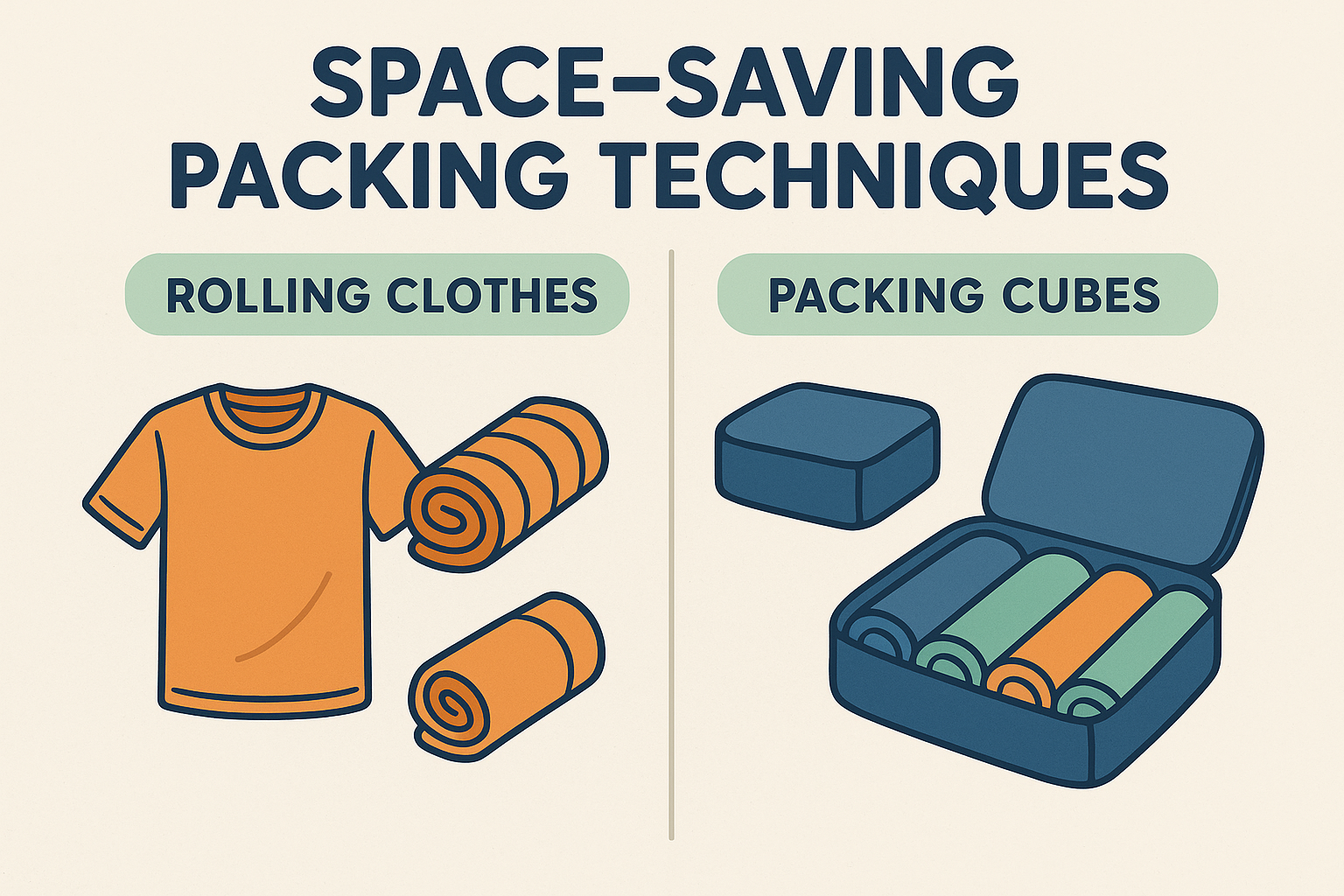
Efficient packing is essential for any traveler looking to optimize luggage space and avoid overweight fees. Mastering simple packing techniques like rolling vs folding, using packing cubes, compression bags, and layering clothing can make a remarkable difference in how much you can fit in your bag.
Roll vs Fold Method: Step-by-Step Comparison
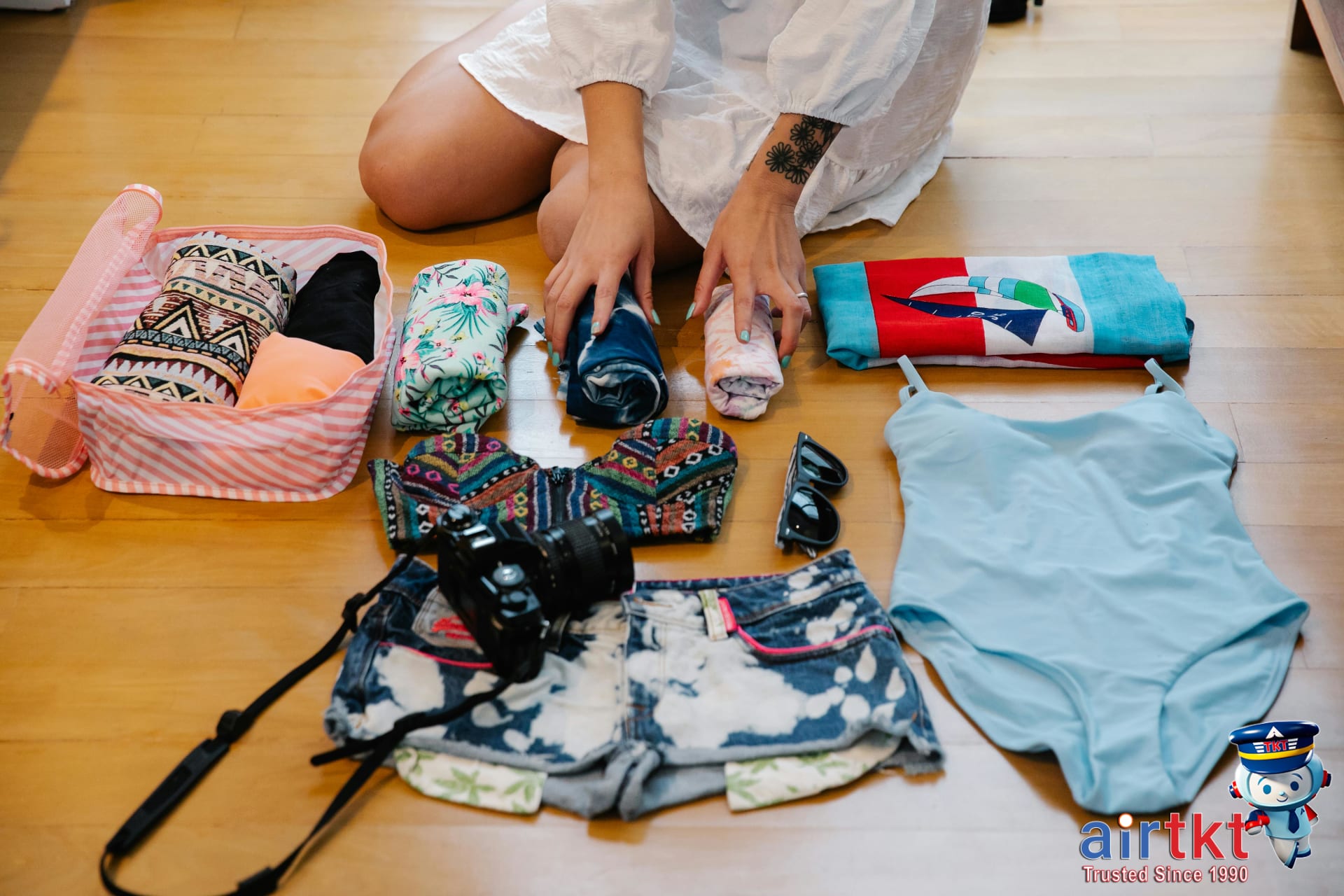
Rolling clothes helps minimize wrinkles and saves space by tightly compressing fabrics. To roll:
Lay the garment flat and smooth out wrinkles.
Fold sleeves inward if necessary.
Start rolling tightly from one end, keeping the roll compact.
Stack rolls vertically in your luggage for better space use.
Folding is traditional and suits stiffer fabrics or formalwear. To fold:
Lay the item flat and fold symmetrically to create a neat rectangle.
Stack folded items flat in layers or pile in compartments.
Pros and cons:
Rolling: Takes up less space and reduces wrinkles but can be tricky for thick fabrics.
Folding: Keeps form for dressy clothes but consumes more space and may create creases.
Use Packing Cubes to Organize Efficiently
Packing cubes compartmentalize your belongings, allowing you to separate clothing types and compress items slightly for better packing density. Recommended brands like Eagle Creek, Pro Packing Cube, and Voyagerly offer durable, lightweight, and water-resistant options.
Tips for using packing cubes:
Group items by category: tops, bottoms, underwear.
Fill cubes fully but avoid overstuffing to maintain shape.
Place heavier cubes at the bottom of your backpack or suitcase for balance.
Compress Bulky Items With Bags
Compression bags are a game-changer for bulky items like jackets or sweaters. Using vacuum-seal or manual compression bags can reduce an item’s volume by up to 50%, freeing vital space.
Benefits of compression bags include:
Protecting garments from moisture and dirt.
Maximizing luggage space for added essentials.
Organizing seasonal wear distinct from daily clothing.
Pro tip: Use compression bags for items you won’t need until your destination to avoid unpacking frequently.
Wear Layers to Lighten Your Bag
Wearing layered clothing during travel can save significant space inside your luggage. Instead of packing multiple heavy coats or bulky sweaters, layer light shirts, thermal tops, and a lightweight jacket.
Layering benefits include:
Adjusting easily to varying climates.
Reducing packed bulk, leaving room for souvenirs or extra gear.
Saving on checked luggage fees by wearing heavier pieces.
For cold-weather trips, start with moisture-wicking base layers under insulated tops, finishing with windproof outerwear on board. This strategy shrinks your bag’s footprint dramatically.
When traveling with just one bag, understanding the latest TSA regulations can save valuable time and prevent unexpected delays at security checkpoints. To ensure smooth passage, it’s essential to know the current carry-on size limits, liquid restrictions, electronics screening protocols, and which items are prohibited.
Carry-On Size and Weight Limits
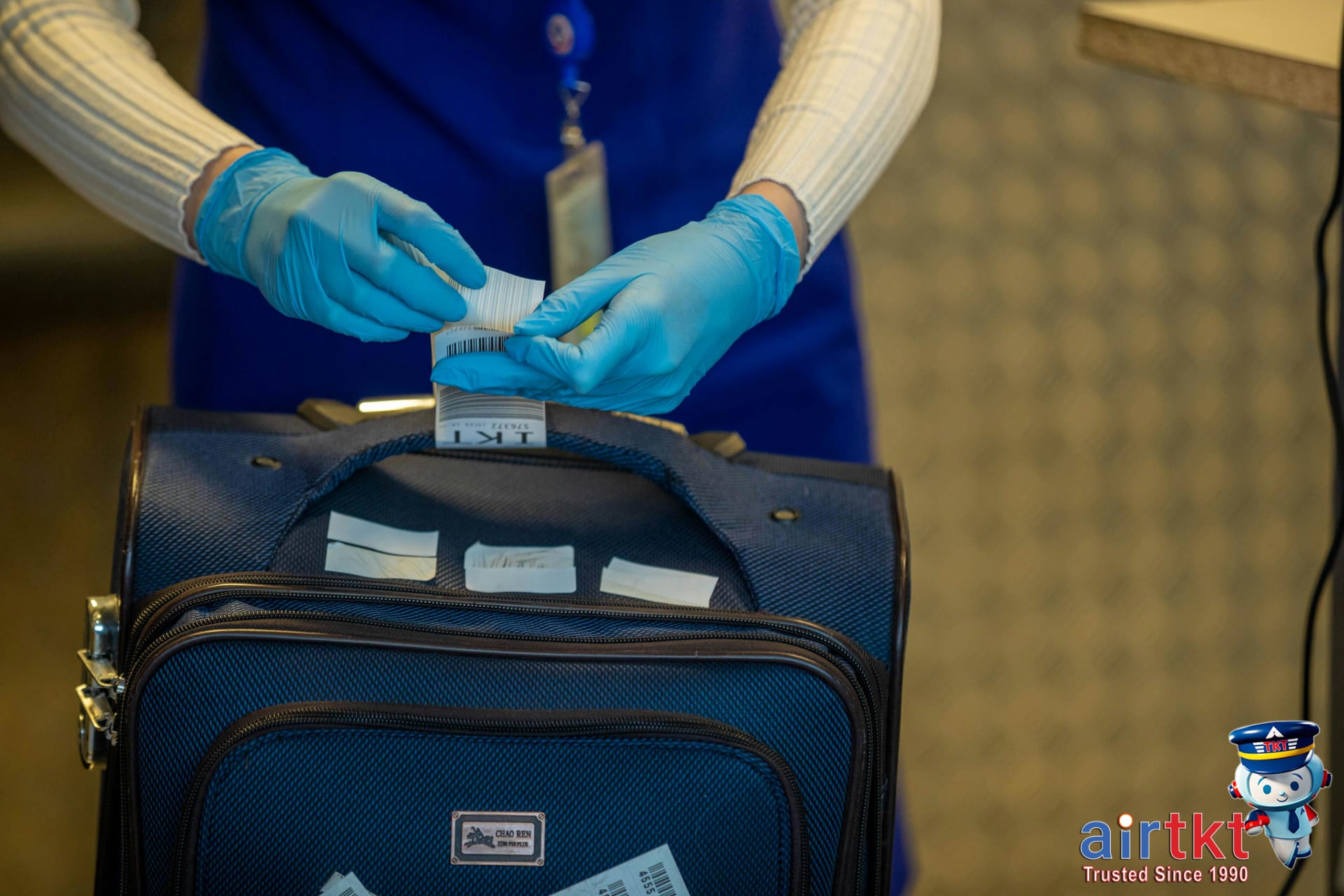
The TSA permits most travelers to bring one carry-on bag plus a personal item onboard. Officially, carry-on bags should not exceed 22 x 14 x 9 inches including handles and wheels. While the TSA does not set weight limits, individual airlines may enforce carry-on weight restrictions, typically ranging from 15 to 40 pounds. To avoid surprises, check your airline’s specific guidelines before packing.
Updated 2026 Liquid Limits and Packaging
As of 2026, the TSA continues to enforce the 3-1-1 liquids rule: each traveler may carry liquids, gels, and aerosols in containers of 3.4 ounces (100 milliliters) or less. All containers must fit comfortably within a single, clear, quart-sized, resealable plastic bag. This bag must be removed and separately screened at the security checkpoint.
Choosing the right luggage and packing it wisely can transform your travel experience, making it more comfortable and hassle-free. Whether you opt for a backpack or wheeled luggage, understanding how to balance weight and select the appropriate size is key to ease of carrying and meeting airline requirements.
Distribute Weight for Comfort
Proper weight distribution varies by bag type:
Backpacks: Pack heavier items close to your back and near the center. This alignment reduces strain on shoulders and spine, improving balance while walking. Use compartments to separate items and keep weight evenly spread.
Wheeled bags: Place heavier belongings at the bottom near the wheels, ensuring lower center of gravity. This prevents the bag from tipping and eases rolling across uneven surfaces.
Visualize packing like a balanced scale—too much weight on one side causes discomfort or instability. Adjust frequently used items towards the top or easy-access compartments for quick retrieval without unpacking.
Backpack vs. Rolling Luggage
Comparison of Backpacks and Rolling Luggage
Feature
Backpack
Wheeled Luggage
Mobility
Ideal for varied terrain, hands-free, and active travel
Best on smooth surfaces, effortless rolling, but less flexible
Comfort
Requires shoulder/back strength; can be tiring with heavy loads
Minimal physical effort; strain only when lifting
Capacity
Varies; usually more compartment options
Often more space and easier organization
Suitability
Great for outdoor or multi-location trips
Preferred for business or airport-heavy travel
Recommended Luggage Brands
Your budget and travel style guide the best brands for you:
Budget Picks:Samsonite offers durable, affordable options for rolling bags; SwissGear provides reliable backpacks with ergonomic designs.
Premium Picks:Tumi leads premium rolling luggage with high-end materials and tech features; Osprey excels in performance backpacks designed for comfort and longevity.
Choosing from trusted brands ensures robust construction and warranties, safeguarding your investment throughout your journeys.
Important: Always check your airline’s specific carry-on size and weight policies before packing to avoid surprises at the gate.
Understand Carry-On Weight Allowances
Typical carry-on weight limits range from 15 to 22 pounds (7 to 10 kg), but this varies by airline and aircraft. Budget carriers often enforce stricter policies, so verify limits on official airline websites or through your booking platform like AirTtkt.
To stay within limits, use a luggage scale and pack versatile items you can layer rather than bulk. Consider compressible packing cubes to maximize space and reduce weight.
Packing light into a single bag can simplify travel, but common mistakes often turn this convenience into a hassle. Overpacking remains the most frequent error, leading to heavy, cumbersome bags that negate the benefits of traveling light. Many travelers fill every corner with unnecessary items, forgetting that versatility and layering often replace bulk. Another common misstep is ignoring Transportation Security Administration (TSA) requirements, such as limits on liquids and prohibited items. This oversight can cause delays or force travelers to discard essentials at security checkpoints.
Poor organization also creates unnecessary stress. Without a well-planned system, important items get buried, making airport searches and daily access frustrating. Travelers often fail to use packing tools designed to maximize space and accessibility, increasing disarray.
Optimize Packing With Practical Tips
To avoid these pitfalls, start by creating a tailored packing checklist focused on essentials, weather considerations, and itinerary activities. Prioritize multi-use clothing pieces and essential toiletries, adhering strictly to TSA liquid limits—typically containers no larger than 3.4 ounces (100ml) packed within a quart-sized, clear plastic bag.
Organization is key. Use packing cubes or compression bags to separate clothing categories, keeping everything compact and easy to locate. Rolling clothes instead of folding can further maximize bag space and reduce wrinkles. Designate a specific pouch or pocket for electronics and chargers to avoid rummaging through your bag.
Pro Tip: Lay out everything you plan to bring and remove at least one-third of the items before packing.
Leverage Packing Apps and Tools
Technology can assist tremendously with efficient packing. Consider apps like PackPoint or Travel Spend, which generate customized packing lists based on destination, weather, and trip length. These tools ensure travelers don’t forget essentials and avoid overpacking.
Physical organizers are equally beneficial. Utilize lightweight packing cubes, RFID-blocking pouches, and toiletry bottles designed for travel sizes. Combining these tools with digital checklists streamlines the process, making packing quicker and more efficient.
With these strategies and tools, packing your bag becomes a stress-free routine. For flight and travel needs, always visit AirTtkt for speedy bookings and dependable support, so your trip starts smoothly before you even close your suitcase.
Answer Top Questions About One Bag Travel
Can I bring liquids in one bag and how to comply with TSA limits? Yes. You can bring liquids in your one bag, but TSA rules limit containers to 3.4 ounces (100 ml) each, all fitting in a single quart-sized, clear, resealable plastic bag. Pack this bag where it’s easily accessible for inspection to avoid delays during security screening.
What is the ideal backpack size for one bag travel? An ideal backpack for one bag travel typically ranges between 30 to 45 liters. This size strikes a balance between enough space for essentials and a compact, carry-on-friendly profile. It encourages smart packing without overloading.
When should I pack electronics for easy access during security checks? Pack electronics such as laptops and tablets near the top or in a dedicated front compartment for quick removal. This accessibility speeds up security checks since TSA often requires these items to be screened separately.
Why is weight distribution important for comfort in one bag travel? Proper weight distribution prevents strain and fatigue by balancing load evenly across your back and shoulders. Place heavier items close to your back and lighter ones near the front to maintain stability and avoid discomfort on longer treks.
How to save space with packing cubes and compression bags? Packing cubes compartmentalize your belongings, keeping items organized and compact. Compression bags reduce bulk by squeezing out excess air from clothes, making more room in your bag. Together, they maximize space and simplify packing.
Can I combine multiple chargers in one bag without overloading power outlets? Yes, you can combine chargers safely by using a multi-port USB charger or a power strip with surge protection. This reduces the number of outlets needed and keeps your electronics organized without causing overload or safety hazards.
What common TSA mistakes should I avoid to speed security screening? Avoid packed liquids exceeding limits, unorganized electronics, and hidden prohibited items. Having your quart-sized liquids bag and electronics easily accessible, removing belts and watches, and wearing easily removable shoes help prevent hold-ups during screening.
Traveling light with just one bag transforms your journey by boosting mobility and reducing travel stress. Efficient packing means less weight to carry, easier navigation through airports, and fewer checked baggage fees, leading to meaningful cost savings. When you pack smartly, you gain freedom to move quickly and adapt to changing plans without the hassle of bulky luggage.
Using a detailed checklist is essential to mastering one bag travel. It ensures you bring only what’s necessary while staying TSA compliant—avoiding delays and extra scrutiny during security checks. Strategic packing techniques, such as rolling clothes, layering items, and choosing versatile garments, maximize space and keep your bag organized.
Practicing your packing routine before each trip builds confidence and reveals opportunities to further streamline what you carry. This preparation makes the actual travel experience smoother and more enjoyable.
Important: Regularly review and adjust your packing list based on trip length, destination climate, and activities planned to maintain packing efficiency.
To complement your efficient packing strategy, explore AirTtkt for unbeatable travel deals and booking tools. Our platform simplifies finding flights, hotels, and car rentals tailored to your itinerary and budget. With features like Lazy Fare and Flexible Date Search, you can uncover hidden savings and plan flexible, affordable journeys.
By pairing smart packing with smart booking at AirTtkt, you unlock the full freedom of travel—more spontaneity, less hassle, and better value every step of the way. Make your next trip lighter, faster, and more affordable by mastering the art of one bag travel today.