
Read time: ~4 minutes
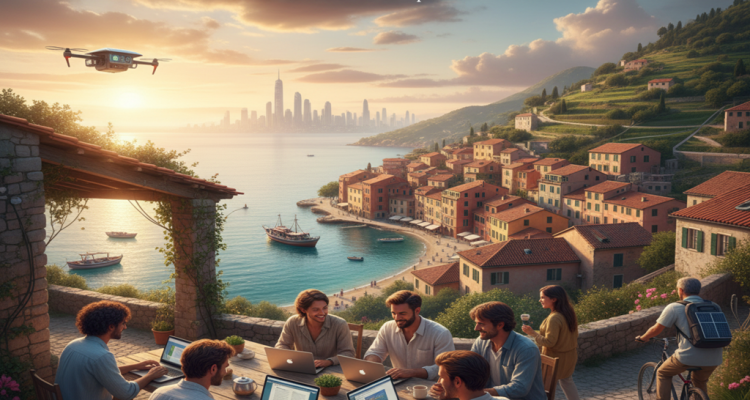
The digital nomad lifestyle has undergone a major transformation. While early nomads flocked to large tech cities like Berlin or San Francisco, the movement is now shifting toward small countries that offer affordability, natural beauty, and tight-knit communities. Remote workers increasingly seek balance over hustle—and small nations are stepping up to meet that demand.
Estonia pioneered the shift with its groundbreaking e-residency program and welcoming digital-nomad visa. Remote workers are drawn to Tallinn’s medieval charm, fast internet, and excellent work-life balance. The city’s compact size helps nomads form genuine friendships instead of getting lost in sprawling urban anonymity.
In Costa Rica, the government has introduced laws designed specifically for remote workers, offering tax incentives and easier long-stay opportunities. Nomads spend mornings working from beach cafés and evenings exploring waterfalls or learning to surf. With strong eco-conscious values, the country appeals to travelers seeking sustainable living.
Portugal, particularly Madeira and the Azores, has become Europe’s new nomad powerhouse. Co-living spaces, community events, and year-round mild weather attract professionals from around the world. Lower living costs allow nomads to enjoy a higher quality of life while building connections in relaxed island communities.
Small countries excel in one major way: they offer simplicity. Short commutes, natural landscapes, and slower rhythms reduce stress and boost creativity. Unlike megacities where the cost of living can be overwhelming, these destinations let remote workers live well without burnout.
As more governments introduce nomad visas and digital infrastructure improves globally, the movement toward smaller destinations is expected to grow. For many, the future of remote work lies not in skyscrapers—but in villages, islands, and small capitals where life feels human again.