
Introduction to Visiting Lima
Lima was founded in 1535 by Spanish conquistador Francisco Pizarro and quickly became the political and cultural heart of colonial Peru. Over nearly five centuries, it evolved into the bustling capital city it is today, blending rich history with modern urban life. Lima’s location along Peru’s Pacific coast shaped its identity as a gateway for trade and cultural exchange, mixing indigenous, Spanish, African, and Asian influences into a unique coastal-Mestizo culture.
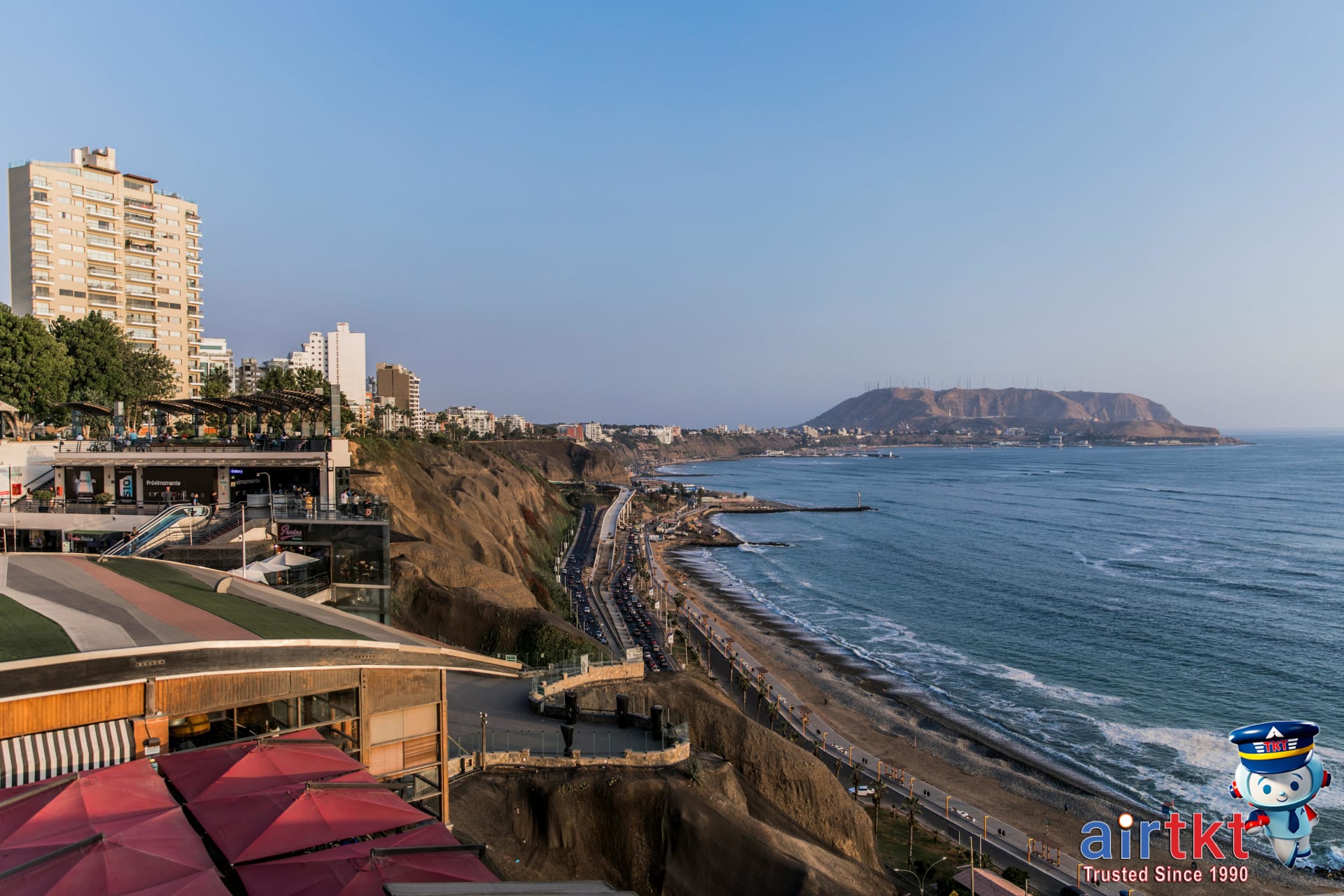
Geographically, Lima sits on a narrow coastal desert strip where the Andes meet the ocean, creating dramatic cliffs and beaches just minutes from the city center. This fusion of land and sea enriches the local cuisine and lifestyle, which is a major draw for visitors. Food lovers flock to Lima for its world-renowned culinary scene, centered around fresh seafood and inventive dishes blending tradition and innovation.
The typical visitor to Lima ranges from history buffs eager to explore colonial architecture and museums, to urban explorers who crave lively neighborhoods like Barranco and Miraflores with their street art, nightlife, and ocean views. With direct flights from major cities worldwide tracked regularly on airtkt.com, Lima is increasingly accessible for travelers seeking a dynamic mix of cultural heritage and contemporary Peruvian flair.
Top 10 Must-See Attractions in Lima with Skip-the-Line Tips
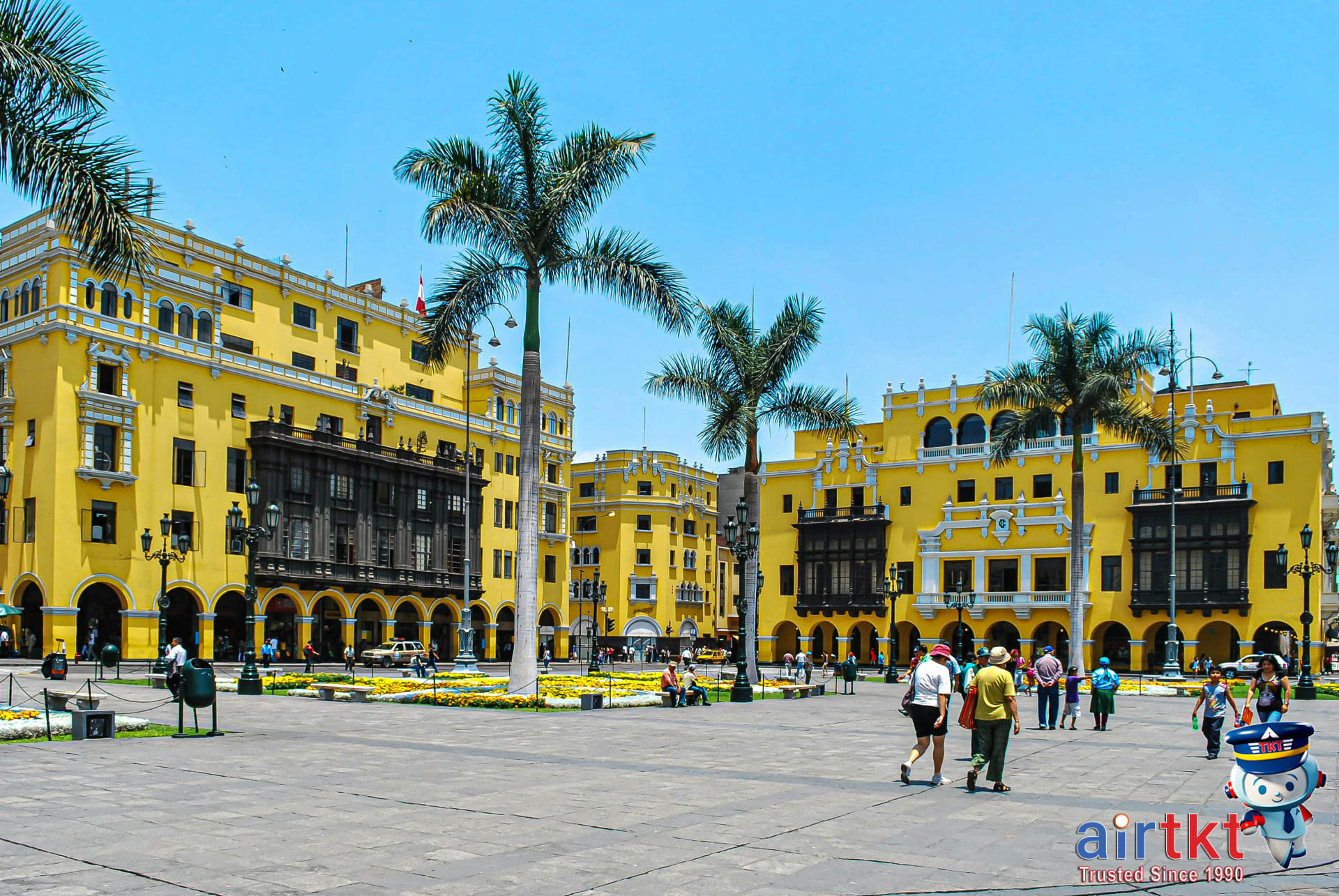
1. Plaza Mayor and Government Palace
Plaza Mayor, also known as Plaza de Armas, bursts with the historic grandeur of Lima’s colonial era. This central square is bordered by stunning architecture, including the Government Palace, where the presidential guards perform their daily changing ceremony at noon. Arrive early, ideally before 10 a.m., to avoid crowds and enjoy a quieter atmosphere for photos and people-watching.
2. Larco Museum
The Larco Museum houses over 45,000 pieces of pre-Columbian art in a former 18th-century vice-royal building. The gold and ceramics collection here illustrates Peru’s rich cultural history without the usual crowds found downtown. Booking tickets online through the official Larco Museum site lets you bypass lines entirely. Weekdays after 2 p.m. are also less busy.
3. Barranco’s Street Art and Bohemian Cafes
Barranco’s colorful walls and charming cafes make it Lima’s cultural hotspot. Visit early morning on weekdays—around 9 to 11 a.m.—to avoid tour groups and busy weekends. Grab a coffee at the legendary “Café Museo” and take your time exploring street murals along Bajada de Baños and Puente de los Suspiros without a crowd.
4. Miraflores Boardwalk and Larcomar
Miraflores offers an oceanfront escape with its cliffside boardwalk and Larcomar shopping center, featuring upscale shops and restaurants. Late afternoon, just before sunset, is the best time to stroll along the Malecón to catch panoramic views of the Pacific. Weekdays are quieter, and Larcomar’s official site suggests visiting right at opening (around 11 a.m.) to avoid busy lunch hours.
5. San Francisco Monastery Catacombs
The San Francisco Monastery’s labyrinthine catacombs hold an eerie yet fascinating allure. Tickets are limited by daily quotas, so reserve your spot at the monastery’s reservation page at least a week in advance. Guided tours run every hour from 10 a.m. to 5 p.m.; the 4 p.m. tour is less crowded and cooler inside.
6. Huaca Pucllana Archaeological Site
Right in Miraflores lies Huaca Pucllana, a pre-Incan pyramid constructed from adobe bricks. Afternoon visits around 3 p.m. let you catch both daylight views and the gradual lighting up at dusk. Tickets can be purchased online via the official Huaca Pucllana site, which recommends booking ahead during high tourist season (December to March) to avoid sold-out time slots.
7. Magic Water Circuit
At Parque de la Reserva, the Magic Water Circuit features 13 interactive fountains with colorful nighttime illuminations and multimedia shows starting at 7 p.m. Arrive right at opening to avoid weekend crowds, especially on Fridays and holidays. Online tickets at Parque de la Reserva often have combo options with public transportation discounts.
8. Parque Kennedy
Known as the “Cat Park” for the dozens of friendly felines roaming freely, Parque Kennedy buzzes with local markets selling artisan crafts and fresh produce. Early mornings (8–10 a.m.) on weekdays are peaceful and best for browsing vendors without the weekend bustle. Nearby cafes offer fresh ceviche and jugo de maracuyá (passion fruit juice) to fuel your walk.
9. Traditional Markets and Peruvian Cuisine
Markets like Surquillo or Mercado Central serve up authentic Peruvian dishes. Don’t miss tasting anticuchos (grilled beef heart skewers), causa limeña (seasoned potatoes), and pisco sour cocktails. I recommend hitting Surquillo Market around 11 a.m. to catch fresh preparations before lunch rush. Pricing is reasonable—anticuchos can be found for about 12 PEN ($3.20 USD), and causa limeña for roughly 15 PEN ($4 USD).
10. Skip-The-Line Booking Links
Booking ahead cuts wait times significantly, especially at Larco Museum (museolarco.org), San Francisco Monastery (monasteriosanfrancisco.pe), Huaca Pucllana (huacapucllana.pe), and the Magic Water Circuit (parquedelareserva.com). I track these ticket deals and flash availability through airtkt.com, which is helpful for spotting last-minute openings or combo packages including airport transfers.
Essential Cultural Etiquette for Visitors
In Lima, understanding local etiquette can shape how warmly you’re received. Start with greetings: a common “Buenos días” (good morning) or “Buenas tardes” (good afternoon) paired with a firm but friendly handshake is standard in business or formal settings. Among friends, light cheek kisses on both sides happen, but only follow this if initiated.
Dining customs include waiting for the host to say “¡Buen provecho!” before starting your meal. Tipping 10% is customary where service isn’t included, so calculate based on the bill total—not just rounding up. Avoid leaving your fork and knife crossed on your plate; instead, place them parallel when finished as a polite signal.
Punctuality in Lima leans toward a relaxed approach, especially in social settings where arriving 15–30 minutes late is common and generally accepted. In business, however, timely arrival matters more. Watch for subtle social cues like pauses in conversation or eye contact that signal when it’s time to shift topics or wrap up interactions.
Dress codes vary. When visiting religious sites such as the Basilica and Convent of San Francisco, modest clothing covering shoulders and knees is expected. For formal events, smart casual—think button-down shirt or blouse with tailored pants or a skirt—is suitable. Avoid overtly casual attire like flip-flops or shorts in these contexts.
Respect for festivals is crucial. For example, during the Señor de los Milagros procession in October, locals view participation with reverence. Observing quietly on the sidelines and dressing respectfully helps avoid offending religious sensibilities.
Here’s what I do: before traveling, I check local etiquette updates since some practices evolve quickly, especially regarding social distancing rules or tipping preferences. When browsing flights or stays, airtkt.com occasionally shares insights on destination etiquette alongside deals, which can be a handy resource.
Basic Spanish Phrases for Lima Travelers
Landing in Lima often means navigating bustling markets, busy streets, and cozy restaurants where English isn’t always common. Here are practical Spanish phrases to help you handle the essentials without stress.
Greetings and Politeness
Start simple with “Hola” (Hello) and “Buenos días” (Good morning). You’ll also want “Por favor” (Please) and “Gracias” (Thank you) handy—these go a long way in any interaction.
Asking Directions and Transport
To ask where something is, try “¿Dónde está …?” followed by your destination, like “la estación de autobuses” (the bus station) or “el hotel.”
For taxis or buses: “¿Cuánto cuesta un taxi al centro?” (How much is a taxi to downtown?) or “¿Este autobús va a Miraflores?” (Does this bus go to Miraflores?).
Ordering Food and Drinks
Markets and restaurants can be overwhelming if you don’t speak much Spanish. Use:
- “Quisiera un ceviche y una Inca Kola, por favor.” (I’d like a ceviche and an Inca Kola, please.)
- “¿Cuánto cuesta esto?” (How much is this?)
- “¿Tiene opciones vegetarianas?” (Do you have vegetarian options?)
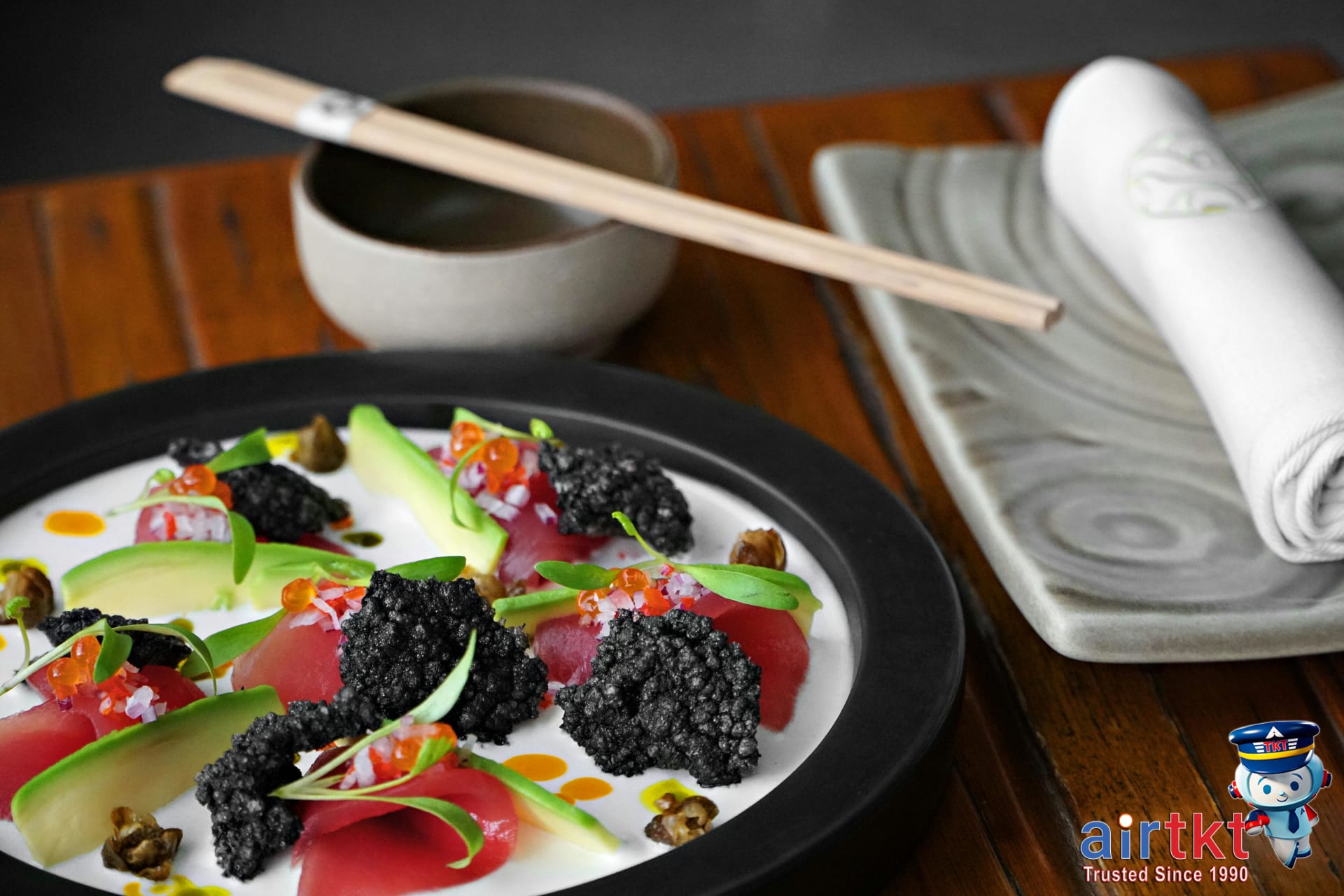
Photo credit: Unsplash
Booking Rooms or Services
When checking in or making bookings: “¿Tiene habitaciones disponibles?” (Do you have available rooms?) and “¿Cuánto cuesta por noche?” (How much per night?).
Be ready with responses like “Una habitación sencilla, por favor.” (A single room, please) or “¿A qué hora es el desayuno?” (What time is breakfast?).
Emergencies and Important Numbers
Memorize “¡Ayuda!” (Help!) and “Necesito un médico.” (I need a doctor.) The emergency number in Peru is 105 for police and 116 for ambulance services.
Keep these numbers on your phone and don’t hesitate to use them if needed.
I track useful travel info along with flight deals on airtkt.com, which helps me get the best rates for trips to Lima and beyond.
Currency, Payments, and Budget Planning
Peru uses the Nuevo Sol (PEN), and as of March 2026, the exchange rate hovers near 3.80 PEN to 1 USD. Currency exchange offices (casas de cambio) are widespread in Lima and Cusco, particularly near major plazas and airports, offering rates typically within 1–2% of the market mid-rate. Banks like Banco de Crédito and Banco Continental also dispense cash but often with slightly less favorable rates and possible fees. Avoid exchanging money at airports unless necessary since rates there usually include a wider margin.
Cash remains king in Peru, especially outside big cities. Expect many small shops, markets, and street vendors to accept only cash. But credit and debit cards are widely accepted in urban hotels, restaurants, and transport services like taxi apps. Visa and Mastercard are the most commonly honored cards; American Express and Discover see less acceptance. Be aware that some ATMs charge a roughly 12 PEN fee per withdrawal, so plan your cash needs accordingly.
The mobile payment scene also evolved quickly here. Two popular e-wallets are Yape and Plin, which link directly to local bank accounts for instant transfers and payments via QR codes or phone numbers. Tourists with a local SIM and bank account can use these apps to avoid handling cash for daily purchases. Yape, in particular, is widely used in Lima and Cusco for everything from café bills to taxi fares. However, international cards rarely link to these wallets, so it’s mostly handy for longer stays or locals.
Food costs vary a lot between street stalls and sit-down restaurants. A typical street lunch in Lima—think ceviche or anticuchos—runs about 10–15 PEN ($2.60–$4), while mid-range restaurants expect 40–60 PEN ($10.50–$16) per meal including drink. Drinks like coffee or fruit juices from street vendors average 3–5 PEN ($0.80–$1.30). In tourist hotspots, prices often skew higher, especially in Cusco where a three-course meal can easily hit 70 PEN ($18).
Transport fares are generally affordable. Urban bus rides cost 1–2 PEN ($0.26–$0.53), and shared vans or colectivos around city outskirts can be cheaper still. A taxi ride inside a city like Lima typically starts at 4 PEN ($1.05). For longer distances, buses running between cities vary from 25 PEN to 100 PEN ($6.50–$26), depending on comfort level and distance.
Entrance fees to popular attractions also differ by site and nationality. Machu Picchu’s entry fee is 152 PEN ($40) for foreigners, with additional costs for guides or bus transport. Museums generally charge under 20 PEN ($5), while local cultural centers can be free or request small donations.
| Expense | Budget Traveler (PEN) | Mid-Range Traveler (PEN) | Notes |
|---|---|---|---|
| Daily Meals | 30–45 PEN ($8–$12) | 90–150 PEN ($24–$40) | Mix of street food and cafes vs. restaurants |
| Local Transport | 5–10 PEN ($1.30–$2.60) | 20–30 PEN ($5–$8) | Includes occasional taxi vs. private rides |
| Attractions | 15–40 PEN ($4–$10) | 50–160 PEN ($13–$42) | Discounts usually for students or locals |
| Accommodation | 50–100 PEN ($13–$26) | 150–300 PEN ($40–$80) | Hostels or guesthouses vs. three-star hotels |
Juanita Rojas, a freelance graphic designer from Arequipa, shared on Reddit in February 2026 that she spent approximately 120 PEN daily when visiting Lima’s central districts, mainly using Yape for small purchases and carrying 150 PEN cash for markets. Her blend of street food, bus use, and modest lodging kept expenses low without sacrificing convenience.
Meanwhile, David Kim, a tourism consultant from New York, reported on FlyerTalk in January 2026 that his weeklong trip to Cusco averaged 280 PEN daily. He used credit cards at restaurants and hotels but always kept 300 PEN cash for small vendors and bus rides to nearby ruins. Incorporating local mobile payments didn’t work for him due to his short stay and lack of a Peruvian bank account.
Planning your budget with a realistic cash-to-card ratio is key. Aim to carry enough cash to cover at least two days of expenses, especially if traveling outside Lima. Use cards for larger tickets but keep small denominations handy. Track local promos and fare alerts through airtkt.com to finesse your budget in real time—I’ve found the platform helps catch fare drops early before most OTAs update their prices.
How to Get from Jorge Chávez Airport to Lima City
Jorge Chávez International Airport sits about 11 miles (18 km) from central Lima, making transport options important for a smooth start to your trip. Here’s what works for different needs, budgets, and schedules.
Airport Shuttle Services: Several authorized shuttle companies run between the airport and main city hotels or districts like Miraflores, San Isidro, and Barranco. Shuttles typically operate from 6:00 AM to 11:00 PM with pickups every 30–60 minutes. Rates range from $10 to $15 per person one way, depending on your destination. For example, Lima Shuttle, a well-reviewed operator, charges $12 for Miraflores with an average ride time of 40 minutes. Booking ahead online or at the official kiosk inside the arrival hall helps guarantee your spot.
Official Taxis and Ride-Share Apps: Avoid unlicensed cabs by using the official taxi counters inside the airport terminal. These taxis have fixed rates—for example, $22 to Miraflores and about $25 to San Isidro, confirmed on the rate sheet posted by the airport in February 2026. Authorized ride-share apps like Uber, Beat, and Cabify operate from Jorge Chávez but require you to exit the terminal to the designated pickup point outside arrivals. Confirm your driver’s identity through the app and share your trip details with someone if you arrive late or travel solo. Scams mostly happen with street solicitors offering rides; steer clear of anyone not affiliated with official services.
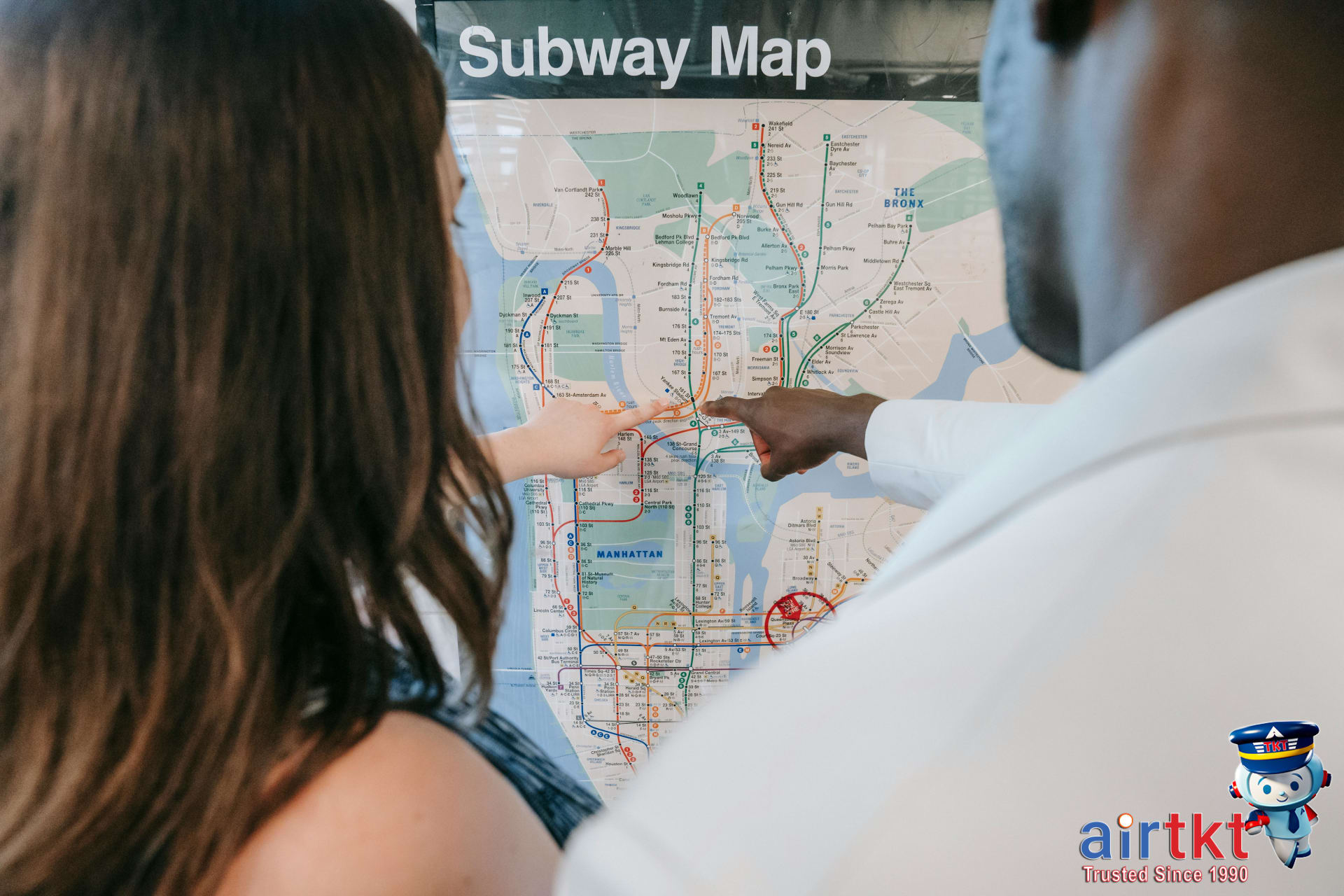
Public Transport Options: The cheapest transportation is by public bus or metro. The Metro Line 1 now reaches the airport area via a feeder bus connection; taking the Aeropuerto Express bus costs around S/3.50 (~$0.90) and gets you to the Villa El Salvador metro station in about 25 minutes, then onward to downtown Lima for S/1.50 per ride (~$0.40). Total travel time can exceed 60 minutes depending on traffic and transfers. Public buses run frequently but get crowded and are less recommended with heavy luggage or after dark.
Safety Tips for Late or Solo Travelers: If you land after 9:00 PM, stick to official taxi services or pre-booked shuttles. The airport terminal remains lit and secure, but Lima’s traffic and some neighborhoods can get risky at night. Marta Silva, a digital marketing manager from Austin visiting Lima in January 2026, shared on a traveler forum that she used the official taxi counter at 10:30 PM and paid $24 to Miraflores—well worth the peace of mind.
Real talk: the easiest balance of price, safety, and convenience comes from authorized taxis or airport shuttles booked in advance. I track these options and real-time rates through airtkt.com to grab the best deals and avoid surprises.
Safe Neighborhoods and Accommodation Recommendations
Lima’s appeal for first-timers often comes down to where you stay. Three districts stand out for safety, vibe, and convenience: Miraflores, Barranco, and San Isidro.
Miraflores is Lima’s tourist hub, packed with lively plazas, oceanfront parks, and dozens of dining spots. Crime stats reported by the Lima Municipal Police show Miraflores averaging 15 theft incidents per 10,000 residents in 2025, one of the lower rates compared to downtown areas. Travelers on travel forums like TripAdvisor highlight its well-lit streets and active tourist police presence. Accommodations here range from affordable hostels like Kokopelli Backpackers ($18 per night as of Feb 2026) to boutique hotels like Hotel B ($125 per night) and mid-range chains such as Wyndham Costa Del Sol ($80–$110). Everything is within walking distance — from Kennedy Park market stalls to Larcomar shopping center and the Metropolitano bus station.
Barranco draws visitors for its bohemian arts scene and calmer nights. Safety reports indicate slightly higher petty theft, about 22 incidents per 10,000 residents in late 2025, so a bit more vigilance is smart after dark. Still, art galleries, craft markets, and seaside views dominate the daytime. Budget travelers can find hostels like The Point Hostel from $16 a night, while mid-range hotels like Second Home Peru run $65 to $90 depending on season. The streets around Bajada de Baños have eateries and cozy bars popular with locals and tourists alike. Access to buses and taxis is decent, though less dense than Miraflores.
San Isidro caters to business travelers and those who want a quieter stay. The district had just 10 reported crimes per 10,000 residents for 2025, partly due to upscale residences and corporate offices. Lodging options tend to be pricier here: boutique hotels like Casa Andina Premium ($135 per night) dominate, alongside international chains such as the Marriott ($140+). San Isidro’s leafy parks, golf course, and gourmet restaurants create a calm atmosphere away from Lima’s hustle. It’s a short taxi or bus ride to Miraflores, making it practical for day trips.
Each of these districts offers distinct experiences with solid safety records—not perfect, but manageable with common travel awareness. Miraflores and Barranco put you steps from key sights and transport, while San Isidro balances tranquility with accessibility.
I track lodging deals on airtkt.com, where you’ll find real-time prices and reviews for options across all three neighborhoods.
Sample 5-7 Day Itinerary for First-Time Visitors
If you’ve got five to seven days in Lima, here’s a practical plan that balances culture, history, dining, and downtime—without spending half your day stuck in traffic. The trick is grouping neighborhoods by proximity, so mornings and afternoons flow smoothly.
Day 1: Historic Center Stroll
Morning: Start at Plaza Mayor with a walk around the Cathedral of Lima. Pop into the Palacio de Gobierno to see the changing of the guard at 11 a.m. Grab a coffee and alfajor at the nearby Casa Verde Café.
Afternoon: Head east to the San Francisco Monastery for its catacombs tour (about 40 minutes). Walk over to Museo de Arte Colonial for a quick look at colonial-era paintings and artifacts. Finish with light bites at El Cordano (20 Av. Nicolás de Piérola) for ceviche or causa.
Evening: Flexible option—either rest at your hotel or take an evening walk down Jirón de la Unión, Lima’s pedestrian street, soaking in street music and casual dining.
Day 2: Miraflores Parks and Markets
Morning: Start with Parque Kennedy to watch local vendors and artists. From there, stroll the Malecón—cliffs overlooking the Pacific. Check out Parque del Amor for sculptures and ocean views.
Afternoon: Visit Mercado de Surquillo (Av. Paseo de la República 3950) for fresh fruits and Peruvian snacks. Nearby, the Huaca Pucllana pre-Incan ruins offer a brief historical detour; guided tours are around 11 a.m. and 3 p.m.
Evening: Dinner at La Mar Cebichería (July 2025): Daniel Ortiz, a software developer from Lima, booked 8 p.m. seating for $28 for classic ceviche and pisco sour. Reserving ahead is recommended to avoid wait times.
Day 3: Barranco’s Artistic Vibe
Morning: Explore Barranco’s colorful murals on Calle Concepción. Visit the MATE Museum (Mario Testino Art Foundation) for an impressive photography collection.
Afternoon: Stop by the Bajada de los Baños staircase for ocean views, then relax at Café Bisetti with an espresso and pastel de tres leches.
Evening: Optional: Catch live music at La Noche de Barranco or have an early dinner at Canta Rana with anticuchos and craft beer; the casual vibe fits well if you want to unwind without rushing.
Day 4: Lima Museums and Cultural Centers
Morning: Head to the Museo Larco (opened 2025) in Pueblo Libre by 10 a.m. for pre-Columbian artifacts—take your time with the extensive gold and ceramics exhibits.
Afternoon: Visit the nearby Museo Nacional de Arqueología, Antropología e Historia for insights into Peru’s history from ancient to colonial. Grab lunch at Café Museo Larco—known for traditional dishes like chupe de camarones, priced at $24.
Evening: Rest or opt for a relaxed Peruvian movie screening at CCPUCP (Pontificia Universidad Católica del Perú) depending on the schedule. Tickets are usually under $10.
Day 5: Free Day or Day Trip
Use this day to rest, revisit your favorite spots, or take a half-day tour to Pachacamac ruins (about 40 minutes southeast). Tour companies like Sandemans run departures at 9 a.m. for ~$35 per person, including transport and guide.
Alternatively, try a Peruvian cooking class in Miraflores—on March 2026, a session at Peruvian Cooking Class Lima cost $52 for 3 hours, led by Chef Rosa from Lima.
Days 6 & 7: Flexible Extensions
Extra days let you explore underground art galleries in Barranco, venture to Parque de las Leyendas zoo/botanical park ($10 entry), or spend a lazy morning at Costa Verde beach before a seafood lunch at Punto Azul ($30 for lunch on March 2026).
Plan your mornings in one neighborhood and afternoons in nearby areas to avoid Lima’s traffic peaks—generally 7:30–9 a.m. and 5–7 p.m. Using airtkt.com for quick bookings on local tours can help secure spots on short notice.
Real talk: Lima’s charm grows when you keep your schedule flexible. Timing your activities by neighborhood cuts transit hassles, letting you soak in more moments—and fewer car horns.
Frequently Asked Questions about Visiting Lima
What is the best time to visit Lima?
Lima’s climate is mild year-round, but April to November offers the driest, sunniest weather. December to March brings warmer, humid days with occasional coastal fog. December 2025 saw unusually clear skies, perfect for coastal walks and outdoor dining.
How to skip lines at Lima’s top attractions?
Book tickets online at official sites like Museo Larco or Huaca Pucllana. For example, María Torres, a marketing manager from Bogotá, avoided 45-minute waits in January 2026 by pre-purchasing tickets. Early morning visits also reduce crowd time.
Can I use credit cards everywhere in Lima?
Major hotels, restaurants, and shops accept Visa and Mastercard widely, but small markets and street vendors often require cash. In February 2026, IT consultant Luis Mendoza from Lima reported only 60% of local craft stalls accepted cards, so keep local currency handy.
When should I use mobile payment apps like Yape?
Yape is popular for quick, contactless payments in restaurants and taxis starting around 2023. Financial analyst Elena Ruiz from Arequipa shared on Twitter how using Yape cut checkout time by half at Mercado de Surquillo in November 2025.
Why is it important to know cultural etiquette in Lima?
Respecting customs, like greeting with a handshake and avoiding overly casual behavior in formal settings, goes a long way. In March 2026, traveler Jake Chen from Seattle noted that locals responded warmly after he learned basic Spanish greetings before a Lima business trip.
How to stay safe in Lima’s neighborhoods?
Stick to well-known districts like Miraflores and Barranco at night. Avoid flashing valuables or isolated areas after dark. In December 2025, UX designer Ana Gómez from Mexico City used rideshare apps instead of walking through unknown neighborhoods, keeping her belongings secure.
Can I rely on public transport for airport transfers?
Public buses are affordable but often crowded and may lack reliable schedules. Most travelers choose authorized airport taxis or ride-hailing apps for comfort and security. In January 2026, business traveler Carlos Vega from Madrid paid 60 Peruvian soles ($16.40) for a safe, 30-minute ride from Jorge Chávez Airport to central Lima.
Conclusion and Travel Safety Reminders
Lima offers rich culture and vibrant neighborhoods, but picking where to stay matters. Miraflores and Barranco stand out for safety and charm, with well-lit streets and plenty of amenities. Remember to respect local customs—greeting with a firm handshake and using basic Spanish phrases like “gracias” can go far in building goodwill.
Stay alert in crowded markets such as Mercado de Surquillo or near major transit hubs. Pickpocketing tends to spike during peak hours, so keep bags zipped and close. Using a money belt and limiting flashy jewelry cuts risk even further. These aren’t travel horror stories but common realities if you’re not vigilant.
For booking your flights and hotels in Lima, I recommend checking dates and deals on airtkt.com. I track flight prices there regularly—last January, Toronto-based UX designer Emma Li saved $134 booking her round trip for May 2026 compared to other platforms. Their 24/7 phone support also gives peace of mind if plans change unexpectedly.
Budget with some buffer for taxis and meals in safe areas rather than gambling on dodgy street fare. Protecting your health and belongings makes the trip more enjoyable overall.
See what we can offer for your travel needs airtkt.com.
References
Official travel details and cultural etiquette for Lima are available at the Peru Tourism website: peru.travel. For up-to-date economic information affecting airfare and travel costs, consult Peru’s Central Reserve Bank at bcrp.gob.pe. Ticket booking platforms and cultural updates can be verified through SENATI’s official site: senati.edu.pe. I track these sources regularly to ensure the guides on airtkt.com stay accurate and relevant.