

Introduction to New York City as a Premier Travel Destination
Few cities in the world evoke as much excitement and allure as New York City, a global powerhouse that consistently ranks among the top international travel destinations. With its towering skyline, rich history, and electrifying pace, NYC magnetizes millions of visitors each year who seek an unforgettable urban adventure. From the gleaming lights of Times Square to the tranquility of Central Park, the city pulses with an energy fueled by diversity, culture, and innovation.
One of New York’s greatest strengths lies in its multicultural fabric. More than 800 languages are spoken here, making it one of the most linguistically diverse cities worldwide. This vibrant mosaic is reflected in neighborhoods uniquely shaped by immigrant communities—think Chinatown’s lantern-lit streets, the colorful murals of Harlem, or the Italian authenticity of Little Italy. Each borough offers a distinct flavor, inviting travelers to explore a kaleidoscope of traditions, cuisines, and art forms.
Iconic landmarks anchor this dynamic metropolis, from the Statue of Liberty’s steadfast symbol of freedom to the historic charm of the Brooklyn Bridge and the soaring views atop the Empire State Building. These sights are just the beginning of what NYC has to offer. Art lovers flock to world-class institutions like the Metropolitan Museum of Art and MoMA, while theater enthusiasts converge on Broadway’s vibrant stages. The city’s cultural heartbeat beats strongest in its ever-evolving neighborhoods, bustling markets, and eclectic dining scenes.
This guide is designed with both first-time visitors and seasoned travelers in mind, offering a comprehensive and budget-conscious approach to discovering New York City. Whether you’re planning your initial visit or returning to delve deeper, this resource provides practical advice to navigate the city smartly without breaking the bank—from choosing the best transit options to uncovering affordable dining and lodging.
In the sections ahead, you can expect detailed coverage of NYC’s must-see attractions, neighborhood highlights, insider tips on public transportation, savvy budgeting strategies, and hidden gems that only locals know. Our goal is to empower you to experience New York’s urban excitement fully and affordably, making every visit not just memorable but accessible.
Must-See NYC Attractions: Iconic Landmarks and Planning Tips
New York City is packed with iconic landmarks that are must-visits for any traveler. To make the most of your time, it’s essential to understand each attraction’s highlights, plan your visit strategically, and group sites geographically to maximize sightseeing efficiency. Below, you’ll find detailed overviews of five quintessential NYC landmarks alongside practical tips for a comfortable experience.
Statue of Liberty
The Statue of Liberty, a symbol of freedom and democracy, stands proudly on Liberty Island in New York Harbor. Visitors can explore the statue’s pedestal, museum, and—if tickets are available—the crown with its panoramic views. Ferries depart from Battery Park in Manhattan, and it’s best to book tickets well in advance, especially for crown access, which is limited and often sells out quickly. The National Park Service manages official ticketing, so sourcing your passes directly there ensures legitimacy and avoid inflated resellers. Early morning departures help avoid crowds, and the ferry offers accessible boarding, making it friendly for visitors with mobility needs.
Times Square
Renowned as the “Crossroads of the World,” Times Square dazzles with its massive LED billboards, bustling sidewalks, and nonstop energy. It’s free to explore, making it a budget-friendly stop day or night. The best time to visit is during the early evening when lights brighten but crowds have not yet peaked. For photo opportunities, arrive on weekdays to dodge tourist clusters. While Times Square itself is accessible, nearby subway stations also support wheelchair users, easing transit in and out of this hotspot.
Central Park
Spanning 843 acres, Central Park offers a green oasis amid the urban buzz. Highlights include Bow Bridge, Bethesda Terrace, the Central Park Zoo, and scenic walking or biking trails. Free to enter, the park invites flexible itineraries ranging from leisurely strolls to picnics. For families or those with mobility concerns, accessible entrances and shuttle services are available. Visit early morning or late afternoon to enjoy serenity before the midday crowds appear. Group your Central Park visit with nearby museums like The Metropolitan Museum of Art for a full cultural day in Uptown Manhattan.
Empire State Building
The Empire State Building remains one of NYC’s most famous skyscrapers, offering observation decks on the 86th and 102nd floors with breathtaking city views. Purchasing tickets online ahead of your visit not only secures entry but can often include timed-entry options to minimize wait times. Early mornings or late evenings are ideal for lower crowd levels. Accessibility is well-implemented, with elevators and designated viewing areas for guests with disabilities. Combine this visit with a walk through Koreatown or Bryant Park nearby for a varied Manhattan itinerary.
The Metropolitan Museum of Art
As one of the world’s largest and most reputed art museums, The Met houses a comprehensive collection from ancient to modern times. Tickets can be purchased online to avoid entrance lines. The museum’s timed-entry system helps maintain a comfortable visitor flow, so plan your visit accordingly—midweek mornings tend to be less crowded. The Met offers accessible services including wheelchairs and elevators. Positioning The Met alongside a stroll through Central Park or the nearby Guggenheim Museum can create a rewarding day of art and nature in Upper East Side.
Optimal Itinerary Planning Tips
To make your sightseeing seamless, group attractions by neighborhood:
- Lower Manhattan: Statue of Liberty and the nearby Financial District.
- Midtown: Times Square and Empire State Building are within walking distance, easily combined for a vibrant day.
- Upper Manhattan: Central Park and The Met offer a calm, cultural day, perfect for pairing with a museum or leisurely park exploration.
Purchasing tickets online is paramount to avoid sold-out situations or long queues. Many landmarks offer timed-entry passes, which help you select the best window based on your schedule. Visit early in the day or later in the afternoon to dodge the peak tourist crush. Also, confirm accessibility options in advance if needed, ensuring your visit is comfortable. Following these strategies adds flexibility and makes the most of your New York City adventure.
Exploring New York Neighborhoods: Culture, Cuisine, and Transit Access
Brooklyn: Vibrant Culture and Culinary Innovation
Brooklyn is a dynamic borough renowned for its artistic energy, diverse communities, and eclectic dining scene. Williamsburg, a hotspot for creatives, offers trendy cafes and artisanal food markets, while DUMBO combines stunning waterfront views with cutting-edge eateries. Must-try dishes include classic New York-style pizza from local pizzerias, innovative farm-to-table dishes, and the borough’s famous lobster rolls. Brooklyn’s rich history is reflected in landmarks like the Brooklyn Bridge and the historic Brownstone-lined streets of Bedford-Stuyvesant.
Catch the Brooklyn Flea Market on weekends to experience local crafts and delicious street food. Visitors can easily access Brooklyn via the L train to Williamsburg or the ferry from Manhattan for scenic transit. Walking is enjoyable in many parts of Brooklyn, especially along the Brooklyn Heights Promenade, which offers panoramic views of Manhattan’s skyline.
Harlem: A Center of African American Heritage and Soul Food
Harlem stands as a historic epicenter of African American culture, arts, and music. Home to the iconic Apollo Theater, the neighborhood pulses with vibrant jazz clubs, galleries, and soul food restaurants. Staples like fried chicken, collard greens, and cornbread define the culinary scene here, with spots like Sylvia’s serving authentic Southern fare.
Visitors can explore the Studio Museum, St. Nicholas Park, and attend live performances that celebrate Harlem’s legacy. Getting here is straightforward via the 2, 3, A, B, C, or D subway lines. The neighborhood’s compact layout encourages walking tours that uncover street murals and historic brownstones, providing an immersive cultural experience for both newcomers and returning guests.
Manhattan’s East Village: Bohemian Spirit and Global Flavors
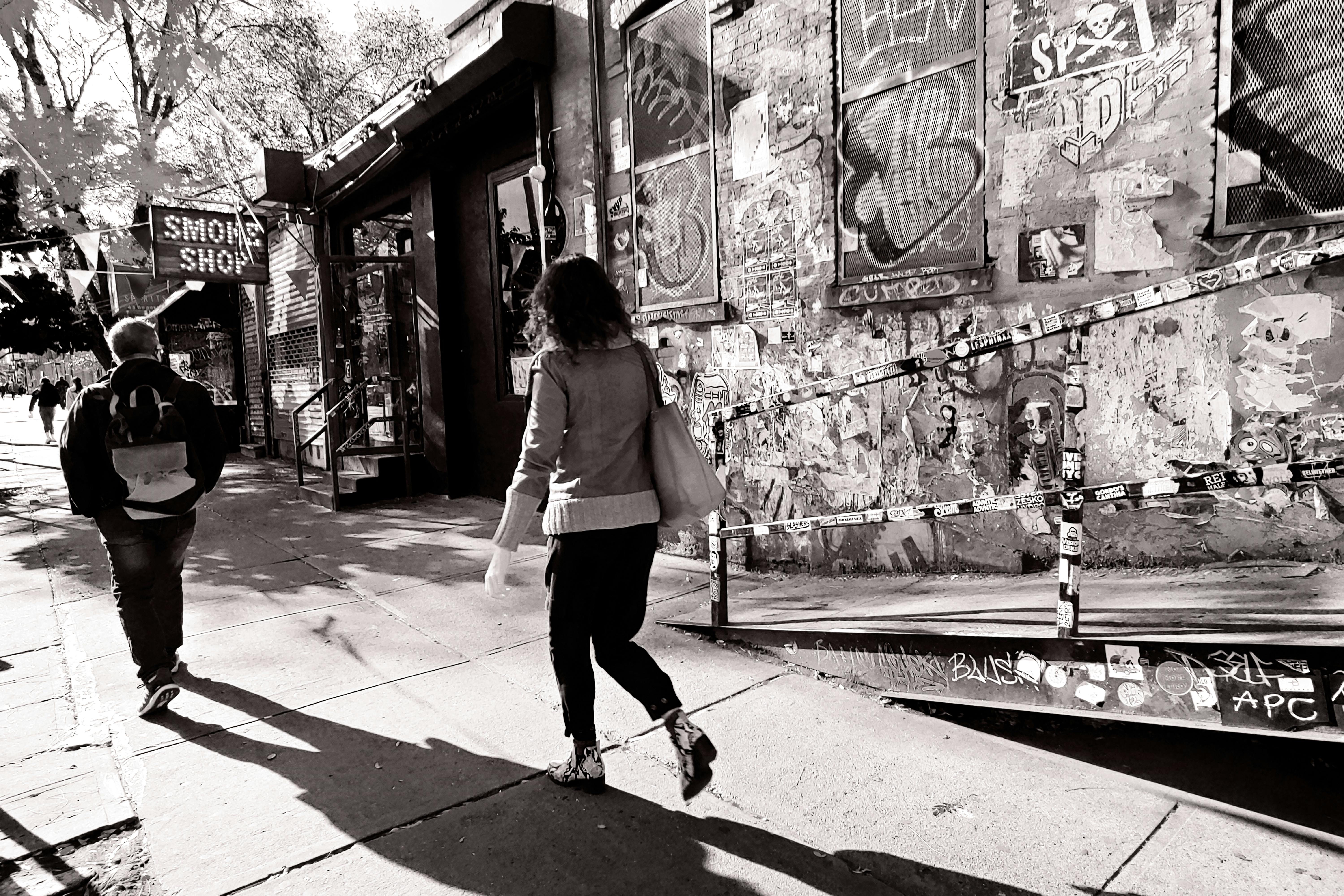
The East Village is famed for its bohemian roots, vibrant nightlife, and a smorgasbord of international cuisines. From authentic Ukrainian dishes on East 7th Street to Japanese ramen and Mexican taquerias, this neighborhood is a haven for adventurous foodies. Its streets echo the history of counterculture movements and punk rock, visible in graffiti art and longstanding music venues like the Bowery Ballroom.
Cultural exploration in the East Village can include visits to the colorful St. Mark’s Place and the various small art galleries scattered around. The neighborhood is easily accessible via the L train to 1st Avenue or the 6 train to Astor Place, with many areas best explored on foot to soak in its eclectic charm.
Lower East Side: Historic Roots and Contemporary Cool
The Lower East Side blends rich immigrant history with a contemporary edge, famous for its preserved tenement buildings and buzzing food scene. This area was once a melting pot for Jewish, Italian, and Irish immigrants, with remnants visible in cultural landmarks like the Tenement Museum. Today, the neighborhood is a culinary hotspot boasting everything from traditional deli sandwiches to upscale gastropubs and trendy dessert bars.
Visitors often enjoy the vibrant nightlife, live music venues, and street art installations offering an authentic urban experience. The Lower East Side can be reached via the F, J, M, or Z trains, with Essex Street Market providing a convenient and lively starting point for food tours. Walking throughout the neighborhood is highly recommended to fully appreciate its unique blend of history and contemporary urban culture.
Getting Around and Immersing in Neighborhood Culture
Each neighborhood in New York offers distinct transit advantages, from subway lines that thread through the city to scenic ferry rides connecting boroughs. For first-timers, using a subway map app can simplify navigating between these neighborhoods, while returning visitors may choose to explore by bike or on foot to capture a more intimate perspective.
To immerse yourself fully, consider aligning your visit with local events such as street fairs in Brooklyn, live jazz nights in Harlem, food festivals in the East Village, or art walks on the Lower East Side. Engaging with local businesses, attending community performances, and sampling regional specialties provide an authentic feel that transcends typical tourist experiences. This cultural approach enriches your understanding and enjoyment of New York’s unique neighborhoods.
Navigating NYC Transit: Subway, Buses, Ferries, and MetroCard Tips
New York City’s public transportation system can seem daunting at first, but understanding how its subway, buses, and ferries work will open up the entire city to you efficiently and affordably. Especially for first-time visitors, mastering these transit options along with the MetroCard payment system is key to seamless travel across the five boroughs.
The Subway System: Your Fastest Route Through the City
The NYC subway network is one of the largest and most extensive urban rail systems in the world. It operates 24/7 and includes 472 stations served by 27 lines, identifiable by letters or numbers. Trains run frequently—every 2 to 12 minutes depending on the line and time of day. The subway is generally the fastest way to get around Manhattan, Brooklyn, Queens, the Bronx, and parts of Staten Island.
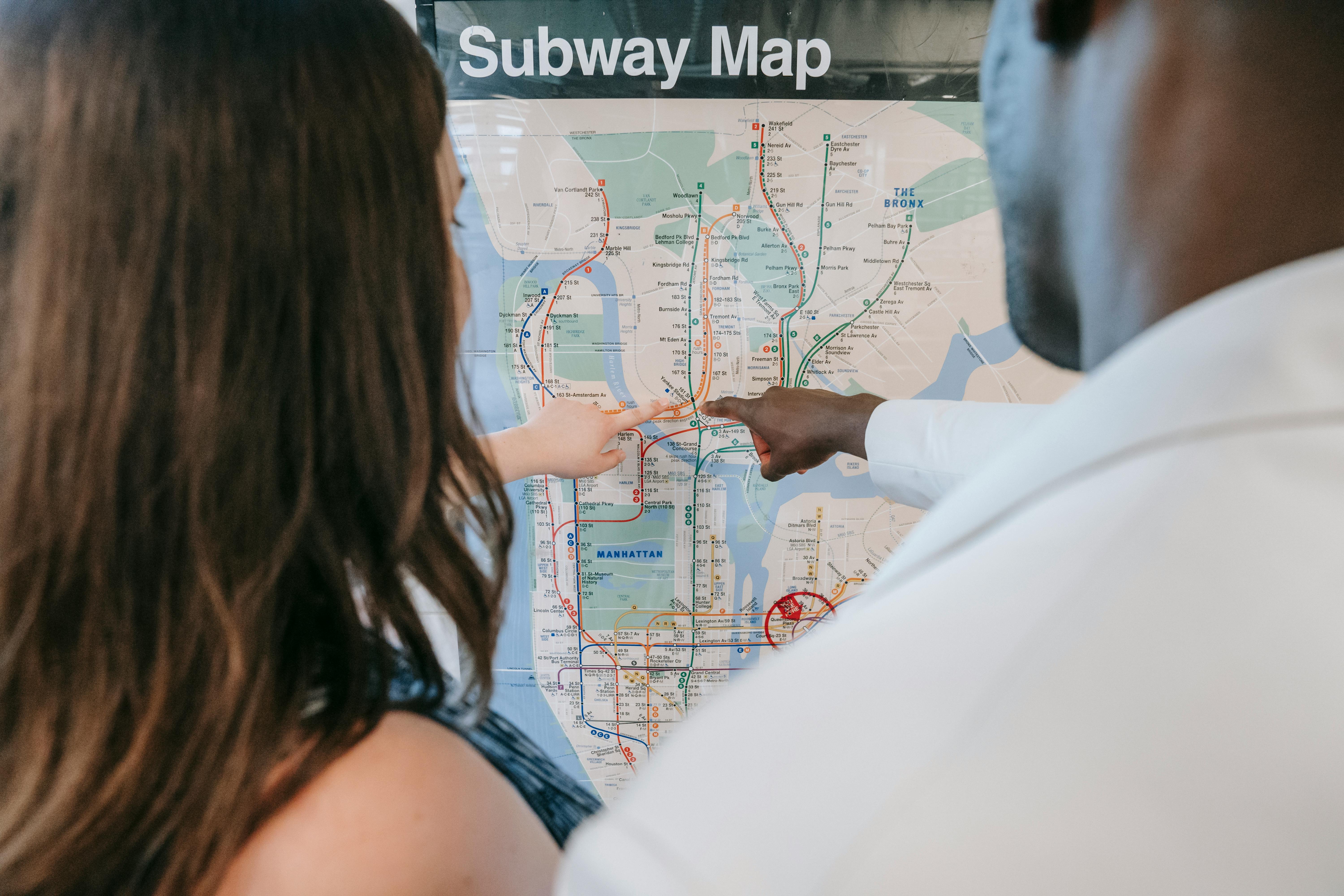
Stations often have multiple entrances and exits, so look for clear signage and maps available inside. When reading subway maps, note that express trains skip some stops while local trains serve every station, making local trains better for short distances or neighborhood travel. To enter, simply swipe your MetroCard or tap your OMNY contactless payment at the turnstile.
Bus Routes and Ferry Services: Hidden Gems in NYC Transit
Buses complement the subway by serving areas where train coverage is sparse. Routes cover the city extensively, offering surface-level views of neighborhoods and landmarks. Most buses take MetroCards or OMNY payments upon boarding through the front doors—have your card or device ready.
NYC Ferry has grown into a popular travel option connecting Manhattan with Brooklyn, Queens, the Bronx, and Staten Island waterfronts. Ferries are comfortable, scenic, and less crowded, offering a different perspective of the city skyline. They accept MetroCards and have their own pass options.
MetroCard System: Costs, Passes, and 2024 Fare Updates
The MetroCard remains the primary fare payment tool for buses and subways as of early 2024, though OMNY—a contactless system using smartphones and credit cards—is gaining ground. The base subway or bus ride costs $2.90 per trip, a slight increase from previous years per the latest MTA update.
For frequent riders, unlimited ride MetroCards offer great value:
- 7-Day Unlimited Card: Costs $34 and allows unlimited subway and local bus rides for seven consecutive days from first use.
- 30-Day Unlimited Card: Costs $132 and suits longer stays or daily commuters.
Pay-per-ride MetroCards can be refilled with any amount between $5.50 and $80. Note that single-use tokens are no longer accepted. Remember to check your card balance before travel to avoid delays at turnstiles.
Using Transit Apps for Real-Time Information and Planning
Real-time updates, trip planning, and service advisories are essential for smooth journeys. The official MTA website and the “MYmta” mobile app provide live train and bus arrival times, service alerts, and route planners tailored to your travel needs. Other popular apps like Google Maps and Citymapper offer easy-to-use interfaces with walking directions between stops, transfer options, and even fare estimates.
Using these tools lets you avoid disruptions, plan alternate routes during delays, and minimize wait times—especially useful during peak hours or weekends when maintenance works occur.
Step-By-Step Guide for Subway Entry, Map Reading, and Safety Tips
- Locate Your Nearest Station: Use maps or apps to find the closest subway entrance.
- Check Service Status: Review real-time updates for planned work or delays on your chosen line.
- Buy or Tap Fare: Get a MetroCard at station machines or use OMNY contactless payment for a quick tap-and-go.
- Enter through the Turnstile: Swipe or tap your payment method; keep your card handy after entering.
- Read the Signs: Look for direction markers (Uptown, Downtown, Brooklyn-bound, etc.) and track maps posted on the platforms.
- Board the Right Train: Confirm train line and stop announcements before boarding, especially when trains split or run express/local.
- Stay Alert and Safe: Avoid crowded cars during weekday rush hours (typically 7-10 AM and 4-7 PM). Keep belongings secure and be mindful of your surroundings. Use well-lit areas and avoid empty cars late at night.
- Exit at Desired Stop: Follow platform signs and allow passengers to disembark before boarding or exiting safely.
Budget-Saving Tips for NYC: Affordable Eats, Free Activities, and Discounts
Exploring New York City doesn’t have to drain your wallet. With a bit of insider knowledge, you can enjoy its vibrant culture, iconic food, and bustling streets without overspending. Start by tapping into NYC’s wealth of free and pay-what-you-wish museum days, where you can experience world-class art and history without the hefty admission fees. For example, the Museum of Modern Art (MoMA) offers pay-what-you-wish entry on Friday evenings, while the American Museum of Natural History relies on a suggested donation system, letting you choose what you can afford. Planning around these opportunities opens access to the city’s cultural gems without breaking the bank.
But culture isn’t limited to museums. Don’t miss free outdoor venues like Central Park, the High Line, and the Brooklyn Botanic Garden’s free admission days. These spots not only offer relaxing escapes amidst greenery but also often host free concerts, performances, and community events. Meanwhile, public markets such as Smorgasburg provide a taste of local life and diverse cuisine at affordable prices, perfect for budget travelers seeking authentic flavors.

When hunger strikes, NYC is a haven for budget-friendly eats. The city’s legendary “dollar pizza” slices, found in neighborhoods like the East Village and Midtown, deliver big flavor without bloating your bill. Some favorite spots include Prince Street Pizza and 2 Bros Pizza, both known for their crispy, saucy slices. Aside from pizza, you’ll find countless inexpensive eateries offering everything from street carts with halal platters to global fast-casual joints serving dumplings, tacos, or falafel for under $10.
To make the most of your budget, explore these options for diverse, wallet-friendly meals:
- Food trucks and street vendors scattered across busy areas.
- Ethnic enclaves like Chinatown and Jackson Heights, offering authentic dishes at local prices.
- Bagel shops and delis for classic NYC breakfast sandwiches without the fuss.
Balancing affordability and taste is easy once you know where to look.
Planning your transportation, attractions, and lodging smartly can save you even more. NYC’s city-discount cards and tourist passes—like the New York CityPASS, Explorer Pass, and Freedom Pass—offer bundled access to top sights at a fraction of the price if you plan to hit multiple attractions. These passes often include express entry and special discounts at restaurants and shops.
When comparing costs, remember that off-peak lodging</strong and meal times typically yield better deals. Hotels in boroughs like Queens or Brooklyn offer lower nightly rates while still keeping you a subway ride away from Manhattan’s highlights. Dining slightly outside tourist-heavy districts also results in significant savings.
| Category | Typical Manhattan Cost | Typical Outer Borough Cost |
|---|---|---|
| Budget Meal | $10–$15 | $7–$12 |
| Mid-range Restaurant Meal | $25–$40 | $15–$30 |
| Hotel (per night) | $150–$300 | $80–$160 |
Keep this checklist handy for an affordable, fulfilling NYC trip:
- Visit museums on free or pay-what-you-wish days.
- Explore parks and outdoor venues like Central Park, the High Line, and public markets.
- Grab dollar slices or sample street food from trusted carts.
- Consider city discount cards for multiple attractions.
- Book lodging in outer boroughs and dine in local neighborhoods.
By combining these budget-saving tactics, you can experience the best of New York City without compromising on fun, flavor, or culture. Pack your walking shoes, an appetite for discovery, and a savvy mindset to stretch every dollar in the Big Apple.
Insider Recommendations: Hidden Gems, Events, and Local Tips
New York City’s iconic landmarks draw millions of visitors each year, but some of the most memorable experiences lie off the beaten path. For travelers seeking an authentic glimpse of the city beyond the usual tourist circuit, locals swear by lesser-known sights and seasonal happenings that capture the true spirit of NYC.
Start by exploring neighborhoods that often fly under the radar. The vibrant street art around Bushwick, Brooklyn offers an open-air gallery of murals and graffiti, perfect for an impromptu photo tour. Meanwhile, Roosevelt Island provides stunning views of Manhattan’s skyline with far fewer crowds, accessible via the aerial tramway from Midtown. Food lovers should not miss the hidden gems of East Harlem, where you can find authentic Latin American eateries that rarely feature on typical dining maps.
When it comes to experiencing Broadway, smart ticket-buying can make all the difference. Locals recommend checking out the TKTS booths for same-day discounted tickets, as well as exploring apps like TodayTix, which often offer exclusive deals. For a more immersive experience, consider guided walking tours focused on Broadway history or backstage secrets—these provide fascinating context that enriches the performance.
Seasonally, New Yorkers flock to rooftop bars that come alive during warm months, such as the rooftop at 230 Fifth or Westlight in Williamsburg, where panoramic city views pair perfectly with signature cocktails. During the colder months, holiday markets at Bryant Park and Union Square transform the city into a winter wonderland, offering unique crafts and festive eats. Timing your visit around these events is a great way to experience local tradition and seasonal energy.
Mastering visitor etiquette and safety amid NYC’s hustle is essential. Avoid blocking sidewalks, especially in busy areas like Times Square, and be mindful of street performers and vendors by respecting personal space and tipping when appropriate. Keep belongings secure in crowded subway stations and tourist hotspots, as pickpocketing, while rare, can occur. The city is generally safe if you stay alert and trust your instincts, particularly after dark.
Embracing local culture means tuning into the rhythms and nuances of city life. Don’t shy away from striking up conversations in a coffee shop or joining neighborhood events, such as outdoor movie nights in summer or cultural parades. Understanding seasonal shifts—from chilly winters to humid summers—helps you pack sensibly and plan activities that match the weather and mood, ensuring a smoother, richer travel experience.
With these insider tips, you’ll move confidently beyond the tourist trail, discovering the layers of NYC that locals cherish and making your visit truly unforgettable.
Conclusion: Smart, Memorable, and Affordable NYC Travel Planning
Planning a trip to New York City can feel overwhelming, but with the right guidance and resources, it becomes an exciting approach to discovering the city’s vibrant attractions, diverse neighborhoods, efficient transit, and insider experiences — all while staying mindful of your budget. This guide has highlighted essential tips to help you navigate NYC smartly, from exploring iconic landmarks and hidden gems to understanding how to get around and manage costs effectively. By combining practical advice on budgeting and local insights, you are now equipped to create an itinerary that’s both enriching and affordable.
One of the easiest ways to bring your NYC travel plans to life is leveraging a reliable booking platform that understands your budget-conscious mindset. AirTkt stands out as an invaluable resource for securing competitive rates on flights, hotels, and car rentals, making complex travel plans simple and stress-free. With its user-friendly interface, real-time fare comparisons, and exclusive discounts, AirTkt empowers you to find the best deals without endlessly searching multiple sites. Plus, the 24/7 customer support and phone-assisted booking ensure personalized assistance whenever you need it, from initial planning through your entire journey.
Choosing AirTkt means you’re not just getting affordable options but also gaining confidence in your bookings, avoiding hidden fees, and maximizing value for every travel dollar spent. Whether you’re visiting NYC for the first time, planning a family getaway, or searching for last-minute deals, AirTkt’s streamlined platform makes the entire experience seamless and efficient.
Remember, traveling smart isn’t just about cutting costs; it’s about creating meaningful and memorable experiences that don’t break the bank. With the tips covered in this guide and the powerful support of AirTkt at your fingertips, you have everything you need to plan your next New York City adventure with ease and confidence. Start exploring AirTkt today and unlock affordable travel options tailored just for you.
References and Source Links
To ensure accuracy and provide reliable information, this article references several authoritative sources trusted by travelers and industry professionals alike. For comprehensive details on New York City attractions, events, and travel planning, visit the official tourism site at NYCGO. This resource offers up-to-date guides and highlights to help you navigate the city efficiently.
When it comes to public transportation schedules, fares, and service updates, the Metropolitan Transportation Authority’s website, MTA.info, is the definitive source. It provides essential information for planning subway, bus, and commuter rail trips across the metropolitan area.
For nature lovers and history enthusiasts, official information about the Statue of Liberty National Monument and related parks can be found at the National Park Service site: nps.gov/stli. This portal offers visitor tips, historical context, and reservation options for a smooth visit.
These sources serve as foundational references to enhance your travel planning experience, ensuring you have access to verified and current data. Always consult them directly for the most authoritative and detailed information.