
Save Money with Red-Eye and Early Flights
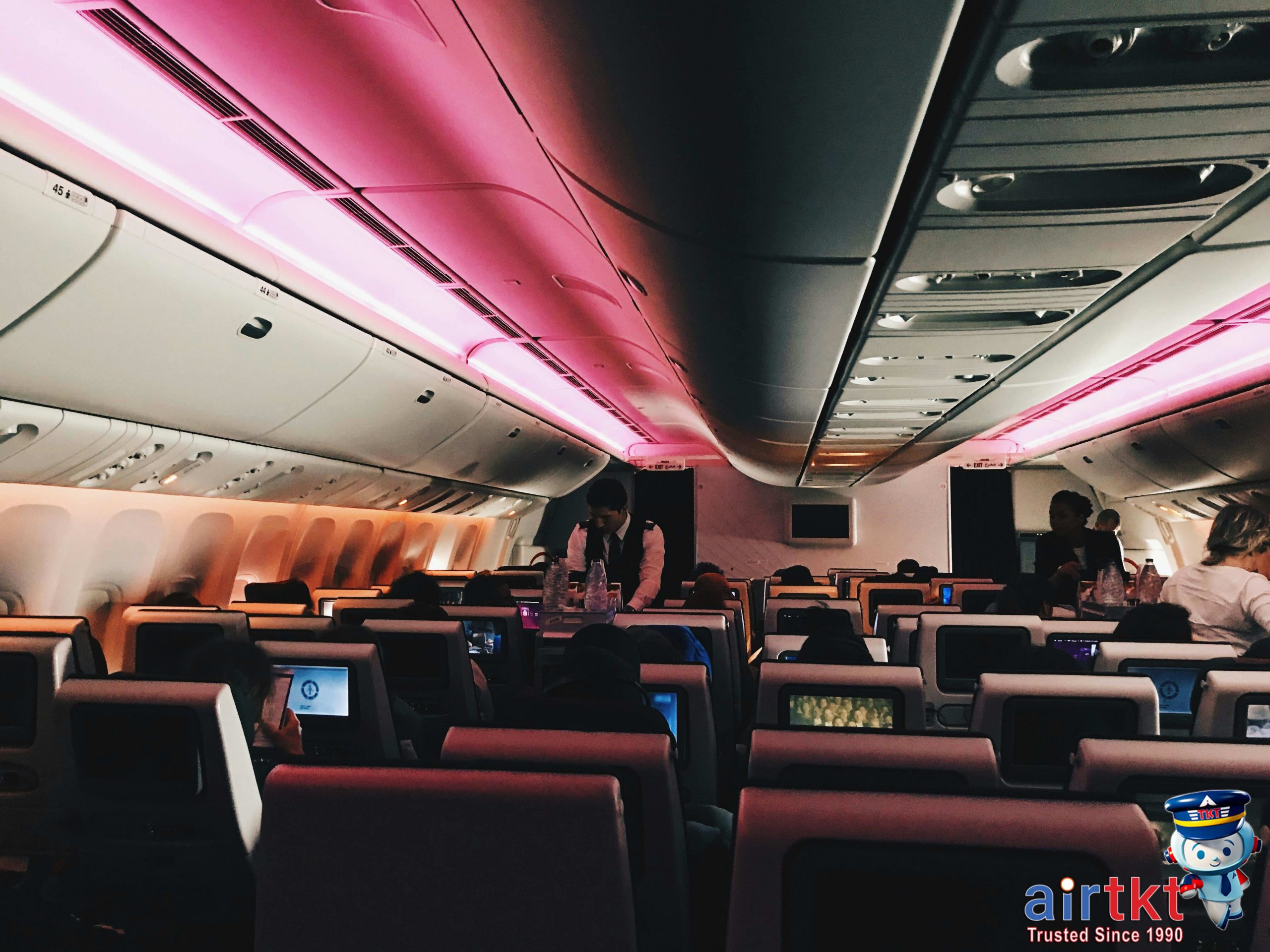
For budget-conscious travelers, choosing red-eye and early morning flights can unlock substantial savings. Red-eye flights, which depart late at night (usually between 10 PM and 2 AM), and early morning flights, often taking off just after dawn, are typically less popular than daytime slots. This lower demand translates to airlines offering reduced fares to fill seats, making these off-peak travel times ideal for those looking to stretch their travel budget.
Opting for these flights involves a trade-off between comfort and cost. While red-eye flights might mean sacrificing a regular sleep schedule and facing potential fatigue upon arrival, the financial benefits often outweigh the inconvenience. Early morning departures can also be challenging, requiring very early wake-up times and sometimes limited ground transport options. However, these flights frequently have fewer delays and less crowded airports, enhancing the overall travel experience in practical ways.
By understanding the dynamics of these off-peak flights, travelers can make informed decisions that balance comfort, convenience, and savings. This section introduces smart strategies to prepare for red-eye and early flights, helping you reduce your airfare costs without compromising too much on the quality of your journey.
When booking on AirTtkt, you can easily compare prices for red-eye and early morning flights across multiple airlines and destinations. Use these options to find deals that suit your schedule and budget, especially if your trip dates are flexible.
In the next sections, we’ll cover practical tips on how to optimize your experience during these flights, including how to handle sleep, manage airport logistics, and prepare your travel essentials. Whether you’re a solo traveler, a family, or a frequent flyer, mastering red-eye and early morning flights can open new doors to affordable, efficient travel.
Why Red-Eye and Early Flights Cost Less
Flight pricing is heavily influenced by demand patterns throughout the day, and late-night red-eye flights along with early morning departures consistently see lower fares. This happens because fewer travelers prefer to fly during these hours, prompting airlines to employ strategic discounting to maximize seat occupancy. Understanding these demand-driven pricing strategies can help budget travelers recognize prime opportunities for savings.
Passenger volume typically dips sharply between midnight and 6 a.m., often referred to as red-eye or early morning hours. Business travelers tend to schedule flights during standard morning and evening peak times, while leisure travelers generally avoid inconvenient overnight travel. This creates a surplus of available seats during off-peak hours. To counter this low demand, airlines reduce prices to attract price-sensitive flyers willing to sacrifice convenience for affordability.
Airlines use dynamic pricing engines that adjust fares based on real-time booking patterns. When a flight shows excess inventory close to departure, discounted red-eye fares are launched to fill empty seats rather than let them go unsold. This approach not only helps recover operational costs but also improves overall flight profitability by optimizing load factors.
Consider an example on a popular domestic route, say New York City to Los Angeles. Fares for typical morning flights around 8 a.m. can average $320, while red-eye flights departing before 1 a.m. may be priced as low as $220—about a 30% savings. Similarly, on an international route like London to New York, standard afternoon flights may command fares near $850, whereas red-eye options drop to approximately $650, reflecting consistent price differences across markets.
Recent Department of Transportation (DOT) data confirms this trend: average off-peak fares during the 11 p.m. to 5 a.m. window are 15-35% lower compared to peak period tickets booked on the same route. Airlines apply these variations seasonally as well; during holidays or peak travel months, red-eye discounts may narrow due to higher overall demand, whereas in shoulder seasons, these fares become even more attractive.
By catching flights during these off-peak periods, travelers can leverage airline pricing strategies designed to balance supply and demand. Using tools like AirTtkt allows passengers to easily identify and book these lower-fare options, saving money without compromising essential travel plans.
Prepare for Red-Eye Flights
Red-eye flights can be challenging, especially due to limited sleep and unfamiliar environments. However, with some thoughtful preparation, you can make the journey more comfortable and minimize the impact of overnight travel. Packing the right items and adjusting your sleep schedule beforehand can make a significant difference.
Start by packing essential travel accessories that promote rest and comfort. Eye masks are indispensable—they block out cabin lights, helping you fall asleep more easily. Noise-canceling headphones or earbuds create a peaceful sound barrier, muffling engine noise and fellow passengers. A supportive neck pillow keeps your posture aligned, reducing neck stiffness during those long hours in the seat.
Beyond comfort items, consider packaging practical essentials like a cozy blanket, a pair of warm socks, and a reusable water bottle to stay hydrated. Flight cabins can get chilly and dry, so layering your clothing and moisturizing are key to maintaining comfort throughout the trip.
Adjusting your sleep schedule days before departure can ease the transition to overnight flying. Try to shift your bedtime closer to the flight’s nighttime hours, which helps synchronize your body clock. If you can, take a short nap before heading to the airport; it prevents extreme fatigue during the flight and helps you manage grogginess on arrival.
Once you land, managing post-flight fatigue is crucial. Exposure to natural light boosts alertness, so spend some time outdoors if possible. Avoid heavy meals and caffeine immediately after the flight, which can disrupt your ability to recover restfully. Instead, opt for light, nutritious snacks and hydrate well to fend off dehydration-induced tiredness.
To help you prepare, here’s a checklist of must-carry items for your red-eye flight:
- Comfortable eye mask
- Noise-canceling headphones or earbuds
- Supportive neck pillow
- Warm socks and cozy blanket
- Reusable water bottle
- Lip balm and moisturizer
- Light snacks and any medications
- Sleep-friendly clothing layers

Booking your overnight flights through AirTtkt ensures access to competitive fares and helpful support, making your red-eye travel experiences smoother and more affordable.
Plan Early Morning Flights Efficiently
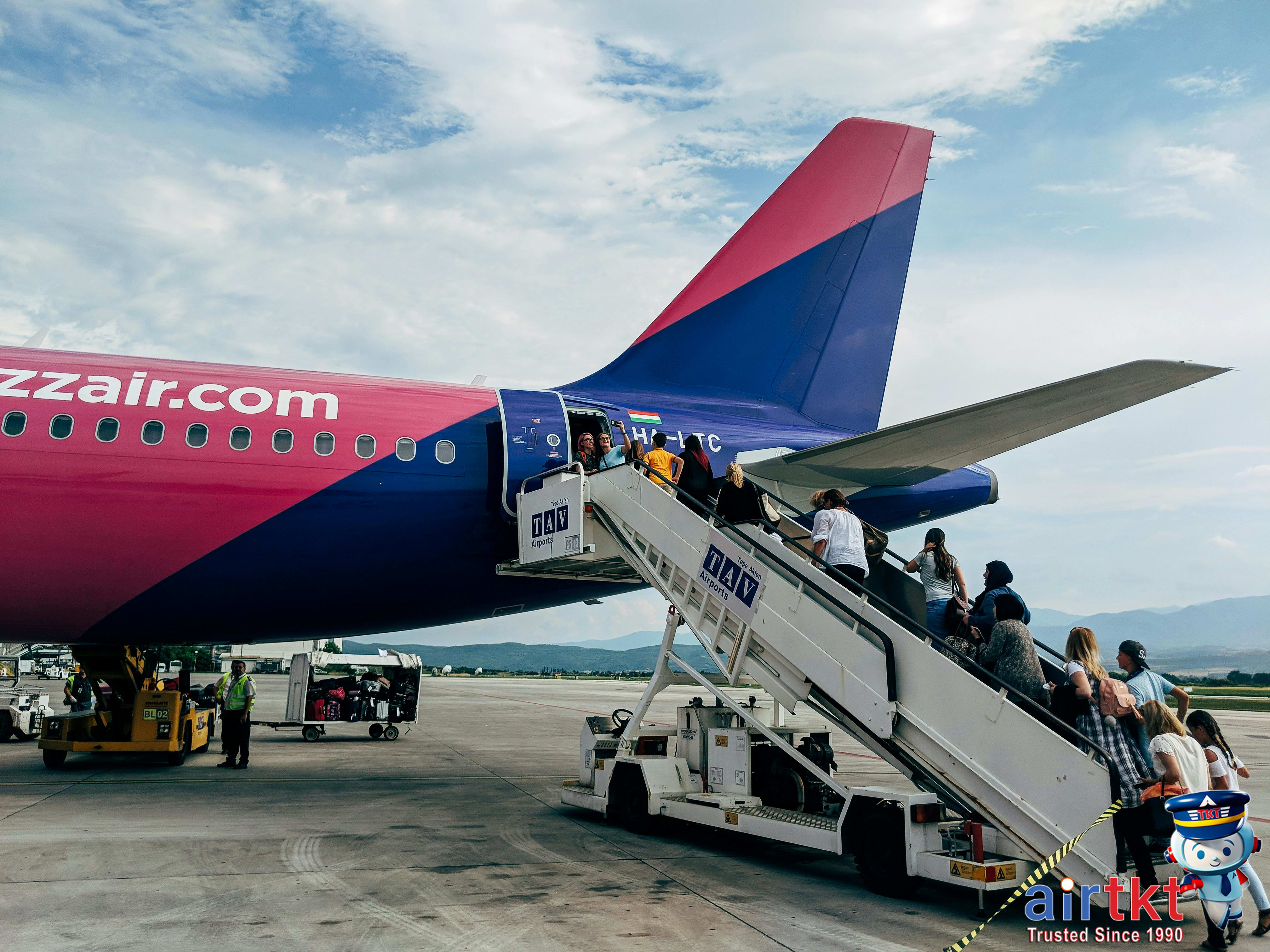
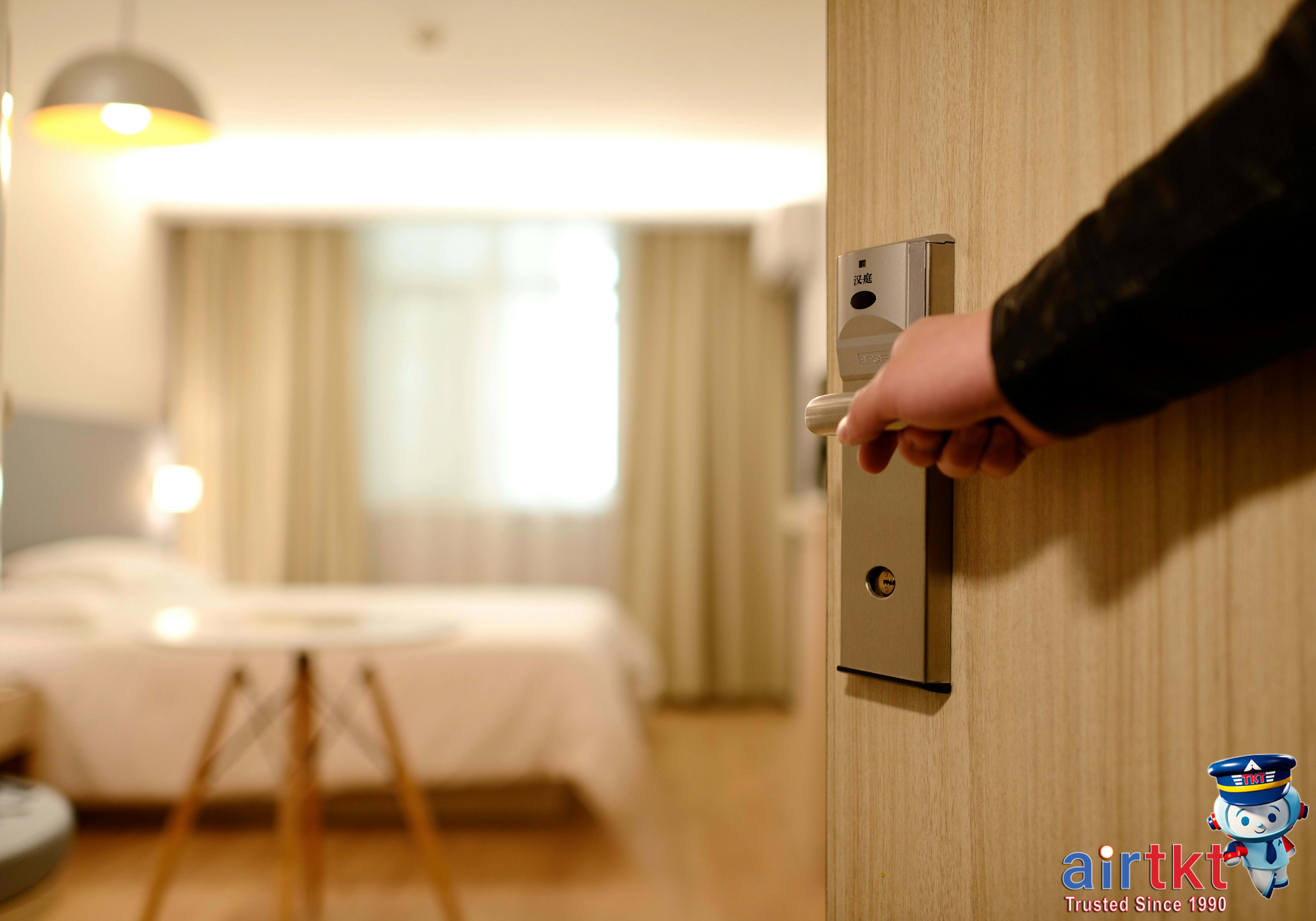
Booking a flight that departs around 5 AM or earlier can be daunting if you’re unprepared. To minimize stress and ensure a smooth start to your trip, meticulous planning is essential. One practical tip is to arrange accommodations near the airport the night before your early flight. This strategy helps you avoid unexpected delays caused by heavy traffic, last-minute transportation issues, or unforeseen events like road closures.
Many airports maintain check-in counters and security checkpoints during early morning hours, but availability varies. It’s important to verify if your airline opens check-in services several hours before departure. For example, some carriers might open counters as early as 3 AM, while others start closer to 4 AM. Confirming this ahead of time on your airline’s website can save you from standing in long lines or risking a missed flight.
Transportation options during these hours also differ significantly by city. Taxi and rideshare services like Uber or Lyft are generally available 24/7, but in some locations, public transportation may have limited or no service before dawn. Booking a reliable airport shuttle or scheduling a ride in advance can prevent last-minute stress.
Time management is crucial for early departures. Experts recommend arriving at the airport at least two hours before a domestic flight and three hours before international travel. This allows ample time for check-in, security screening, and navigating to your gate without rushing. Setting multiple alarms and packing everything the night before reduces last-minute confusion.
Additionally, packing a small travel kit with essentials—snacks, water, entertainment, and chargers—helps keep you comfortable during unexpected waits. Dressing in layers is also smart since early mornings can be chilly, both outdoors and inside terminals.
Gain Extra Time with Off-Peak Flights
Booking off-peak flights often means more than just saving money—it can provide valuable extra time to enjoy your destination. Early morning or red-eye flights typically arrive well before the usual check-in hours, allowing travelers to maximize daylight for sightseeing, work commitments, or seamless connections. Imagine landing just as the city wakes up, instead of late at night when many attractions are closed.
Many travelers share how these flights create a smoother travel experience. One frequent flyer mentions, “Taking an early flight let me start my meetings refreshed in the morning. Plus, I avoided airport crowds and cut down my travel time.” Another traveler recalls gaining a whole extra day for exploring a new city thanks to a red-eye flight that landed just after dawn.

Off-peak flights can also improve overall travel efficiency by expanding your options for connections. Early arrivals mean you’re less likely to miss afternoon or evening connecting flights, reducing layover times and the stress of rescheduling. This flexibility can make complex itineraries feel simpler and less rushed.
However, these benefits come with some challenges. Red-eye and very early flights can cause fatigue or jet lag, especially if you’re shifting time zones. To mitigate this, try adjusting your sleep schedule a few days before departure, staying hydrated, and using light exposure strategically upon arrival. Short naps and healthy snacks during travel also help maintain energy levels.
Red-Eye and Early Flight FAQs
What are red-eye flights and why are they cheaper?
Red-eye flights typically depart late at night and arrive the next morning, usually between 10 p.m. and 6 a.m. Airlines price these flights more affordably because they are less popular due to inconvenient hours. Lower demand means carriers must incentivize travelers to fill seats, driving down fares and offering budget-conscious flyers great savings.
How can I prepare to sleep better on red-eye flights?
Sleeping well overnight is key to making red-eye flights more comfortable. Bring a supportive neck pillow, noise-canceling headphones or earplugs, and an eye mask to block distractions and cabin light. Avoid caffeine or alcohol before boarding, dress in layers for temperature changes, and consider stretching or light movement during the flight to ease tension.
When should I book an early morning flight to get the best price?
Booking early morning flights 3 to 6 weeks in advance often unlocks the best fares, especially on weekdays. Prices tend to rise closer to departure, so planning ahead can save money. Use AirTtkt’s fare comparison tools to track price trends and secure deals on early flights that fit your schedule and budget.
Why is flying at off-peak hours often better for my budget?
Off-peak flights—like those early mornings or late nights—face lower demand, meaning airlines cut prices to attract customers. Aside from cheaper tickets, airports are less crowded, and ancillary fees may be lower during these times. Taking advantage of these windows helps travelers stretch their dollars without sacrificing flight options.
Can I avoid fatigue when taking these inconvenient flight times?
Yes, avoiding fatigue is possible with proper planning. Prioritize getting quality sleep before travel, stay hydrated, and limit screen time to reduce eye strain. Try to sync your sleep schedule with your destination’s time zone beforehand. Using comfort aids onboard and allowing buffer time after landing also help you arrive rested and ready.
How does AirTtkt help find deals on red-eye and early flights?
AirTtkt specializes in searching multiple airlines and booking platforms simultaneously to find the most affordable flights at all hours. Its user-friendly interface includes filters for flight times, enabling travelers to easily spot red-eye and early morning options. Added features like fare alerts and last-minute deals empower travelers to book smart and save more.
What essentials should I pack for overnight flights?
For overnight flights, pack travel-sized toiletries to freshen up, warm socks, a compact blanket or scarf, and healthy snacks to maintain energy. A portable phone charger and important documents should be easily accessible. Preparing a small carry-on kit ensures comfort and convenience while you rest on those budget-friendly flights.
Balance Comfort and Savings with AirTkt
Choosing between comfort and cost is a common dilemma for travelers considering red-eye or early morning flights. These off-peak options often come with significantly lower prices, making them attractive for budget-conscious travelers. However, they might also involve some discomfort like limited sleep, early wake-ups, or less convenient airport services. It’s important to weigh your tolerance for these inconveniences against the potential savings to make the best decision for your trip.
Assess how much the savings matter to you compared to the level of comfort you’re willing to sacrifice. If you’re flexible and can handle a few odd hours, red-eye flights can maximize your budget while still getting you to your destination on time. For those who value comfort more, slightly later flights might be worth the additional cost. Knowing your priorities will help you confidently select flights that fit both your needs and wallet.
AirTkt makes finding the perfect balance easy with its user-friendly platform designed specifically for travelers seeking affordable options without hassle. With real-time fare comparisons, you can instantly see how much you’ll save on various flight times. Plus, AirTtkt offers exclusive discounted rates you won’t find elsewhere, helping you get the best deal possible on your flights, whether red-eye or mid-day.
By balancing comfort with cost, you can optimize your travel budget while still enjoying your journey. Let AirTkt simplify this process with clear comparisons and exclusive deals designed to help you save smartly. Start exploring now to find affordable flights that fit your personal preferences for your next adventure.