
Importance of Proper Winter Travel Packing
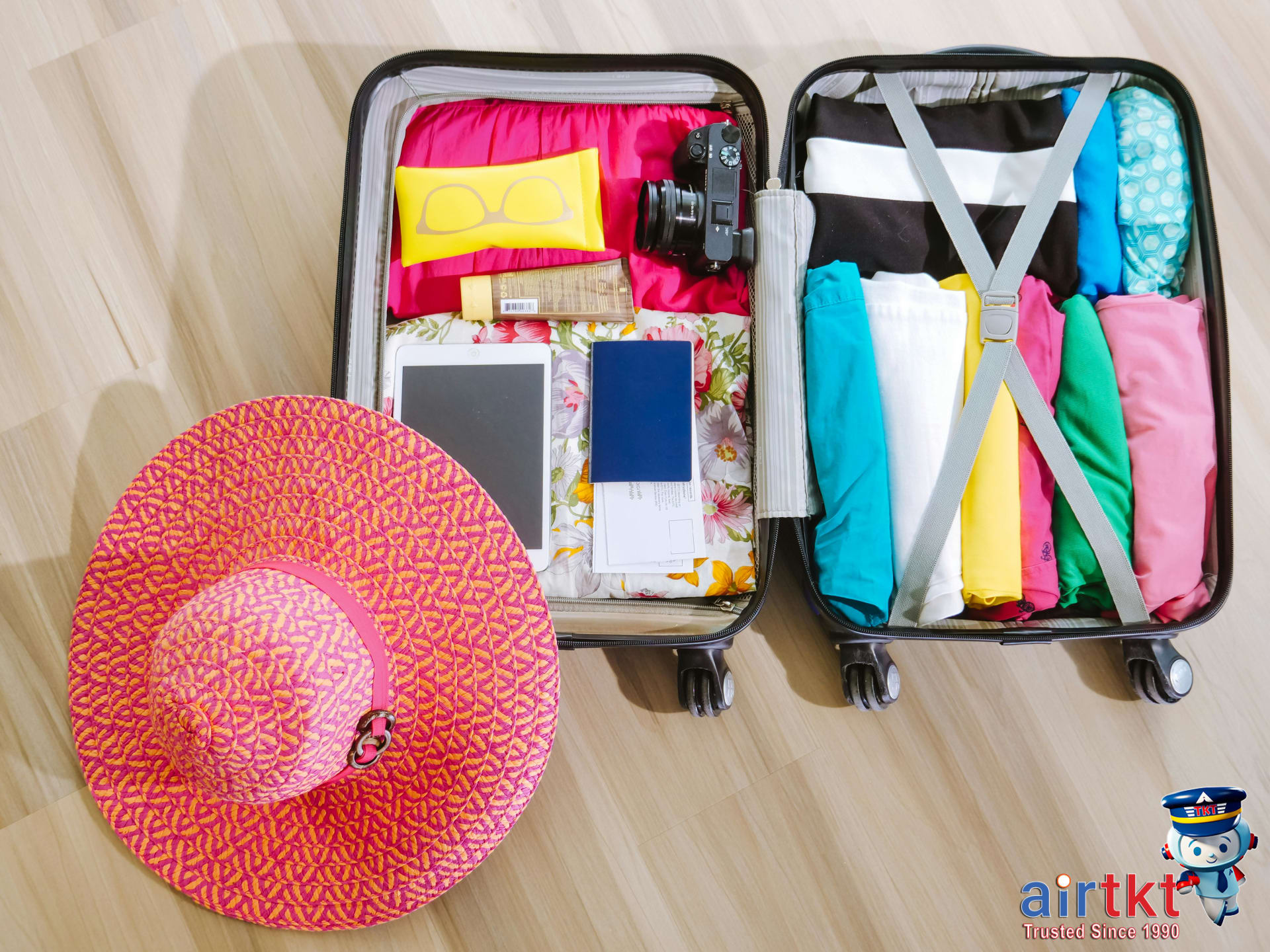
Packing for winter travel presents a unique set of challenges that differ significantly from warmer-season trips. Cold-weather destinations demand more bulky clothing, strategic layering, and specialized equipment such as insulated boots, gloves, and thermal accessories. These items take up considerable space and add weight, making it essential to plan carefully to avoid overpacking or forgetting key essentials.
A detailed, itemized packing checklist is invaluable for winter travel. It helps ensure that you include all necessary items—from thermal base layers to weatherproof outerwear—while maximizing luggage efficiency. This approach prevents last-minute stress and costly purchases at your destination. With a checklist, you can prioritize versatile pieces, optimize layering options, and allocate space effectively for heavier gear.
In addition to comfort and convenience, adherence to Transportation Security Administration (TSA) guidelines during packing is crucial. Cold-weather gear often includes bulky jackets and accessories that may require separate screening, potentially causing delays. Being aware of TSA liquid restrictions for lotions or hand warmers, and packing electronics and travel documents accessibly, reduces security hassles and avoids confiscation of prohibited items.
To complement your careful packing, AirTtkt offers affordable flight bookings and travel tools tailored for both novice and seasoned travelers. Their platform streamlines fare comparisons and provides 24/7 support, easing the overall planning process. Combining a thorough packing strategy with reliable booking options from AirTtkt helps ensure a smooth, comfortable winter travel experience without breaking your budget.
Essential Winter Clothing and Layering Techniques
When facing cold weather travel, packing the right clothing and mastering layering can make all the difference. To stay warm and comfortable, start with critical winter essentials: thermal base layers, insulated jackets, scarves, gloves, and hats. Each item serves a key function in protecting you from harsh elements.
Key Winter Clothing Items
- Thermal Base Layers: Moisture-wicking fabrics like merino wool or synthetic blends keep skin dry and warm.
- Insulated Jackets: Look for down or synthetic insulation that traps heat while remaining lightweight.
- Scarves: Wool or fleece scarves protect your neck from chilly winds and add extra warmth.
- Gloves: Insulated and waterproof gloves maintain dexterity while shielding hands from frostbite.
- Hats: Thermal hats or beanies prevent significant heat loss from your head.
Effective Layering Principles
Layering is the smartest way to regulate body temperature and adapt to changing weather. Follow these three core layers:
- Base Layer: This is your first clothing layer, designed to wick sweat away from your skin. Think moisture-managing fabrics that keep you dry and prevent chills.
- Mid-Layer: Worn over the base, this layer provides insulation. Fleece pullovers or lightweight down vests work well to trap body heat.
- Outer Layer: The protective shield against wind, rain, and snow. Waterproof, breathable shell jackets with windproof membranes are ideal.
Brand Recommendations Across Budgets
Choosing the right brands depends on your budget and travel frequency. Here are solid options in each price range:
| Budget Tier | Brand Examples | Durability & Comfort |
|---|---|---|
| Budget | Uniqlo, Decathlon, Columbia | Good warmth and functionality; basic designs, moderate durability. |
| Mid-Range | Patagonia, The North Face, REI Co-op | High-quality insulation and weatherproofing; great comfort with longer lifespan. |
| Premium | Arc’teryx, Canada Goose, Moncler | Top-notch materials and craftsmanship; superior warmth, durability, and style. |
Recommended Packing Quantities
To stay comfortable without overpacking, consider these item counts for a typical winter trip:
- 3 thermal base layer tops to rotate while maintaining freshness
- 2 mid-layer pieces like fleece pullovers or sweaters
- 1 insulated jacket suitable for extreme cold
- 2 pairs of insulated gloves (one waterproof, one lighter option)
- 2 thermal hats or beanies to alternate and dry between uses
- 2 scarves for varied weather conditions and outfit coordination
Packing Checklist Summary
Keep this essential checklist handy when preparing your winter travel wardrobe:
- 3 thermal tops (base layers)
- 2 insulating mid-layers
- 1 waterproof insulated jacket
- 2 pairs insulated gloves
- 2 thermal hats
- 2 scarves
Space-Saving Techniques for Winter Gear
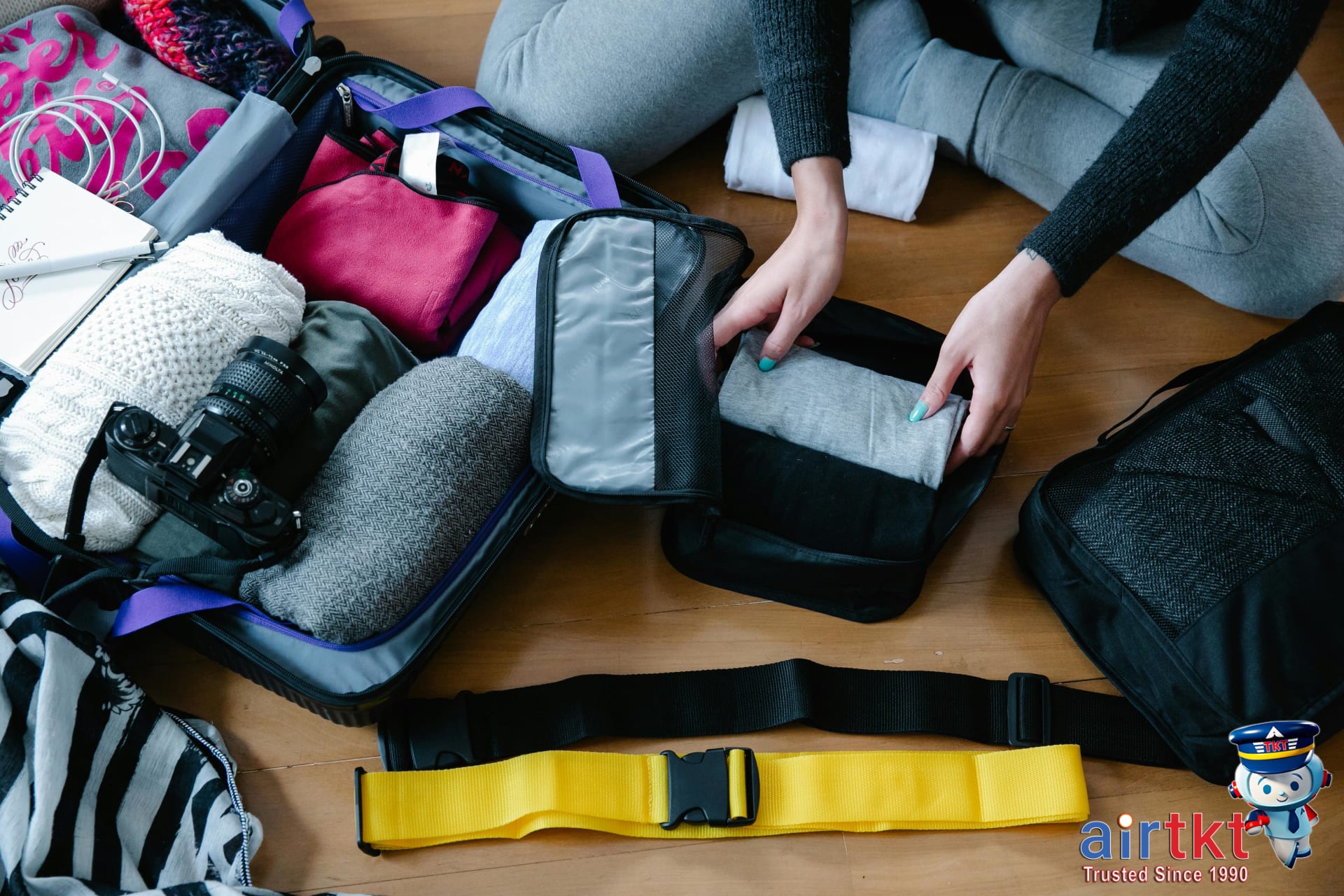
Packing bulky winter gear doesn’t have to mean a stuffed suitcase and excess baggage fees. With the right strategies, you can maximize every inch of your luggage while keeping your items organized. A key technique to start with is rolling clothes instead of folding. Rolling reduces wrinkles and compacts fabric by eliminating air pockets, allowing you to fit more layers into tight spaces.
Beyond rolling, investing in packing cubes and compression bags dramatically improves how you organize and compress your winter clothing. Packing cubes help separate different clothing types, making it easy to find items without unpacking your entire bag. Compression bags remove air, shrinking bulky sweaters and insulated jackets to a fraction of their size.
Packing bulky winter boots and oversized accessories takes a bit of planning. Place boots inside plastic shower caps or sealable bags to protect your clothes from dirt. Fit socks, gloves, or smaller items inside the boots to save extra space and maintain their shape during transit. For hats and scarves, consider stuffing them inside coat sleeves or lining the edges of your suitcase to utilize awkward spaces.
To streamline your packing, here’s a handy checklist of essential tools:
- Compression bags: Reduce the volume of coats and sweaters by squeezing out air.
- Packing cubes: Separate and organize your clothes for easy access.
- Protective bags: For boots and wet or dirty gear.
- Soft-sided suitcase or expandable luggage: Allows better accommodation of large items and creates extra space.
Using these space-saving methods ensures your winter gear fits neatly without sacrificing comfort or convenience on your trip. For the best flight and baggage deals to transport your efficiently packed suitcase, trust AirTtkt to find affordable options tailored to your travel needs.
TSA Regulations and Weight Distribution Tips
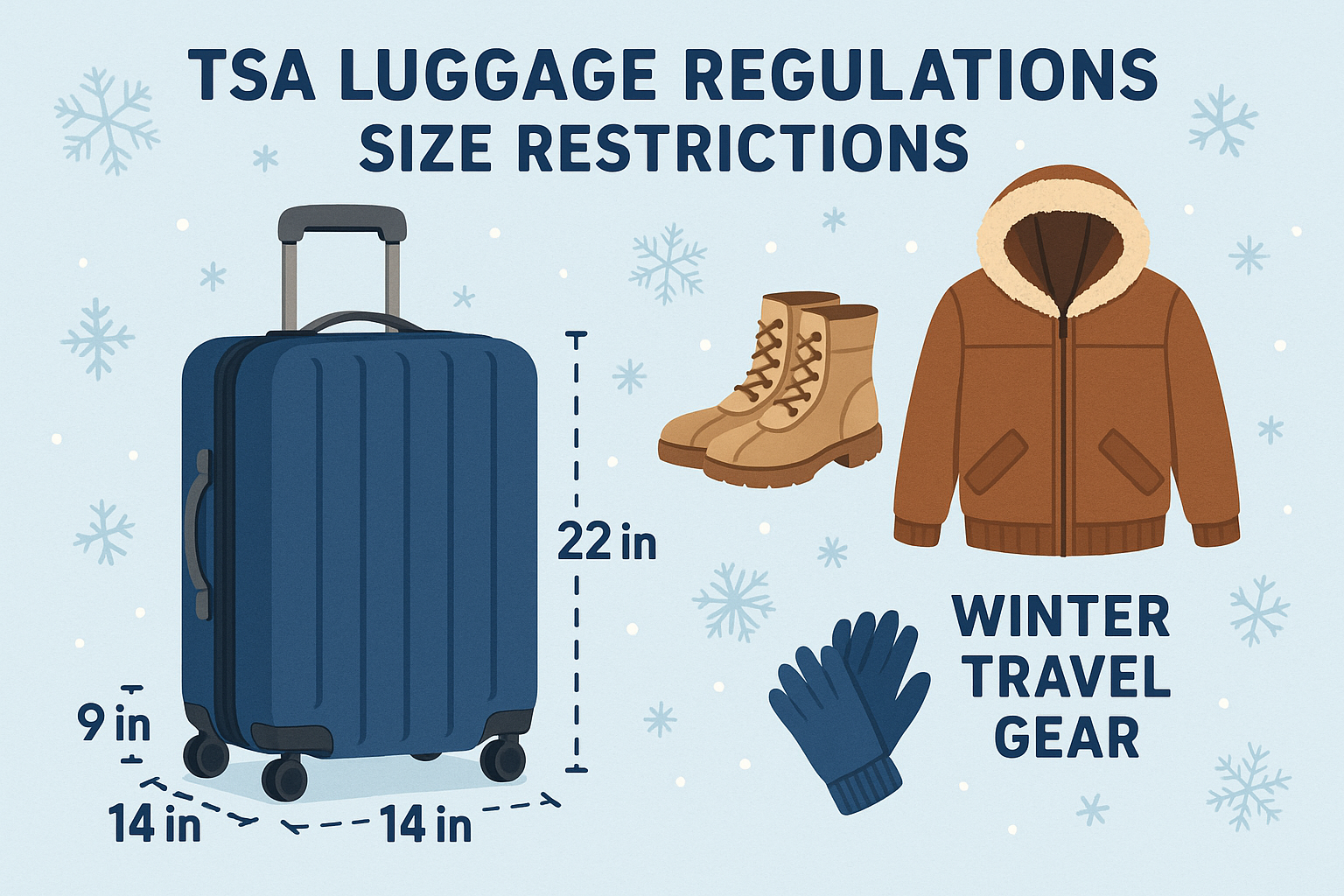
Traveling with winter gear requires careful attention to TSA regulations to ensure a smooth security check. The Transportation Security Administration restricts liquids in carry-on bags to containers of 3.4 ounces (100 milliliters) or less, all packed within a single quart-sized clear bag. This rule applies directly to your travel-size toiletries, such as moisturizers, hand sanitizers, and sunscreen, which are essential for winter trips.
When it comes to electronics and sharp items, TSA permits laptops, tablets, and cameras in carry-ons but requires them to be screened separately. Gloves with metal clips or sharp accessories may be flagged and must be securely packed in checked luggage or removed before screening. Avoid packing scissors, knives, or other sharp objects exceeding TSA guidelines in your carry-on to prevent delays or confiscation.

Distributing your luggage weight effectively is just as important as abiding by TSA rules. Many airlines impose weight limits—typically 50 pounds (23 kilograms) for checked bags and around 15 pounds (7 kilograms) for carry-ons. Exceeding these limits can lead to expensive overweight baggage fees. Use a luggage scale before leaving home to weigh your bags and avoid surprises at the airport.
For better comfort and compliance, split heavier items between your carry-on and checked luggage. Keep fragile electronics in your carry-on bag for added protection, and pack heavier winter garments like boots and coats in your checked suitcase to balance the load. Even weight distribution helps prevent strain during transit and ensures your bags meet airline requirements.
- Pack liquids in 3.4 oz (100 ml) containers within a quart-size clear bag
- Securely wrap sharp accessories or place them in checked luggage
- Place laptops and electronics in an easily accessible compartment
- Weigh bags beforehand to avoid overweight fees
- Distribute heavy items evenly between carry-on and checked bags
Comprehensive Packing Checklist for Cold Weather Travel
Packing for cold weather travel demands careful planning to stay warm, comfortable, and prepared for all conditions. To help you avoid last-minute scrambles or forgotten essentials, here’s a detailed packing checklist divided into key categories: clothing, accessories, toiletries, gadgets, and emergency items. Each entry includes recommended quantities and brand suggestions tailored for different budgets, ensuring you’re ready without breaking the bank.
Clothing Essentials
- Thermal Base Layers: 2–3 sets. Look for Uniqlo Heattech for budget-friendly warmth or Smartwool for premium merino wool options.
- Insulated Jacket or Parka: 1 high-quality outer layer. Columbia offers reliable mid-range jackets; The North Face for top-tier protection.
- Warm Sweaters/Fleeces: 2–3 pieces. Consider Patagonia fleece sweaters or affordable alternatives from Old Navy.
- Water-Resistant Pants: 1–2 pairs. Brands like Marmot provide durable options for snowy conditions.
- Thermal Socks: 4–5 pairs. Darn Tough or Heat Holders deliver excellent insulation and comfort.
- Gloves and Mittens: 1–2 pairs each. For everyday use, Carhartt gloves work well; for extreme conditions, try Black Diamond mittens.
- Winter Hat/Beanie: 1–2 pieces. REI Co-op and North Face offer stylish warm options.
- Scarf or Neck Gaiter: 1 piece. Buff makes versatile neckwear suitable for layered warmth.
Accessories and Extras
- Hand Warmers: 5–7 packs. Disposable varieties from HotHands are inexpensive and effective.
- Lip Balm: 1–2 tubes. Look for Burt’s Bees or Vaseline with SPF protection.
- Sunglasses: 1 pair. UV protection is crucial to prevent snow glare; Ray-Ban and Oakley provide trusted quality.
- Travel Umbrella: 1 compact unit. Brands like Totes offer lightweight, durable options for unpredictable weather.
- Reusable Water Bottle: 1 bottle. Stay hydrated with insulated bottles from Hydro Flask or Thermos.
Toiletries and Personal Care
- Moisturizer: 1 travel size. Cold air dries skin quickly; CeraVe and Neutrogena are excellent choices.
- Travel-Size Sunscreen: 1 small bottle. Even in cold weather, sun exposure can be harmful—Coppertone offers effective options.
- Toothbrush and Toothpaste: 1 each, travel size.
- Travel Hairbrush or Comb: 1 compact unit.
- First Aid Kit: 1 travel-size kit with bandages, antiseptic wipes, and pain relievers. Johnson & Johnson kits offer good all-in-one options.
Gadgets and Tech
- Smartphone and Charger: 1 set. Carry a portable power bank (like Anker) for charging on the go.
- Headphones or Earbuds: 1 pair for entertainment and calls.
- Camera: Optional, if you want high-quality travel photos.
- Travel Adapter: 1 universal adapter if traveling internationally.
Emergency and Safety Items
- Multi-tool or Swiss Army Knife: 1 compact tool. Victorinox is a trusted brand.
- Flashlight or Headlamp: 1 lightweight unit with extra batteries.
- Emergency Blanket: 1 compact foil blanket for unexpected situations.
- Copies of Important Documents: Keep digital and paper backups securely stored.
Avoid Common Winter Packing Mistakes
Winter travel demands thoughtful packing, yet many travelers fall into common pitfalls that cause frustration and delays. Overpacking bulky clothing, ignoring layering strategies, neglecting TSA rules, and uneven weight distribution in luggage are among the top errors that complicate winter trips. Understanding these mistakes helps you pack smarter and breeze through airport security with minimal hassle.
Limit Bulk by Embracing Layering
One frequent error is overpacking heavy coats, sweaters, and accessories. Instead of stuffing your bag with bulky outerwear, focus on layering lightweight pieces. Thin thermal shirts, fleece jackets, and scarves combine to provide ample warmth without excessive volume. This approach frees up suitcase space and avoids extra airline baggage fees.
Choose versatile items like a packable down jacket that compresses easily. Avoid packing multiples of similar items; instead, mix and match layers to create different outfits.
Prioritize Versatile and Essential Items
Many travelers fill their bags with too many specialty items that end up unused. Instead, aim to bring multi-functional clothing—waterproof boots, gloves that work with touchscreen devices, and scarves that serve as both warmth and style. This strategy reduces the number of things you carry while maximizing utility.
Pack only essentials that fit the itinerary and climate. Consider your activities and weather forecast before finalizing your list.
Stay Updated on TSA Guidelines
Failing to check TSA rules ahead of time often results in delays or confiscations. Winter travelers frequently overlook restrictions on liquids, aerosols, and certain apparel accessories packed in carry-ons. Make it a habit to review the latest TSA advisories via the official TSA website before departure.
Remember that bulky coats must sometimes be removed during screening, and certain winter gear may require additional inspection. Preparedness ensures a smoother security process and reduces stress.
Distribute Weight Evenly in Luggage
Another common oversight is uneven weight distribution in your suitcase. Heavy winter boots or jackets packed only on one side can make your luggage awkward to handle and potentially damage zippers or wheels. Balance heavier items near the wheels or at the bottom to maintain stability.
Use packing cubes or compression bags to organize clothing neatly and prevent shifting during transit. This tactic protects your belongings and makes unpacking more efficient.
Frequently Asked Questions About Winter Travel Packing
What is the best way to pack clothes for winter travel?
For efficient winter travel packing, roll your clothes tightly to save space and avoid wrinkles. Use packing cubes to organize layers and separate bulky items. Focus on versatile pieces that can be mixed and matched to reduce the overall amount of clothing.
How do I comply with TSA rules when packing winter gear?
Winter travel packing requires awareness of TSA guidelines. Jackets and boots may need to be removed during screening. Liquids like moisturizers must follow the 3-1-1 rule. Pack electronic devices and bulky items separately to speed up security checks.
When should I start packing for a winter trip to avoid overpacking?
Begin packing about a week before your trip to review what you truly need. Creating a checklist helps avoid overpacking. This gives you time to rethink items and swap out unnecessary bulky clothes for layering options.
Why is layering important for winter travel packing?
Layering helps regulate body temperature, adapting easily to changing weather. It reduces bulk while maximizing warmth, letting you customize comfort throughout your trip. Lightweight inner layers paired with insulated jackets create an effective cold-weather system.
Can I bring bulky winter boots in carry-on luggage?
Yes, bulky winter boots can be carried on, but they take up considerable space. Pack them strategically by stuffing socks or smaller items inside to save space. Wearing the heaviest boots during travel can also free up luggage room.
How can I save space when packing heavy winter clothes?
Use vacuum-seal bags or compression packing cubes to minimize bulk. Rolling clothes rather than folding reduces creases and maximizes space. Prioritize multi-functional garments to limit the number of heavy pieces in your luggage.
Are there recommended brands for affordable winter clothing?
Brands like Uniqlo, Columbia, and REI’s in-house labels offer quality winter clothes at reasonable prices. Look for sales and outlet deals online. These brands balance warmth, durability, and affordability, perfect for budget-conscious winter travel packing.
Efficient Winter Travel Packing with AirTkt
Packing smartly for winter travel is essential to stay comfortable, save space, and comply with TSA regulations. The key is proper layering: choose lightweight, warm garments that can be combined and adjusted easily to changing temperatures. Prioritize versatile, space-saving clothing like thermal tops, insulated jackets, and compact accessories. This approach maximizes your luggage capacity and minimizes bulky items.
Throughout this guide, we emphasized selecting practical essentials that serve multiple purposes—think waterproof boots, gloves with touchscreen compatibility, and travel-sized toiletries. A methodical checklist ensures you don’t miss anything important while preventing overpacking, keeping your luggage manageable and weight-compliant. Remember, TSA rules vary by airline and destination, so double-check baggage restrictions and security regulations before you fly.
Planning your winter getaway? Use AirTtkt to explore and book the best deals on flights and hotels. The platform’s real-time fare comparisons and exclusive offers make it easier than ever to secure affordable travel options tailored to your itinerary and budget. With 24/7 support and simple booking tools, AirTtkt helps you plan confidently so your journey stays smooth from start to finish.
In short, efficient winter travel packing blends smart garment choices, TSA compliance, and practical preparation. By combining these tips with AirTtkt’s robust booking features, you’re set for an affordable, comfortable, and hassle-free trip no matter how cold it gets.