
Pack Essential Travel Medicine Kit Items
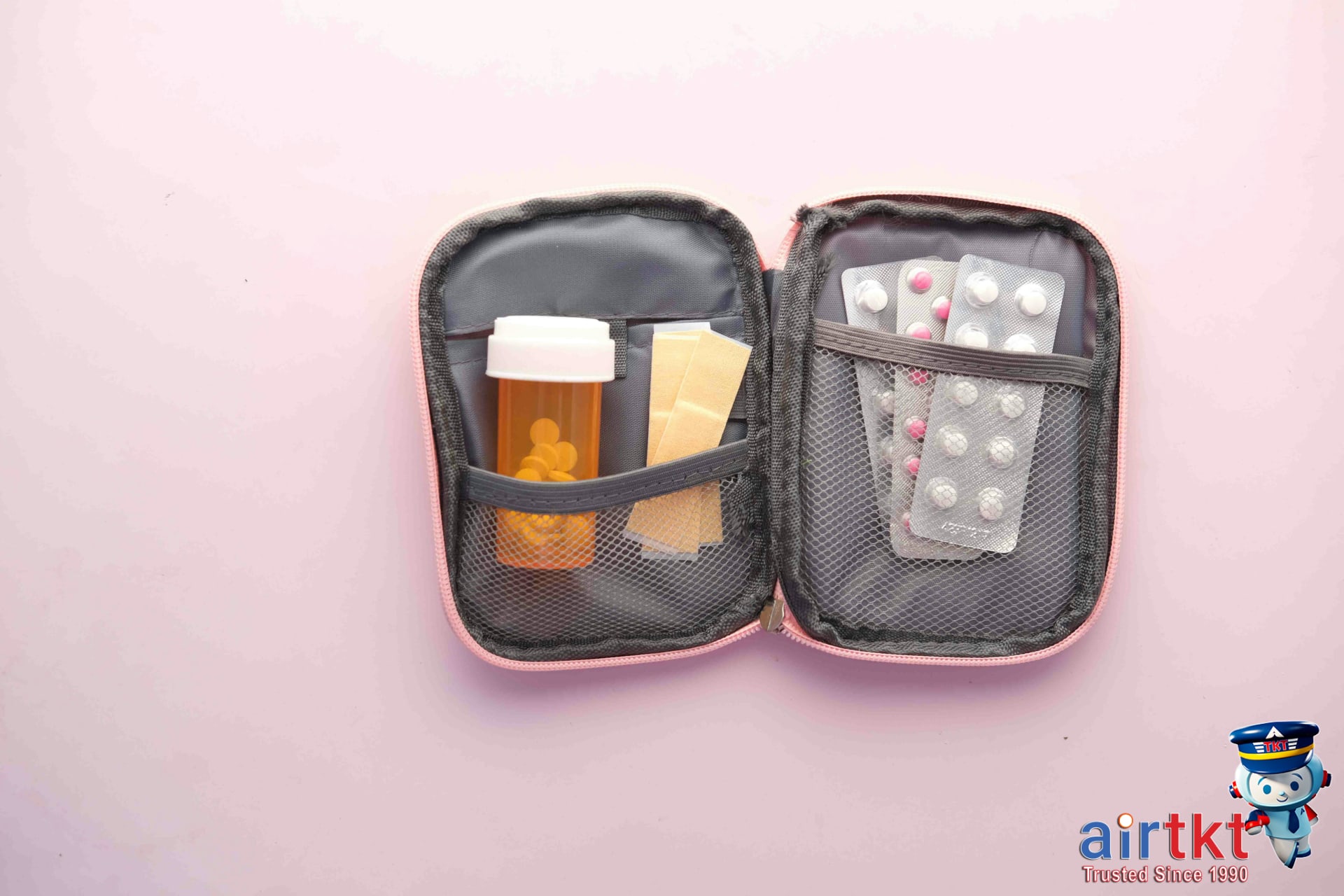
Preparing a tailored travel medicine kit is a must for every traveler. Having the right medicines on hand not only reduces health risks but also enhances your peace of mind and convenience during your journey. Whether it’s treating minor scrapes, managing allergies, or handling digestive issues, being prepared helps you focus on enjoying your trip with fewer interruptions.
Common travel health scenarios include:
- Minor injuries like cuts, scrapes, and blisters
- Allergic reactions and insect bites
- Digestive problems such as upset stomachs, diarrhea, and constipation
- Headaches, fever, or muscle pain from fatigue or changes in climate
Addressing these proactively with a well-stocked kit can prevent small issues from escalating.
Must-Have Travel Medicine Items
Include the following essentials in your medicine kit, adjusting quantities based on your trip length and number of travelers:
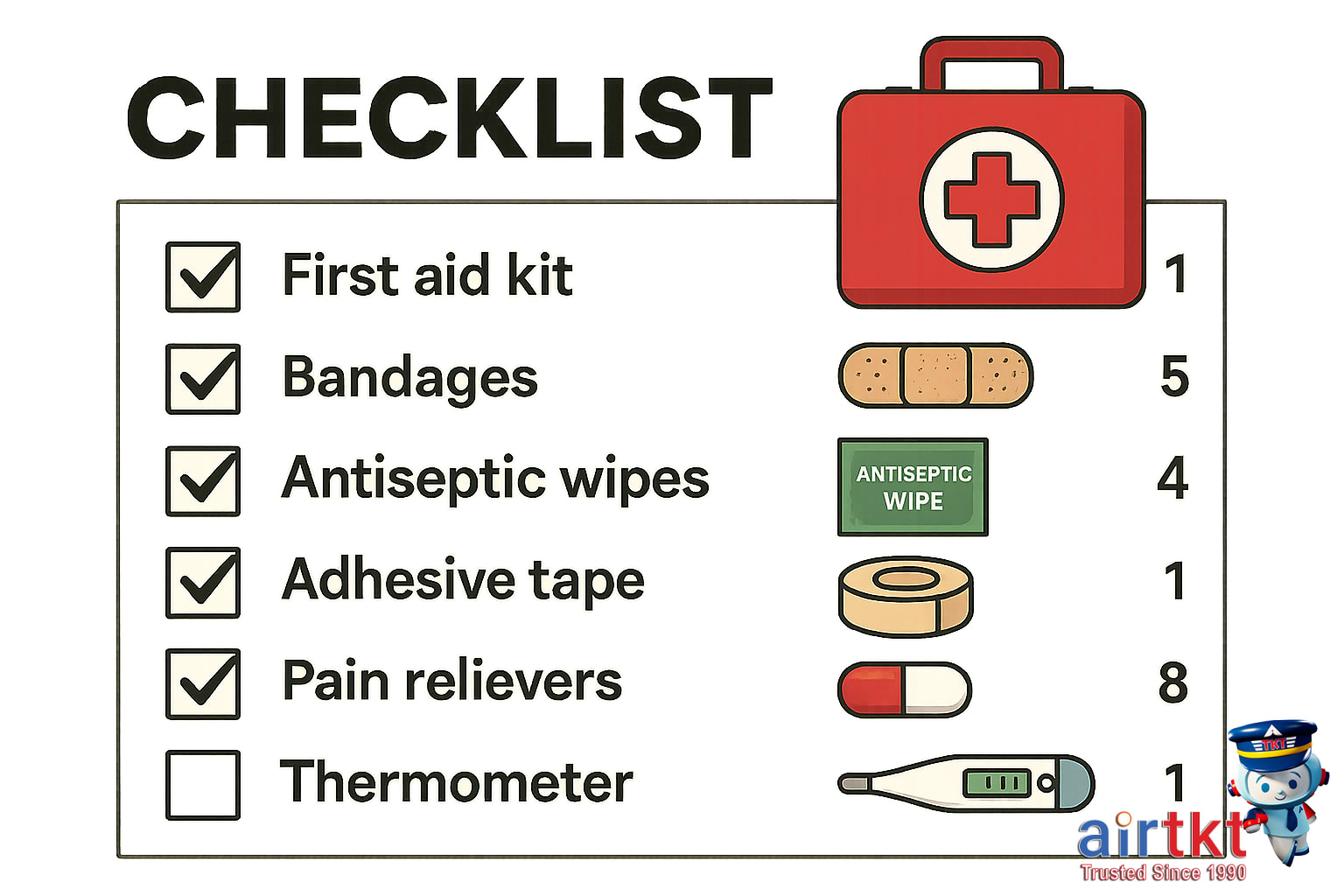
- Bandages and gauze: At least 10 assorted sizes for cuts and blisters
- Antiseptic wipes and ointments: For wound cleaning and infection prevention
- Pain relievers: Acetaminophen or ibuprofen—pack 20 tablets for short trips, 50+ for longer stays
- Allergy medication: Antihistamines and hydrocortisone cream for bites and reactions
- Digestive aids: Antacids, anti-diarrheal, and laxatives—enough for the whole trip
- Prescription medications: Bring a sufficient supply plus a copy of the prescription and doctor’s note
- Thermometer and tweezers: Useful for monitoring fever and removing splinters
Quantity Guidelines for Trips
- Short trips (3-7 days): Small quantities suffice; a compact kit is ideal
- Long trips (2+ weeks): Stock extra supplies and consider repackaging into airtight containers
- Family travel: Multiply supplies accordingly and add children-specific medications and dosages
- Solo travelers: Focus on personal prescriptions and compact, versatile items that cover general needs
Trusted Brand Recommendations
Choose brands that balance quality, affordability, and reliability. Here are options across price points:
- Budget: Band-Aid, Equate (Walmart brand), CVS Health for basics without overspending
- Mid-range: Johnson & Johnson, Advil, Benadryl, Pepto-Bismol provide trusted formulas at reasonable prices
- Premium: Medline, Boericke & Tafel (homeopathic), and private-label pharmacy compounding offer specialized care for sensitive travelers
Protect Medicines with Proper Packaging
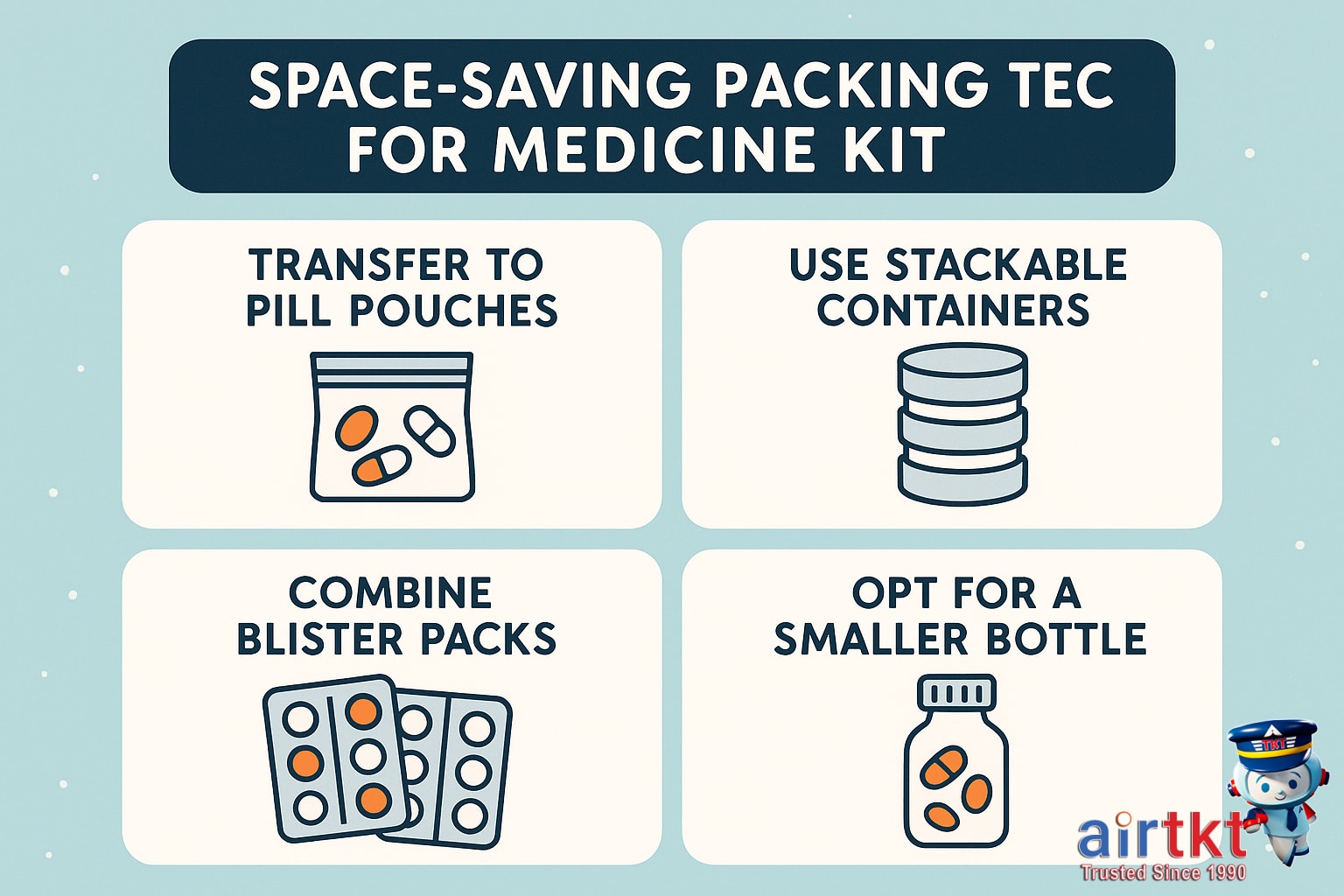
To maintain medicine efficacy and cleanliness, pack items in waterproof, airtight pouches or small containers. Use resealable plastic bags to separate different categories—medications, first aid, allergy care—to avoid cross-contamination.
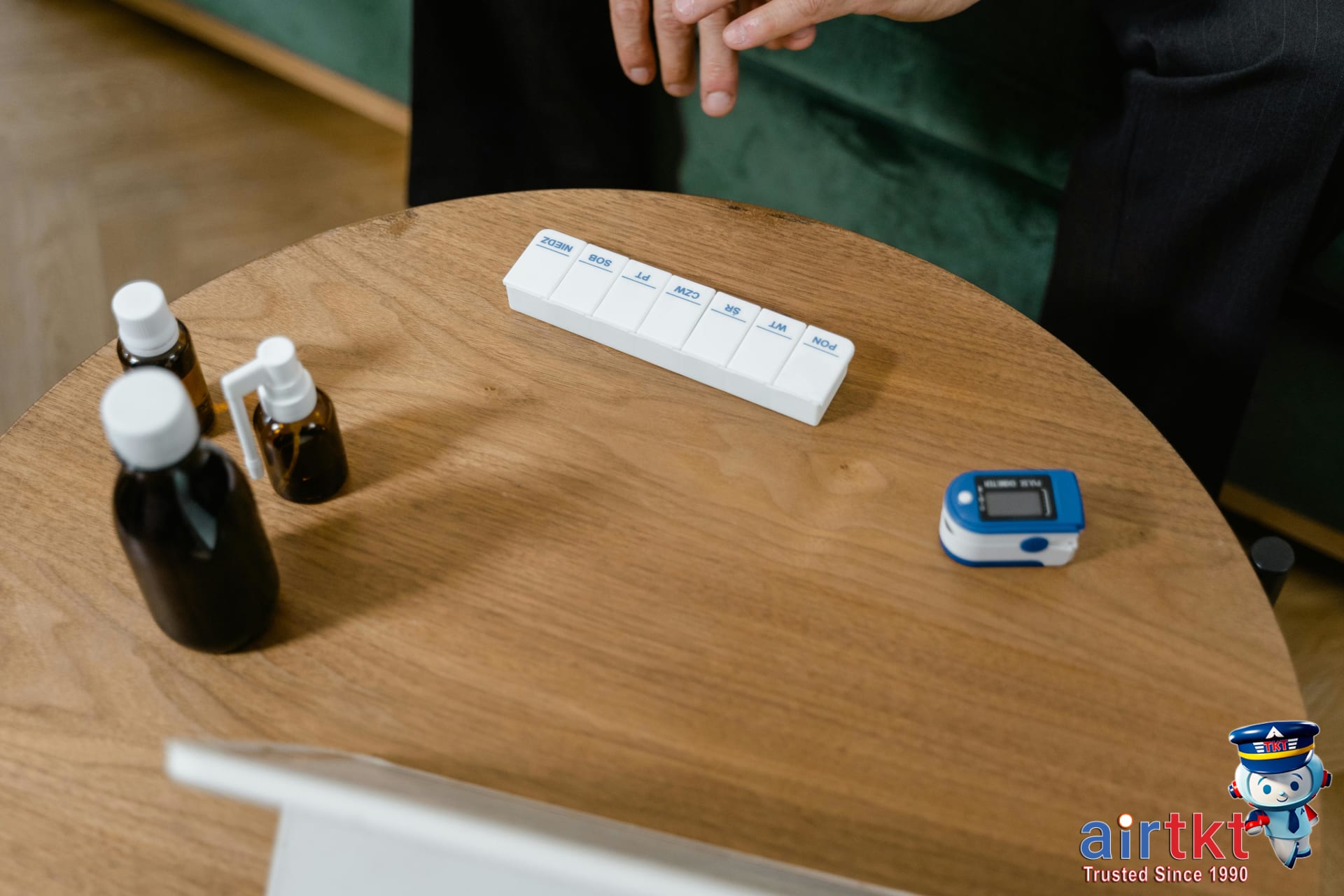
Consider including a small pill organizer for daily doses and a hard case to prevent crushing during transit. Remember to keep all medicines accessible yet secure, especially during airport security checks.
Follow TSA Medicine Packing Regulations
Travelers must stay informed about the Transportation Security Administration’s (TSA) updated medicine packing guidelines for 2026 to ensure a hassle-free airport experience. The TSA allows passengers to bring medically necessary liquids, gels, and powders in both carry-on and checked luggage, but with specific rules regarding quantities, packaging, and labeling. Understanding these requirements ahead of time can help avoid unnecessary delays or confiscations during security screening.
For carry-on bags, liquid medications such as syrups, eye drops, and injectable fluids are permitted in reasonable quantities exceeding the standard 3.4-ounce (100 milliliters) limit, but TSA recommends keeping them in their original, clearly labeled containers. Gels and powders used for medical purposes are also allowed without strict volume limits. However, it’s crucial to declare these items to the TSA officers at the security checkpoint to facilitate smooth inspection.
Checked luggage offers more flexibility for storing medicines, including larger supplies of liquids, gels, and powders. Yet, it is advisable to keep essential medications in carry-on bags whenever possible to avoid issues if checked bags are delayed or lost. Packing medicines in their original pharmacies labeled containers with matching personal identification helps security officers verify authenticity.
Clear labeling is paramount. Medicines should ideally be in original containers that display the patient’s name, the prescribing doctor, and dosage instructions. This transparency helps prevent any misunderstandings or confiscations. If repackaging is necessary, accompany the medicine with a copy of the prescription and a doctor’s note explaining its necessity.
When preparing to fly, carry a well-organized checklist of required documents. This may include:
- Valid prescriptions for all medicines
- Doctor’s letters or medical notes outlining the need for specific drugs or devices
- A detailed medication list, especially for complex treatment regimens or multiple prescriptions
These documents are especially important if you carry injectable medicines or require specialized devices like insulin pumps, inhalers, or nebulizers. Having this paperwork readily available can expedite TSA screening and minimize questions.
Here are practical tips to streamline your airport security process with medicines:
- Declare all medicines to TSA officers before screening begins, even if you’re unsure about restrictions
- Separate medications from other liquids for expedited inspection
- Carry essential medicines in your carry-on to avoid risks from lost checked bags
- Use clear, resealable bags for easier visual inspection of liquid medicines
- Arrive at the airport early to allow extra time for medical item screening
By adhering to these 2026 TSA medication packing regulations and tips, travelers will improve the chances of a smooth journey through security checkpoints. Proper planning combined with clear documentation and transparent packing protects your travel plans and your health.
Apply Space-Saving Medicine Packing Techniques
Packing medicines efficiently is essential when traveling with limited luggage space. Utilizing compact containers, pill organizers, and vacuum-seal bags can dramatically reduce bulk. Small, airtight containers help prevent spills and protect pills, while daily or weekly pill organizers streamline access without carrying full bottles. Vacuum-seal bags compress soft items like bandages or ointments, creating extra room for essentials.
For carrying medicines, the layout inside your luggage matters. Store the most frequently used items upright and accessible, such as daily medication and pain relievers, near the top of your carry-on or in an external compartment. Heavier, less urgent supplies like backup antibiotics or plush cold packs fit best at the bottom or in checked baggage. Layering items inside clear zip bags or modular pouches keeps medicines organized and easy to find.
Compare Travel Pouches by Features and Cost
Travel medicine organizers range from simple zippered pouches to dedicated compartments with elastic loops and waterproof linings. Basic nylon pouches cost under $10 and suffice for short trips, but offer limited protection. Premium cases priced from $25 to $50 include pill dispensers, adjustable inserts, and padded sides to safeguard fragile items during transit. Brands offering TSA-compliant designs improve airport security checks by allowing easy inspection without unpacking everything.
- Budget option: Simple zippered pouch ($5–$12), lightweight but minimal compartments
- Mid-range: Multi-compartment nylon organizer ($15–$30), with clear pockets and elastic bands
- Premium: Hard-shell cases with custom inserts ($30–$50+), spill-proof and crush-resistant
Prioritize Medicines to Maximize Space
To save room, pack only what you need. Sort medicines by:
- Frequency of use: Daily medications go first; rare-use items last.
- Necessity: Essential prescriptions outweigh over-the-counter creams or vitamins.
- Trip length: Carry enough for the duration plus a buffer, but avoid excess.
Removing bulky packaging and labeling medication containers yourself can save valuable centimeters. Always ensure clarity to avoid confusion during your trip.
Protect Fragile Medicines during Packing
Some medicines require gentle handling. Glass bottles with liquid medications should be placed in padded compartments or wrapped in soft materials to prevent breakage. Use leak-proof caps or seal bottles in zip bags to avoid messes. For temperature-sensitive items, specialized insulated bags or cool packs keep medicines safe and effective.
Manage Weight Distribution for Medicine Kits
Proper weight distribution plays a vital role in packing medicine kits for any trip, whether in backpacks or suitcases. Uneven packing can cause unnecessary physical strain, leading to discomfort or even injury while traveling. Balancing the weight of your medicine kit alongside other essentials ensures ease of movement and prevents back or shoulder pain. A well-organized load helps maintain posture and reduces fatigue, making travel a smoother experience.
Ergonomics should be kept in mind when placing medicine kits. For backpacks, position the kit close to your back’s center, distributing the weight evenly and preventing it from pulling you backward or sideways. In larger suitcases, placing the medicine kit near the wheels or the suitcase’s base can help stabilize the bag and avoid tipping. Using soft pouch organizers or slim containers prevents bulky lumps that strain your carry-on or checked luggage.

Keeping emergency medications easily accessible during flights, layovers, or transit is essential. Pack critical meds such as inhalers, allergy shots, or heart medication in a small, separate pouch within your carry-on. This allows quick retrieval without unpacking the entire bag. Similarly, place these pouches in side pockets or top compartments so they are within arm’s reach. Confirm airline regulations to ensure compliance when carrying liquids or temperature-sensitive drugs.
Organizing your medicine kit with other travel essentials is equally important. Avoid placing heavy medicines next to fragile items like electronics or glass bottles. Instead, group medicines with clothing or soft items to cushion any potential impact. Keeping similar items together also speeds up security checks and packing at your destination. For instance, store vitamins and supplements together, separate from prescription medicines with urgent use.
Opt for lightweight containers or materials to reduce the overall weight of your medicine kit. Travel-sized bottles, collapsible silicone cases, or lightweight plastic compartments help minimize bulk while maintaining organization. These choices prevent excess weight accumulation and allow room for additional essentials without increasing baggage size or chargeable fees.
Avoid Mistakes When Packing Medicine Kits
Packing a medicine kit for travel is more than just grabbing a handful of items from your home bathroom. Common mistakes like overpacking bulky supplies, neglecting to check expiration dates, or forgetting essential prescriptions can quickly turn a trip into a stressful ordeal. For example, carrying expired medication not only reduces effectiveness but can also pose serious health risks. Similarly, leaving behind prescriptions or medical documents can cause major problems if you need to refill or prove the legitimacy of your medication abroad.
Many travelers overlook the importance of understanding and abiding by TSA and airline-specific regulations. Some medications require declaration or special packaging, and ignoring these rules could delay security screening or even result in confiscation of vital drugs. Additionally, travelers often fail to tailor their kits according to the destination’s climate and health risks. For instance, a medicine kit prepared for a temperate city may be inadequate for a tropical region where insect bites and heat-related illnesses are common.
Real-world examples highlight how poor preparation jeopardizes health abroad. A traveler once struggled with an allergic reaction in a remote area after forgetting antihistamines. Another faced nasty delays when missing prescription documents caused airport security to question the legitimacy of their medication. Overpacking can also be a burden, especially on long-haul flights where luggage weight matters. Excess medicine makes carrying cumbersome and complicates customs declarations, increasing stress and the potential for losing critical items.
To avoid these issues, use this pre-trip medicine kit checklist:
- Verify expiration dates and replace any outdated items
- Bring prescriptions and doctors’ notes for all medications
- Review TSA and airline guidelines on medication packaging and amounts
- Include destination-specific items such as insect repellent or altitude sickness remedies
- Customize your kit based on personal health conditions and trip length
- Organize medications in clearly labeled containers or pill organizers
- Keep essential medicines in carry-on luggage to avoid loss
Remember, no one-size-fits-all solution exists for medicine kits. Each traveler’s health profile and itinerary demand thoughtful customization. By avoiding common packing mistakes and using a comprehensive checklist, you ensure that your health needs won’t become an unexpected hurdle when exploring new destinations. For reliable travel planning, consider AirTtkt to find affordable flights and simplify your journey from start to finish.
Answer Top Medicine Kit Packing Questions
What essential medicines should I include in a travel medicine kit?
Your travel medicine kit should cover common needs: pain relievers like ibuprofen or acetaminophen, allergy medications, antiseptic wipes, adhesive bandages, motion sickness pills, and any prescription drugs you require. Including medications for indigestion, diarrhea, and cold symptoms makes your kit versatile for many travel situations.
How to pack medicines to comply with TSA rules?
Pack all medicines in their original containers with clear labels to avoid delays at security. Carry prescriptions or doctor’s notes for controlled substances. Place liquid medications in separate bags if they exceed the usual liquid limits but declare them during screening. Always keep medicines in your carry-on bag for easy access and security compliance.
When should I prepare my medicine kit before a trip?
Prepare your medicine kit at least two weeks before departure. This allows time to replace expired items, refill prescriptions, and consult your physician for any needed vaccinations or additional medications based on your destination.
Why is it important to check expiration dates and prescriptions?
Expired medicines can lose effectiveness or become unsafe. Ensuring prescriptions are current helps prevent travel disruptions. Additionally, some countries may require documentation for certain prescriptions, so having up-to-date paperwork helps avoid legal issues.
Can I bring all my medications in carry-on luggage?
Yes, carrying all medications in your carry-on bag is strongly advised. This keeps them safe, accessible, and prevents loss if checked luggage is delayed or lost. This is especially vital for essential daily medications or those requiring temperature control.
How do weight and space-saving techniques improve travel comfort?
Lightweight packaging and consolidating doses reduce bulk, making it easier to pack alongside other essentials. This prevents overpacking and allows for convenient access, reducing travel stress and maximizing carry-on space.
What common mistakes should I avoid when packing medicines?
Avoid packing unlabelled pills, neglecting to bring copies of prescriptions, and overlooking airline or country-specific medication restrictions. Forgetting to check expiration dates or not packing enough quantities can also disrupt your trip.
Customize Medicine Kits for Safe Travel
Traveling safely hinges on being well-prepared, and a thoughtfully packed medicine kit plays a crucial role. A well-stocked kit not only ensures quick access to essential medications but also helps you comply with airline and TSA regulations, reducing travel stress. Customizing your kit based on your health needs, destination, and trip duration maximizes convenience and health security.
When packing, consider your unique health profile—include prescription medications, over-the-counter remedies for common issues like motion sickness or allergies, and emergency contacts. Tailor the quantity and types of medicine to match your itinerary and the length of your stay. For longer trips, pack enough supplies to cover the entire duration with some extra for unforeseen delays.
Before you finalize your kit, always verify the latest TSA and airline medication policies. Regulations can change, affecting what you can carry in your hand luggage or checked bags. Check that your prescription medicines have proper labeling and documentation to avoid any hassles at airport security checkpoints.
For seamless travel planning, rely on AirTtkt’s intuitive platform. From real-time fare comparisons to flexible date searches and nearby airport options, AirTtkt helps you find the best deals tailored to your schedule and budget. Plus, their 24/7 customer support team is ready to assist you with anything from booking to managing your travel details, so your journey stays stress-free.
Explore the exclusive discounts, seasonal offers, and expert travel assistance at AirTtkt. Thoughtful preparation meets smart booking, making your trips safe, comfortable, and affordable.