

Introduction to Lisbon for First-Time Visitors
Lisbon pulses with history and vibrant street life, blending centuries-old architecture with bustling cafes and colorful trams. This European capital charms with its sunlit hills, panoramic views over the Tagus River, and lively neighborhoods like Alfama and Bairro Alto where Fado music fills the air. It’s a perfect destination for first-time visitors craving culture, great food, and a touch of adventure.
This guide covers everything from skip-the-line tips at iconic spots like Belém Tower and São Jorge Castle to practical advice on Portuguese customs, essential phrases, transportation options, safe accommodations, and budget-friendly itineraries for 3, 5, or 7 days. I’ll also walk you through managing money in Lisbon’s cafes and markets without surprises.
To get you started effortlessly, AirTtkt helps sort out flight and hotel bookings with real-time fare comparisons across 470+ airlines and thousands of hotels—plus 24/7 customer support when you want to talk to a real person. I track the best deals through AirTtkt’s alerts, which helped me snag a $350 round-trip from New York in January 2026, three weeks before my trip.

Top 10 Must-See Lisbon Attractions & Skip-the-Line Tips
Lisbon’s charm hits different when you can skip the queues. That’s exactly what I aim for here. Whether it’s exploring centuries-old sites or vibrant neighborhoods, saving time on tickets means more moments soaking it all in. Start with Jerónimos Monastery. Arrive early between 9:00 and 10:00 a.m. on weekdays to dodge crowds. Booking skip-the-line tickets through the official Jerónimos Monastery portal cuts wait times drastically.
Belém Tower, just a short walk away, is another hotspot. Mid-afternoon visits (around 2:00 p.m.) on Tuesdays or Thursdays see smaller groups. Tickets online via the Lisbon Tourism site offer direct entry with timed slots.
For São Jorge Castle, an early morning slot before 10:00 a.m. helps avoid long lines, and combo tickets that include a tram ride from Rossio Square save hassle. Alfama’s winding streets are for wandering, but guided tours booked in advance through GetYourGuide help skip crowded spots and provide insider insights.
Rossio Square is best seen by daybreak when vendors set up. LX Factory, a creative hub, bustles late afternoon after 4:00 p.m., but weekday visits are calmer. The National Tile Museum requires timed tickets which can be grabbed online via their official site.
Oceanário de Lisboa is busiest weekends and holidays; weekdays between 11:00 a.m. and 1:00 p.m. are quieter, and its skip-the-line passes on Oceanário’s portal avoid wait. Bairro Alto’s nightlife buzzes mostly after 9:00 p.m.—get there just before sunset for fewer crowds.
Lastly, Praça do Comércio is wide open, but guided riverfront tours booked ahead bring more to the story. Real talk: reserving skip-the-line tickets on trusted sites like AirTtkt and official portals means less standing and more exploring—crucial for first-timers working with only a few days in Lisbon.
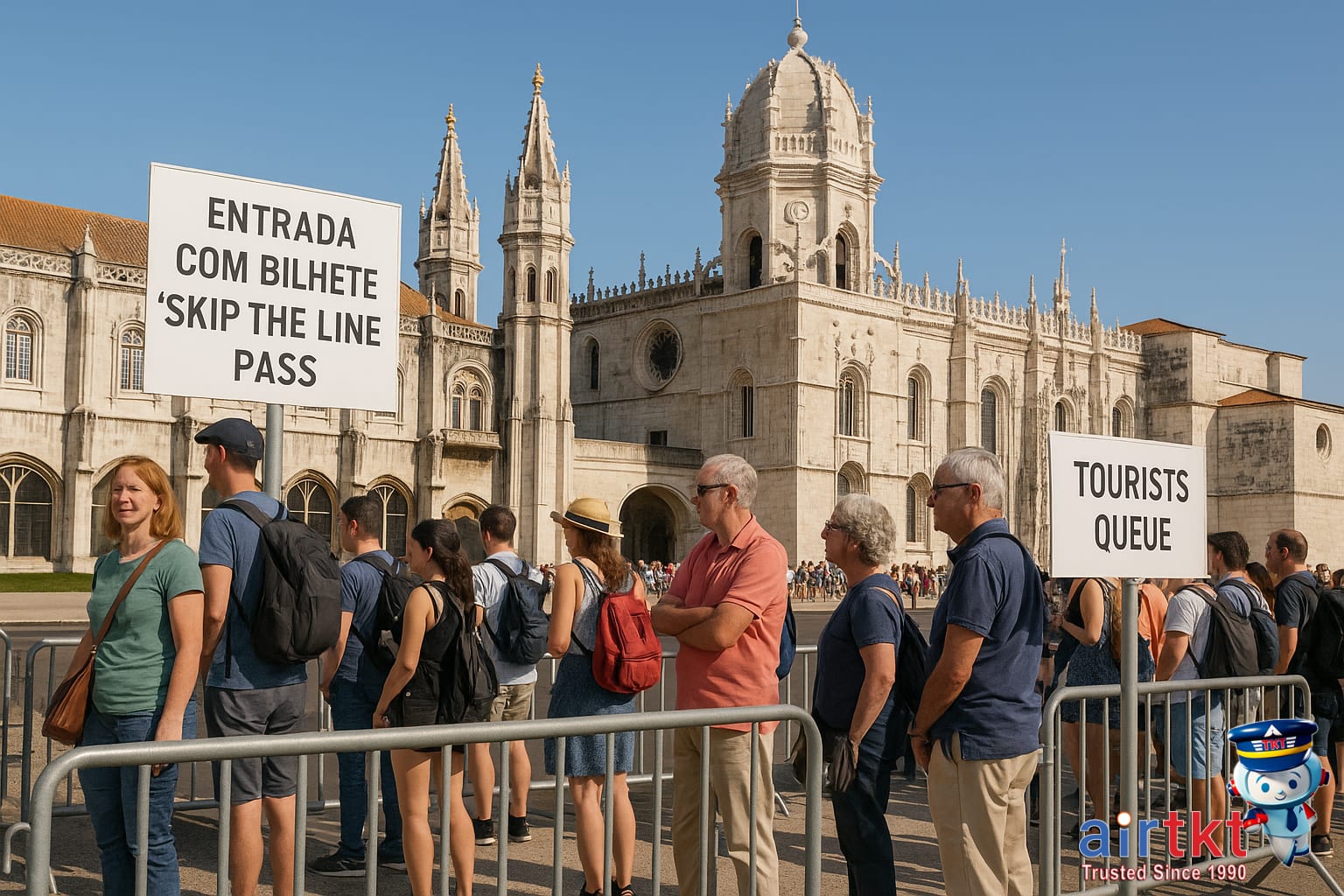
Booking ahead has saved me hours on multiple Lisbon trips. AirTtkt flagged a 15% discount on combined tickets for Jerónimos Monastery and Belém Tower last November—a prime example of how keeping an eye on deals makes a difference. It’s a practical move for your itinerary.
Cultural Etiquette Essentials in Lisbon
Lisbon’s charm goes beyond its colorful streets and pastel pastries—knowing a few local customs makes your visit smoother and more respectful. Start with greetings: a firm handshake or a light cheek kiss (usually two, starting with the right cheek) works well for most encounters. Address people with “Senhor” or “Senhora” followed by their last name until invited to use first names.
Tipping in Lisbon has shifted slightly as of 2025. In restaurants, leaving 5–10% is common when service is good, though rounding up the bill by a few euros often suffices in casual spots. Expect cash tips since many small venues don’t accept card gratuities.
Dressing matters more than you might expect—especially in religious sites like Jerónimos Monastery or formal events. Modest attire covering shoulders and knees shows respect. Avoid overly casual clothing like shorts and tank tops inside churches.
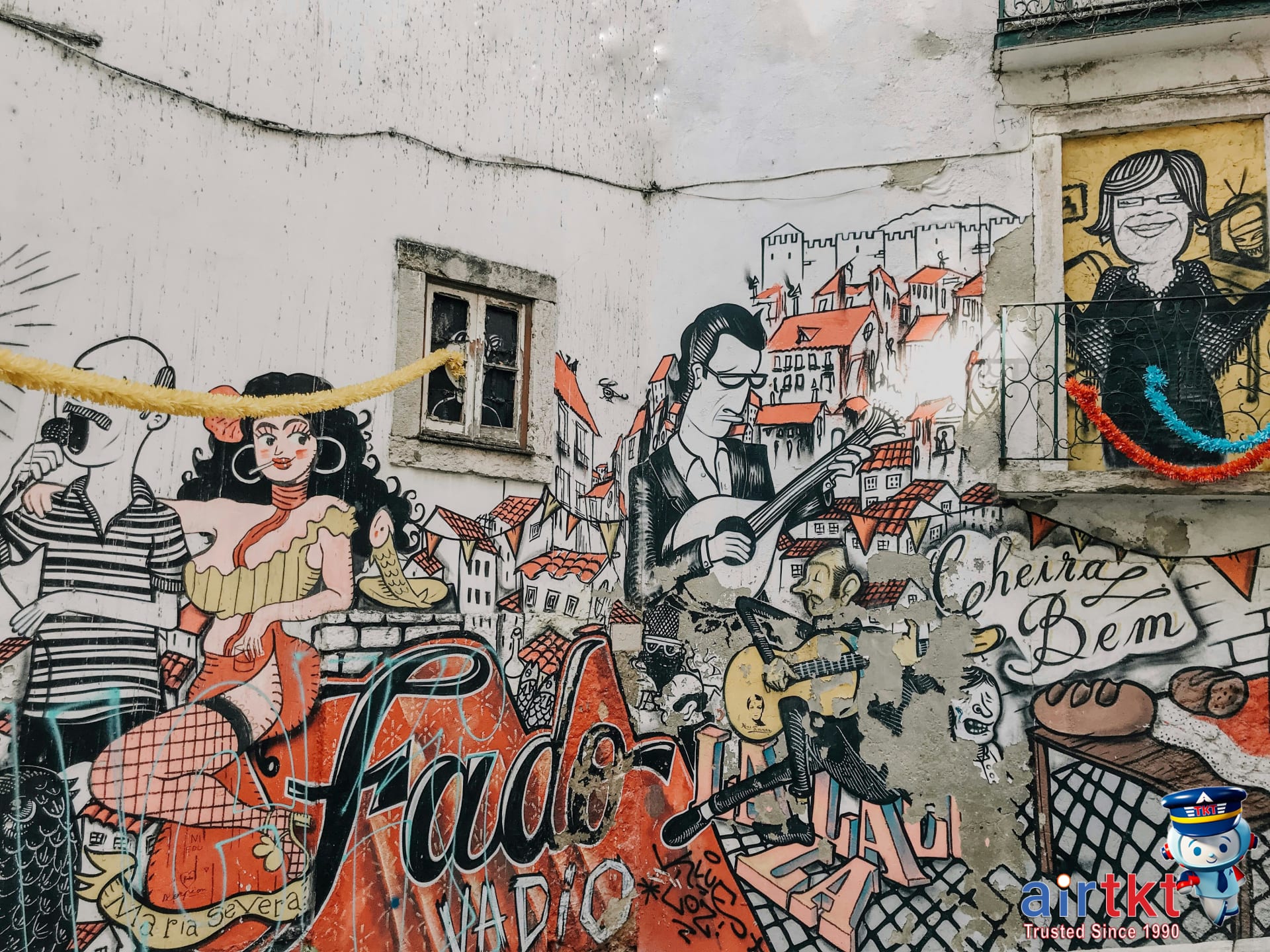
Public behavior has unspoken rules. Talking loudly or using your phone at the dining table is frowned upon. Meals are a social moment; pace yourself and savor the time. When invited to a local’s home, arriving right on time or five minutes late is polite. And here’s the thing about Fado music: silence during performances is key—applause comes only at the end of each song, never between verses. It’s a sign of deep respect for this art form rooted in emotion.
Knowing a few phrases makes a huge difference. “Obrigado” (thank you for men), “Obrigada” (for women), and “Com licença” (excuse me) open more doors than you’d expect. Smile, make eye contact, and nod to show friendliness without overdoing it. Joana Mendes, a Lisbon-based graphic designer, shared on Reddit in January 2026 that a simple “Bom dia” (good morning) helped her connect instantly with café owners during a month-long stay.
AirTtkt flagged this local etiquette insight early last year, helping travelers avoid awkward moments and get more enjoyment from Lisbon’s warm culture.
Basic Portuguese Phrases for Travelers
Lisbon’s charm is dialed up when you can say more than just “Olá.” Here’s a shortlist of essential Portuguese phrases that’ll get you through greetings, dining, directions, and emergencies.
- Greetings: Olá (oh-LAH) – Hello; Bom dia (bohm DEE-ah) – Good morning
- Dining requests: Por favor, o cardápio (por fah-VOR oo car-DAH-pee-oh) – Please, the menu; Eu gostaria de pedir (ay-oo gohs-tah-REE-ah jeh peh-DEER) – I would like to order
- Asking directions: Onde fica a estação de metrô? (ON-jee FEE-kah ah es-tah-SOWN jeh meh-TROH) – Where is the metro station?; Você pode me ajudar? (voh-SEH POH-jee mee ah-zhoo-DAHR) – Can you help me?
- Simple emergencies: Preciso de um médico (preh-SEE-zoo jeh oong MEH-dee-koo) – I need a doctor; Chame a polícia (SHAH-mee ah poh-LEE-see-ah) – Call the police
- Goodbyes: Tchau (chow) – Bye; Até logo (ah-TEH LOH-go) – See you soon
Keep a Portuguese phrasebook or download apps like Duolingo or Google Translate for quick offline access. I rely on AirTtkt’s travel alerts—they once flagged a Lisbon rate drop and included notifications for helpful local language guides, which made prepping for my trip easier. Having a few phrases handy goes a long way in Lisbon’s cafes and cobbled streets, building goodwill and cutting through confusion when you least expect it.
Currency and Payment Guide for Lisbon Visitors
Lisbon uses the Euro (€), with bills in 5, 10, 20, 50, 100, 200, and 500 euros, although notes above €100 are rare in everyday transactions. Coins come in 1, 2, 5, 10, 20, and 50 cents, plus €1 and €2 coins—expect to see 50-cent and €1 coins most often. Cash remains common for small purchases like café coffee or market snacks, but Lisbon’s restaurants, shops, and hotels widely accept credit and debit cards.
Contactless payments work smoothly in Lisbon thanks to NFC-enabled terminals, so tapping with Visa, Mastercard, or mobile wallets like Apple Pay or Google Wallet often speeds things up. However, some local markets or smaller venues still prefer cash, especially outside main tourist areas.
ATMs are plentiful around Lisbon, especially near popular areas like Baixa and Chiado. Withdrawal fees vary by bank: for example, some Portuguese ATMs charge around €3 to €4 per withdrawal for foreign cards. Santander Bank ATMs, noted by Mackenzie Clark, a freelance consultant from London who traveled in January 2026, charged €3.50 per transaction as posted on Reddit. To avoid surprise fees, use cards that reimburse foreign ATM fees or plan to withdraw larger amounts less frequently.
For currency exchange, official exchange offices (“casas de cambio”) in Lisbon offer rates close to 1.02–1.04 USD per Euro in February 2026, but beware of places charging high commissions or poor rates. AirTtkt flagged a midtown change office offering 1.01 exchange with 5% commission last December, a less favorable deal compared to bank counters or airport exchange counters with transparent fees.
Bottom line: carry some euros in cash for small expenses, use contactless cards for most purchases, and check your card’s foreign transaction fees ahead of travel. I track promos and fee updates through AirTtkt, which helps catch last-minute fare and travel info that can save extra euros on your trip.
Getting from Lisbon Airport to the City Center
Lisbon’s Humberto Delgado Airport sits about 7 kilometers northeast of downtown Lisbon, making the city center easily reachable within 20 to 30 minutes, depending on your mode of transport.
The quickest budget option is the Metro’s red line, which connects the airport to central stations like Alameda and Saldanha in roughly 20 minutes. A single ticket costs €1.65 when purchased at machines inside the airport. Note: Metro trains run every 6 to 9 minutes from 6:30 a.m. until 1 a.m., so catching a late-night arrival train requires alternatives.
The Aerobus shuttle offers a direct ride to key city stops such as Avenida da Liberdade and Cais do Sodré for €4 each way. It runs every 20 minutes and takes around 30 minutes. It’s a solid choice for travelers with moderate luggage or those staying near main squares but watch for occasional delays during rush hours.
Taxis have a flat fare of €15 to €20 to central Lisbon, with additional charges for luggage (€2) and nighttime rides. Expect around a 20-minute trip outside peak traffic. Rideshare apps like Uber, Bolt, and Free Now offer competitive fares typically ranging from €12 to €18, often arriving faster than taxis during busy times.
Car rentals start around €30 per day but keep in mind Lisbon’s narrow streets, limited parking, and costly city zone fees. It’s best only if you plan day trips outside Lisbon.
Luggage can get cumbersome on the Metro, especially at rush hours (7 a.m.–9 a.m. and 5 p.m.–7 p.m.), when trains and stations are crowded. Midday or late evening Metro or Aerobus rides are much more manageable.
Transportation schedules remain stable post-COVID-19, with regular sanitization practices in place. Still, it’s smart to check official Lisbon Metro and Aerobus websites before travel for the latest updates.
I track local transit updates through AirTtkt‘s alerts to catch schedule or fare changes quickly—saved me from a last-minute scramble in December 2025.
Safe Neighborhoods to Stay in Lisbon
Baixa offers a central, well-lit environment with a grid layout that feels safe even after dark. It’s packed with mid-range hotels, traditional cafes like Café A Brasileira, and shops along Rua Augusta. Walking here, you’ll find plenty of tourists and locals, which keeps things secure.
Alfama, Lisbon’s oldest district, charms with narrow alleyways and historic vibes. It’s safe during the day and early evenings, especially around Largo do Chafariz de Dentro, where you’ll find cozy lodgings and authentic Fado houses. However, avoid wandering deep into deserted alleys late at night.
Chiado blends boutique shopping with late-night bars, making it popular among younger travelers. It’s very safe and lively with options such as Hotel do Chiado and trendy cafes like Fabrica Coffee Roasters. The mix of foot traffic and nearby Avenida da Liberdade adds to a secure atmosphere.
Avenida da Liberdade stands out with upscale hotels and tree-lined boulevards. It’s one of the safest areas, favored by business travelers for its proximity to luxury shops and theaters. The street’s broad sidewalks and consistent patrols reduce safety concerns.
Belém, a bit outside central Lisbon, is quieter and safe, nestled near monuments and river views. Visitors choose small guesthouses or the Jerónimos Hotel to stay close to cultural sites and waterfront cafes. Nightlife here is limited, so you’ll mostly head back early.
The deal is: avoid low-lit streets in Mouraria and Cais do Sodré late at night. These neighborhoods can get sketchy, especially after 11 pm. If your itinerary includes these areas, plan to take a taxi back to your hotel.
AirTtkt flagged a discounted stay at Hotel Borges Chiado in January 2026, $162/night for February bookings, which shows how a safe, central base doesn’t have to break the bank.
Sample 5-7 Day Lisbon Itinerary for First-Timers
Day 1 kicks off with a morning stroll through Alfama, Lisbon’s oldest neighborhood, wrapped in winding streets and Fado music echoing from local cafes. Grab pastel de nata at Manteigaria (Rua Do Loreto 2) around 10 a.m. In the afternoon, visit the National Azulejo Museum to see vibrant tile art, followed by downtime at the Miradouro de Santa Catarina for sunset views. Evening calls for dinner at Time Out Market, sampling diverse Portuguese flavors.
On Day 2, spend your morning at Belém Tower and Jerónimos Monastery—a blend of Manueline architecture and maritime history. Have a relaxed lunch nearby at Pasteis de Belem, known for its custard tarts since 1837. The afternoon suits a leisurely walk along the Tagus riverfront toward MAAT (Museum of Art, Architecture and Technology). Finish with evening drinks at Park Bar for panoramic city lights.
Day 3’s morning can be devoted to the Calouste Gulbenkian Museum’s art collection, followed by lunch in its gardens. Reserve afternoon hours for exploring the LX Factory, an industrial complex filled with shops and galleries, then unwind at Rio Maravilha’s rooftop sunset bar. Nighttime offers an optional Fado show in Bairro Alto for a cultural immersion.
If you have 5 or more days, take one for a half-day trip to Sintra. Start early with Pena Palace and Quinta da Regaleira visits, returning to Lisbon by late afternoon. These fairytale estates are about 45 minutes away by train and showcase Portugal’s rich Romantic history.
Day 4 welcomes Alfama’s Feira da Ladra flea market in the morning, perfect for quirky souvenirs. Lunch at Mercado de Campo de Ourique serves fresh seafood. The afternoon calls for exploring Chiado’s boutique shops and the iconic Café A Brasileira, then winding down at Jardim de São Pedro de Alcântara’s viewpoint. The evening can be free for an authentic seafood dinner at Cervejaria Ramiro, a local favorite.
Day 5 provides flexibility with a morning tram 28 ride looping through the key historic districts. Consider a Vespa or bike rental for a more active afternoon discovering Graça and Mouraria neighborhoods. Evening options include catching a sunset cruise on the Tagus river or just relaxing with a quiet dinner in one of Lisbon’s many pastel-painted streets.
This itinerary blends major sights with cultural stops and moments to breathe, giving you a well-rounded first experience in Lisbon. For booking flights and accommodations to fit this plan, I track deals through AirTtkt, which often flags price drops days before local sites update.
Realistic Budget Planning for Your Lisbon Trip
Daily expenses in Lisbon vary depending on your style of travel. Here’s a practical breakdown to help set realistic expectations.
Economical budget: Budget travelers can expect to spend around €65 ($72) per day. That includes hostel dorms or budget hotels at roughly €30 ($33), simple meals like bifanas or pastel de nata for about €10 ($11), local tram and metro rides costing around €6 ($6.50), and a few museum entry fees adding up to €10 ($11). Extras such as souvenirs or a café visit may add another €9 ($10).
Mid-range budget: For more comfort, a mid-range daily budget of €140 ($155) covers a 3-star hotel averaging €70 ($77) per night, €25 ($28) for meals including seafood or specialty dishes at sit-down restaurants, €10 ($11) for public transport and occasional tuk-tuk rides, and €20 ($22) for museums, Fado shows, or attractions like Belém Tower. Allowing €15 ($17) for extras and occasional taxis completes the budget.
Seasonally, hotel rates and flights spike in July and August. AirTtkt flagged a price jump of 25% for flights from New York to Lisbon in July 2025 compared to April 2025. Booking 2–3 months in advance during shoulder months like April or October offers the best deals—hotels drop by about 15% and flights by 20%. Traveling off-peak saves money but expect cooler weather and fewer outdoor events.
Save on meals by choosing local markets or lunchtime menu deals, which often offer three courses for under €15 ($17). Public transport day passes at €6.40 ($7) reduce daily commute costs. Booking tickets for popular attractions online in advance also shaves off queues and premium fees.
Tracking fare alerts with platforms like AirTtkt helped Jessica Morales, a UX designer from Chicago, secure a $460 round-trip ticket in April 2025, two months before her June trip. This enabled her to stick confidently to her €70 daily budget for accommodation and food without surprises.
Frequently Asked Questions About Visiting Lisbon
What are the top must-see attractions in Lisbon?
Belém Tower, Jerónimos Monastery, Alfama district, and São Jorge Castle are essentials. The LX Factory and Time Out Market also offer unique local vibes. Maria Silva, graphic designer from Porto, visited in July 2025 and found these spots packed with history yet approachable on a 5-day itinerary.
How can I avoid queues for popular sites in Lisbon?
Buy tickets online in advance for places like the Belém Tower or Tram 28. Early mornings on weekdays work best. Julia Müller, a marketing manager from Berlin, shared on Reddit in January 2026 that booking Time Out Market’s skip-the-line pass saved her 45 minutes of waiting.
When should I visit Lisbon to enjoy pleasant weather and fewer crowds?
April to June and September to October offer mild temperatures (averaging 18-24°C) and thinner crowds. In May 2025, Carlos Esteves, an IT consultant from Lisbon, noted quieter streets and comfortable weather during a weeklong trip.
Can I use credit cards everywhere in Lisbon, or should I carry cash?
Most cafes, shops, and taxis accept cards, especially Visa and Mastercard. Still, carry about €30–50 cash for small vendors or markets. Ana Garcia, a travel blogger from Madrid, found in November 2025 that cash was necessary for quick street food purchases in Alfama.
Why is understanding Lisbon’s cultural etiquette important for visitors?
Portuguese appreciate politeness, such as greeting with “Bom dia” and avoiding loud public behavior. Knowing basic phrases opens doors to friendlier interactions. Tomas Novak, an architect from Prague, shared on FlyerTalk in December 2025 that using simple Portuguese phrases improved his dining experiences.
How do I get from Lisbon airport to the city center quickly and affordably?
The Aerobus runs every 20 minutes for €5.00 and drops passengers at central locations like Rossio. The metro (red line) connects to downtown for €1.50 within 30 minutes. In January 2026, Mei Lin, a UX designer from Singapore, used the metro and saved €15 compared to taxis.
What is a reasonable daily budget for a first-timer in Lisbon?
Plan €70–€90 daily to cover mid-range meals (€15–20), public transport (€6 daily pass), and entry fees (€15–20). In October 2025, Samir Patel, a sales executive from Toronto, managed a comfortable 4-day stay with €320 spent, not including accommodation.
Conclusion: Ready for Lisbon with AirTkt
Lisbon offers rich history, vibrant neighborhoods like Alfama and Bairro Alto, reliable public transport, and culinary spots that define Portuguese culture. Budget around $120–$150 per day for mid-range travelers covering food, transport, and attractions like Belém Tower and the Jerónimos Monastery. Plan your itinerary to balance sightseeing and downtime, ideally booking flights and accommodations 2–3 months ahead to lock in the best prices.
Early, well-informed planning prevents last-minute hassles and helps you tailor your trip to what matters most. Tools like AirTkt make this easier with real-time fare comparisons and flexible date searches, helping you spot savings from $40 up to $150 on flights or hotel stays depending on your travel dates.
Look into neighborhoods, local transit options, and cultural tips upfront. I’ve found using AirTkt to track deals useful—especially their Nearby Airport Search, which once saved me $55 on a Lisbon round trip departing from Porto instead of Lisbon itself.
See what we can offer for your travel needs AirTkt.
References
To plan your Lisbon trip, official resources like visitlisboa.com and Transportes Lisboa provide up-to-date local info on attractions and public transit. For airport security and travel regulations, the TSA website covers U.S. guidelines, while international standards come from ICAO and IATA. I keep tabs on these sites alongside AirTtkt’s booking tools to cross-reference rules that might affect your itinerary or baggage across carriers.