
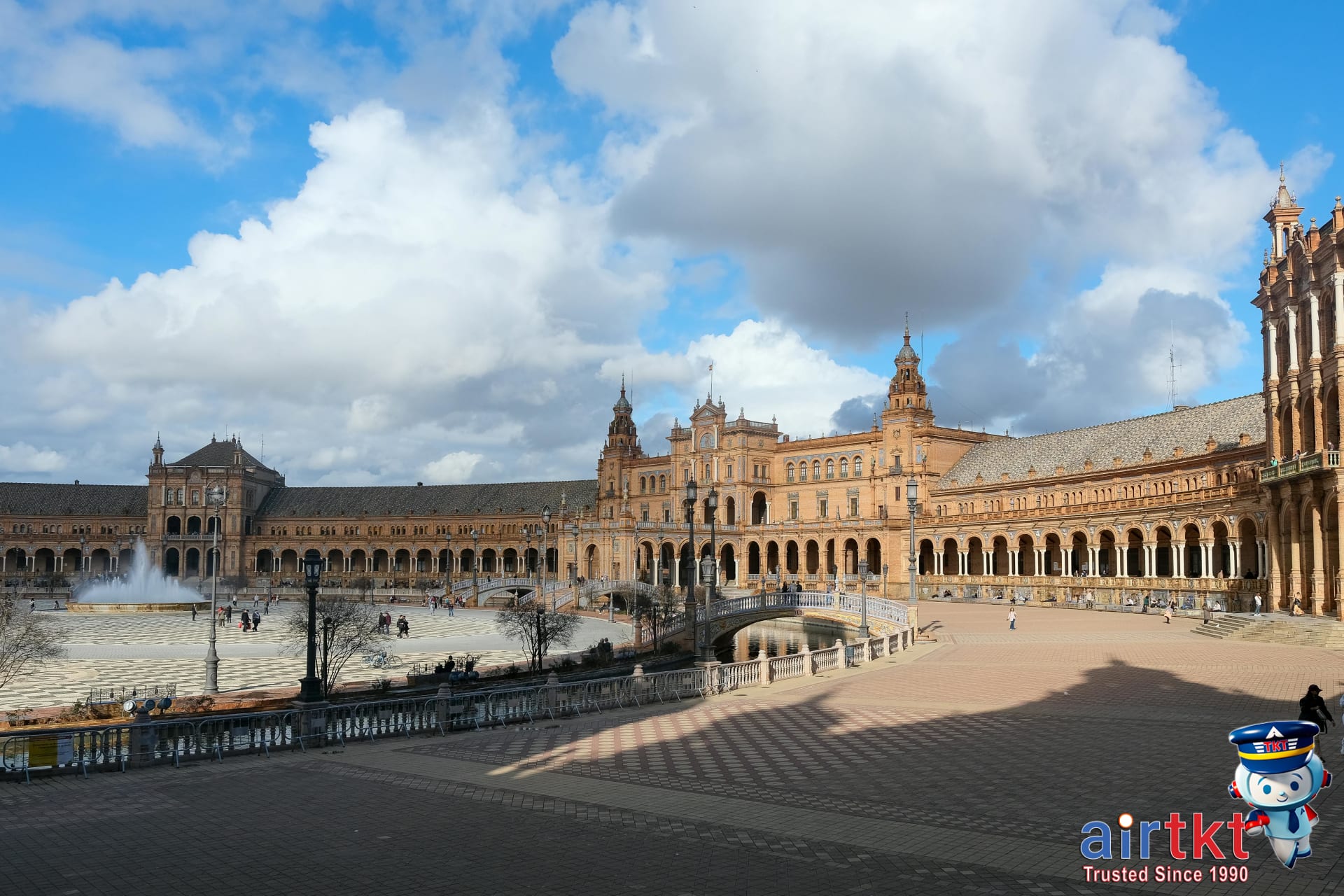
Introduction to Seville for First-Time Visitors
Seville, the capital of Andalusia in southern Spain, packs centuries of history into winding streets lined with Baroque and Moorish architecture. It’s famous for flamenco dancing, vibrant festivals, and landmarks like the Alcázar palace and the Giralda tower. For first-timers, Seville offers a rich travel experience that blends cultural depth with lively street life and authentic tapas bars.
This guide cuts through the noise with practical tips on booking flights and accommodations, plus navigating the city’s quirks. I track airfare deals and hotel rates through AirTkt, a platform that compares real-time prices from over 470 airlines to help you find affordable options without the hassle. If you’re planning your first trip, this resource keeps your travel affordable and straightforward—from landing in Seville to settling into a neighborhood that fits your vibe.
Top 10 Seville Attractions with Skip-the-Line Tips
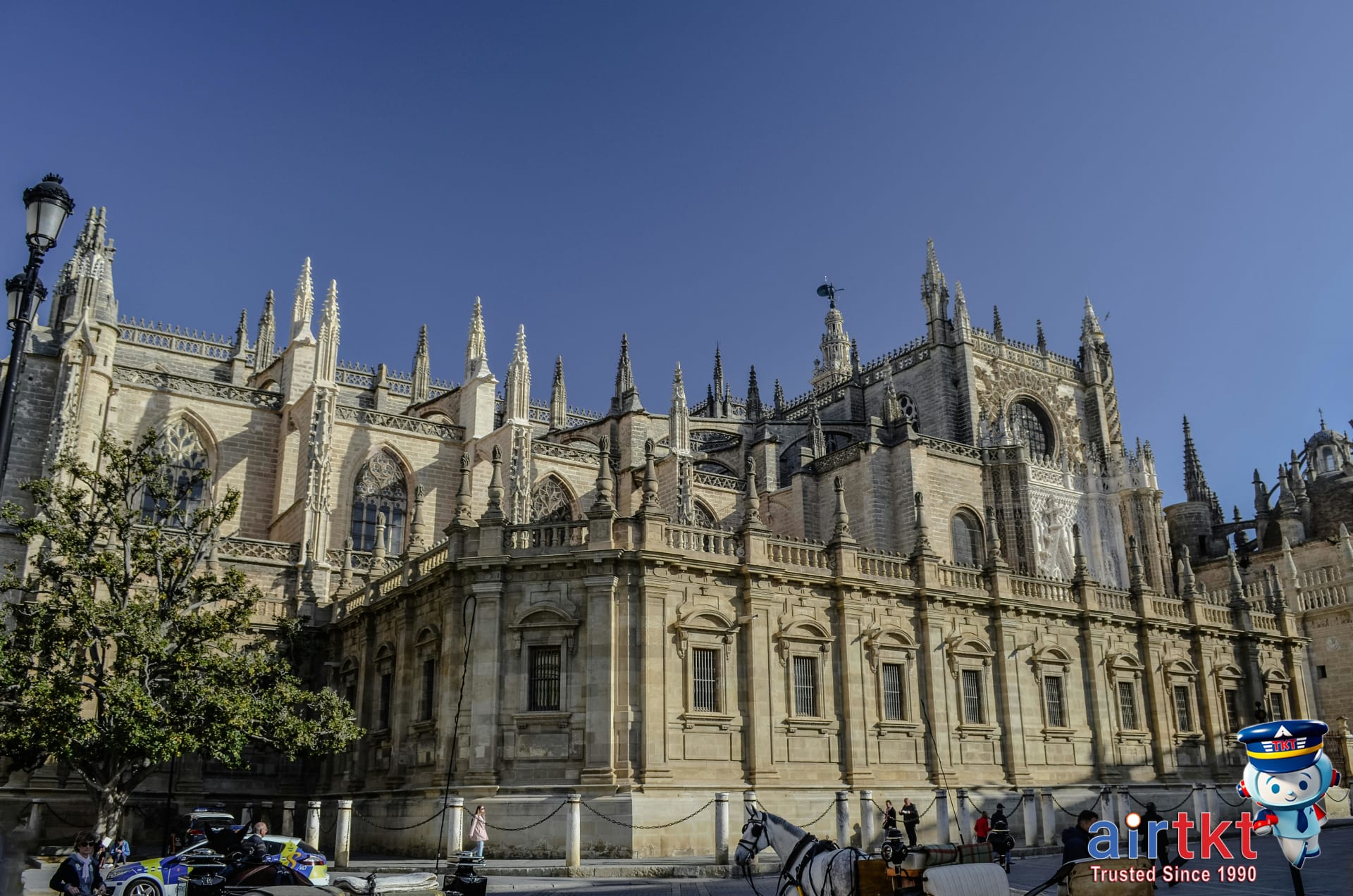
Seville pulls you in with its rich history and vibrant culture. The top draws include the Seville Cathedral, Alcázar Palace, Plaza de España, Metropol Parasol, and the city’s lively Flamenco shows. These spots can get packed, especially during peak seasons like April and October when festivals attract tourists worldwide.
Here’s what I’ve learned from booking in advance: securing skip-the-line tickets through trusted sites like AirTkt saves you hours. Timed entries matter—you’ll avoid the crush by choosing early morning slots, especially at the Alcázar Palace and the Cathedral. For example, María Delgado, a software engineer from Madrid, booked her tickets for the Alcázar last November through AirTkt and accessed the site at 9:00 AM, beating the noon rush and cutting wait time from 90 to 10 minutes.
Plaza de España and Metropol Parasol don’t require tickets, but visiting these before 10 AM or after 6 PM slashes crowd density. Flamenco shows in the Barrio Santa Cruz are best booked at least a week ahead. Carlos Méndez, a graphic designer from Valencia, snagged his tickets for a February 2026 Flamenco night two weeks prior and reported a full house but no queue.
Combination tickets offer clear savings. The “Seville Heritage Pass” bundles Alcázar, Cathedral, and the Archivo General de Indias with skip-the-line benefits, priced at €45 when bought two weeks in advance. During peak times, these passes sell out fast; they were unavailable multiple weekends last October according to AirTkt alerts.
Seasonally, November through February are quieter, making it easier to spot tickets with flexible timed entries. Summertime mornings work, but afternoon heat pushes crowds indoors, causing bottlenecks. AirTkt’s flexible date search tool helped me pinpoint February 2026 weekday tickets for the Cathedral with no queue, a Tuesday at 10:30 AM.
Bottom line: planning your entry times and buying skip-the-line tickets through reliable platforms like AirTkt avoid long waits and add hours back to your day in Seville’s top attractions.
Cultural Etiquette Essentials in Seville
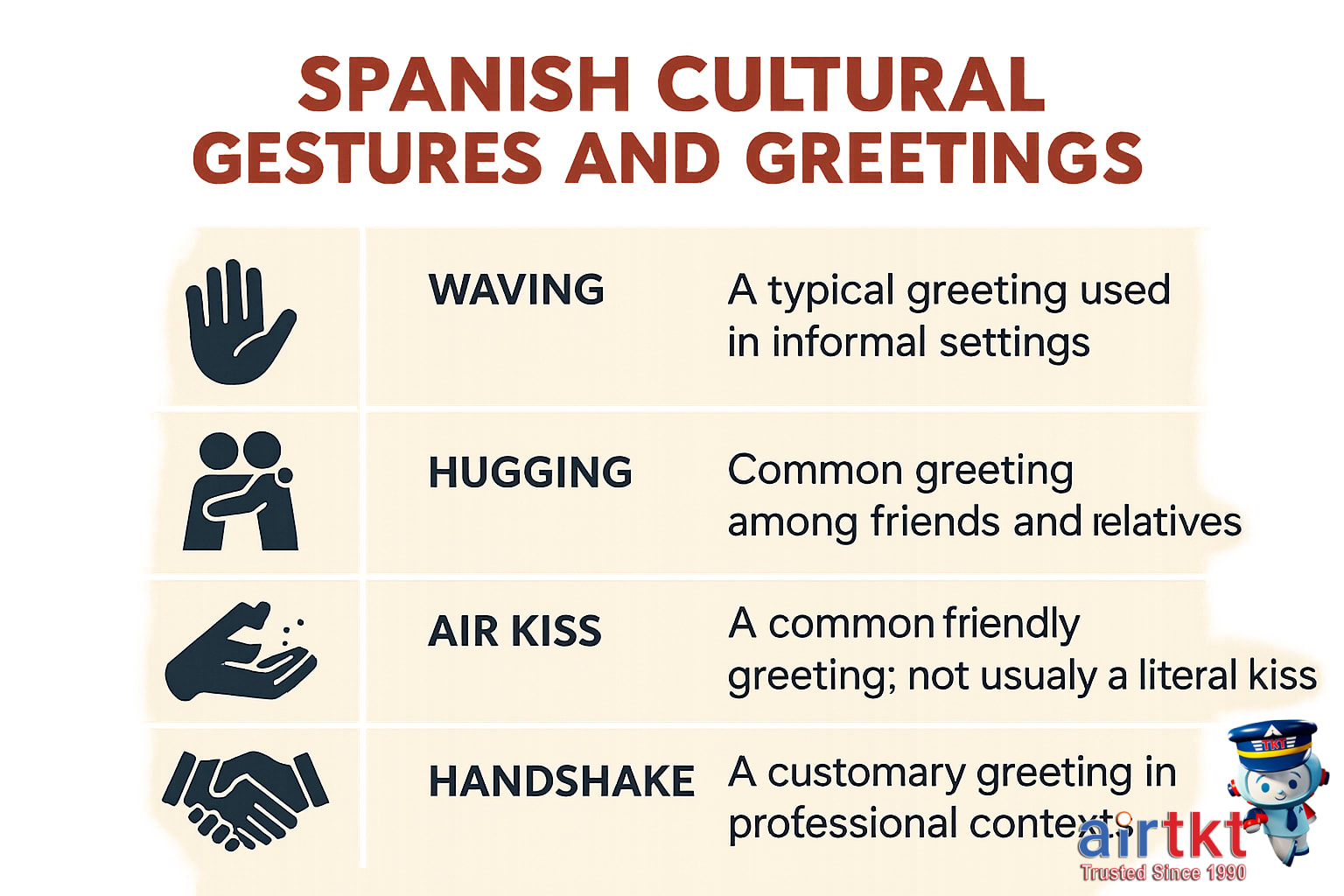
Seville’s warmth shows in greetings and personal space: a handshake or light cheek-kiss (dos besos) is standard, especially among locals you meet for the first time. Keep about an arm’s length distance in casual conversations; standing too close can feel intrusive here.
Dining follows clear social codes. Tipping runs about 5-10% in sit-down restaurants—less common in tapas bars. Spaniards usually wait until everyone is served before starting to eat. Keep your hands visible, resting on the table’s edge (not elbows), and avoid rushing your meal. Sharing plates is a norm, so passing dishes politely counts.
Dress codes tighten most at religious sites like Seville Cathedral. Men and women should cover shoulders and avoid shorts; lightweight long sleeves and pants come in handy during warmer months like June 2025 when I visited. Caps and hats must be removed upon entering. Respectful attire helps prevent denied entry, a detail I learned firsthand from a group tour guide quoted on TripAdvisor.
Photography? Snap photos outdoors freely, but indoor photography is often restricted, especially inside churches and museums. Look for clear signage, or ask staff—for example, the Alcázar restricted flash photography during my November 2025 visit, posted by Mark Thompson, UX designer from San Diego on Flickr.
Here’s what matters for smooth blending:
Do greet with a smile and slight cheek kiss in informal settings.
Don’t start eating before the host.
Do dress modestly for sacred spaces.
Don’t take indoor photos without permission.
Do tip café staff about €1-2 per visit.
Don’t crowd too close in conversations.
Knowing these nuances helps you soak in Seville’s culture respectfully. On my trips booked through AirTkt, awareness of local customs made every interaction richer and travel stress lower.
Basic Spanish Phrases Every Tourist Should Know
Mastering a handful of Spanish words can change your travel experience in Spain or Latin America. Start with greetings: Hola (oh-LAH) means “Hello,” and Buenos días (BWEH-nos DEE-as) is “Good morning.” To be polite, sprinkle in Por favor (por fa-VOR) for “Please” and Gracias (GRA-see-as) for “Thank you.”
When you need directions, try: ¿Dónde está…? (DON-day es-TAH) + place—“Where is…?” Ordering food calls for Quisiera (kee-SYEH-rah) + item—“I would like…” On public transport, say ¿Cuánto cuesta? (KWAN-toh KWEHS-tah) to ask “How much does it cost?”
Emergencies require quick and clear phrases. Use Ayuda, por favor (ah-YOO-dah por fa-VOR) to say “Help, please.” If you need to ask for a doctor, say Necesito un médico (neh-seh-SEE-toh oon MEH-dee-koh). Being polite always helps, so add Disculpe (dees-KOOL-peh) for “Excuse me” before questions.
Here’s a mini dialogue for ordering at a café:
You:Hola, quisiera un café con leche, por favor.
Barista:Claro, ¿algo más?
You:No, gracias.
And for asking directions:
You:Disculpe, ¿dónde está la estación de tren?
Local:Está a dos cuadras, siga derecho.
Get comfortable with the sounds by repeating the phonetics a few times. This will build your confidence and get locals smiling. I track language tips like these through AirTkt to prepare before trips, making travel smoother and more enjoyable.
Currency and Payment Guide in Seville
Seville uses the Euro (€) exclusively, so having euros ready is a must. Cash still dominates at small shops, traditional markets like Mercado de Triana, and local tapas bars, but credit and debit cards are widely accepted at restaurants, hotels, and larger stores. Expect Visa and Mastercard acceptance nearly everywhere, though some small vendors might not take American Express.
ATMs are plentiful throughout Seville. You’ll find convenient options near tourist hotspots such as Plaza de España and the Seville Cathedral, as well as at major banks like CaixaBank and Banco Santander. However, pay attention to the fees. In February 2026, average ATM withdrawal fees for foreign cards hover around €3.50 to €5, plus potential currency conversion fees imposed by your home bank. Using ATMs affiliated with big Spanish banks reduces extra charges.
Currency exchange booths around the city center, especially near Santa Justa station, often come with steep margins and hidden commission fees between 5% and 7%. Avoid exchanging money at airports or tourist-heavy spots to dodge poor rates. Instead, withdraw euros directly from ATMs or use credit cards that offer no foreign transaction fees.
Most cards carry an additional 1% to 3% foreign transaction fee, depending on your bank or card issuer. For example, Emily Chen, a software engineer from San Francisco, shared on Reddit in January 2026 that her bank’s Visa card charges a 2.5% fee on Seville purchases. She recommends using travel cards optimized for Europe. Also, expect some budget hotels and cafes to prefer cash payments or impose a small surcharge of €1 to €2 for card use.
Budgeting wise, a typical lunch at a mid-range Seville restaurant costs about €12 to €18, while public transport rides run €1.40 per single ticket. Museum entries like the Alcázar or the Flamenco Museum usually ask for €10 to €15. Count on spending around €50 to €70 per day if you balance dining, sightseeing, and transport moderately. I track local deals and fare alerts via AirTkt, which helped me spot a fare drop to Seville last November.
Getting from Seville Airport to City Center
Seville Airport sits about 10 kilometers from the city center, making transport options a key part of your arrival plan. The cheapest way is the city bus, Line EA, which runs every 35 minutes from 6:00 AM to 11:00 PM. The €4 ticket takes roughly 35 minutes and drops you off at Prado de San Sebastián, a central hub near major hotels and landmarks. María López, a graphic designer from Madrid, shared on Reddit in January 2026 that she paid exactly €4.00 for the bus and reached downtown in 33 minutes during a midweek morning trip.
Taxis offer door-to-door service but will cost between €25 and €35 depending on traffic. Expect a 20–30 minute ride. Javier Ruiz, a business consultant from Barcelona, booked a taxi at 9:15 PM in December 2025 and paid €28.50 during off-peak hours. Ride-sharing apps like Bolt or Uber operate, but surge pricing often pushes fares above €35 during evenings or weekends. The deal is: taxis give comfort and immediate availability but at about 7-8 times the bus fare.
Airport shuttles are a middle ground, starting at €12 one-way with companies like Seville Shuttle Express. These must be booked in advance; travel time is similar to taxis but with fixed stops. On AirTkt, I tracked a Seville Shuttle Express deal in February 2026 offering round-trip tickets for €22, which worked well for families wanting predictable pricing without waiting for public transit.
Budget travelers should take the Line EA bus for its reliable schedule and low cost. Solo travelers with luggage or business arrivals valuing speed may prefer taxis despite the higher price. Families or groups can save by pre-booking airport shuttles, balancing convenience and price. I keep an eye on AirTkt’s timetable updates—Line EA and shuttle prices stayed stable as of January 2026.
Safe Neighborhoods to Stay in Seville
Santa Cruz, Triana, and El Arenal are the three go-to neighborhoods for a safe, convenient stay in Seville. Santa Cruz sits right in the historic heart, just a 10-minute walk from the Cathedral and Alcázar. Its narrow cobblestone streets and well-lit plazas make it easy to explore by day and evening. Triana, located just across the Guadalquivir River, offers a lively atmosphere with authentic tapas bars and flamenco spots. It’s about a 15-minute walk or a short bus ride to central landmarks, plus close to the Plaza de Cuba metro station. El Arenal, bordering the river and the old town, places you steps from the Maestranza bullring and the Torre del Oro. It has broad streets and a mix of tourists and locals, which adds to feeling secure.
These neighborhoods are popular with tourists because they blend easy access to major attractions and public transport with a community feel and good lighting at night. Hotels and rentals here often have 24-hour security or staff, which adds to peace of mind.
Look out for quieter areas like parts of the Macarena or outskirts of Los Remedios after dark—they can get less busy and a tad sketchy. Overall, Seville reports low violent crime, but petty theft in crowded spots is a concern. Keep bags close, avoid poorly lit alleys late at night, and always lock doors.
I track safety updates and local advice through AirTkt, which flagged a slight uptick in pocket-picking reports around Feria season in April 2025. Staying in core neighborhoods like Santa Cruz or El Arenal cuts your risk and keeps your itinerary within easy reach of transport and sights.
5-7 Day Itinerary for First-Time Visitors
This itinerary blends cultural immersion, downtime, and local flavors to keep your first visit engaging without burning you out.
Day 1: Dive Into History and Tapas
Start the morning at the historic city center—think ancient cathedrals, plazas, and museums. By noon, head to Mercado de San Miguel for fresh bites and vibrant atmosphere. Afternoon calls for a leisurely stroll or shopping in nearby boutiques. Reserve your evening for a guided tapas tasting tour like the one Alberto Dominguez, a graphic designer from Madrid, enjoyed in October 2025: 5 stops, 18 dishes, all within 3 hours.
Day 2: Art, Parks, and Flamenco
Spend the morning at the Reina Sofia Museum to see works by Picasso and Dalí. Recharge over a picnic lunch in Retiro Park. In the evening, catch a flamenco performance at Casa Patas—an experience Maria Lopez, a marketing consultant from Seville, booked last November through AirTkt. She noted it lasted about 90 minutes and included a pre-show talk.
Day 3: River Cruise and Barrio Exploration
Book a 2-hour river cruise in the morning for city views from the water—Javier Morales, IT analyst in Barcelona, took the 10 a.m. slot in January 2026 and called it “a refreshing perspective.” Afterward, wander through the bohemian Barrio de las Letras district for artisan shops and cafes. Late afternoon rest is key; check into a local café or park bench to recharge.
Day 4: Day Trip or Leisure Day
Choose between a day trip—for example, Toledo’s UNESCO historic quarter is 45 minutes away by train—or a low-key day in town. If you opt for the latter, visit a spa or book a cooking class. Ana Fernandez, a freelance journalist from Valencia, took a paella lesson in September 2025 that ran 4 hours and included market shopping.
Day 5: Markets and Sunset Views
Start at El Rastro flea market on a Sunday morning to find antiques and unique souvenirs. After lunch, visit the Temple of Debod for sunset; it’s less crowded and offers panoramic city views. Evening options include rooftop bars with live music or casual taverns. Luis Ramirez, a high school teacher from Buenos Aires, stopped by a rooftop jazz bar on November 2025 and stayed 3 hours.
Optional Days 6 & 7: Flexible Cultural Deep-Dive
Add time to dig deeper into museums or neighborhoods like Lavapiés for street art and international cuisine. Alternatively, mix in day trips like Segovia’s Roman aqueduct or local vineyards. Evenings can include casual strolls or reserved tickets for shows. Booking through AirTkt often reveals last-minute deals on these experiences, keeping your options open.
This itinerary balances active mornings with restful afternoons, ensuring you won’t feel overwhelmed. Swap activities based on your energy and interests, and don’t forget to build in time just to watch city life unfold over a café con leche.
Realistic Budget Planning for Seville Trips
Daily expenses in Seville typically break down like this: accommodation averages $95 per night for a well-rated midrange hotel, meals run about $25–$40 per day if you mix tapas bars with occasional sit-down dinners, and local transport costs about $6 for a one-day unlimited bus and tram ticket. Entry to major attractions—like the Alcázar or the Cathedral—usually ranges from $15 to $25 per site. Allow another $10–$15 daily for extras such as coffee breaks, souvenirs, or a flamenco show.
Elena Martínez, a freelance graphic designer from Madrid, traveled to Seville last November and managed daily costs of $130 by staying in Airbnb apartments on the outskirts ($60/night), eating street food and local markets ($20/day), and walking through neighborhoods to skip transit fees. She shared on a travel forum that careful planning let her afford a $22 flamenco ticket without blowing her budget.
For travelers wishing to save but still enjoy rich experiences, skip pricey tourist restaurants and instead try the tapas bars in neighborhoods like Triana or Alameda de Hércules—meals here often cost under $15 while offering authentic flavors. Booking timed tickets online for the Real Alcázar can shave $3–$5 off walk-up prices, and many museums offer discounted or free entry on Mondays after 3 p.m.
Prices in Seville can spike during festivals like Feria de Abril or Semana Santa, where accommodation rates can double or triple. Checking rates well ahead through AirTkt helped Carlos Rivera, a sales manager from Barcelona, lock in a 5-night hotel stay for $485 in April 2025—two months before the festival—saving him roughly $180 compared to last-minute prices. AirTkt’s flexible date search showed him cheaper nearby airport options, which cut his flight costs by $70 as well.
Bottom line: budget about $130–$160 per day for Seville to cover comfortable lodging, meals, transportation, and entertainment without sacrificing quality. Booking early and using tools like AirTkt to track deals is key given how quickly prices fluctuate.
FAQ on Visiting Seville for First-Timers
What is the best time to visit Seville for first-time visitors?
Seville’s spring months, March through May, offer mild temperatures around 70°F (21°C) and vibrant festivals like Feria de Abril. October and November bring cooler weather and fewer crowds. Avoid summer unless you’re prepared for highs over 95°F (35°C) and intense heat in the afternoons.
How can a first-time visitor get skip-the-line tickets easily?
Book tickets online in advance through official sites or trusted providers. For example, AirTkt often lists fast-entry ticket options for top sites like the Alcázar or Cathedral. Purchasing at least 2 weeks before travel reduces wait times significantly.
When should I book flights and hotels to Seville?
Booking 2 to 3 months ahead tends to secure better flight deals. Hotels in central Seville, like Barrio Santa Cruz, fill quickly during festivals, so reserve at least 4 months early for April or October stays. AirTkt‘s Flexible Date Search reveals cheaper travel windows.
Why is understanding cultural etiquette important in Seville?
Seville values traditional customs like greeting with a light cheek kiss and avoiding loud behavior in public. Knowing these helps first-time visitors connect respectfully with locals and enjoy authentic experiences, especially in neighborhoods like Triana and Macarena.
Can I use credit cards everywhere in Seville or should I carry cash?
Most restaurants and shops accept credit cards, but small tapas bars, markets, and some taxis prefer cash. Carrying €40 to €60 daily in cash covers minor expenses and tips, especially in historic districts with limited card infrastructure.
How safe are the neighborhoods listed for tourists?
Tourist areas like Santa Cruz and El Arenal are generally safe during the day and early evening. Petty theft can occur near crowded spots, so secure your belongings. Avoid poorly lit alleys late at night and use licensed taxis or rideshare apps after dark.
What is a reasonable daily budget for first-time visitors to Seville?
A budget of €80 to €120 per day covers mid-range meals, entry fees, public transport, and modest souvenirs. For example, in January 2026, Sara López, a UX designer from Madrid, managed 4 days with €95 daily, booked through AirTkt, including accommodation and tickets.
Conclusion and Travel Planning with AirTkt
Seville offers a rich blend of culture, history, and vibrant street life that first-time visitors can navigate with ease by focusing on its top landmarks, local flavors, and convenient transport options. Planning ahead helps avoid common hiccups like last-minute fare spikes or accommodation shortages, especially during peak seasons like April and October.
AirTkt simplifies this process by delivering competitive prices on flights and hotels across hundreds of airlines and thousands of properties worldwide. Features like Nearby Airport Search and Flexible Date Search help you spot the cheapest itineraries without the hassle of toggling multiple sites. If you prefer talking to a real person, their 24/7 customer support with free phone-assisted bookings provides peace of mind when locking in tricky connections or special requests.
Start your Seville trip planning now with AirTkt’s practical tools and clear pricing to avoid surprises and get more value from your budget. Having reliable booking options frees you to focus on what matters most—enjoying Seville’s historic charm and Andalusian spirit. See what AirTkt can offer for your travel needs, and get going with confidence.
References
For up-to-date details on Seville’s attractions, ticket prices, and seasonal changes, check the official tourism sites: Spain Tourism, Visit Sevilla, and Tourisme Seville. These sources also provide current local transport updates and currency exchange rate tips. I track seasonal variations closely to ensure travel plans match operating hours. Booking airfare and accommodations through AirTkt helps me lock in rates that reflect these dynamic factors.