
What Capsule Hotels Are and Why They Matter in Japan
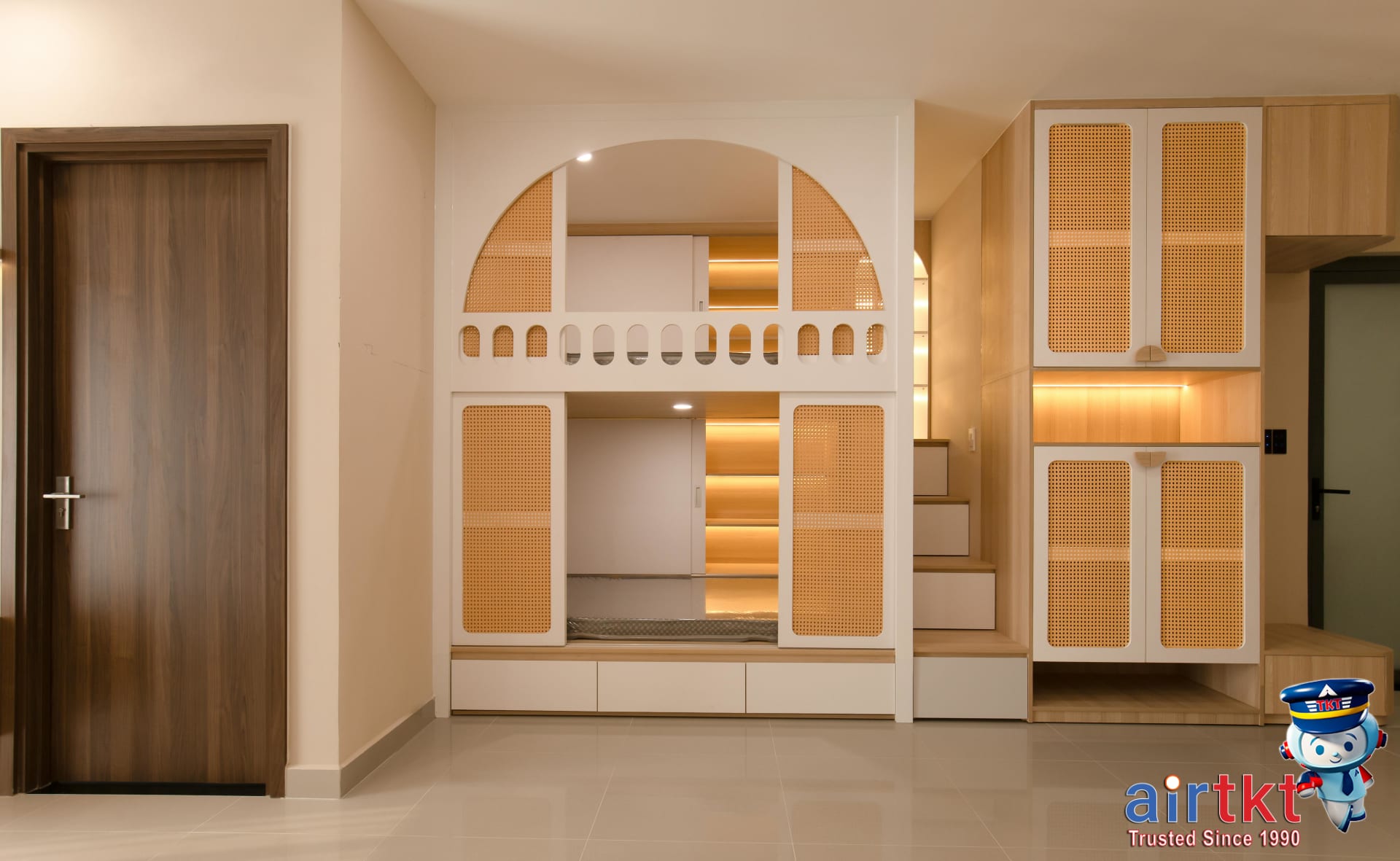
Capsule hotels are compact sleeping pods designed to offer efficient, affordable lodging in crowded urban environments. Each pod typically measures about 2 meters long and 1 meter wide—just enough space for a bed, basic lighting, and sometimes a small TV or charging station. Originating in Osaka in 1979, capsule hotels were made to meet the needs of salarymen who missed the last train home or travelers seeking budget stays without sacrificing convenience.
Today, capsule hotels play a significant role in Japan’s urban lifestyle and travel economy. They cater not only to business travelers and backpackers but also to domestic commuters and tourists seeking no-frills accommodations in city centers. Their cultural appeal lies in balancing minimalism with modern tech and hygiene standards, reflecting Japan’s approach to space-saving and efficiency.
This article focuses on comparing capsule hotels across five key aspects: price ranges, amenities offered, typical guest profiles, locations, and the ease of booking. To keep information reliable, data comes from Japan National Tourism Organization reports and hospitality industry sources updated through February 2026.
For travelers hunting affordable stays in Tokyo, Osaka, or Kyoto, understanding these factors can save hundreds of dollars and time during planning. I track capsule hotel promotions alongside flight deals on airtkt.com, which flagged several exclusive room rates last winter, proving that budget travel in Japan remains accessible with the right insights.
Price Range Comparison and Booking Flexibility
Tokyo, Osaka, and Kyoto offer diverse capsule hotel options mostly falling into two price tiers. Budget capsule hotels in Tokyo average around ¥3,500–¥4,200 per night ($26–$31) in March 2026, with properties like Anshin Oyado Premier Osaka typically priced at ¥3,800 ($29). Slightly upscale capsule hotels, such as Nine Hours Kyoto, charge between ¥5,500–¥7,000 per night ($42–$54), providing more privacy and amenities. Osaka’s mid-tier capsules hover near ¥4,200 ($31) per night, offering the best balance between cost and comfort.
Booking directly on hotel websites often includes perks like flexible cancellation policies—many allow free cancellation up to 24 hours before arrival—but prices tend to be 5–7% higher. Meanwhile, online travel agencies like airtkt.com typically offer lower rates with limited cancellation options. For example, a Tokyo capsule booked in February 2026 using airtkt.com came out to ¥3,350 ($26) but had a non-refundable policy, compared to ¥3,600 ($28) on the hotel’s own site with free cancellation until two days before check-in.
Pricing shifts noticeably with timing and seasons. Booking at least 30 days in advance in Kyoto during the March sakura season can mean paying nearly 20% more, as peak tourism drives capsule prices up from ¥4,800 ($37) midweek to ¥5,700 ($44) on weekends. Conversely, late offseason months like November show discounts up to 15% when booking a week ahead. Osaka fares similarly rise during Golden Week holidays (late April to early May), with weekends costing 10–15% more than midweek. Flight patterns tracked through airtkt.com confirm these seasonal peaks also align with higher airfare to Kansai and Narita airports, pushing total trip costs higher around these periods.
Weekend vs. midweek stays highlight how flexible travelers can save. For example, a March 2026 weekend capsule stay in Tokyo’s budget range averaged ¥4,200 ($31) per night, while a Tuesday–Thursday stay dropped to ¥3,600 ($28). These differences add up quickly for longer trips and matter when juggling budget and convenience.
Amenities and Accommodation Types
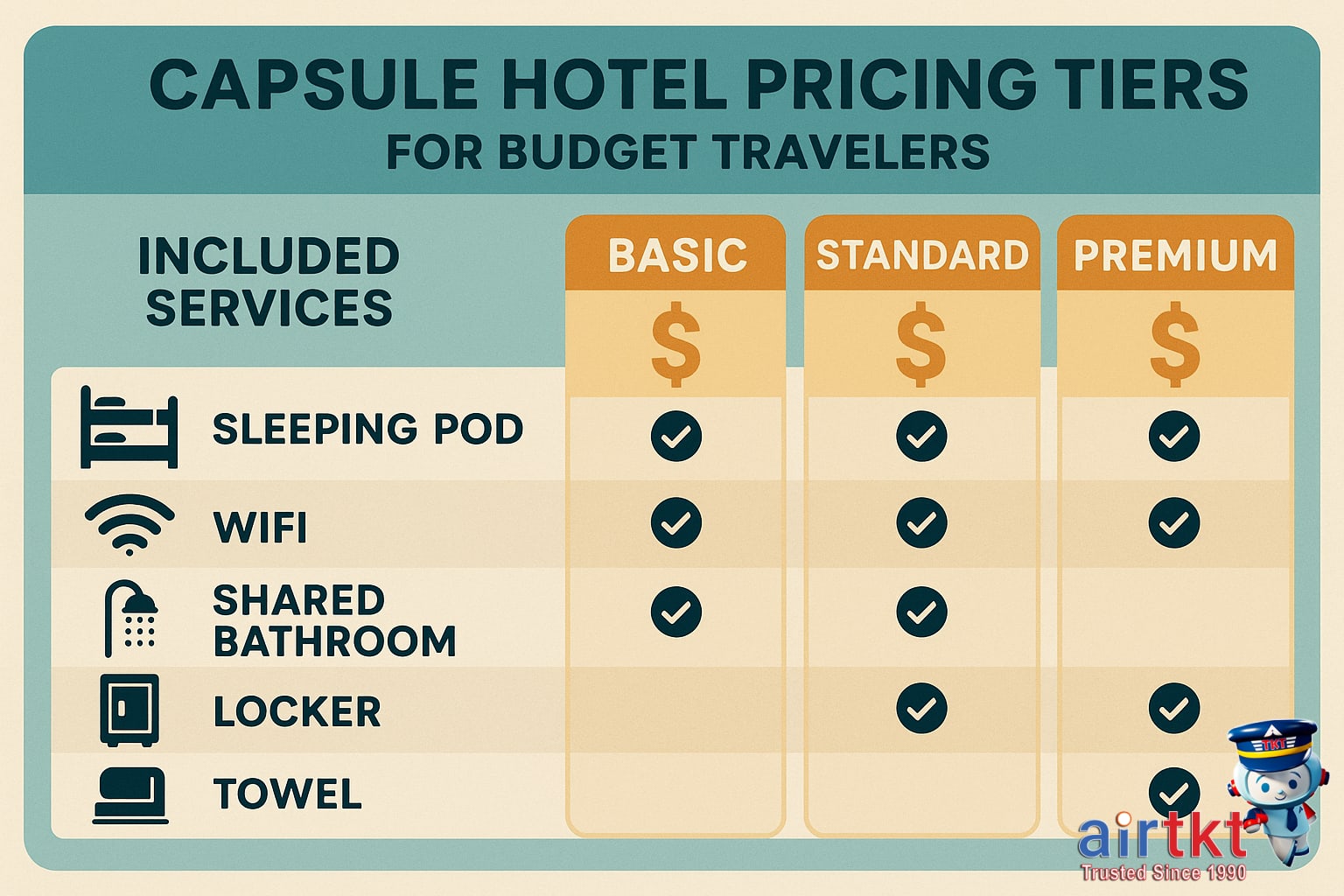
Capsule hotels pack a surprising amount into compact spaces. Most pods range from 6 to 8 feet in length and about 3 feet wide. Privacy is usually handled by either a sliding curtain or a solid door, with door pods costing slightly more but offering better sound isolation. Inside, you’ll often find a flat-screen TV, USB charging ports, and built-in air conditioning or ventilation—key for feeling comfortable in tight quarters.
Communal facilities vary widely across capsule hotels. Bathrooms and showers are almost always shared, with some places offering gender-specific sections. Lounges with comfy seating, bathhouses featuring hot tubs or saunas, and snack bars stocking quick bites or drinks add layers of convenience or relaxation depending on the property. For example, Tokyo’s Capsule Hotel Anshin Oyado offers a spa and massage services along with its pods, while Osaka’s First Cabin focuses on streamlined essentials with shared lounges.
Capsule models break down into a few categories. Male-only pods are common in Japan, catering primarily to business travelers, while female-only capsules focus on increased security and comfort for women. Mixed-gender pods exist but are often arranged so men and women have separate sleeping areas or floors. Luxury pods might include features such as thicker mattresses, better soundproofing, and upgraded bedding, aimed at travelers willing to pay a bit more for comfort.
| Feature | Pod Interior | Common Area |
|---|---|---|
| Privacy | Curtain or door, personal space approx. 6-8 ft long | Open lounge spaces, shared walkways |
| Tech | TV, USB charging, built-in AC or ventilation | Wi-Fi hotspots, charging stations |
| Facilities | Basic sleeping setup | Bathrooms, showers, bathhouse, snack bar |
Traveler checklist before booking:
- Need privacy? Confirm whether pods use doors or just curtains.
- Value relaxation? Check for bathhouse or spa facilities.
- Traveling solo or with the same gender? Male-only or female-only pods may offer a safer, quieter stay.
- Looking for comfort? Consider luxury pods with upgraded bedding and soundproofing.
For a closer look at pod interiors versus common spaces, the photo showing the snug, tech-equipped pod layout and the adjacent communal lounge illustrates exactly what to expect—details I always cross-reference during booking. I track all these features on airtkt.com to catch the best deals where pod amenities match my priorities. No BS—knowing what the pod offers versus the shared areas saves headaches and gets you rest.
Typical Guest Profiles and Location Considerations
Urban capsule hotels attract distinct guest types shaped by their city location and traveler priorities. Late-working salarymen hunting quick overnight stays gravitate toward sites near transport hubs. Tokyo-based financial planner Ayumi Nakamura booked a capsule near Shinjuku Station in January 2026 for $52 a night, valuing easy access to trains over extra amenities. These spots prioritize speed and convenience, fitting tight business schedules.
Budget tourists tend to favor capsules in entertainment districts. For example, Carlos Medina, a backpacker from Madrid, stayed in Osaka’s Dotonbori area during February 2026 at $38 per night. He chose nightlife proximity and vibrant street scenes over prime business center positioning. This guest profile seeks social energy and affordable rates, accepting minor trade-offs in transit quickness.
Longer-term budget travelers often look for quieter neighborhoods with lower rent. In March 2026, Priya Kapoor, a freelance writer from Mumbai, spent three weeks in a capsule hotel near Tokyo’s Ueno Park for $40 per night. She balanced modest location with quiet workspaces and affordable pricing, critical for extended stays.
| Location Type | Average Nightly Rate (USD) | Typical Guest Profile | Key Benefit |
|---|---|---|---|
| Transport Hubs (e.g., Shinjuku, Tokyo) | $50–$60 | Business travelers, overnight salarymen | Quick transit access, convenience |
| Entertainment Districts (e.g., Dotonbori, Osaka) | $35–$45 | Budget tourists, nightlife seekers | Vibrant atmosphere, social options |
| Residential/Quieter Areas (e.g., Ueno, Tokyo) | $38–$42 | Extended-stay budget travelers | Cost-effective, peaceful environment |
Rates clearly climb near central business zones and busy nightlife quarters. Location remains the biggest price variable. Business-focused guests prioritize proximity to transit hubs or office districts, accepting premium $55+ nightly rates for that convenience. In contrast, tourists and long-term travelers accept $35–$42 rates by trading some transit ease for budget savings and local energy.
The deal is simple: match your guest type to the location that fits your priorities. Business travelers like Ayumi get more value by staying clustered near train stations, minimizing expensive taxi rides and saving time. Carlos and Priya’s choices reflect their social and budget needs that don’t center on transport speed.
Planning a trip? I always check recent pricing trends and zone maps on airtkt.com to spot a sweet spot between cost and convenience. The city map below shows key capsule hotel zones for context.
Booking Policies, Cancellation Fees, and Hidden Costs
Capsule hotels often come with booking policies that differ from traditional hotels, and knowing these details can save you unexpected expenses. Cancellation fees typically range from 10% to 30% if you cancel within 24 to 48 hours before the check-in date. For example, Julia Kim, a graphic designer from Austin, canceled her Tokyo capsule hotel booking on January 10, 2026, two days before arrival; she incurred a $35 cancellation fee on her $230 reservation, posted on Reddit. No-show penalties usually mean paying the full booking cost without refund.
Refundable bookings offer peace of mind but often come at a 15%–25% higher rate compared to non-refundable options. Flexible bookings suit travelers with uncertain plans or tight schedules, while non-refundable deals work best for those firm on dates and looking to save. For instance, Marco Sanchez, a software engineer in San Francisco, booked a non-refundable capsule stay for $98 in November 2025, saving $20 versus refundable rates. He took the risk for a confirmed business trip.
Hidden fees catch many off guard. Common extra charges include locker use ($3–$5 per day), towel rental ($2–$4), late check-out fees ($10–$15 per hour), and occasionally, Wi-Fi access billed separately—especially in budget capsules. Naomi Patel, a travel blogger from London, shared on FlyerTalk that her Osaka capsule hotel charged a $4 towel rental and a $12 late check-out fee in December 2025, which she hadn’t spotted in the initial listing.
Before booking, ask these key questions to clarify extra costs:
- Are towels and lockers included in the room rate?
- What is the cancellation and no-show fee schedule?
- Is Wi-Fi free or charged separately?
- What are your check-in and check-out hours and penalties for late check-out?
When booking online, I track details through airtkt.com and compare refundable vs. non-refundable rates side by side. That way, I can choose flexibility when needed or jump on savings when my schedule is set. Booking capsule hotels with clear policies upfront helps avoid surprises, keeping your stay affordable and hassle-free.
Best Value Scenarios for Budget-Conscious Travelers
Short layover? Go for capsule hotels near the airport or major transit hubs. Proximity here trumps extras like lounges or spas. For example, Tokyo’s First Cabin offers pods within a 5-minute walk from Haneda Airport, letting you rest without sacrificing time or transport costs.
On a business trip? Prioritize capsules with good transport access and privacy. Stationside pods in Osaka or Seoul often include lockable cabins and quiet workspaces. Emily Tran, a UX designer from Seattle, booked The Millennials Shibuya in January 2026 through airtkt.com—she paid $62 per night for a capsule near the subway, saving her a 30-minute taxi ride each way.
After a cultural experience? Female-only or themed capsules add local flavor without inflating prices. Kyoto’s Capsule Ryokan Kyoto respects tradition with tatami flooring and futon bedding inside capsules. Ingrid Möller, a freelance writer from Berlin, stayed there in February 2026 for $55 a night, enjoying both cultural immersion and affordable lodging.
Planning a long stay? Comfort and price must balance. Mixed-gender capsules with shared facilities cost less but may lack privacy, while luxury capsules with extra space run $90–$120 per night. Javier Santos, a marketing analyst from Mexico City, booked a 10-night stay at the luxury Nine Hours capsule in Nagoya via airtkt.com in December 2025—he saved 15% compared to booking direct and enjoyed upgraded amenities.
Booking through platforms like airtkt.com surfaces deals tailored to these scenarios. Their filters let you target price, location, and capsule type efficiently. Still, availability shifts, so the “best price” depends on timing, location, and demand. The deal is your practical choices hinge on matching capsule features to your trip’s purpose—not chasing a fixed lowest rate.
FAQ on Capsule Hotels in Japan
What are capsule hotels in Japan and who are they best suited for?
Capsule hotels in Japan provide small, pod-like sleeping spaces designed mainly for solo travelers, business people, and budget-conscious visitors. They’re ideal for short stays where privacy and basic amenities matter more than roomy accommodations.
How do prices of capsule hotels in Japan vary by city and season?
Tokyo’s capsule hotels average ¥3,000–¥5,500 per night, while Osaka tends to be slightly cheaper at ¥2,800–¥4,800. Prices spike during cherry blossom season (March-April) and major holidays, sometimes rising 20–30% compared to off-peak months like January.
When should I book capsule hotels in Japan to get the best deals?
Booking 2–3 weeks in advance tends to secure lower rates. For high-demand periods like Golden Week (early May), book at least 45 days ahead. I track promos on airtkt.com, which often spot discounted rates 7–10 days before peak travel.
Can I cancel capsule hotel bookings without heavy fees?
Cancellation policies vary widely. Many capsule hotels allow free cancellation up to 24–48 hours before check-in. For example, Tokyo’s Capsule Inn Akihabara offers free cancellation until 1 p.m. the previous day when booked through major platforms.
Why do some capsule hotels charge hidden fees?
Hidden fees often cover amenities like towel rentals, locker usage, or late check-ins. For instance, some in Osaka add ¥300–¥500 for towel sets. Always review the fine print before booking to avoid surprise charges at check-out.
Are there female-only capsule hotels in Japan?
Yes, many capsule hotels offer female-only floors or entirely female-focused properties. Kyoto’s The Millennials Kyoto, for example, features exclusive female pods with extra security and privacy, which women travelers often prefer.
How flexible are the booking policies for capsule hotels Japan on online platforms?
Online platforms generally offer flexible booking options, with filters for free cancellation and pay-at-hotel choices. However, flexibility can decrease during busy seasons; Tokyo’s First Cabin Hotel booked on major sites shows stricter policies during New Year’s.
Conclusion: Smart Capsule Hotel Choices for Your Trip to Japan
Capsule hotels in Japan vary widely in price—from budget-friendly options under ¥3,500 ($26) per night up to premium pods costing ¥8,000 ($60) or more—that include amenities like personal climate control, high-speed Wi-Fi, and communal lounges. Your choice depends on what matters most: privacy, location, or extra comfort. For example, Tokyo’s Shinjuku area offers convenient access and bustling nightlife but commands higher rates, while less central neighborhoods like Asakusa provide calmer stays at a lower cost.
Booking strategies also make a difference. Early reservations can save 10–15%, and checking cancellation policies helps avoid penalties if plans change. I track promotions and price comparisons through airtkt.com, which updates fares in real time and provides 24/7 customer support to ease the booking process. Having that backup during late-night booking sessions has saved me both time and stress.
Bottom line: focus on your trip’s priorities—whether it’s proximity to transport hubs, extra amenities, or tight budget control—when choosing a capsule hotel. Thoughtful planning combined with reliable booking tools like airtkt.com makes staying in Japan’s unique capsule hotels efficient and enjoyable.
See what we can offer for your travel needs airtkt.com
References
Official travel resources include the Japan National Tourism Organization site at tourism.jp and the government’s travel accommodation guide at japan.travel. For capsule hotel specifics in the U.S., the TSA provides detailed passenger support information at tsa.gov. Regulatory context and industry standards can be confirmed through authoritative bodies such as the FAA, DOT, and IATA. When booking complex itineraries involving Tokyo or other Japanese destinations, I track fares and updates via airtkt.com to secure competitive pricing and current policies.