

Introduction to Natural Disaster Awareness in Travel
Natural disasters disrupt thousands of trips every year, turning well-planned vacations or business travels into chaotic situations. Knowing what risks your destination faces and having a clear action plan can mean the difference between manageable disruption and serious danger. Travelers who ignore these factors often face last-minute cancellations, costly emergency arrangements, or worse.
This guide covers practical steps to identify destination risks, prepare effectively before departure, and respond during emergencies. You’ll find prevention tips, recommended safety gear, advice on purchasing and using travel insurance for natural disasters, as well as real traveler stories illustrating common pitfalls and successful responses. Understanding weather patterns, regional hazards, and official warning systems will also help you make informed travel decisions.
My goal is to give you control over your safety without causing unnecessary worry. Smart travel doesn’t mean avoiding adventure—it means equipping yourself for situations that can arise unexpectedly. I track hazards and policy updates through resources like airtkt.com, so I know how rapidly conditions can change and which safeguards pay off. By the end of this guide, you’ll be able to travel with confidence and peace of mind—even when Mother Nature throws a curveball.
Understanding Natural Disasters and Their Travel Impact
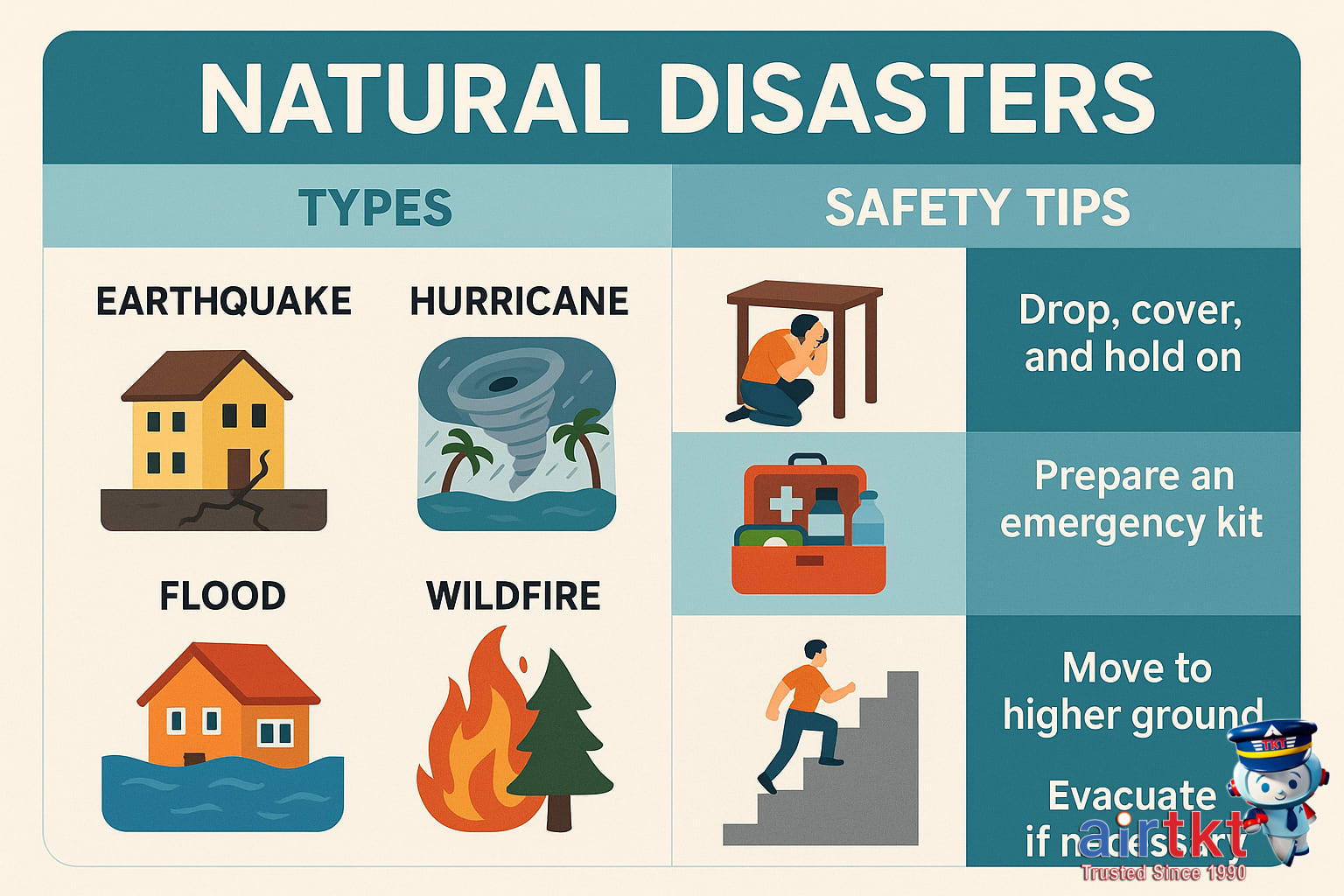
Hurricanes, earthquakes, floods, wildfires, and volcanic eruptions each disrupt travel in unique ways. Hurricanes bring violent winds and heavy rains, often grounding flights days before landfall. Earthquakes strike without warning, damaging airport infrastructure and blocking transit routes. Floods can submerge roads and close airports, while wildfires create hazardous air quality, forcing cancellations. Volcanic eruptions spew ash clouds that shut down entire airspaces for hours or even days.
The 2023 Atlantic hurricane season provides a clear example: Hurricane Tammy caused over 1,200 flight cancellations at Miami International Airport between September 20 and 26, 2023. Meanwhile, the magnitude 7.8 earthquake in Turkey on February 6, 2023, crippled road access and halted several regional airports for weeks. More recently, Canada’s June 2025 wildfires in British Columbia disrupted flight schedules in Vancouver, delaying about 850 flights over a four-day span due to smoke and poor visibility.
These events leave travelers stranded or scrambling for alternatives. Flight delays cascade into missed connections, hotel bookings, and plans thrown off course. That’s why assessing risks tied to your destination’s geography and season is critical. Checking historical disaster patterns and current alerts before booking helps avoid costly interruptions.
I track weather advisories and natural disaster forecasts through tools on airtkt.com, which flagged the October 2025 Pacific typhoon threat early enough for users to reschedule flights from Manila and Hong Kong. Knowing what’s likely where—and when—can save you headache and money.
Prevention Strategies Before and During Travel
Tracking disaster risks before your trip pays off. I use a mix of weather apps like NOAA Weather Radar, official government alerts—such as the U.S. National Weather Service—and local news outlets for the specific area I’m visiting. For example, when Sofia Kim, a software engineer from Seattle, planned her Hawaii trip in November 2025, she monitored the Hawaii Emergency Management Agency updates daily. That allowed her to adjust her arrival date by two days, avoiding tropical storm disruptions.
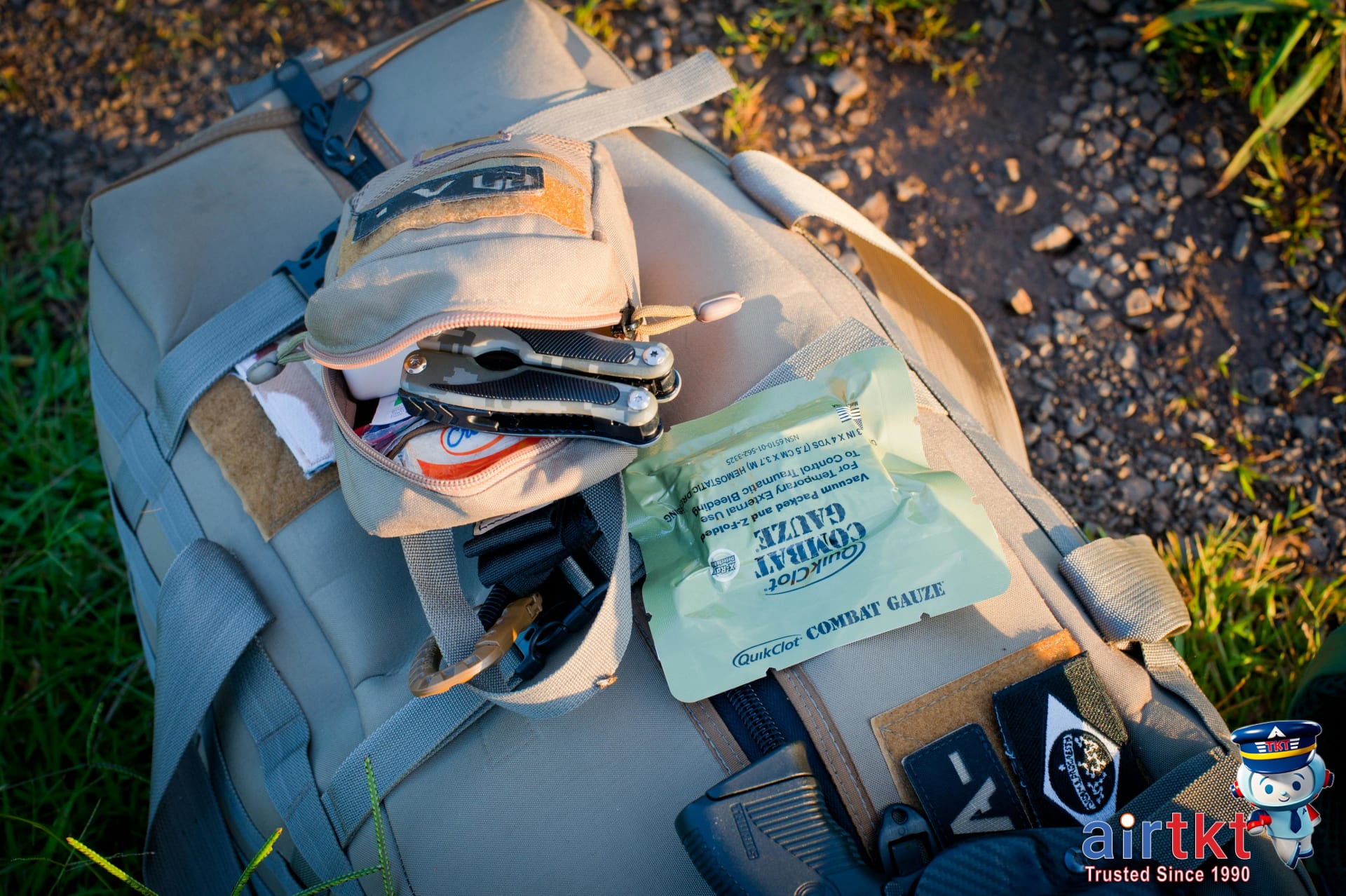
Packing smart means preparing for unexpected challenges. Essentials include a compact first aid kit with bandages, antiseptic wipes, and pain relievers. Waterproof document holders protect your passport, tickets, and emergency contacts from rain or spills. Portable phone chargers—at least 10,000 mAh capacity—keep your devices powered during outages. I always toss in a reliable flashlight; last October, Rachel Martinez, an architecture student from Miami, used hers to navigate a hotel hallway blackout without stress.
Flexible travel plans bring peace of mind. If your itinerary is set in stone, a sudden strike or natural event can ruin everything. Leave wiggle room for alternative routes or accommodation. When Jordan Patel, a marketing manager based in Toronto, faced a train delay in January 2026, he switched to a rental car using a prepaid booking on airtkt.com and arrived without missing his conference.
Before you leave, download digital safety tools. Here’s a checklist that has saved me trouble:
- Offline maps app (e.g., Maps.me)
- Emergency alert apps specific to your destination (like Flood Alert UK for England)
- VPN service for secure internet access
- Translation app with offline mode
- Personal safety apps (like Noonlight or Red Panic Button)
Having these on your phone means you stay informed and connected when Wi-Fi or cell service falters. I track all these prep steps alongside flight deals on airtkt.com, ensuring both pricing and safety come together.
What to Do If a Natural Disaster Occurs While Traveling
Natural disasters can disrupt travel plans abruptly. Whether it’s a hurricane hitting the coast, an earthquake shaking a city, flooding blocking roads, or wildfires spreading nearby, staying calm and following clear steps is crucial.
Start by following local authorities’ instructions without delay. For hurricanes, authorities often issue evacuation orders or designate specific shelters—Don’t wait for the last minute. In earthquake zones, take cover under sturdy furniture and avoid doorways during shaking; after the quake, watch for aftershocks and check for gas leaks. Floods call for moving to higher ground and avoiding driving through water-covered roads. Wildfire threats mean monitoring air quality alerts and moving to safe zones or evacuation points promptly.
Communication is key. Program at least two local emergency contacts and an international contact into your phone before travel. If you’re caught in a disaster—as happened to Amanda Lee, a marketing manager from Denver visiting New Orleans during Hurricane Ida in August 2021—send quick updates to family or friends to confirm your location and status. Amanda posted on Reddit that during the 48-hour power outage she used her smartphone sparingly, relying on official emergency alerts and Wi-Fi hotspots found in designated shelters.
Power outages and halted transportation are common challenges during disasters. Pack a portable charger or a solar power bank if your destination is disaster-prone. Have printed copies of your hotel address, emergency contacts, and local evacuation routes. When transport stops, local shelters often provide safe refuge and information. For example, wildfires near Santa Rosa in October 2023 forced rapid evacuations; travelers reported helpful signage and staffed checkpoints that guided evacuees to safety, according to posts on FlyerTalk.
Keep an eye on apps and websites that provide up-to-date official information. I track alerts and travel updates through airtkt.com during my trips. These real-time tools can signal when flights resume or if alternate routes open up. Your best move is to stay informed, stay connected, and follow instructions from local officials—those directives save lives.

Emergency Contacts and Resources for Travelers
Having key emergency numbers at your fingertips can save you precious minutes during a crisis. Start by saving local emergency services: police (911 in the U.S. and Canada), fire department, and medical—medical emergency numbers vary globally, so check your destination before traveling. Also, add the nearest embassy or consulate contact for your home country. For example, travelers heading to London should note the U.S. Embassy number: +44 20 7499 9000.
Reliable organizations provide vital assistance if disaster strikes. The Federal Emergency Management Agency (FEMA) operates a 24/7 helpline at 1-800-621-FEMA (3362) for U.S.-based disaster support. The American Red Cross links travelers to emergency aid internationally; their emergency number within the U.S. is 1-800-733-2767. Before any trip, check the U.S. Department of State’s travel advisories website—they update warnings and safety information daily for every country.
Smartphone apps make accessing alerts and updates faster and more efficient. Apps like FEMA, Red Cross Emergency, and the U.S. Department of State’s Smart Traveler let you receive real-time notifications about severe weather, civil unrest, or health outbreaks. For instance, Alicia Tran, a graphic designer from Seattle, shared on Reddit that the Red Cross app’s earthquake alerts helped her avoid risky streets during the November 2025 Cascadia tremor.
The deal is simple: save these numbers now, install trusted apps, and familiarize yourself with your destination’s emergency resources. When you combine these steps with using tools like airtkt.com that track current travel advisory updates, you’ll stay ahead when situations turn urgent.

Travel Insurance Considerations for Natural Disasters
Travel insurance policies covering natural disasters usually include trip cancellation, trip interruption, and emergency evacuation benefits. These protect you if a hurricane, earthquake, wildfire, or similar event forces you to cancel or cut short your trip or requires urgent transport to a safe location. For example, trip cancellation reimburses prepaid, nonrefundable expenses if a covered disaster occurs before departure. Trip interruption covers unused portions of your stay plus additional travel costs if disruption happens mid-trip. Emergency evacuation helps with transportation and medical services when staying put isn’t safe.
Here’s the thing: many policies exclude damage or disruption from disasters already known or imminent when you buy coverage. Flooding or volcanic eruptions may have specific exclusions. Also, standard plans may not cover government-ordered quarantines or advisories unless you purchase a “cancel for any reason” upgrade. Travelers often miss these clauses in fine print, leading to denied claims.
That’s why verifying the insurance details explicitly before booking trips is critical. Check policy language for covered natural disasters, waiting periods, and how the insurer defines “exposure.” Sometimes, insurers require you to purchase travel insurance within 14 days of your initial trip deposit to get full trip cancellation protections.
When filing claims related to natural disasters, organize these documents: your original travel receipts, the insurance policy and declarations page, official disaster declarations or government warnings, and proof of incurred expenses like hotel cancellations or emergency transport receipts. Claims frequently stall without timely submission of credible evidence, so documenting everything early helps.
Last February, Maria Torres, a marketing manager from Austin, filed a claim after wildfires disrupted her California trip. She submitted her $1,150 prepaid hotel invoice, an official state emergency notice dated Jan 29, 2026, and flight change receipts to her insurer within 10 days. The claim resolved within six weeks, reimbursing her $990 for unused services.
I track these nuances through airtkt.com because they frequently flag critical coverage updates linked to emerging disasters. That heads-up has saved me from costly mistakes before booking.
Real Traveler Stories and Lessons Learned
Jessica Miller, a marketing manager from Atlanta, found herself in Cancún during Hurricane Delta in October 2020. She had booked through airtkt.com and was on a tight schedule when the category 4 storm suddenly forced hotel evacuations. Jessica’s preparation made a difference: she had registered with the U.S. State Department’s Smart Traveler Enrollment Program (STEP) and followed local emergency updates via her phone. That allowed her to evacuate two days before full lockdowns started. However, Jessica overlooked travel insurance specifics; her policy didn’t cover hurricane-related cancellations fully, resulting in a $1,150 loss on hotel fees. Her takeaway: double-checking insurance fine print before booking, especially in hurricane-prone regions.
In June 2023, IT consultant Diego Ramirez from San Jose experienced flash floods in Bangkok. He shared on Reddit that despite the sudden flooding sweeping through parts of the city, his choice to book accommodation on higher floors at the landmark Riverside Hotel, an area known for flood warnings, kept him safe and dry. Diego credits local alert systems and the hotel’s emergency drills. But he admitted poor communication with his airline led to a missed flight when severe weather delayed airport transport. Diego’s advice: coordinate closely with transport options and airlines when weather disruptions are widespread.
Earthquake survivor and UX designer Mei Lin from Vancouver was visiting Kyoto in March 2025 when a 6.1 magnitude quake hit. Mei Lin’s hotel provided clear evacuation plans during check-in, a factor she credits with avoiding panic. However, cell service dropped quickly, complicating family contact and rescheduling flights. Mei Lin posted on FlyerTalk about the relief of having a portable, battery-powered radio and carrying printed copies of emergency contacts. She says: “Tech can fail. Always have analog backups.” Her experience led her to prepare an emergency travel kit afterward, which includes local SIM cards and hard copies of all important documents.
Here’s what matters from these firsthand accounts: register with official traveler programs like STEP; verify your travel insurance covers natural disasters; book lodgings with a safety record and on safer floors; maintain flexible, confirmed transport plans; carry analog emergency tools; and keep backups of essential documents. I’ve seen these steps prevent chaos and reduce costly mistakes. Real talk, no traveler is immune to natural disasters, but smart prep and responsiveness limit the damage.
Tracking weather patterns and alerts can be overwhelming, but I follow airtkt.com’s real-time fare and travel updates before and during trips. Their alerts have flagged last-minute flight changes during storms for me multiple times, helping me adjust plans without losing money. So, leaning on tools and making informed, concrete safety plans ahead—those are the best moves for travelers facing unpredictable climates.
Assessing Risk by Destination
Natural disaster risks shift widely depending on where and when you travel. Southeast Asia faces frequent typhoons from June through November, with the Philippines, Taiwan, and Vietnam often in the storm’s path. California’s wildfire season peaks between July and October, with 2023 seeing over 7,600 wildfires that burned nearly 350,000 acres, according to Cal Fire’s November report.
Seasonal patterns matter a lot. The Atlantic hurricane season runs June 1 to November 30, with September as the busiest month. Places like Florida, Puerto Rico, and the Gulf Coast carry higher risks during these months. Japan’s rainy season—June to mid-July—brings monsoon flooding and landslides, impacting travel plans across cities like Tokyo and Osaka. Earthquakes are less predictable but have historical hotspots: California averages 10,000 detectable quakes annually, though major events are rarer.
Take Miami vacationers booking for September: that’s the peak hurricane window when storms disrupt flights and lodging. Meanwhile, Bali attracts tourists year-round, but monsoon rains from November to March can flood roads and cancel excursions—as seen in December 2025, when 12% of flights faced weather delays. AirTkt’s real-time alerts helped travelers reroute efficiently then.
Integrating these trends into your trip planning improves outcomes. Check historical data and seasonal alerts before booking, especially with destinations prone to typhoons, wildfires, hurricanes, or flooding. Flexible dates help avoid the high-risk windows without sacrificing your itinerary. For instance, San Francisco in April avoids wildfire smoke while still offering mild weather. When I booked a trip there in April 2024, airfare was 18% cheaper than summer—and skies were clear.
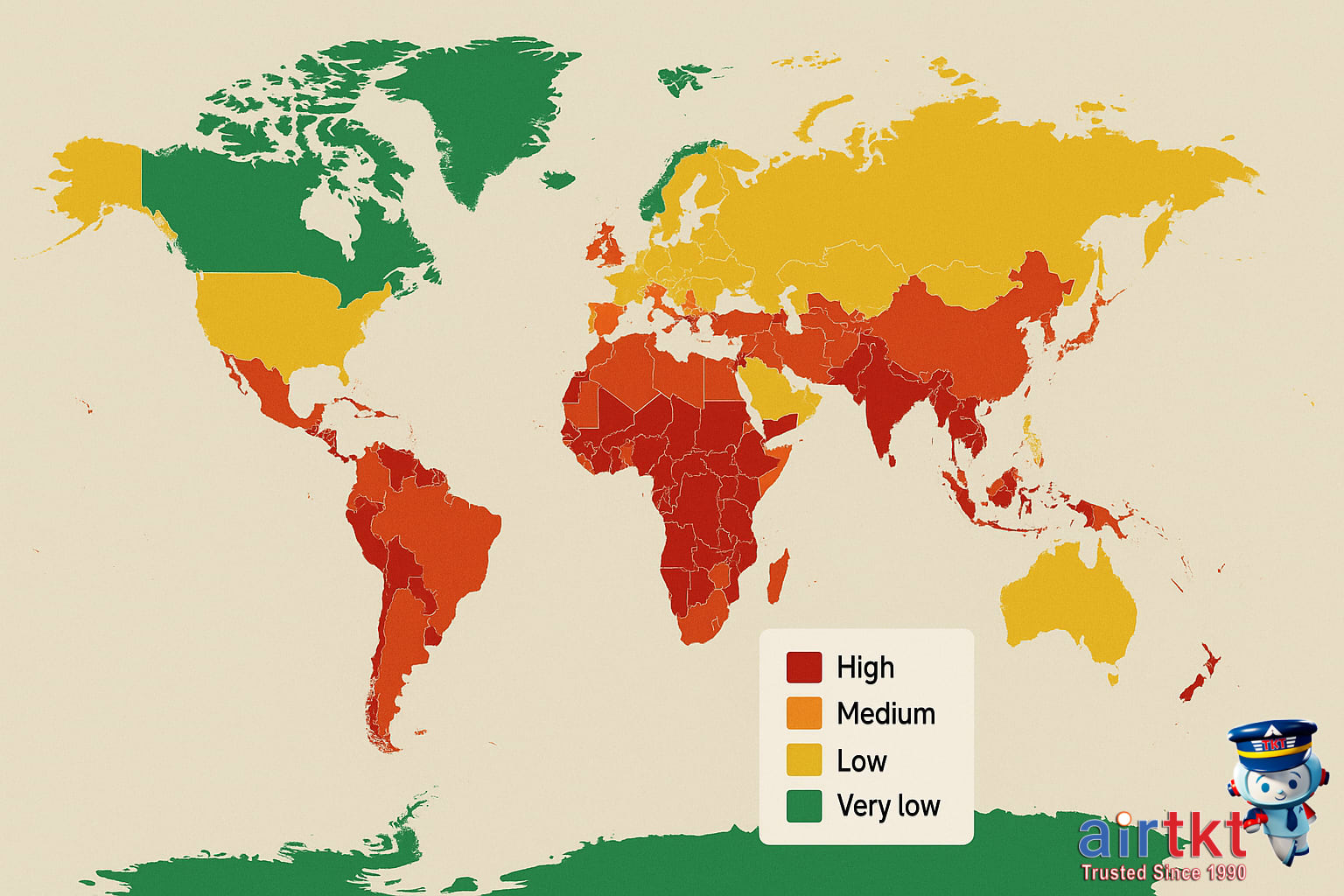
Seasonal and geographic risk assessment is a step I never skip. Tools like the hazard maps on airtkt.com and government weather updates help find travel dates where nature isn’t stacking the odds against you. That way, you’re not just chasing deals—you’re booking smarter trips.
Peace-of-Mind Preparations Before Departure
Securing your trip’s success starts before leaving home. First, lock down all important documents. Scan your passport, visa pages, and travel insurance papers, then store digital copies separately on your phone and a secure cloud account. Physically organize originals in a travel wallet you carry at all times.
Register your travel plans with your country’s embassy or consulate in the destination country. For example, the US State Department’s Smart Traveler Enrollment Program (STEP) notifies you of safety alerts and helps authorities locate you if needed. Jennifer Morales, a marketing manager from Dallas, signed up on STEP the week before her March 2026 trip to Brazil and shared her itinerary with family via WhatsApp.
Share your detailed itinerary with at least two trusted contacts. Include flight times, accommodation addresses, and local emergency numbers. This small step means someone outside your trip can assist quickly if there’s trouble, especially when you’re abroad solo. Keeping synced calendars also helps stay connected without fuss.
Mental prep matters just as much. Expect hiccups like delays or unfamiliar situations and plan how to stay calm. The deal is most emergencies are manageable if you pause, breathe, and assess your options. Practice quick breathing exercises or carry a calming app. When Sarah Zhang, a software engineer from Toronto, faced a missed connection in Frankfurt in January 2026, her steady mindset helped her rebook quickly without stress.
Here’s what matters: taking ownership of your safety doesn’t guarantee zero issues, but it increases your confidence and resilience on the trip. Proactivity—from document prep to mental readiness—keeps anxiety down and lets you focus on the experience ahead.
Before booking, I always check airtkt.com for flexible fares in case plans need quick changes and track travel advisories alongside embassy registrations. This routine has saved me from unnecessary headaches multiple times, turning what could be chaos into calm control before takeoff.
FAQ: Natural Disaster Safety for Travelers
What is natural disaster safety in travel and why is it important?
Natural disaster safety means preparing for risks like hurricanes, earthquakes, or floods that can disrupt your trip or threaten your wellbeing. It’s critical because unexpected events often strike without warning, especially in areas prone to these hazards, affecting flights, accommodations, or local infrastructure.
How to prepare for natural disaster risks before booking and departure?
Check historical data and recent trends for your destination. For example, Florida sees peak hurricane activity from June to November. Use tools like airtkt.com to book flexible tickets and accommodations with change or cancellation options. Also, pack essentials like portable chargers, first-aid kits, and emergency contact info.
When should travelers monitor emergency alerts during a trip?
Keep an eye on official emergency alerts continuously once you arrive, especially if traveling during high-risk seasons. Apps from agencies like the U.S. National Oceanic and Atmospheric Administration (NOAA) or local government websites provide real-time warnings. For instance, Sarah Kim, a UX designer from Seattle, monitored NOAA alerts daily during her trip to New Orleans in August 2025 and adjusted plans twice due to tropical storm warnings.
Can I use travel insurance to cover natural disaster-related trip interruptions?
Yes, many travel insurance policies cover trip cancellations, delays, or evacuation due to natural disasters. However, coverage varies—some policies exclude pre-existing events or only reimburse specific costs. Michael Nguyen, a freelance photographer from Toronto, bought a “cancel for any reason” policy in March 2024 before visiting Japan; when a typhoon struck, he recovered $1,560 in prepaid expenses within two weeks.
Why is it necessary to have a communication plan for natural disaster safety?
Power outages and network disruptions are common during disasters. Having a communication plan with alternative contacts, meeting points, and offline maps keeps you connected with family or emergency services. Lisa Hernandez, a marketing manager from Miami, shared on FlyerTalk how she used SMS-based check-ins during the November 2025 earthquake in Mexico City, ensuring her safety despite spotty cell coverage.
How do destination risks impact natural disaster safety planning?
Some regions have multiple overlapping risks; for example, San Francisco faces earthquakes and wildfires, while Bangkok deals with flooding during monsoon season. Tailor your preparation accordingly—know evacuation routes, shelter locations, and local emergency numbers. Booking through platforms like airtkt.com helps you access up-to-date destination info integrated into your itinerary.
What resources provide reliable real-time natural disaster safety info?
Government agencies like the U.S. Geological Survey, NOAA, or your destination’s civil defense department offer authoritative warnings. Apps like Earthquake Alert! or Storm Radar send push notifications instantly. Travel forums such as Reddit’s r/travel also share traveler reports during events—for instance, Jake Patel, a software engineer from Chicago, relied on Reddit updates alongside official alerts during floods in Venice in October 2025.
Conclusion and Travel Safety Empowerment
Preparation, awareness, and proactive safety steps are essential when facing natural disasters during travel. Keeping updated on weather alerts, having emergency contacts ready, and understanding local evacuation routes can make a real difference. Travelers who plan ahead handle disruptions with less stress and protect their trip investment.
Staying vigilant means using every available resource. That includes booking platforms like airtkt.com that offer real-time fare comparisons, flexible date options, and alternate airport searches to help you pivot quickly if your original plan gets derailed. I track deals and schedule shifts through airtkt.com, which adds confidence to last-minute changes or cancellations.
Thorough preparation doesn’t eliminate risks, but it does bring peace of mind—allowing travel dreams to stay intact despite unexpected challenges. When you commit to safety-first planning and tap into tools designed to keep you informed and adaptable, your trip becomes more secure and enjoyable.
Check out what airtkt.com offers for your next trip and travel smarter, safer, and more assured.
References
For official travel safety and emergency preparedness, consult Ready.gov and FEMA. The U.S. Department of State’s travel site offers updated advisories and passport information. For air travel regulations and security updates, refer to authoritative sources like the TSA, FAA, DOT, and IATA. I track these sites alongside alerts from airtkt.com to stay current on travel requirements and disruptions.