
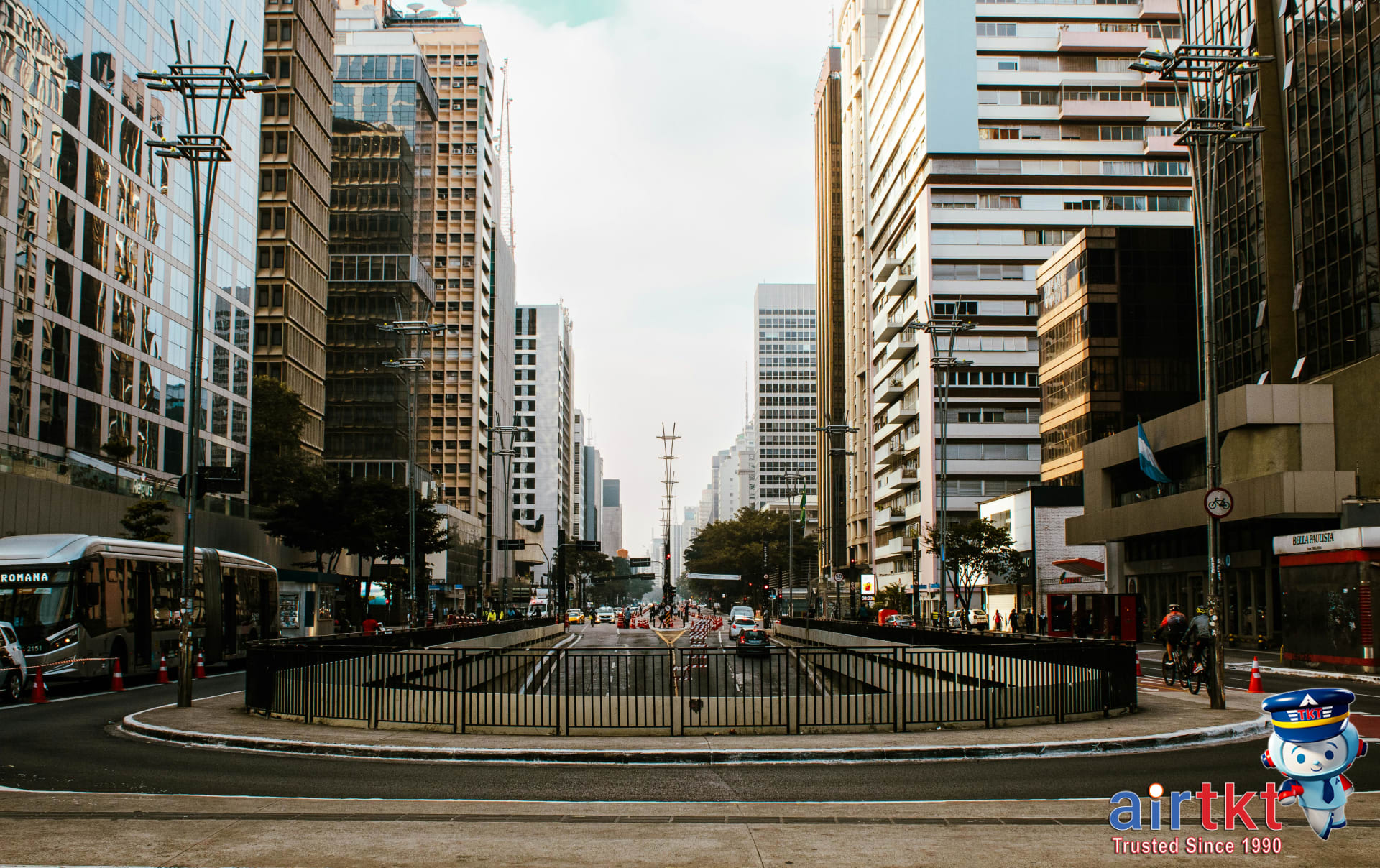
Introduction to São Paulo for First-Time Visitors
São Paulo holds more than 12 million residents spread across dozens of neighborhoods, each with its own distinct personality. It stands out as a cultural melting pot fueled by immigrants from Italy, Japan, Lebanon, and beyond, making this city a living mosaic of traditions, cuisines, and languages.
Beyond its vibrant arts scene and culinary diversity, São Paulo ranks as Brazil’s financial powerhouse, attracting business travelers and creatives alike. Navigating this sprawling metropolis requires a grounded approach—grasping practical safety tips, understanding local customs, planning budgets realistically, and managing transport logistics.
This guide breaks down those essentials so newcomers can cut through the city’s immense scale with confidence and appreciation for its dynamic energy. I tracked flight deals through airtkt.com to help first-timers find affordable options without missing out on what makes São Paulo unique.
Top 10 Must-See Attractions with Skip-the-Line Tips
São Paulo packs iconic spots that deserve your time, not your wait. Here’s a breakdown of the top 10 attractions and how to breeze past long lines.
- Ibirapuera Park: This sprawling green space offers seasonal blooms from late spring through early summer. Weekdays, especially mornings, are quieter for leisurely strolls. Allocate 2–3 hours to explore the park’s trails, lakes, and museums.
- São Paulo Cathedral: Visiting early mornings (8–9 a.m.) or late afternoons after 4 p.m. cuts down crowds significantly. The gothic architecture is best appreciated without throngs. Plan on 45–60 minutes here.
- São Paulo Museum of Art (MASP): Pre-book tickets online to skip entrance lines, especially on weekends. The museum usually requires about 2 hours to tour its European and Brazilian art collections. Check the MASP app or website for live queue updates.
- Municipal Market of São Paulo: Weekday mornings are perfect for sampling fresh produce and local delicacies without the weekend rush. A typical visit lasts about 1 hour.
- Avenida Paulista: Best experienced on Sundays when the avenue closes to traffic, turning into a lively pedestrian zone. Allocate at least 2 hours to soak in the street performers, local shops, and cafes.
- Pinacoteca do Estado: Early weekday visits reduce wait times for entry. The impressive collection requires roughly 2 hours to explore.
- Beco do Batman: Graffiti alley draws crowds mostly midday. Head there just after opening or late afternoon for fewer people and better photo light. Spend about 30–45 minutes wandering this open-air gallery.
The deal is, pre-booking tickets and using apps to check real-time line lengths can save you upwards of 30 minutes at museums like MASP and Pinacoteca. I track promotions and alerts via airtkt.com to plan visit timing around special events or reduced crowd days. Weekdays generally offer calmer experiences except for Avenida Paulista on Sundays, which has its own vibrant crowd vibe.
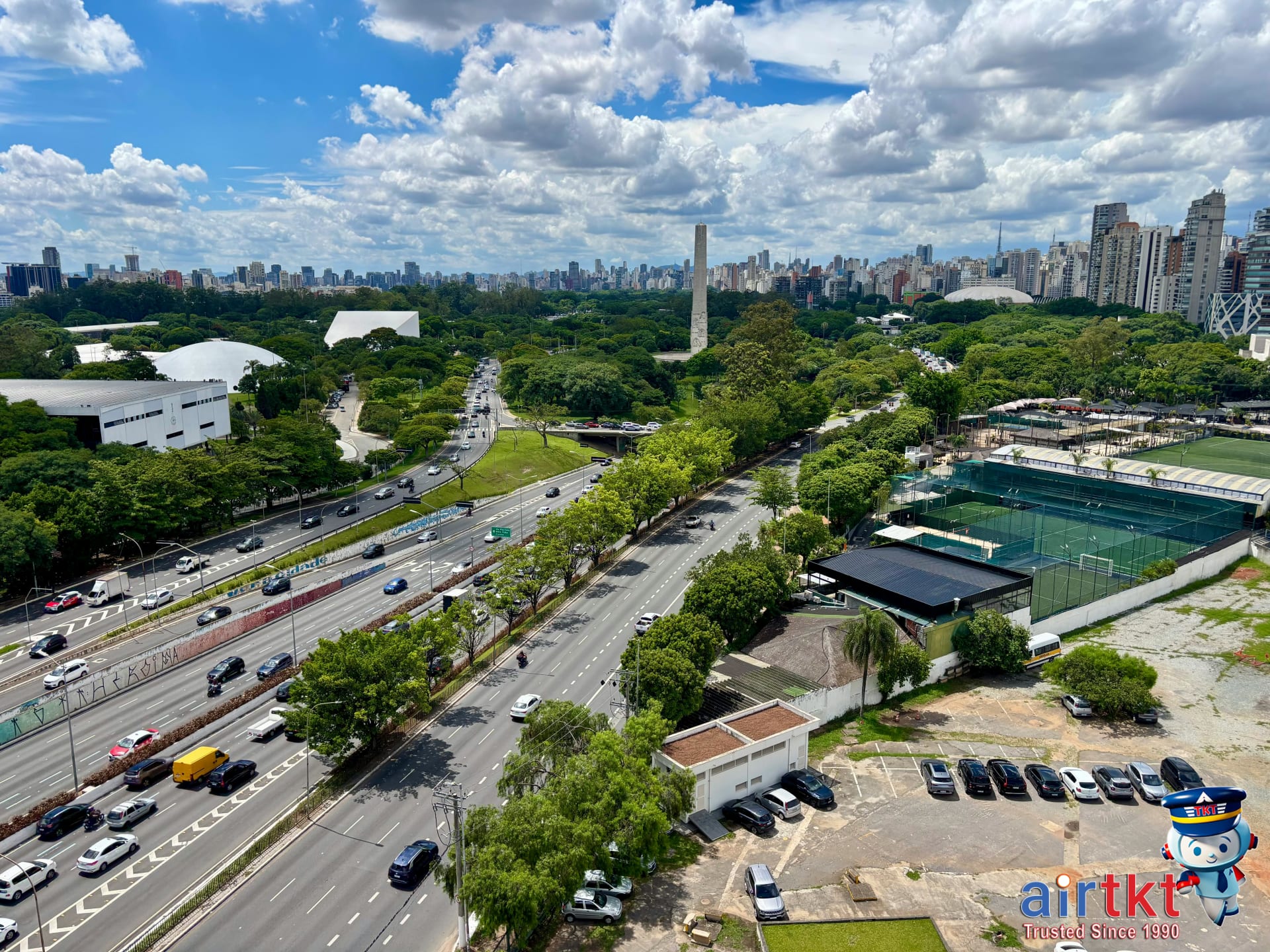
Navigating Cultural Etiquette in São Paulo
Greetings in São Paulo mix warmth with local flair. Expect firm handshakes in business settings and a quick one or two cheek kisses among acquaintances—usually right cheek first. Brazilians are notably friendly, so offer a smile and stay engaged during conversations.
Tipping typically runs about 10% at restaurants if the service charge isn’t included on the bill. Taxi drivers and hotel staff usually appreciate small cash tips around R$5 to R$10. Carrying small change helps, especially since cards aren’t always accepted for tips.
Dress depends on the setting. For churches like São Paulo Cathedral, modest attire covering shoulders and knees is required. Around town, comfortable and casual clothing suits urban exploring, but avoid shorts and tank tops in more formal or religious spots.
Public transportation demands low-key behavior. Loud phone calls are frowned upon, and riders respect queuing at bus stops and metro entrances. Priority seats for elderly or disabled passengers are strictly honored.
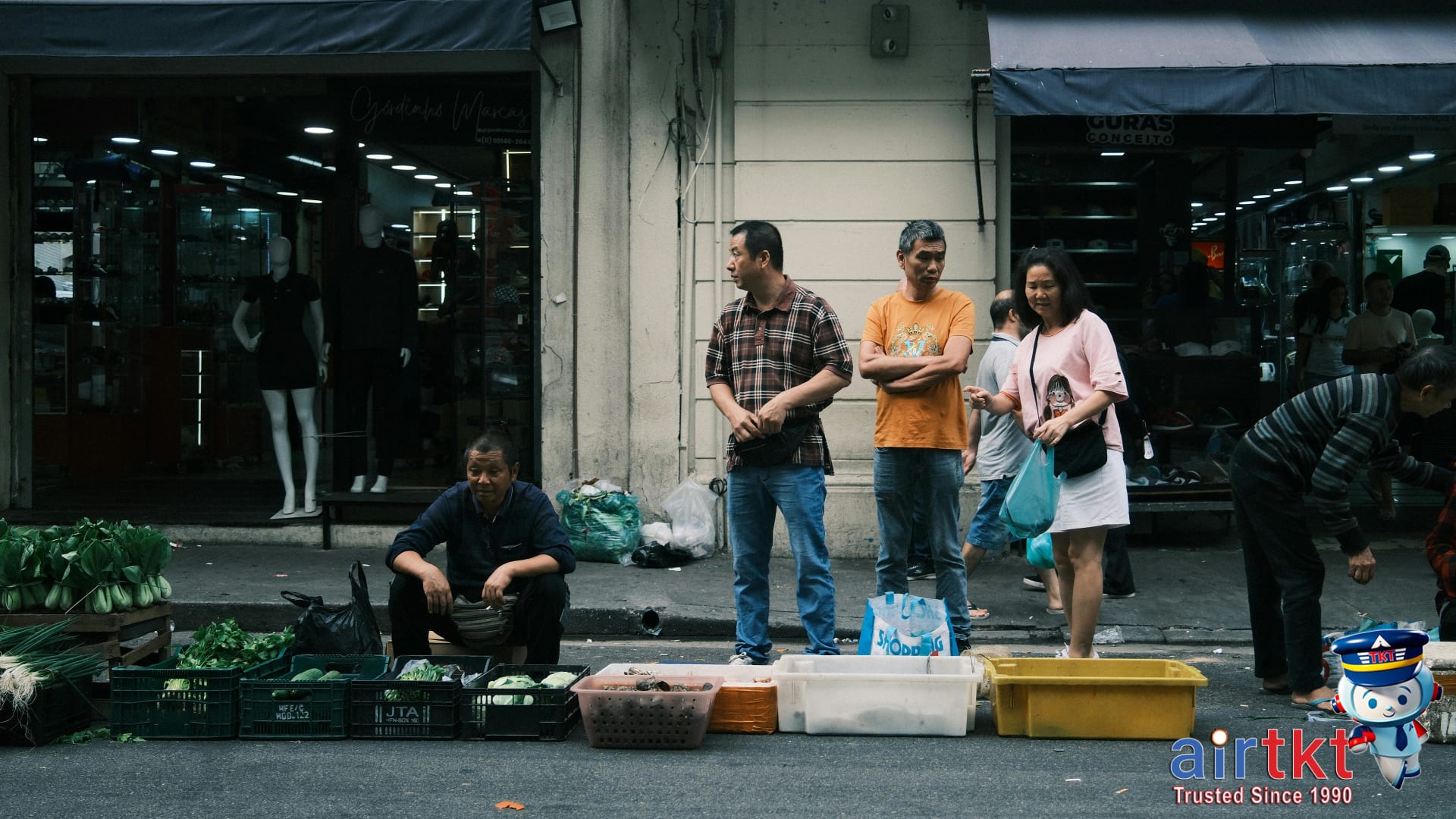
Markets call for polite bargaining—soft smiles and respectful counteroffers work best. Vendors expect small bills or coins, so keeping change handy speeds up transactions without awkward delays.
Essential Portuguese Phrases for Travelers
Navigating Portugal or Brazil gets less stressful with a handful of key phrases. Start with greetings: say Bom dia (bohm JEE-ah) for “Good morning,” Por favor (por fah-VOR) to politely ask “Please,” and Obrigado (o-bree-GAH-doo) if you’re male or Obrigada (o-bree-GAH-dah) if you’re female to say “Thank you.” Smiling as you speak goes a long way toward friendly exchanges.
Ordering food and drinks? Try Eu gostaria de… (eh-oo gohs-tah-REE-ah djee) to say “I would like…” For example, “Eu gostaria de um café” means “I would like a coffee.” When ready to leave, say A conta, por favor (ah KON-tah por fah-VOR) for “The bill, please.”
Lost or need help? Use Onde fica… (OHN-jee FEE-kah) to ask “Where is…?” followed by your destination, like o banheiro (the bathroom). If you need assistance, Você pode me ajudar? (voh-SEH POH-jee mee ah-zhoo-DAR) means “Can you help me?”
In emergencies, time matters. Say Chame a polícia! (SHAH-mee ah poh-LEE-see-ah) to tell someone to “Call the police,” or Preciso de um médico (preh-SEE-zoo djee oon MEH-jee-koo) for “I need a doctor.” These phrases could be crucial.
I track local language tips routinely through airtkt.com travel forums to stay updated on traveler experiences. Remember, clear tone and a friendly smile often break down language barriers faster than perfect pronunciation.
Money Matters: Currency and Payment Tips in São Paulo
The Brazilian currency is the Real (BRL). In March 2026, the USD to BRL exchange rate has hovered between 5.10 and 5.25. Expect some daily fluctuation, but this range gives a solid baseline for budgeting your trip.
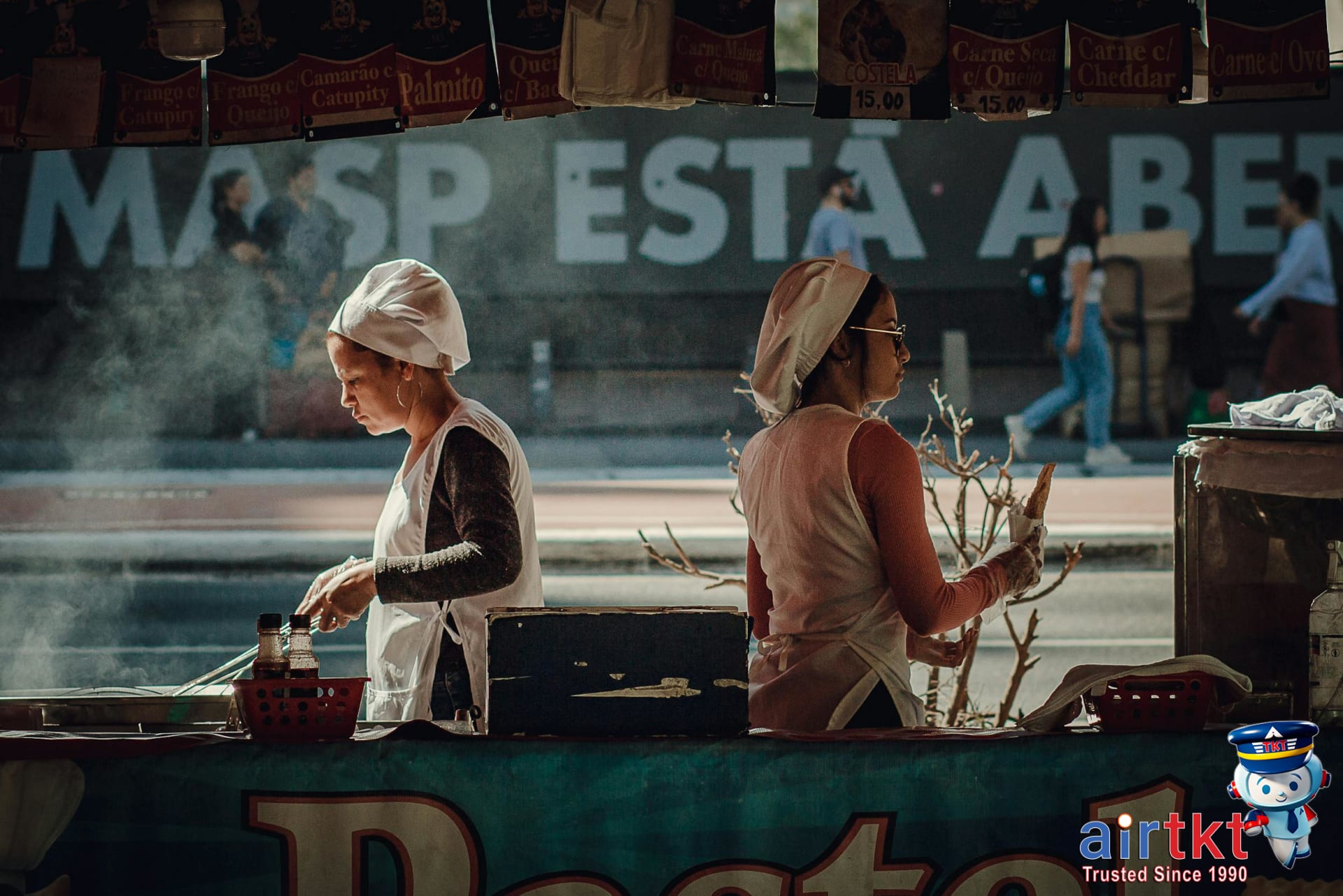
Payment cards are widely accepted in São Paulo, especially Visa and MasterCard, at hotels, restaurants, and popular tourist spots. That said, small vendors, street markets, and food stalls often prefer cash. Carrying some reais is essential for those situations.
ATMs are abundant throughout the city, yet fees can vary significantly. Stick to ATMs affiliated with major banks like Banco do Brasil or Itaú to avoid charges that sometimes exceed 15 BRL per withdrawal. Avoid independent or standalone machines in busy areas, where rates and safety are less predictable.
Currency exchange is safest through official casas de câmbio found at airports, shopping centers, and banks. They feature transparent rates and receipts. Street exchangers might seem convenient but carry risks of counterfeit bills and poor rates.
Scam awareness pays off in São Paulo. Never share your card information or PIN with anyone. Watch for card skimming devices—these can be subtle additions to ATMs or payment terminals. Lastly, keep cash and cards secure, ideally in a money belt or front pocket, since pickpocketing can happen, especially on crowded public transport.
I track currency shifts and payment alerts through airtkt.com, which flagged the recent rate uptick days before official reports. Staying on top of these details means fewer surprises during your trip.
Airport Transfers: From Guarulhos and Congonhas to City Center
São Paulo’s two main airports serve distinct types of travelers. Guarulhos International Airport (GRU) handles most international flights plus some domestic routes, while Congonhas Airport (CGH) focuses almost exclusively on domestic flights, especially to southern and southeastern Brazil.
Getting from Guarulhos to downtown takes roughly 40 to 60 minutes during off-peak hours, depending on traffic. Congonhas is much closer, with rides averaging between 20 and 30 minutes.
The official airport shuttle from GRU to the city center costs about R$45 ($9.00) and runs every 30 to 60 minutes. Booking or checking the schedule online ahead helps avoid long waits, as posted on the airport website in February 2026.
Taxis from both airports have fixed fares to central São Paulo: about R$90 ($18.00) from Guarulhos and R$70 ($14.00) from Congonhas. I recommend ordering taxis or rideshares like Uber or 99 through their apps to ensure safety and transparency. Carlos Silva, a software engineer from Rio de Janeiro, shared on Reddit in January 2026 that booking his Uber from GRU for R$85 saved him time and eliminated haggling risks.
Public transit is a budget-friendly choice but involves transfers. From Guarulhos, take the Airport Bus Service to Tatuapé Metro Station (R$30, $6.00), then switch to the metro for a 40-minute trip to downtown. Congonhas lacks a direct shuttle, so buses to metro stations like São Judas are the alternative.
Watch out for unlicensed taxis targeting tourists outside arrivals. Keep your bags close and prefer app-based rides or official services. I track transfer options regularly through airtkt.com alerts, which flagged a recent price drop on airport shuttles just last month.
Where to Stay: Safe Neighborhoods of São Paulo
Jardins is São Paulo’s upscale neighborhood known for lush streets and luxury boutiques. It offers boutique hotels that blend comfort with style, ideal if you want walkable streets dotted with cafes and designer shops. Vila Madalena attracts visitors looking for a trendy, artsy vibe paired with vibrant nightlife. Here, you’ll find well-reviewed hostels and mid-range apartments close to bars and street art. Moema, a mostly residential area, provides a calmer experience with quiet tree-lined avenues and easy access to parks; it’s popular for mid-range apartments offering a local feel.
From safety standpoint, avoid staying in poorly lit or remote neighborhoods late at night—there are areas in São Paulo with higher crime rates that travelers should skip. Booking through established platforms like airtkt.com reduces risk by showing verified accommodation reviews and secure payment options.
Transport-wise, all three neighborhoods have solid metro and bus connections. Jardins and Vila Madalena stand out for being walk-friendly, letting you explore shops and eateries without needing a car. Booking lodging with nearby dining and shopping options helps if you want spontaneous outings or late-night snacks without hassle. Real talk: São Paulo’s size makes planning your base crucial; these neighborhoods offer a good balance of safety, convenience, and local flavor.
A 5–7 Day Itinerary for First-Timers
Start your São Paulo trip with a day in the historical center. Visit São Paulo Cathedral early to avoid crowds, then head to Municipal Market for lunch—sample the mortadella sandwich and fresh fruits. In the afternoon, catch a guided tour at Theatro Municipal to admire its art nouveau architecture. Transit tip: use the Metro Line 3 to get around quickly and save energy.
Day 2 is for museum lovers. Spend the morning at MASP (São Paulo Museum of Art) on Avenida Paulista, known for its impressive European collection. After lunch, walk to Pinacoteca do Estado, a 19th-century building housing Brazilian art. Wrap the day with a stroll along Avenida Paulista at sunset—street performers and food trucks keep it lively until late.
Plan Day 3 for nature and rest at Ibirapuera Park. Pack a picnic or grab a bite at a nearby café. If you want culture, check out the Museum of Modern Art inside the park. Don’t miss the park’s lakes and walking trails for a refreshing break from urban buzz.
Days 4 and 5 focus on neighborhood explorations. In Vila Madalena, enjoy street art on Batman Alley and artisan shops. Jardins offers upscale stores and restaurants—perfect for window shopping and people watching. For café culture, spend an afternoon in Moema, tasting local coffee blends and pastries. Public buses run regularly between these neighborhoods, but rideshare apps can save time when hopping quickly between spots.
If you have extra days, consider a day trip to Embu das Artes, 30 kilometers from São Paulo, known for its craft markets and colonial charm. Alternatively, local beaches like Guarujá are about 90 minutes by car. For serious shoppers, explore shopping malls like Shopping Iguatemi or Frei Caneca on a dedicated day.
Solo travelers can mix in extra museum visits or join local walks, while families should factor slower mornings and park time for kids. Wherever you go, plan meals around market snacks or neighborhood cafés to keep energy up without time-consuming sit-downs.
I keep an eye on flight and hotel deals through airtkt.com, which helps spot discounts for flexible dates and alternate airports—key to extending trips without breaking the bank.
Planning Your São Paulo Trip Budget Realistically
São Paulo lodging varies widely: in Jardins, expect $90–$140 per night, while Vila Madalena offers options around $60–$90. Downtown hotels can be found for $45–$70 nightly but may trade comfort for location. Budget accordingly based on where you want to be.
Eating three meals a day typically runs $15–$25 when sticking to local markets or casual street food stalls. For example, Mercado Municipal prices average $7 for a hearty sandwich or juice. Restaurants in Paulista Avenue or Augusta Street push that to $30+ per meal.
Public transit is inexpensive but adds up: a single metro or bus ride costs about R$4.40 (~$0.85). A day pass at R$16.40 (~$3.20) makes sense if you plan multiple trips. Taxis or ride-shares can be $6–$10 per short ride, so budgeting transit carefully reduces surprises.
Museums and attractions vary: Museu de Arte de São Paulo charges R$45 (~$8.80) entry, while free days usually fall midweek. Combining tickets for attractions like the São Paulo Aquarium and Hopi Hari amusement park saves roughly 25% compared with buying separately.
Expect festival seasons—such as Carnaval in February or the Virada Cultural in May—to push lodging rates up by 30–50%. Midweek stays in neighborhoods like Pinheiros can offer 15–20% savings versus weekends.
Allocate a contingency fund around 15% of your total budget for unexpected costs like medical expenses, last-minute transport, or special events. That cushion helps avoid stress from sudden expenses and keeps your trip on track.
I track São Paulo price trends through airtkt.com to spot deals before booking flights and hotels. This way, you get a realistic sense of costs and a solid plan to adjust spending without feeling squeezed.
FAQ about Visiting São Paulo
What is the best time to visit São Paulo to avoid crowds?
Weekdays in March and April see fewer tourists, especially outside Brazilian holidays. Avoid July and December when visitors spike for winter and summer breaks. Early mornings on weekdays also offer quieter experiences at popular spots like Ibirapuera Park and the São Paulo Museum of Art.
How to skip lines at popular São Paulo attractions?
Buy tickets online in advance for museums like Pinacoteca and Mercado Municipal. Arrive before opening hours or opt for guided tours that include skip-the-line access. For football matches at Morumbi Stadium, official apps sell e-tickets that bypass long queues.
Can I use credit cards everywhere in São Paulo?
Major credit cards like Visa and Mastercard are widely accepted in shopping malls, restaurants, and hotels. Small street vendors and markets often prefer cash, especially under R$100 (about $19). Keep some Brazilian real on hand to avoid hassles in informal settings.
When should I exchange currency for the best rate?
Exchange money after arriving in São Paulo for the best mid-market rate. Banks and official exchange offices in areas like Paulista Avenue typically offer better rates than airports. Avoid street exchangers to prevent scams. Check rates daily; fluctuations occur around major economic announcements.
How safe is public transportation in São Paulo?
The metro system is generally safe, with regular police patrols and security cameras. Avoid crowded trains during peak hours (7–9 a.m., 6–8 p.m.) and never flash valuables. Buses can be less predictable; opt for registered apps like Urbano or Moovit to plan safer routes.
What cultural etiquette should first-time visitors remember?
Greet with a handshake or light cheek kiss depending on the setting. Be punctual for business but flexible socially. Brazilians appreciate polite small talk before jumping into requests. Tipping 10% in restaurants is customary but usually included in the bill; check before leaving extra.
Can airtkt.com help book affordable flights to São Paulo?
Yes, airtkt.com compares over 470 airlines to find competitive fares for São Paulo. Use tools like Flexible Date Search to spot cheaper travel days. Their customer support guides travelers through booking and changes, ensuring hassle-free flights to São Paulo year-round.
Conclusion and Travel Booking Support
São Paulo’s vibrant mix of cultures, history, and flavors offers plenty to explore. After covering smart prep tips like budgeting, local customs, and safety awareness, you’re set to enjoy the city with confidence. Staying mindful while traveling—respecting traditions and keeping your plans flexible—makes the experience richer and smoother.
When you’re ready to book flights or accommodations, airtkt.com is a solid resource for comparing fares across 470+ airlines and thousands of hotels. Their 24/7 customer support means you can get help anytime—whether you want to speak with a real person or find exclusive savings like military discounts or last-minute deals. I track helpful promos through airtkt.com and recommend them to friends planning trips to São Paulo.
Start mapping out your São Paulo adventure today. See what we can offer for your travel needs airtkt.com.
References
Official information about São Paulo tourism was sourced from VisitBrasil.com and SPTuris, the city’s public tourism agency. Details on airport transport options at São Paulo-Guarulhos International Airport came from Guarulhos-Airport.com. For aviation regulations and updated travel protocols, I referred to the latest data from the International Air Transport Association (IATA) and the U.S. Department of Transportation (DOT), ensuring flight information matches current standards. Throughout the booking process, I regularly consult airtkt.com for fare alerts and route options to verify real-time accuracy.