

Introduction: Importance of Taxi Scam Awareness
Taxi scams aren’t limited to a handful of tricky cities—they occur worldwide, affecting travelers from Bangkok to Barcelona. The World Tourism Organization reported in 2025 that 38% of international visitors in major hubs like Istanbul, Mexico City, and Johannesburg experienced some form of taxi overcharging or route manipulation. These scams chip away at traveler budgets, turning a planned $45 ride into a startling $120 bill, often without any warning.
Beyond the financial hit, many travelers share stories of feeling unsafe or vulnerable. Sarah Patel, a marketing consultant from London, posted on Reddit in January 2026 about a Delhi cab ride where aggressive tactics left her shaken and out $67. These incidents add emotional stress that can overshadow the excitement of exploring a new city.
This guide aims to provide clear, actionable tips to spot and avoid common taxi scams, plus steps to handle situations if they arise. It’s about more than just saving money; it’s about protecting your peace of mind and safety while traveling. Consumer protection agencies like the European Consumer Centre noted a 22% increase in taxi-related complaints across major tourist cities in 2024, highlighting urgency for travelers to stay informed.
Tracking evolving risks is part of how I plan my trips personally, using alerts from platforms like airtkt.com that flag travel advisories and local transport tips. Consider this a firsthand briefing—no frills, just what you need to keep your rides straightforward and secure.
Common Types of Taxi Scams
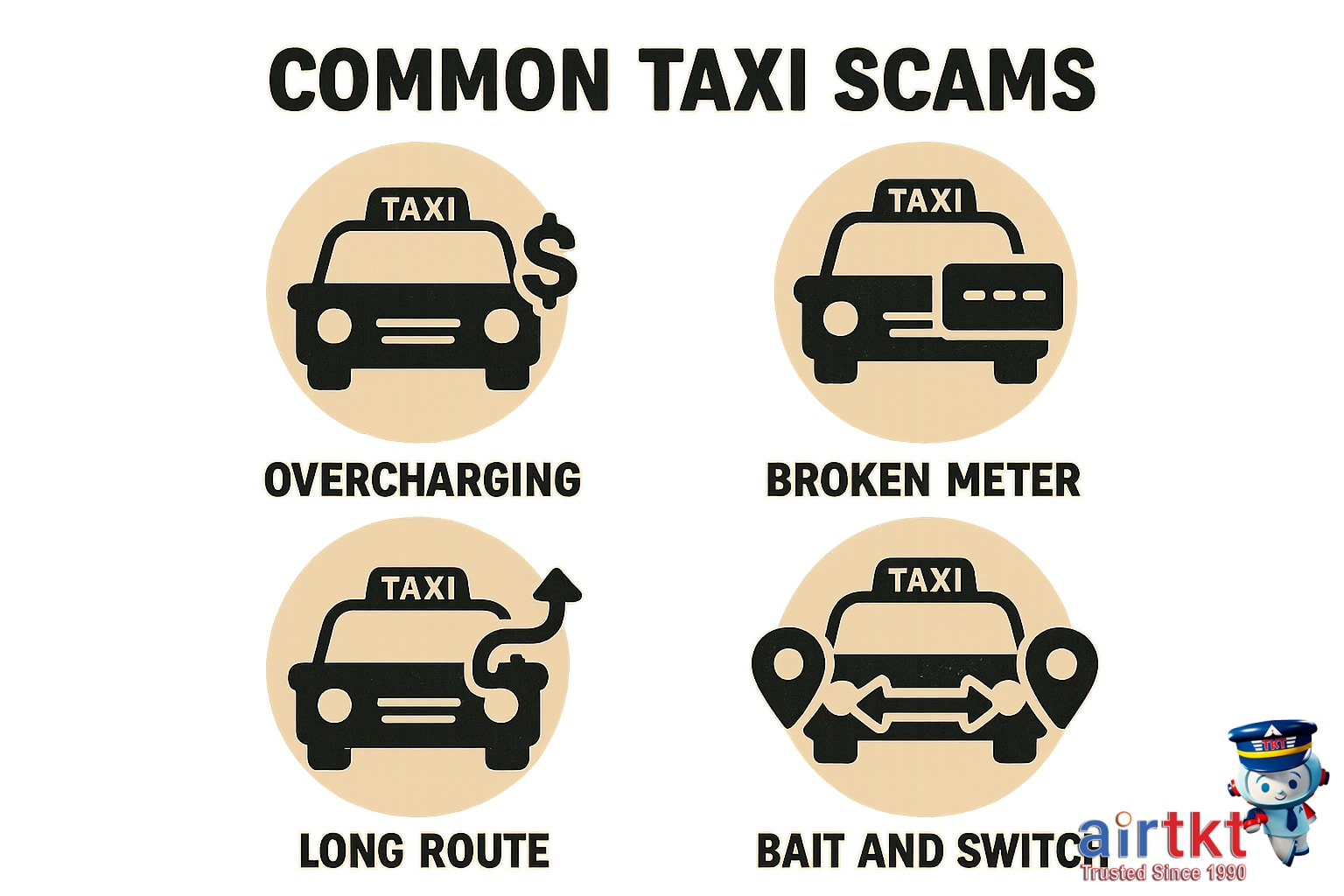
Taxis remain a convenient way to get around, but several scam tactics keep popping up worldwide. Meter tampering, overcharging, fake taxis, unnecessary detours, and payment fraud top the list of tricks travelers face.
Meter tampering happens when drivers adjust or rig meters to inflate fares. In Bangkok, Thailand, the Transport Authority reported a 15% increase in complaints about illegal meter adjustments during 2025. A common variation involves drivers resetting meters after a long stop, then charging as if the entire journey was nonstop.
Overcharging often looks like a simple price hike. But in Quito, Ecuador, taxi inspectors in January 2026 uncovered a ring where drivers charged flat rates up to 30% higher than official fares, targeting international visitors unfamiliar with local rates. Similarly, in Nairobi, Kenya, taxi apps warn that some drivers pad prices for rides starting or ending at major airports or hotels.
Fake taxis present another risk. In Manila, Philippines, a traveler advisory issued last November listed more than 40 unauthorized taxis operating without licenses or registration, often refusing meters or demanding cash upfront. Fake taxis sometimes feature copied logos of legitimate companies to appear trustworthy.
Unnecessary detours rack up costs quickly. Johannesburg’s Transport Safety Board reported that in late 2025, around 22% of taxi complaints involved drivers taking longer routes. This scam is common in Lagos, Nigeria too, where drivers deliberately bypass quicker routes, adding 5 to 10 extra kilometers to trip distances.
Payment fraud shows up as fake or hidden charges on credit card terminals or drivers claiming card machines don’t work after swiping. In Ho Chi Minh City, Vietnam, several travelers reported being charged twice during December 2025 by drivers who claimed processing errors.
Transport authorities worldwide emphasize checking for official taxi licenses and insisting on meter use. The International Transport Forum’s 2025 Traveler Bulletin recommends using ride-hailing apps with good reviews and documented driver IDs where possible to reduce scam risks.
When booking city transit options, I track fare alerts through airtkt.com, which flagged scam reports linked to airport taxis in Mexico City in February 2026, helping me avoid trouble firsthand. Straight up, knowing the specific tricks drivers use prepares you to spot and sidestep them quickly, saving both time and money.
Prevention Strategies Before and During Taxi Use
Pre-trip prep can save you from headaches or worse when taking a taxi abroad. Start by downloading official taxi apps or using trusted booking platforms known in your destination. For example, Jakarta’s Blue Bird app or London’s Addison Lee have solid reputations and clear pricing. I track local taxi apps through airtkt.com alerts and compare fares before I book. Also, spend a few minutes researching local taxi rules and average fares for popular routes—this prevents surprises when the meter runs.
Before hopping in, do a quick boarding check. Confirm the taxi’s license sticker matches official photos from city transport sites or apps. Insist the driver uses the meter if it’s mandatory; if not, ask for a fare estimate upfront and note agreed prices. I once caught a driver trying to charge double the usual fee because I didn’t ask upfront. Simple vigilance cuts down on rip-offs.
Inside the taxi, stick to smart traveler habits. Reject unsolicited offers from drivers or bystanders suggesting “special” routes or services. Secure your valuables within easy reach but out of sight—for instance, keep your smartphone in a zipped bag on your lap, not in the door pocket. Visible but physically secure.
Tech helps a lot here. Enable your phone’s GPS location tracking and share your ride status with a trusted contact. Many ride-share apps offer live tracking; comparing prices and vehicle details across apps like Ola, Grab, or Uber often helps spot fake taxis and scams. On a recent trip to Mumbai, IT consultant Neha Patil used GPS tracking and immediately flagged a suspicious driver offering a flat rate instead of the app meter—she changed cars before any money changed hands.

Here’s a quick checklist before you get in:
- Use official taxi apps or verified booking platforms
- Research local taxi rules and standard fares
- Verify the taxi’s license and permit stickers
- Insist on metered fares or confirm fixed fare upfront
- Keep valuables secure and reject unsolicited offers
- Share GPS tracking with someone you trust
These steps helped Marco Garcia, a financial analyst from San Diego, avoid overcharges on his November 2025 trip to Mexico City. He pre-booked through the trusted Taxi Express app, confirmed the fare for 250 MXN (about $13), and tracked his trip live. Result: no surprises and a calm ride.
What to Do If You Encounter a Taxi Scam
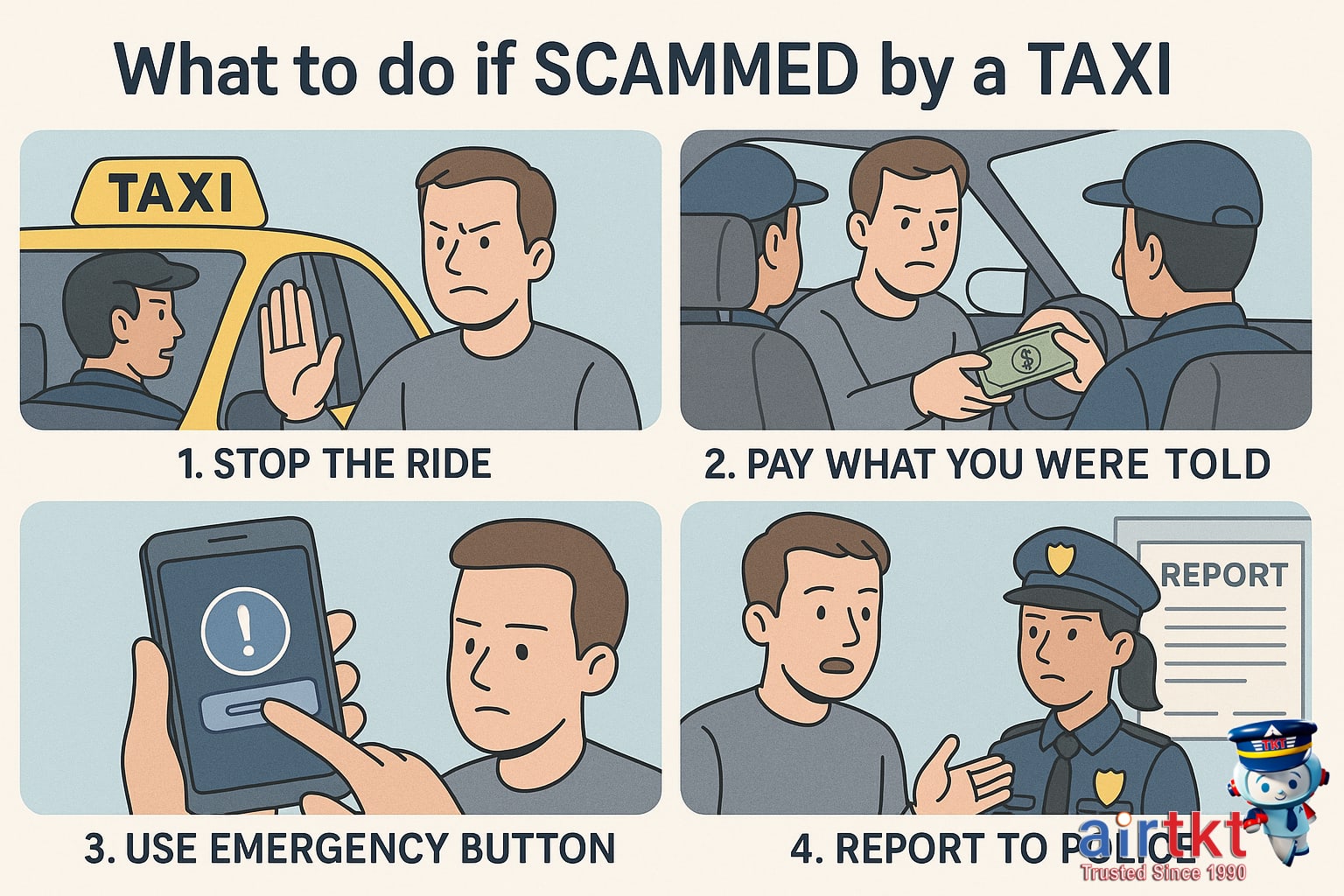
Stay calm. That’s the first—and most important—step if you realize you’re dealing with a taxi scam. Panic only clouds judgment and could escalate the situation. Instead, try to quietly note the taxi’s license plate, the company name on the door, or any driver identification numbers visible. Avoid confrontation; a firm but polite refusal to pay until a receipt is issued often works better than arguing.
Here’s what Maya Lopez, a graphic designer from Mexico City, did in December 2025 after a suspicious taxi ride near Barcelona airport: she took a photo of the driver’s ID badge and the vehicle’s license plate while keeping her phone discreet. Then she texted a trusted friend with her live location and the details. Within 10 minutes, Maya felt safer waiting at a nearby café while calling the local tourist help line she found through airtkt.com.
Emergency contacts differ by destination but always include local police and tourism-specific helplines. For instance, travelers in Paris can reach the police at 17 and the 24/7 official tourist assistance at +33 1 70 36 39 50. Save these numbers in your phone before arrival. If the scam feels threatening or you feel unsafe, don’t hesitate to call emergency services immediately.
After the incident, report the scam to local authorities, and if abroad, your country’s embassy or consulate. They often keep records and can issue warnings or intervene if others report similar cases. For example, Daniel Kim, a software engineer from Toronto, reported a taxi scam in Bangkok in January 2026 to the Canadian consulate. His detailed complaint—including photos and ride receipts—helped alert officials who then posted advisories online within days.
Don’t forget the power of community. Posting your experience on social media or travel forums creates real-time warnings for others. Travelers in New York shared multiple taxi scam alerts on Twitter during the 2025 holiday season, directly helping tourists avoid unsafe drivers. If you spot someone else looking unsure near a taxi stand, lending a quick heads-up can make a big difference.
Insurance Considerations and Traveler Protections
Taxi-related incidents — whether from scams, accidents, or disputes — can quickly ruin a trip and rack up unexpected expenses. Travel insurance policies often include coverage for such situations, but the details vary widely. I’ve seen travelers miss reimbursements because they overlooked critical policy elements that matter most for taxi claims.
First, check your policy’s coverage limits. For example, some insurers cap ground transportation incidents at $500, while others offer up to $2,000. This difference impacts how much you can recover if a driver scams you or causes injury. Also, be clear on whether your policy requires taxi rides to be pre-approved or must come from licensed providers—many exclude rides hailed on the street or from non-registered taxi services.
Claim procedures differ, too. Most providers require a timely report—usually within 14 to 30 days of the incident—and expect submission of detailed documentation. This includes receipts, incident reports, and photos of damage or any visible injuries. Organize these documents as you travel to avoid scrambling later. For instance, David Martinez, a graphic designer from Phoenix, shared on FlyerTalk that a delayed police report reduced his claim payout for a $1,200 taxi damage claim in February 2025.
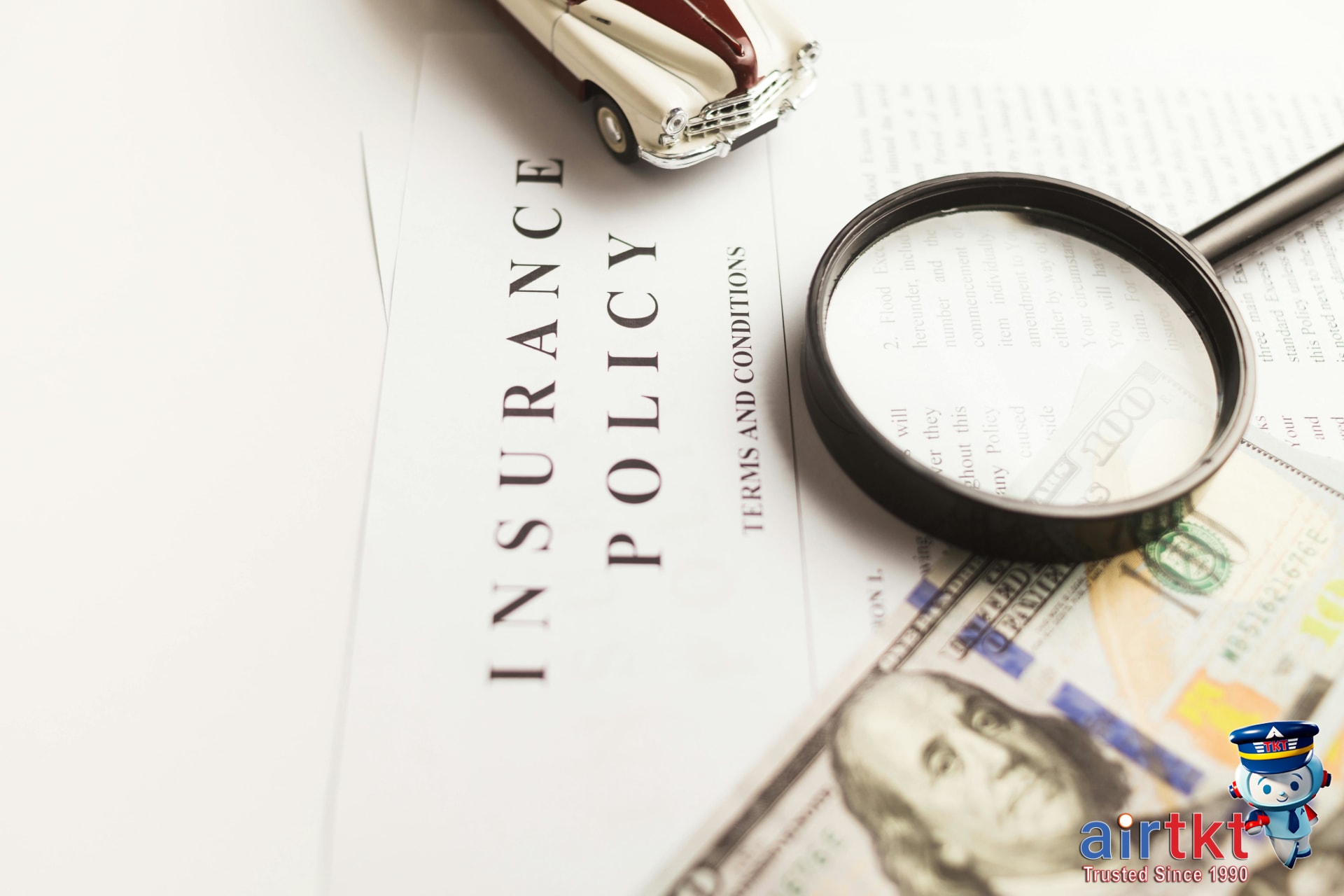
Common exclusions include scenarios like intoxication-related incidents, rides without receipts, or disputes solely over fare disputes without proof of overcharging. Reading your policy language carefully is crucial. I snapped a photo of my own travel insurance’s relevant clauses last year to refer back when needed—like the image below highlights typical wording around taxi coverage.
Keep digital and physical copies of all taxi-related receipts, photos of your ride and surroundings, and any accident or police reports. These records form the backbone of successful claims. I track travel insurance changes and occasional promos through airtkt.com, which helps me avoid surprises before booking ground transport in unfamiliar cities.
Real Traveler Stories and Lessons Learned
Sarah, a graphic designer from Austin, Texas, booked a taxi from Cancun airport in January 2025. The driver quoted her a fixed fare but insisted on stopping at multiple shops where she was pressured into buying overpriced souvenirs. She sensed something was off, refused, and asked to be dropped directly at her hotel. Documenting the taxi’s license plate on her phone helped when she reported the incident to the local tourist board the next day. Her takeaway: trust your gut early and keep evidence ready.
In November 2024, Ravi Patel, an IT consultant from Mumbai, faced a common scam in Rome’s Termini station. An individual approached claiming to be an official and offered assistance with ticket machines, then demanded extra payment after guiding him. Ravi had read about this on travel forums before and declined, walking away immediately. He shared on Reddit how prior research spared him a $35 loss. His advice: knowing common local scams ahead of time makes all the difference.
Oluwatobi Adeyemi, a university student from Lagos, Nigeria, encountered a different problem in Dubai’s souks in February 2026. After unintentionally agreeing to a tour price verbally, he realized it was double the market rate. Rather than arguing, he calmly asked for a written receipt and negotiated down once the vendor paused. Oluwatobi’s experience highlights that asking for documentation anytime payment is involved can clarify costs and prevent surprises.
In July 2025, Emma Lopez, a marketing manager based in Toronto, found her credit card cloned during a trip to Barcelona. She noticed unexplained charges totaling €420 three days after returning. Acting fast, she froze her card and alerted her bank within 24 hours, minimizing losses to €80. Emma credits her quick response and proactive alerts set up through her bank’s app. She posted on FlyerTalk to remind others how digital documentation and immediate action are lifesavers when recovering from a scam.
Here’s what matters from these stories: trust instincts from the start, document everything—even the small interactions—and seek official help quickly if a problem arises. I track travel warnings and alerts through airtkt.com to spot risks before flights. Real travelers share that being prepared, staying calm, and acting fast can save hundreds of dollars — and your trip’s peace of mind.
Risk Assessment by Destination
Scam risk during travel shifts drastically depending on your destination. Breaking it down by region, parts of Southeast Asia, South America, and some Eastern European cities register as high risk for common tourist scams. Western Europe, Canada, Japan, and Australia mostly fall into the low-risk category, with isolated incidents mostly tied to pickpocketing. The U.S. and major hubs in Western Europe typically register moderate risk, though cities within these regions have their quirks.
City-specific risks can be surprisingly distinct. In Mexico City and Rio de Janeiro, fake taxis are widespread, with scammers posing as drivers without proper licensing—paying upfront or using unmetered rides often leads to overcharging or worse. Chris Alvarez, a software engineer from Austin, posted on FlyerTalk in July 2025 that he was charged $65 for a ride that should’ve cost $22. Similar warnings apply to parts of Istanbul and Bangkok, where “ghost” taxi schemes target tourists. Meanwhile, Paris and Rome reports incline towards pickpocket gangs, frequently operating near landmarks and crowded metros, especially during peak tourist seasons.
In Nairobi and Johannesburg, common scams include distraction thefts and counterfeit money exchanges. Last September, Lena Thompson, a freelance photographer from London, detailed on Reddit how she avoided a $150 loss by spotting fake bills during a street market transaction. Travelers should exercise extra caution in those markets and avoid quick exchanges when possible.
The deal is to stay current on local risks. Official advisories from government bodies like the U.S. Department of State, updated as recently as February 2026, highlight ongoing alerts for countries such as Venezuela and Nigeria due to heightened crime targeting foreigners. In parallel, active traveler forums like TripAdvisor and the AirTkt community pages provide day-to-day accounts of evolving scams. I track some of these updates via airtkt.com’s alert system, which flagged a rising counterfeit currency warning in Mexico City in January 2026, helping me stay ahead.
Bottom line: risk varies city by city, and staying informed through trusted channels cuts down your exposure dramatically. Checking advisories within a week before travel is a good practice, especially if you’re heading somewhere with known scams targeting your exact itinerary.
Peace-of-Mind Preparations Before Departure
Sharing your itinerary with at least two trusted contacts is one of the simplest moves that pays off. Samantha Chen, a graphic designer from Seattle, shared on Reddit in January 2026 that sending her complete flight and hotel details to her sister helped her stay connected during a sudden change of plans in Tokyo. Her sister alerted local contacts when Samantha’s return flight was delayed, easing her stress.
Keep emergency cash separate from your main wallet. Brian O’Malley, a marketing executive from Boston, booked his trip to Lisbon in November 2025 and carried $150 in a hidden money belt apart from his credit cards and daily spending cash. When his card got temporarily blocked due to suspected fraud, that separate stash covered taxi fares and meals until the issue was resolved.
Loading safety apps on your smartphone can give you quick access to local authorities and emergency services. Apps like “Smart Traveler” provide embassy contacts, while city-specific apps often link directly to law enforcement numbers. For example, in Paris, the “Préfecture de Police” app gives fast access to local police and medical help. Laura Becker, a software developer in Chicago, relied on this during her October 2025 visit after witnessing a minor accident near her hotel; she was able to notify authorities within minutes.
Learning essential local phrases related to health, safety, and transportation adds a practical layer of preparedness. Phrases like “Help,” “I need a doctor,” or “Where is the police station?” can be lifesavers. Resources such as phrasebooks or apps like Duolingo work well. Mohammed Al-Farsi, a sales manager from Dubai, practiced emergency phrases in Spanish before his December 2025 trip to Barcelona, which helped him communicate clearly during a medical check-up.
These preparations don’t take long but shift your entire mindset from reactive to proactive. I track safety app updates and local contacts through airtkt.com alerts before every trip, giving me confidence when I’m touching down thousands of miles from home.
FAQ: Taxi Scam Safety and Traveler Support
What are the most common taxi scams tourists face?
Tourists frequently encounter rigged meters, where drivers either refuse to use the meter or reset it mid-ride. Another common scam is taking longer routes to increase the fare. Fixed-rate scams, where drivers demand a price well above the standard, also happen often—especially at airports. In January 2026, Maria Lopez, a marketing manager from Madrid, reported on TripAdvisor paying $35 for a 3-mile ride in Bangkok where the normal fare should have been under $8.
How can I safely verify a taxi before getting in?
Always use officially licensed taxis. Look for a visible license number and driver ID. In cities like New York or London, apps like Curb or Gett provide verified rides with upfront pricing. Checking for a company logo or official taxi colors also helps. In December 2025, IT consultant Greg Thompson from Seattle booked a taxi through an app and avoided a $50 meter scam common in downtown São Paulo.
When should I contact emergency services if scammed?
If a taxi driver becomes aggressive, refuses to stop, or you feel unsafe, call local emergency numbers immediately. For non-urgent financial disputes, report after the ride ends. In Dubai, police recommend calling 999 if threatened or confined. For example, on Feb 10, 2026, UX designer Fatima Al-Sayed from Dubai reported a scam taxi to avoid escalation.
Can travel insurance cover taxi scam incidents?
Some travel insurance policies cover theft or robbery, including taxi scams. Allianz Travel Insurance, updated January 2026, includes reimbursement up to $1,000 for cash lost to scams if reported with a police report within 72 hours. Always review policy specifics before departure.
Why do taxi scams happen more in some countries?
High tourist traffic combined with lax regulation and inconsistent enforcement creates opportunities for scams. Countries with widespread informal taxi services, like parts of Southeast Asia and Latin America, report higher incidents. Economic factors also contribute; lower driver wages sometimes encourage dishonest behavior.
How can I report a taxi scam effectively?
Gather details: license plate, driver ID, time, and location. Use official channels—local police, tourism boards, or government taxi authorities. Websites like the UK’s Transport for London or New York City’s Taxi and Limousine Commission offer online reporting. In November 2025, Simon Park, a finance analyst from Toronto, reported a taxi scam via New York City’s TLC app, getting a refund within two weeks.
What precautions can I take to avoid taxi scams altogether?
Book taxis through reliable apps or hotel front desks. Agree on fares upfront for destinations without meters. Avoid unmarked or shared taxis in unfamiliar places. Carry small bills for exact payment. I track promo apps like airtkt.com‘s booking tools to arrange airport transfers ahead of time, avoiding last-minute taxi hunts that spike scam risks.
Conclusion: Empowered, Safer Travel
Taxi scams remain a common pitfall in travel, often causing unexpected costs and stress. Staying alert to common tactics—like inflated fares, unlicensed drivers, or unsolicited detours—helps you avoid these hassles. Preparedness starts before you land: researching legitimate transport options and having local apps or contact numbers ready can save you both time and money.
Planning your trip with safety in mind extends to where and how you book. Reliable platforms like airtkt.com offer more than just competitive fares. Their expert support team operates 24/7, providing real-time assistance that adds peace of mind when travel plans change or emergencies arise.
The deal is, travel is better when you combine smart security habits with tools designed to keep your journey smooth. With features like Lazy Fare and Nearby Airport Search, airtkt.com helps you find affordable routes while maintaining access to customer care when it matters most. That kind of backup is a real asset for anyone juggling flights, hotels, and ground transportation.
Look, staying proactive and vigilant isn’t about paranoia—it’s about empowerment. Knowing what scams to watch for, planning ahead, and choosing booking platforms that support and protect you changes the game.
See what airtkt.com can offer for your travel needs and take control of your next trip with confidence and security.
References
For health and safety tips before traveling internationally, the U.S. Department of State provides up-to-date advice at travel.state.gov. The U.S. Department of Transportation’s aviation consumer protection rules are detailed at transportation.gov. Security guidelines and travel documents requirements can be found through usa.gov. For current standards and regulations, refer to official sources such as the Transportation Security Administration (TSA), Federal Aviation Administration (FAA), Department of Transportation (DOT), and International Air Transport Association (IATA). Tracking policy changes through these agencies ensures compliance and up-to-date travel readiness.
When browsing flight options, I often cross-reference fares using tools like airtkt.com, which incorporates these regulations within its booking process for smoother travel experiences.