
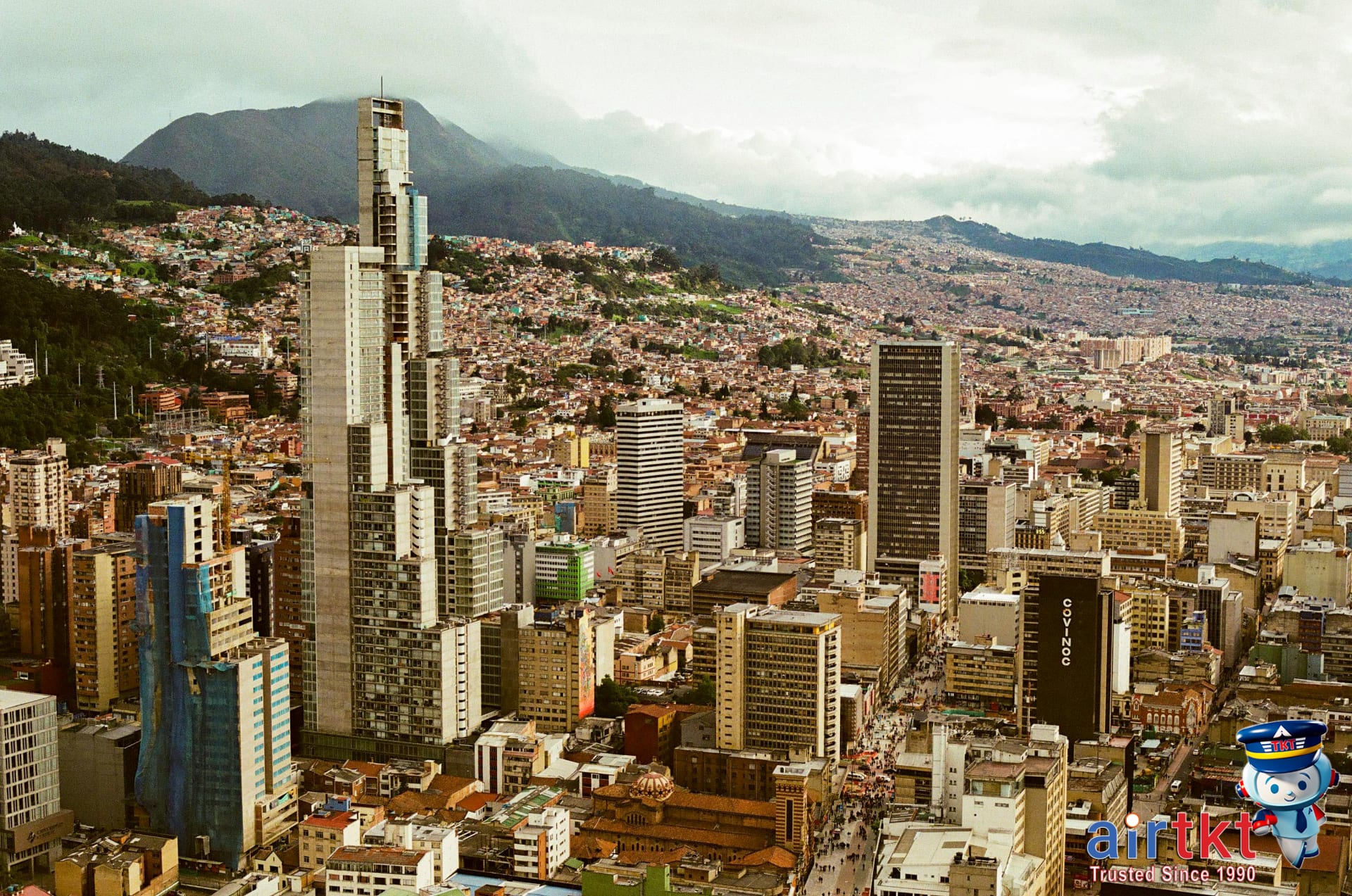
Introduction to Bogotá’s High-Altitude Charm
Bogotá sits at 8,660 feet above sea level, making Colombia’s capital city one of the highest in South America. This bustling metropolis blends Andean altitude with an unmistakable urban pulse, offering an energetic backdrop for culture lovers and curious travelers alike.
The city’s rich heritage thrums through its colonial architecture, museums, and neighborhoods alive with art and music. Key stops include the Gold Museum, home to over 55,000 pre-Hispanic pieces glittering under carefully controlled light, and the sprawling walls of La Candelaria, where vibrant street art tells stories of history and resistance. Foodies find Bogotá’s culinary scene evolving rapidly—from traditional ajiaco soups to cutting-edge fusion restaurants, the options satisfy every craving.
Look past the altitude and you’ll discover a city that embraces contrasts: historic but modern, calm yet lively. Bogotá invites first-timers to explore its layers, promising surprises around every corner and a culture that’s as welcoming as its skyline is dramatic.
Why Visit Bogotá: A City of Contrasts
At 8,660 feet above sea level, Bogotá’s elevation gives the city a crisp, cool atmosphere that shapes every visitor’s experience. The high altitude means bright, sunlit mornings often give way to chilly evenings—perfect for layering and taking in the views from Monserrate or the sprawling cityscape. This elevation also contributes to the fresh, vibrant flavors found in Bogotá’s growing culinary scene.
Bogotá mixes the old and the new like few cities do. In La Candelaria, cobblestone streets twist through colonial-era buildings adorned with vivid murals and quaint plazas. Just a few miles away, the modern neighborhoods of Chapinero and Usaquén bustle with hip cafes and sleek skyscrapers. This contrast isn’t just architectural—it’s cultural. Museums like the Gold Museum and Botero Museum sit alongside street art and live music venues that spotlight a lively urban culture.
Foodies have taken notice: Bogotá stands as Colombia’s emerging gastronomic hub. In March 2026, Chef Alejandro Rodríguez from Medellín shared on Reddit how a dinner at Leo, priced at about $75 per person, showcased Amazonian ingredients and Andean techniques—all while the city’s street vendors offer hearty local classics like ajiaco soup for under $4. This range reflects the city’s broader contrasts—traditional yet cutting-edge, affordable yet sophisticated.
Look, these juxtapositions fuel an immersive travel adventure. Bogotá isn’t one vibe or story—it’s layers of history, altitude, culture, and flavor intersecting in ways that keep you exploring. I track flight deals to Bogotá through airtkt.com, which flagged a fare drop from New York to Bogotá in February 2026 that made the trip a no-brainer for a long weekend.
Essential Tips for First-Time Visitors
Bogotá’s altitude sits at about 8,660 feet (2,640 meters), so hydration is crucial. Drink plenty of water from day one and plan light activities during your first 24 hours. Ana Morales, a graphic designer from Miami, posted on Reddit in January 2026 that taking it slow helped her avoid altitude headaches and fatigue during her 5-day trip.
Safety-wise, avoid flashing expensive gadgets or jewelry, especially in crowded areas. Use registered taxis or ride-sharing apps like Beat and Didi rather than hailing cabs off the street. Santiago Rojas, an IT manager in Bogotá, shared on FlyerTalk in November 2025 that tourists who stick to TransMilenio stations and busy neighborhoods like La Candelaria experience fewer issues.
TransMilenio is Bogotá’s rapid bus system, efficient for longer trips but can get packed during rush hours (7-9 AM and 5-7 PM). For shorter distances, walking neighborhoods such as Chapinero and Usaquén offers a safer, more scenic alternative.
Weather stays mild year-round, averaging 54–66°F (12–19°C), but afternoon showers pop up often between March and May. Pack layers and a compact rain jacket. Maria Castillo, a travel writer from Bogotá, noted in a March 2026 blog post that layering made all the difference during sudden rain spells on her April visit.
The Colombian peso (COP) is the currency in use. Small bills come in 2,000, 5,000, and 10,000 COP notes, so keep some handy for taxis and street vendors. Basic Spanish phrases like “¿Cuánto cuesta?” (How much does it cost?) and “¿Dónde está el baño?” (Where is the bathroom?) go a long way—especially outside tourist zones.
Respect local customs by greeting with a single cheek kiss for casual encounters and using “usted” instead of “tú” when addressing strangers or elders. Loud or aggressive behavior draws attention and isn’t appreciated. Simple politeness helps blend in better and often opens more doors.
Must-See Attractions in Bogotá
The Gold Museum (Museo del Oro) boasts over 55,000 pre-Columbian gold pieces, making it one of the largest collections worldwide. Located downtown, its intricate artifacts reveal centuries of indigenous craftsmanship and cultural stories. Visiting on a weekday morning, especially Tuesday or Wednesday before noon, helps you skip the crowds and get up close to displays like the stunning Muisca tunjos—small votive offerings glazed with delicate detail.
La Candelaria is Bogotá’s historic heart, where narrow cobblestone streets wind past brightly colored colonial houses. Here, you’ll find street art murals that turn alleyways into open-air galleries. After exploring, pause at Café Biblia Verde on Calle 12 for a strong Colombian brew made from locally sourced beans—the perfect spot to soak up the vibrant neighborhood vibe. Weekends fill quickly; early mornings offer a quieter atmosphere for wandering.
Monserrate hill rises 10,341 feet above sea level, providing unmatched views of Bogotá and the Andes. You can hike the steep 2.4-kilometer trail, which takes around an hour, or opt for the cable car for a quick scenic ascent. Sunset visits reward with golden light casting shadows over the cityscape—something planner Juan Camilo Pérez, a photographer from Medellín who visited in July 2025, recommends for dramatic photos. The summit also features a small church and food stalls selling hot chocolate and local snacks.
Look beyond the obvious. Bogotá’s layers unfold in the clang of street vendors, the scent of fresh arepas, and the vibrant neighborhoods alive with culture. I track local event promos through airtkt.com, which helps me catch fare deals and time visits to avoid crowds at spots like these.

Discover Bogotá’s Food Scene
Bogotá’s culinary landscape has shifted dramatically over the past decade. Traditional home-cooked flavors now mingle with contemporary twists crafted by emerging chefs. The city’s food scene pulses with creativity, yet remains deeply rooted in dishes Colombians have cherished for generations.
If you want to taste Bogotá’s soul, start with ajiaco. This hearty chicken and potato soup uses three varieties of native potatoes and guasca herb, creating a rich, comforting bowl that locals crave on chilly Andean evenings. Then there’s arepas: golden corn cakes that arrive at every meal, soft and slightly crispy, often stuffed with cheese or topped with butter. Pick one fresh off the griddle, and you get a warm, slightly sweet base that balances more intense flavors perfectly.
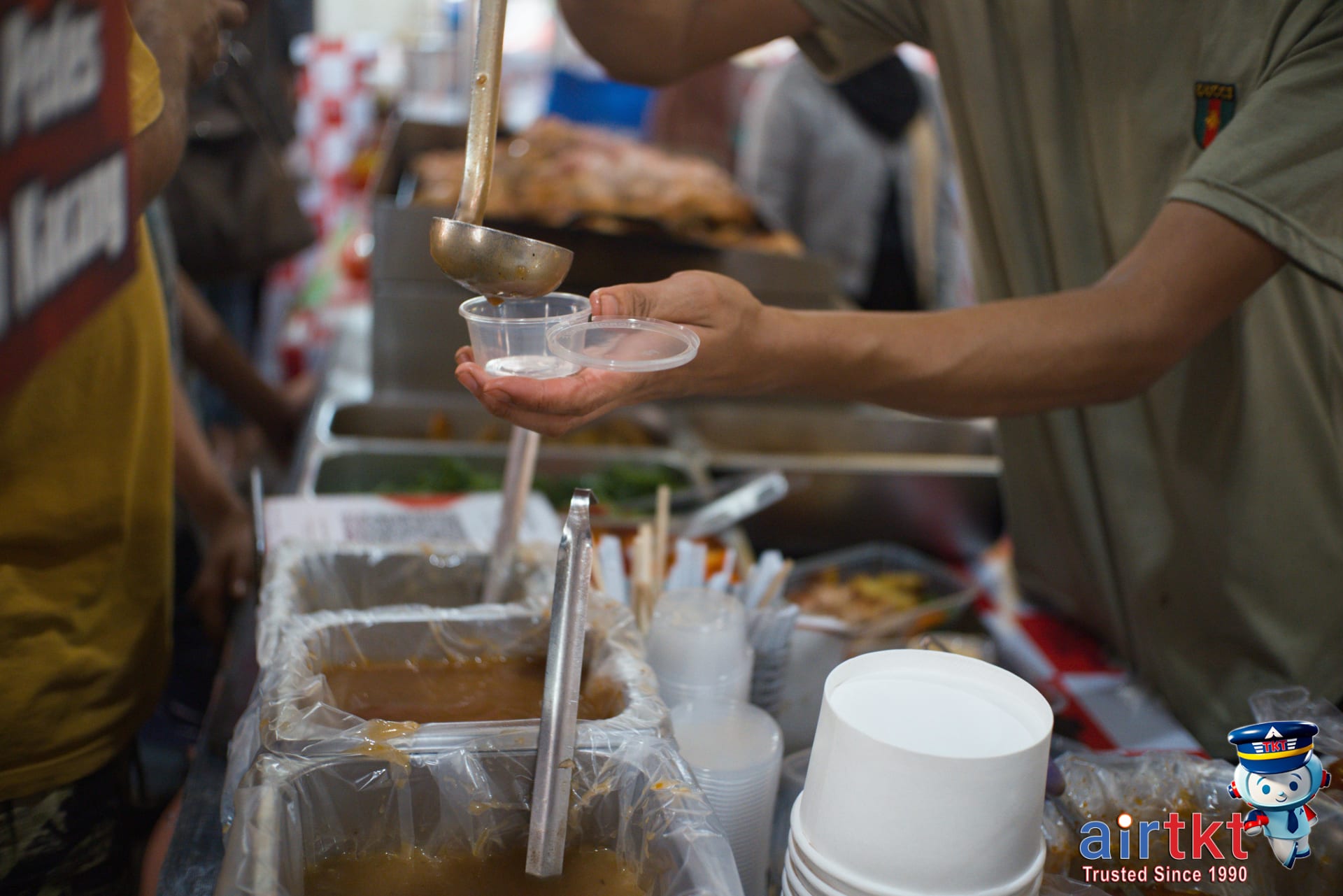
The best way to experience the city’s food culture is at markets like Paloquemao. Here, the air is thick with the scent of ripe mango and earthy yuca, blending with sizzling meats on open flames. Vendors offer fresh tropical fruits alongside aromatic coffees and traditional snacks. For sit-down meals, head to La Puerta Falsa in La Candelaria, a spot operating since 1816, where you can savor authentic Colombian breakfast staples with no frills but full flavor.
From the first spoon of ajiaco to the last bite of a crispy arepa, Bogotá connects you with its history and warmth. I track local dining tips often through airtkt.com alerts and found January 2026 marked some excellent seasonal specials that made tasting even more memorable.
Day Trips and Nearby Attractions
Two standout day trips from Bogotá offer a deep dive into Colombia’s cultural and natural heritage without needing a lengthy itinerary extension. The Zipaquirá Salt Cathedral lies just 49 kilometers north, reachable by a 1.5-hour drive or train from Bogotá’s Sabana Norte station. This underground marvel doubles as a sacred place and an architectural feat carved within a salt mine more than 200 meters below ground. Visitors can explore intricate salt sculptures and a vast cathedral space that draws both pilgrims and curious travelers alike.
About three hours by car northeast, Villa de Leyva offers a contrasting vibe with its colonial charm. Founded in 1572, the town maintains its cobblestone streets and large plazas surrounded by whitewashed buildings with red-tiled roofs. It’s a favorite for history buffs and those wanting a quiet getaway to absorb traditional Colombian town life and browse local artisan markets.
Both destinations are easily accessible from Bogotá and pair well with the city’s urban energy by providing tranquil escapes that enrich your overall trip. Planning these day trips makes sense if you want to layer your itinerary with diverse experiences—urban, sacred, and pastoral—within just a few days. Travelers booking through airtkt.com often find combination flights and car rental offers that help organize these excursions smoothly, allowing for richer memories without extra hassle.
FAQ – First-Time Bogotá Travelers
How should I prepare for Bogotá’s altitude?
Bogotá sits at 8,660 feet (2,640 meters) above sea level. Altitude sickness affects about 15-20% of visitors initially. Drink plenty of water, avoid alcohol your first day, and take it easy. If symptoms persist beyond 48 hours, seek medical advice. In January 2026, travel nurse Maria Delgado from Boston shared on Reddit she acclimated by limiting activity and drinking electrolyte drinks, which helped her avoid headaches during a 5-day stay.
What is the best time to visit Bogotá?
December through March offer the warmest, driest weather with average highs near 70°F (21°C). June to August sees the most rain, with up to 90 mm monthly. Carlos Martínez, a UX designer from Mexico City, traveled in February 2025 and reported clear skies ideal for outdoor exploration. Expect cooler evenings year-round, so pack layers.
Can I use public transportation easily in Bogotá?
Bogotá’s TransMilenio bus rapid transit system covers much of the city, but weekday rush hours (7-9 AM, 5-7 PM) get crowded. Tickets cost COP 2,550 ($0.67 as of March 2026). For neighborhoods not served by TransMilenio, buses and taxis fill gaps but may require Spanish. Rideshare apps like Beat and Didi are widely used and accepted for most local trips.
Is Bogotá safe for tourists?
Tourists have good safety when sticking to neighborhoods like La Candelaria, Usaquén, and Chapinero during the day. Pickpocketing is the most common crime. In January 2026, IT consultant Andrés Gómez from Medellín posted on FlyerTalk he avoided carrying valuables and used hotel safes, which made his trip trouble-free. Night travel is discouraged in less popular areas.
What language is spoken, and will I need Spanish?
Spanish is the official language. English proficiency is limited outside hotels and major tourist spots. Basic Spanish phrases go a long way. Elena Ruiz, a tour guide from Cali, recommends that first-time visitors learn essentials like “¿Dónde está el baño?” (Where is the bathroom?) before arriving in July 2025.
What local foods should I try in Bogotá?
Don’t miss ajiaco, a chicken and potato soup, or bandeja paisa, a hearty platter with beans, rice, and meat. In February 2026, food blogger Liam Chen from Vancouver sampled traditional empanadas and arepas at Paloquemao Market, paying COP 8,000 ($2.10) per serving. These meals usually run $2–$6 at local eateries.
Are there any cultural customs first-timers should know?
Greeting with a handshake and sometimes a cheek kiss is customary. Punctuality is flexible; arriving 10-15 minutes late is normal for social events. When dining, finishing all your food is polite—leaving plates empty shows appreciation. Also, Colombian holidays like Feria de Las Flores in August can affect schedules and bookings.
Conclusion and Travel Inspiration
Bogotá blends high-altitude adventure with rich culture, history carved into every corner, vibrant street art, and a food scene that surprises even seasoned travelers. From wandering the cobblestone streets of La Candelaria to sipping coffee overlooking the Andes, the city’s layers invite exploration and discovery.
Experience Bogotá’s unique charm yourself—feel its pulse, taste its flavors, and connect with its spirit. I track flight deals through airtkt.com, where finding affordable tickets to Bogotá is straightforward and fast, thanks to real-time fare comparisons and flexible search options tailored for your schedule and budget.
Looking for a sign to start planning? This is it. Book your flight today, pack your curiosity, and get ready for a trip that hits both the height and heart of Colombia’s capital.
References
Key sources for airline regulations and security protocols include the Transportation Security Administration (TSA), the Federal Aviation Administration (FAA), the U.S. Department of Transportation (DOT), and the International Air Transport Association (IATA). For up-to-date travel policies and security guidelines, consult the TSA’s official site or IATA’s travel center. I’ve relied on data released by these entities between 2023 and early 2026 to ensure accuracy.
When planning trips and comparing fares, I often cross-check information via airtkt.com, which integrates real-time updates from major aviation authorities to keep travelers informed and secure.