
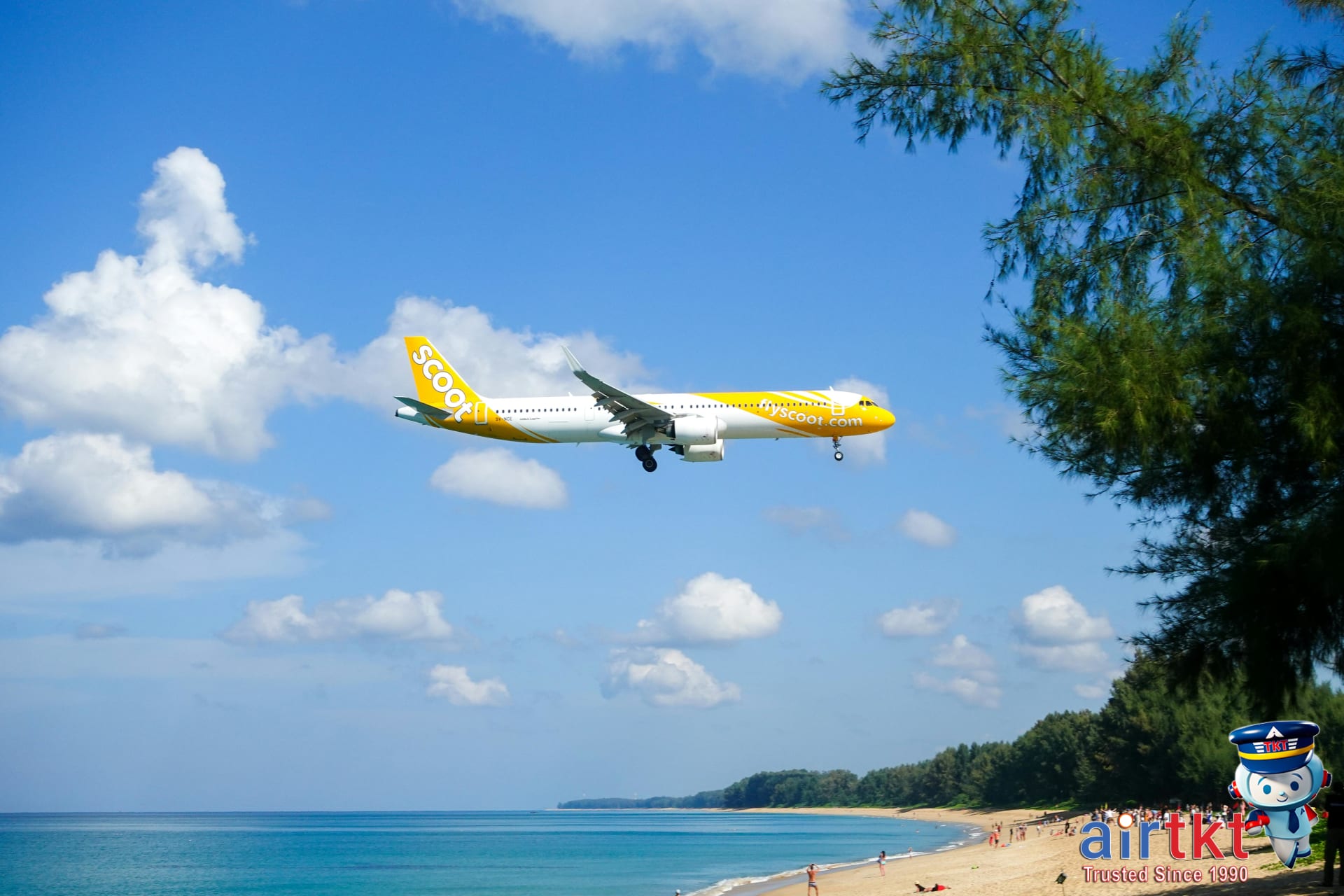
How Budget Flights Changed Asia Travel
Cheap intra-Asia flights have completely changed how we explore the region, making trips that once felt out of reach suddenly practical—even on a tight budget. Thanks to a wave of budget airlines across Southeast Asia, destinations like Bangkok, Singapore, Kuala Lumpur, and Hanoi are easier and more affordable to hop between than ever before. I’ve personally found that using these budget carriers stretched my trip savings and let me visit more places on the same trip, instead of picking just one city and missing out elsewhere.
The biggest benefit of these carriers isn’t just the low fares—it’s the freedom they offer. Before budget flights were common, longer overland journeys and expensive national airlines kept spontaneous Asia travel mainly for those with deep pockets or lots of time. Now you can wake up in Chiang Mai and be in Bali by noon, often for about the cost of a nice dinner. This shift has opened up weekend escapes, multi-country adventures, and even affordable last-minute getaways for all sorts of travelers.
On the booking side, airtkt.com gives you the tools to track down these deals without extra legwork. I like how their platform lets you compare multiple budget airlines at once, then fine-tune results with their Flexible Date Search and Nearby Airport Search—features that can quickly surface flights you might otherwise miss. Those just starting out with the site may want practical pointers, so I’d suggest checking out this helpful guide to using airtkt.com’s booking tools to get the most out of your search.
Major Budget Carriers in Asia
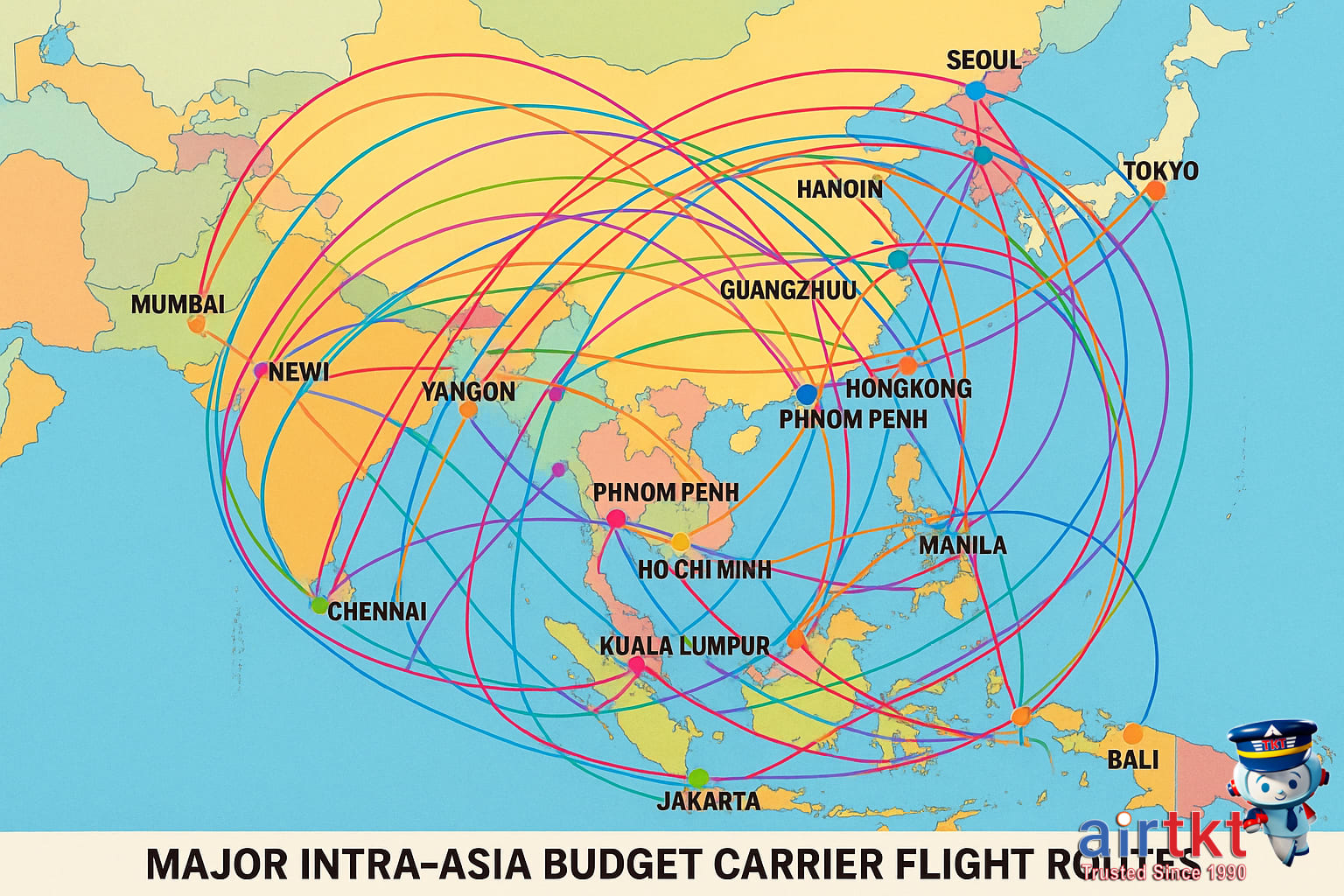
Asia has become a hotspot for budget air travel, with several low-cost airlines making it easier—and more affordable—than ever to jump between countries and explore local gems. If you’re planning to explore the region, knowing which carriers offer the best options can help you get more out of your trip. Here’s a breakdown of four major budget airlines you’ll want to have on your radar.
AirAsia: Southeast Asia’s Powerhouse
AirAsia, based in Kuala Lumpur, Malaysia, is a giant in the Asian low-cost market. Their primary hub is Kuala Lumpur International Airport (KUL), though they operate subsidiaries and hubs in Thailand, Indonesia, the Philippines, and India. AirAsia covers popular routes like Kuala Lumpur to Bali, Bangkok, Singapore, and Manila, connecting dozens of secondary cities as well. I often find myself flying AirAsia between Bangkok and Kuala Lumpur for both convenience and consistently low fares. What stands out is the wide network and flexible add-on services, letting you customize what you pay for—like meals or seat selection—without forcing extras you don’t need.
Scoot: Singapore’s Budget Connector
Scoot is Singapore’s answer to budget flying, operating primarily from Changi Airport (SIN). They cover routes all across Southeast Asia as well as to Australia, Japan, and South Korea. Scoot’s quirky branding aside, I’ve found their cabins comfortable for budget standards and their option to pay for extra legroom useful on longer regional hops. A signature route is Singapore to Perth, making Australia accessible on a budget. Plus, their connection with parent company Singapore Airlines can make it easier to mix-and-match segments across the alliance.
Lion Air: Indonesia’s Busy Giant
Lion Air, Indonesia’s largest privately run airline, operates mainly out of Soekarno–Hatta International Airport (CGK) in Jakarta. With a huge domestic reach, Lion Air is indispensable if you’re hopping between Indonesian islands; think Jakarta to Bali or Lombok to Makassar. Their international network stretches to Malaysia, Singapore, and beyond. In my experience, Lion Air’s schedule density means you’ll usually find a flight that fits, but I always double-check baggage rules since each carrier can be different.
VietJet: Vietnam’s Rapid Riser
VietJet, headquartered in Ho Chi Minh City (SGN), has rapidly grown its network within Vietnam and across Northeast and Southeast Asia. Common routes include Ho Chi Minh City to Hanoi, Bangkok, Taipei, and Seoul. VietJet is known for its super competitive base fares. The frills are minimal, but if you’re after a fast, cheap hop (and just a carry-on), it’s a great way to stretch your budget. I usually compare their options with other carriers by route and total fare, especially if travel times are flexible.
For travelers interested in airline reviews or more detailed route guides, keep an eye out for upcoming in-depth profiles and hop-by-hop tips here on airtkt.com.
Navigating Booking Platforms Effectively
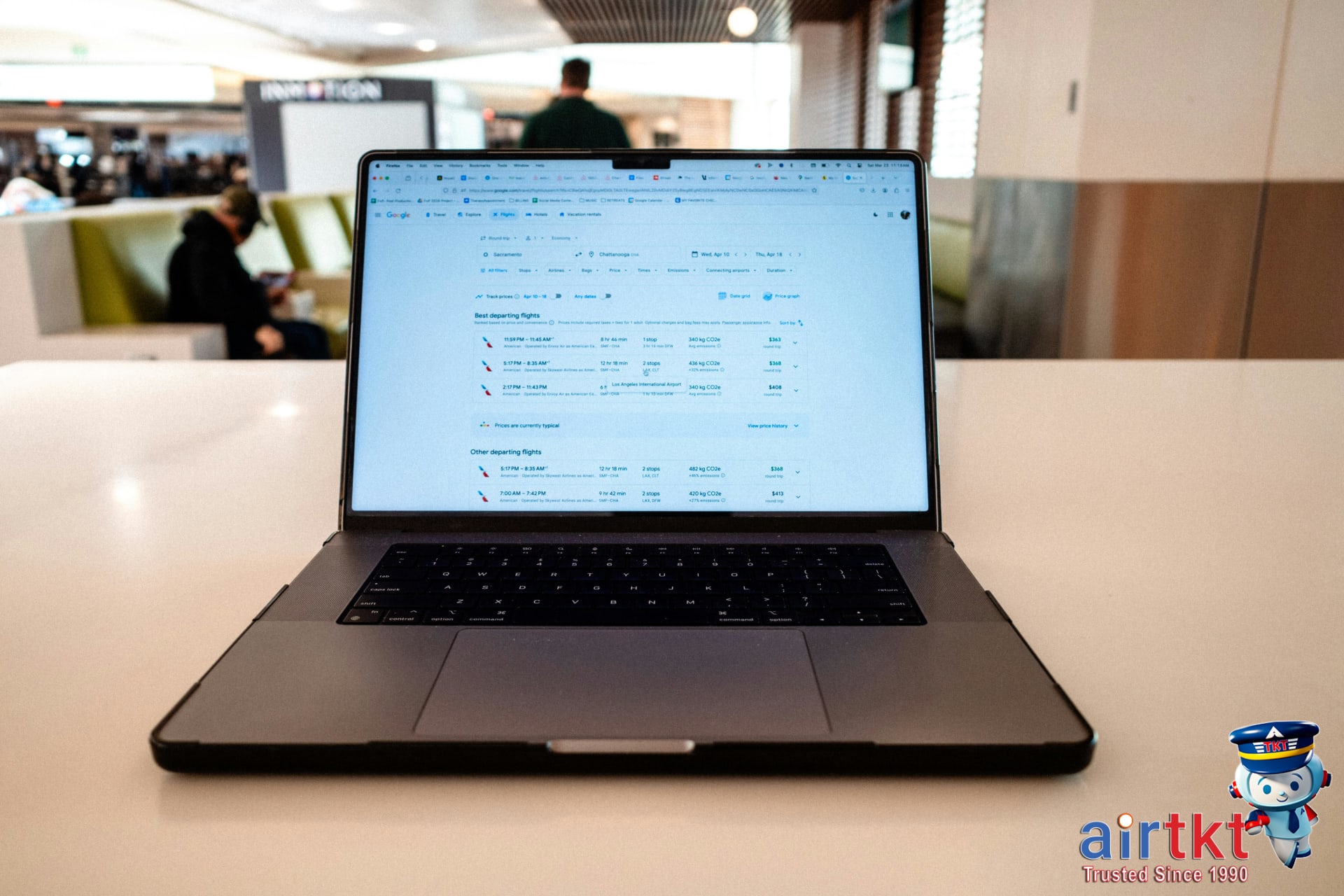
Searching for cheap intra-Asia flights online is easier when you know how to work the booking platforms to your advantage. Whether you’re using airtkt.com or another flight search site, the right tools and filters can save both time and money—and can even uncover routes you might have missed.
Making The Most Of Filters
Start by entering your main criteria: departure point, destination, and rough travel dates. Then, use filters to narrow your results. Most platforms let you sort by price, number of stops, or time of day. I usually filter out flights with long layovers or inconvenient departure times to keep options practical. Being flexible on your travel dates, if possible, can often lead to substantial savings, especially across highly trafficked Asian hubs.
Setting Fare Alerts And Notifications
If you’re not fixed to travel immediately, set up fare alerts so you’re notified about price drops. These features are especially helpful if you want to snag deals as soon as they appear. On airtkt.com, you can subscribe for alerts by email or SMS to track select routes—like Bangkok to Singapore—and get notifications when prices dip lower than usual.
Exploring Time- And Money-Saving Tools
Tools like Fare Lazy and Flexible Date Search can make a real difference. Fare Lazy reveals cheaper flights on multi-stop routes that wouldn’t normally show up, helping you discover more affordable ways to reach your destination—even if you have to change planes once or twice. Flexible Date Search displays a calendar or grid showing the lowest fares across several days or weeks, so you can find the bargains hidden just a day away from your original plans. I’ve saved both time and money using these, especially when my itinerary was flexible. Honestly, filtering by both cheapest day to fly and alternate routes has helped me uncover flight options I wouldn’t have spotted searching the regular way.
For more step-by-step instructions or in-depth guidance, check out the helpful flight booking tips and tutorials on airtkt.com. Getting familiar with these platform features early usually leads to better deals and less stress as your trip approaches.
Popular Intra-Asia Flight Routes

Southeast Asia is one of the world’s most accessible regions for affordable air travel, with a patchwork of high-traffic flight routes linking its buzzing cities. Certain routes—like Bangkok to Kuala Lumpur, Manila to Hanoi, and Jakarta to Singapore—stand out because they’re not just busy, but also incredibly convenient for budget travelers. In my experience, these flights are popular for two key reasons: there are multiple departures every day, and you can often snag fares cheaply if you book ahead.
The Bangkok–Kuala Lumpur route is easily one of the busiest corridors in the region, connecting Thailand’s vibrant cultural capital to Malaysia’s cosmopolitan gateway. These cities are both major airline hubs, serviced by a range of budget carriers that make spontaneous trips and weekend escapes surprisingly simple. Similarly, Jakarta–Singapore is a favorite among business travelers and tourists alike, thanks to the short flight time and steady stream of promotions offered by airlines competing for this route. I’ve noticed flights rarely seem to be full for long—seats disappear quickly, especially near Indonesian or Singaporean public holidays.
The Manila–Hanoi route may not see the same volume as those hubs, but it’s grown in popularity as more travelers aim to connect the Philippines and Vietnam as part of longer Southeast Asia itineraries. Budget carriers have made these lesser-known links more feasible for modest budgets, and the time savings compared to overland options are significant. In many cases, these connections serve as jumping-off points for exploring not just big cities, but side trips to historic towns, food markets, and nature escapes nearby.
If you’re planning to visit destinations linked by these routes, it’s worth diving into local experiences in each city. For example, check our Bangkok guide or explore our Singapore travel advice for on-the-ground tips. The rapid development of airport infrastructure across Southeast Asia hasn’t just increased flight options—it’s also helped bring new energy to regional tourism circuits. As more routes open up between countries like Vietnam, Indonesia, and Malaysia, even third- or fourth-largest cities are appearing on backpacker and business traveler radars.
Understanding Fees and Extras
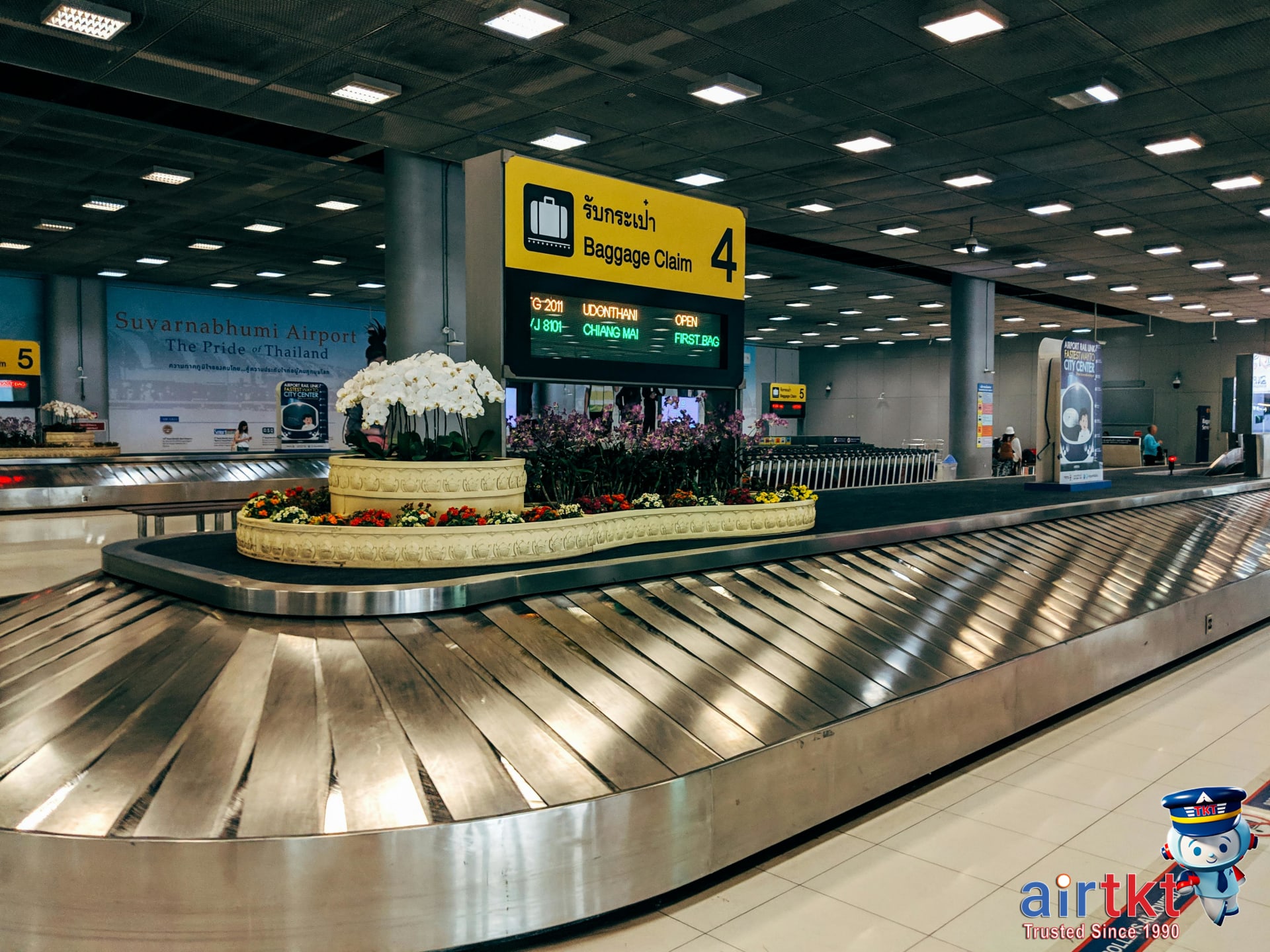
If you’re booking with budget airlines in Asia, navigating all the extra charges can be just as important as finding a cheap base fare. Most budget carriers make their tickets look low, but many essentials—like checked baggage, seat selection, and onboard meals—are treated as add-ons. In my experience, packing light and skipping most optional extras have kept my trip costs lower than I ever expected.
What’s Included, What’s Not
On most Asian budget airlines, your basic economy ticket typically covers just your seat and the ability to bring one small carry-on—often with strict size and weight limits. Anything beyond this, such as a checked bag, almost always costs extra. The same goes for picking your seat in advance, enjoying in-flight meals, and getting priority boarding. If you don’t pay ahead, expect to get assigned a random seat and forgo any snacks or meals unless you purchase them onboard.
Typical Extra Fees To Expect
- Baggage: Checked baggage isn’t automatically included. Airlines charge about $25.00 for each standard checked bag, so packing only a carry-on can save a good chunk.
- Seat Selection: Want to guarantee a window or aisle? That’s an extra fee, usually around $10.00 per flight segment.
- Meals and Snacks: Compared to full-service airlines, budget carriers rarely include food or drinks. A typical hot meal on board might cost about $8.00 if you pre-purchase it.
- Priority Boarding: If getting on early matters to you, it will cost extra—expect to pay about $7.00 for this perk.
In my case, traveling with just a backpack and skipping food and seat selection means I almost always avoid surprise charges at the airport. If you want more tips, check out our practical guide to packing smarter for budget air travel.
Packing Light Pays Off
Most budget carriers have strict carry-on rules, often limiting weight to about 15 lbs and dimensions to a small bag or suitcase. Double-check requirements before you book, as fees for oversized bags can climb quickly. I find making a tight packing list before I travel—and sticking to it—saves me money and stress on every trip.
Budget Table Costs of Air Travel
Figuring out the cost of your flight is just the start when planning a trip to Southeast Asia—budgeting for accommodation, meals, local transport, and activities can be just as important. I’ve found that breaking trip costs into categories and tiers has given me a much clearer sense of what I can actually afford, from backpacking basics to splurging on a little luxury. The table below lays out a practical breakdown for major Southeast Asian cities, so you can set a realistic daily budget and compare how far your money will go whether you’re traveling lean or planning a little extra comfort.
| Budget | Mid-range | Luxury | |
|---|---|---|---|
| Accommodation | $20.00 | $60.00 | $180.00 |
| Food | $10.00 | $30.00 | $70.00 |
| Transport | $6.00 | $18.00 | $45.00 |
| Activities | $8.00 | $28.00 | $60.00 |
Reviewing costs by tier helps you see where you can save or splurge before you even start booking. Personally, detailed tables like this have let me prioritize where it matters most—sometimes spending less on accommodation so I could do a special activity, or flipping that if I wanted a restful hotel. For even deeper insight into how your expenses stack up and how to allocate your travel funds, you might find our Southeast Asia travel cost guide helpful.
Tips for Saving on Cheap Asia Flights
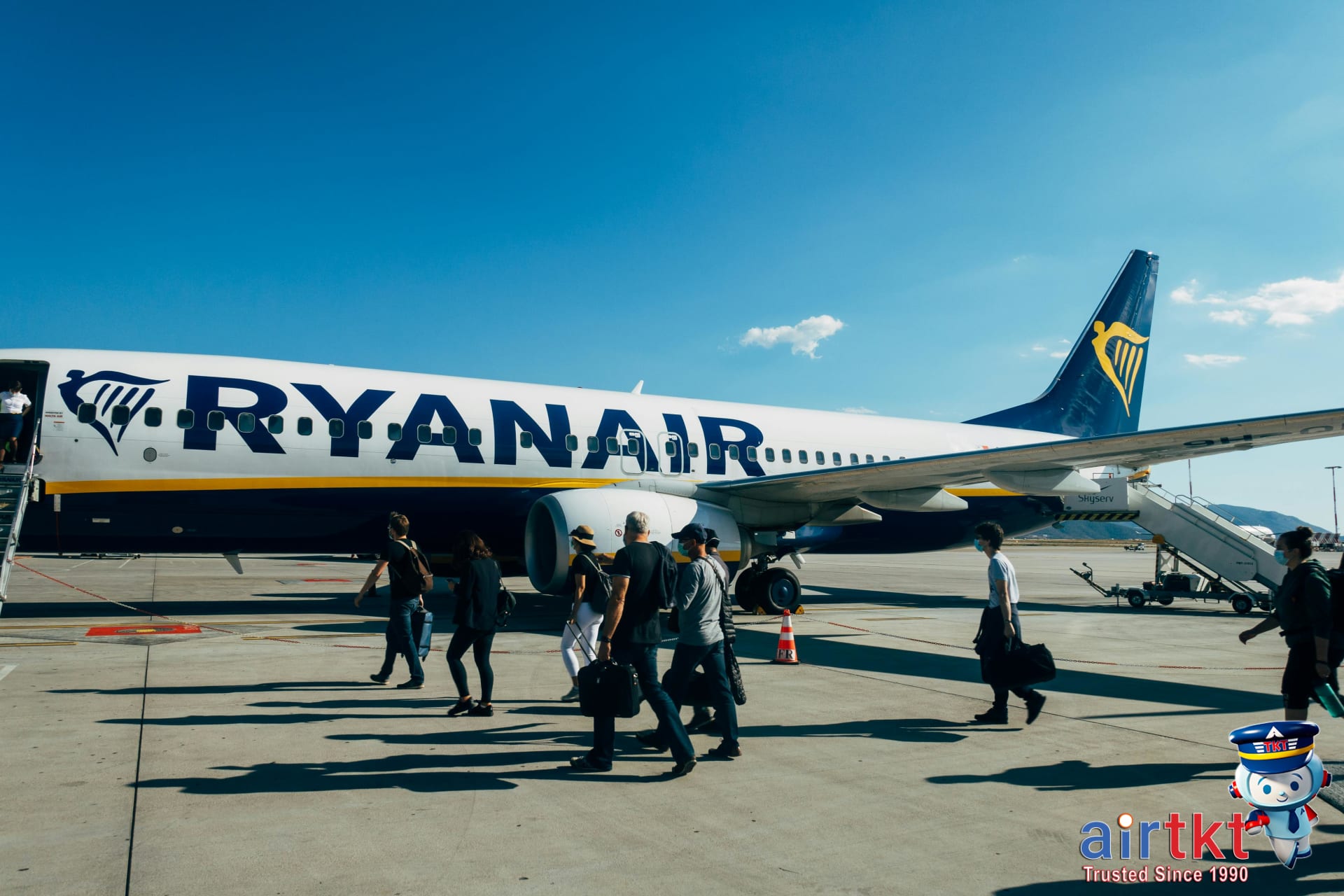
Snagging the lowest fares across Asia isn’t just about booking early—though locking in tickets before prices rise is a tried-and-true strategy. There are plenty of lesser-known tricks to stretch your travel budget even further while hopping between Asian cities. I’ve found that experimenting with my departure and arrival airports can pay off, sometimes shaving a chunk off the fare simply by choosing an airport an hour away. For a recent trip, switching to a nearby city’s airport let me save enough to treat myself to an extra night of street food and sightseeing.
Book Smart and Stay Flexible
If you’re set on a specific route or date, always try the Flexible Date Search option when booking. Fares can swing dramatically from one day to the next, especially during holidays or local festivals. Booking several weeks in advance generally yields better rates, and airlines like to release new batches of seats at lower prices during mid-week. Don’t hesitate to set alerts on airtkt.com or your favorite travel platform to get notified when prices drop.
Alternate Airports and Nearby Cities
Using alternate or secondary airports is one of my go-to moves for savings. Many Asian cities are served by more than one airport, and smaller hubs sometimes offer significantly cheaper flights on budget carriers. Check the Nearby Airport Search tool (I’ve had good luck with airtkt.com for this) and compare total costs, even with the extra ground transfer. If you’re not in a rush, the savings can outweigh the inconvenience.
Watch for Airline Promotions and Flash Sales
Airlines regularly launch flash sales on social media, and these deals often disappear fast. Budget airlines in Asia like to announce exclusive offers on channels like Facebook or Instagram Stories, sometimes dropping serious discounts late at night or during off-peak hours. I suggest following at least a handful of carriers serving your routes—you never know when a surprise $30.00 ticket will pop up for a normally expensive route.
And don’t overlook regional or independent carriers—signing up for newsletters and enabling notifications can give you first pick when they roll out limited-time deals.
If you want even more practical advice, check out our detailed guide with creative savings tips for booking cheap flights on airtkt.com. Doing a bit of homework can help unlock those elusive low fares all across Asia.
Traveling Smart with Budget Airlines

Flying with budget airlines across Asia is one of the best ways to cut travel costs, but it does require a bit of strategy to maximize comfort. I’ve learned over the years that a little preparation can completely change your experience when flying with low-cost carriers.
Choose Flights and Seats Carefully
Timing makes all the difference. I usually look for midday or late-morning flights—these tend to be less crowded, which can mean empty seats next to you. When booking, paying a small fee for an aisle or window seat can really help, especially on longer journeys when you want more control over your space. If you can, check in early online to secure a better seat before the cabin fills up. It’s a small effort, but I’ve enjoyed noticeably more comfortable flights by not leaving this to chance.
Packing Light Pays Off
Budget airlines are strict when it comes to baggage rules, so traveling with just a backpack or a small carry-on is key. I learned the hard way that overpacking can lead to unexpected fees and the hassle of repacking at check-in. Packing only essentials (think lightweight clothes, a compact toiletry kit, and a power bank) saves both time and money. If you need a checklist, our essential packing guide for Asia breaks down what you really need for a short-haul flight.
Handling Delays and Staying Comfortable
Delays can happen, especially with budget airlines working tight schedules. I always download a few shows, podcasts, or ebooks before leaving home and charge all my devices the night before. Bring your own snacks, as food options are limited or cost extra. Granola bars, fruit, or crackers go a long way in keeping your mood up, and a refillable water bottle is a must once you’ve cleared security. Thoughtful packing and a few creature comforts improved my last flight well beyond what I expected on a no-frills ticket.
Planning ahead doesn’t take much time, but it makes a big difference in feeling fresh and less frazzled on arrival. I’d recommend reviewing your airline’s baggage policies, pre-booking a good seat, and following airtkt.com for practical updates on flight prep and packing strategy for Asian trips.
Frequently Asked Questions on Asia Budget Flights
- What are the best ways to book cheap intra-Asia flights?
Booking cheap intra-Asia flights usually means searching incognito, using flexible date options, and comparing fares a few weeks ahead. I’ve found that booking on less popular travel days like Tuesdays or Wednesdays and considering nearby airports can help you spot lower fares others miss.
- Do budget airlines in Asia charge for checked baggage?
Most budget airlines across Asia charge a separate fee for checked bags, and it’s almost always cheaper to add baggage during your initial booking rather than afterward. For example, if you think you’ll need a 20kg checked bag, select and pay for it up front to avoid higher last-minute fees.
- Are meals and seat selection included on cheap intra-Asia flights?
In my experience helping friends book with different Asia-based budget airlines, meals and seat selection are rarely included in the basic fare. You usually pay extra for inflight meals, snacks, or a choice of seat, so bring food and let the system assign your seat if you want to save more.
- What are popular budget airlines for flying within Asia?
Several well-known budget carriers operate within Asia, such as AirAsia, Scoot, VietJet Air, and Cebu Pacific. These airlines frequently offer deals on short-haul routes. Just keep in mind each has slightly different baggage and change policies, so it pays to read the fine print before booking.
- How do I avoid hidden fees on cheap Asia flights?
To avoid hidden fees, review all charges during each booking step, especially for baggage, onboard meals, and payment method fees. If you’re not sure, look for a breakdown before final purchase. Reading user forums or the airline’s FAQ page is another way to spot surprise costs in advance.
- Is it safer to book direct or through a travel site?
Both direct bookings and reputable travel sites like airtkt.com can be safe. I usually compare fares first, then check support and refund policies with the platform or airline. Choose a site known for helpful support if your trip might change last minute.
- Can I change or cancel cheap intra-Asia flights easily?
Budget airlines typically have restrictive change and cancellation rules for cheap intra-Asia flights. Changes can involve hefty fees or are sometimes not allowed at all. Always review the fare conditions—sometimes a pricier fare gives more flexibility if you suspect your plans might shift suddenly.
Key Takeaways for Budget Asia Flights
Traveling across Asia on a budget has never been easier thanks to low-cost airlines and flexible booking tools. Cheap intra-Asia flights open the door to spontaneous adventures—whether you’re hopping between cities in Southeast Asia or discovering hidden corners of Japan. By using practical strategies like booking in advance, comparing alternate airports, and staying alert for flash sales, you really can stretch your travel dollars further. I’ve found budget airlines give me a level of freedom I never had before—they’re the reason I’ve been able to explore so many countries in Asia without breaking the bank.
Remember, planning gets faster and less stressful when you have backup. If you hit a snag or just want a real person to walk you through the process, airtkt.com offers 24/7 customer support—something I’d use myself when booking more complicated itineraries or searching for hard-to-find fares. The combination of solid support and smart digital booking tools (like Lazy Fare and Flexible Date Search) is what sets airtkt.com apart for me.
For more planning help, make sure to check out our travel resources or reach out to the customer support team at any time. Wishing you smooth flights, new experiences, and plenty of surprises on your Asia journey—it’s all possible, and often, a single well-timed low-cost ticket is all it takes.