
Comparing eSIM And Local SIM Basics

If you’ve ever juggled spotty hotel Wi-Fi or scrambled for a SIM card at a busy airport after landing abroad, you already know how important reliable phone connectivity can be. These days, most international travelers need to choose between two main options: an eSIM or a local SIM card. While both have the same goal—to keep you connected without paying hefty roaming fees—they go about it in very different ways.
An eSIM is a digital SIM built into modern smartphones. Instead of swapping a physical chip, you just download a mobile plan, often before your trip, and activate it remotely. On the other hand, a local SIM card is the traditional plastic chip you insert into your phone after arriving at your destination, usually picked up at an airport kiosk or local shop. Both options give you access to local mobile networks and help you avoid expensive global data roaming charges.
For international travelers, knowing the difference matters. Choosing the right SIM impacts how soon you’re connected, how much you spend, and even your phone’s security. In my experience, opting for an eSIM let me get online within minutes of landing—no need to hunt for a store or fumble with tiny cards. But on a longer trip, I found a local SIM sometimes offered better value and broader coverage outside major cities.
Throughout this article, I’ll compare eSIMs and local SIM cards on the things that matter most when you’re exploring internationally: upfront cost, ease of use, coverage quality, and privacy or security concerns. And if you’re prepping for your next adventure, you might find it useful to check out our straightforward guide on preparing your smartphone for international travel as well.
What Is An eSIM And Its Advantages
If you haven’t heard about eSIMs yet, here’s a quick rundown: an eSIM (embedded SIM) is a digital SIM card embedded directly into your compatible smartphone or device. Unlike traditional physical SIM cards, which you swap in and out of your phone, an eSIM is activated electronically—no fiddling around with tiny plastic cards or SIM trays required. With eSIM technology, you can download multiple carrier profiles onto a single device and switch between them as you please.
I learned just how convenient this is during my last international trip. Instead of searching for a local SIM card shop after landing, I activated my eSIM through my phone’s settings before I even boarded the plane. That meant instant data access once I touched down—no more language-barrier hassles or missing out on ride-share apps at the airport.
Key Benefits For Modern Travelers
The standout feature of eSIM is its flexibility: instant activation, no physical card to lose, and the ability to store several plans at once for different countries or purposes. If you’re traveling for business and leisure, or bouncing between regions, eSIM lets you toggle between data plans without swapping cards. It also means less clutter—no more managing multiple SIM cards in your wallet or worrying about compatibility with unlocked devices.
For globe-trotters, eSIMs make travel simpler. You can purchase an international or local plan online, often saving time and money compared to buying a physical SIM. Coverage options are growing steadily as more carriers worldwide support eSIM activation. If you’re considering making the switch, check out our simple guide on activating eSIMs for travel.
What Is A Local SIM And Its Benefits

A local SIM card is a prepaid or pay-as-you-go SIM you buy after you arrive in the country you’re visiting. It gives you a local phone number and access to domestic mobile data and calls, usually for much lower prices than roaming with your home carrier. You’ll just need an unlocked phone—something I’ve learned the hard way is a must before heading overseas!
The biggest advantage is cost savings. Local rates are almost always cheaper than international roaming, meaning you can use data, call taxis, or message friends without worrying about charges stacking up. Wherever I’ve traveled, topping up credit at convenience stores or kiosks has been fast and painless—no complicated contracts or surprise fees. Travelers often pick local SIMs for longer trips, remote work, or when they know they’ll need plenty of reliable data.
You’ll also benefit from strong coverage since you’re using the same networks locals do. Local SIMs are widely available at airports, phone shops, and even supermarkets in most countries. If you’re curious about the best destinations for easy SIM purchases, check out our guide to the top countries for buying local SIM cards.
Comparing eSIM Vs Local SIM Costs
One of the most common questions I hear from travelers is whether an eSIM or a local SIM card provides better value for staying connected abroad. So let’s take a closer look at how the costs and plan options compare—because the decision is rarely as simple as just picking the cheapest sticker price.
Typical eSIM Plan Pricing
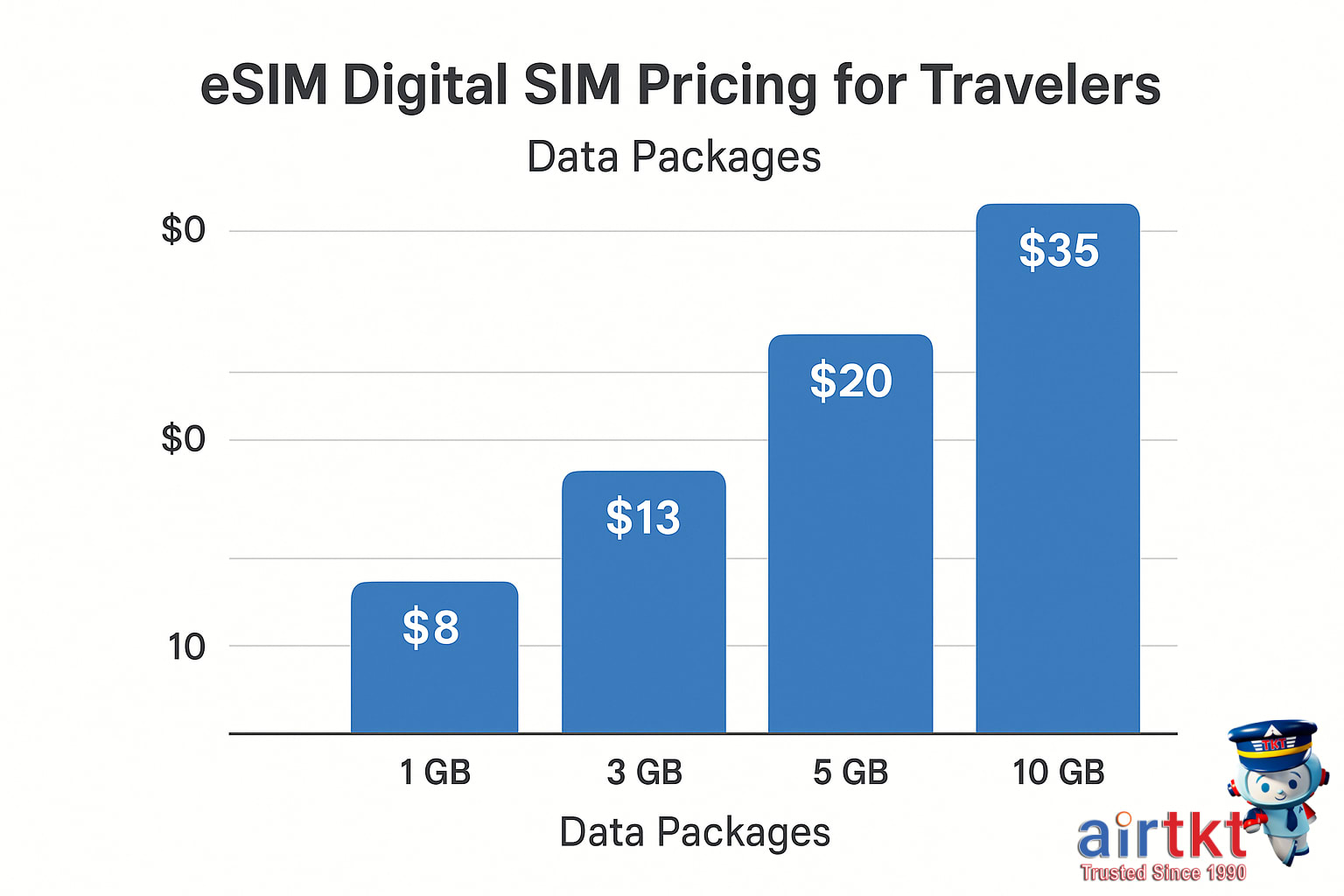
eSIM plans are all about convenience. Many international eSIM providers offer short-term data-only packs you can activate before arriving at your destination. For many destinations, you’ll find global eSIMs with plans around $12.00 for 3 GB or $22.00 for 10 GB that last 30 days. Larger allotments, like 20 GB, can be about $45.00. You often buy just the data, with no voice or SMS included—decent for most short-term trips.
Local SIM Card Costs
On the other hand, local SIM cards are picked up at airport kiosks or local mobile shops after you arrive. A prepaid local SIM with around 5 GB of data typically costs about $8.00, but there’s often an activation fee of about $2.00 added at purchase. Larger bundles (such as 20 GB) run closer to $18.00, sometimes with chat and local voice minutes included. Local SIMs can be a fantastic value if you’re comfortable swapping cards and don’t need your home number active.
Plan Flexibility And Hidden Fees
eSIMs shine when it comes to ease of switching—no waiting at a counter or fiddling with tiny cards. But you can’t always top-up as easily, and returns or cancellations are usually non-existent. Some prepaid local SIMs include “bonus” apps or features, but watch out for automatic renewals and pricey overage charges on both types. I usually recommend eSIM for quick stopovers, but for longer stays or heavy data use, a local SIM gave me much better value on my last trip.
| Category | eSIM (Single Country) | Local SIM Card |
|---|---|---|
| Initial plan cost (5 GB) | $15.00 | $8.00 |
| Activation or setup fee | $0.00 | $2.00 |
| Typical 20 GB pack | $45.00 | $18.00 |
| Flexibility | Very high, instant purchase | Good, some setup required |
| Hidden fees/overages | Possible data overage charges | Roaming/overage possible |
If you’re trying to stretch your travel budget even further, I’d suggest reading through our latest budget travel tech tips for more strategies.
Usability Activation And Compatibility Comparison
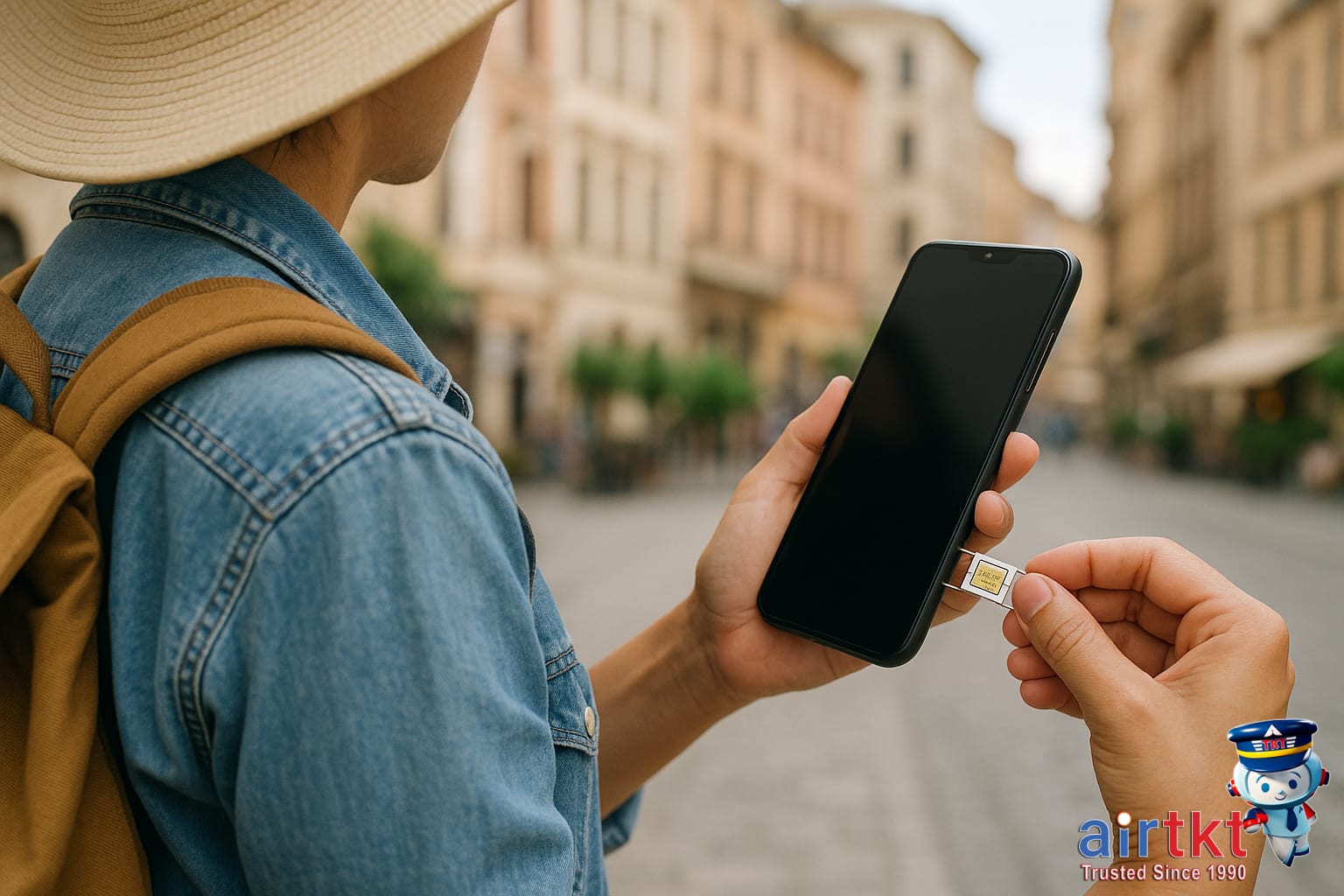
I often find nothing slows down your first day in a new country like hunting for a SIM card stand, waiting in line, and fiddling with physical cards. eSIMs, on the other hand, deliver a real win in terms of activation and convenience—especially if your device is compatible. Here’s how both options stack up for real-world travel usability.
Activation: Instant vs. In-Person
One major advantage of eSIMs is remote activation. You can usually scan a QR code or follow an emailed link, often from the comfort of your home, airport lounge, or even mid-flight (as long as you have Wi-Fi access). Local SIM cards almost always require picking one up at an airport kiosk, carrier shop, or convenience store once you land—which means you can’t get connected until after arrival and setup might involve language barriers.
Device Compatibility Essentials
While eSIMs are supported by most newer smartphones (Apple, Samsung, Google, and others), some budget or older models may not have eSIM capability. Before committing, it’s important to check your phone’s official specifications. Local SIM cards have the edge for universal compatibility, since almost any unlocked phone will accept a physical SIM—even older models.
Switching Plans and Profiles
With eSIMs, switching between data plans or numbers is mostly a tap-and-go experience. Many eSIM providers let you store multiple profiles, which is convenient for frequent travelers hopping between countries or juggling work and personal lines. In contrast, swapping physical SIMs usually means shutting down your device and physically removing or inserting cards—something I’ve found annoying on multi-country trips.
User Interface and Support
eSIM management is built straight into your phone’s settings, providing a modern interface for toggling lines, topping up, or switching carriers. Local SIM support can be trickier for non-locals—think carrier apps in foreign languages or unclear instructions. If you do run into setup hiccups, you’re reliant on in-person shop help or carrier phone lines, rather than a digital dashboard or knowledge base. For troubleshooting mobile connectivity, check our mobile connectivity troubleshooting guide for direct solutions if something goes wrong.
Connectivity And Coverage For Travelers
Staying connected while traveling can make or break your experience, and choosing between an eSIM and a local SIM sometimes comes down to actual coverage on the ground. Most eSIM providers partner with well-known international networks, offering coverage maps that look robust on paper—especially for major cities or tourist routes. However, those coverage maps don’t always reflect your real-world signal strength, particularly in remote villages, mountains, or densely packed urban neighborhoods.
Local SIM cards tap directly into official domestic networks in your destination, which can give you an edge in places where smaller, local providers outpace bigger roaming partners. For instance, when I spent a week exploring the countryside outside major cities, I found my local SIM kept a steadier signal than my eSIM—especially once I left the airport or busy train stations. It was one of those moments where strong, reliable coverage really mattered to me (hello, navigation and translation apps!).
Comparing real connectivity options
Generally, eSIMs win for seamless setup and not having to hunt for a shop upon arrival, but they may rely on secondary partner networks that aren’t always prioritized for signal strength. Local SIMs, sometimes available right at the airport or convenience stores, usually get direct preferential access to the strongest towers. The difference might not matter in central London or Tokyo, but in rural areas or crowded festivals, one may outperform the other.
Crowd density and the surrounding geography can affect any network. During large events or in mountain regions, both eSIMs and local SIMs can struggle—but I’ve noticed local networks often recover faster after drops. Before choosing a SIM option, it’s worth checking out advice about your specific destination. Many of our destination guides have up-to-date tips on best SIM options and signal reliability in different cities and regions.
Security And Privacy When Using eSIM And Local SIM

When choosing between eSIM and a local SIM card, it’s worth thinking through the security and privacy benefits and potential risks. eSIMs are built right into your phone’s hardware, so your mobile plan is stored digitally and managed through your device settings. This setup makes eSIM profiles a bit less vulnerable to classic SIM swap fraud—since there’s no tiny chip for a thief to remove if they swipe your phone.
How eSIM Technology Secures You
eSIM profiles are encrypted and often require proof of identity or verification through your device’s operating system before changes can be made. That adds another layer of defense, especially if you use biometric protection or set up a strong passcode. I always make sure my phone requires Face ID or a password before any SIM profile changes—a simple habit that adds peace of mind when I’m abroad.
Risks With Physical SIM Cards
Traditional local SIM cards, on the other hand, can be physically removed and swapped in seconds. If someone steals your phone or you leave it unattended, a thief could quickly move your SIM to another device to intercept texts or calls. You’re also more dependent on the security of local carriers, which may not always match the standards you’re used to at home.
Protecting Your Data And Privacy
Remember that both eSIM and local SIM options mean sharing some of your data with local mobile carriers—information like your passport copy or local address may be required to activate a SIM abroad. Travelers concerned about privacy should stick to official vendors, be careful with the personal details they provide, and check their device’s permissions for carrier apps.
Security Steps Every Traveler Should Take
- Always lock your phone with a passcode or biometric authentication.
- Enable remote wipe capabilities in case your phone gets lost or stolen.
- Review SIM management settings and activate any extra verification features offered by your device manufacturer.
- To dig deeper into digital protection, I’d recommend reading a solid guide on cybersecurity essentials for travelers before you set off.
Choosing The Best SIM For Your Travel Needs

Deciding between an eSIM and a local SIM might not feel like a big deal at first, but choosing the right option can make your entire trip smoother. To help you avoid connectivity headaches, I’ll walk through which type fits different traveler profiles—because there really isn’t a single answer for everyone.
Match SIMs To Traveler Types
If you travel frequently or hop between countries, an eSIM tends to be the most convenient choice. You can usually purchase and activate data plans directly from your phone settings—even before you land. This works especially well for business travelers and digital nomads, or anyone who prefers a quick, low-hassle setup. On the other hand, if your trip is longer (say, several weeks to a few months) or you’re visiting just one country, picking up a local SIM often gives you better data deals and local rates. Families or groups with unlocked phones may also save by sharing a local data plan.
Destination Matters For SIM Choice
Some countries are eSIM-friendly, with plenty of local and international data providers supporting digital setup. Other places still rely heavily on physical SIM cards, especially if you’re outside major cities. It’s smart to check the local carrier options for your destination before you travel. For instance, I usually lean toward a local SIM if I’m spending a week or more in one place and want reliable coverage for maps and ride-shares.
Usage Patterns And Priorities
Ask yourself: do you just need high-speed data for maps and messaging, or is local calling important? Will you be moving between countries? Heavy data users usually get better value from a local SIM, while light users or those on shorter trips may prefer the simplicity of topping up an eSIM. Also, note that not all phones support eSIM—double-check your device compatibility beforehand.
Checklist For Making Your SIM Choice
- Device compatibility: Does your phone support eSIM?
- Trip duration: Under two weeks or longer?
- Countries visited: Multi-country trip or just one?
- Data vs. calls: Do you need local talk/text or just data?
- Availability: Are eSIMs and local SIMs easy to buy at your destination?
- Budget: Compare data deals and activation fees to see what fits best.
For some extra planning help, I’d check out the travel planning tools from airtkt.com before making my SIM decision—they make it easier to compare what you’ll need depending on your trip style.
eSIM Versus Local SIM FAQs For Travelers
- Which is cheaper for travelers, eSIM or local SIM?
Local SIM cards are often less expensive than eSIM plans, especially if you buy them directly from a shop at your destination. However, I usually remind travelers that eSIMs offer more convenience if you want to stay connected as soon as you land, which can be worth the extra cost for some.
- How do I activate an eSIM or local SIM card?
For eSIMs, you typically scan a QR code from your provider and follow prompts in your phone’s settings. Local SIMs usually involve inserting the SIM card and restarting your phone. Be sure your phone is unlocked and check instructions from your provider or community help forums if you need extra guidance.
- Is my phone compatible with eSIM or local SIM cards?
Most modern phones support eSIM, but it’s best to check your device’s specifications before relying on it. Almost all unlocked smartphones accept local SIM cards. I often get questions about this from fellow travelers—double-check with your phone brand or carrier before you travel.
- Are eSIMs or local SIMs more secure when traveling?
Both options offer similar levels of security for your data and calls. eSIMs can’t be physically stolen, which can be a small advantage, but ultimately, your risk comes down to how you use your device and network. Practicing good digital hygiene is always recommended when abroad.
- What are the main advantages of using an eSIM?
With eSIMs, you don’t need to swap out physical cards and can activate service before you land. Many eSIM plans let you keep your home number active simultaneously. This flexibility makes eSIMs helpful for business travelers or those who want quick set-up and simple switching between profiles.
- Can I switch between eSIM and local SIM during my trip?
Yes, if your phone supports both options, you can use an eSIM and a local SIM at different times. This is especially useful if data rates change or you visit multiple countries. Just remember to manage each profile separately within your device’s network settings as you switch.
- Where can I get help if I have trouble with my SIM card abroad?
Most airlines, major airports, or the provider’s customer support can assist you if you have SIM trouble. You can also check a community forum dedicated to international SIMs for travel and read user experiences. Sometimes having the provider’s help page bookmarked is smart before you leave home.
Summary And Final Recommendations For Travelers
After comparing both eSIM and local SIM cards, it’s clear that each option brings its own advantages. eSIMs offer the ultimate convenience and fast activation, especially if you want to land and connect instantly, while local SIM cards can provide better value and data flexibility if you plan to spend more time in one country. When I’ve tried both approaches, I found myself gravitating towards eSIMs for shorter trips and local SIMs when I wanted more data or longer stays. Your best choice will depend on how much effort you want to spend on setup, how long you’ll be traveling, and what sort of connectivity you truly need.
Take a moment to consider your travel style: do you prefer quick, seamless setup or are you willing to sacrifice a little time at your destination to save some money or get more data? There’s no wrong answer—it really does come down to individual preference. Personally, I’ve learned to look at SIM options as soon as I start planning a trip, not just as an afterthought at the airport.
If you’re getting your itinerary in order, don’t forget your flight and hotel bookings. I’d suggest checking airtkt.com for an easy way to compare airfares and lock in accommodation before you leave. Their booking pages are straightforward and let you explore options that suit every budget level, so your connectivity and core travel plans are sorted in one go.