
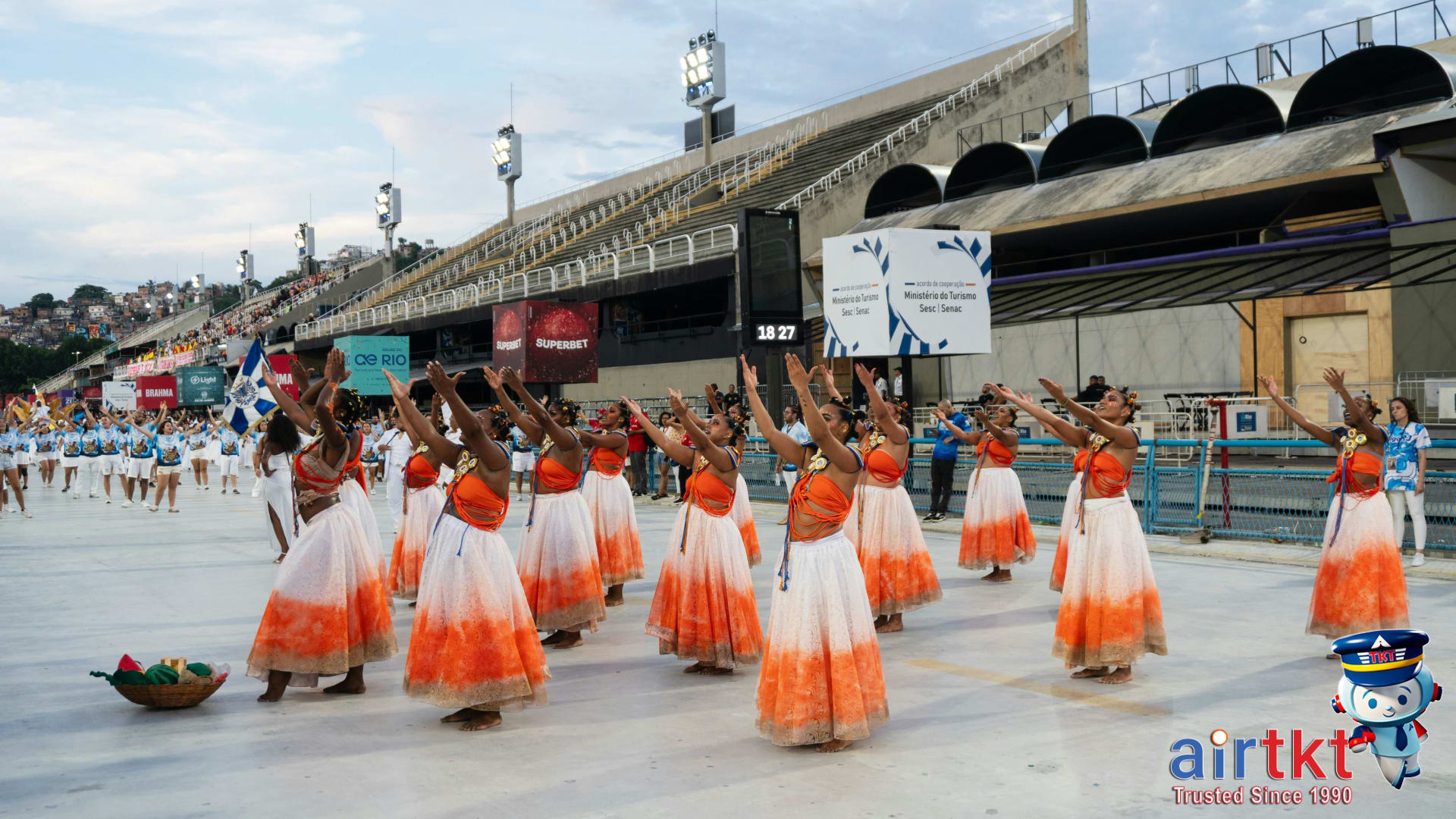
Rio Carnival’s History and Atmosphere

Rio Carnival isn’t just a festival—it’s a full-blown cultural phenomenon that pulses through the heart of Brazil every year. Rooted in centuries-old traditions, the Carnival’s origins trace back to Portuguese colonial celebrations and African influences, blending music, dance, and spirited processions into what’s now recognized as the world’s most iconic street party. Its cultural significance lies in its ability to unite millions of locals and travelers in a vibrant, collective celebration of Brazilian identity and joy.
What sets Rio Carnival apart from any other event is the sheer exuberance that fills the streets and sambadromes. The parades feature hundreds of samba schools, each with distinct themes, dazzling costumes, and intricate floats—a visual spectacle you truly need to see in person. Beyond the main parades, you’ll find lively bloco (street party) bands, spontaneous dance circles, and vibrant neighborhoods bursting into color. For even more context on Brazil’s unique festival culture, check out our guide to Brazil’s top cultural festivals.
I still remember the electrifying buzz the first time I stood among Carnival crowds—waves of drumbeats carried through the night while samba dancers in sparkling costumes spun just a few feet away. The energy was contagious, making it impossible not to join in, whether you were there as a spectator or dancing your way down the avenue.
Getting to Rio Carnival Made Easy
If you’re planning to celebrate Carnival in Rio de Janeiro, getting there efficiently should be your first priority. For international travelers, most flights land at Rio’s Galeão International Airport (GIG). This is the main international gateway and sees a surge of visitors from across the globe during Carnival season. Many major airlines, including direct flights from North America and Europe, service GIG, but lower-cost carriers may require a layover in São Paulo or another Brazilian hub. Domestically, Santos Dumont Airport (SDU) is extremely convenient for those arriving from other Brazilian cities, with quick flights from hubs like São Paulo and Belo Horizonte.
Once you land, Rio’s airports offer a few transport options. Certified taxis are widely available outside both airports. For a fixed rate, you can reach central Rio or the famous Sambadrome where Carnival’s parades take place. Ride-hailing apps like Uber are also a straightforward choice, particularly if you’re wary of haggling or want to avoid lines. Public buses and an airport express service (Real Auto Ônibus) connect the main terminals to key hotel zones, offering a budget-friendly alternative, although I find that after a long flight, it’s just easier to go for a taxi, especially during Carnival crowds.
One thing I learned after my first Carnival was that waiting too long to book flights or hotels can end up costing a lot more than expected. The earlier you reserve, the better your chances of finding a reasonable fare and your preferred schedule. Platforms like airtkt.com can help you compare airlines, try alternate airports, and even set fare alerts, which is handy when prices spike closer to the festivities. For step-by-step tips on scoring flight deals, check out the airtkt.com Rio travel guide before you commit.
Visiting Samba Schools In Rio

For anyone curious about the energy fueling Rio’s Carnival, exploring samba schools is a must. Samba schools are not educational institutions, but vibrant community organizations that bring together musicians, dancers, and artists to compete in the world-famous Carnival parades. Each school spends months preparing elaborate themes, costumes, and choreography for their moment in the limelight, and their neighborhoods rally around them with enormous pride.
One of the best ways to experience this local tradition is by attending a samba school rehearsal, which ramp up in the months leading to Carnival (often running weekly). These rehearsals, held in vast warehouses or open halls, give visitors a taste of the music, drumming, and dancing that will light up the Sambadrome. I joined one in Madureira and was swept up in the pulsing rhythm, surrounded by locals singing and dancing alongside seasoned performers—it felt more like a communal celebration than a practice session. Don’t be surprised if you’re invited onto the floor; participation is encouraged, and even if your samba footwork isn’t perfect, enthusiasm is what really counts.
Booking a visit or guided samba school tour is simple through local operators or hotel concierges. Many specialize in cultural experiences and help with logistics, transportation, and translation. I’d compare direct school visits with guided tours—direct visits offer spontaneity and authenticity, while tours provide valuable context and behind-the-scenes access. Both options can give you a night overflowing with music and color.
If you’re eager to keep exploring Rio’s vibrant social scenes after your samba adventure, check out our detailed guide to Rio nightlife for more cultural experiences throughout the city.
Choosing Parade Tickets Wisely
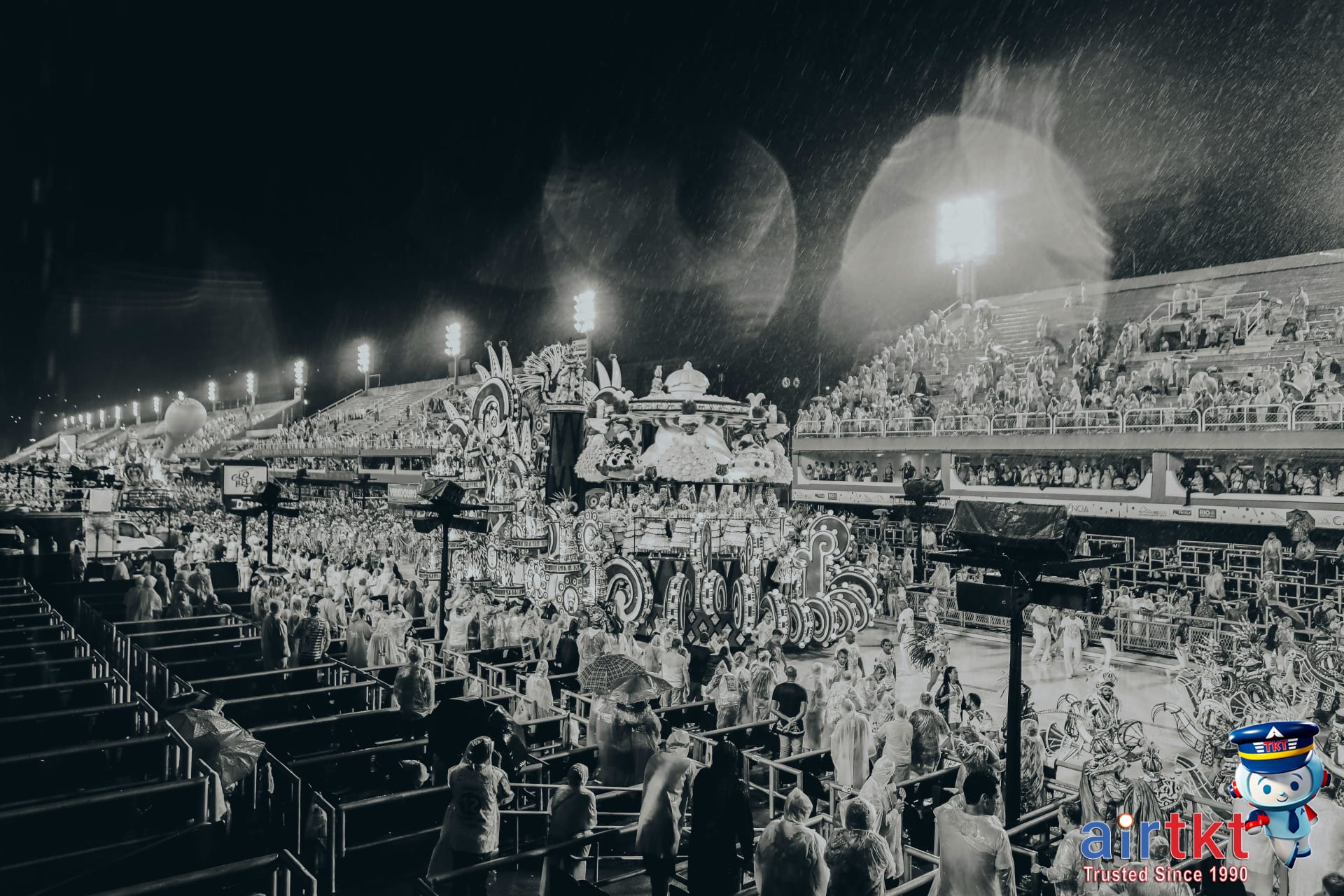
If you’re heading to Carnival in Rio, knowing which parade ticket to pick can make a real difference. The Sambadrome offers several options: grandstand or sector seats (the most affordable and great for the party atmosphere), trackside/front row seats (closer to the performers and action), and VIP boxes (with added comfort, food, and even some celebrity-spotting potential). I usually recommend comparing the seating charts and views because your experience during the parade will hinge on your seat location, not just your budget.
How to Buy Tickets Safely
For most travelers, buying directly via official ticket vendors online is the safest choice. Look for the official Sambadrome site or reputable platforms verified by the Rio Carnival organizers—these are the sources I trust after learning the hard way that purchasing from street sellers or unverified sites can mean paying for a ticket that won’t get you in. Many authorized sites offer tickets in English, and you can often select either electronic pickup or local will-call booths, so double-check delivery details when you buy.
Choosing the Right Ticket
If you want lively crowd energy and sweeping parade views, grandstands are a solid bet and cost around $30.00 for standard nights. Those craving close-up action or photo opportunities might spring for front row seats, usually about $90.00. The VIP boxes, offered for about $300.00, provide lounge-style seating and extra comfort; they’re ideal if you want shorter lines, private restrooms, and included refreshments—but they tend to sell out early.
In my experience, buying early and only from official vendors is key. On my first Carnival, I was tempted by tickets from a so-called local “deal.” I soon realized my seats were nowhere near the action and spent the parade straining to see. Ever since, I’d treat the ticket search as a planning checkpoint, not a last-minute detail.
For official details and seating charts, the Rio Sambadrome’s event guide is my go-to. And whenever I book a flight, I always cross-check ticket release dates and availability.
Carnival Parade Highlights and Must-Sees

If you’re heading to Rio Carnival, prepare yourself for a sensory feast. The parades are the heart of Carnival, bursting with energy, color, and sound from the moment the drummers kick off. Every samba school presents a unique theme through dazzling choreography, massive floats, and elaborate costumes—sometimes so layered and intricate you might wonder how dancers even manage to move, let alone spin with such grace.
Each samba school has its own style and story. You’ll see floats the size of small buildings, topped with spinning sculptures, bright lights, and entire troupes of costumed performers. The most famous schools, like Mangueira and Beija-Flor, pull out all the stops—think feathered headpieces taller than a child, sequined bodysuits, and inventive uses of fire and pyrotechnics. Their floats can feature everything from mythical creatures to enormous tropical gardens, depending on the year’s chosen theme. If you’re interested in the roots and traditions behind these performances, exploring a little airtkt.com blog history or even samba school profiles helps add another layer of appreciation to the spectacle.
The samba music—thunderous and infectious—is the real backbone of the experience. Rows of percussionists set a pace that pulls you to your feet, while the school’s official song (enredo) is belted out by a choir of singers and thousands of fans. There’s nothing like hearing 70,000 voices in the Sambadrome singing along and waving colorful scarves in unison. The choreography is equally ambitious: every dancer moves through precise steps, yet the collective energy feels wild and spontaneous. The crowd’s excitement is contagious, and I’ve found it honestly hard not to smile the entire time.
The visuals are rivaled by the emotions. Expect to be swept up by both the sheer joy and the artistry, whether you’re in the stands or down on street level. One of my favorite highlights was seeing a dragon float breathe a plume of smoke as feathers shimmered all around—it was a moment where everyone, locals and travelers alike, gasped in genuine delight. Those sort of spontaneous, collective reactions are what make Carnival stand out above any other parade or festival I’ve attended.
Safety and Health Tips For Carnival

Let’s be honest: the excitement and crowds of Rio Carnival can sweep you up fast, but thinking ahead about your health and safety can save you a lot of stress. From staying hydrated in the Brazilian heat to guarding against pickpockets and keeping up with health protocols, a little extra care goes a long way. I noticed a big difference in my own Carnival experience once I started carrying a refillable water bottle and used a crossbody bag with a secure zipper.
Beat The Heat and Stay Hydrated
Rio’s Carnaval happens at the end of summer, meaning intense sunshine, humidity, and lots of sweating. Bring a refillable water bottle and hunt for shaded spots when you can. Many vendors sell bottled water, but you’ll save money and time if you refill your own at safe water stations or your hotel. Wearing light clothing and a hat can help prevent heat exhaustion. It’s easy to get caught up dancing in the crowd and suddenly realize you’re dehydrated or dizzy.
Protecting Your Valuables
Crowds and parades can attract opportunists. Use a money belt or a zipped bag you can keep in front of your body. Avoid bringing your passport or unnecessary cards—stick with only the essentials. I leave flashy jewelry behind and only carry enough cash for the day, which has helped me steer clear of the most common petty theft problems. Smartphones should stay tucked away when you’re not snapping photos.
Health Guidance and Protocols
While masks may not be mandatory everywhere, keeping one in your pocket is wise for crowded transport or venues. According to the latest advice from Brazil’s Ministry of Health, it’s still smart to practice good hand hygiene and stay updated on any last-minute health requirements or outbreaks. Double-check current entry and event guidelines on official government sites before you go, as recommendations can change year by year.
Know Where To Get Help
If you or someone in your group requires medical attention, look for designated “postos médicos” (medical posts) set up along parade routes and street party zones. Police and first aid points are clearly marked, but I like to note the location of the nearest medical post as soon as I arrive. Emergency numbers are 190 for the police and 192 for medical emergencies. Save them in your phone in advance, just in case.
If you want more practical health and travel guidance, I’d recommend reading updated airtkt.com resources on general Brazil travel safety tips and checking local health ministries right before you leave. These steps can make a big difference in keeping your Carnival experience memorable for all the right reasons.
Food and Drink Essentials at Carnival
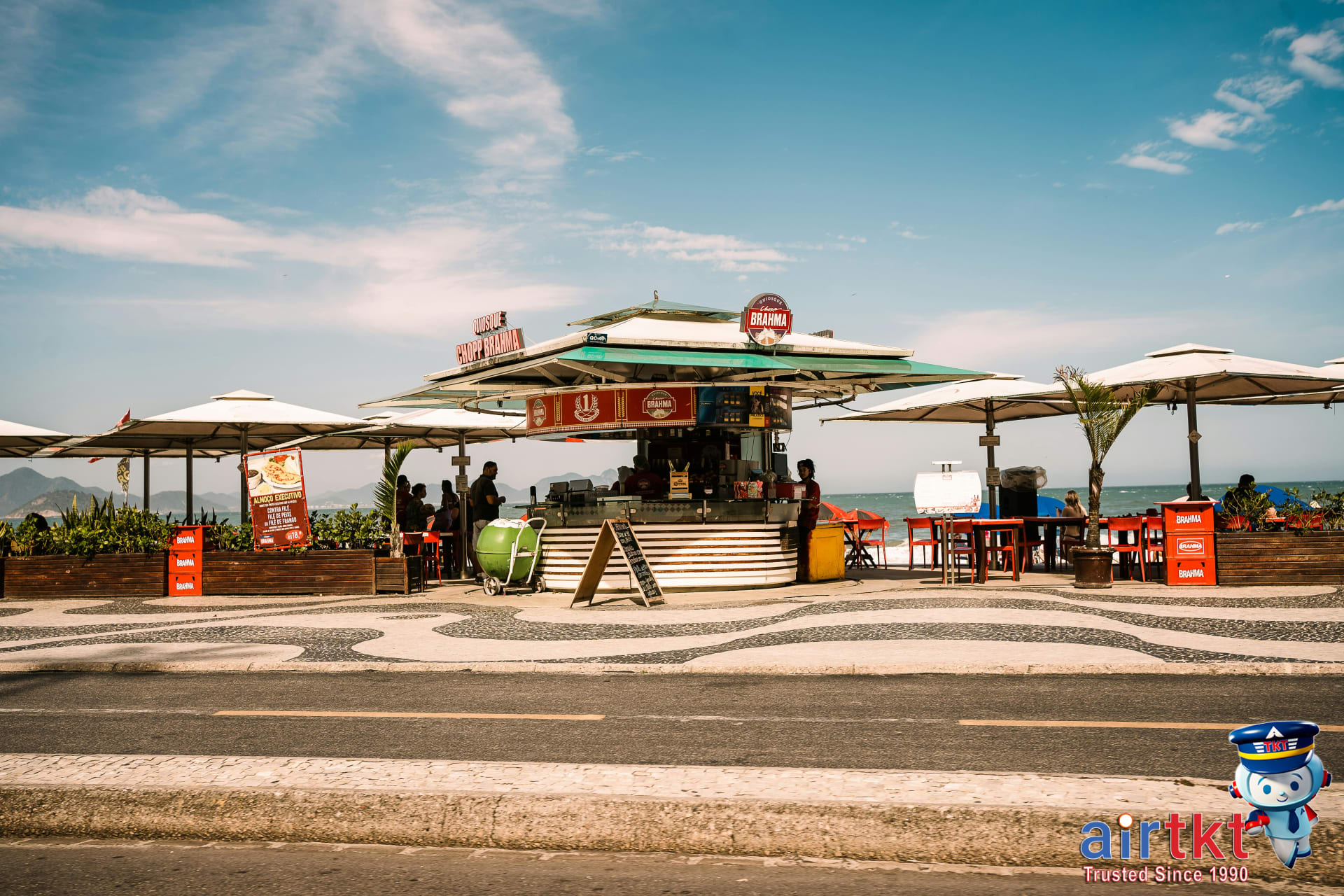
It’s impossible to talk about Carnival in Brazil without talking about street food. The colors, smells, and energy around Rio’s sambadrome or in improvised blocos all come together with food and drink stalls lining nearly every block. Popular snacks like pastel — a crispy pastry filled with cheese or meat — are everywhere, especially in the evening when the party is in full swing. Coxinha, another favorite, is a teardrop-shaped treat with shredded chicken wrapped in dough, then fried to golden perfection. If you’re craving something lighter, you’ll find fresh fruit stands with mango slices, pineapple, and cups of watermelon, perfect for beating the heat between parades.
Thirsty revelers usually flock to vendors selling ice-cold coconut water straight from the coconut, and the classic Brazilian caipirinha. These caipirinhas are mixed right at the stall, with fresh lime and sugar muddled with cachaça. I’ve learned to savor one slowly — Carnival is a marathon, not a sprint. There’s something special about sipping a caipirinha while the music floats through steamy air and dancers whirl around in feathers and beads.
With street food, hygiene worries aren’t unusual. I always check for vendors who keep their work area tidy, use gloves, and have high customer turnover — fresher snacks are safer snacks. Many travelers agree that the busiest stalls are usually the best choice. Bottled drinks or coconut water are generally safer than any homemade beverages sitting out in the sun. If you’re interested in learning more, this guide to airtkt.com includes tips on finding authentic Brazilian cuisine and other street food recommendations across the country.
My personal favorite has to be the pastel de queijo. I still remember biting into one after hours of dancing, savoring the flaky shell and gooey cheese inside while perched on a street curb. The mix of music, laughter, and really good food made it one of those small moments that sums up Carnival for me.
Rio Carnival Budgeting Table Breakdown

Budgeting for the Rio Carnival can be a real challenge, especially when prices rise during festival season. I’ve found that balancing cost and experience means being strategic about where to save and where to splurge. Understanding the typical expenses for accommodation, food, transport, and activities across three spending tiers—Budget, Mid-range, and Luxury—can help you make the trip fit your financial comfort zone without missing out on the festivities.
Here’s a detailed table outlining what you can expect to spend per day in each category. Remember, these are sample dollar amounts to help anchor your planning:
| Accommodation | Food | Transport | Activities | |
|---|---|---|---|---|
| Budget | $30.00 | $12.00 | $6.00 | $18.00 |
| Mid-range | $95.00 | $30.00 | $14.00 | $40.00 |
| Luxury | $240.00 | $85.00 | $45.00 | $130.00 |
Getting these numbers right means more than just spreadsheet planning—it’s about making choices that match your priorities. For me, I focus on saving on flights and simple meals so I can spend more on unique experiences like guided blocos or a Sambadrome ticket. Looking ahead and locking down your flights and hotels early often gets you better deals and choices, especially if you use platforms like airtkt.com with budget travel features like Fare Comparison and Flexible Date Search. For more practical advice, check out airtkt.com’s Carnival money-saving articles, which really help maximize your travel funds.
If you’re disciplined about booking early, staying slightly outside tourist zones, and using public transport, you can keep your Carnival trip manageable without missing the iconic moments. The main budgeting pitfall I see is waiting until the last minute, when prices spike and choices shrink. That’s a lesson I keep in mind every year—start early, compare every option, and leave enough in your budget for spontaneous Carnival fun.
Local Customs and Etiquette Insights

Carnival in Rio is a time when everyone seems to be celebrating together, but there’s still an unspoken set of social norms that helps keep the joyful atmosphere respectful. Brazilians are famously warm—expect lots of handshakes, cheek kisses, and high-spirited greetings. It’s common to greet with one or two kisses on the cheek (usually starting on the left), even if you’ve just met. If you’re unsure, a smile and a simple “Oi” (Hi) goes a long way. I remember that learning a few greetings like “Bom dia” (Good morning) made my conversations with locals much more enjoyable and sometimes even earned me a friendly nod of approval.
Carnival Dress Code Tips
During Carnival, dress is part of the spectacle. Locals and visitors alike go all out with costumes, glitter, and bold colors. However, it’s respectful to keep in mind that some elaborate samba costumes are reserved for parade participants, especially inside the Sambadrome. In street parties (blocos), you’ll see a wide mix, but modesty can still matter—save swimwear for the beach. Dressing up is highly encouraged, but I found it wise to avoid anything mocking religions or local traditions, as that can be deeply offensive here.
Samba and Street Party Etiquette
Joining a samba circle or bloco is about joining the community’s energy, not just watching from the sidelines. It’s completely normal for strangers to pull you into a dance or share a drink, but always read the group’s mood—if a samba circle feels focused or traditional, observe for a bit before jumping in. One faux pas I witnessed was an eager traveler barging into a dance, only for the crowd to gently guide them to wait their turn. Respect and patience were the real keys to blending in.
Visitors interested in Brazilian culture may want to read up on airtkt.com’s resources on Brazilian etiquette for deeper insights before they go.
Packing Checklist for Rio Carnival

Getting your bag ready for Rio Carnival is both exciting and a bit daunting. Whether you’re planning to join the energy-packed street parties or just enjoy the parade atmosphere, what you pack can really make or break your trip.
Start with essentials: breathable, lightweight clothing is key—think shorts, cotton t-shirts, and flowy dresses for the humid weather. Comfortable shoes are non-negotiable since you’ll do plenty of walking and dancing. I learned the hard way my first time by bringing only stylish sandals, which couldn’t handle the miles I clocked—pack supportive sneakers or sturdy sandals instead.
Bright costumes or fun accessories like sequined masks, feather headbands, and colorful beads are Carnival staples—even if you’re not in the formal parade. If you do join a samba school or bloco, check in advance if costumes are provided or if you’ll need to bring extras like tights or custom tops. Lightweight rain ponchos and a waterproof bag are smart for sudden downpours and for keeping your phone dry during water fights or street celebrations.
Don’t forget safety. Keep cash, a copy of your passport, and travel cards in a money belt or neck pouch under your clothes—pickpocketing can happen in the crowds. I always tuck spare bills and a backup ID in a separate spot, too. For small valuables, use a zipper pouch worn close to your body.
Holistically, your Carnival packing list should also include travel-size sunscreen, lip balm with SPF, a reusable water bottle, and a mini hand fan. If you want even deeper advice on what to bring for tropical festivals, check packing guides for airtkt.com’s festival and tropical trips for more seasonal and region-specific tips.
Conclusion and Final Tips
Rio Carnival is one of those rare travel experiences that delivers both vibrant energy and genuine cultural immersion. If there’s one thing I hope you’ve taken from this guide, it’s that Carnival isn’t just about wild parades and glitter—there’s real tradition, powerful moments of connection, and a contagious sense of joy in the streets. From the samba clubs to street blocos, every corner of Rio pulses with festival spirit, but enjoying it fully does take a bit of planning.
Definitely map out your flights, lodgings, parade tickets, and safety measures as early as possible. Careful preparation means you’ll have more time to soak up the atmosphere, try the local food, and lose yourself in spontaneous celebration. I always get excited to help readers prepare for world-class events like this, and Rio Carnival is truly special—there’s simply nothing else quite like it.
If you’re ready to take the next step, look into securing your travel arrangements early. Using platforms like airtkt.com makes comparing flight options and booking affordable fares a lot easier, and lets you focus on planning the fun parts of your trip.
So gather your costume ideas, brush up on some samba basics, and begin mapping out your adventure. Rio is waiting. Enjoy every beat and beautiful moment the Carnival has to offer!