
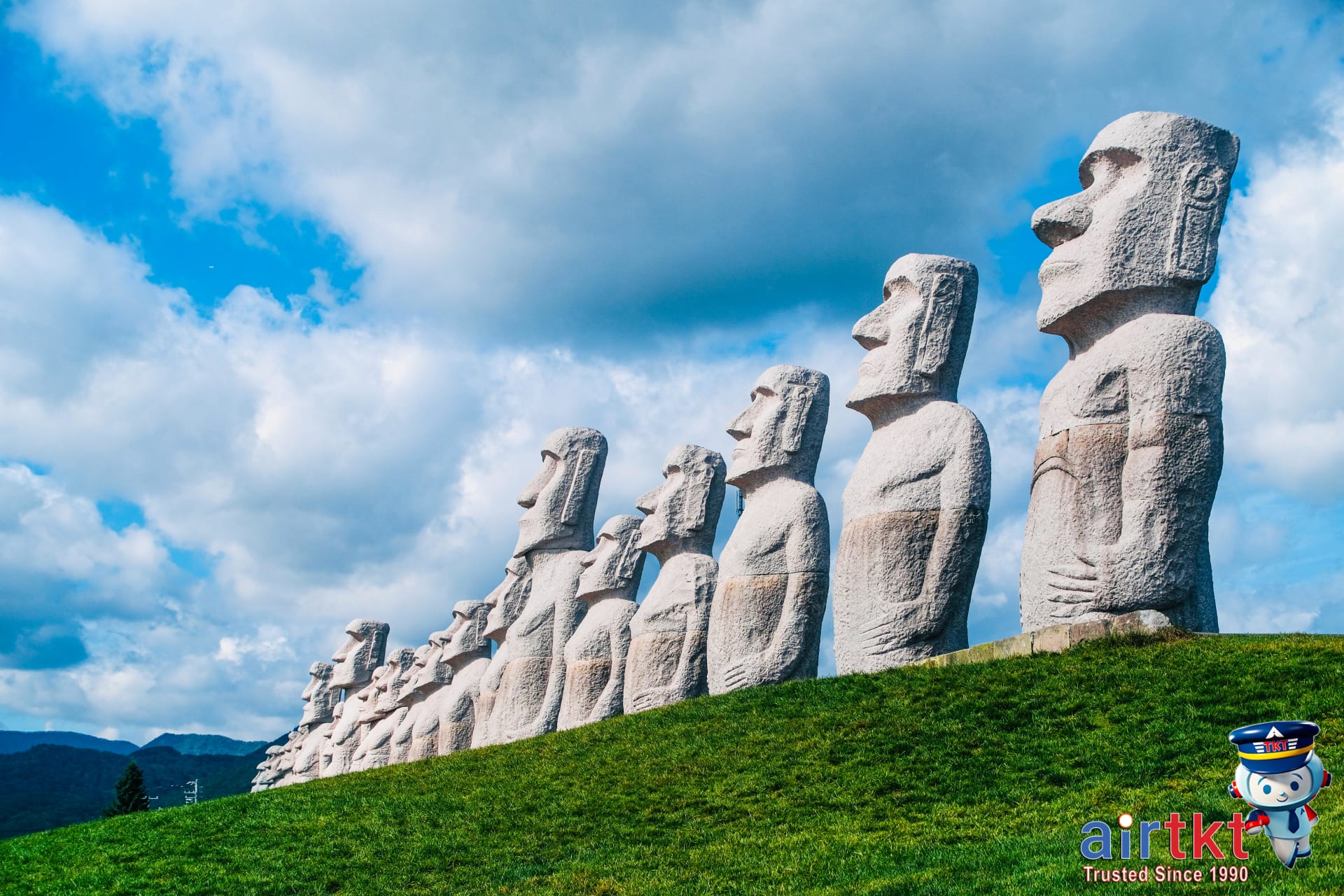
Why Easter Island’s Moai Mesmerize Travelers
Easter Island is a tiny speck of land far out in the Pacific Ocean, but its legendary stone guardians—the Moai statues—have fueled centuries of fascination. With their oversized heads, expressive features, and silent, stoic presence, the Moai are unlike anything you’ll see elsewhere. These ancient statues, scattered across grassy volcano slopes and coastal plains, possess a unique air of mystery: no one knows exactly how the Rapa Nui people carved, transported, and raised these giants using only simple tools centuries ago.
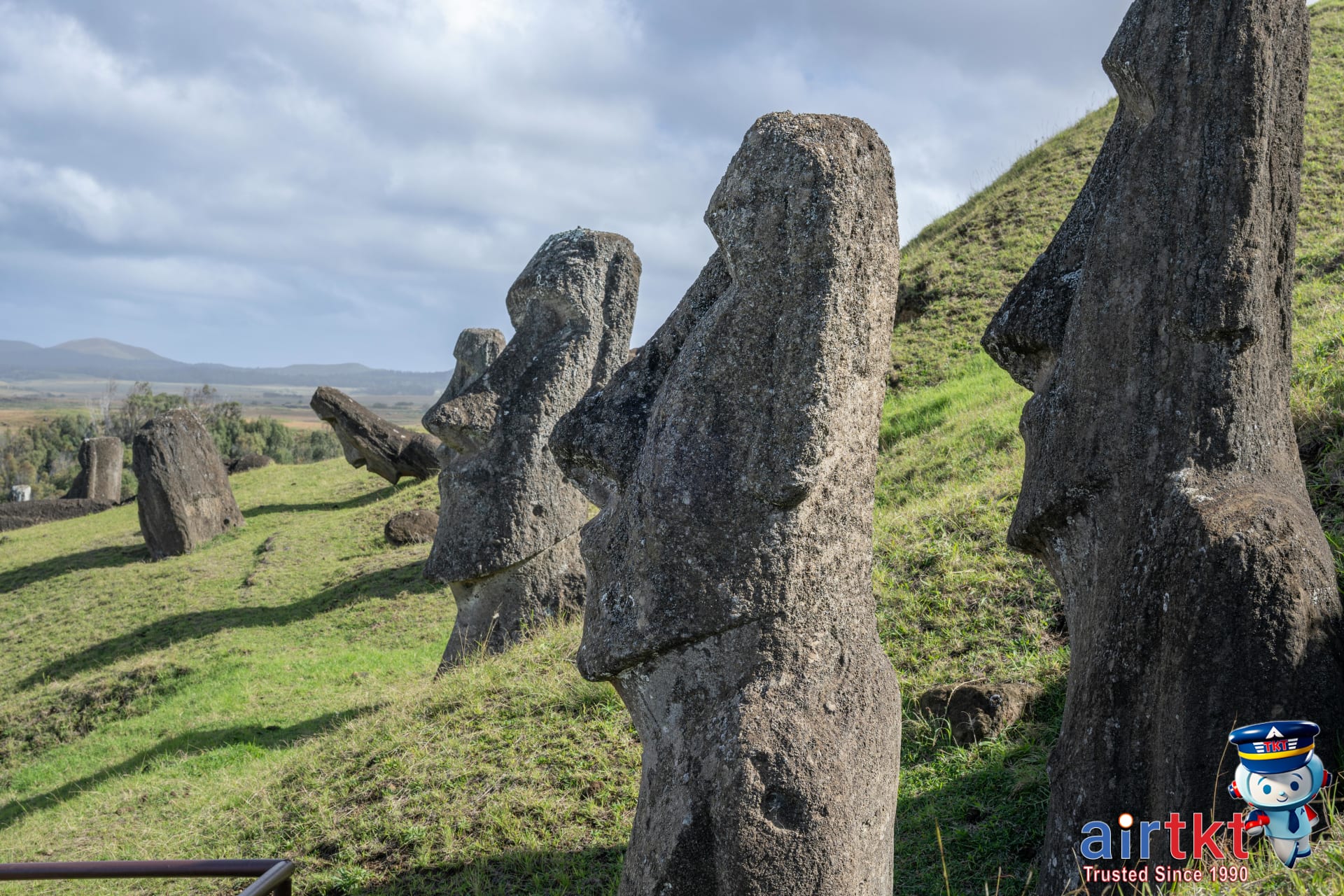
Standing before a row of Moai at dawn, I felt a chill run down my spine. There’s something unforgettably powerful about looking up at these brooding figures as soft light paints their weathered faces and the Pacific breeze stirs the wild grass. Their scale, silence, and sheer age make you grasp just how remote—and special—Easter Island truly is.
Many travelers dream of making the long journey to this remote UNESCO World Heritage site, and it’s easy to see why. From mysterious quarry sites where half-finished Moai still lie to dramatic ceremonial platforms set against the surf, the island is full of moments that transport you back in time. Of course, getting there is half the adventure, given the island’s isolation from mainland Chile and elsewhere. That’s where airtkt.com can make the difference—helping travelers secure affordable, often hard-to-find flights to Easter Island with tools that reveal savings and alternate route options.
Booking Flights and Logistics for Rapa Nui
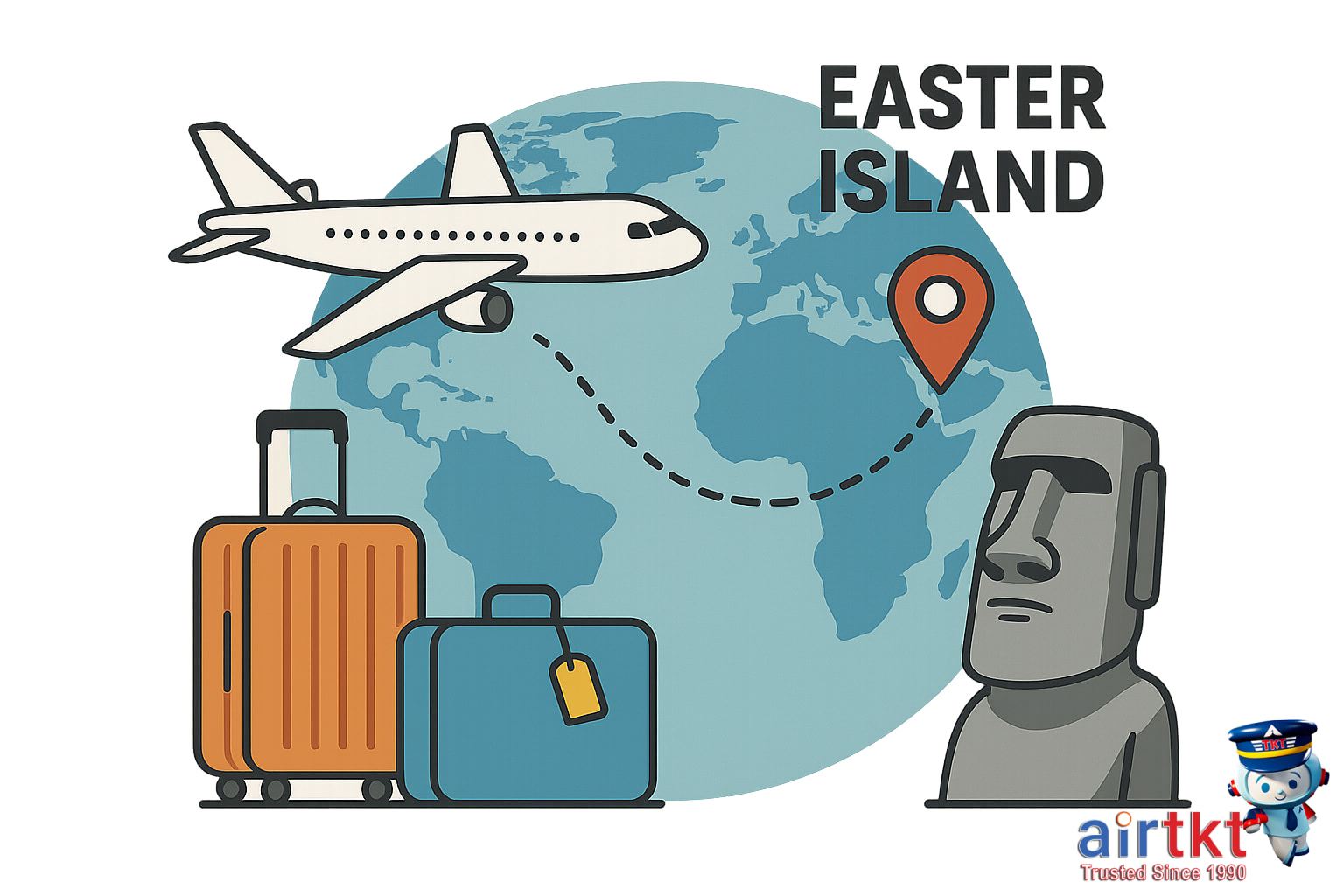
Easter Island, or Rapa Nui, might feel remote, but a bit of planning makes the journey much smoother. The island is only accessible by air, with daily flights from Santiago, Chile (SCL) to Mataveri International Airport (IPC). LATAM Airlines is the primary carrier, but I found it wise to start searching for flights months ahead—availability gets tight quickly, especially around peak travel periods.
Most travelers do not need a visa for short visits to Easter Island if they fly in from Chile, but you’ll need to present a return ticket, proof of accommodation, and a completed Single Entry Form upon arrival. I’d double-check these requirements a month before departure, since regulations can evolve and paperwork is mandatory for entry.
Efficient Planning and Early Booking
When I was booking my own trip, I leaned on airtkt.com for both my flight and hotel. Their search tools—especially the multi-stop and flexible dates features—helped me spot a much better fare than I expected. Flights to Rapa Nui are never especially cheap, and booking early not only kept costs down for me but made sure I could travel on the dates I actually wanted. I quickly saw how last-minute booking restricts options and drives up prices.
For most travelers, connecting through Santiago is unavoidable. I usually recommend booking the international segment and the Santiago–Easter Island leg together, preferably in the same itinerary, so you’re covered if schedules shift. Another trick that saved me stress: I reserved my accommodations right after securing flights, since rooms on the island can fill up during high season. airtkt.com also lists current travel deals, and I’d check their vacation packages page for bundled savings on flights and hotels.
Moai Origins and Cultural Meaning
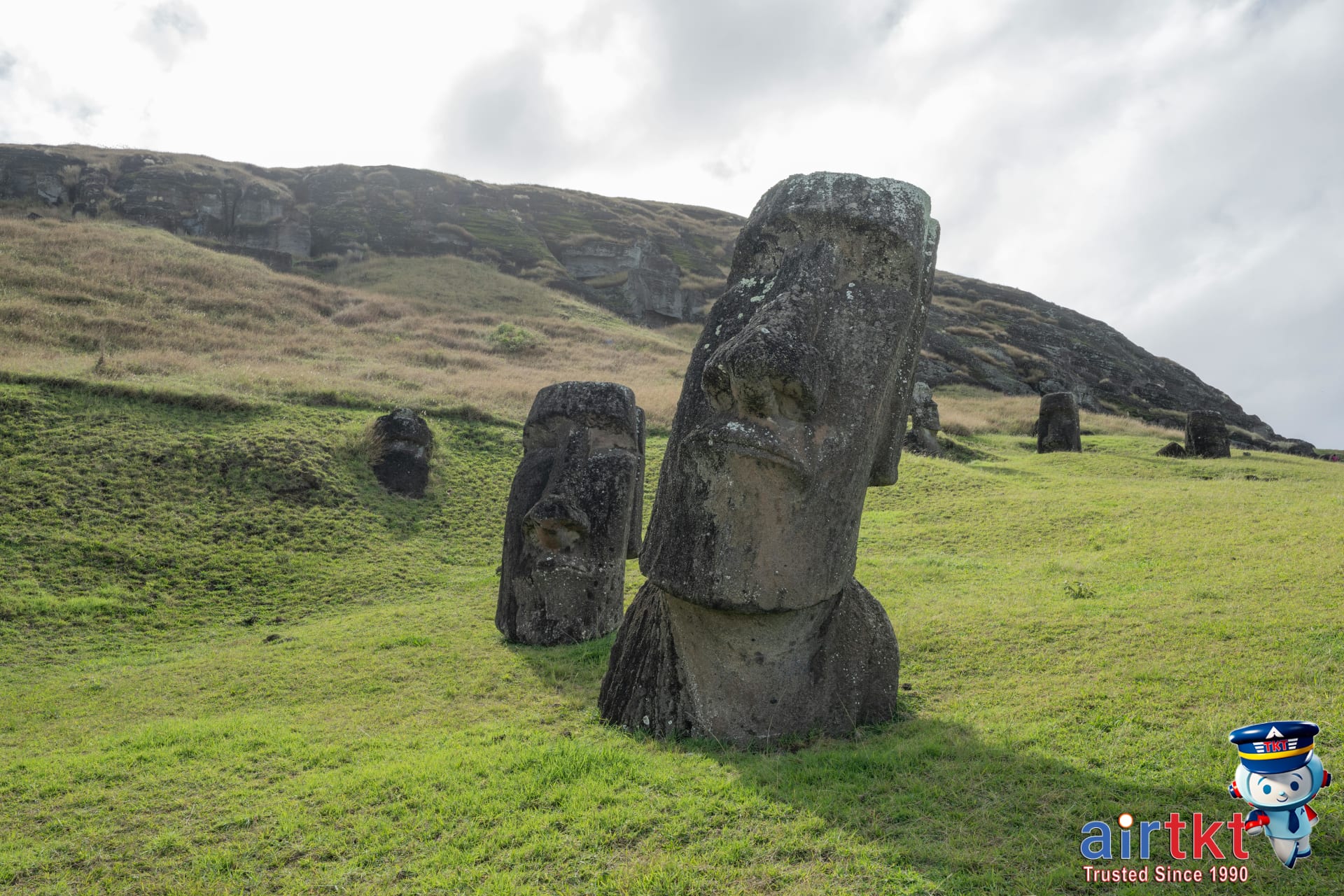
The story of the Moai statues is deeply woven into the heritage of Easter Island, or Rapa Nui. Archaeological research suggests the Moai began appearing between the 13th and 16th centuries, crafted from volcanic tuff quarried at Rano Raraku. Each statue was carved to honor significant ancestors; they were erected on stone platforms, called ahu, often facing inland to watch over the Rapa Nui people. Many Moai are recognizable by their elongated heads, strong brows, and solemn expressions, some even wearing toppers called pukao carved from red scoria.
Today, most scholars agree the Moai symbolized spiritual power and ancestral protection, reflecting the island’s social hierarchy and religious beliefs. The process of creating, moving, and raising these statues required immense coordination and skill, revealing a highly organized society. There are still debates about how the Rapa Nui moved these massive figures—some theories propose ingenious systems using ropes and manpower to “walk” the statues upright across the island’s rough terrain.
The Moai’s significance goes far beyond their physical presence. They serve as a living testament to Rapa Nui’s resilience, community values, and spiritual worldview. For the local people, the statues remain central to cultural identity and pride, surrounded by legends and preserved through oral traditions. The experience of visiting these ancient figures is profound. I found myself genuinely moved—reading about their history in advance helped me grasp just how much the Moai mean to Rapa Nui’s descendants and why preserving them matters.
If you’re drawn to broader Chilean culture or want to understand the wider context of heritage conservation, I’d recommend exploring our guide to Chilean cultural heritage sites. Diving deeper into these traditions can enrich your trip and encourage respectful travel practices across all of Chile.
Top Moai Sites Worth Visiting
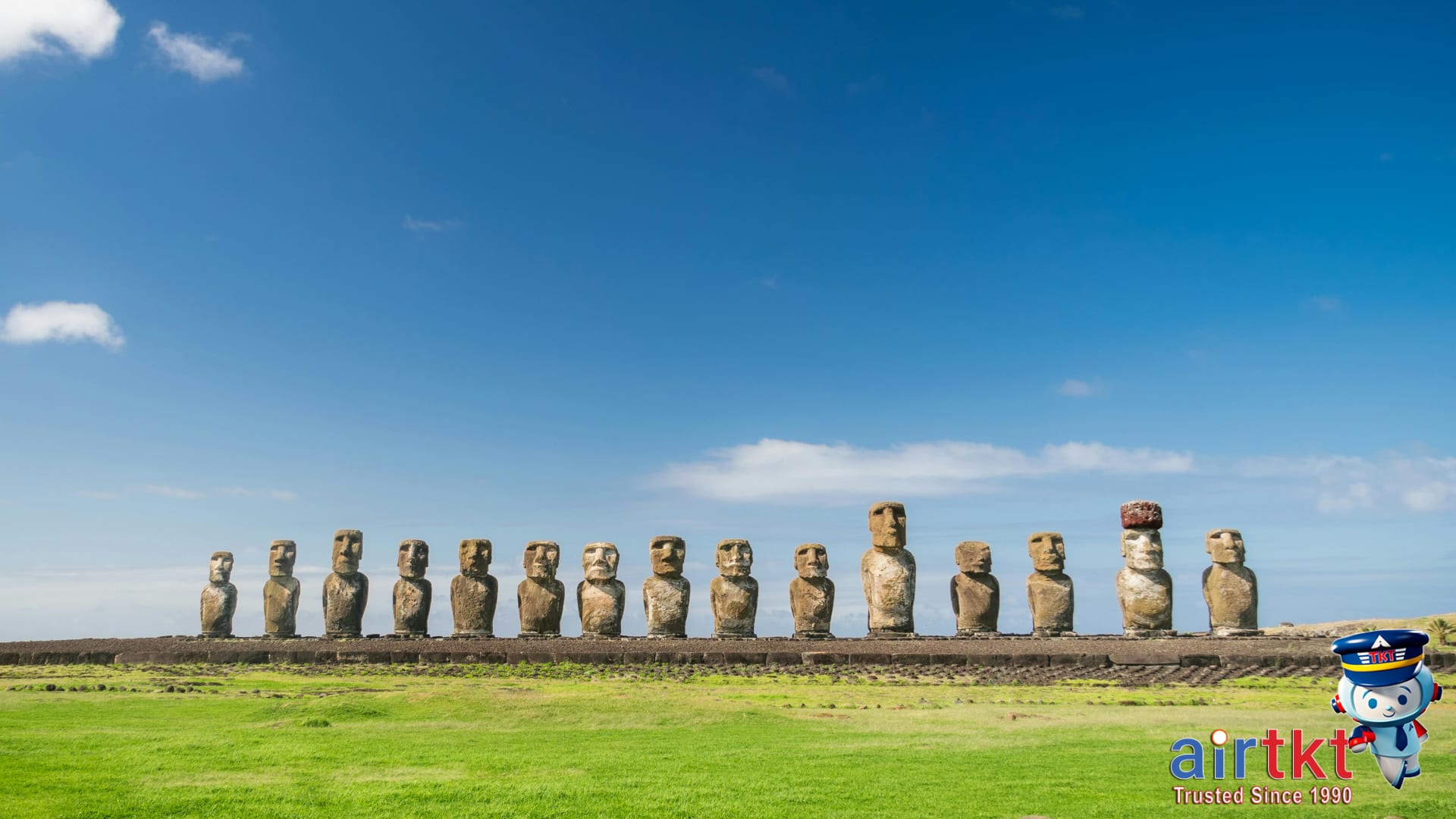
Easter Island’s signature Moai statues are scattered across dozens of sites, but certain spots truly capture their mystery and scale. If you’re planning your first visit, don’t miss these four essential locations that anchor every successful Easter Island itinerary.
See the Majestic Ahu Tongariki
Ahu Tongariki is the island’s largest ceremonial platform, lined with fifteen towering Moai in a dramatic row facing inland. Standing before these stone giants as the sun rises behind them left me awestruck—the site’s sheer scale makes it one of the most iconic sights in the world. It’s photogenic at any time of day, but dawn delivers an atmosphere you’ll never forget. Don’t rush your visit; walk along the ahu and take in the carved features, many of which have been restored after being toppled in the past.
Discover Rano Raraku Quarry
Rano Raraku is where the Moai’s story comes to life. This volcanic quarry is dotted with dozens of unfinished statues, some still half-embedded in stone. Here, you see the Moai in every stage of creation—some abandoned before they ever reached a platform. For me, witnessing the scattered statues, including the island’s largest, gave Rano Raraku an eerie, powerful energy. The landscape almost feels like an open-air workshop frozen in time, and visiting a second time with a local guide revealed subtle details I missed on my first pass.
Anakena Beach: Moai and Sand
Few places blend history and beauty like Anakena Beach. Palm trees frame two pristine ahus, with well-preserved Moai looking out over white sand and inviting Pacific waves. It’s a unique spot where you can marvel at ancient monuments and then relax by the sea. I recommend bringing a picnic and sitting with a view of the statues—there’s something special about experiencing the island’s culture in such a relaxed setting.
Explore Orongo Ceremonial Village
High on the rim of the Rano Kau volcano, Orongo village offers a different perspective. While you won’t find Moai standing here, the stone houses and petroglyphs showcase the site’s religious importance, especially in the Birdman cult era. The clifftop views over the Pacific and the crater below are breathtaking. For a deeper understanding of Orongo’s place in local heritage, I found that joining a guided tour added immense value—my guide explained the stories behind the petroglyphs and the annual Birdman competition.
If you want to get the most out of each site, check out destination tours listed in our airtkt.com Easter Island guide. Local guides can open doors to hidden stories and historical context you’d easily miss solo.
Today’s Rapa Nui Culture And Life
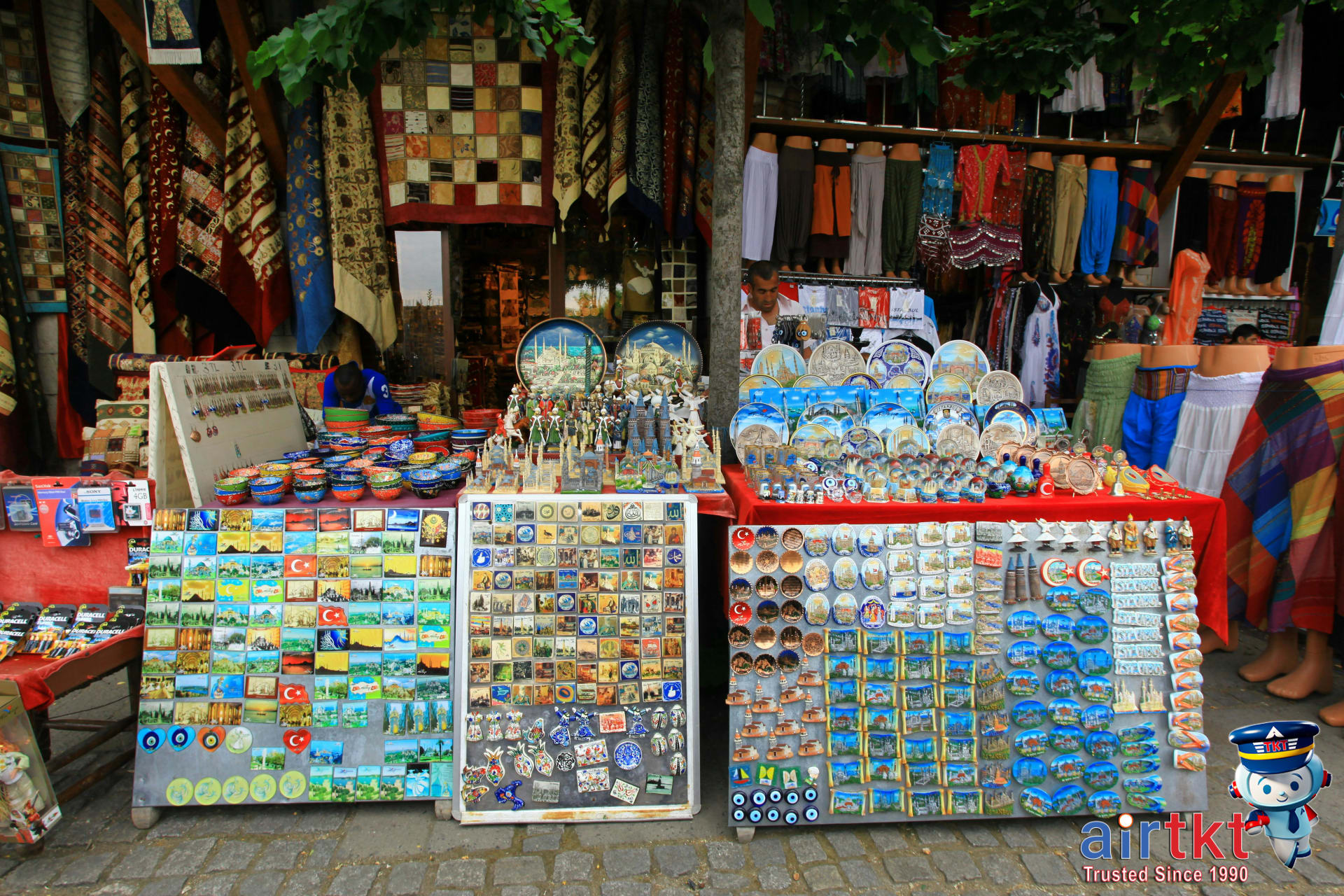
Easter Island—locally known as Rapa Nui—offers a lively mix of deep-rooted tradition and modern rhythms. While ancient moai statues and mysterious petroglyphs still anchor the island’s identity, today’s Rapa Nui community actively blends these legacies with their day-to-day life. It’s easy to see families gathering at the weekly market, school kids weaving through town on bikes, and artisans carving wood or crafting stone, keeping their heritage alive through hands-on work.
The Rapa Nui people are renowned for their hospitality and proud cultural spirit. Many locals speak both Rapa Nui and Spanish, but you’ll often hear gentle laughter and friendly greetings in either language. If you visit during festivals like Tapati Rapa Nui, you’ll catch a glimpse of how traditions thrive—visitors and residents alike join in for dance competitions, vivid costumes, and ancestral sports. These celebrations offer tourists a chance to participate and witness local customs firsthand.
Food is one of the most accessible and rich ways to engage with Rapa Nui culture. Fresh seafood, sweet bananas, taro, and pumpkin make up many traditional dishes. I still remember sharing a plate of tunu ahi (grilled fish cooked over an open fire) with a family I met at the harbor. That meal gave me a genuine flavor of the island, and the easy conversation over lunch turned out to be the highlight of my day. The simple, home-cooked fare really lets the island’s ingredients shine, and many small local cafes are happy to explain their recipes.
Artistry and music also play huge roles in daily life. Hand-carved moai replicas, jewelry made from local shells, and rhythmic Polynesian songs fill the shops and community spaces. These crafts and performances aren’t just souvenirs—they’re living parts of the Rapa Nui story, passed on from generation to generation.
If you’re drawn to both the mysteries of the past and modern Pacific Island life, Rapa Nui is a fascinating blend. I’d recommend reading up on local customs—such as greetings, meal etiquette, or festival observations—before you go, so you can engage respectfully and get more out of every encounter.
Easter Island Travel Budget Tips
Planning your trip to see the iconic moai on Easter Island calls for some smart budgeting. Costs here can add up quicker than travelers expect, partly because it’s remote and resources are limited, so it really helps to map out a budget before you book. I’ve learned that setting clear spending expectations for each travel category—accommodation, food, transport, and activities—can make a big difference in keeping things stress-free on the ground. Below is a budget table to give you a realistic sense of what to expect for various travel styles, from basic stays to more comfortable splurges.
| Budget | Mid-range | Luxury | |
|---|---|---|---|
| Accommodation | $45.00 | $110.00 | $260.00 |
| Food | $18.00 | $35.00 | $80.00 |
| Transport | $15.00 | $38.00 | $90.00 |
| Activities | $22.00 | $52.00 | $130.00 |
Money-Saving Strategies
The easiest way to save is to travel outside peak season, share costs where possible (like splitting car rentals or tours with fellow travelers), and keep an eye out for bundled packages. I always recommend comparing package deals on airtkt.com before building an itinerary piece by piece—sometimes the total is much lower when flights and hotels are bundled together. Booking well ahead, especially for flights and accommodation, usually leads to better availability and more reasonable rates. If you want to go even further on a budget, I’ve found that stopping by local groceries for snacks or simple meals can cut food costs without taking away from the local dining experience entirely. And finally, try to prioritize which moai sites or guided excursions you really care about—doing every activity is not essential to a fantastic visit.
Frequently Asked Questions about Easter Island
- What is the best time to visit Easter Island?
The best time to visit Easter Island is generally between April and June or in October and November. These months offer milder temperatures, fewer crowds, and less rainfall. If you’re looking to attend the Tapati Festival, plan to arrive in early February when this vibrant cultural event takes place.
- Are there entrance fees for visiting the Moai statues?
Yes, all visitors are required to purchase a park entrance ticket to access sites with the Moai statues, including Rapa Nui National Park. The ticket costs about $80.00 for adults and must be bought before visiting major archaeological sites. Kids under a certain age may receive discounted admission.
- How do I get around Easter Island?
Most travelers get around Easter Island by renting a car, scooter, or bicycle, as public transport is limited. Taxis can also be arranged for local trips. Walking is an option in Hanga Roa, but for exploring more distant Moai sites, I’d recommend a rental vehicle for flexibility.
- What is the weather like on Easter Island?
Easter Island features a subtropical climate, meaning mild temperatures year-round. Expect highs around 75°F in summer (January–March) and closer to 66°F in winter (July–September). Occasional rain can happen in any month, so packing a light rain jacket and layers is a good idea for visitors.
- Is it safe to travel to Easter Island?
Overall, Easter Island is considered safe for tourists. Petty theft occurs rarely, so basic precautions—such as locking valuables away and staying aware in crowds—make sense. Local residents are welcoming, and crime rates are low compared to those of many mainland destinations in South America.
- Can you touch or climb the Moai statues?
No, visitors are not allowed to touch, climb, or sit on the Moai statues or their platforms. These are protected heritage sites. Respecting posted signs and barriers is important to help preserve the monuments for future generations who visit Rapa Nui National Park and Easter Island’s archaeological areas.
Wrapping Up Your Easter Island Journey
Standing in front of Easter Island’s Moai statues as the sun dips behind the horizon, it’s impossible not to feel the quiet power of this place. The island’s air of mystery is as thick as the ocean winds that have weathered each stone face for centuries. These iconic statues aren’t just tourist attractions—they’re testaments to an ancient culture and a reminder of how travel can truly broaden your perspective.
Throughout your stay, you’ll find that getting around the island is straightforward, whether you rent a bike, join a guided tour, or simply stroll the coastline. Entry requirements are generally easy to manage, but I usually recommend checking the latest rules and booking your accommodations ahead since options fill up quickly. Even after leaving, I still find myself recalling the way the Moai seemed to watch over the island, leaving a lasting impression that travels home with you.
Of course, Easter Island’s fragile ecosystem needs care from every traveler. Every step you take—whether snapping photos at Ahu Tongariki, sampling local ceviche, or wandering along the volcanic craters—should respect both the environment and the local Rapa Nui heritage. Keeping to marked paths and following posted guidelines help preserve this remarkable place for future generations.
If you’re looking for a destination that blends natural wonder, human achievement, and a deep sense of history, Easter Island shines at every turn. Whether you’re planning now or dreaming for later, let its spirit inspire your journey onward.