
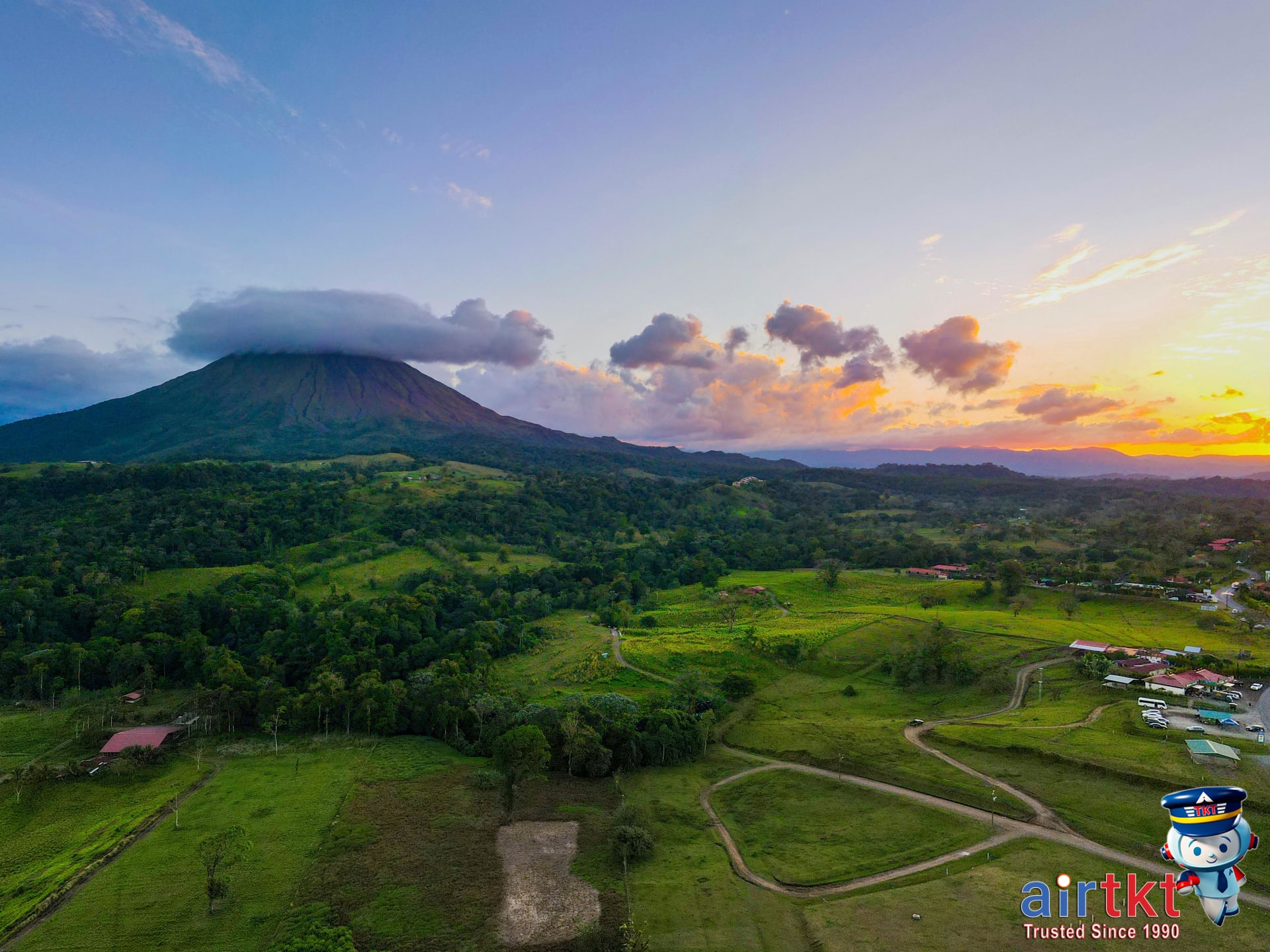
Welcome To The Pura Vida Spirit
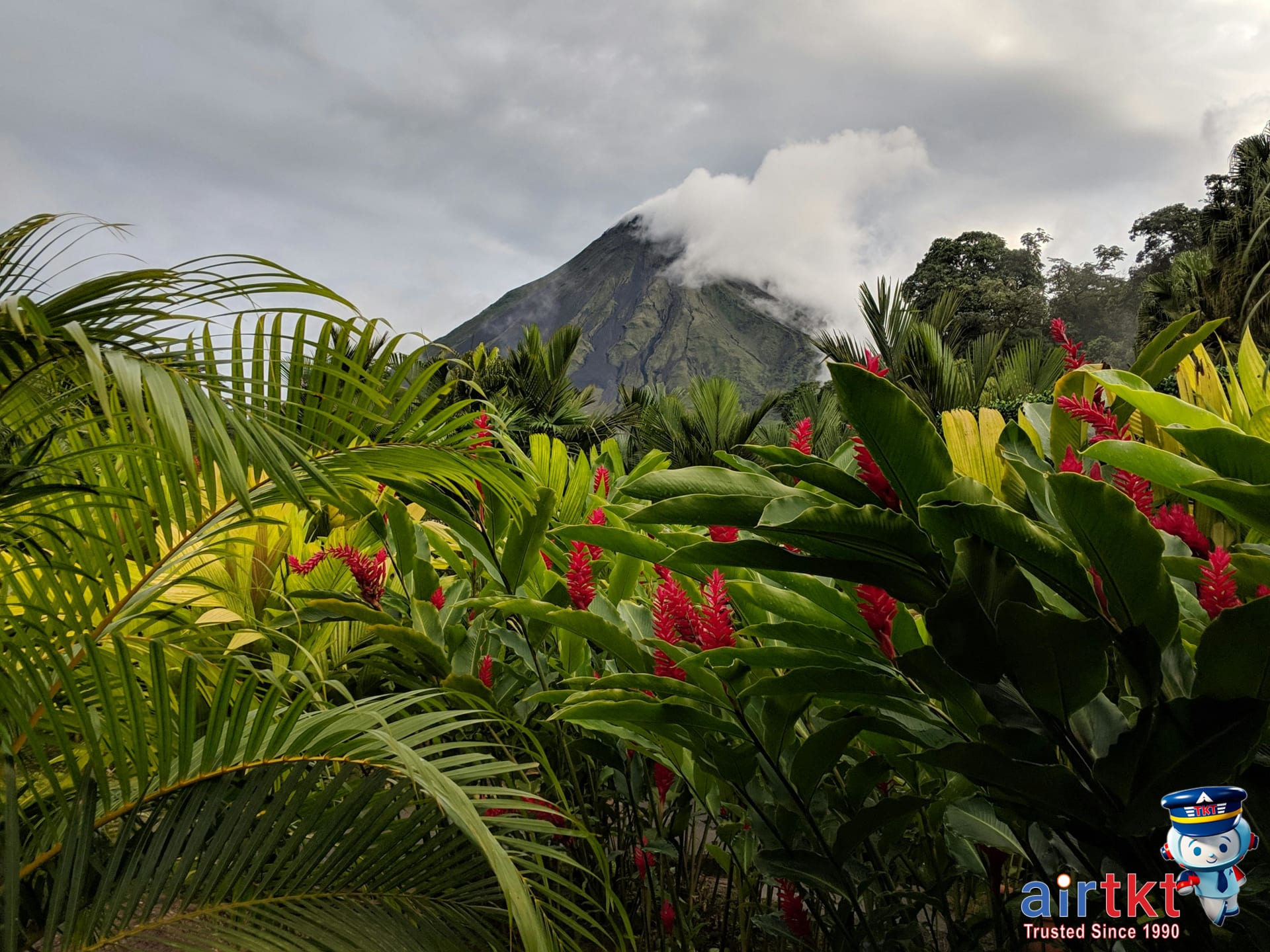
Stepping off the plane in Costa Rica, you immediately feel the difference—the relaxed “pura vida” lifestyle is more than a catchphrase. It’s the country’s rhythm, a warm invitation to let go and enjoy every moment. This uniquely joyful outlook is a big reason Costa Rica stands out for travelers looking for more than just pretty scenery.
I’ve always been drawn to destinations with real character, and Costa Rica’s blend of laid-back culture and natural wonders makes exploring here unforgettable. From chatting with locals in a mountain village to hiking through thick rainforest, every region invites you to slow down and soak in something new. Whether you’re after adventure or just a change of pace, there’s no shortage of ways to experience the ‘pura vida’ spirit for yourself.
In this guide, I’ll take you through the highlights that make Costa Rica so rewarding to visit. We’ll cover rainforest excursions full of wildlife encounters, zip-lining adventures under the jungle canopy, the iconic Arenal volcano, and the country’s gold-star beaches. Eco-tourism is built into every corner here, so you’ll have plenty of low-impact ways to get close to nature. If you’re tempted to see what else Central America has to offer, check out our Central America travel guide to compare the region’s top spots.
From my experience, traveling during Costa Rica’s dry season brought vibrant landscapes and clear, sunny days—ideal for outdoor adventures and wildlife watching. You’ll get the best of the country when the trails are open and the coastlines are bright.
Rainforest Adventures in Costa Rica
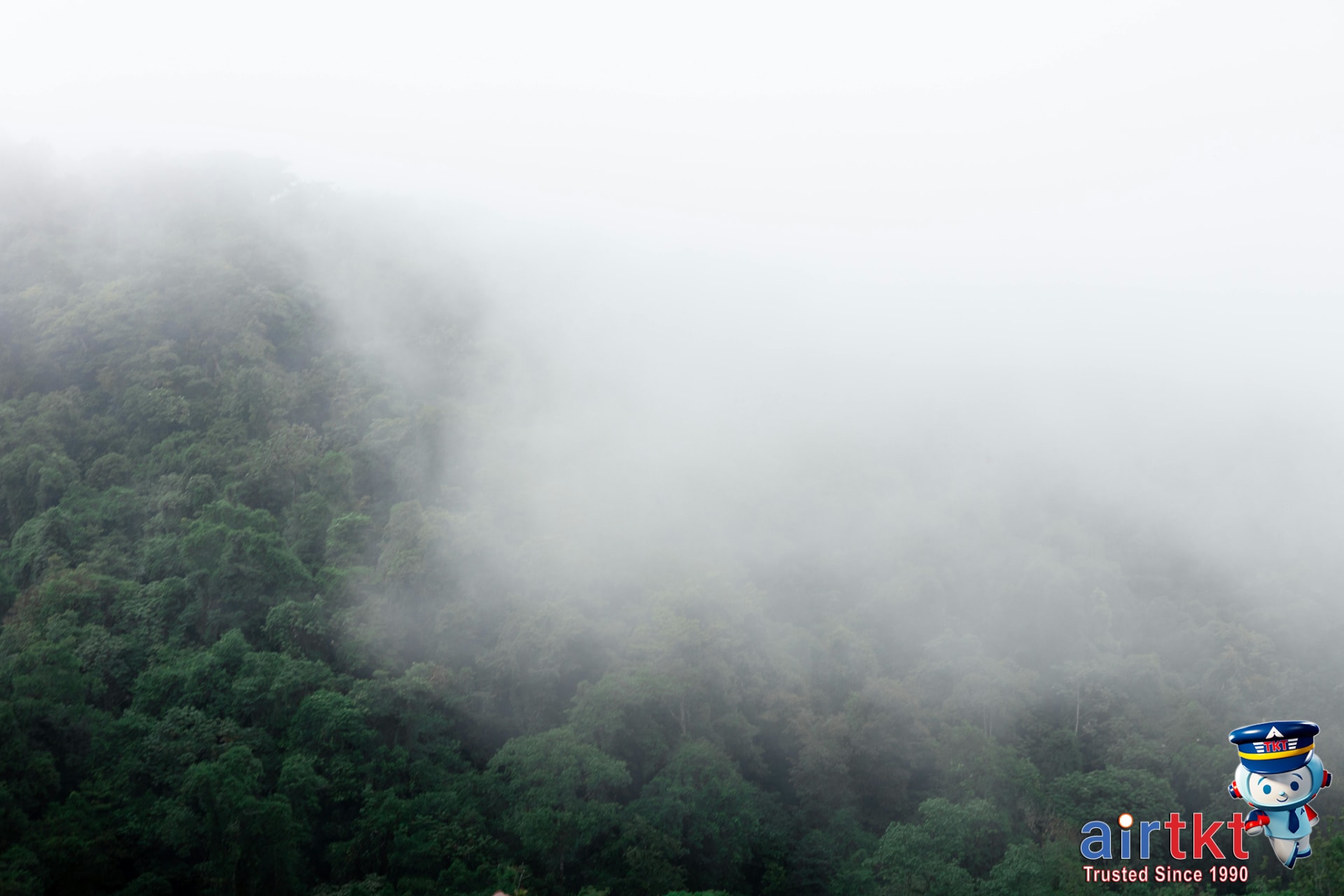
Costa Rica’s rainforests are a living mosaic of thick emerald canopy, twisting lianas, and a soundtrack of birds and howler monkeys echoing all around you. Exploring these wild jungles isn’t just about the scenery—each national park tells its own story and brings you closer to the beating heart of Central American biodiversity.
Corcovado and Monteverde Parks
If you want the most immersive rainforest experience, Corcovado National Park stands out. Tucked along the remote Osa Peninsula, Corcovado’s trails wind through dense jungle where you might spot tapirs, sloths, and scarlet macaws darting above. In contrast, Monteverde Cloud Forest Reserve offers misty trails, hanging bridges, and a chance to glimpse the quetzal in a surreal, elevated dreamscape. I remember my first morning hike in Monteverde—fog clung to the treetops and I caught a rare glimpse of a coati rummaging along the path. The combination of surprise wildlife encounters and the sound of raindrops on giant leaves made it unforgettable.
Hiking Tips and Gear Essentials
Rainforest trails can be slick, muddy, and layered with roots, so sturdy hiking boots are essential. Pack a lightweight waterproof jacket—Costa Rica’s weather is famously unpredictable, and even cloudless mornings can turn rainy by lunch. I can’t count how many times my “dry” hike turned into a wet, muddy scramble. Quick-dry clothing and at least two pairs of socks have saved me from soggy discomfort more than once. Don’t forget insect repellent and a refillable water bottle—humidity and bugs are part of the adventure.
Guided Tours vs. Solo Hiking
Guided tours often lead you along less trafficked paths and help spot wildlife that’s easy to miss on your own (like hidden frogs or camouflaged lizards). Solo hiking is possible on marked paths in parks like Monteverde, but if you’re new to the rainforests, I’d compare both options before choosing. Some regions, like Corcovado, require a certified guide for entry, and the terrain can be tough for inexperienced hikers. No matter which option you pick, expect frequent rain, steep climbs, and incredible biodiversity at every turn.
If you’re looking for more treks beyond Costa Rica, our Central America hiking trails guide has routes brimming with adventure and variety.
Wildlife Watching Experiences In Costa Rica
Costa Rica is a paradise for wildlife lovers. The country packs more biodiversity into its compact borders than almost anywhere else. You’ll hear the echo of howler monkeys at dawn, spot flashes of red and yellow as toucans cross the canopy, and see slow-moving sloths blending quietly into the greenery. Colorful frogs, like the famous red-eyed tree frog, hide in the undergrowth—if you look closely enough. For many visitors, seeking out these iconic animals is at the heart of their Costa Rican adventure.
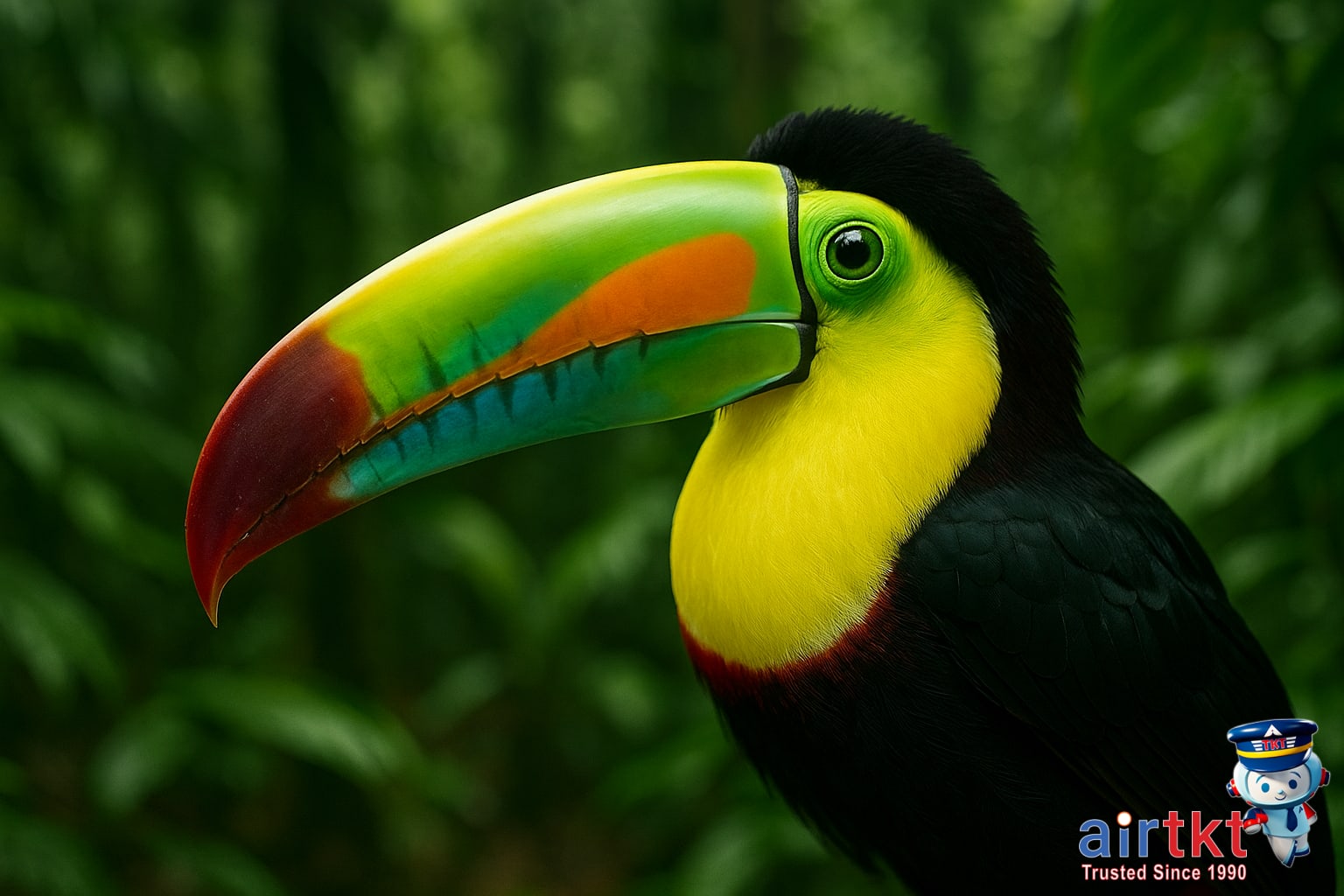
Some of the most sought-after sightings include the keystone trio: toucans, sloths, and monkeys. The keel-billed toucan, with its rainbow beak, can be spotted in reserves such as Tortuguero and Monteverde. Sloths, often napping in Cecropia trees, turn up in places like Manuel Antonio National Park. Meanwhile, capuchin and howler monkeys swing through trees in practically every major park from Corcovado to Arenal. I still remember how my heart skipped a beat the first time I spied a toucan up close—its vibrant bill glowing against the dense jungle backdrop, absolutely breathtaking and much harder to spot than I expected.
Best Times And Places
Wildlife is often most active in the early morning, right after sunrise when the forest is cool and animals venture out to feed. Plan to enter national parks early, and if you can, join a guided walk for insights and spotting help. Monteverde Cloud Forest, Tortuguero, and Corcovado National Parks are excellent choices for diverse wildlife. If you’re in Manuel Antonio, keep your eyes peeled both near the trails and above in the treetops—you may spot a sloth sleeping just a few feet away.
Observe Respectfully And Safely
While it’s tempting to get close for the “perfect” photo, it’s crucial to maintain a respectful distance and keep noise to a minimum. Sudden movements or loud voices can easily scare animals or disrupt their natural habits. I always remind myself—and other travelers—how much more rewarding and ethical it feels to witness a wild animal simply existing, free from disturbance. If you’re keen for more nature tips, you might enjoy our deeper dive into eco-friendly Costa Rica travel ideas.
Top Zip-lining Adventures Near Arenal
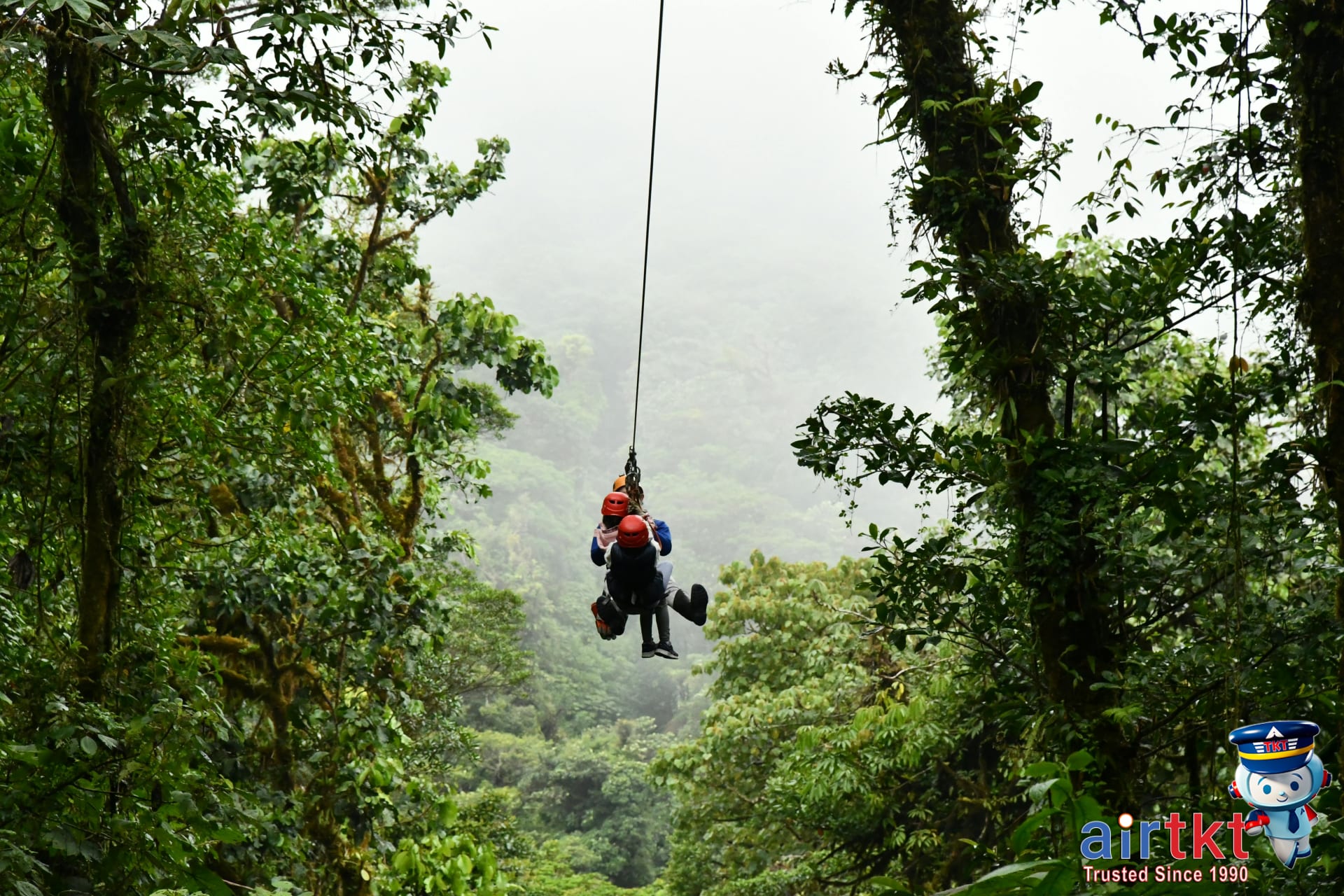
Zip-lining in Costa Rica is one of those experiences that sticks with you long after the adrenaline calms down. There’s something about soaring over a rainforest canopy, hundreds of feet in the air, that’s both humbling and completely exhilarating. It’s one of the most popular things to do near the Arenal Volcano and in the Monteverde Cloud Forest—and after doing it myself, I totally get why.
Must-Try Zip-lining Parks
If you’re staying anywhere near Arenal, you’ll hear plenty about the Sky Trek Arenal and Ecoglide Park zip-line circuits. These parks offer a mix of long, speedy cables and sweeping views right over the volcano slopes and Lake Arenal. Over in Monteverde, my favorite zip route was at Selvatura Park; the views there make you feel like you’re literally flying through the misty treetops. Each site has its own vibe, but all are serious about safety and environmental care.
How to Book Your Adventure
Zip-lining tours can book out quickly, especially in the high season. I usually recommend checking schedules a few days ahead and reserving your spot online or through your hotel. Always look for operators with solid reputations—longstanding parks usually offer comprehensive safety briefings before you harness up. Listen closely: operators will explain the braking system, and they’ll help you gear up properly.
What to Expect Physically
While you don’t need to be an athlete, zip-lining is active. You’ll need to climb stairs, manage short hikes between platforms, and handle the harness. Most parks list weight and age minimums, so it’s worth reviewing these before you book. Generally, kids as young as seven and adults up to a certain weight threshold can participate, but I’d double-check operator details if anyone in your group has concerns.
The first zip always gets your heart pounding, but by the third one you might just find yourself grinning at the scenery instead of focusing on the platform. For me, gliding through the Monteverde cloud cover with lush green stretching in every direction was absolutely unforgettable. If you’re curious about other high-altitude adventures, the site’s aerial sports articles offer plenty of extra ideas too.
Beaches and Coastal Travel Highlights
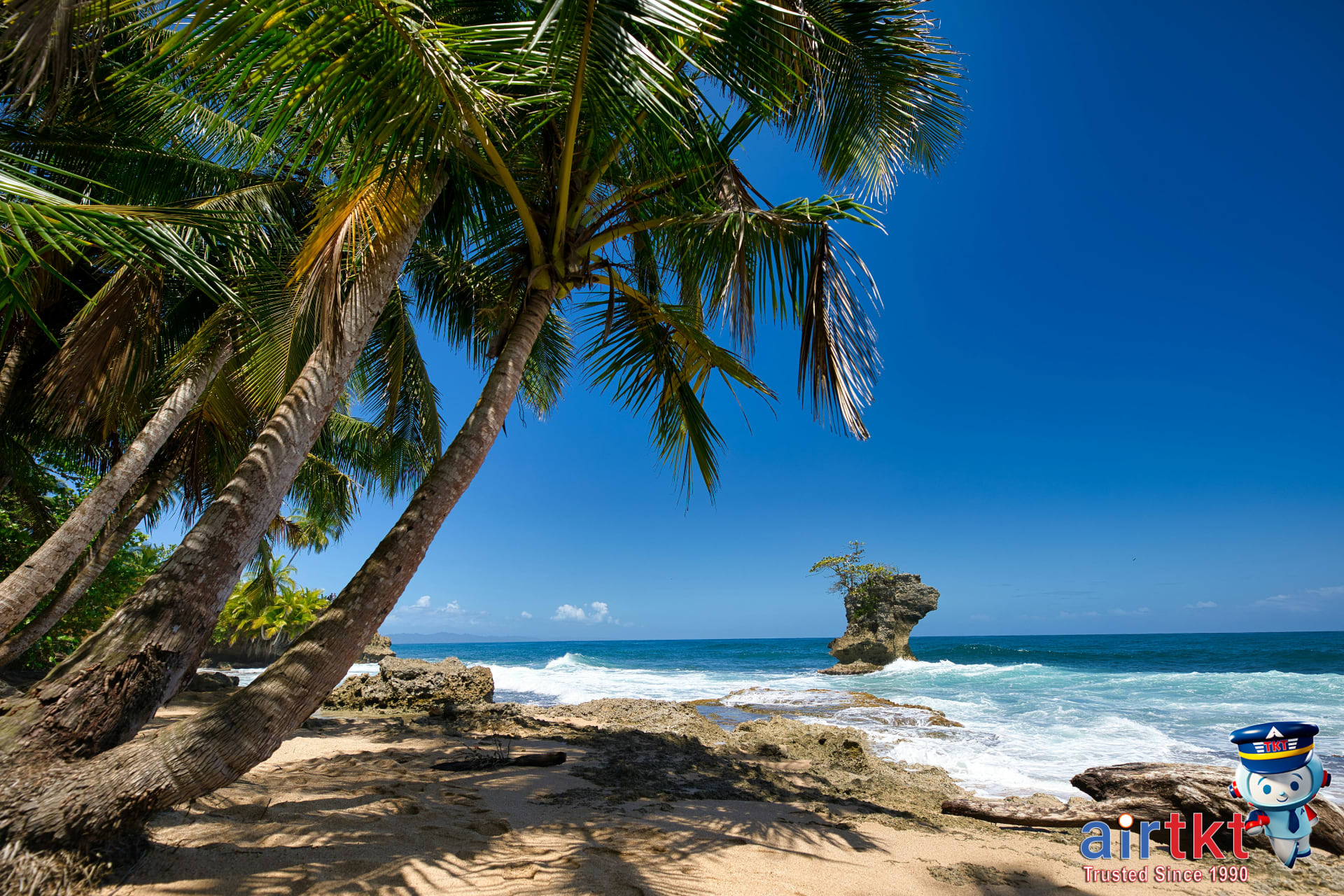
Costa Rica’s coastline is split between the drama of the Pacific and the lush, laid-back vibe of the Caribbean. If you’re planning a trip where surfboards, sunhats, and sandals are your essentials, the country’s renowned beaches have something for every beachgoer. On the Pacific side, places like Tamarindo and Manuel Antonio blend lively social scenes, reliable surf breaks, and protected wildlife. Over on the Caribbean, Puerto Viejo pulses with reggae rhythms, coconut palms, and chilled-out charm—plus great snorkeling and Afro-Caribbean food.
Tamarindo, Manuel Antonio, Puerto Viejo
Tamarindo is the classic Pacific surf mecca, attracting everyone from beginners to pros. Surf lessons are widely available, and non-surfers will find plenty of beach cafés and soft sands for lounging. For a balance of adventure and nature, Manuel Antonio’s sheltered coves inside the national park are perfect for gentle swimming, while the trails offer wildlife sightings right near the shore. Puerto Viejo, on the Caribbean coast, stands out for its palm-fringed beaches, snorkeling opportunities, and a distinctly relaxed atmosphere. If you crave vibrant nightlife and local cultural flavor, Puerto Viejo won’t disappoint.
Key Safety and Travel Tips
While Costa Rica’s waters invite you in, be mindful of strong currents, especially on the Pacific, where riptides are common. Always pay attention to posted swimming zones and local advice. Heat and sun are also no joke here. Even on overcast days, a high-SPF sunscreen, a wide-brimmed hat, and lightweight cover-ups are essential. I usually carry my own reef-safe sunscreen and put it on every couple of hours—Costa Rican sun is strong enough that a single afternoon can sneak up on you.
Best Seasons for Each Coast
The Pacific coast shines from December through April, when dry weather and blue skies make beach days a sure thing. For the Caribbean side, September and October are often considered the sweetest months, thanks to less rain than other times of the year. Crowds peak around major holidays and the North American winter, so I’d target shoulder months if you’re after a more peaceful experience. For up-to-date destination insights and deeper local recommendations, check out our detailed airtkt.com beach destination guides.
Some of my best Costa Rican memories are of simply resting on warm sand at dusk, watching the sun melt into the horizon and letting the rhythmic waves clear my mind. There’s a particular calm that comes from ending your day by the ocean—it’s a moment worth seeking out, no matter which coast you pick.
Arenal Volcano Exploration Highlights Guide
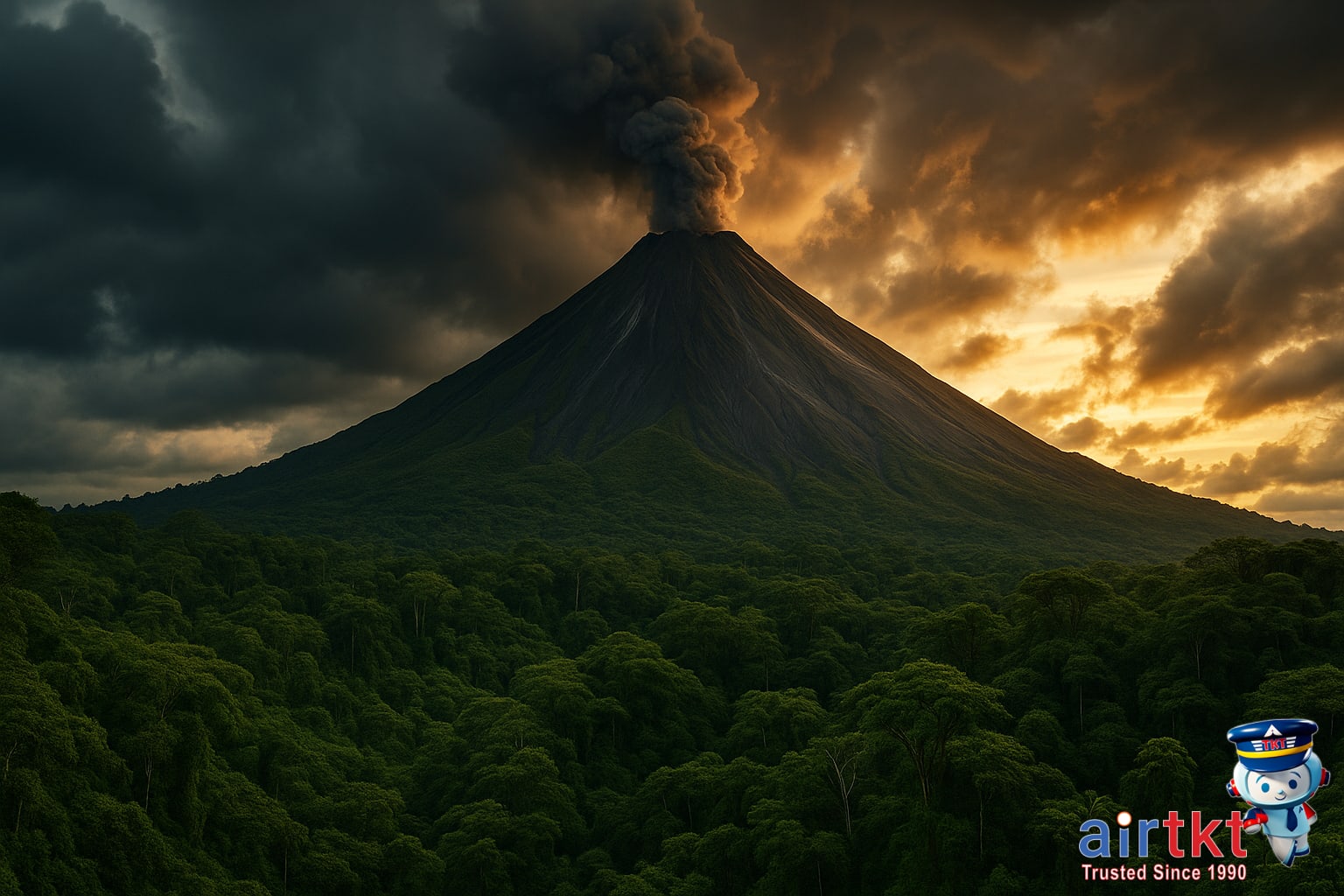
Arenal Volcano stands as one of Costa Rica’s signature destinations, offering a dramatic landscape of rainforest, volcanic slopes, and geothermal wonders. As you approach the region, the near-perfect cone of Arenal emerges from the lush green, setting the tone for adventure. For me, seeing Arenal’s peak up close for the first time was absolutely breathtaking—the kind of view that makes you pause mid-hike and just take it all in.
Top Activities Near Arenal
Hiking is the top draw here, with well-established trails at Arenal Volcano National Park winding through old lava flows and secondary forest. The Las Coladas and Los Tucanes trails give you the best odds of spotting coatis, toucans, and tropical birds, while delivering sweeping views of the volcano. If you’re after relaxation, soak in one of Arenal’s famous geothermal hot springs—many are set within landscaped gardens with direct volcano views. Wildlife enthusiasts can join guided walks at dusk to spot frogs and nocturnal creatures, and adventure-seekers also have ziplining and hanging bridges nearby.
Getting to Arenal Volcano
Most travelers arrive via San José or Liberia. From San José, the drive is scenic, usually taking around three hours on paved roads through coffee country and small towns; shuttle buses and group transfers are widely available if you prefer not to self-drive. Liberia offers another gateway, with a similar travel time by car. I usually recommend booking your transport in advance during the high season to avoid last-minute stress.
When to Visit Arenal
The best time to visit is the dry season, from late December through April. During these months, skies stay clearer, trails are less muddy, and the chance to see the volcano’s peak increases. In my experience, hiking is much more pleasant in the dry months—and the views are simply crisper and more rewarding compared to the rainy season.
For additional ideas on Costa Rican volcano adventures, check out our airtkt.com guide to volcano travel experiences.
Costa Rica’s Eco-Tourism and Sustainability
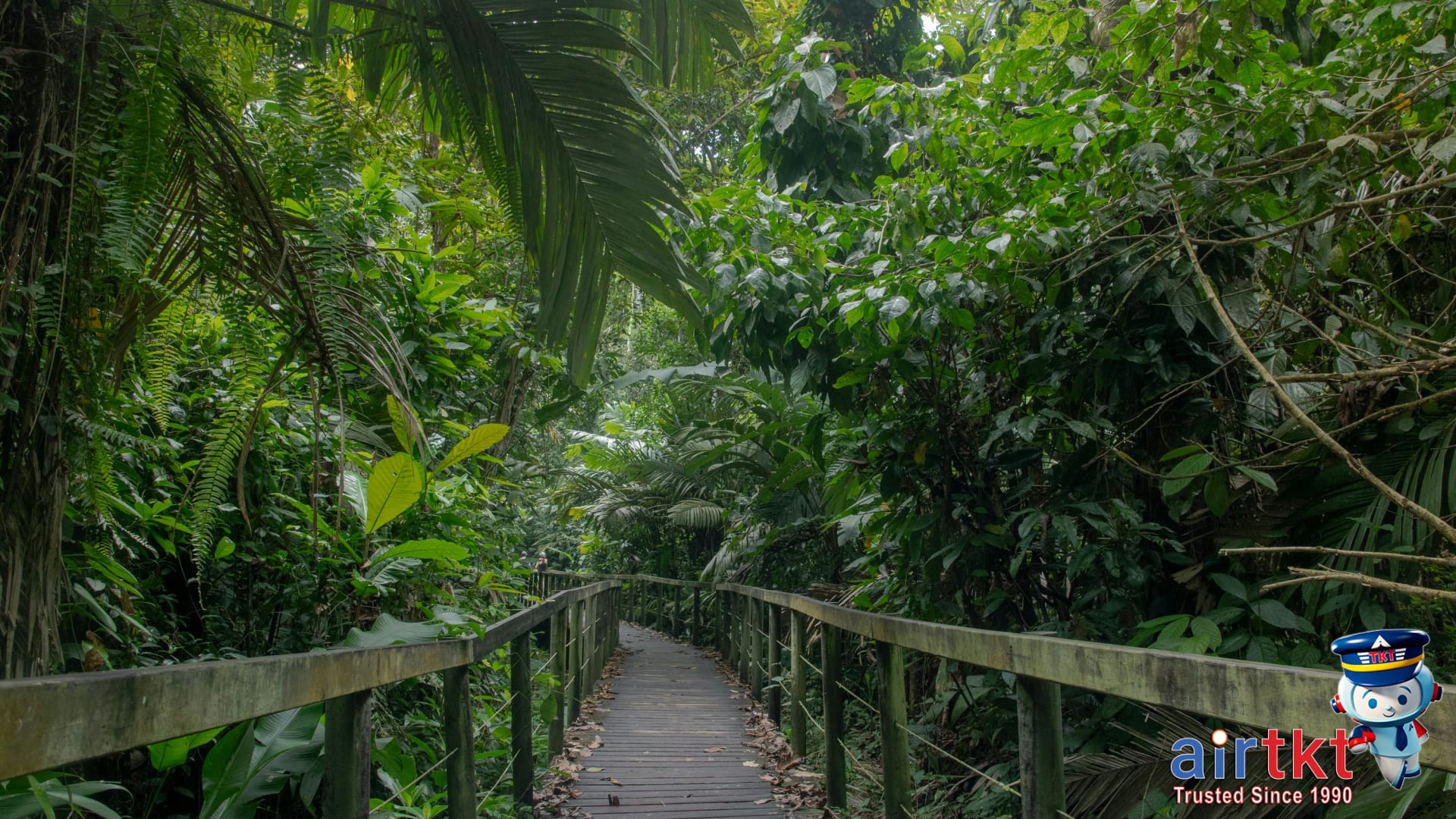
Costa Rica is a true trailblazer in eco-tourism, and this reputation wasn’t built overnight. The country has dedicated decades to conserving rainforests, protecting wildlife habitats, and developing tourism practices that actually benefit the environment. Travelers here often notice how closely nature and sustainability are woven into everyday experiences, whether you’re hiking through lush cloud forests or staying in a locally run eco-lodge.
If you’re looking for genuinely sustainable travel, Costa Rica’s eco-lodges are a fantastic starting point. Many properties are certified by programs like the CST (Certification for Sustainable Tourism), which evaluates everything from water conservation to community involvement. You’ll find solar-powered cabins, composting toilets, and organic gardens—sometimes even local reforestation projects just steps from your room. I found that choosing a certified eco-lodge not only reduced my footprint but also gave me the chance to meet locals who shared real insights into conservation efforts.
For hands-on learning, community-based tours introduce you to indigenous cultures, organic farms, or wildlife rehabilitation centers. A walk with a naturalist guide can reveal so much more about the fragile harmony between people and the rainforest. Costa Rica also leads with national parks and private reserves where visitor fees help fund ongoing protection and research. It’s encouraging to know that just by choosing carefully where you book, you’re backing real progress on the ground.
One thing I’ve noticed over several visits is how making responsible choices—like refusing plastic straws, joining smaller group tours, and asking about wildlife protection policies—makes each trip feel more meaningful. You leave with a deeper respect for the country and a better understanding of what sustainable travel can look like in action. If you’re ready to delve deeper, I’d suggest reading this guide on eco-friendly travel practices and tips for responsible tourism to help plan your own journey.
Practical Travel Tips for Costa Rica
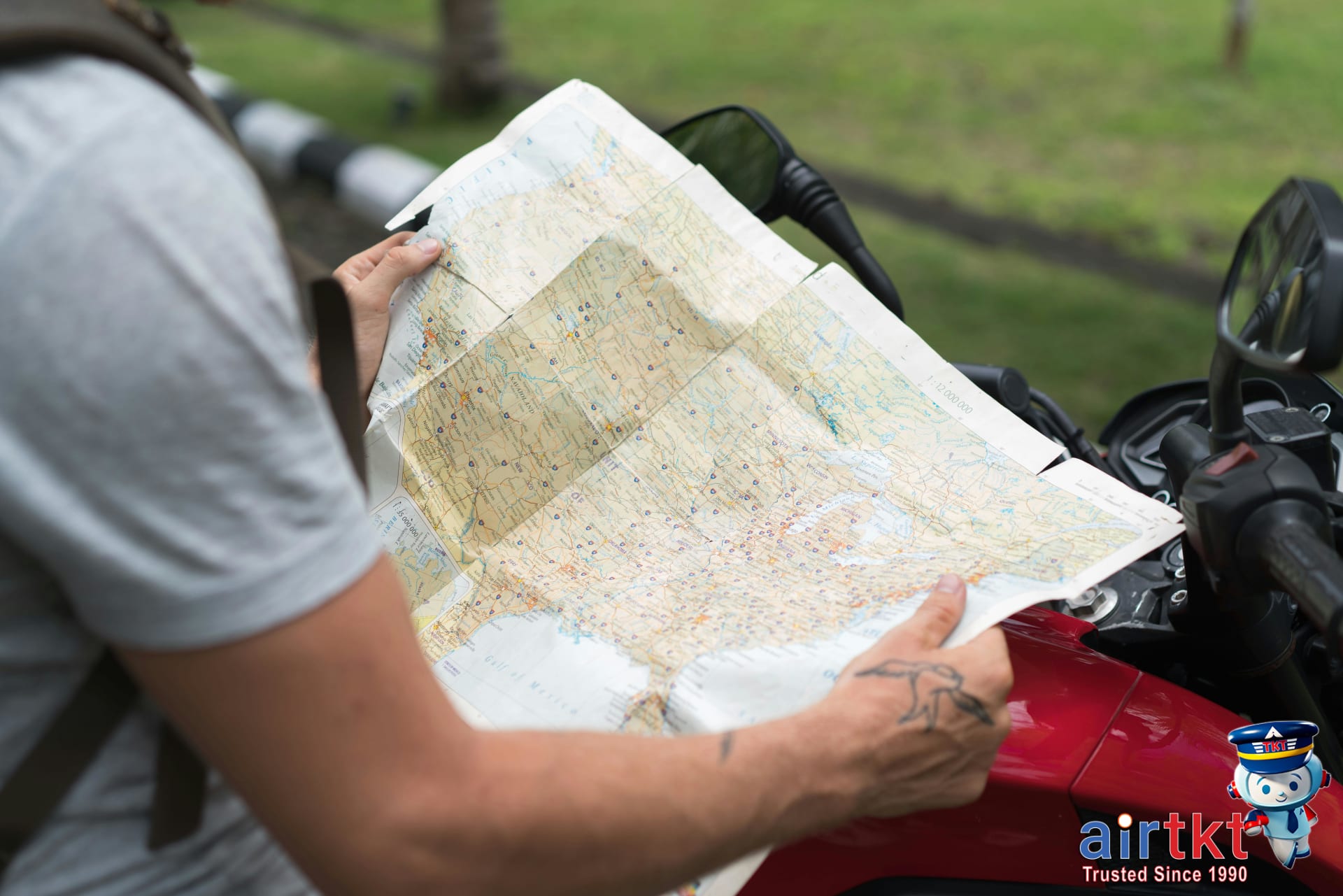
Before your trip to Costa Rica, giving a little attention to practical details will definitely lead to a smoother experience. Here’s what I recommend based on both personal travel and plenty of on-the-ground research.
Currency and Accessing Local Money
The Costa Rican colón (CRC) is the official currency, but U.S. dollars are accepted in many tourist areas. I’ve found it’s best to use local currency for small purchases and in rural spots—ATMs are common in larger towns, but you’ll want some cash on you for buses or markets. Stick to bank ATMs inside supermarkets or shopping centers for an added layer of safety.
Language Basics and Communication
Spanish is the national language, though you’ll get by in tourist centers with basic English. Learning a few Spanish phrases—like “¿Cuánto cuesta?” for “How much is it?”—goes a long way in both connecting with locals and sorting out day-to-day logistics. Having a translator app on your phone is a solid backup plan.
Getting Around: Pros and Cons
Transportation offers plenty of choices: public buses are affordable and reach most cities, but can take time due to frequent stops. Shuttle vans are faster and offer direct routes, while renting a car gives you ultimate flexibility—just be ready for winding mountain roads and occasional rough patches. Personally, I found Costa Rica’s local bus system reliable for hitting key destinations, but scheduling can be confusing if you don’t speak much Spanish or aren’t used to flexible timelines. Driving is appealing if you want the freedom to reach beaches and lesser-known areas on your own time.
Stay Healthy While Traveling
Check with your doctor about recommended vaccinations ahead of your trip. While tap water is usually safe in major cities and tourist hubs, I still stick to bottled water in remote spots. Don’t forget quality insect repellent—mosquitoes can be pesky, especially in the green season. Lightweight long sleeves help if you’re sensitive to bites.
If you want more guidance on getting around, check out our detailed Costa Rica transportation guide for route ideas and tips for booking in advance.
Budget Planning for Costa Rica
Planning your Costa Rica travel budget can make a huge difference in comfort and experience—whether you’re looking to stretch your dollars or indulge in a bit of luxury. I’ve checked Costa Rica prices across different trip styles and found that understanding what’s included at each level is crucial for deciding where to splurge or save. Here’s a straightforward comparison to help guide your choices before booking.

| Accommodation | Food | Transport | Activities | |
|---|---|---|---|---|
| Budget | $20.00 | $8.00 | $7.00 | $10.00 |
| Mid-range | $70.00 | $22.00 | $25.00 | $45.00 |
| Luxury | $200.00 | $60.00 | $90.00 | $120.00 |
What You Get by Price Level
Budget: For about $20.00 per night, expect a hostel bed, basic guesthouse, or dorm, often with shared bathrooms and amenities. Meals around $8.00 are possible at local sodas (Costa Rican diners) or street vendors. Budget travelers often use local buses—fares are around $7.00 per day, and activities like national park entry or guided walks cluster near $10.00 for the essentials.
Mid-range: Roughly $70.00 affords a solid 3-star hotel, private room with air conditioning, and maybe a small pool. Meals at sit-down restaurants, plus a coffee or fresh juice, land near $22.00 daily. Renting a car or using shuttle transport is common (about $25.00), and tours—like zip-lining or day-long wildlife safaris—are often around $45.00.
Luxury: Expect boutique resorts or high-end hotels with amenities and personal service at around $200.00 a night. Fine dining and international cuisine average $60.00 daily, while private transfers or guided drivers run about $90.00. Activities such as private adventure tours or luxe spa experiences can top $120.00.
If you want more strategies for keeping costs in check beyond accommodations and dining, I’d suggest looking at practical budget travel tips for Costa Rica before booking.
Frequently Asked Questions About Costa Rica
- What is the best time to visit Costa Rica?
Costa Rica’s dry season, which generally runs from late December to April, is considered the best time for sunny and pleasant weather. You’ll find rainier afternoons during the “green season,” from May through November, but crowds are thinner and prices can be a bit lower during these months as well.
- Is Costa Rica a safe destination for travelers?
Costa Rica is regarded as one of the safer countries in Central America for tourists. Like anywhere, it’s smart to watch your belongings and avoid isolated areas at night. In most resort areas and national parks, tourism infrastructure and police presence help visitors feel secure during their stay.
- What wildlife can I expect to see in Costa Rica?
Costa Rica boasts abundant wildlife including sloths, monkeys, toucans, and sea turtles. Popular locations for sightings are Manuel Antonio National Park and Tortuguero. Even in cloud forests like Monteverde, you’re likely to encounter a variety of exotic birds and perhaps see colorful frogs or iguanas up close.
- Are there eco-tourism options in Costa Rica?
Eco-tourism is a major draw to Costa Rica, and travelers can choose from guided rainforest hikes, canopy tours, and wildlife sanctuaries. Many lodges embrace sustainability with solar power and conservation programs. National parks like Corcovado and Monteverde offer immersive experiences for nature lovers seeking eco-friendly adventure.
- Which Costa Rica beaches are must-sees?
Some of Costa Rica’s standout beaches include Playa Conchal for its unique shell sand, Santa Teresa for surfers, and Manuel Antonio for wildlife. Tamarindo is known for surfing and vibrant nightlife, while Puerto Viejo on the Caribbean side attracts travelers with its laid-back vibe and palm-dotted shoreline.
- How can I book affordable flights to Costa Rica?
Finding the best airfare often requires flexible planning. I’d recommend searching different travel dates and looking at nearby airports, which tools from airtkt.com can help with. Booking several months ahead or flying midweek can also be a good way to save money on your ticket.
- What are a few tips for responsible travel in Costa Rica?
Consider supporting local businesses, using refillable water bottles to reduce plastic, and choosing certified eco-friendly tours. Avoid touching wildlife or removing natural items from parks. Following these guidelines helps preserve Costa Rica’s celebrated biodiversity and ensures your visit has a positive impact.
Closing Thoughts on Costa Rica Travel
Looking back, Costa Rica feels less like just a destination and more like a state of mind. From hiking through lush rainforests echoing with wildlife calls to spotting toucans, and from adrenaline-pumping zip-lines to peaceful moments along sunlit beaches, each experience has its own charm. For eco-conscious travelers, Costa Rica’s dedication to sustainability sets it apart—it’s easy to see why so many visitors return yearning for more “pura vida.”
If you’re planning your first, or even tenth, trip here, I’d encourage you to let the laid-back, friendly “pura vida” spirit guide your journey. Take time to savor the wildlife, slow down at a beachfront café, and truly connect with both nature and local culture. In my own travels, the genuine warmth of Costa Ricans and the memories of misty mornings in the cloud forest have stuck with me long after the passport stamps faded.
Travel planning is part of the adventure too. With a bit of early preparation, especially through platforms like airtkt.com, flights and excellent accommodation options become much easier to secure—often at better prices. If you’re looking for more practical tips, you might enjoy our Costa Rica itinerary planning guide as your next step.
No matter what’s on your itinerary, embracing Costa Rica’s rhythms can make the journey even more memorable. I hope your trip leaves you with the kind of lasting, joyful memories I brought home myself.