
Explore Tokyo’s Culinary Landscape
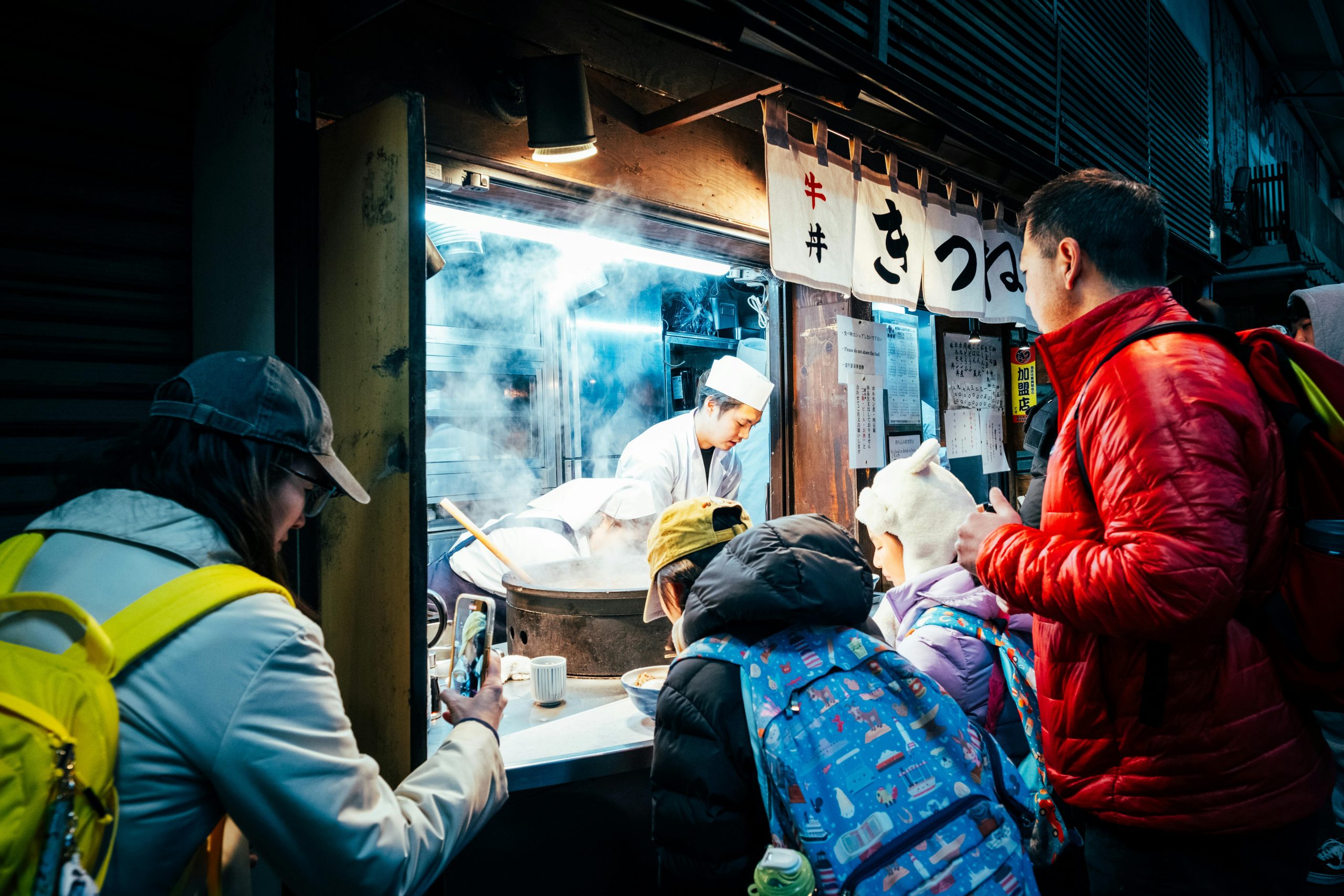
Tokyo stands as one of the world’s foremost gastronomic capitals, renowned for its seamless blend of tradition and innovation in cuisine. The city’s culinary reputation stretches far beyond its borders, thanks to an extraordinary mix of dining experiences that range from humble street food stalls to Michelin-starred temples of fine dining. This vast diversity makes Tokyo a top destination for food lovers who seek authentic flavors and memorable culinary adventures.
According to the Japan National Tourism Organization (JNTO), Tokyo boasts the highest concentration of Michelin-starred restaurants globally, a testament to its outstanding quality and culinary creativity. More than 230 Michelin-starred eateries call this metropolis home, but equally impressive is the ubiquitous presence of accessible street food vendors and local markets offering quick, flavorful bites at reasonable prices. This ensures every traveler can enjoy Tokyo’s food culture regardless of their budget or preference.
Tokyo’s food scene is a rich tapestry influenced by centuries-old Japanese traditions and an evolving cosmopolitan essence. From savoring freshly grilled yakitori skewers on narrow alleyways to experiencing multi-course kaiseki dinners in elegant establishments, Tokyo covers the full spectrum of taste and style. Whether craving crisp tempura, soul-soothing ramen, or exquisite sushi crafted by master chefs, the city invites visitors to sample its iconic dishes that have been perfected through generations.
In this guide, readers will discover detailed descriptions and cultural context behind Tokyo’s beloved dishes, helping to deepen appreciation beyond mere flavor. You’ll also find insider tips on where to find these culinary treasures, from renowned districts like Tsukiji and Shibuya to hidden gems favored by locals. Preparing you for an immersive dining journey, this exploration demystifies the city’s vibrant food culture and equips you with practical advice for a satisfying culinary experience.
As you plan your visit through AirTtkt, expect to uncover Tokyo’s delicious contrasts that make it a food destination like no other. From street snacks that fuel your urban adventures to sophisticated meals that mark special occasions, Tokyo’s culinary landscape promises something remarkable for every palate.
Discover Tokyo Style Ramen Favorites
Tokyo-style ramen showcases a harmonious blend of flavors that highlight the city’s rich culinary heritage. Typically, broths range from shoyu (soy sauce-based) to rich chicken or pork bone stocks, often simmered for hours to achieve depth and umami. The noodles are medium-thin and slightly curly, designed to cling perfectly to the savory broth. Popular toppings include tender chashu pork, bamboo shoots, green onions, nori seaweed, and a soft-boiled seasoned egg.
Among the celebrated ramen establishments, AirTtkt travelers often seek out Ichiran, a renowned chain famous for its unique solo dining booths that let customers focus solely on savoring their ramen. Each bowl is customizable—from richness of broth to noodle firmness—making it a personal experience cherished by locals and visitors alike. Beyond Ichiran, Tokyo is dotted with countless local shops, each offering subtle variations that highlight regional tastes and ingredient freshness.

Ramen holds a deep cultural significance in Tokyo’s vibrant food landscape. Originating from humble street food, it has evolved into a symbol of comfort and craftsmanship. Tokyo’s love for ramen is reflected in the bustling ramen shops found in every neighborhood, serving as communal spots where people from all walks of life gather to enjoy a hearty meal. This dish bridges tradition and innovation, inspiring chefs to continually reinvent toppings and broths.
For budget-conscious travelers, ramen is an excellent way to dine affordably without sacrificing flavor. Typical ramen dishes in Tokyo cost between $8.00 and $15.00, offering generous portions and satisfying meals. To avoid long wait times, visit ramen shops during mid-afternoon hours or early evenings on weekdays, when crowds are thinner. Peak dining times usually coincide with lunch (12–2 pm) and dinner (6–8 pm), especially on weekends.
Seasonal changes also influence ramen menus. In colder months, shops often introduce heartier broths and bonus ingredients like roasted garlic or spicy miso to provide warmth. Conversely, summer ramen may feature lighter, chilled broths or toppings with refreshing textures, adapting to Tokyo’s seasonal climate. This evolving variety keeps ramen exciting year-round, encouraging repeat visits to favored spots.
Savor Sushi at Tsukiji Market
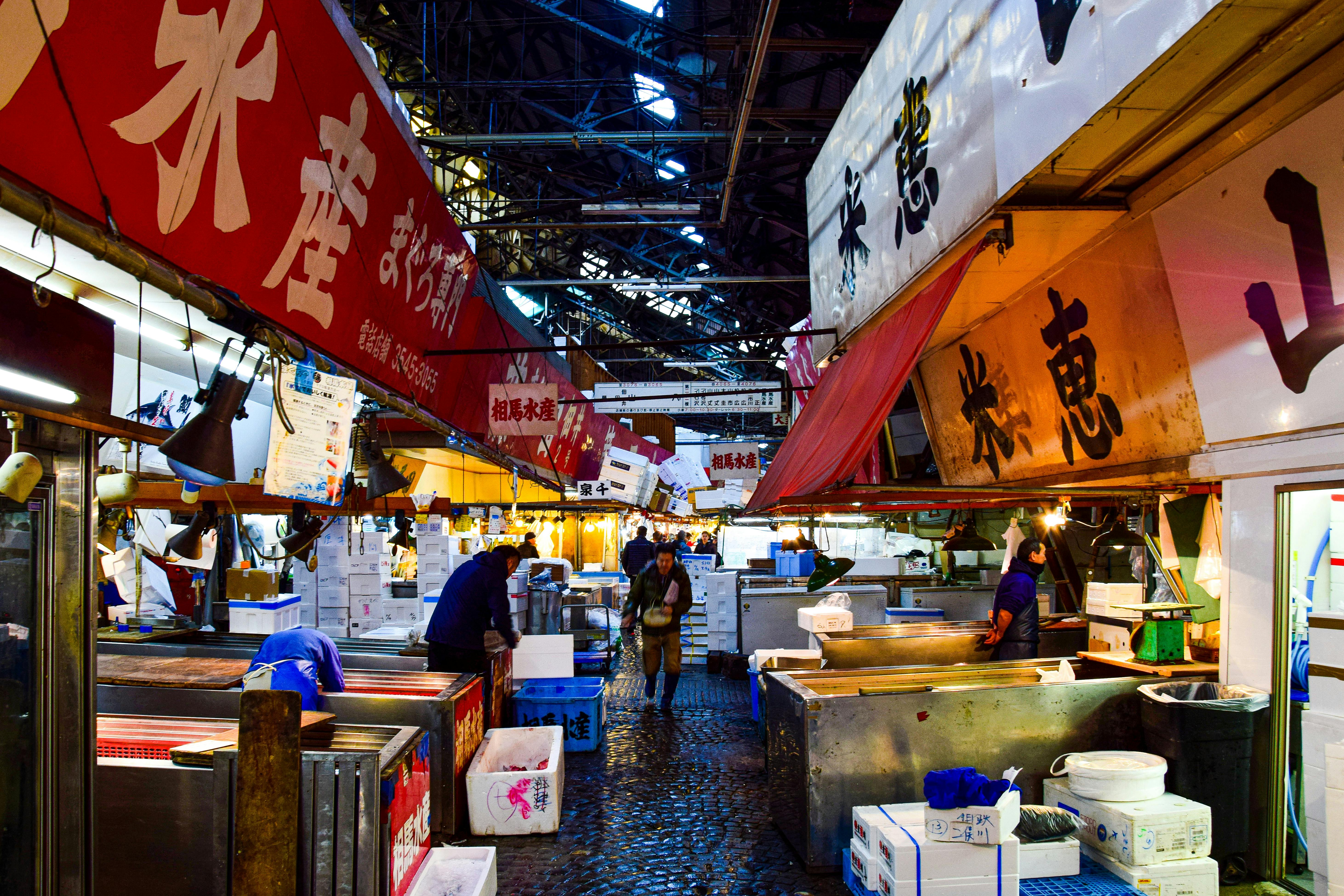
Tsukiji Market has long been renowned as Tokyo’s premier seafood hub, supplying fresh catches to restaurants and households across the city. Although the inner wholesale market moved to Toyosu in 2018, Tsukiji’s vibrant outer market still thrives as a bustling center for sushi lovers and seafood enthusiasts. Here, you can immerse yourself in a historic culinary experience while sampling some of the freshest sushi available in Tokyo.
When visiting, be sure to explore the popular sushi stalls that line the narrow streets. Stands like Daiwa Sushi and Sushi Dai are known for their impeccable nigiri — slices of fresh fish neatly pressed over vinegared rice. Signature picks include succulent fatty tuna (otoro), buttery sea urchin (uni), and sweet shrimp (amaebi). Seasonal seafood such as botan shrimp in spring or matsuba crab in winter showcase the market’s commitment to quality and freshness.
First-time visitors should adopt the market’s etiquette to enjoy a smooth visit. Move respectfully through the crowded pathways, avoid blocking aisles, and use cash as many small vendors don’t accept cards. Ordering is straightforward but feel free to ask vendors for seasonal recommendations—they often highlight lesser-known but delicious options.
Choosing between dining at an indoor sushi restaurant versus indulging at market stalls depends on the experience you seek. Market stalls offer a lively, casual atmosphere with a chance for direct interaction with chefs, often at lower prices. Indoor restaurants provide a refined setting with a broader menu and sometimes private seating, ideal for those wanting a lingering meal. Both are excellent, but the market stall vibe delivers a uniquely authentic moment in sushi culture.
Visitor access remains straightforward despite past changes. While the wholesale auction is now at Toyosu, Tsukiji’s outer market remains open to tourists daily except Wednesdays and Sundays. Keep in mind, some stalls close early or on irregular days, so checking current schedules in advance is wise to maximize your experience.
Enjoy Authentic Tempura Craftsmanship
Tempura, an iconic Japanese culinary art, traces its origins to the 16th century when Portuguese missionaries introduced frying techniques to Japan. Over time, the Japanese refined this method, creating a lighter, airier batter that highlights the delicate flavors of fresh seafood and seasonal vegetables. Today, tempura remains a beloved dish that embodies Japanese precision and respect for natural ingredients.
The hallmark ingredients of tempura include crisp seafood such as shrimp, white fish, and squid, alongside vegetables like sweet potatoes, green beans, and shiso leaves. The batter is a simple mixture of cold water, wheat flour, and sometimes egg yolk, carefully prepared to avoid gluten overdevelopment, ensuring the batter stays light and crisp rather than dense. This minimalism allows the freshness of the ingredients to shine through while creating a satisfyingly crunchy texture.
Tokyo, the epicenter of authentic tempura, offers several renowned restaurants perfect for experiencing this culinary tradition. Places like Tempura Kondo and Tempura Tsunahachi are celebrated for their meticulously prepared dishes served with house-special dipping sauces, such as tentsuyu—a savory blend of dashi, soy sauce, and mirin—or a sprinkle of fine salt to enhance delicate flavors without overpowering them.
Mastering the tempura technique requires rapid frying in oil heated to around 170-180°C (340-355°F) to achieve an ideal texture contrast—an ultra-crispy exterior coating a tender, juicy interior. The batter puffs slightly, creating an airy shell that should neither be greasy nor heavy. This balance is critical for a satisfying eat, as the crunch and softness complement each other perfectly.
When identifying high-quality tempura, look for these key traits:
- A golden, non-greasy batter that cracks lightly when bitten
- Ingredients cooked just long enough to retain moisture and flavor inside
- Even coating without thick clumps of batter
- Fresh aroma that invites without overpowering
- Accompaniment by authentic dipping sauces that enhance, not mask, the natural taste
Taste Tokyo’s Okonomiyaki Pancakes
Okonomiyaki is a beloved Japanese savory pancake that literally means “grilled as you like it.” This versatile dish features a batter base mixed with shredded cabbage and a variety of ingredients, cooked on a hotplate often right at your table. Its texture is crispy yet fluffy, combining the heartiness of pancakes with rich, umami-packed flavors that make it a must-try culinary experience in Tokyo.
Typical okonomiyaki ingredients include flour, eggs, cabbage, green onions, and dashi stock for depth of flavor. Common fillings and toppings vary widely but often feature pork belly slices, seafood such as shrimp or squid, and even cheese. Additional toppings include okonomiyaki sauce (a sweet-savory glaze similar to Worcestershire sauce), mayonnaise, bonito flakes, and aonori seaweed powder, each adding layers of flavor and texture.
In Tokyo, several neighborhoods are famous for their exceptional okonomiyaki spots. The area around Shinjuku is teeming with lively restaurants where you can enjoy interactive cooking on teppan grills. Similarly, Shinagawa and Asakusa offer traditional shops beloved by locals and tourists alike. These locales provide a cozy ambiance ideal for savoring the dish fresh off the griddle, often paired with side dishes and drinks.
Recipe variations exist across Japan, and even within Tokyo, you’ll find subtle twists. The Kansai style, originating from Osaka but widely available, mixes all ingredients into the batter before cooking. Tokyo-style okonomiyaki usually cooks the batter first, then layers ingredients on top, offering a slightly different texture and taste. Other regional touches include Hiroshima-style okonomiyaki, which features layered noodles and a fried egg, less common but sometimes served in specialty Tokyo eateries.
To fully enjoy okonomiyaki, try it alongside popular side dishes like yakisoba (fried noodles), pickled vegetables, or a small salad to balance richness. For drinks, a crisp Japanese lager or a refreshing sake complements the savory pancake perfectly. Non-alcoholic options like iced green tea or a tangy yuzu soda also enhance the flavors while cleansing the palate between bites.
Experience Yakitori in Omoide Yokocho
Yakitori, Japan’s beloved grilled skewers, offer an irresistible blend of flavors perfect for any night out. Traditional yakitori includes bite-sized pieces of chicken like thigh, breast, and tender liver, grilled over charcoal and seasoned with salt or tare sauce—a rich, savory glaze. Beyond chicken, vegetable options such as shiitake mushrooms, green peppers, and scallions add variety. For the adventurous, skewers may feature rare cuts like chicken heart or skin, each delivering unique textures and tastes.
Omoide Yokocho, tucked into narrow alleys behind Tokyo’s bustling Shinjuku Station, is the quintessential yakitori destination. With lanterns casting a warm glow over tiny wooden huts and a cozy maze of stalls packed closely together, this vibrant locale hums with authentic energy. The atmosphere mixes lively chatter, the crackle of charcoal grills, and the aroma of sizzling skewers, offering an intimate glimpse of Tokyo’s post-war dining culture preserved in time.
Pairing yakitori here is an art in itself. A crisp, cold beer complements the smoky, savory notes seamlessly, while a chilled sake highlights the subtleties of the grilled meat. Many locals alternate between sips of sake and bites of skewers, enhancing the experience with layers of flavor. For non-alcoholic options, a tangy yuzu soda refreshes the palate between bites.
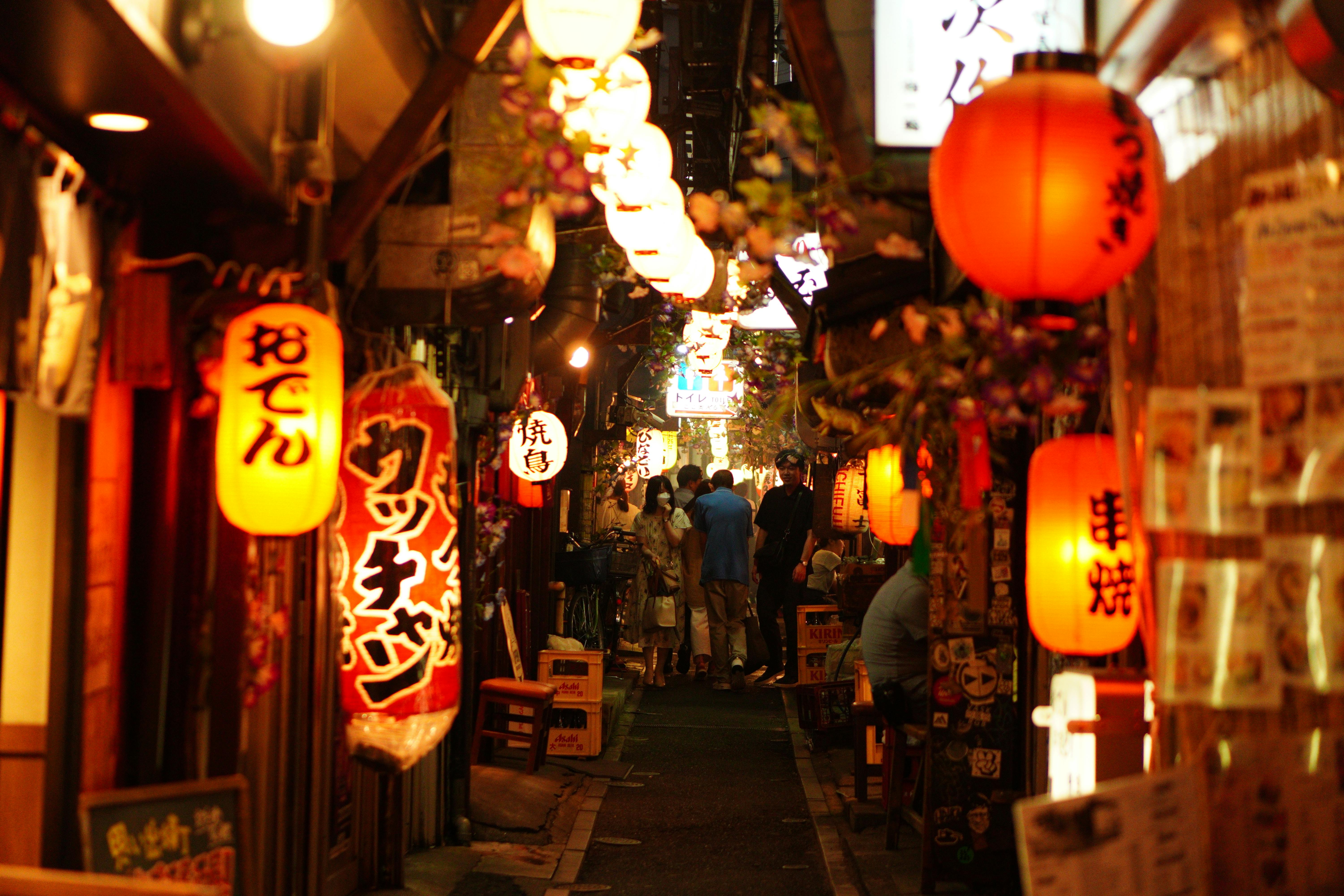
The seasonal ambiance of Omoide Yokocho adds another dimension to dining here. In summer, open-air seating and the scent of nearby rain-soaked streets blend with the spicy heat of the charcoal grill, creating a lively backdrop. Autumn brings cooler air that pairs perfectly with warming skewers and sake, as the alley dazzles with colored lanterns and occasional festivals. Winter’s chill invites diners inside the snug yakitori stalls, fostering close conversation and a comforting, communal vibe.
Visiting Omoide Yokocho for yakitori is more than a meal—it’s a sensory journey through history, culture, and culinary tradition. To ensure a smooth trip, explore affordable flights and accommodation options on AirTtkt, your partner in finding the best travel deals for authentic experiences worldwide.
Indulge in Tokyo’s Wagyu Beef
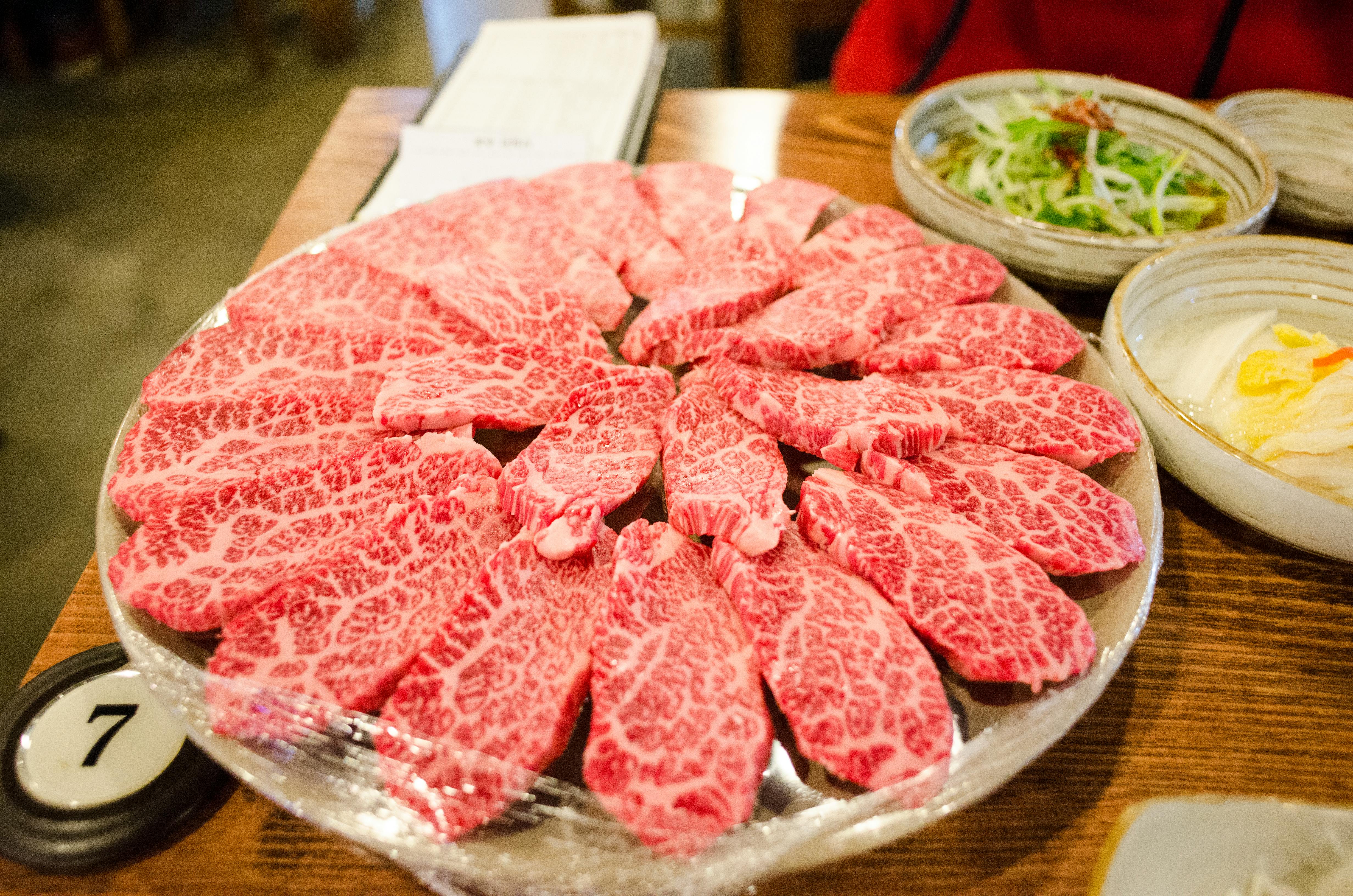
Wagyu beef in Tokyo is synonymous with luxury dining, prized for its exceptional marbling and rich flavor. The grading system here is essential to understanding what makes wagyu so unique. Japanese Wagyu grades are based on yield (A-C) and quality (1-5), with A5 being the highest tier indicating supreme marbling, texture, and color. The well-marbled fat melts delicately at low temperatures, offering a buttery, umami-rich taste that distinguishes wagyu from other beef.
Wagyu’s flavor profile balances sweetness, tenderness, and savory depth. The fine fat interlaced with muscle fibers enhances juiciness and a melt-in-your-mouth sensation. This marbling is carefully measured through the Beef Marbling Standard (BMS) that rates from 3 to 12, with top-quality A5 wagyu reaching scores of 8 to 12. These characteristics create a decadent experience that’s perfect for food enthusiasts eager to try Japan’s culinary jewel.
Tokyo hosts some premier steakhouses specializing exclusively in wagyu beef:
- Niku no Mansei Shokudo – Known for affordable cuts combined with authentic wagyu flavors in a casual setting.
- Wagyu Kaiseki Komazawa – Offers a multi-course kaiseki experience showcasing the finest A5 wagyu, expertly prepared to highlight texture and taste nuances.
- Sumibiyaki Matsukata – A charcoal-grilled wagyu steakhouse where precise grilling enhances the beef’s natural oils and savory complexity.
- Ginza Steak – Located in Tokyo’s upscale Ginza district, this restaurant features tableside cooking with premium wagyu cuts.
To fully savor wagyu’s flavors, consider these tips:
- Eat smaller portions. Enjoy the melt-in-your-mouth sensation; less is more with such rich beef.
- Pair with simple accompaniments. Light seasoning or a pinch of sea salt elevates the beef without overpowering it.
- Take your time to savor. Allow the fat to coat your palate by chewing slowly and appreciating the diverse flavors.
- Try multiple cuts. From ribeye to tenderloin, each cut offers a distinct texture and flavor depth.
When budgeting for wagyu in Tokyo, expect prices to vary widely based on grade and restaurant prestige. High-grade A5 wagyu can cost anywhere from $100 to over $300 for a single steak portion, especially in upscale venues. More casual spots may offer lower-priced options, but quality and marbling will reflect those prices. Remember, wagyu is a luxury ingredient, so it’s best treated as an occasional indulgence rather than an everyday meal.
Discover Convenience Store Snack Culture
Tokyo’s convenience stores, or konbini, are more than just quick stops—they are vibrant hubs of Japan’s everyday culture. These stores offer an impressive variety of snacks and beverages, catering to locals and travelers alike with an unmatched range of options. From quick bites to thoughtfully packed meals, konbinis deliver quality and convenience 24/7, making them essential to the city’s fast-paced lifestyle.
Among their most popular items are onigiri, or rice balls, which come in an array of flavors like salmon, pickled plum, and tuna mayo. Perfect for an on-the-go snack, onigiri are carefully wrapped to preserve freshness. Alongside these are bentō boxes filled with neatly arranged servings of rice, meat, vegetables, and pickles—an affordable and satisfying lunch choice. Seasonal sweets and limited-edition treats often rotate, reflecting Japan’s dedication to freshness and innovation in snack culture.
The beverage selection is equally impressive, ranging from specialty canned coffee and rich green teas to unique soft drinks and canned soups. Konbinis also stock essential daily items and household goods, positioning themselves as cultural landmarks that offer much more than food.
Three major chains dominate Tokyo’s konbini scene: Lawson, 7-Eleven, and FamilyMart. Each brings a unique flair to the table. Lawson is famous for its fresh bakery items and innovative snack collaborations. 7-Eleven is known for its extensive drink selection and high-quality bentō options, while FamilyMart excels in seasonal desserts and a wide variety of quick meals.
For travelers, exploring these convenience stores is an excellent way to immerse in local tastes without breaking the budget. Whether you’re grabbing a quick onigiri or trying a limited-edition sweet, konbinis provide an authentic slice of Tokyo’s food culture conveniently accessible on almost every corner.
Choose Classic Soba and Udon Noodles
Soba and udon noodles are two quintessential Japanese staples, each offering unique flavors and textures. Soba noodles are made primarily from buckwheat flour, giving them a slightly nutty taste and a firm, somewhat chewy texture. They are thin and delicate, prized for their earthy flavor and lightness. Udon noodles, on the other hand, are thick, white, and crafted from wheat flour. Their texture is soft, smooth, and pleasantly elastic, offering a comforting bite that contrasts nicely with soba.
When visiting Tokyo, food enthusiasts should consider trying these noodles at renowned establishments known for their authentic preparation. AirTtkt recommends shops like “Soba Noodles Tsuta,” famous for its elegant soba dishes, and “Udon Shin,” which serves fluffy, handmade udon bowls. These spots emphasize traditional techniques and high-quality ingredients, providing travelers an authentic taste of Japanese noodle culture.
Serving temperature plays a critical role in how soba and udon are enjoyed, and this varies by season. In warmer months, chilled soba served with a cold dipping sauce, known as “zaru soba,” is popular for its refreshing qualities. Cold udon, often accompanied by a light dipping broth, is also favored during summer to beat the heat. As the temperature drops, both noodles are traditionally served hot in a warm broth, creating a nourishing dish perfect for colder days. Hot soba is sometimes paired with tempura or green onions, while hot udon soups may include ingredients like kamaboko (fish cake) or seasonal vegetables.
The choice of toppings and sauces is deeply rooted in custom. Soba is conventionally served with a soy-based dipping sauce called “tsuyu,” which may be enriched with wasabi, scallions, or grated daikon. Udon’s broth tends to be milder but equally savory, typically made from dashi (a fish stock), soy sauce, and mirin. Familiar additions include chopped scallions, sesame seeds, and sometimes a raw egg or tempura flakes. These accompaniments highlight the noodles’ flavors without overpowering their natural taste.
Plan your travels with AirTtkt for easy access to Tokyo’s best noodle shops.
Enjoy Monjayaki – Tokyo’s Comfort Food
Monjayaki is a beloved Tokyo specialty often compared to okonomiyaki, but with a distinctive twist. Unlike okonomiyaki’s thick, pancake-like consistency, monjayaki features a much thinner, runnier batter that’s cooked directly on a hot iron griddle at your table. This creates a deliciously gooey and slightly crispy texture that’s unlike any other Japanese dish. The batter typically includes finely chopped cabbage, seafood, mochi, and various seasonings, mixed to a flowing consistency that slowly solidifies as you cook it.
The interactive preparation style is part of monjayaki’s charm. Diners use small spatulas called “hera” to spread the batter thinly around the griddle, watching it bubble and brown while occasionally scraping and folding it to develop its unique texture. Cooking monjayaki is not just about eating; it’s a communal experience that encourages sharing stories, laughter, and learning the perfect techniques together.
If you’re visiting Tokyo and want to savor authentic monjayaki, several venues stand out. AirTtkt recommends visiting Tsukishima’s Monja Street, a vibrant cluster of monjayaki restaurants offering wide variations of the dish. Here, establishments like Tsukishima Monja Mantei and Monja Hanabe earn praise for combining traditional recipes with modern twists. Another famed spot is Asakusa’s Monjayaki Kichi, known for fresh ingredients and skilled chefs who guide first-timers through the cooking process, enhancing the sociable vibe.
Enjoying monjayaki is best done in a group, as it’s designed for communal dining. Typically, everyone gathers around the griddle, taking turns cooking and sharing bites directly from the surface using their small spatulas. This interaction encourages conversation and bonding over a shared culinary adventure. Don’t rush; part of monjayaki’s allure is the leisurely pace—savoring each bite while chatting creates a memorable experience far beyond a typical meal.
For travelers looking to explore Tokyo through its local cuisine, monjayaki offers a cozy, hands-on way to dive into the city’s food culture. It’s a perfect break from the usual tourist spots and a treat for those seeking authentic, comforting flavors in a lively social setting. When planning your Tokyo itinerary, don’t miss the chance to experience this unique dish firsthand.
Taste Traditional Japanese Desserts
Japanese traditional desserts, or wagashi, offer a delicate balance of flavors and textures, often crafted from natural ingredients like sweetened red bean paste (anko), glutinous rice, and matcha green tea. Mochi, made from pounded sticky rice, is soft and chewy, commonly filled with red bean paste or served plain. Taiyaki is a fish-shaped cake typically filled with sweet fillings such as custard, chocolate, or azuki beans, while dorayaki are fluffy pancakes sandwiched around sweet red bean paste, enjoyed by both locals and tourists alike.
Tokyo is a treasure trove of dessert shops showcasing these timeless treats. For mochi, head to AirTtkt’s recommended stop in Asakusa: Kagetsudo, famed for its fresh melonpan and sweet mochi varieties. In Shibuya, Akafuku offers splendid taiyaki with seasonal fillings, ideal for snacking while exploring. Meanwhile, Doraemon Café in Odaiba catches the eye with its playful dorayaki designs, perfect for a quick, tasty pause.
Seasonality deeply influences Japanese desserts, with local ingredients shining brightest at different times of the year. In spring, cherry blossom (sakura) flavors infuse mochi and jellies with a subtle floral note, celebrating hanami picnics. Summer introduces refreshing variations like kakigori (shaved ice) topped with syrup and fruits, adapting the sweet classics to beat the heat. Autumn brings chestnut and sweet potato delights, subtly sweet and earthy, complementing the season’s cozy atmosphere. Winter offers richer, warm fillings such as red bean soup (oshiruko), perfect for cold days.
This seasonal cycle means dessert lovers can enjoy new flavors during every visit, making it worthwhile to explore different neighborhoods and shops in Tokyo across the year.
Tokyo Food Scene: Cultural Richness and Tips
Tokyo’s culinary landscape is a vibrant fusion of tradition and innovation, offering an extraordinary variety that ranges from time-honored street snacks to high-end Michelin-starred dining. This city boasts a food culture deeply rooted in history yet constantly evolving, reflecting its dynamic urban spirit. Whether you savor the delicate flavors of sushi at Tsukiji Market or explore rich bowlfuls of ramen in small, local shops, Tokyo invites you to experience a remarkable gastronomic adventure.
Beyond the famous dishes like tempura, soba, and yakitori, Tokyo hides countless lesser-known gems tucked away in narrow alleyways or quiet neighborhoods. These unassuming eateries often serve authentic and inventive creations, allowing curious food lovers to connect with local culture on a more intimate level. Taking the time to explore both the iconic and the obscure not only broadens your palate but also enriches your understanding of Japanese culinary artistry.
For budget-conscious travelers, Tokyo offers many affordable options without compromising quality. Look for lunchtime specials called “teishoku,” set meals that include rice, miso soup, and a main dish at reasonable prices. Convenience stores also present handy, inexpensive meals that are surprisingly fresh and convenient for on-the-go dining. Another smart strategy is to frequent standing sushi bars or conveyor belt sushi restaurants where you can enjoy fresh sushi without the hefty price tag. Combining these approaches ensures that you can indulge extensively in Tokyo’s food scene while managing your expenses effectively.
Planning your trip with AirTtkt guarantees an easy and affordable way to secure your flights to Tokyo. AirTtkt’s platform compares real-time fares from numerous airlines, ensuring you don’t miss out on the best deals. With exclusive discounts and 24/7 customer support, you can book confidently and focus on enjoying everything Tokyo’s food culture has to offer. Start your journey with AirTtkt and unlock the door to Japan’s culinary delights without breaking your budget.
Tokyo Culinary FAQ
What is the best time to visit Tokyo for food lovers?
Food enthusiasts should plan their trip during spring (March to May) or autumn (September to November). These seasons offer pleasant weather, allowing you to enjoy outdoor markets and street food. Seasonal ingredients are also at their peak, enhancing dishes like fresh seafood and matsutake mushrooms.
How to find the best ramen shops in Tokyo?
Local food blogs, foodie forums, and apps like Tabelog are great tools to discover top-rated ramen spots. Head to neighborhoods like Shinjuku, Ikebukuro, or Nakameguro, where you’ll find a variety of ramen styles. Don’t hesitate to ask locals for recommendations—they often know hidden gems.
When should I visit Tsukiji Market for fresh sushi?
Visit Tsukiji Market early in the morning, ideally between 5 a.m. and 7 a.m., to catch the freshest sushi and seafood before crowds arrive. Weekdays are less busy than weekends. After enjoying sushi, explore surrounding stalls for produce and kitchenware.
Why is convenience store food so popular in Tokyo?
Convenience stores in Tokyo offer high-quality, affordable, and diverse food options—from bento boxes to onigiri rice balls. They cater to busy locals who still want tasty meals. These stores maintain strict food standards, making them a reliable choice for quick bites.
Can I expect English menus at popular Tokyo eateries?
Many popular restaurants in tourist areas provide English menus or picture guides. However, smaller or family-run shops may not. Bringing a translation app or a phrasebook can help. Pointing to dishes or photos often works well too.
What are typical prices for wagyu beef in Tokyo?
Wagyu meals vary widely depending on the restaurant and cut. Expect to pay around $40 to $100 for a premium wagyu lunch set, while high-end dinner courses can exceed $150. For budget-friendly options, seek wagyu donburi (rice bowls) or yakiniku grills that serve affordable portions.
How do I avoid tourist traps when eating out in Tokyo?
Avoid restaurants near major tourist hotspots with flashy signs and aggressive staff. Instead, explore side streets, visit markets like Ameyoko or Yanaka, and trust local reviews on platforms like AirTtkt. Look for places with Japanese patrons and limited English menus—these often serve authentic, high-quality food.