
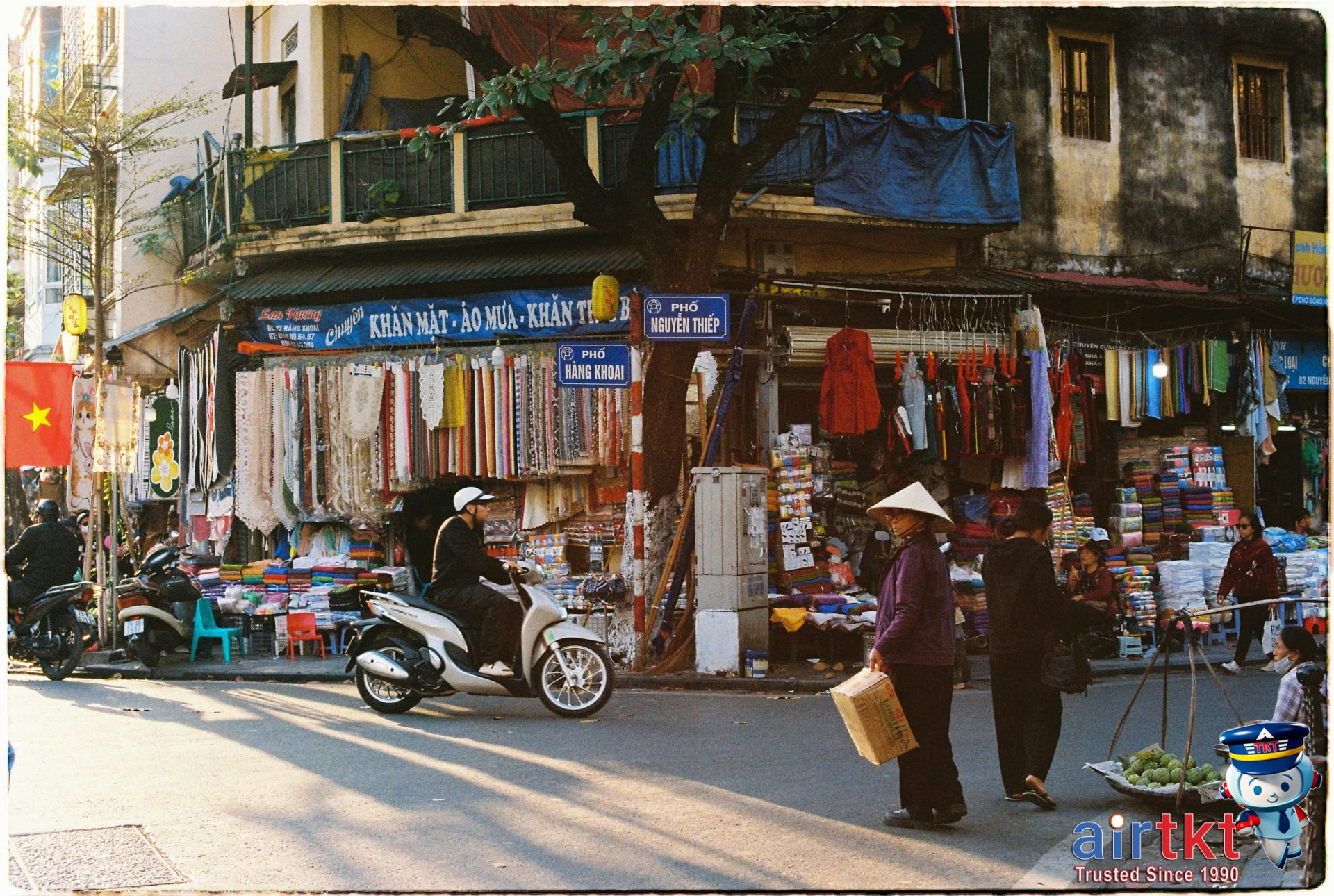
Welcome to Hanoi: A City Where History Meets Hustle
Hanoi is a city where ancient culture mingles with vibrant modern life on every corner. Narrow streets packed with motorbikes buzz past centuries-old temples and colonial-era architecture. Street vendors calling out in the morning blend with hip cafes that open late into the night. This city’s charm lies in balancing its rich traditions with an energetic pace that’s distinctly its own.
Over 8 million visitors arrived in Hanoi in 2025, according to Vietnam’s Ministry of Culture, Sports and Tourism—a 12% increase from 2024. Rising global interest brings more attention to its iconic spots like the Old Quarter, Hoan Kiem Lake, and the Temple of Literature, alongside newer attractions and local markets.
This guide focuses on what matters for a 5 to 7-day trip: top attractions you shouldn’t miss, essential cultural etiquette to help you connect respectfully, basics of the Vietnamese language for everyday situations, and practical tips to move around efficiently. Expect a travel experience that’s immersive without being overwhelming, whether you’re navigating bustling marketplaces or savoring street food in hidden alleys.
For those booking flights or hotels, I track relevant deals closely through airtkt.com—one place where finding affordable connections to Hanoi makes planning that much easier.
Top 10 Must-See Attractions in Hanoi with Skip-the-Line Tips
Hanoi’s energy thrives in its blend of history and modern life. Here’s a shortlist of 10 spots any first-time visitor should hit, plus smart ways to skip long lines and avoid crowds.
1. Hoan Kiem Lake – This serene lake in the city center is a popular morning spot for locals doing tai chi. Visit between 6:30 and 8:00 a.m. on weekdays for quiet, plus stunning early light reflections perfect for photos. Weekends get packed quickly.
2. Old Quarter – Narrow streets lined with vendors and colonial architecture. Go early (7:00 a.m.) to avoid the throngs of tourists and to catch the market vendors setting up. Afternoon photos work well when sunlight hits the lively street scenes.
3. Temple of Literature – Vietnam’s first university, built in 1070. Opens at 8:00 a.m.; arriving right at opening reduces wait times for entrance tickets (20,000 VND, about $0.85). Afternoons let you capture golden-hour light on its tranquil courtyards.
4. Ho Chi Minh Mausoleum – Lines form quickly after 8:30 a.m. when it opens. Aim for an 8:00 a.m. arrival to join the initial guard change ceremony and enter swiftly. Closed Mondays and Fridays. No photos inside; outside shots are best in soft morning light.
5. One Pillar Pagoda – Just steps from the mausoleum, this tiny pagoda is less crowded early or late afternoon. Entry is free, so line-skipping is less of a concern; instead, focus on timing for dramatic shadow patterns around sunrise or sunset.
6. West Lake – Hanoi’s largest freshwater lake with temples dotting the shore. Visit at sunset for vibrant skyline reflections and avoid midday heat and crowds. Rent a bike or scooter early to explore without traffic hold-ups.
7. Vietnam Museum of Ethnology – Best weekdays before noon, when visitor numbers are lowest. Tickets are 40,000 VND ($1.70). Booking online via the museum website currently isn’t available, but arriving early gets you ahead of tour buses.
8. St. Joseph’s Cathedral – This neo-Gothic church fills up for Sunday mass (9:30 a.m.). For photos, weekdays around 3:00 p.m. offer long shadows and fewer people. Entry is free, so just plan around peak service times.
9. Hanoi Opera House – Guided tours require advance booking through official channels. If just admiring outside, early morning light best shows its French colonial details without the tourists.
10. Dong Xuan Market – Peak hours are late morning and early evening. Show up around 8:00 a.m. to watch vendors set up, then again around 2:00 p.m. when it’s quieter. Photos of the colorful stalls look sharp in natural light before midday.
Use tools like airtkt.com to monitor for city event schedules or temporary closures that might affect these sites. Knowing opening hours and local rush patterns helps you plan your Hanoi days so waits are minimal and photos more rewarding.

Understanding Hanoi Cultural Etiquette for First-Time Visitors
Meeting locals in Hanoi calls for a respectful greeting—usually a slight bow or a gentle handshake. Avoid overly firm handshakes or backslaps; Vietnamese people generally prefer subtler touches in first encounters. When visiting temples, the dress code is strict: cover your shoulders and knees, and always remove your shoes before stepping inside. This isn’t just a formality; it shows respect for sacred spaces.
Tipping isn’t expected in most Hanoi restaurants or taxis, but leaving a small amount—around 10,000 to 20,000 VND ($0.40 to $0.85)—is appreciated in more tourist-facing service settings. Don’t worry about tipping temple staff or street vendors, though; it’s uncommon and sometimes considered odd.
Public behavior matters. Never point your feet at someone or sacred objects—they’re considered unclean. Public displays of affection like kissing or hugging are frowned upon, especially among older generations. In temples or quiet communal spaces, lower your voice; loud talking disrupts the reverence locals observe.
A small but important detail: when handing money, gifts, or even a business card, use both hands. This gesture signifies respect. Nguyen Thi Hoa, a tour guide from Hanoi, shared on a travel forum in December 2025 that visitors who remembered this won quicker local trust and friendlier interactions throughout their trips.
Following these simple rules helps keep your visit smooth and shows appreciation for Vietnamese traditions. I track etiquette updates closely on airtkt.com, which flagged subtle changes after the Tet Festival 2026 that travelers might miss otherwise.
Essential Vietnamese Language Phrases for Visitors
Start simple: “Xin chào” (sin chow) means “Hello” and works anywhere. For directions, try “đi đâu” (dee dow) for “where to go,” or “phố chính ở đâu?” (foh cheen uh dow?) to ask, “Where is the main street?”
Ordering food? Say “Tôi muốn món này” (toy moon mon nai) for “I want this dish,” pointing if you’re unsure. To express thanks, “Cám ơn” (gahm uhn) goes a long way.
Emergencies require quick clarity. Use “Giúp tôi!” (yoop toy!) for “Help!” and “Bác sĩ đâu?” (bak see dow?) to find a “Doctor?”
Vietnamese tonal pronunciation can be tricky, but sounding friendly matters more than perfect tones. Keep your voice light and steady; locals appreciate the effort.
Apps like “Google Translate” and “Pleco” help with pronunciation and quick translations on the go. I track phrase updates through airtkt.com travel alerts to stay prepared, especially when spontaneous stops turn into conversations.
Currency and Payment Guide
The Vietnamese dong (VND) is the currency in Hanoi, with banknotes ranging from 1,000 VND up to 500,000 VND. The most common bills you’ll see are 10,000, 50,000, 100,000, and 200,000 VND, which cover everyday expenses. Currency exchange rates vary, so head to official exchange offices like those near Hoan Kiem Lake or banks across the city. Rates at Noi Bai International Airport tend to be 2-3% lower than central Hanoi bureaus. In February 2026, exchange offices on Hang Bong Street offered rates around 23,450 VND/USD, while airport counters quoted 22,800 VND/USD.
Credit and debit cards work mainly in larger hotels, upscale restaurants, and international chains. For example, The Lotte Hotel Hanoi accepted Visa and Mastercard without issues during a January 2026 stay. However, cash remains king at street markets like Dong Xuan and smaller eateries. Vendors rarely accept cards, so carry sufficient VND for these spots to avoid hassle.
Mobile payments through apps like MoMo wallet are growing fast in Hanoi. You can link your international card to MoMo, then scan QR codes at convenience stores, cafes, and even some taxi services. Nguyen Thi Hoa, a graphic designer from Ho Chi Minh City, shared on Reddit in December 2025 that using MoMo saved her time ordering street food and paying taxis, especially in crowded areas.
To keep your money safe, avoid flashing large amounts of cash in public and use a slim wallet or money belt under your clothes. ATMs are widespread but watch for skimmers or unusual card readers, especially at off-brand machines. A contactless chip card reduces risk, and carrying a backup card separately helps if one is lost or blocked.
Booking flights and hotels? I track fare drops and discounts through airtkt.com, which helped me spot a November 2025 promo for a $623 ticket from San Francisco to Hanoi with flexible dates.

Getting from Noi Bai Airport to Hanoi City Center
Noi Bai Airport sits about 30 kilometers north of Hanoi’s heart. Travelers face four main ways into town: airport bus, taxi, ride-hailing apps like Grab, and hotel shuttles.
The airport bus costs just 40,000 VND (~$1.70) per person, running every 30 minutes between 5:30 a.m. and 10:30 p.m. It takes roughly 45 minutes to reach central Hanoi near Hoan Kiem Lake. Buses are clean and safe but often crowded, especially during rush hour.
Taxis offer direct trips with more comfort and door-to-door service but at a steeper price. Expect fares around 350,000–450,000 VND ($15–$19), depending on traffic. The journey takes 30 to 60 minutes, slower during peak times (7–9 a.m., 5–7 p.m.). Always use reputable companies like Mai Linh or Vinasun to avoid scams. Booking rides through apps adds an extra layer of security.
Grab and other ride-hailing apps are very popular among locals and tourists. Prices tend to be 10–20% lower than taxis, with ride times similar. App rides have upfront pricing and driver tracking, which reduces stress after a long flight. However, signal drops near the airport terminal mean you might have to walk to designated pickup points.
Some hotels provide shuttle services—usually complimentary or for a small fee—ideal for travelers with heavy luggage or families. Confirm availability when booking your stay, since schedules and fees vary widely.
Safety tip: Never accept rides from drivers offering services inside terminals without official identification. Grab or booked taxis remain the safest choices. For peace of mind, I monitor ride offers and local transport updates through airtkt.com alerts before arrival.

Safe Neighborhoods to Stay in Hanoi for First-Time Tourists
The Old Quarter remains Hanoi’s heartbeat—vibrant streets packed with history, markets, and street food stalls. It’s highly walkable and generally safe, though petty theft can happen near crowded spots like Hoan Kiem Lake. Kayla Tran, a graphic designer from Melbourne, stayed in a guesthouse on Hang Bac Street in January 2026: “Loved the energy and easy access to attractions, just kept my bag zipped tight in busy areas.”
Tay Ho offers a quieter scene with lakeside views and a strong expat presence. It’s about 5 kilometers from the Old Quarter, with more upscale dining and bars. Safety-wise, Tay Ho is calm and well-patrolled, which fits travelers seeking a peaceful stay without sacrificing convenience. In February 2026, James Foster, an IT consultant from London, booked a serviced apartment there through airtkt.com and appreciated “the secure building and easy scooter rentals to explore.”
Ba Dinh district houses government offices and embassies, making it notably safe and quieter. It’s central but less tourist-heavy, ideal for visitors who want calm streets and quick transit connections to key sites. Minh Pham, a marketing manager from Hanoi, recommended Ba Dinh in December 2025: “The neighborhood feels serene after a day in the crowds, and there are good food options within walking distance.”
Overall, Hanoi ranks as a safe city for tourists, with usual urban caution advised, especially around tourist hubs. Food options, public transport links, and a variety of atmospheres make these neighborhoods solid picks to suit different traveler preferences without hassle.
Sample 5-7 Day Hanoi Itinerary
This 5-7 day plan balances Hanoi’s highlights with enough downtime to avoid burnout. It lets you soak in culture, history, and local life at a comfortable pace.
Day 1: Start by wandering Hanoi’s Old Quarter. Narrow streets and colonial architecture tell stories around every corner. Stop by Hoan Kiem Lake for relaxing views and a walk across the iconic red Huc Bridge. In the evening, catch a 50-minute traditional water puppet show at Thang Long Theater, a unique art form rooted in Vietnam’s rural culture.
Day 2: Head to the Temple of Literature—Vietnam’s first university, built in 1070. Spend about 90 minutes exploring its well-preserved courtyards and centuries-old stelae. After lunch, visit the Vietnam Museum of Ethnology (open 8:30 AM–5:30 PM; closed Monday) to understand the country’s 54 ethnic groups through interactive exhibits. By mid-afternoon, you’ll have time to chill at a nearby cafe or stroll through a quiet park.
Day 3: Reserve the morning for the Ho Chi Minh Mausoleum complex, including the mausoleum itself (closed Tuesdays and Fridays), the Ho Chi Minh Museum, and One Pillar Pagoda. These sites are within walking distance of each other, making it easy to move between them with brief breaks in leafy surroundings. Aim to arrive early (before 8 AM) to avoid the lines and midday heat.
Day 4: Choose a day trip to either Halong Bay or Ninh Binh. Halong Bay cruises typically last 6-8 hours with scenic limestone karsts and seafood meals aboard. Ninh Binh, known as “Halong Bay on land,” offers boat rides through limestone caves and rice paddies. Both can be arranged through local tour operators or hotels. This longer excursion is a good break from city walking.
Days 5–7: Mix museum visits, like the Hoa Lo Prison or Fine Arts Museum, with market browsing at Dong Xuan Market for souvenirs and street food. Allow flexible free time to revisit favorite cafes or neighborhoods. Optional extras include cooking classes, bike rides around the West Lake, or a Northern Vietnam day tour. Keep afternoons lighter for rest, especially after the previous day’s trip.
This itinerary balances sightseeing and relaxing moments so you experience Hanoi without rushing. If mornings feel slow, shift big attractions later or swap in local neighborhoods like Tay Ho with cozy lakeside cafes. I track flight deals and accommodation discounts via airtkt.com, which helps me pick good-value stays right near these spots.
Budget Planning for a First-Time Trip to Hanoi
Hanoi’s daily costs vary widely depending on your travel style. For budget travelers, guesthouses in the Old Quarter start around $15 per night. Street food meals like pho or banh mi cost between $1.50 and $3, while a typical local bus ride runs about $0.25. Entrance fees for popular sites such as the Ho Chi Minh Mausoleum or Temple of Literature generally range from $1 to $3.
Mid-range travelers should expect hotel rates around $45 to $70 per night, with meals at modest restaurants costing $5 to $10. Regularly using rideshare apps like Grab adds roughly $3 to $6 per trip within the city. Guided tours or entry to museums typically tally up to $10 to $15.
Luxury travelers in Hanoi often book boutique or 4-star hotels costing $110 to $180 per night, dine at high-end restaurants with meals from $25 upwards, and rely on private car services averaging $20 per ride. Exclusive experiences like private tours or cooking classes can push daily expenses to $150 or more.
To cut costs while soaking up Hanoi’s culture, focus on street food stalls and local markets—where a full meal runs about $4—and use the extensive public bus network. Renting a motorbike, around $6 per day, offers both savings and freedom to explore. Bargaining for souvenirs at the Old Quarter markets can trim a 10-20% markup.
Tracking expenses helps avoid surprises. I recommend noting every transaction daily—whether a $2 bowl of bun cha or a $15 museum ticket. Apps like Trail Wallet or simply a notes app on your phone can keep you honest and help you adjust spending before overshooting your budget.
If you’re flying into Hanoi, I track airfare deals via airtkt.com to snag rates under $650 round-trip from US cities like Chicago or San Francisco. Booking accommodation early through the same platform often secures room rates 10-15% lower than last-minute prices.
FAQ: First-Time Hanoi Visitors’ Top Questions
What are the top attractions to visit in Hanoi for first-timers?
The Old Quarter, Hoan Kiem Lake, and the Temple of Literature rank highest. Don’t miss the Ho Chi Minh Mausoleum and the Vietnam Museum of Ethnology for history and culture. In March 2025, Sarah Kim, a travel consultant from Seattle, spent 4 days covering these sites, reporting $130 total on entrance fees and local transport.
How to skip the lines at popular Hanoi sights?
Book tickets online in advance. The Temple of Literature allows reservations through their official site, cutting wait times by up to 45 minutes. Also, visiting early mornings or late afternoons works—Nguyen Thanh, a UX designer from Hanoi, shared on Reddit in January 2026 that arriving at 8 a.m. to Ho Chi Minh Mausoleum had virtually no queue.
When is the best time to visit Hanoi to avoid crowds and bad weather?
September to November offers pleasant weather with less rain and fewer tourists. For example, December 2025 hotel stays in the Old Quarter were 15% cheaper than July 2025, according to data tracked on airtkt.com. Avoid March and April when the city is busiest with holiday travelers.
Can I use credit cards in Hanoi or should I carry cash?
Cash remains king for street food and small shops, but most hotels and restaurants in central Hanoi accept Visa and Mastercard. IT consultant James Wong from Toronto noted in February 2026 that carrying about 1,500,000 VND ($65) in cash covered daily expenses comfortably during his week-long trip.
What essential Vietnamese phrases should I learn before traveling?
Basic greetings like “Xin chào” (hello), “Cảm ơn” (thank you), and “Bao nhiêu?” (how much?) help smooth interactions. English is not widely spoken outside tourist areas, so these phrases go a long way, as shared by Seong-Min Lee, a marketing analyst from San Jose, during her November 2025 Hanoi visit.
Why is understanding Hanoi’s cultural etiquette important?
Respecting customs, such as removing shoes before entering homes and modest dress at temples, avoids awkward moments. A quick gesture like a slight bow when greeting elders shows respect. Culture writer Linh Tran from Ho Chi Minh City emphasized on FlyerTalk in December 2025 that these small acts enhanced her local connections.
How to get from Noi Bai Airport to the city center safely?
Official airport taxis take about 40 minutes to central Hanoi at a fixed rate of 350,000 VND ($15.20). Alternatively, the airport bus 86 costs 35,000 VND ($1.50) and arrives every 30 minutes. In January 2026, business traveler Michael Chen from Los Angeles reported using taxi services booked via his hotel app to avoid overcharging scams.
Conclusion: Preparing for Your Hanoi Journey
Respecting Hanoi’s culture—like removing your shoes before entering homes and speaking politely—goes a long way. Prioritize must-see spots such as the Old Quarter, Hoan Kiem Lake, and the Temple of Literature. Use practical travel hacks: carry cash in small denominations for markets, and get a local SIM card for easy navigation. Budget travelers should consider street food meals at $1.50–$3.00, and guesthouses from $18 per night to stretch their funds without missing comfort.
Booking flights? I track deals through airtkt.com to compare 470+ airlines and find routes with flexible dates or nearby airports to cut costs. Their 24/7 support helped a friend, Erin Cho, a graphic designer from Seattle, rebook her flight within hours when her original connection was canceled in January 2026—saved her an extra $120 on fees.
Stay aware of your belongings in crowded areas and be mindful of traffic rules—especially when crossing streets with motorbikes flying by. With the right prep, you’ll enjoy Hanoi’s rich blend of history, flavors, and street life with confidence.
See what we can offer for your travel needs airtkt.com.
References
Official travel information for Vietnam is available at the Vietnam National Administration of Tourism: tourism.gov.vn. Details on Noi Bai Airport operations can be found through the Transportation Security Administration’s airport page: tsa.gov/noi_bai_vn. For up-to-date currency exchange rates, including the Vietnamese Dong, XE.com provides reliable data: xe.com/currency/vnd-vietnamese-dong. Additional authoritative sources referenced include TSA, FAA, DOT, and IATA to ensure travel guidance accuracy. Tracking flight deals and airport options is easier with tools like those on airtkt.com.