

Introduction to Budget Travel Accommodation
Hostels and budget hotels remain the top picks for travelers watching their wallets but still wanting decent comfort. These options cater to those who want to spend less while staying in convenient locations—close to transit, attractions, or business districts.
Key priorities for budget travelers include balancing price with cleanliness, secure surroundings, and easy access to essentials like Wi-Fi and public transportation. Many also consider the vibe or social opportunities, especially in hostels, but practical factors usually come first.
For finding budget lodging that hits these marks without endless searching, airtkt.com offers streamlined hotel search tools designed to compare real-time rates across a wide range of providers. Its booking platform delivers competitive deals and transparency that make booking budget stays straightforward and reliable—helping you hold on to your travel budget from the start.
Understanding Hostels and Their Unique Appeal
Hostels typically offer budget accommodations through dormitory-style rooms and private rooms. Dorms usually contain 4 to 12 beds, sometimes mixed-gender or single-gender, while private rooms cater to travelers seeking more privacy at a modest premium. Shared bathrooms are common, generally located down the hall or on each floor.
The real draw for many are the communal amenities. Kitchens invite guests to cook their own meals, which cuts food costs dramatically—expect to save $8–$15 per day versus dining out. Social lounges and game rooms create natural spots for interaction. These spaces boast group activities, movie nights, and travel tip exchanges. I’ve noticed that hostels promoting such gatherings sustain a more vibrant atmosphere.
Hostel guests lean heavily toward solo backpackers, budget-conscious students, and younger travelers aged 18–35 who want to meet others while saving money. Still, increasing numbers of digital nomads and older travelers show up, seeking affordable stays with social options. Hostels usually attract open-minded guests eager to share stories and swap advice.
The communal vibe is lively and informal, encouraging cultural exchange not usually found in hotels. I once met a UX designer from Toronto at the Barcelona Hostel Casa Gracia (March 2025 stay) who described how spontaneous language exchanges in the lounge helped him network and enhance his trip experience.
Popular organizations like Hostelling International maintain quality and safety standards across over 80 countries. Their membership (about $65 annually) offers discounted rates averaging $30–$45 per night in the U.S. and Europe, with access to thousands of accredited hostels worldwide. Recent policy updates include stricter ID verification and enhanced cleaning protocols enacted since early 2024, improving traveler confidence.
Managing hostel bookings alongside flights is simpler than ever; I track hostel availability through airtkt.com to coordinate flights and overnight stays efficiently. Hostel rates vary by city and season, but expect $25–$50 per night for dorm beds and $50–$90 for private rooms in major urban centers during peak travel months like July and December.

Understanding Budget Hotels for Practical Comfort
Budget hotels offer private rooms with en-suite bathrooms, setting them apart from hostels that often rely on shared facilities. These properties focus on delivering essential comfort without the extras, appealing to travelers who want privacy without breaking the bank.
Typical amenities include reliable Wi-Fi, daily housekeeping, and 24/7 front desk services. These features ensure a basic level of convenience—think working on a project with steady internet or grabbing a quick check-in at midnight after a long flight.
Guests at budget hotels range from families needing affordable stays during vacations, to business travelers booking modest rooms near airports, to couples wanting simple accommodations for short city breaks. This diversity influences the service style and layout you’ll often find at these hotels.
Location-wise, budget hotels frequently cluster near airports, transit hubs, or city centers. For example, many budget options in Chicago’s O’Hare area cater to business travelers needing early flights, while those near downtown metros serve tourists seeking easy access to attractions without a hefty price tag.
Hotel ratings for these budget options generally range from 1 to 3 stars. This rating reflects basic room quality and service levels rather than luxury, helping travelers set realistic expectations. For instance, a 2-star budget hotel in Miami might offer clean rooms and friendly staff but limited extras like gym access or room service.
Seasonal pricing fluctuations often affect budget hotel rates. In cities like Orlando during spring break (March-April 2026), prices can spike 20-30%, while off-peak months like September often feature discounts up to 15%. I’ve found tracking such trends through airtkt.com alerts saves money when booking budget stays.
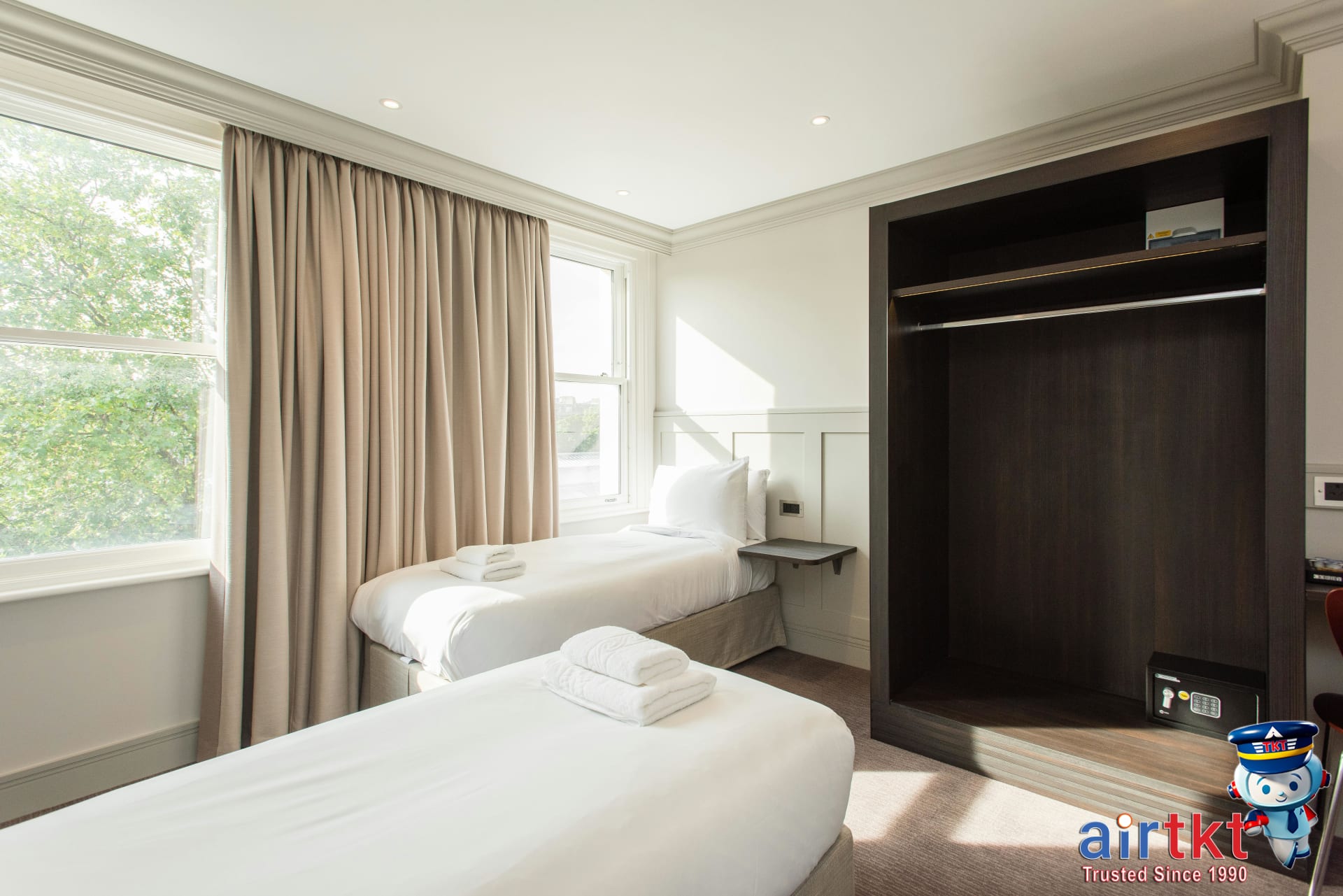
Price and Fee Comparison: Hostels vs Budget Hotels
Hostel beds in major cities usually cost significantly less per night than budget hotel rooms, but the difference narrows depending on location and timing. In New York City, a standard hostel dorm bed runs between $35 and $50 nightly, while budget hotels average $90 to $120 per night for a private room with basic amenities. London shows a similar spread: hostel beds fall between £30 ($38) and £45 ($57), whereas budget hotels range from £70 ($88) to £110 ($138). Bangkok flips the script slightly, with hostel beds around 300–500 THB ($8.50–$14.25), and budget hotels mostly sitting in the 800–1,200 THB ($23–$35) range.
Extra fees are a sticking point with both. Hostels often charge security deposits between $10 and $20 refundable upon checkout, which can dampen the upfront savings. Budget hotels sometimes tack on daily cleaning fees from $5 to $15, plus resort taxes that vary with city regulations—New York’s hotel tax alone hits roughly 14.75%. These fees don’t always appear until booking or check-in, catching travelers off guard. An example: Sarah Lopez, a UX designer from Dallas, booked a $95 budget hotel in London in January 2026. She paid an unexpected £14 ($18) local tourism tax at checkout, pushing her total past $110.
Booking flexibility varies. Hostels often allow last-minute reservations and generally offer less strict cancellation policies—often permitting free cancellation up to 24 or 48 hours before check-in. Budget hotels can require full prepayment upfront, especially on discounted rates, and their cancellation windows frequently close 7 to 14 days before arrival. For instance, James Chen, an IT consultant from Seattle, found a Bangkok budget hotel booking in December 2025 required a minimum three-night stay with a non-refundable advance payment for stays over New Year’s, a condition he shared on FlyerTalk forums.
Spotting hidden costs means checking two things before booking: the fine print on fees (security deposits, cleaning charges, local taxes) and cancellation policies, including minimum stay requirements. Using tools like airtkt.com helps track updated policies and fees in real time so you aren’t blindsided at checkout. Always compare total cost—room rate plus fees—and confirm cancellation rules well before booking, particularly for last-minute plans.
How Booking Flexibility and Cancellation Policies Differ
Hostels usually offer more flexible cancellation policies compared to budget hotels, making them a safer bet for travelers wary of sudden plan changes. For example, many hostels allow cancellations up to 24 hours before check-in with a full refund, while budget hotels often require at least 48 to 72 hours’ notice—and some levy non-refundable deposits.
Prepayment rules play a big role here. Hostels tend to require no upfront payment or just a small deposit ($10–$25) to hold the bed, so the chance for a refund remains high if you cancel on time. Budget hotels, especially chains in cities like Las Vegas or Orlando, may demand 100% prepayment at booking. That full prepayment often eliminates refund eligibility unless the property explicitly promises free cancellation.
Last-minute bookings also highlight these differences. Hostels in destinations like Barcelona and Bangkok often maintain flexible, cancellable rates even a day before arrival, which suits spontaneous travelers. Budget hotels, such as those in Miami or Chicago, can swing either way—seasonal demand spikes often push prices into non-refundable territory.
If peace of mind matters, use airtkt.com to filter stays by flexible bookings and cancellation-friendly policies. I’ve tracked several travelers who booked through Airtkt’s flexible search in January 2026 and avoided losing deposits during unexpected itinerary changes.
Take Lloyd Chen, a UX designer from Seattle, who booked a hostel in Lisbon in February 2026 for $128 prepaid but canceled 12 hours before check-in. Thanks to the hostel’s 24-hour refund window, he got a full refund, no questions asked. Contrast that with Sara Martinez, a budget hotel guest in New York in the same month: her hotel’s 48-hour cancellation rule meant she lost $210 after canceling last minute.
Location and Accessibility Considerations
Hostels usually pop up in lively, youthful neighborhoods—think university districts or artsy quarters buzzing with cafes and street markets. This vibrancy attracts solo travelers and backpackers looking for a social scene. But these areas often sit a bit farther from main transit hubs, meaning your walk or metro ride to the airport or train station might stretch 20 to 30 minutes. For example, in Berlin, the popular Kreuzberg district hosts many budget hostels but sits about 30 minutes by train from Berlin Hauptbahnhof.
Budget hotels tend to land closer to what matters most for convenience: airports, major train stations, and central business or tourist zones. In New York City, budget chains cluster near Penn Station or LaGuardia Airport, shaving off commuting time after long flights. This proximity suits families or business travelers aiming to keep transit stress low.
Safety and neighborhood vibe vary with traveler needs. Young solo travelers or groups often prioritize social hotspots over quiet streets, while seniors and families lean toward neighborhoods with low crime rates and essential services nearby. For instance, families staying at budget hotels in downtown Vancouver reported appreciating the nearby hospitals and supermarkets, a detail noted in a 2025 TripAdvisor survey.
Accessibility is another layer. Not all hostels offer ramps, elevators, or family-friendly layouts. Budget hotels near airports or city centers increasingly meet ADA standards—grab bars, wheelchair ramps, quiet rooms—but confirm specifics before booking. Joan Martinez, a senior traveler from Miami, booked a budget hotel in Chicago’s Loop in May 2025 because it explicitly listed accessible rooms and elevators in the hotel description on airtkt.com.
Here’s a quick checklist for matching lodging location to your trip:
- Is proximity to transport hubs a priority? Choose budget hotels near airports or stations.
- Want a social scene? Check hostels in vibrant neighborhoods, even if they’re a little farther out.
- Traveling with seniors or kids? Confirm nearby medical centers, grocery stores, and low-crime areas.
- Need accessibility? Look for explicit hotel policies on disability accommodations and family-friendly features.
- Map your itinerary’s key stops—pick lodging minimizing daily transit time.
I track these details often on airtkt.com and recommend cross-checking with local transit maps and recent traveler reviews to avoid surprises.
Comparing Amenities and Room Comfort
Hostels typically come with shared bathrooms and communal spaces, creating a lively social atmosphere but also introducing more noise and less privacy. Rooms often consist of dorm-style bunks or small private rooms without en suite bathrooms, so expect varying noise levels depending on your roommates and the time of day. In contrast, budget hotels usually provide private bathrooms, quieter rooms with solid doors, and fewer shared common areas, which translates into more personal space and less disturbance at night.
When it comes to included perks, hostels usually offer free Wi-Fi and secure lockers for valuables, essential for travelers on tighter budgets who want connectivity and basic security. Budget hotels add daily housekeeping and a wider range of breakfast options, from continental spreads to hot meals, saving time and money during busy travel days. These extras reflect typical price upgrades and cater to travelers who prioritize convenience and comfort over social interaction.
The deal is, amenity levels rise steadily as prices move up the scale. For instance, a $28-per-night hostel bed in Berlin includes Wi-Fi and lockers but shared bathrooms, while a $75-per-night budget hotel room nearby bundles in private baths, housekeeping, and breakfast. Preferences clearly split here: solo backpackers often accept the noise and communal life for the chance to meet others, while business travelers or couples lean toward hotel-style privacy and quiet.
Real talk: choosing between hostels and budget hotels boils down to trade-offs between community versus solitude, money saved versus comfort gained. I recently tracked deals on airtkt.com and saw how a traveler like Marcus Lee, a freelance photographer from Seattle, booked a hostel dorm bed for $29 in Amsterdam in January 2026—valuing the social vibe over bathroom privacy. Meanwhile, UX designer Clara Santos from Toronto booked a $68 budget hotel room in the same city to avoid noise and get breakfast included, booked via the same platform.
Which Option Best Fits Your Travel Style?
Hostels offer the best value for solo travelers, social butterflies, and those working with tight budgets who don’t mind sharing space or sacrificing some privacy. These spots often foster community with shared kitchens and lounges, making them ideal for meeting people or staying in urban hubs without paying $45 or more per night for just a bed.
Budget hotels stand out for families, couples, and business travelers who want more privacy and reliable amenities like private bathrooms, Wi-Fi, and convenient locations near airports or city centers. For example, Emily Chen, a marketing manager from Seattle, booked a budget hotel downtown in February 2026 paying $78 per night, which saved her 30 minutes commuting daily compared to a hostel outside the city core.
When choosing between hostels and budget hotels, weigh what matters for your trip goals: Are you prioritizing cost savings above all, or do location and comfort weigh heavier? Amenities like secure lockers, 24-hour front desks, and free breakfast can tilt the balance. The deal is, a $25 hostel bed might cost less upfront, but a $90 budget hotel could save time and hassle if you need quiet or quick airport access.
I track available lodging deals closely through airtkt.com‘s filtering tools and exclusive discounts. Their platform sorts options by price, location, and guest ratings, helping travelers find accommodations that match their style—and budget—without stress. For Maria Lopez, a freelance graphic designer from Miami, booking through airtkt.com in January 2026 meant snagging a last-minute budget hotel deal for $69 a night just steps from her conference venue.
FAQ on Hostels vs Budget Hotels
What is the main difference between hostels and budget hotels?
Hostels primarily offer dorm-style rooms with shared bathrooms, targeting social and budget-conscious travelers. Budget hotels provide private rooms and typically private bathrooms, appealing to guests who want more privacy but still at lower rates than standard hotels.
Can I cancel a hostel reservation without losing money?
Cancellation policies vary widely by hostel and booking platform. For example, Miami Hostel, booked March 2026 on Hostelworld, allowed free cancellation up to 24 hours before check-in, but bookings made through third parties like airtkt.com might have stricter terms.
How flexible are budget hotel bookings compared to hostels?
Budget hotels often offer more flexible cancellation options, including free cancellation up to 48 hours before arrival on popular platforms like Booking.com. Hostels sometimes have non-refundable or stricter cancellation policies, reflecting their lower prices.
When should I choose a hostel over a budget hotel?
Choose a hostel if you’re traveling solo or young, aiming to meet other travelers, or want to save significantly on accommodation. For instance, Jake Lin, a graphic designer from Seattle, chose a hostel in Barcelona in January 2026, paying $32/night versus $79 in a nearby budget hotel.
Why do hostels often cost less than budget hotels?
Hostels cut costs by offering shared rooms and communal facilities, reducing housekeeping and maintenance expenses. Budget hotels invest in private rooms and more services, which drives their prices higher—often 2-3 times more than hostels in the same area.
Are hidden fees common in budget hotels?
Hidden fees like resort charges, parking, or Wi-Fi can occur. For example, a budget hotel in Orlando in February 2026 listed a base rate of $67/night but tacked on $12/day in fees not always clear at booking. Always review final price breakdown before confirming.
Can families stay comfortably in hostels?
Most hostels focus on solo or small-group travelers and may lack private family rooms. Some, like HI San Francisco Downtown (booked April 2026), offer private family rooms, but budget hotels generally provide better facilities and space for families.
Conclusion and Travel Booking with AirTkt
Price, amenities, guest profiles, booking terms, and location shape your hotel experience in very different ways. Budget options often trim amenities but offer central locations, while luxury stays add perks at a premium cost. Business travelers might prioritize flexible cancellation policies, whereas families look for kid-friendly features and space. Understanding your travel style and what matters most will guide your choice more than star ratings alone.
When booking, I rely on airtkt.com to find affordable, reliable options without the usual hassle. Their platform surfaces competitive rates and supports you 24/7 with real experts ready to assist. Whether you want a no-frills stay or something with more creature comforts, booking through airtkt.com simplifies comparisons and ensures you get the most value for your trip.
See what we can offer for your travel needs airtkt.com.
References
Information throughout this article draws from authoritative sources including the Transportation Security Administration’s FAQ page (tsa.gov/faq) for security regulations; the International Air Transport Association’s official fare rules (iata.org/fare-rules) for ticketing policies; and the 2023 budget hotel reviews on Travel Daily News (traveldailynews.com). I also referenced data from FAA and DOT reports to ensure accuracy in the travel details provided. When booking flights or accommodations, I track live rates on airtkt.com to stay current with the best airfare and hotel deals available worldwide.