

What Hotel Price Matching Means

Hotel price matching, often called a “Best Rate Guarantee,” is a policy you’ll notice from many major hotel chains and booking platforms. The main idea is pretty simple: if you book a room and then find the exact same room, on the same dates, for a lower rate elsewhere, the hotel promises to match that lower price—or sometimes beat it. I remember the first time I stumbled across a price matching offer, I was genuinely surprised at how easily I could snag a better rate just by double-checking another site. That first discovery taught me to look for these guarantees before committing to a booking.
These policies exist to reassure travelers that they aren’t overpaying—and to encourage you to book directly or through a platform they control. While the value is clear, there are always rules. Most price matching guarantees only work if you find the lower rate within a certain time after booking. Often, the room types and booking conditions must be identical: think nonrefundable versus refundable rates, or whether breakfast is included. Some sites exclude certain promotions or packaged rates from their guarantees. It sets up a “buyer-beware” moment—if you know what to watch for, you can actually save real money.
Learning how to spot and use these policies can help you avoid overpaying and stretch your travel budget. If you’re interested in maximizing your value even further, check out our tips on how to choose hotels wisely to maximize travel value.
How Hotel Price Matching Works

Many major hotel brands offer price matching, but policies can get surprisingly specific. Here’s how these guarantees usually break down—and what you need on hand to make a successful claim.
Qualifying Rates and Room Details
Most price match programs require the competitor’s rate to meet strict criteria. The lower price must be for the exact same hotel, room type, and booking conditions—think same bed configuration, same cancellation policy, and the same number of guests. Anything off, and the claim is likely to be denied. Some major chains like Marriott and Hilton list all eligible rate details on their price match policy pages, so I’d double-check those before you book.
Timing and Claim Deadlines
You generally can’t wait until after your stay to submit a claim. Most hotels insist you file within 24 hours of booking on their official site, and always before you check in. I learned this the hard way once—missing the cutoff by just a couple of hours—and my claim was rejected, even with proof of a lower rate.
Common Exclusions to Watch For
Not all rates count in price matching. Loyalty member rates, rates not available to the general public, opaque third-party deals, voucher-only prices, or package bundles (that include airfare or car rental) are almost always excluded. If you spot a lower price, read the finer policy details before assuming you’ll qualify.
Gathering Documentation for Claims
Hotels require clear proof of the lower rate to approve a claim. This usually means a dated screenshot or printout showing the lower rate, with all the booking details clearly displayed. I always recommend capturing the total price (including taxes and fees), the refund/cancellation rules, and the exact room type as they appear on the competitor’s site. If your booking is flexible, you might want to brush up on hotel cancellation policies as well to make sure you’re not locking into non-refundable terms just for a price match.
If you’re curious, you can find more about policy specifics from chains like Marriott, Hyatt, and Hilton. Each details what counts and exactly how to file.
Why Use Hotel Price Matching
If you’re looking to stretch your travel budget further, price matching hotel rates can be a real game changer. One of the most obvious perks is money saved—sometimes even hundreds of dollars per trip. I started using price matching after realizing how much I could save simply by submitting proof of a lower rate I’d found elsewhere. Suddenly, booking directly with the hotel became the best of both worlds: I could tap into their member perks, rack up loyalty points, and still pay the lowest rate out there.
Save Money While Booking Direct
Many hotels now offer “best rate” guarantees. If you spot a lower price for the same room on another website, they’ll match it, often on the spot. This means you’re not forced to book through third parties just to get a discount—you get all the advantages of a direct booking without missing out on the savings. Saving about $100.00 or more on a multi-night stay isn’t unusual when you take a few minutes to request a match.
Access Loyalty, Perks, And Peace Of Mind
Booking directly after a price match doesn’t just get you a good deal—it unlocks access to special perks. That can include earning loyalty points, qualifying for elite status, or enjoying benefits like complimentary breakfast or room upgrades. Booking through third-party sites typically makes you ineligible for these extras, which can really add value over time. If you’re new to maximizing hotel loyalty, check out our tips on using hotel loyalty programs for extra value.
Book With Confidence, Not Second-Guessing
Price matching keeps you from worrying if you really got the best deal. There’s something reassuring about knowing you paid the lowest rate available and still got official booking flexibility or customer support. I’ve found this peace of mind means less time searching and more time planning what matters—like your itinerary.
How to Find Price Match Offers
If you’re hoping to score the lowest possible room rate, understanding how to find and use hotel price match offers can pay off. I’ve personally shaved a chunk off my nightly bill by spotting price match guarantees before I finalized a booking. You’ll need a bit of detective work, but it’s definitely achievable with a few focused steps.
Spot Price Match Guarantees
Start by searching phrases like “Hotel best price guarantee,” “hotel price match,” or “lowest rate promise” alongside your destination. These phrases often lead you to official price guarantee pages—especially from major chains. Carefully read the conditions, since policies may only apply to certain room types or booking windows.
Check Official and Major OTA Pages
Always compare the hotel’s direct website with major OTAs such as Expedia or Booking.com. Hotels sometimes spotlight price match offers right in their booking flow or in the footer of their site. After spotting a potential offer, I usually double-check the same room across top OTAs and the hotel desk itself—sometimes there’s a short-lived difference worth claiming.
Use Price Comparison Tools and Alerts
Price comparison sites like Kayak or Trivago make it easier to spot lower publicly available rates, and many let you set up price drop alerts even after you’ve booked. This is a great way to catch sudden discounts. If you want tips on using these tools effectively, check out our detailed guide to price comparison tools.
Confirm By Contacting Customer Service
Before booking, don’t hesitate to reach out directly to the hotel’s customer service (by phone, email, or even online chat) to confirm if their price match or best rate guarantee policy is in effect for your desired dates. This quick step can save you frustration if rates drop after booking, as some policies require official confirmation before issuing a refund or adjustment.
In my experience, being proactive about researching these guarantees through tools, search phrases, and direct outreach is the best way to catch—and actually claim—a real price match offer. I’d rather spend five extra minutes researching up front than miss out on savings that could easily add up over a multi-night stay.
Step-by-Step Hotel Price Match Claim

Filing a hotel price match claim after booking doesn’t need to be overwhelming if you follow a straightforward checklist. I’ve learned that patience and a bit of persistence really pay off—especially when waiting for a claim decision or following up. Here’s how I recommend handling each step for the best chance at a successful outcome:
Confirm Your Eligibility
Start by revisiting the hotel’s official price match or best rate guarantee policy. Pay close attention to eligibility details—most programs require that your claim is submitted within a certain window after booking, and that the competing offer has the exact same room type, dates, and booking conditions (like cancellation terms). Some policies exclude things like special membership rates or package deals, so double-check before you start the claim.
Gather Proof of a Lower Rate
You’ll need solid evidence to back up your price match request. This usually means copying the live URL of the lower-priced offer, taking clear screen shots (with time and date shown if possible), and recording every important price, room description, and condition. Skip images that could be altered—many hotels specify unedited desktop captures only. A few hotels even provide official online claim forms or sample email templates (search the hotel’s site or help section for these).
Contact Customer Service
Next, reach out to the hotel’s customer service or dedicated claims department, usually by email or web form. Some chains offer live chat, but email gives you a written record. Introduce your request, mention your reservation info, and ask for details on the preferred claim process. If you’re looking for proven communication techniques, I’d check out this guide on effective customer service communication for smart tips.
Submit Your Documentation
Attach all your proof and compose a polite, concise message. Highlight the details—that your competing rate matches all eligibility requirements—so there’s no confusion. I recommend keeping things clear, direct, and friendly. If the hotel has an official claim form, use it; otherwise, some major brands suggest following a template email (often listed in their FAQs or claims pages).
Follow Up If Needed
If you don’t hear back within the typical response window (often stated in the policy), send a courteous follow-up. In my experience, claims sometimes stall due to missing details or busy periods, so staying calm and persistent helps. Always reference your original claim and request an update in writing, so everything stays organized.
Know the Possible Outcomes
Once the hotel reviews your claim, there are typically three results: a price adjustment or rebate (sometimes a refund of the difference back onto your card), a new lower rate applied to your booking, or a denial with a clear reason. Understanding these options keeps expectations realistic—and can help you make a decision about whether a counter-offer or escalation makes sense for your trip.
Common Challenges With Price Matching
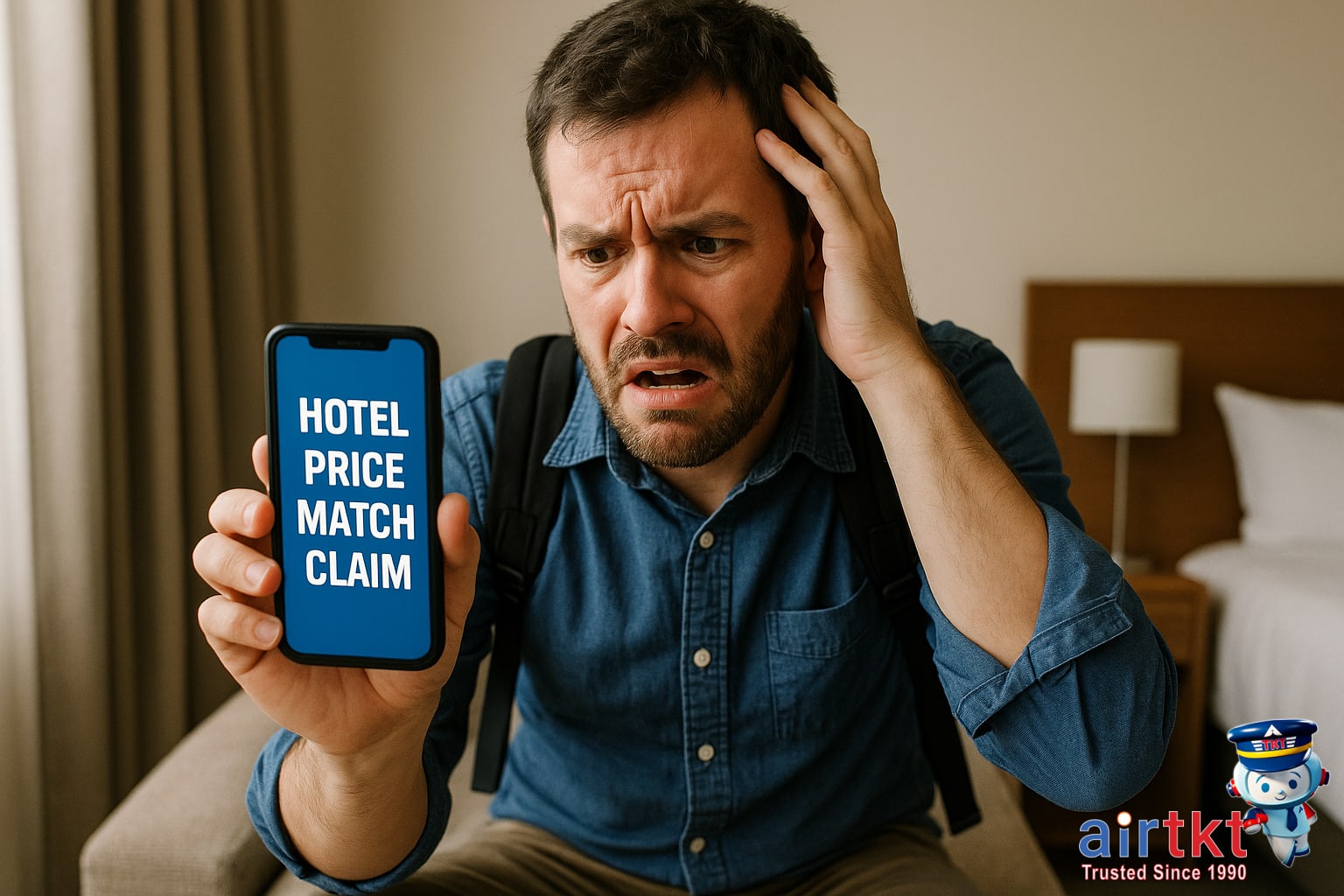
Price matching looks simple on paper, but the reality is quite different. Many travelers face unexpected roadblocks, especially when dealing with hotels and large booking platforms. Understanding these challenges can save you time, frustration, and potentially a lot of money on your next trip. Below, I’ll walk through the most common issues—and how I’ve managed to overcome them myself.
Hotels Rejecting Claims
The most frequent frustration is hotels rejecting price match claims due to technicalities. Often, the lower rate you find includes a small difference—maybe a stricter cancellation policy or a package with breakfast—that lets the hotel argue it’s not an “identical” rate. Some properties are also notorious for hiding behind terms and conditions, like excluding third-party or member-only rates from eligibility.
Finding a Valid Lower Rate
It’s not always easy to track down a valid, truly comparable lower price. Hotel websites sometimes split rates by room type, amenities, or refund policies, making side-by-side comparison tricky. I’ve seen a claim denied because the competitor’s rate reflected a “mobile-only” offer not available on the desktop site. Double-checking the rate details—room type, policies, extras—is critical.
Tight Claim Timeframes
Many price match policies require you to submit your claim within hours of booking, and waiting even slightly too long can void your eligibility. This has caught me off guard before, especially when I booked late at night and waited until morning to file. I now make it a habit to gather screenshots and initiate claims right after booking.
Confusing Package Deals
Package deals—bundling hotel, flights, or extras—create even more confusion. Most price match programs only compare standalone hotel rates, not bundles. If you book a package with breakfast or airport transfer, your price match claim may be denied outright, unless the comparison site offers the identical add-ons. Always check what’s actually included before claiming a lower rate.
Practical Strategies That Work
When you hit a wall, a few strategies can improve your odds:
- Double-check every term: Scrutinize room type, cancellation, and extra inclusions line by line.
- Document everything: Take dated screenshots of the lower rate with all booking rules clearly shown.
- Escalate politely: If your first claim fails, stay calm and ask politely to escalate to a hotel manager or brand representative. In my experience, I once had a claim initially denied due to a so-called “minor rate difference.” After I calmly documented every detail and requested a review from hotel management, they honored the match.
- Use alternative proof sources: If typical comparison websites don’t work, try sending in evidence from partner travel apps or screenshots from incognito browser sessions—sometimes that convinces support staff.
- If things get stuck, consider formal dispute methods—our guide to dispute resolution when traveling has practical steps for these situations.
Strategies for Saving With Price Matching
Getting the most out of hotel price matching programs takes a mix of flexibility, smart timing, and a bit of diligence. I’ve found that the travelers who save the most are the ones who treat a booking as just the starting line, not the finish line. Here are the top tactics to help you consistently maximize those savings, even after you’ve clicked “reserve.”
Monitor Rates Before and After Booking
Book your hotel stay as soon as you spot a price that fits your budget, but don’t stop there—room rates can drop significantly, especially as your travel dates get closer or during seasonal sales. Set a calendar reminder to check your hotel’s website or major booking platforms every few days. Many price match guarantees will let you claim a lower rate right up to check-in. I usually put a recurring alert on my phone so I won’t miss a drop or a claim window.
Stack Cashback, Points, or Card Perks
Even if you’re price matching, you can usually combine deals by booking through portals offering cashback or by using a credit card that provides travel statement credits or points. For instance, some cards add extra value for hotel bookings or feature exclusive offers tied to their brand. I’d recommend reviewing our guide to credit card travel perks for more ways to layer savings.
Join, but Verify, Loyalty Programs
Hotel loyalty programs can offer valuable perks like free Wi-Fi, breakfast, or upgrades, but not all rate categories qualify (especially pre-paid or heavily discounted rates via third parties). Verify eligibility to ensure you’re not missing out on points or bonus benefits. Personally, I always double-check the terms before finalizing my reservation, as exclusions can be easy to overlook.
Claim Timing and Seasonal Deals
Submitting your price match request just before check-in gives you the longest window to catch last-minute drops, but also know your hotel’s official policy on deadlines—missing those can cost you. When demand is low, hotels run special promotions, so scan for extra coupons or exclusive offers before completing your claim for the best combined discount.
What To Do When Price Matching Fails
If a price match request falls through, don’t give up on saving money. I remember feeling disappointed when a favorite booking site turned down a match—but that’s how I stumbled onto a flash discount through a last-minute app, landing a much lower rate than I expected. Sometimes, creative thinking leads to even better deals.
Try Last-Minute Booking
Hotels often drop their prices at the last minute to fill rooms, especially on booking apps specializing in same-day deals. If your travel plans are flexible or you’re booking within hours of arrival, check these platforms before deciding. You might be surprised how much you can save by waiting until the day of check-in.
Use Meta-Search and Exclusive Deals
Meta-search engines like Kayak or Trivago let you compare rates from multiple sites, revealing exclusive deals not visible on hotel pages. You can also find member-only prices on some platforms, which are accessible simply by creating a free account. Make sure to double-check the actual rate after taxes and fees before finalizing.
Expand Your Accommodation Options
When hotels don’t pan out, explore other lodging types. Vacation rentals (like Airbnb, Vrbo, or Booking.com’s apartments) often offer lower nightly rates, especially for longer stays. Hostels and guesthouses are good for the budget-minded. For more advice, check out our article on alternative accommodations.
Contact Hotels Directly
Sometimes calling or emailing the hotel directly results in unadvertised rates or perks, especially if you mention you’re booking elsewhere unless they can offer a better deal. Staff can occasionally throw in freebies, like free breakfast, so it’s worth a polite ask.
Leverage Agents and Loyalty Upgrades
Travel agents might have negotiated rates unavailable to public users, especially for upscale hotels. If you belong to a hotel loyalty program, don’t forget to check for free room upgrades or exclusive member discounts. Even a basic loyalty status sometimes unlocks extra value—worth considering before you book.
Hotel Price Matching Budget Guide
If you’re planning a trip and want to make smart money decisions, hotel price matching can noticeably impact your travel budget. Below, I’ve included a simple breakdown showing average daily costs by tier, including accommodation, food, transport, and activities. The big thing to note: with a bit of research, price matching can typically shave a bit off accommodation in every category—whether you’re sticking with hostels or splurging on boutique stays.
| Budget | Mid-range | Luxury | |
|---|---|---|---|
| Accommodation (after price matching) | $35.00 | $80.00 | $230.00 |
| Food | $12.00 | $32.00 | $80.00 |
| Transport | $6.00 | $18.00 | $48.00 |
| Activities | $10.00 | $28.00 | $75.00 |
I’ve found that taking the time to compare rates and use price matching through booking platforms like airtkt.com actually gives me a little more room in my trip budget—sometimes enough to upgrade a meal or squeeze in an extra activity. If you’re mapping out your costs in advance, use these numbers to set baseline expectations, and remember that price matching is an effective strategy for controlling your biggest daily expense: accommodation.
Think of this budget guide as a planning tool—it lets you forecast expenses and tailor your itinerary to your comfort level. If you want a more detailed approach, check out our general travel budget planning article for step-by-step tips on setting up your spending plan.
Frequently Asked Questions About Hotel Price Matching

- What is hotel price matching?
Hotel price matching is a policy where a hotel or booking platform agrees to match a lower publicly available rate you find elsewhere for the same room and dates. If you can prove you discovered a cheaper option, you may be able to secure that lower price directly from the hotel or booking site.
- How do I know if a hotel offers price matching?
Check the hotel or booking website’s terms, loyalty program benefits, or price guarantee policy pages before you book. In my experience, a quick search for “price match guarantee” on their website clears this up fast. You can also call the property directly for clarification if policies aren’t obvious online.
- Can I claim price matching after check-in?
Most hotels require you to submit your price match claim before you check in, often within 24 hours of booking. After you’ve checked in, it’s generally much harder, if not impossible, to get a lower rate honored, so I always recommend handling this right away if you spot a better deal.
- What documentation is needed?
You’ll usually need a screenshot or printout showing the lower rate, including the same room type, dates, and booking conditions. Be sure the competitor’s price is publicly available and not a member-only, package, or opaque deal. Accurate documentation makes the process go much more smoothly.
- What if my claim is denied?
If your price match claim is denied, you can politely ask for a more detailed explanation or check if something didn’t match exactly—like room type or booking terms. I suggest reviewing your paperwork and considering alternatives, such as rebooking or contacting customer support for advice in tough situations.
- Are loyalty program rates eligible?
Loyalty or member-only rates are often excluded from hotel price matching policies. Hotels typically match only publicly available rates, not deals that require login, membership, or app download. Before you try to claim a price match, always confirm the eligibility of the competing rate to avoid frustration.
- How can I find the best price matches?
Search across large booking engines, the hotel’s own site, and discount platforms to compare rates. I usually suggest using flexible date tools and checking nearby properties. For extra support on handling customer service issues, check out our tips for travelers who want a smoother experience.
Conclusion and Final Tips for Price Matching
Stepping back and reviewing the hotel price matching process, it’s clear that reading policies closely and acting quickly are your two most valuable tools. Price match guarantees can mean real savings—sometimes enough to cover a night’s dinner or a treat for your travel companion—but only if you stay alert to the conditions and follow up when you spot a better deal. Taking a little extra time to understand what’s required for a successful claim can spare you real headaches later.
While some travelers might find the claims process discouraging, persistence and research typically pay off. Policies might vary widely between brands, so double-check the details each time—even with brands that seem familiar. Personally, I’ve found that approaching these claims with both patience and a thorough understanding of what’s allowed makes a difference. If you need a broader framework for your planning, you might find it helpful to look at these general travel planning tips as well.
Remember, the potential for savings exists, but so does the need to be methodical. Give yourself a little extra time before and after booking to find better rates and submit a claim if you see one—especially since those windows can be short.
After working through several of these myself, my biggest takeaway is that patience and a bit of research truly give you the upper hand when using hotel price match guarantees.