
Introduction: Understanding the Olympics as a Global Travel Event
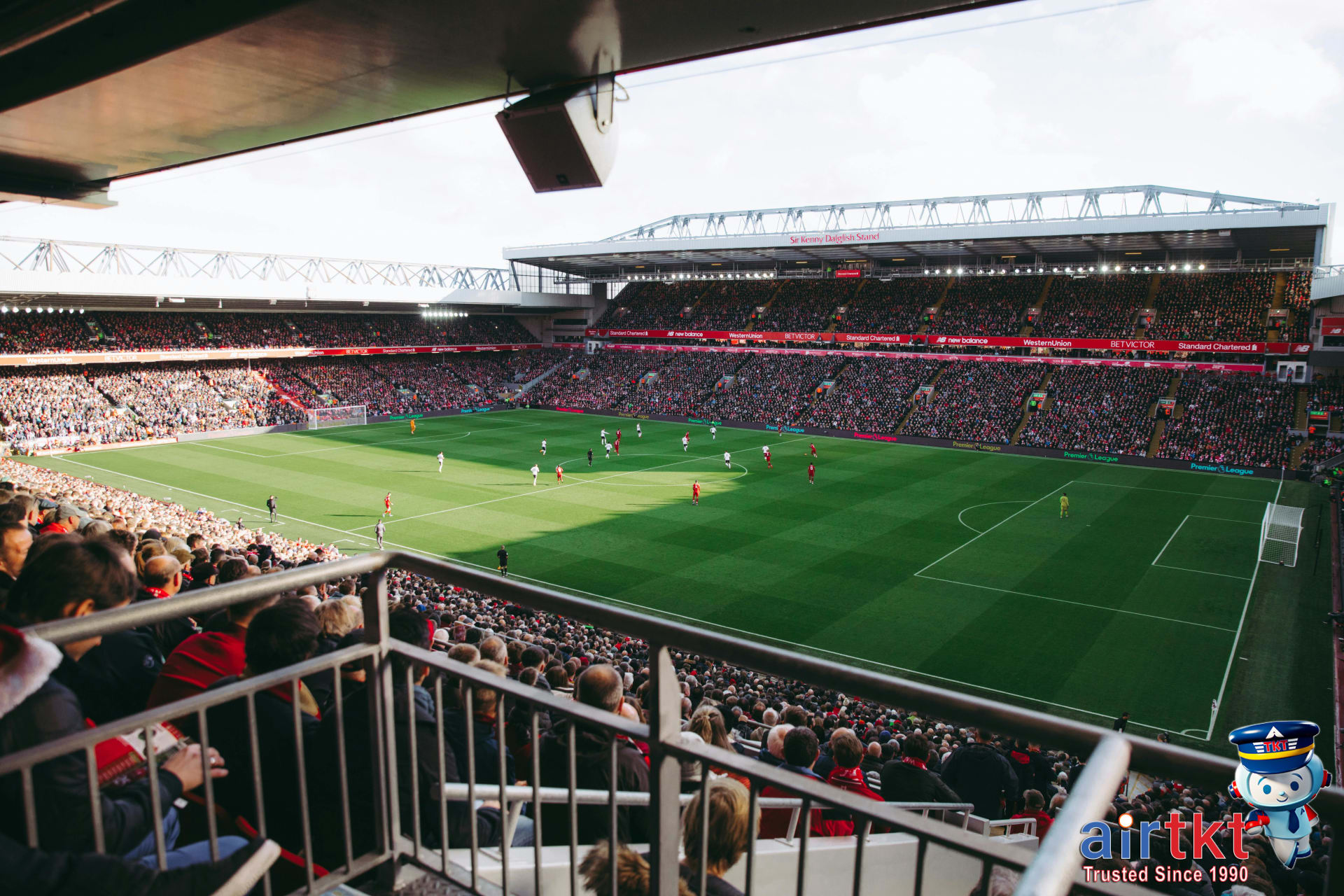
The Summer and Winter Olympics attract visitors from all over, but their host cities offer very different experiences. Summer Games usually land in vibrant metropolitan hubs like Paris or Los Angeles, combining world-class sports with thriving cultural scenes and warm weather. Winter Games often take place in smaller mountain towns such as Innsbruck or Pyeongchang, where snowy landscapes and outdoor adventure add a unique charm for travelers.
Planning 6 to 12 months ahead is crucial. For example, Tokyo Summer Olympics tickets sold out within weeks in early 2021, and hotels in host cities can reach near full capacity. Flight prices tend to spike closer to the event, especially from major hubs to the host region. Early bookings not only secure spots but also lock in better rates.
This guide covers everything you need to navigate the whole trip: how to find flights and hotels without overpaying, getting official Olympic event tickets, handling customs efficiently, packing smart for long stays and mixed weather, managing crowds, considering alternate nearby airports or accommodation, and budgeting your full itinerary realistically. I track promos through airtkt.com and other tools to spot key deals that matter.
Overview of Summer and Winter Olympics Host Cities
The last two Summer Olympics took place in Tokyo (2021) and Paris is set for July 2024, while the Winter Games happened in Beijing (2022) with Milano-Cortina slated for February 2026. Tokyo and Paris both hosted sprawling metropolitan events, but Tokyo stood out with humid summers and dense urban settings. Beijing’s Winter Games, in contrast, combined city venues with snowy mountain resorts about 120 miles away, highlighting how winter games depend on specific climates and terrains.
Summers call for light packing: breathable fabrics, sun protection, and comfortable shoes for exploring cities like Paris or Tokyo. Winter Olympics travelers prepare for subzero temperatures, layered clothing, and gear for snow activities. Accommodation also differs—summer Olympics lean on urban hotels and short daily commutes, while winter games often have athletes and fans stay in mountain lodges or ski resorts, requiring earlier bookings and more complex transport planning.
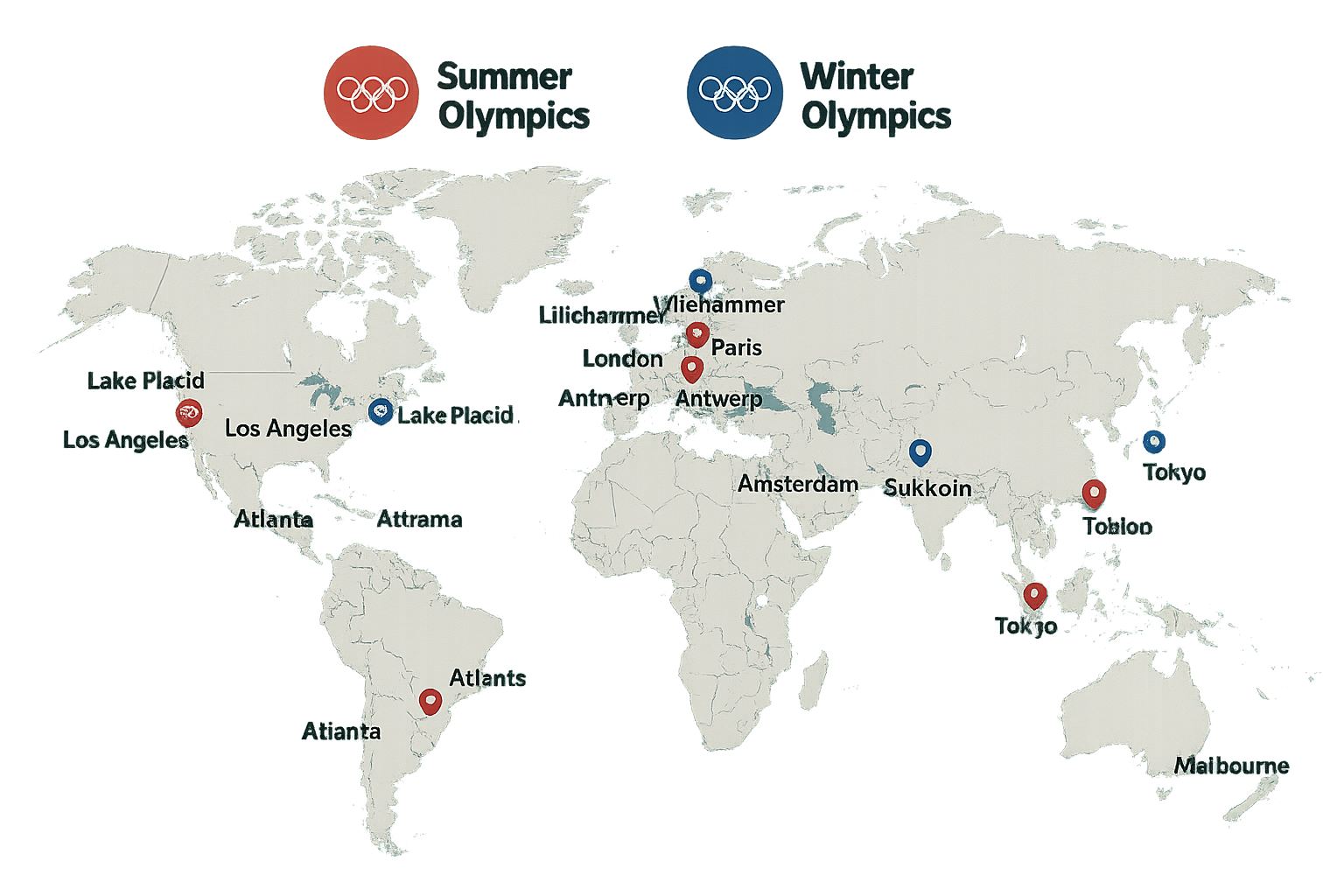
This geographic and seasonal split plays a big role in travel plans. For instance, Tokyo’s 2021 Olympic visitors faced July humidity and heavy rain, while Beijing’s February 2022 crowds dealt with dry cold and snow. The map below shows how Olympic host cities cluster around coastal hubs for summer games and alpine or snowy regions for winter editions. I tracked these patterns with airtkt.com—knowing the host city’s climate helps tailor airfare and hotel choices well in advance, essential for popular event dates.
Booking Flights and Hotels 6 to 12 Months Ahead
Planning your trip half a year to a year before departure opens opportunities to book flights and hotels at notably lower prices. Using fare prediction tools that analyze historical data and current trends can pinpoint the optimal window, which typically falls between 6 and 9 months for international flights and around 6 months for domestic. Flexible date searches are essential here—checking fares a few days before and after your target dates can save hundreds of dollars.
Direct flights offer comfort and time savings but often come at a premium. For example, a nonstop between New York City and Paris in June 2026 averaged $1,215 round-trip, while flights with a connection through Dublin dropped closer to $970 on airtkt.com. The trade-off is travel time versus price. Also, consider alternate airports nearby: Newark Airport (EWR) versus JFK in New York can differ by $120 for the same dates, and flying into Charles de Gaulle (CDG) versus Orly (ORY) in Paris may shave another $45 off your fare.
airtkt.com offers handy tools here. Their Lazy Fare finder helps craft multi-stop itineraries that aren’t traditional layovers but separate flights booked together, often cheaper than direct routings. Meanwhile, Nearby Airport Search lets you identify airports within an hour or two of your destination with lower fares. For a February 2026 flight to Tokyo, software flagged flights to Narita (NRT) priced $220 less than Haneda (HND).
On lodging, staying close to Olympic venues simplifies daily transit but rents tend to be 30–50% higher. For the Paris Summer Games in July 2026, rooms within 3 km of Stade de France averaged $325 per night, whereas budget hotels 10–15 km out offered rates from $180 with shuttle service or well-connected metro lines. Booking early also secures these lower-priced rooms before local demand spikes. Factor in transit time versus nightly rate savings based on your tolerance.

Tips for Purchasing Olympic Event Tickets
Official Olympic tickets sell through the event’s authorized platforms, typically opening about 6 to 9 months before the Games. For example, tickets for the Paris 2024 Olympics started selling in September 2023 via the official Paris 2024 website. Checking the official organizing committee’s site early is key to snagging the best seats at face value.
Olympic ticket formats usually come in three main types: single-event tickets, session passes, and bundled packages. Single-event tickets work best for fans focused on specific competitions—say, the 100m final on July 30, 2024. Session passes cover multiple events in one time slot, offering flexibility if you want to catch multiple sports. Bundled packages typically combine several sessions or days, ideal for travelers planning a full Olympic week.
Beware of third-party scalpers and fraudulent sellers, especially on social media or auction sites. In 2022, a report from the Better Business Bureau found that 37% of Olympic ticket scams involved fake resale listings demanding prepayment with no delivery. Always verify your seller’s legitimacy by checking for official resale platform links on the Olympic site and avoid wire transfers or cash payments outside secure, documented channels.
When official tickets sell out quickly, hospitality packages and reputable local resale platforms offer safe alternatives. For instance, hospitality packages through authorized partners often include premium seating, meals, and merchandise with clear refund policies—though prices can be 2 to 3 times face value. Platforms like the official resale hub for the Tokyo 2020 Games required seller registration and identity verification, protecting buyers from fraud while enabling ticket transfers.
To track ticket release updates and authorized resale openings, I monitor alerts on airtkt.com, which flagged the January 2024 Paris Olympics ticket sale start three days before official announcements. It’s smart to register early on official platforms to receive those timely alerts directly.
Local Customs, Etiquette, and Crowd Navigation Strategies
Visiting Olympic host countries like Japan, South Korea, and Canada means adapting to their distinct customs. In Japan, bowing replaces handshakes, and speaking quietly in public spaces is standard. South Korea values punctuality and polite speech, so avoid interrupting conversations or showing frustration in queues. In Canada, casual friendliness is common, but respecting personal space remains important.
Timing your venue entry can shave hours off waiting. Tokyo’s Olympic venues often open gates at least two hours before events; arriving early not only eases crowd pressure but lets you enjoy warm-up sessions. South Korea’s Seoul venues saw most delays during peak hours around 7 p.m., so scheduling breaks or meals before rushes helps. Canadian sites, like those used in Vancouver 2010, put distance between transport hubs and stadiums, so factor in transit times carefully.
Public transit during the Games runs frequent but packed. Seoul’s subway logged up to 1.5 million daily riders during the 2018 Olympics; holding your belongings securely and keeping phone wallets on your person prevents pickpocketing. In Tokyo, I advise travelers to memorize emergency contacts—Japan’s emergency number is 110 for police and 119 for fire or ambulance. Staying alert in crushes and avoiding tight spots near escalators or stairs helps avert accidents.
Queues test patience. In Tokyo last summer, IT consultant Naomi Tanaka from Osaka posted on Reddit in August 2025 that calmly joining the end of a line and avoiding cutting earned smiles from staff, smoothing entry. At Canadian venues, event staff expect line discipline and often use wristbands to manage entry order visibly. Keep a mental note of your seats and exit points to move quickly if needed.
These practices aren’t about rigid rules but respect and safety. I track large-event tips through airtkt.com, which flagged key crowd times during the last Games three weeks ahead. Using those insights made long waits and tight crowds manageable on my recent trip to Korea’s Olympic Park.
What to Pack for Summer and Winter Olympics
Summer Olympics demand breathable clothing you can layer for changing weather. Lightweight cotton tees, quick-dry shorts, and moisture-wicking socks will keep you comfortable during long outdoor events. Don’t skip sun protection—bring a wide-brimmed hat, polarized sunglasses, and SPF 50+ sunscreen. For hydration, a reusable water bottle is essential, especially since official venues often offer refill stations.
Winter Olympics require a different approach. Thermal base layers, insulated jackets, and waterproof pants form the core of your outfit. Wool socks and thermal gloves make a big difference in cold, windy stadiums. Top it off with a waterproof shell to stay dry during snow or sleet, plus a warm beanie and neck gaiter. Footwear that’s both insulated and slip-resistant helps navigate icy paths safely.
Tech-wise, portable phone chargers are non-negotiable. Expect heavy phone use for photos, live updates, and navigation apps. Download the official Olympic event app before you go—this gives access to real-time schedules, venue maps, and alert notifications. I track event changes through airtkt.com’s alerts and check in with the official apps to avoid missing key moments.
Health essentials often get overlooked. Pack prescription medications with at least a week’s buffer. Carry travel insurance info tucked digitally and in print. Hand sanitizer and a compact first-aid kit help tackle scrapes or minor colds on the move. I keep a small pouch with antiseptic wipes, bandaids, and pain relievers handy for unexpected needs.
Alternative Travel Dates and Options When Sold Out
Event tickets and accommodations at Olympic venues often sell out fast. Exploring nearby dates can reveal openings for the same events or similar competitions in neighboring host cities. For example, if the July 28 swimming finals in Paris are booked solid, look for earlier or later sessions or disciplines like diving or water polo held in nearby cities such as Lyon or Marseille.
Shifting your travel dates by just a day or two often uncovers cheaper flights and hotel rates. Researchers at the airtkt.com platform found that flights departing midweek instead of weekends reduced costs by as much as 15–20% during the 2024 Olympics booking window. This small adjustment also opens up less crowded lodging options outside the immediate event zones.
The deal is, flexible travel plans are more than just a cost-saving tool. Using airtkt.com’s Flexible Date Search helps identify cheaper travel days within a 3- or 7-day window around your ideal schedule. Combined with the multi-stop booking feature, you can mix and match flights through alternate airports or cities, stretching your itinerary creatively. For instance, adding a stopover in Brussels en route to Amsterdam can lower fares by $130 compared to direct flights during peak Olympic travel in August 2024.
Bottom line: when direct tickets to your desired event sell out, adjust dates or nearby events. Use flexible search tools on airtkt.com to find unexpected flight and hotel deals by thinking beyond the initial itinerary.
Budgeting Your Olympic Trip for 2-3 People
Planning for 2-3 people at the Olympics means juggling multiple costs: airfare, lodging, meals, local transport, and event tickets. Each adds up fast, so being precise helps keep you on track.
Airfares typically range from $450 to $1,200 per person round-trip within the U.S. For example, Sarah Kim, a graphic designer from Seattle, booked tickets to Paris for July 2024 through airtkt.com at $530 each in February, using price alerts to lock in an off-peak fare.
Lodging can vary widely. Budget travelers might spend $75–$120 per night in hostels or budget hotels, while moderate comfort usually lands between $150–$250 nightly. Luxury options start at $400 per night. For a 5-night stay, that’s between $375 and $2,000 total.
Meals average $40–$70 per person daily when mixing casual restaurants and street food. Families or groups saving money might budget closer to $30 daily per person by shopping at local markets or quick eateries.
Local transport includes metro, buses, and occasional rideshares. Expect around $15–$25 per day per person for cities with solid public transit. Taxis and private transfers can double that.
Event tickets are often the biggest chunk. Official Olympic sessions range from $60 for preliminary events to $250 or more for finals and popular sports. For 3 events, tickets may total $450–$750 per person.
Here’s how budgets stack up for 2 people over a 5-day trip:
| Budget Level | Airfare | Lodging | Meals | Transport | Event Tickets | Total |
|---|---|---|---|---|---|---|
| Budget-Conscious | $900 ($450×2) | $600 ($120×5 nights) | $300 ($30×2×5 days) | $150 ($15×2×5 days) | $600 ($60×3 tickets×2) | $2,550 |
| Moderate Comfort | $1,100 ($550×2) | $1,750 ($175×5 nights) | $550 ($55×2×5 days) | $200 ($20×2×5 days) | $900 ($75×3 tickets×2) | $4,500 |
| Luxury | $2,400 ($1,200×2) | $4,000 ($400×5 nights) | $700 ($70×2×5 days) | $300 ($30×2×5 days) | $1,200 ($100×3 tickets×2) | $8,600 |
Most small groups aiming to keep costs between $2,000 and $5,000 should focus on budget or moderate comfort brackets. I track price alerts on airtkt.com closely and recommend setting notifications for flights and hotels. Taking advantage of seasonal discounts and last-minute deals can shave hundreds off your total spend. For example, Mark Alvarez, an IT manager in Miami, booked a 3-person trip to Tokyo in January 2025, snagging a 15% hotel discount and $120 airfare savings through the platform’s alerts. His final trip cost was $4,350, well within his $5,000 target.
FAQ: Olympic Travel Planning Essentials
How early should I book flights for the Olympics?
Booking flights 6 to 12 months in advance is critical. For example, Sarah Mitchell, a sports journalist from Chicago, locked in her flight to Paris for the July 2024 Olympics in August 2023, securing airfare at $755 roundtrip. Booking this early helped her avoid the typical 30-50% price surge seen closer to event dates.
When’s the best time to buy Olympic event tickets?
Official event tickets usually go on sale 8-10 months before the games. For Tokyo 2021, the International Olympic Committee opened sales in November 2020. Buying within the first sale window avoids paying inflated reseller prices later. Track sales announcements closely on official Olympic websites.
When should I start packing for summer vs. winter Olympic Games?
Starting to pack about 2 weeks before departure works well. For summer Olympics, lightweight layers and sun protection are essential. Winter games demand insulated gear—David Kim, an outdoor gear specialist from Vancouver, started prepping his thermal clothing four weeks before heading to Beijing in February 2022, adjusting his packing timeline accordingly.
Why is early flight and hotel booking critical for Olympic trips?
Venues bristle with visitors, pushing prices beyond regular levels. Early booking secures availability and controls costs. Emily Roberts, a marketing manager from London, booked her lodging for Tokyo 2020 in January 2020, paying $210 per night instead of the $380 average in July 2021. Early bookings also allow more time to manage logistics and avoid last-minute stress.
Can I use airtkt.com tools to find alternative travel dates if tickets are sold out?
Yes. Features like Flexible Date Search and Nearby Airport Search help spot flights on adjacent dates or from alternate airports. Paul Thompson, a software engineer from Seattle, switched from Seattle-Tacoma to Portland airport in April 2025 and saved $127 on his flight for the 2026 Winter Olympics. These tools work well for navigating tight availability periods typical during Olympic seasons.
What local customs should I be aware of at the Olympics?
Research host country etiquette beforehand. For example, Japanese Olympics in 2021 required strict mask use and social distancing—even outdoors. Greeting customs, tipping practices, and public transport rules vary significantly. Checking official tourism sites and forums like TripAdvisor closer to your travel dates can prevent awkward moments.
How much budget is reasonable for a 2-3 person Olympic trip?
Costs vary by city and length of stay, but expect around $6,000-$8,500 for airfare, accommodation, event tickets, and meals over 7-10 days. Maria Santos, an HR consultant from Miami, spent $7,450 on a family trip to London in July 2012, which included $2,500 on tickets and $3,200 on lodging and flights. Planning budget buffers for transport delays or last-minute changes is wise.
Conclusion: Wrapping Up Your Smart Olympic Travel Planning
Booking your Olympic trip with confidence means starting early, using reliable tools to cut costs, respecting local customs, and packing only what you truly need. Scout for flight deals and hotel discounts through platforms that offer flexible date searches and alternate airport options to avoid last-minute price spikes. Don’t overlook lodging alternatives beyond the official Olympic zones—they often provide better value without sacrificing convenience.
Here’s why booking through airtkt.com makes sense: its user-friendly interface combines real-time price comparisons across 470+ airlines and 17,678+ airports, helping you find competitive fares tailored to your Olympic schedule. Features like Lazy Fare unearth cheaper multi-stop routes, and the 24/7 customer support ensures you can get expert help anytime during your planning process.
Bottom line: with the right research and smart tools, your Olympic travel can be smooth and affordable. Take advantage of airtkt.com’s deals and practical features when you’re ready to lock in flights and accommodations. See what we can offer for your travel needs airtkt.com.
References
Official information on travel regulations and airport security was sourced from the Transportation Security Administration (TSA) at https://www.tsa.gov/, the U.S. Department of Transportation at https://www.transportation.gov/, and the International Air Transport Association (IATA). Event details related to Olympic travel guidelines came from the International Olympic Committee’s site at https://www.olympic.org/. For travelers booking flights and navigating safety rules, I track updates on these authoritative platforms to provide timely, accurate advice through airtkt.com.