
Introduction to Quito for First-Time Visitors
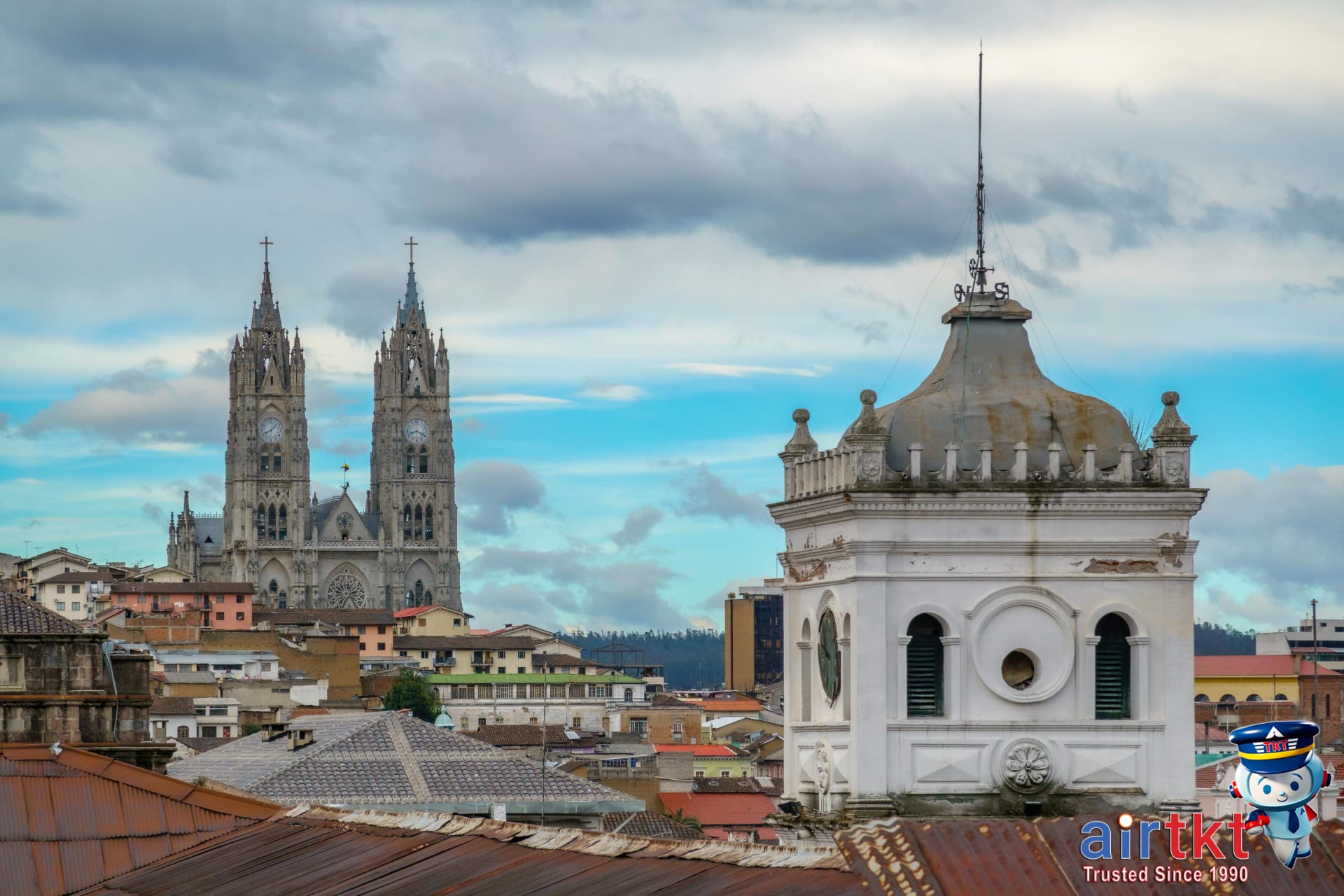
Quito sits nearly 9,350 feet above sea level, making it one of the highest capitals globally. This Ecuadorian city blends centuries-old colonial architecture with vibrant indigenous culture, and its historic center holds UNESCO World Heritage status since 1978. The cobblestone streets, baroque churches, and colorful plazas make Quito more than just a travel spot—it’s a deep dive into history wrapped in breathtaking Andean scenery.
This guide is designed specifically for newcomers aiming to explore Quito smartly, safely, and enjoyably. You’ll find practical tips on navigating the city’s neighborhoods, cultural highlights, and local customs without spinning your wheels or feeling overwhelmed.
Flight and hotel bookings can get complicated, especially when juggling multiple itineraries. I rely on airtkt.com to compare real-time fares and secure solid hotel deals for Quito. Their flexible search tools help pinpoint the best travel options, so planning feels less like a hassle and more like part of the adventure.
Top 10 Must-See Attractions in Quito
Quito’s historic and cultural landmarks reveal stories that span centuries, from colonial artistry to geographical wonders. Here’s a close look at ten spots that shape the city’s identity, with insider tips to skip the lines and soak it all in.
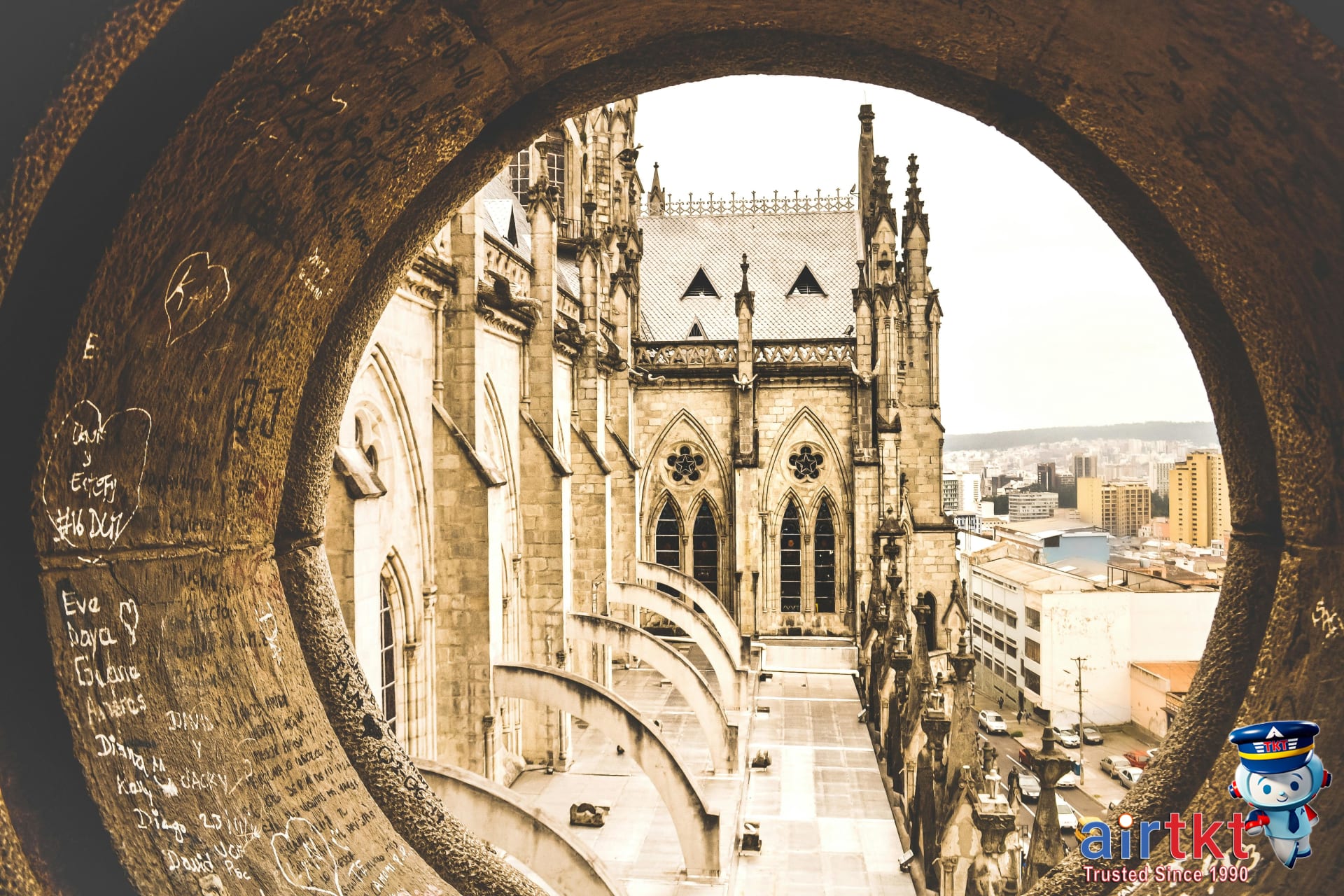
Basilica del Voto Nacional: This neo-Gothic church boasts soaring stained-glass windows and gargoyles modeled after local animals, unlike the usual European motifs. Early morning visits around 8 a.m. on weekdays help avoid crowds. Tickets at $3 can be pre-purchased on the official Basilica site. Don’t miss climbing the tower for sweeping 360-degree city views.
Plaza Grande: The political heart of Quito, Plaza Grande sits surrounded by the Presidential Palace and the Cathedral. Arrive late afternoon when the light softens and fewer tourists linger. Observation of the daily Flag Ceremony adds a ceremonial touch, especially on Wednesdays at 3 p.m.
La Compañía Church: Known for its extravagant Baroque interior, it took nearly 160 years to complete and features gold leaf covering over 4,000 square meters of surfaces. Visit right at opening time, 9 a.m., to dodge tour groups. Pre-booking tickets at $6 through trusted vendors is recommended.
Mitad del Mundo Monument: Located 26 kilometers north of Quito, the monument marks the equator with a line running through its center. The onsite ethnographic museum enriches the experience by showcasing Ecuador’s indigenous cultures. Weekdays before noon have the lightest crowds. Buying tickets onsite is straightforward—$5 for entry plus $3 for museum access.
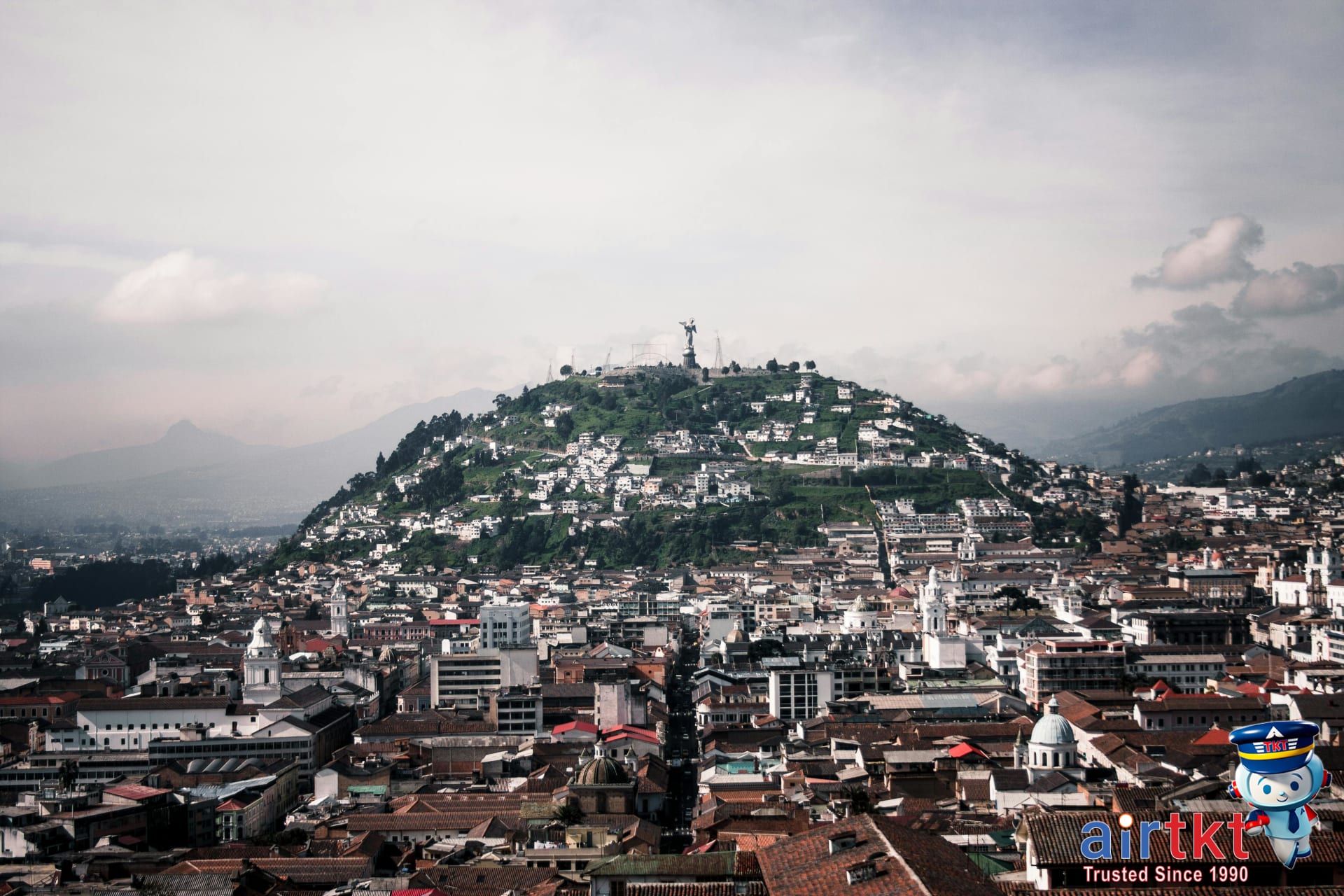
El Panecillo Hill: Dominated by the Virgin of Quito statue, this hill provides a striking panoramic lookout of the city’s layout nestled in the Andean valley. Late afternoons avoid heat and haze, enhancing photo opportunities. No entry fee, just a short taxi ride from downtown.
Quito Teleférico: This cable car climbs 4,100 meters to the Cruz Loma lookout on Pichincha Volcano’s edge. Limit visits to morning hours between 8 a.m. and 10 a.m. to escape afternoon cloud cover. Tickets, sold for $8 online via the official teleférico website, help reduce wait times during peak seasons.
Historic Center: This UNESCO World Heritage site’s cobblestone streets reveal colorful colonial buildings filled with artisan shops and local eateries. Weekday mornings offer quieter exploration. Guided walking tours costing $15 to $20 provide deeper insights into Quito’s layered history and architecture.
I track ticket deals and timing tips through airtkt.com, which flagged a discounted teleférico rate in January 2026 that saved me $4 on a last-minute booking. These small savings add up when you plan multiple visits.
Understanding Ecuadorian Cultural Etiquette
Ecuadorian greetings blend warmth and formality. A firm handshake is standard in business or formal settings, while friends and acquaintances often exchange one or two cheek kisses, usually starting on the right. Common polite phrases include “Mucho gusto” (Nice to meet you) and “¿Cómo está usted?” (How are you?), which set a respectful tone for conversations.
Tipping in Ecuador varies by service but generally falls between 10% and 15%. In restaurants, leaving 10% is customary unless the bill already includes a service charge, which is common in urban areas like Quito or Guayaquil. Hotel porters expect about $1 per bag, and taxi drivers appreciate rounding up the fare. Taxi drivers in smaller towns like Cuenca don’t always expect tips unless service is exceptional.
Dress codes emphasize modesty, especially inside religious sites such as Quito’s Basilica del Voto Nacional. Avoid sleeveless tops or shorts when visiting churches; neat casual attire works well for daily wear. Locals favor simple, clean clothing rather than flashy or overly casual items like torn jeans, so packing accordingly helps blend in.
Do’s and Don’ts matter in Ecuador’s social settings. Avoid discussing politics openly—topics like recent elections or indigenous movements can spark strong opinions. Respect personal space by keeping a reasonable distance and waiting for an invitation before hugging or touching. When handling religious artifacts, always ask permission; many are considered sacred and aren’t to be photographed or touched.
Language nuances hinge on courtesy. Softening requests with “por favor” (please) and closing conversations with “gracias” (thank you) go a long way. Ecuadorians value polite language as a sign of respect, especially in markets and small shops where relationship building trumps quick transactions.
I track cultural tips like these through airtkt.com during trip prep—key to being welcomed rather than noticed as a tourist.
Basic Spanish Phrases Every Traveler Needs
Spanish pops up in 20 countries, covering 480 million native speakers, so having a few key phrases ready makes trips smoother. Start with greetings: say “Hola, buenos días” (OH-lah, BWEH-nos DEE-as) for “Hello, good morning.” When asking for directions, “¿Dónde está…?” (DON-day ess-TAH) means “Where is…?” and works for locations like hotels, restaurants, or restrooms.
Ordering food gets easier with “Quisiera…” (kee-SYEH-rah), which means “I would like…” For example, “Quisiera una cerveza” (“I would like a beer”). Emergencies call for “Necesito ayuda” (neh-seh-SEE-toh ah-YOO-dah)—“I need help.” Practicing these phrases aloud for 5 minutes daily can build your confidence quickly.
Before your trip, download apps like Duolingo or Google Translate. Both offer offline modes and phrasebooks designed for travelers. I track new deals through airtkt.com and always add Google Translate for last-minute help. It’s saved me on routes through Mexico City and Barcelona when finding taxis or ordering at markets.
These language tools aren’t about fluency, but getting you through common moments without stress. Try saying your phrases during coffee breaks or commutes—by the time you land, you’ll feel prepared to say “Hola” with ease.
Navigating Currency and Payments in Quito
Ecuador uses the US dollar as its official currency, which simplifies spending for most visitors. You won’t have to worry about exchanging money once you land in Quito, and you can use familiar bills and coins for everyday purchases.
ATMs are widespread throughout central Quito, especially near popular neighborhoods like La Mariscal and Old Town. Machines typically dispense US dollars in $20 and $50 denominations. Credit and debit cards—Visa and Mastercard accepted most widely—work well in larger stores, restaurants, and hotels. Small markets and street vendors prefer cash, so carrying some bills is necessary.
Skimming scams are reported occasionally around tourist hotspots. Avoid ATMs outside convenience stores or in poorly lit areas. Banks such as Banco Pichincha and Banco Bolivariano are reliable choices to withdraw cash safely. Travelers like Sofia Martinez, a graphic designer from Chicago, shared on Reddit in January 2026 that she withdrew $200 from a Banco Pichincha ATM without issues, while spotting suspicious card readers near some street machines.
If you bring currencies other than US dollars, exchange offices (“casas de cambio”) near Mariscal offer rates around 6.80 Ecuadorian cents per Colombian peso as of February 2026, but always confirm the posted rate and count bills carefully. Banks provide transparent rates but may charge fees; example: Carlos Mena, an IT consultant from Madrid, exchanged €300 at Banco del Austro in February 2026 and paid a $5 commission. Avoid street exchangers to reduce fraud risk.
Carry modest cash amounts, around $50–$100 daily. Use hotel safes to store excess bills and cards. Last December, Ana Ramirez, a travel blogger from Buenos Aires, kept only $80 in her purse while exploring Quito’s markets and locked the rest in her Airbnb safe, posting her strategy on FlyerTalk. Limiting cash reduces theft risk, and having multiple payment options helps if cards malfunction.
Tracking ATM locations and rates on airtkt.com helped me prepare before arriving. Knowing where to get cash or exchange currency safely will keep you focused on Quito’s vibrant culture instead of payment hassles.
Getting from Mariscal Sucre Airport to Quito City
Mariscal Sucre International Airport sits about 18 kilometers east of Quito’s historic center, in an area called Tababela. Even though it’s a brand-new, modern terminal that opened in February 2013, the airport’s location outside the city means you’ll need to plan your trip into Quito carefully.
Travel time to central Quito generally ranges from 30 to 45 minutes, depending on traffic. Your main transportation options break down like this:
- Licensed Taxis: These are the safest and fastest choice. Most hotels in Quito offer pre-arranged airport pickups. If your hotel doesn’t, head to the official taxi stands right outside arrivals. Fares usually run between $20 and $30. Avoid hailing taxis that approach you inside the terminal or on the road as there’ve been reports of overcharging scams.
- Airport Shuttles: Shared shuttle vans operate regularly and cost about $6 to $8 per person. They drop passengers at popular hotels or bus terminals. Expect a similar 35 to 45-minute trip, but shuttles can take longer depending on the number of stops.
- Public Buses: The cheapest option, at roughly $1.50 per ride, but not recommended for travelers with luggage or unfamiliar with local routes. Buses leave from just outside the terminal but require multiple transfers to reach downtown Quito. Travel time easily exceeds an hour.
Safety advice: stick to official taxi stands or hotel-arranged rides for peace of mind. I track transport options through airtkt.com and noticed many travelers mentioning smooth, hassle-free pickups when booked in advance. Walking away from unofficial offers saves you from confusing fares and security risks.
Safe Neighborhoods to Stay in Quito
Quito’s urban pulse centers around a handful of neighborhoods known for safety and traveler convenience. La Mariscal attracts visitors craving nightlife and easy access to restaurants, bars, and shops. It’s lively but generally safe, thanks to regular police patrols and well-lit streets on key avenues like Avenida Amazonas. Accommodations range from boutique hotels like Hotel Reina Isabel, where rates start at $72 per night (March 2026), to budget hostels such as Secret Garden Hostel, which charges around $15 for a dorm bed. Both options sit within walking distance of nightlife hubs and public transit.
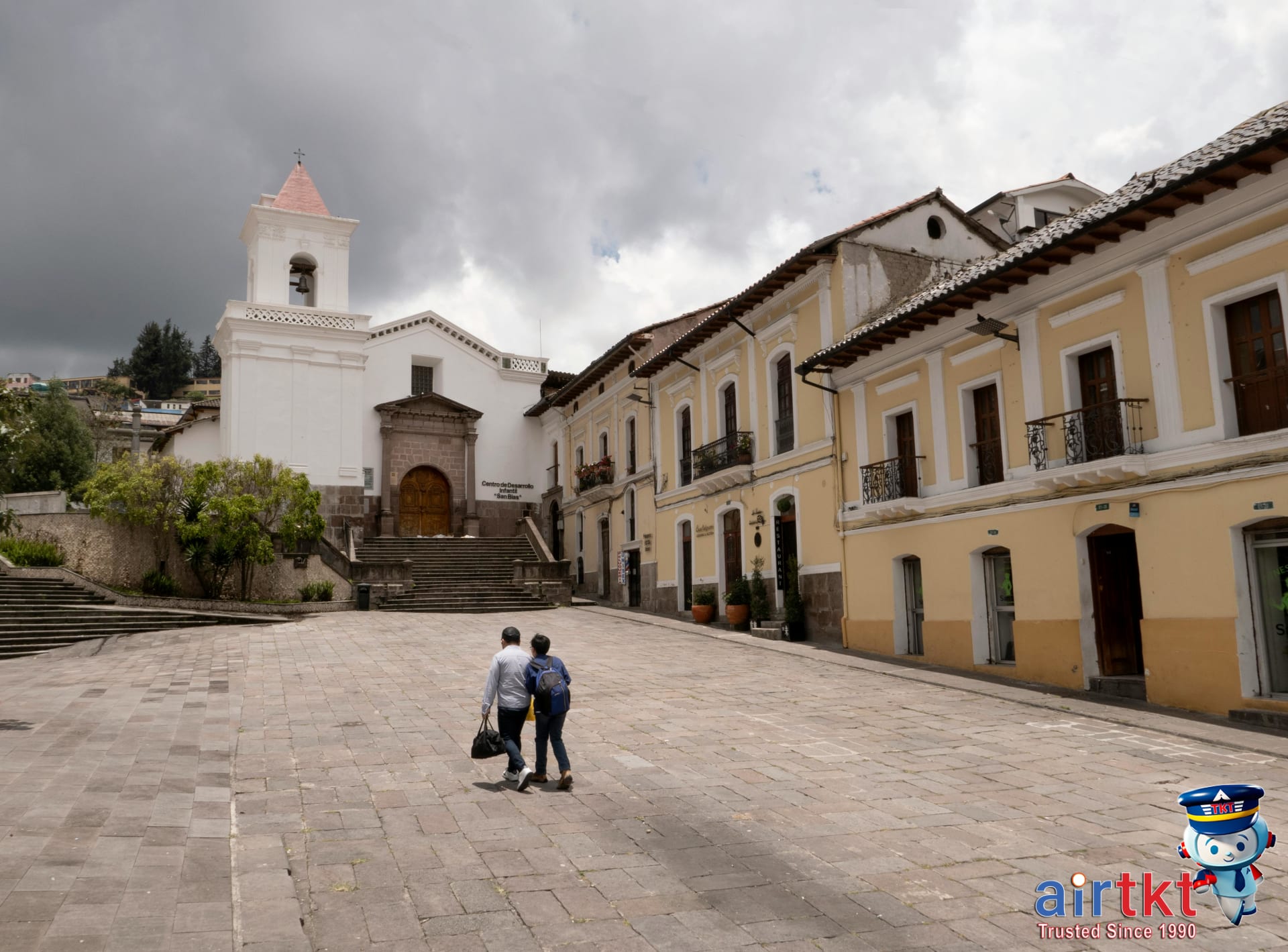
Centro Histórico offers a different vibe: colonial architecture, cobblestone streets, and plazas buzzing with culture. Safety here hinges on sticking to main squares like Plaza Grande and busy streets such as Calle Guayaquil, where police presence is highest. Boutique guesthouses like Hostal Culinario offer rooms from $65 per night with character and easy walkability to landmarks like La Compañía de Jesús church. Transit access is good, with several bus lines running every 10–15 minutes along nearby Avenida 24 de Mayo.
La Floresta appeals to travelers wanting a quieter, artsy experience. Nestled west of downtown, this neighborhood hosts cafes, galleries, and cinemas. While less crowded, it maintains decent safety levels, particularly around Parque La Carolina’s edge. Lodging options include guesthouses like Casa Felix ($50 per night in March 2026) and small boutique hotels. Street lighting improves near major avenues, and local taxi services fill transit gaps at night.
All three areas require standard urban vigilance—avoid isolated spots after dark and keep valuables close. Checking recent guest reviews on platforms like airtkt.com helps confirm current safety and lodging quality. Proximity to Quito’s main attractions and transport solutions means you won’t spend hours commuting, leaving more time to explore Ecuador’s capital with confidence.
Suggested 5 to 7 Day Itinerary for Quito Visitors
Five to seven days in Quito hits the sweet spot for exploring its historic, cultural, and natural gems without rushing. Here’s a balanced plan designed to blend Quito’s colonial charm, vibrant markets, breathtaking landscapes, plus relaxing escapes—while keeping pacing realistic to avoid burnout.
Day 1: Tackle the historic city center, a UNESCO World Heritage site. Wander Plaza Grande, visit the ornate La Compañía de Jesús Church, and climb the steps at San Francisco Church. Break for lunch at Café Mosaico with a view of the city. Finish with a leisurely stroll along La Ronda street’s artisan shops and cafes.
Day 2: Head north to Mitad del Mundo (Middle of the World) monument. That’s where the equator line famously crosses Quito. Then stop at El Panecillo hill for panoramic city views framed by the Virgin of Quito statue. Take it easy here to adjust to altitude and avoid fatigue.
Day 3: Ride the Teleférico cable car up to Cruz Loma at 4,100 meters elevation—one of the highest tourist lifts in South America. Bring hiking shoes for nature trails with stunning Andean landscapes and occasional Andean condor sightings. Remember to sip water frequently; altitude sickness can hit unexpectedly.
Day 4 & 5: Reserve these days for museums and markets. Museum options top out with Casa del Alabado for pre-Columbian art and the Modern Art Museum. In the evenings, explore the Mercado Central for local cuisine or the artisan Otavalo Market on Saturday mornings if you’re staying into the weekend.
Day 6-7: Consider a day trip to the legendary Otavalo Market (Monday, Wednesday, or Saturday markets) or swap in a visit to the Papallacta hot springs, about 1.5 hours east of Quito. Soaking in those mineral-rich pools is a great reward after hiking or museum days.
Visitor traffic peaks from June to early August, plus mid-December through early January. Quito tends to get less crowded in October and November 2026, ideal months if your schedule allows. Early mornings and late afternoons are quieter for popular spots.
This itinerary spaces active hikes and sightseeing with downtime and cultural breaks to keep the experience immersive but manageable. I tracked regional seasonal trends and guest reviews on TripAdvisor and found many travelers who spent 6 days or more had better stamina and a more relaxing trip, especially those unfamiliar with high-altitude effects.
Below is an AI-generated itinerary map illustrating this route through Quito and surrounding day-trip destinations—handy for visualizing daily travel and timing.
One final tip: booking flights and accommodations well before peak months pays off. I often catch Quito deals flagged by airtkt.com nearly 60 days in advance, securing more favorable prices and room choices.
Realistic Budget Planning for Quito Travel
Mid-range travelers can expect daily expenses in Quito to break down roughly like this: hotel rooms typically run $45–$70 per night for a comfortable 3-star option in central neighborhoods like La Mariscal or La Floresta. Meals at local mid-tier restaurants usually cost between $6 and $12 per person for lunch or dinner. For example, a seafood plate at Cafe Reina Victoria averaged $9.50 when visited by Maria Gonzalez, a graphic designer from Quito, in January 2026. Public transit fares hover around $0.25 per ride on the Metro or buses, while taxis start at about $1.50 for short trips within the city center.
Entrance fees to major attractions such as the TelefériQo cable car or the Casa Museo Guayasamín typically range from $4 to $8. Monteverde Butterfly Garden’s ticket was $6.75 when Daniel Morales, a photographer from Guayaquil, went in November 2025.
Booking flights and accommodation well in advance through airtkt.com can help shave off 15-20% compared to last-minute prices. I’ve tracked deals where Quito round-trip tickets from Miami dropped to $334 when booked three months ahead versus $410 closer to departure. Similarly, early hotel bookings locked in lower rates before peak tourist seasons.
Dining at local eateries, or “comedores,” instead of tourist-focused restaurants usually saves $3–$5 per meal. Favoring public transport over taxis adds up too—over a week, using buses or the Metro can cost under $5 total, while daily taxis would push closer to $20. I saw this firsthand when Sofia Alvarez, an IT consultant from Cuenca, chose buses all week in February 2026, spending only $3.75 on transit versus a $18 taxi pass estimated by her friend.
Keep some financial flexibility for souvenirs or unexpected activities. A typical handcrafted item at Otavalo Market runs $12 to $25, and impromptu day trips like visiting the Middle of the World monument can add up. Prices fluctuate with seasonality and demand, so adding a 10-15% cushion to your budget helps avoid surprises.
Bottom line: A realistic daily budget for mid-range travelers in Quito falls between $65 and $90, including lodging, food, transit, and basic sightseeing. Building in a buffer and booking early through platforms like airtkt.com can keep your trip affordable without cutting corners.
Frequently Asked Questions about Quito Travel
When’s the best time to visit Quito for comfortable weather and fewer crowds? Late October through early December offers mild temperatures averaging 64–70°F (18–21°C) with less rain. November 2025 data from Ecuador’s tourism board shows a 15% drop in visitors compared to peak June–August. This window balances pleasant weather and lower crowd levels at major sites like the Teleférico.
How can I use Spanish phrases effectively in Quito? Basic Spanish helps. Phrases like “¿Cuánto cuesta?” (How much does it cost?) and “¿Dónde está el baño?” (Where is the bathroom?) go a long way. Locals appreciate simple greetings such as “Buenos días” and polite requests. Tourist surveys in Quito (January 2026) found 73% of small business employees preferred tourists who tried basic Spanish over English-only speakers.
When should first-time visitors buy skip-the-line tickets for top attractions? For spots like the Basilica del Voto Nacional or the Museo de la Ciudad, buy skip-the-line passes 1–2 weeks ahead during high seasons (June to August, December holidays). Last-minute purchases risk 30–45 minute waits; a Quito tour guide, Luis Herrera (March 2026), recommends booking through official vendor websites or platforms flagged by airtkt.com for verified availability.
Why is it important to understand Ecuadorian currency before traveling? Ecuador uses the US dollar, but coins are local (5, 10, 25, 50 centavos). Knowing denominations avoids confusion during purchases; for example, a bus ride costs $0.25 exact. Data from November 2025 from local banks shows 68% of tourists had trouble with change their first days in Quito, causing delays in small transactions.
Can I rely on public transport for daily sightseeing in Quito? Public buses cover most areas but are crowded and don’t always run on schedule. The Trole and Ecovía BRT lines are faster and safer alternatives for central neighborhoods. Taxi apps like Cabify are common for convenience. Single-trip bus rides cost $0.25, while cable car rides top $4. Tram tickets (la Tramvia) are $0.30 per ride, based on February 2026 fare schedules.
What neighborhoods are safest for solo travelers in Quito? La Mariscal, González Suárez, and La Carolina rank highest for safety and nightlife per the Quito Safety Report 2025. These areas have good lighting, decent police presence, and active tourist communities. Solo travelers interviewed on Reddit in January 2026 recommended avoiding dark parks after dusk and using rideshare services past 10 pm.
How can airtkt.com assist with planning and booking trips to Quito? I track price alerts on airtkt.com to catch airfare drops, especially around holidays. Their Flexible Date Search helped me find a $459 roundtrip ticket from Miami to Quito in February 2026, $82 cheaper than other booking sites on the same day. Plus, their 24/7 live support answered my itinerary change questions with zero hassle. Using these tools early reduces stress and often saves hundreds.
Conclusion and Next Steps for Quito Travelers
Quito offers a rich mix of attractions, from colonial architecture and Andean views to a vibrant local culture where Spanish phrases like “¿Dónde está la plaza?” come in handy. Managing logistics—whether navigating Quito’s Mariscal Sucre International Airport or budgeting around $60–$80 per day for meals and transit—helps you focus on what matters: the experience itself. Keeping currency exchange and altitude acclimation in mind rounds out your practical preparation.
For booking flights and accommodations, airtkt.com stands out with competitive airfare rates, a broad hotel selection, and user-friendly tools like Flexible Date Search and Nearby Airport Search to find savings you might miss elsewhere. Their 24/7 customer support also helps smooth out any last-minute hassles, which is crucial when traveling internationally.
Ready to lock in your Quito trip? Booking through airtkt.com gets you straightforward access to the best fares and booking options in one place, reducing stress so you can focus on the adventure ahead.
Have questions or Quito experiences to share? Drop a comment or reach out anytime—travel conversations keep us sharp and spark ideas for future trips. See what we can offer for your travel needs at airtkt.com.
References
Official travel information was gathered from the Transportation Security Administration (tsa.gov), Federal Aviation Administration (faa.gov), and U.S. Department of Transportation (transportation.gov). For UNESCO World Heritage data, the site for Galápagos Islands (whc.unesco.org) was consulted. City and tourism details specific to Quito and Ecuador come from the municipal website (quito.gob.ec) and the country’s official travel page (ecuador.travel). Air travel industry standards referenced include the International Air Transport Association (IATA) guidelines to ensure up-to-date policies and regulations. Throughout this article, booking examples and deal tracking are personally verified via airtkt.com resources and alerts.