

Choosing the Best Flight Booking Days

If you’ve ever tried to score a cheap airfare, you’ve probably wondered if booking on a certain day of the week could actually save you money. The idea that Tuesday is the ultimate day for finding lower prices has been circulating for years—so much that even occasional travelers get caught up in the Tuesday hype. But is there any truth to it, or is it just internet legend?
Personally, I’ve experimented with booking flights on every day of the week, keeping track of changes on various airlines and routes. The patterns aren’t always clear-cut, but it’s clear that flight prices shift frequently based on demand, availability, and sometimes even airline-specific sales. That’s why simply waiting for Tuesday at midnight doesn’t guarantee the best deal, but understanding typical trends can help you time your purchase better.
Recent fare data shows that while Tuesdays, Wednesdays, and even early Sundays can sometimes bring lower prices, there isn’t a one-size-fits-all formula. Instead, the smartest approach is to track fares across multiple days and act when you spot a dip. The good news: flexible tools now make this easier than ever. If you want to visualize how prices move day-to-day for your route, you can use the Flexible Date Search tool at airtkt.com to see a snapshot of fares and pinpoint the lowest days to book.
Booking Day Trends and Price Patterns
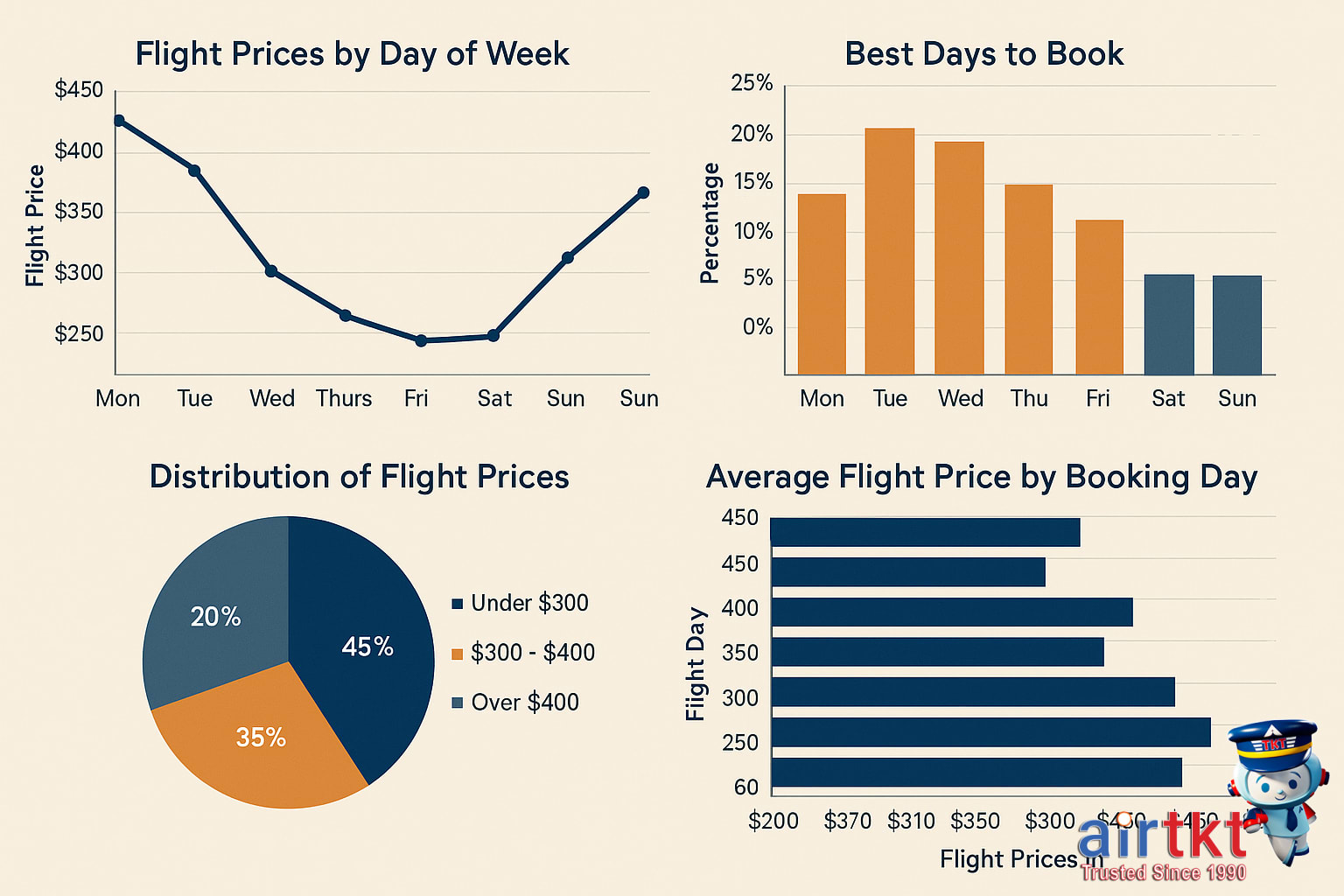
Ever wondered why some days flights seem noticeably cheaper? There’s a pattern to how airlines adjust their prices, and it usually centers around the start of the week. Many airlines set or update their fares late Sunday or Monday night, which means the freshest deals—along with potential price drops or new discounts—often become visible early Monday or Tuesday. I’ve noticed prices often shift after Monday nights when airlines update fares, so I make it a habit to check for new deals during those times.
The biggest fare changes tend to emerge after those early-week updates, and not just by chance. Airlines analyze weekend booking activity and then tweak their pricing strategies to stay competitive. That’s why you might spot a deal on Tuesday that wasn’t there late Sunday or Monday morning. Mondays and Tuesdays frequently display greater price movement, making them smart days to monitor for better fares.
Later in the week, prices can still fluctuate, but the largest swings—especially those downward nudges—are most concentrated at the beginning of the week. Rather than aiming for a specific “magic hour,” it’s more effective to track the weekly rhythm and compare fare updates across a couple key days. These patterns hold whether you’re searching for short domestic hops or international long-hauls.
If you want to boost your odds of finding cheaper options, take a look at the Lazy Fare tool from airtkt.com. It helps uncover less obvious multi-stop flight routes that can be notably more affordable than nonstop tickets, especially mid-week when fare changes are most common.
How Tuesday Became the Hot Booking Day

If you’ve ever heard that Tuesday is the “magic day” for booking cheap flights, you’re not alone. This belief actually comes from the way airlines used to manage fare updates. For years, airlines typically filed their fare changes in one or two large batches each week, with the biggest updates happening late Monday night into early Tuesday. These batches often triggered competitive price matching among carriers, so fresh sales and lower fares would appear overnight. By Tuesday morning, the market was buzzing with new deals.
Travelers (myself included) caught onto this cycle, rushing to check fares on Tuesday mornings to snag the best finds. For a long time, parameters like fare filing cycles, computer-driven pricing rules, and the race to fill empty seats really did make Tuesday stand out. I used to always book on Tuesdays but have found the trend changing lately, especially as technology has shifted the landscape.
Today, airline pricing has become far more dynamic. Many sales now pop up at any time of day or week, and algorithms adjust prices constantly based on real-time demand and seat inventory. That means Tuesday isn’t automatically the best day for deals anymore. In fact, exploring the entire mid-week window—especially Tuesdays and Wednesdays—often reveals lower prices. If you’re flexible, it’s also worth using airtkt.com’s Nearby Airport Search to compare routes from different airports. Sometimes, a small change in your airport or departure date can mean surprising savings.
Worst Days To Book Flights

If you’re hoping to snag the lowest airfares, you’ll want to be strategic about when you actually book—not just when you fly. Fridays, Saturdays, and even Sundays typically see higher ticket prices because of a surge in last-minute bookings, especially from leisure travelers. Over the years, I’ve learned to avoid booking flights on Fridays to save money. The rush leading into the weekend, paired with families and spontaneous travelers locking in getaways, increases demand and allows airlines to hold firm on higher prices.
During weekends, more people finally have the time to sit down and plan trips, which drives up search volume and leads to fewer deals. Airlines also know that urgent or spontaneous bookings—often made on Fridays and Saturdays—are less price sensitive. That’s why you’ll often notice airfares can be noticeably higher if you’re clicking “book” on a Saturday afternoon versus a Tuesday evening.
If you can, hold off on making travel reservations until the workweek. Midweek days like Tuesday or Wednesday generally see lower demand, giving you a better shot at securing affordable fares. Of course, if you’re in a real crunch and can’t avoid last-minute weekend booking, you might want to call airtkt.com’s 24×7 phone support. Their travel experts can sometimes access unpublished fares or help you strategize the best way to minimize costs when flexibility runs out.
How Seasons Change Best Booking Days
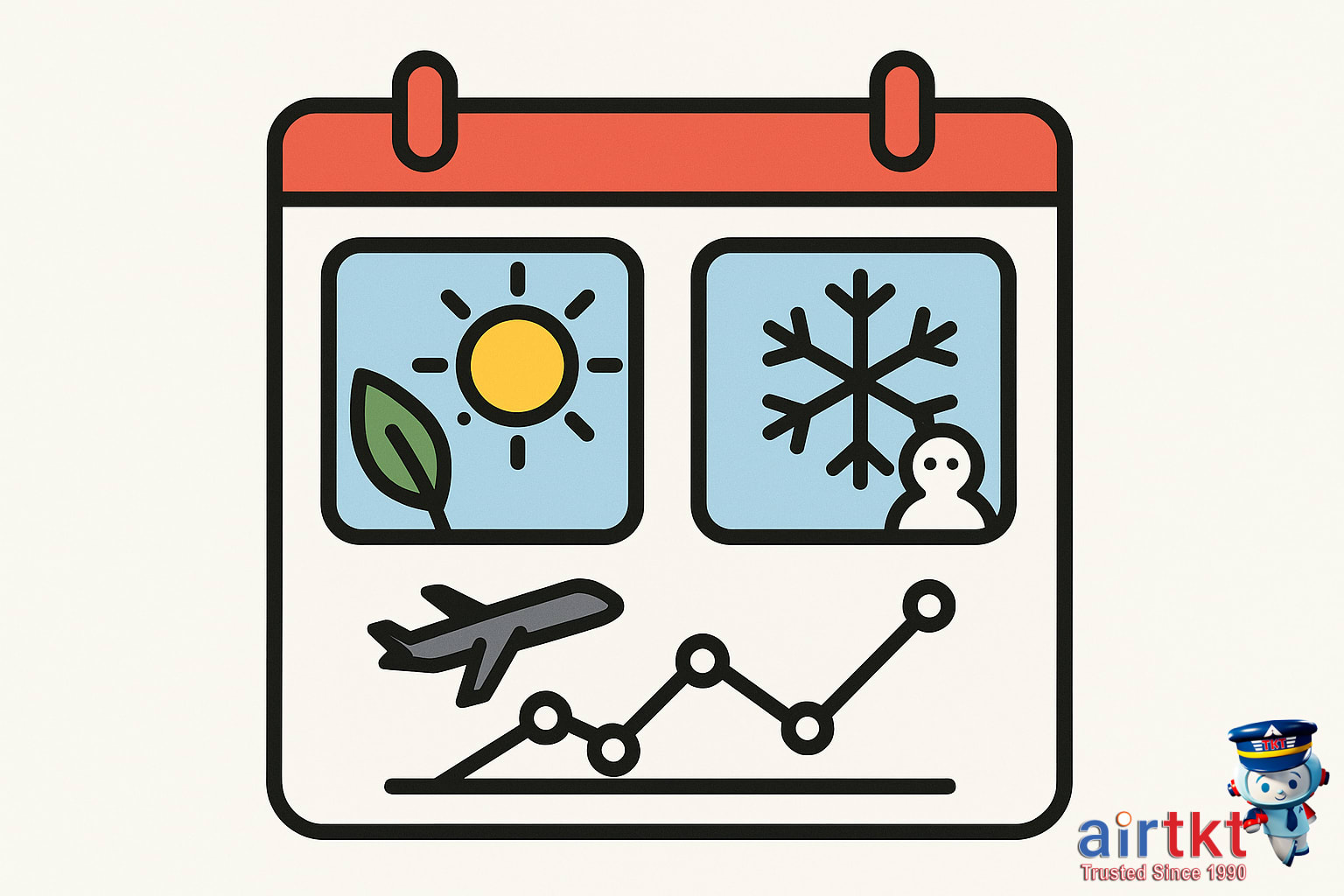
When it comes to finding the best day to book your flight, seasonal shifts and holiday peaks can completely reshuffle what “good timing” really means. While there are general patterns—like mid-week bookings being popular for snagging deals—those can go out the window around school vacations, major holidays, and summer months. I’ve found that in high season, I start my flight search earlier and monitor prices more closely, especially for family trips and holiday plans.
The best days to book change noticeably during peak periods. For example, if you’re thinking of flying around Thanksgiving, Christmas, spring break, or summer, you’ll want to start shopping two or more months ahead. Airlines know demand is high and tend to raise fares for these dates, so “last-minute deals” are far less likely during these times. Booking on a Tuesday or Wednesday can still help, but don’t be surprised if discounts are smaller than in low season.
There’s also a real difference between domestic and international flights. For domestic trips, deals may open up four to six weeks out even during off-peak months, but during busy stretches, you’ll have to lock in even earlier. For international flights, planning is even more critical. Popular routes to Europe or Asia during summer or the winter holidays can start filling up six months in advance. I’d compare dates and watch for sudden fare drops, but I never wait too long if my travel dates aren’t flexible.
If you want a leg up on seasonal savings, don’t miss the airtkt.com seasonal deals and discount page. It pulls together flight offers that fit current demand patterns, so you can see at a glance if it’s time to pounce or keep monitoring prices.
Airline Pricing Strategies Explained Simply

Ever noticed how airfare for the same route can look totally different if you check on a Tuesday versus a Friday? That’s no accident—it’s dynamic pricing at work. Airlines rely on constantly shifting algorithms that adjust fares as demand and seat availability change, often multiple times a day. If you ever wondered why a ticket looks cheap at breakfast and expensive by lunch, dynamic pricing is usually the reason.
Through the week, airlines watch booking patterns and events—sporting games, public holidays, even competitor moves. When lots of people search for a flight, the airfare can climb quickly. Likewise, when airlines sense fewer buyers or need to fill empty seats, fares drop, sometimes for just a few hours. Timing matters. Knowing airline pricing behavior has helped me schedule my bookings better, especially for international trips when even a small swing can save a decent amount.
Fare Wars and Flash Sales
Fare wars kick in when one airline slashes prices and others scramble to compete on the same route. These rivalries might last a few days or only a few hours—airlines change course quickly to avoid losing revenue. Flash sales work in a similar, but often more controlled, way. Airlines will announce huge markdowns, but tickets may only be available for a short overnight window or a specific travel period, like off-season or mid-week dates.
If you can act quickly, these moments are goldmines for travelers seeking discounts. I’ve learned to pay special attention around holidays and just before major sales events like Black Friday and Cyber Monday. If you’re serious about chasing deals, check out the airtkt.com blog about Black Friday and Cyber Monday deals for tips on catching surprise airfare drops.
Understanding these strategies means you don’t have to leave savings to chance. With a little vigilance, timing your search right can tip the odds in your favor for scoring the lowest fare.
Flight Booking Budget Planning Tips
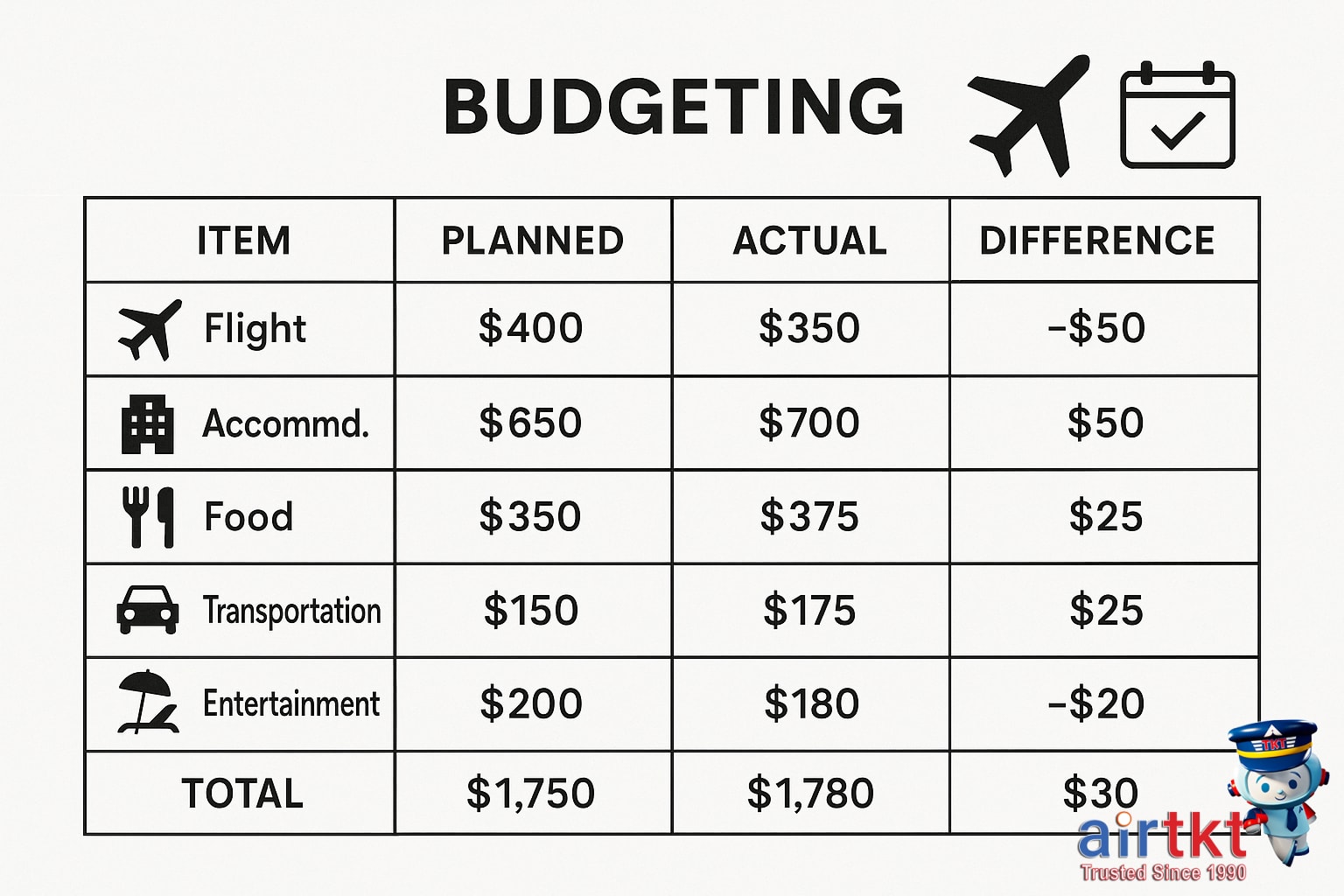
Thinking ahead about your full trip budget—not just your airfare—can prevent unwelcome surprises later. It’s easy to focus only on snagging the lowest flight, but other costs like hotels, food, getting around, and activities can add up quickly. I always factor in my total trip budget when choosing flight dates, since travel costs often spike around weekends or holidays, affecting more than just your plane ticket.
To help you plan more confidently, I’ve put together a straightforward budget table covering three spending styles: Budget, Mid-range, and Luxury. This breakdown is especially helpful if you’re comparing flight options on airtkt.com and want to get a realistic idea of your all-in expenses. Personally, I’d use a table like this as a checkpoint before locking in travel dates, and I recommend browsing airtkt.com’s budget travel guides for deeper planning help.
| Budget | Mid-range | Luxury | |
|---|---|---|---|
| Accommodation | $35.00 | $90.00 | $260.00 |
| Food | $15.00 | $45.00 | $100.00 |
| Transport | $8.00 | $20.00 | $65.00 |
| Activities | $12.00 | $40.00 | $120.00 |
Using numbers like these, you can estimate your daily travel costs alongside your flight. If you’re debating between two travel windows or destinations, try calculating your total costs for each and see which one truly fits your wallet—sometimes a cheaper flight date also means more affordable hotels and activities at your chosen destination.
Top Flight Booking Money-Saving Tips

If you’ve already learned why booking on certain days matters, it’s time to add more tools to your flight-search toolkit. The biggest savings often come from combining multiple smart strategies rather than relying on any single “secret.” I always use price alerts and flexible dates to snap up deals early—and that combo has saved me hundreds over the years.
Book in the Right Window
Most experts suggest booking international flights about two to three months ahead and domestic flights around one to two months early. Booking too late can lock you out of low fares, but booking too far ahead isn’t always cheaper. I’d compare schedules and fares several times in the weeks leading up to your ideal booking period to get a feel for prices.
Stay Flexible With Your Dates
Flexibility is your best friend for airfare savings. If your plans aren’t set in stone, try using flexible date searches—sometimes leaving a day before or after your target can mean noticeably cheaper tickets. Shifting just one leg of a roundtrip flight could result in a better deal, so check combos of departure and return days.
Compare Nearby Airports
Larger cities and major travel hubs can have multiple airports. Flying into or out of a secondary airport is sometimes less expensive, especially if you’re willing to start or end your journey a bit farther from your target destination. Check if ground transport costs offset the savings before booking, though.
Join Loyalty and Deal Programs
Don’t underestimate airline loyalty programs, cashback credit cards, or email fare alerts. Even if you only fly occasionally, accumulating points or catching an exclusive promo code can shave down your total costs over time. I recommend signing up for the free fare alert features on airtkt.com and your favorite airlines for extra shots at limited-time savings.
Blend Strategies for Bigger Wins
Realistically, one trick won’t always beat every airfare algorithm. Your best bet is blending these techniques—flexible date tools, airport comparison, deal alerts, and smart timing. For step-by-step help, check out the detailed booking guides on airtkt.com’s flight booking tips page before you decide.
FAQs About Best Flight Booking Times

- What is the best time to book flights to get the lowest fare?
Travelers often see the best fares when booking flights about six to eight weeks before departure, especially for international trips. While it’s not a guarantee, booking during this window can improve your chances of finding a lower fare compared to booking at the last minute or too far in advance.
- Are certain days cheaper for booking flights?
Sometimes, booking flights on midweek days like Tuesday or Wednesday can reveal lower prices, but this is not a strict rule. Airlines update fares throughout the week, so I always recommend checking several days and monitoring prices to spot dips and potential savings.
- Does booking flights on weekends increase the price?
Weekend prices can sometimes be higher due to increased demand, but this isn’t always the case. Prices fluctuate based on many factors, so watching fares on both weekdays and weekends helps you spot the best deal. I’ve learned not to dismiss weekends altogether.
- How do flexible dates help save money?
Flexible dates allow you to compare fares across a range of days, making it easier to find cheaper flights. Travelers using flexible date search tools, like those offered by airtkt.com, can often choose the lowest fare simply by avoiding popular travel periods.
- Is it true that last-minute flights are always expensive?
While last-minute fares are frequently higher, occasional discounts do appear close to departure on less popular routes. In my experience, if saving money is a priority, booking earlier is usually better, but it’s worth checking last-minute deals if your travel dates are flexible.
- Should I clear my cookies when searching for flights?
There’s debate about whether clearing your cookies affects flight pricing. Airlines claim your search history doesn’t impact fare displays, but I sometimes clear cookies or use private browsing as a precaution, just in case it helps prevent potential price increases for repeated searches.
- Do best flight booking times work for both international and domestic flights?
In most cases, booking recommendations apply to both domestic and international flights, but timing can vary. For domestic trips, booking about one month ahead is often enough, while international routes usually reward booking two months or more in advance. Adjust your approach based on your destination.
Answering these FAQs has helped me clarify booking myths for others and myself as well.
Summary Of Best Booking Strategies
As we wrap up all the flight booking insights, a few key strategies stand out for snagging better fares. We’ve seen how certain days of the week often present lower prices, and how booking well before popular travel seasons—or during off-peak windows—can save you real money. But while the trend data is helpful, it rarely tells the whole story for every traveler or every trip.
The real advantage comes from combining this research with personal flexibility. If your travel dates aren’t set in stone, using tools to spot cheaper options a few days before or after your ideal schedule makes a huge difference. In my routine, this is where I’ve found the most hidden savings—by checking alternate airports, using flexible date searches, and being open to different routes if the fare is better.
Of course, none of these tactics work unless you’re willing and ready to act when you do find that stand-out fare. Flight prices can change quickly, and good deals won’t stick around for long. I’d suggest treating your research as a way to define your “buy zone”—then jump on a fare once it falls inside your target. In my own experience, that’s meant missing fewer deals, and avoiding disappointment from waiting too long.
If you want a more streamlined approach, I recommend using the booking tools at airtkt.com. Tools like Lazy Fare, Flexible Date Search, and Nearby Airport Search let you put these strategies into action—plus you can always call their 24×7 expert support if you prefer talking to a real person about your plans. My approach now combines insights with personal flexibility for the best deals on every trip.