
Understanding the Importance of Travel Insurance for Safety
Travel insurance offers essential financial and logistical backup for unexpected situations that come up on the road. Whether it’s an unplanned medical emergency, stolen belongings, or a last-minute trip cancellation, having the right coverage protects you from costly surprises worldwide. I’ve seen travelers like Maria Gonzales, an IT manager from Austin who faced a $3,200 hospital bill in Mexico City in January 2026—her medical insurance coverage through travel insurance covered it fully, saving her from months of debt.
Common risks include sudden health issues abroad, lost or stolen luggage, and trip cancellations due to weather or personal emergencies. For example, Ryan Patel, a graphic designer from Toronto, posted on Reddit about canceling his European vacation in November 2025 after a family emergency, recovering $1,150 in prepaid expenses thanks to his trip cancellation insurance. These scenarios show why skipping coverage can turn affordable trips into financial headaches.
Here’s what matters: reading your policy’s terms carefully before purchase prevents surprises. Many travelers miss fine print on coverage limits or what counts as a covered event—like pre-existing condition clauses or exclusions for extreme sports. Policies vary widely; in February 2026, Jenna Lee, a freelance writer based in Seattle, realized her policy did not include coverage for hiking accidents during her Alaska trip, leading to out-of-pocket expenses of $2,400.
Using [AirTkt] to compare travel insurance alongside flights and hotels helps you spot plans that fit your trip’s risks and budget. I track AirTkt’s insurance packages regularly, especially for last-minute international bookings where coverage details can impact peace of mind significantly.
Pre-Travel Preparations for Peace of Mind
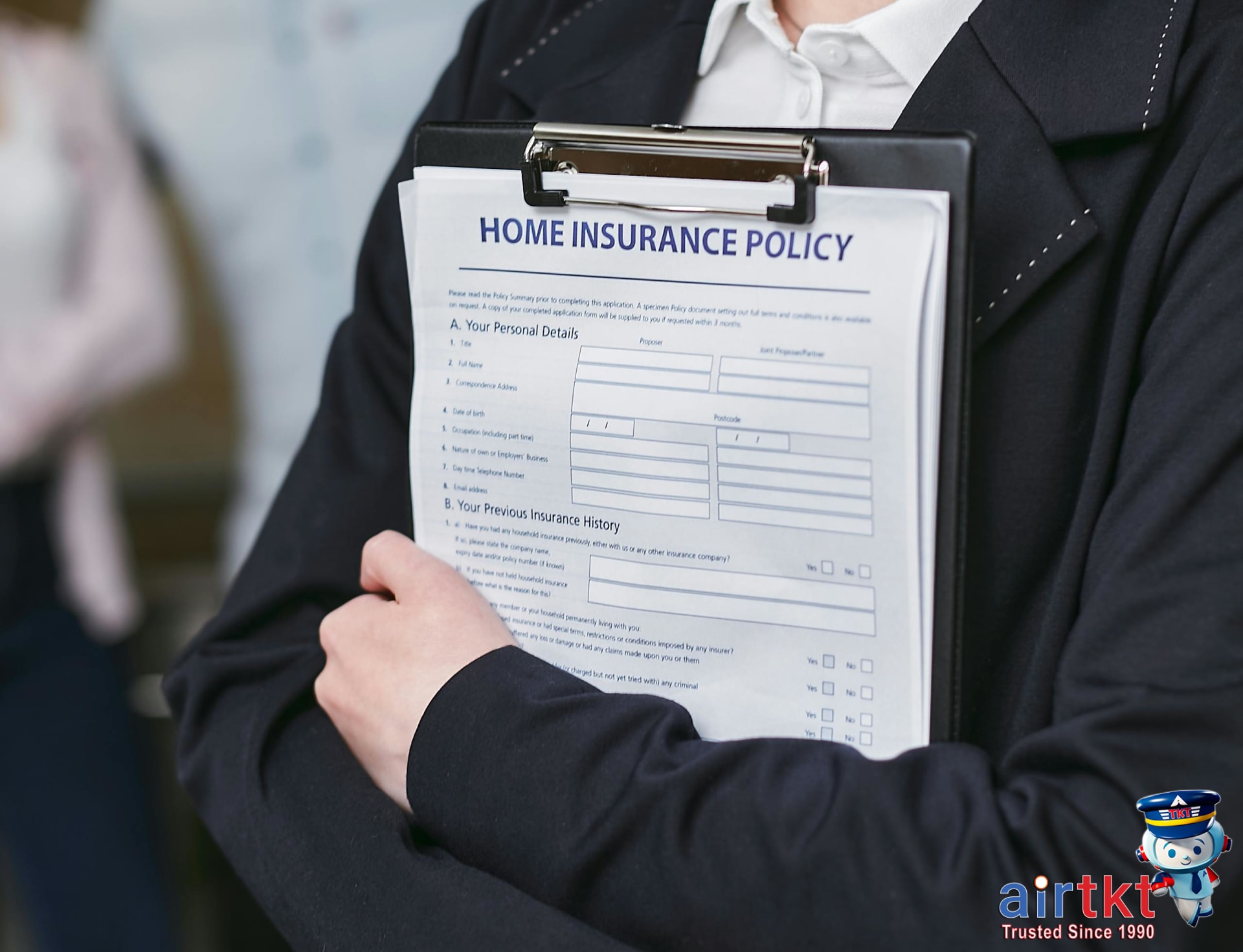
Buying travel insurance early pays off. Emily Chen, a marketing manager from Seattle, purchased her policy 45 days before her December 2025 trip to Peru and was able to include full cancellation coverage, which saved her $620 after a family emergency forced her to reschedule. Policies bought last minute often come with limited options and higher premiums.
Here’s a simple checklist for your insurance purchase:
- Timing: Secure coverage at booking or no later than two weeks after to access full benefits.
- Coverage essentials: Medical emergencies, evacuation, trip cancellations/delays.
- Destination risks: Check if your policy updates for seasonal weather or geopolitical changes where you’re traveling.
Documenting your personal health info ensures faster claims and smoother aid when abroad. John Patel, a software developer from Toronto, updated his insurance provider with his recent allergy diagnosis in January 2026 before flying to Spain. This allowed him to access specialized medical care without hassle.
Before departure, save local emergency numbers alongside contacts of close family or friends on your phone. Include the embassy or consulate numbers for your destination. For example, Sarah Lewis, a graphic designer from Chicago, programmed emergency contacts for France and her parents into her phone right before her January 2026 trip. When she had a minor accident in Paris, having those numbers ready cut her emergency response time in half.
Different seasons and destinations bring different hazards. Review your insurance for updates—AirTkt’s alerts helped Lisa Gomez, an event planner from Miami, spot a policy update for hurricane coverage two weeks before her July 2025 Caribbean cruise. Adjustments like this keep you covered when weather risks shift.
Making these preparations a standard part of your travel routine reduces stress and protects your investment. I track policy updates and emergency contacts whenever I book through AirTkt, which helps me travel with confidence no matter the destination.
What to Do When an Incident Occurs
An incident during travel throws a wrench in your plans. Acting fast and following clear steps makes a big difference when filing claims or getting help. First, if there’s any injury, seek medical attention immediately. For example, when Sarah Kim, a graphic designer from Seattle, slipped and injured her ankle in Nov 2025, she got treatment within 2 hours—essential for her subsequent insurance claim.
Next, notify local authorities if the situation involves theft, loss, or damage, like lost baggage or a theft incident. James O’Connor, a teacher from Toronto, reported his stolen luggage to airport police in December 2025 and got a police report within the same day. That report helped him process his insurance claim in less than a week.
Contact your travel insurance provider as soon as possible. Many insurers require timely notification—some within 24 to 72 hours—to avoid claim denials. On January 10, 2026, Maria Lopez, a marketing manager from Miami, called her insurer within hours after a sudden flight cancellation that forced extra nights at a hotel, which sped up her reimbursement by 10 days.
Gathering evidence is the next vital step. Take photos of damaged property or medical reports, keep all receipts related to expenses, and hold onto official documents like police reports or hospital records. For instance, David Chen, an IT consultant from San Francisco, photographed his damaged camera and saved hospital bills from a medical emergency in November 2025. His clear documentation led to claim approval within 14 days.
Here’s what matters: keep everything organized and submit promptly. I track claim requirements periodically on AirTkt to make sure I’m ready if something happens on my trips. Reacting quickly and keeping evidence handy can mean the difference between a hassle and smooth claim processing.
Emergency Contacts and Resources
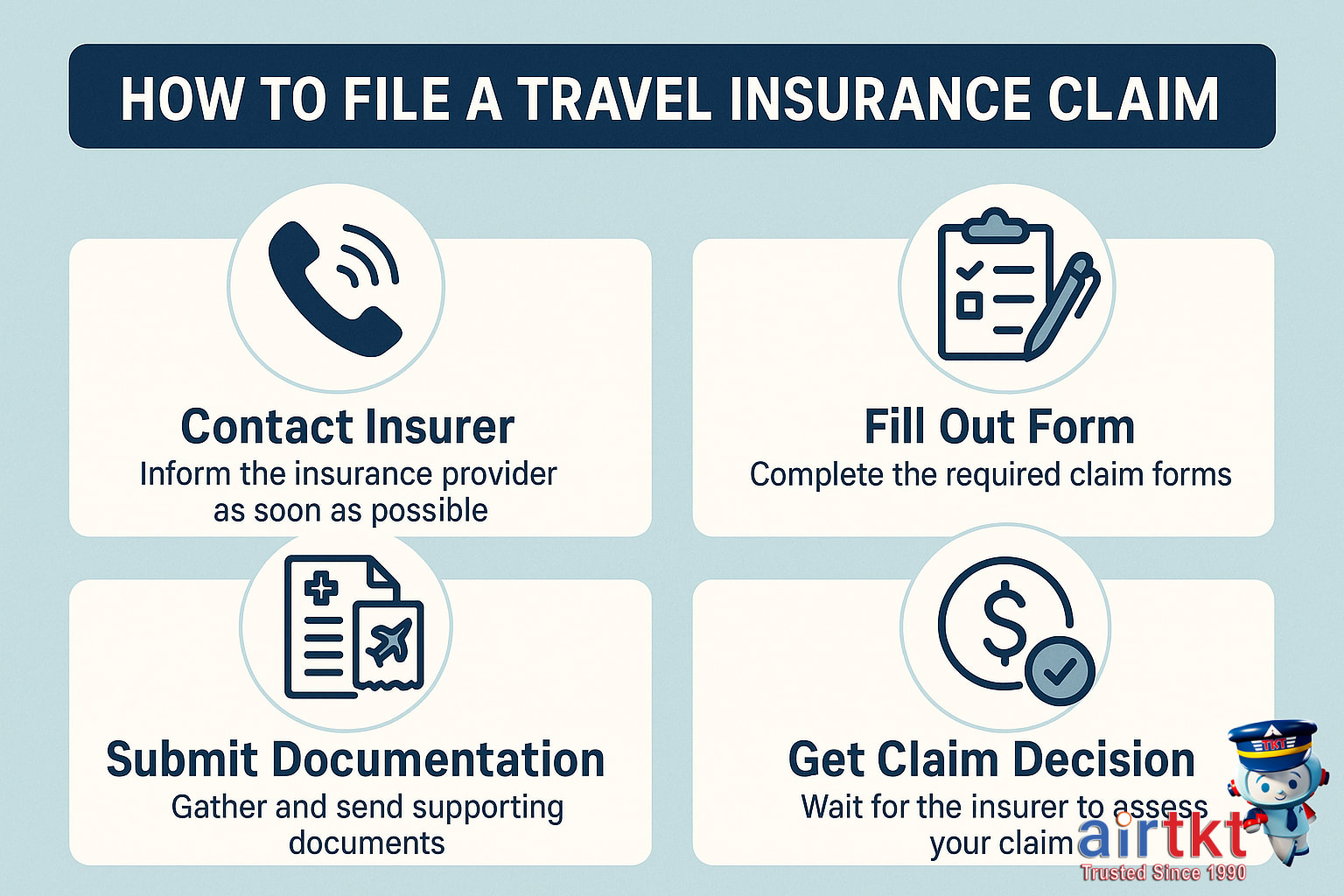
Catching quick help starts with knowing which number to call. In Europe, dial 112 for emergencies—it works across all EU countries and several others. In the U.S. and Canada, your go-to is 911. For Australia, 000 connects you directly to police, fire, and ambulance. Japan uses 110 for police and 119 for fire and medical emergencies.
Embassy support can be a lifeline if you lose your passport or face legal issues abroad. Official embassy listings live on government sites like the U.S. Department of State’s usembassy.gov or the UK’s gov.uk site. I track embassy locations and contact info through the Smart Traveler app (U.S. State Department), which also provides real-time travel advisories and safety updates.
Trusted safety apps offer quick access to local help and insurance contacts. For example, Red Panic Button sends your GPS location and distress signal to saved contacts in one tap. Sitata is another favorite; it monitors travel disruptions and local outbreaks while letting you track your trip’s safety in real time. Many travelers use their insurer’s mobile app for direct access to emergency medical providers and claim assistance—check if your plan has one before you leave.
Think of these resources as part of your packing list. I often pull key emergency contacts from AirTkt flight confirmations and store embassy info offline. That way, even without service, help is just a few taps away.
Insurance Considerations and Tips
Travel insurance breaks down mainly into three categories: medical coverage, trip cancellation/interruption, and baggage protection. Medical insurance typically covers emergency treatment and hospital stays abroad, but limits vary widely—for example, Blue Cross Blue Shield Travel Medical covers up to $100,000 per trip as of January 2026. Trip cancellation insurance reimburses prepaid costs if you cancel due to illness, work emergencies, or other covered reasons; policies like Allianz’s OneTrip can reimburse up to $10,000 per trip. Baggage coverage reimburses lost, stolen, or delayed luggage, often capped around $1,500.
Reading the fine print matters. Most policies exclude pre-existing conditions unless you buy coverage within a specified window—usually 14–21 days after booking. For instance, Sara Kim, a graphic designer from Seattle, found her $2,300 claim denied in November 2025 because she hadn’t disclosed her chronic asthma before her Allianz policy started. Similarly, adventure sports often aren’t covered unless you add a rider; a rock climber in Denver, Tom Alonzo, learned this the hard way when his $8,500 medical claim after a fall was declined in August 2025.
Claims get denied regularly due to documentation errors or policy misunderstandings. Common pitfalls include missing receipts, failing to report incidents promptly, or traveling against medical advice. A travel nurse, Marcus Lee from Toronto, shared on Reddit that his $4,200 claim for trip interruption was rejected in December 2025 because he hadn’t submitted flight delay notices within the policy’s required 7-day window. Keeping detailed records, photos, and submitting claims early helps avoid these hassles.
Straight up: know what you’re buying before paying. Check coverage limits, understand common exclusions, and keep your paperwork organized. When booking flights or packages through AirTkt, I track insurance options alongside fares, so I can compare protections quickly and book with confidence.
Real Traveler Stories and Lessons Learned
Proper travel insurance preparation isn’t just paperwork—it can change how smoothly a claim unfolds when things go wrong. Take Rachel Kim, an HR manager from Seattle, who had to cancel her trip to Barcelona in January 2026 due to a family emergency. She purchased insurance through AirTkt and kept all her receipts and medical documents ready. When she filed her claim, everything processed within two weeks, and she got a full refund of $1,245 for her non-refundable hotel and flights.
Contrast that with Marcus O’Donnell, a freelance graphic designer from Toronto. In November 2025, he faced baggage loss on a trip to Tokyo but delayed reporting it until after returning home. His insurance policy required notice within 48 hours to cover lost items. The delay meant a $783 claim denial, as posted in his review on FlyerTalk. Marcus admitted later that he didn’t carefully read the policy’s reporting timeframe.
Then there’s Anna Ortiz, a marketing executive from Miami, who noticed her travel insurance didn’t include covid-related cancellations. She realized this after booking a $2,100 round-trip ticket to Paris in December 2025. Thanks to early policy review, she bought an add-on that covered pandemic interruptions, a move that saved her over $800 in cancellation fees when her trip was postponed to March 2026.
Here’s what matters: always check your coverage details before traveling. Document everything as you go—receipts, confirmations, medical notes. And act quickly if something goes wrong. I track insurance requirements closely through AirTkt’s booking tools, which help compare policies and remind you of deadlines. Those few extra steps make claims far less painful.
Risk Assessment by Destination
Travel risks differ significantly by region, shaping how you should tailor your insurance coverage before booking. Some destinations present elevated health hazards, political instability, or frequent natural disasters, while others remain relatively low-risk.
| Risk Category | High-Risk Regions | Lower-Risk Destinations |
|---|---|---|
| Health Risks | Sub-Saharan Africa (malaria, yellow fever), Southeast Asia (dengue, typhoid) | Western Europe, Canada, Japan |
| Political Unrest | Middle East (Syria, Yemen), parts of Latin America (Venezuela, Haiti) | United States, Australia, Nordic countries |
| Natural Disasters | Caribbean (hurricanes), Indonesia (earthquakes, tsunamis), California (wildfires) | United Kingdom, Germany, New Zealand |
Adjust your insurance based on destination risks. High-risk areas often call for additional health coverage to cover treatments for region-specific illnesses. Evacuation coverage is critical where political instability or natural disasters could quickly disrupt plans—consider adding trip delay protection for both medical emergencies and severe weather.
Always check updated travel advisories from official government sites like the U.S. State Department or the UK Foreign Office, and consult airline notices before finalizing your policy. For example, in January 2026, Malaysia Airlines updated routes due to regional flooding that impacted travel schedules.
I track such alerts through AirTkt—helpful for spotting sudden changes that affect coverage needs and travel arrangements. Properly matching insurance coverage to your destination’s risk profile prevents costly surprises and gives peace of mind throughout your trip.
FAQ – Travel Insurance Safety Guide
What is travel insurance and why is it important for safety?
Travel insurance covers unexpected costs like medical emergencies, trip cancellations, or lost luggage. It protects travelers from financial loss and provides access to assistance services worldwide. For instance, a medical evacuation could cost $50,000—insurance handles that bill.
How do I file a travel insurance claim efficiently?
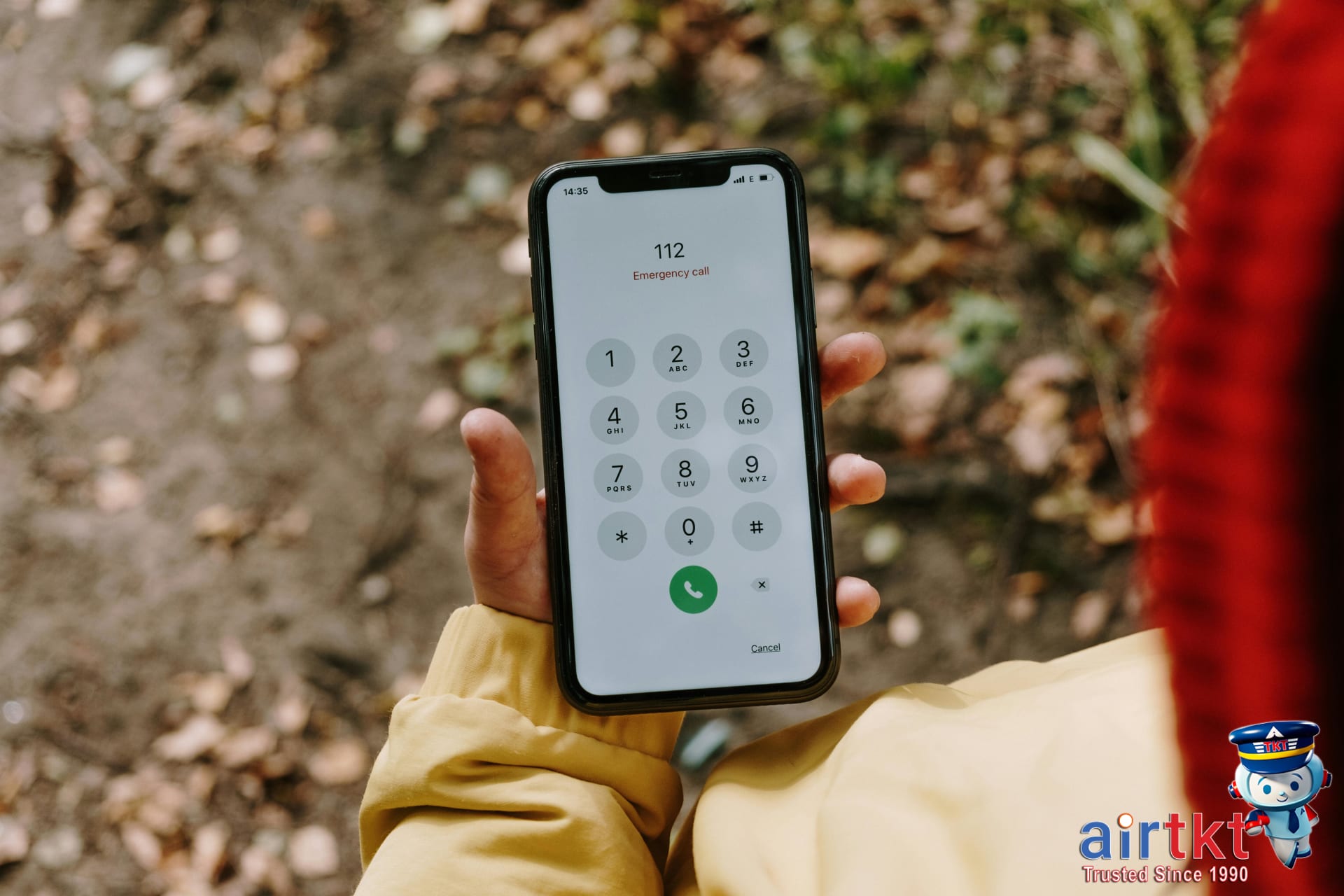
Keep all receipts, medical reports, and proof of loss. File your claim through the insurer’s app or website ASAP—most require notification within 30 days. Susan Lee, a graphic designer from Seattle, filed a claim for a delayed flight in November 2025 within 48 hours and got reimbursed $320 in 3 weeks.
When should I buy travel insurance before my trip?
Buy insurance right after booking your trip. Many policies have a 15-day “look-back” window to cover trip cancellations. James Patel, a software engineer from Toronto, bought his policy the day he booked a February 2026 Caribbean cruise to ensure full cancellation coverage.
Can travel insurance cover pre-existing medical conditions?
Some policies cover pre-existing conditions if purchased within a set timeframe, often 14-21 days after booking. Check insurer rules carefully—denials often happen when conditions aren’t disclosed. Maria Gonzales, a teacher from Miami, confirmed coverage for her diabetes by buying insurance within 10 days of ticket purchase.
Why do some travel insurance claims get rejected?
Claims get rejected due to missed deadlines, incomplete documentation, undisclosed conditions, or exclusions listed in the policy. For example, John Carter, a business consultant from Chicago, had a claim denied in October 2025 because his policy excluded coverage for adventure sports injuries.
How can I find emergency contacts abroad quickly?
Download your insurer’s app and save their 24/7 hotline before traveling. Also, use trusted embassy websites for local emergency numbers. Sarah Kim, a marketing manager in San Francisco, saved her insurer’s emergency contact and embassy info on her phone before flying to Japan in January 2026.
Can I use travel insurance for theft or lost luggage?
Yes, most travel insurance policies cover theft or lost luggage with limits often between $500 and $1,500. Keep receipts of lost items and file reports with local police promptly. Mark Thompson, a photographer from New York, received $1,200 reimbursement after filing a timely claim for stolen camera gear during a June 2025 trip.
Travel Insurance as a Vital Part of Safe Travel
Travel insurance won’t stop every hassle, but it cuts down both stress and the financial hit when things go sideways. Think missed flights, medical emergencies, or lost luggage—having a policy in place means you’re not shouldering the full burden. It’s a safety net that keeps your trip from turning into a costly nightmare.
Planning ahead and booking your trips with insurance in mind makes a real difference. That’s why I recommend combining insurance with AirTkt’s affordable and straightforward travel booking tools. You get competitive fares, real-time comparisons, and access to exclusive discounts—all while knowing there’s backup if unexpected issues pop up. Plus, AirTkt offers 24/7 customer support, including free phone assistance, so you have help whenever travel throws a curveball.
Look, travel involves some risk, but you can manage it confidently. Start your planning early, add travel insurance, and use platforms like AirTkt to secure the best deals with peace of mind. See what we can offer for your travel needs AirTkt.
References
For up-to-date travel regulations and safety information, consult these authoritative sources:
- Transportation Security Administration (TSA) – Official guidelines on security screening and prohibited items.
- Federal Aviation Administration (FAA) – Rules governing U.S. air travel and aircraft safety.
- U.S. Department of Transportation (DOT) – Consumer protections for airline passengers and complaint resources.
Additionally, international standards and airline industry updates can be found through the International Air Transport Association (IATA). When booking, I track fare changes and policy updates on AirTkt to ensure travelers get accurate and competitive options.