
Introduction to Strategic Planning for New Year Travel
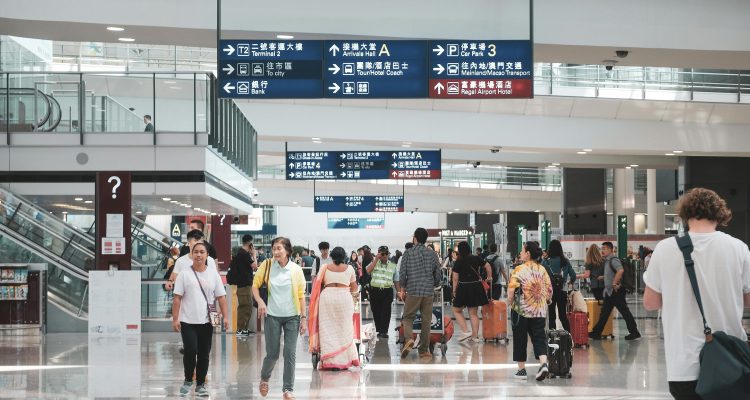
As the calendar flips to December, travel demand spikes dramatically, with countless travelers eager to welcome the New Year from far-flung destinations. This surge causes prices to soar, and airports become bustling hubs filled with excited vacationers. Flights during this peak period often come with premium rates, and last-minute bookings can easily lead to inflated costs, limited availability, and heightened stress. Without a carefully crafted travel plan, it’s easy to get caught off guard by these challenges.
Many travelers face the frustration of scrambling for tickets just days before departure, only to discover that prices have doubled or that preferred routes are sold out. Booking too late or without clear strategy can also mean non-refundable fares, inconvenient flight times, or long layovers. Additionally, crowded airports can add to the hassle, causing delays and longer wait times at security and check-in counters.
That’s why early, strategic planning is essential for savvy New Year travelers. Taking advantage of optimal booking windows not only unlocks better prices but also allows for greater flexibility in choosing flights and accommodations. Understanding when to book, how to avoid peak-time crowds, and identifying destinations that offer the best value can transform a stressful trip into a memorable adventure.
In this article, we’ll explore the key strategies every traveler should know for navigating the New Year travel surge. You’ll learn about the best times to secure tickets, the typical price premiums to expect, and alternative travel dates that can reduce costs. We’ll also share insider tips for avoiding congested airports, plus tailored advice for families and couples seeking the perfect getaway. Whether you’re looking for budget-friendly options or a stress-free travel experience, these insights from AirTtkt will empower you to plan your New Year trip smarter and save money.

Optimal Booking Timeline for New Year Travel
Planning your New Year travels requires careful timing to secure the best flight deals without sacrificing availability. For most travelers, the ideal booking window falls between two to four months before departure. This period strikes a balance between fare affordability and seat availability, particularly for trips around the holiday season when demand spikes dramatically.
Airlines employ advance purchase requirements designed to encourage early booking and manage seat inventory for peak travel dates like New Year’s Eve and New Year’s Day. Typically, these policies mandate that tickets must be bought at least 7 to 21 days in advance, but the sweet spot for optimal pricing sits well before that minimum threshold. Booking within two to four months provides early access to standard economy seats and promotional fares before airlines transition into peak-season pricing models.
Failure to book within this timeframe often leads to higher prices and fewer seat options. Airlines apply dynamic pricing algorithms that increase fares as the departure date nears, reflecting remaining seat scarcity and heightened traveler demand. A last-minute purchaser can expect to pay multiples of standard rates or be forced to choose inconvenient flight times or connecting routes.
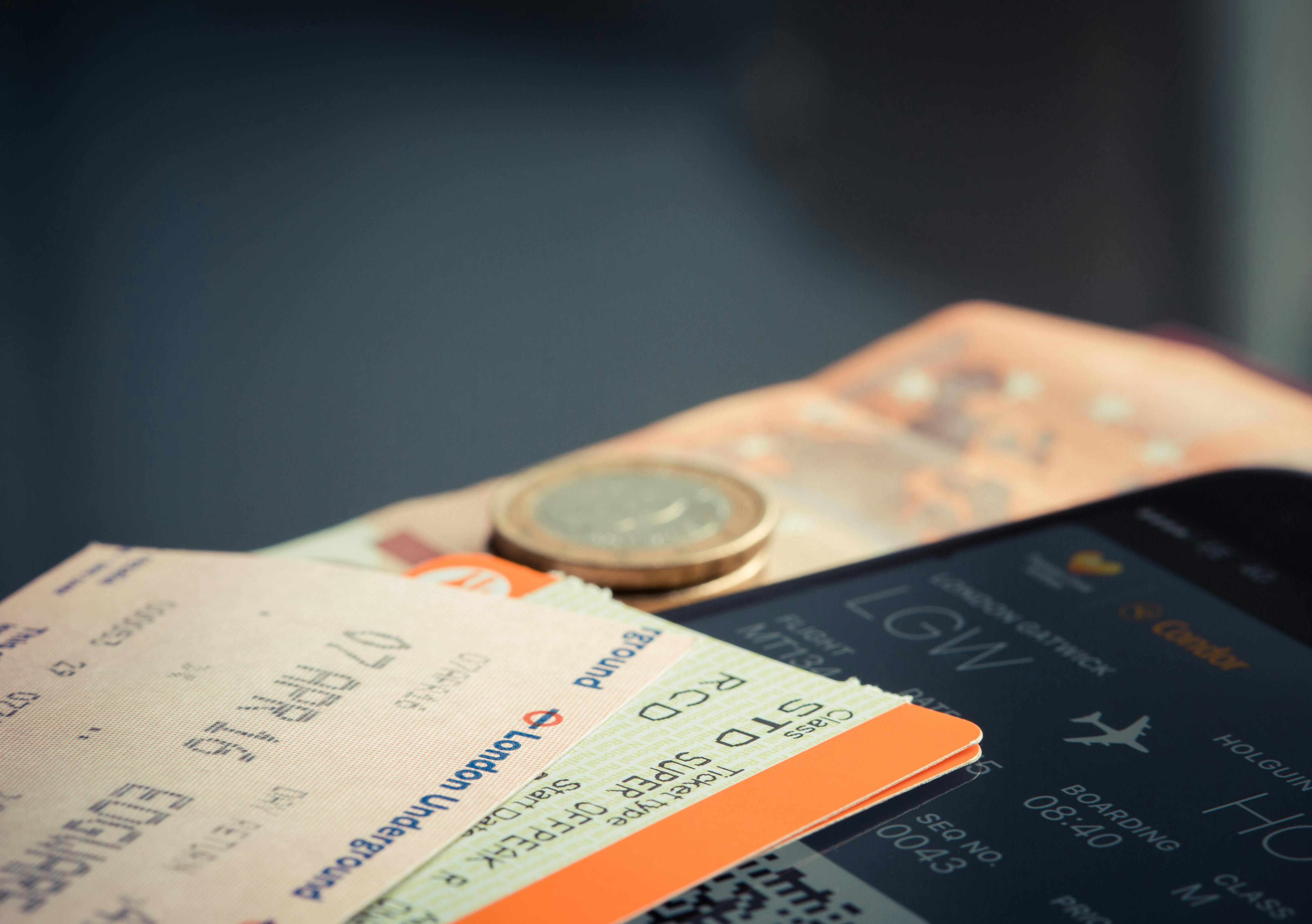
For instance, data gathered from the U.S. Department of Transportation (DOT) airfare trends for key hubs such as New York (JFK), Chicago (ORD), and Los Angeles (LAX) consistently show lowest average fares booked three months in advance. The charts below illustrate that as booking moves closer to departure—particularly within 30 days—average New Year round-trip prices can surge by 40% or more, with seat availability dropping sharply.
| Booking Window | New York (JFK) | Chicago (ORD) | Los Angeles (LAX) |
|---|---|---|---|
| 4 Months Ahead | $280 | $255 | $295 |
| 3 Months Ahead | $310 | $275 | $320 |
| 1 Month Ahead | $400 | $385 | $420 |
| 2 Weeks Ahead | $520 | $480 | $535 |
Ultimately, booking your New Year flights within the two to four months prior to departure offers the best chance of locking in affordable fares and preferred flight times. Waiting until the last minute tends to result in inflated prices and limited seat selection, especially on popular routes and hub airports that experience heavy holiday traffic.
To take advantage of these insights, consider using AirTtkt‘s intuitive fare comparison tools. They empower travelers to monitor rates, receive alerts on price drops, and secure the best deals well before the busy New Year rush.
Understanding New Year Price Premiums
As the New Year approaches, the surge in travel demand causes airfare prices to spike dramatically. During this peak period, travelers can expect to see ticket prices increase by anywhere from 30% to over 80%, depending on various factors. These price premiums stem primarily from intense demand, limited flight capacity, and additional airport-related fees that airlines pass on to passengers. Understanding the mechanics behind these increases can empower you to make smarter booking choices.
First, the influx of travelers eager to celebrate the holidays or return home puts extreme pressure on available flight seats. Airlines operate with a constrained number of flights and seating options, especially around December 29 through January 3, which reduces supply while demand soars. This scarcity naturally drives prices upward, a basic principle of supply and demand economics. On top of that, airports often impose congestion fees during peak holiday periods to manage heavier passenger loads. These fees get incorporated into ticket prices, further inflating the final cost.
Price premiums are not uniformly distributed across all fare classes. Economy seats, the most common choice, typically experience marked increases—often in the 30% to 50% range—because they are the most price-sensitive segment. Premium economy fares see larger hikes, sometimes reaching up to 65%, reflecting their appeal to travelers wanting extra comfort without the full business class price tag. Business class tickets, which cater to corporate or luxury travelers, can surge by more than 80% during New Year peak travel. Airlines justify these higher premiums due to limited availability and a clientele less sensitive to price hikes during holiday travel.
| Fare Class | Typical Price Increase | Reason for Premium |
|---|---|---|
| Economy | 30% – 50% | High volume demand; price-sensitive passengers |
| Premium Economy | 45% – 65% | Limited availability; desire for comfort at moderate cost |
| Business Class | 70% – 85%+ | Scarce seats; luxury and corporate clientele |
Airlines often apply holiday surcharges layered on top of base fare prices. These surcharges contribute significantly to overall cost inflation during New Year’s travel. Additionally, refundable and flexible fare classes usually carry even steeper premiums, as they provide the buyer more adaptability amidst the holiday chaos. Understanding these airline fare class rules can help you select tickets optimized for your budget and travel needs.
Fortunately, there are practical strategies to soften the financial impact of New Year airfare premiums. Booking flights well in advance is the most effective way to secure lower rates before airlines begin to intensify their pricing. Ideally, purchasing tickets several weeks to months ahead can lock in significantly better fares compared to last-minute bookings made during the holiday rush.
Another powerful tactic is maintaining flexibility with your travel dates. Flying a few days before or after peak New Year dates can reduce exposure to the highest fare surges and holiday-related surcharges. Midweek flights, early morning, or late-night departures often cost less since they attract fewer travelers. By shifting your travel window just slightly, you can avoid the steepest price premiums.
When using AirTtkt, travelers can compare real-time fares across multiple carriers and fare classes, allowing for smart choices that balance comfort and cost. The platform’s tools encourage advance booking and date-flexible searches, helping you minimize New Year price premiums while still enjoying seamless holiday travel.
Best Value Destinations for New Year Travel
Navigating peak New Year travel without breaking the bank might seem daunting, but with some strategic choices, you can find exceptional value in destinations less saturated by tourists or extravagant price hikes. Below, we explore budget-friendly domestic locations, international spots with moderate price inflation, and up-and-coming festive havens that combine affordability with memorable experiences.
Domestic Destinations That Avoid Crowded Hubs
While major cities like New York and Los Angeles attract massive crowds (and correspondingly high prices) during the New Year, several smaller domestic destinations offer delightful celebrations without the inflated costs. Consider places like Asheville, North Carolina, known for its cozy mountain charm and vibrant downtown festivities. Asheville’s moderate winter weather averages highs around 45°F (7°C), comfortable for exploring local craft breweries and rooftop events.
Another affordable alternative is San Antonio, Texas, which boasts a temperate climate, averaging 65°F (18°C) in December and January. The city’s famous River Walk hosts fireworks and light displays along the riverside, creating a festive atmosphere at a fraction of the price of larger urban centers.
Sample Itinerary: In Asheville, spend your New Year’s Day hiking the Blue Ridge Parkway, followed by an evening celebrating at Pack Square with live music and local cuisine.
International Destinations With Moderate Seasonal Price Surges
For travelers looking beyond the U.S. borders, some international locations maintain reasonable prices throughout the holiday season. Lisbon, Portugal, for example, blends festive charm with affordable accommodation and dining. The city enjoys mild weather in winter, typically around 55°F (13°C), and hosts lively street parties with fireworks at Praça do Comércio.
Meanwhile, Mexico’s Mérida offers rich cultural celebrations with less price inflation compared to Cancun or Mexico City. Average temperatures hover near 75°F (24°C), ideal for outdoor festivities. Visitors can experience local traditions, live music, and regional cuisine without premium costs that usually accompany peak holiday travel.
Sample Itinerary: In Lisbon, begin with historic tram tours and end your night at the riverside New Year’s Eve event, then visit Belém the next day to sample pastries and visit museums.
Emerging and Less Crowded New Year Vacation Spots
If you prefer to avoid the crowds altogether, consider emerging destinations gaining popularity for their unique celebrations without the trek of established party capitals. For instance, Tbilisi, Georgia, has been spotlighted for its welcoming atmosphere and vibrant street festivals. With winter temperatures around 40°F (4°C), visitors can enjoy cozy wine bars and historic architecture while engaging with local customs.
Similarly, the Canary Islands (Spain) offer mild winter weather, about 65°F (18°C), beautiful landscapes, and festive events in quieter towns like La Palma compared to Tenerife. These islands provide an excellent alternative to busier Mediterranean hotspots.
Sample Itinerary: In Tbilisi, start the year exploring the Old Town and sulfur baths, accentuating your celebration with a traditional Supra feast featuring Georgian wine and dance.
Key Considerations: Weather, Accessibility, and Events
- Weather: Choosing destinations with milder climates reduces risk of weather-related disruptions and allows for outdoor celebrations.
- Accessibility: Opt for destinations with good flight connectivity but fewer crowds to find better airfare deals via platforms like AirTtkt.
- Events: Prioritize places with unique, well-publicized New Year events that offer local flavor—street festivals, fireworks, traditional ceremonies—to enrich your experience while keeping costs in check.
By targeting these varied destination types, budget-conscious travelers can enjoy festive atmospheres and comfortable weather without paying premium prices typical of the New Year period. Data from tourism boards and recent travel trend reports underscore the increasing appeal of these locations for savvy travelers seeking affordability and authenticity.
Crowd Avoidance and Alternative Travel Dates
When planning your next trip, choosing the right travel dates can make a substantial difference in both the cost and comfort of your journey. Traveling mid-week or immediately after peak holiday periods like the New Year rush significantly reduces exposure to airport crowds and high airfare. Mid-week flights, particularly on Tuesdays and Wednesdays, tend to see lower passenger volumes because most business travelers depart early in the week, and weekend vacationers have already arrived or departed. This pattern opens an opportunity to enjoy a quieter airport experience and often more affordable tickets.
Even small shifts in travel dates can yield surprisingly large savings. For example, departing a day earlier or later than a peak travel date can reduce fares by hundreds of dollars, particularly during high-demand seasons. Airlines adjust prices based on projected load and competition, so flexibility with your dates enables you to capitalize on these fluctuations. This is where leveraging fare comparison tools becomes invaluable.
AirTtkt provides an excellent platform that supports flexible date searching, allowing travelers to compare prices across a range of departure and return days with ease. These tools display fare calendars or price graphs so you can quickly identify the cheapest days to fly. By experimenting with different combinations, you can avoid paying premium prices associated with the highest-demand travel days.
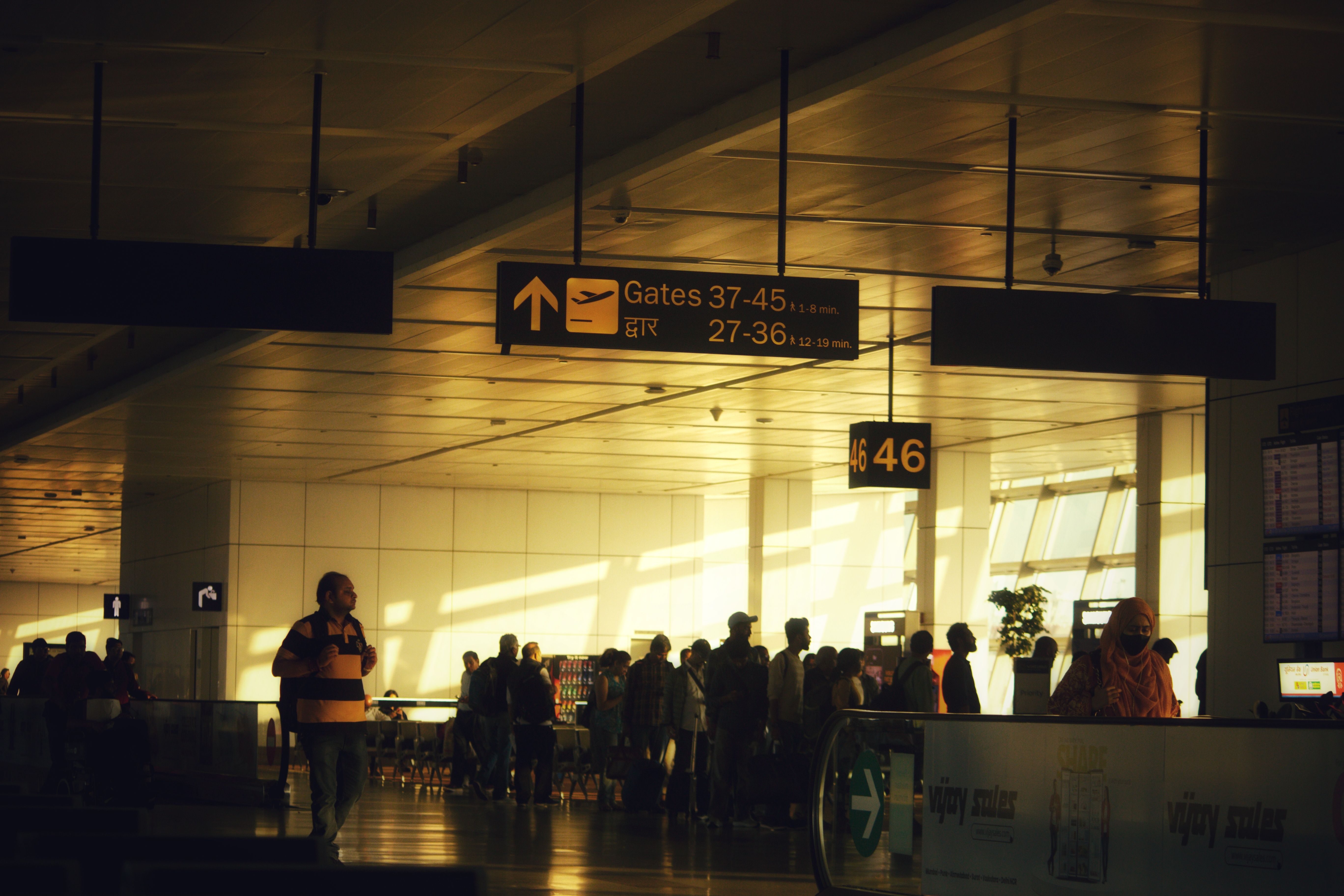
Analyzing transportation security administration (TSA) data reveals predictable peaks in traveler flow at major airports. Morning hours from 7 am to 9 am, and late afternoon from 4 pm to 6 pm, consistently register the busiest security line wait times. Additionally, Fridays and Sundays typically experience congestion due to weekend travelers. In contrast, mid-week midday flights, especially on Wednesdays and Thursdays, encounter shorter queues and smoother processing. Planning to arrive earlier in the morning or later in the evening can further reduce waiting times and help you get to your gate less stressed and more relaxed.
Seasonal data also indicates post-holiday travel periods are ideal for avoiding overcrowding. After the New Year rush, airports see a marked drop in passenger numbers as most leisure travelers return home. Bookings during this lull often come with reduced fares and less crowded terminals. Flights departing on the first or second Tuesday following major holidays frequently enjoy a combination of lower prices and shorter lines.
Here are some actionable tips to strategically time your departures and arrivals:
- Opt for flights departing mid-week, preferably Tuesday or Wednesday, to minimize crowds and maximize savings.
- Use AirTtkt‘s fare comparison tools to explore flexible date options and identify the cheapest travel windows.
- Consider early morning (before 7 am) or late evening (after 7 pm) flights to avoid peak airport congestion.
- Avoid Friday and Sunday travel if possible, as these days tend to be the busiest and most expensive.
- Schedule trips after major holidays to take advantage of reduced demand and more comfortable travel conditions.
By using these crowd avoidance strategies along with flexible travel dates, you can enjoy a more relaxed airport experience and substantial savings on your airfare. Harnessing the power of tools like AirTtkt empowers travelers to book smarter, more affordable flights while steering clear of the hassles caused by peak travel rushes.
Airport Tips for Busy Holiday Travel
Traveling during the New Year holidays means navigating crowded airports, longer lines, and often unpredictable delays. To help you breeze through the chaos with minimal stress, here is a practical checklist tailored to keep your airport experience smooth and efficient.
Arrive Early to Beat the Rush
One of the simplest yet most effective ways to avoid last-minute stress is to arrive at the airport well ahead of your flight time. Plan for at least 2 to 3 hours before domestic flights and 3 to 4 hours for international departures. Early arrival gives you a buffer for check-in, security, and any unexpected hiccups like traffic or parking issues. It also helps you avoid the frustration of rushing through crowded terminals.
Use Expedited Security Programs
Sign up for programs like TSA PreCheck or CLEAR to dramatically reduce wait times at security checkpoints. TSA PreCheck allows you to keep your shoes, belt, and light jacket on, plus you don’t need to remove laptops or liquids from your bag. CLEAR takes this a step further by using biometric data to expedite identity verification, letting you bypass long identity check lines altogether. These time-savers are invaluable during peak holiday travel.
Pack Light and Know Baggage Rules
Packing light is a strategic move during busy travel periods. A single carry-on that complies with airline size and weight limits speeds up both check-in and security screening. Review the latest baggage regulations from your airline to avoid surprises or extra fees. Keep liquids, gels, and electronics organized and accessible in TSA-approved containers to avoid delays at checkpoints. Your luggage preparation directly impacts your pace through the airport.
Consider Lounge Access or Expedited Services
Long wait times can test your patience, so consider booking airport lounge access if your airline or credit card offers it. Lounges provide a quieter, more comfortable environment with complimentary snacks, drinks, and Wi-Fi. Alternatively, some airports and airlines offer paid expedited services for check-in and security that can be worth the investment, especially during the frenzied holiday season.
Monitor Flight Status and Opt for Flexibility
Real-time flight updates are critical during busy travel days. Use airline apps or trusted platforms to track any changes to gate assignments or departure times. Booking flexible tickets through AirTtkt ensures you have the option to modify or cancel flights without steep penalties, offering peace of mind when disruptions occur. Flexibility can be your best ally if bad weather or operational delays impact your journey.
Stay Updated on TSA and Airport Procedures
The TSA frequently updates its rules and airport protocols to enhance safety and efficiency. Before you travel, check the latest TSA guidelines regarding carry-on items, prohibited materials, and health measures such as mask policies. Being aware of these regulations minimizes the chances of your belongings being confiscated or additional screening delays, keeping your journey seamless.
By following these expert tips, you can alleviate much of the stress associated with peak holiday travel and enjoy a smoother, more comfortable airport experience. For affordable flights and flexible booking options tailored to your needs, visit AirTtkt to start planning your next trip with confidence.
Family-Friendly vs Couples Destinations for New Year
When planning a New Year vacation, families and couples often prioritize very different experiences that reflect their distinct needs and preferences. Families typically look for destinations that offer a blend of entertainment, safety, and convenience, ensuring that activities engage all age groups. Couples, on the other hand, often seek out romantic atmospheres that provide privacy, fine dining, and relaxation to welcome the new year together.
For families, destinations with spacious accommodations like family suites and resorts offering kid-friendly amenities are essential. These spots often boast supervised play areas, easy access to medical facilities, and a wide range of activities—from theme parks to nature excursions—that keep everyone entertained. Safety is a top concern, so well-managed resorts or cities known for their family-oriented infrastructure are generally preferred.
Popular family-friendly destinations for New Year vacations include Orlando, Florida, home to top-tier amusement parks; Tenerife in the Canary Islands, known for its mild winter climate and family resorts; and Tokyo, where families can explore interactive museums, kid-centric attractions, and cultural celebrations. Each destination balances excitement and ease, allowing parents to relax while kids stay engaged.
Conversely, couples often gravitate toward destinations that enhance intimacy and offer romantic experiences. Privacy is paramount, so boutique hotels or secluded resorts with luxurious amenities tend to be favored. Fine dining plays a significant role, with many couples opting for destinations famous for their culinary scenes and sunset views. Additionally, wellness spas, candlelit cruises, and New Year’s Eve gala events add to the allure.
Romantic spots like Santorini, Greece, enchant couples with stunning sunsets and tranquil villas. Bali offers serene beaches and world-class spa resorts perfect for celebrating the New Year in style. For those seeking vibrant urban romance, cities like Paris or New York provide iconic fireworks displays combined with elegant dining and entertainment options suited to couples.
Booking during the peak New Year season requires foresight, especially for families needing larger suites or couples wanting exclusive honeymoon packages. Start by searching early on AirTtkt to secure the best deals on flights and accommodations. When reserving family suites, look for properties that explicitly advertise kid-friendly perks like babysitting services, playrooms, and child-safe environments.
Couples should consider packages that bundle romantic extras such as couples’ massages, private dinners, and champagne toasts. Flexible cancellation policies are also advisable due to the high demand and potential changes in travel plans. Using AirTtkt’s user-friendly platform, travelers can compare last-minute offers and exclusive discounts, making these luxurious or family-oriented stays more attainable.
Ultimately, whether traveling with children or as a couple, choosing a New Year destination aligned with your group’s core desires ensures a memorable start to the year. Thoughtful planning and leveraging tools like AirTtkt will help you find the perfect spot—full of either lively family fun or intimate romantic moments.
Conclusion: Making the Most of Your New Year Travel Experience
When planning your New Year travels, timing and strategy are key to securing the best deals and avoiding common pitfalls. Booking your flights within the optimal windows—typically several weeks to a few months before your trip—can help you lock in competitive prices while minimizing exposure to last-minute inflation. Being mindful of peak travel days and crowded destinations further enhances your experience by reducing stress and ensuring smoother logistics.
Flexibility remains one of the most valuable assets in your travel toolkit. Adjusting your departure and return dates by just a day or two often yields significant savings, while switching to less popular airports or nearby cities opens up alternative fare options. Informed destination choices—favoring emerging or less-touristy locales—can also deliver better deals and a richer, more authentic travel experience during the festive season.
As you navigate these considerations, AirTkt stands out as a trusted partner dedicated to simplifying your booking journey. With real-time fare comparisons and access to exclusive discounts, AirTkt empowers you to find affordable flights tailored to your needs without endless searching. Their streamlined platform ensures a hassle-free booking process, while 24/7 customer support offers reliable assistance whenever you need it. For travelers seeking confidence in both price and service, AirTkt offers a consistent edge.
Ultimately, successful New Year travel combines early planning, flexibility, and the right tools. By starting your search with AirTkt, you maximize your chances of capturing the best airfare and enjoying a seamless experience from booking through boarding. Whether you’re traveling solo, with family, or on a budget, making informed decisions now sets the stage for a memorable and affordable journey into the new year.
References and Source Verification
To ensure accuracy and trustworthiness, this article draws from reputable and authoritative sources in the air travel industry. The U.S. Department of Transportation’s Airfare Trends page provides comprehensive data on pricing patterns and market changes. Security guidelines referenced here are aligned with the latest updates from the Transportation Security Administration (TSA). For global insights on airline performance and travel trends, the International Air Transport Association (IATA) offers detailed reports and forecasts. These sources guarantee that all advice and tips presented by AirTtkt rest on verified, up-to-date information, empowering travelers with reliable guidance for smarter booking decisions.