

Understand Travel Insurance Basics
Travel insurance acts as a safety net, protecting travelers from unforeseen events that can disrupt their plans or cause financial loss. Essentially, it’s a contract between you and an insurer that offers peace of mind by covering specific risks associated with your trip. Whether you’re booking a quick weekend getaway or an international adventure, travel insurance helps mitigate worries about cancellations, emergencies, or lost belongings.
Travel insurance generally includes several broad coverage categories, each designed to address common travel challenges. The first is trip cancellation or interruption, reimbursing non-refundable costs if you must cancel or cut short your trip due to illness, family emergencies, or other qualifying reasons. Next, medical expenses coverage is crucial for handling health emergencies abroad, often covering hospital stays, doctor visits, or prescriptions when your regular health insurance may not apply.
Emergency evacuation and repatriation are also included, covering transportation if you need urgent medical care or must be returned home under medical supervision. Baggage loss or delay protection reimburses you if your luggage is lost, stolen, or significantly delayed, helping replace essentials. Lastly, many plans offer assistance services, such as 24/7 support for locating doctors, legal advice, or emergency cash transfers.
Deciding whether to purchase travel insurance depends on several factors. Consider the nature of your trip: longer or international trips often carry higher risks and more expenses, making coverage more beneficial. Assess your risk tolerance—if you prefer security against unexpected costs, insurance is wise. Also, review your existing coverage: some credit cards and health plans extend partial travel protection, but they might not fully cover all scenarios. Understanding these aspects helps you choose the right policy without paying for redundant services.
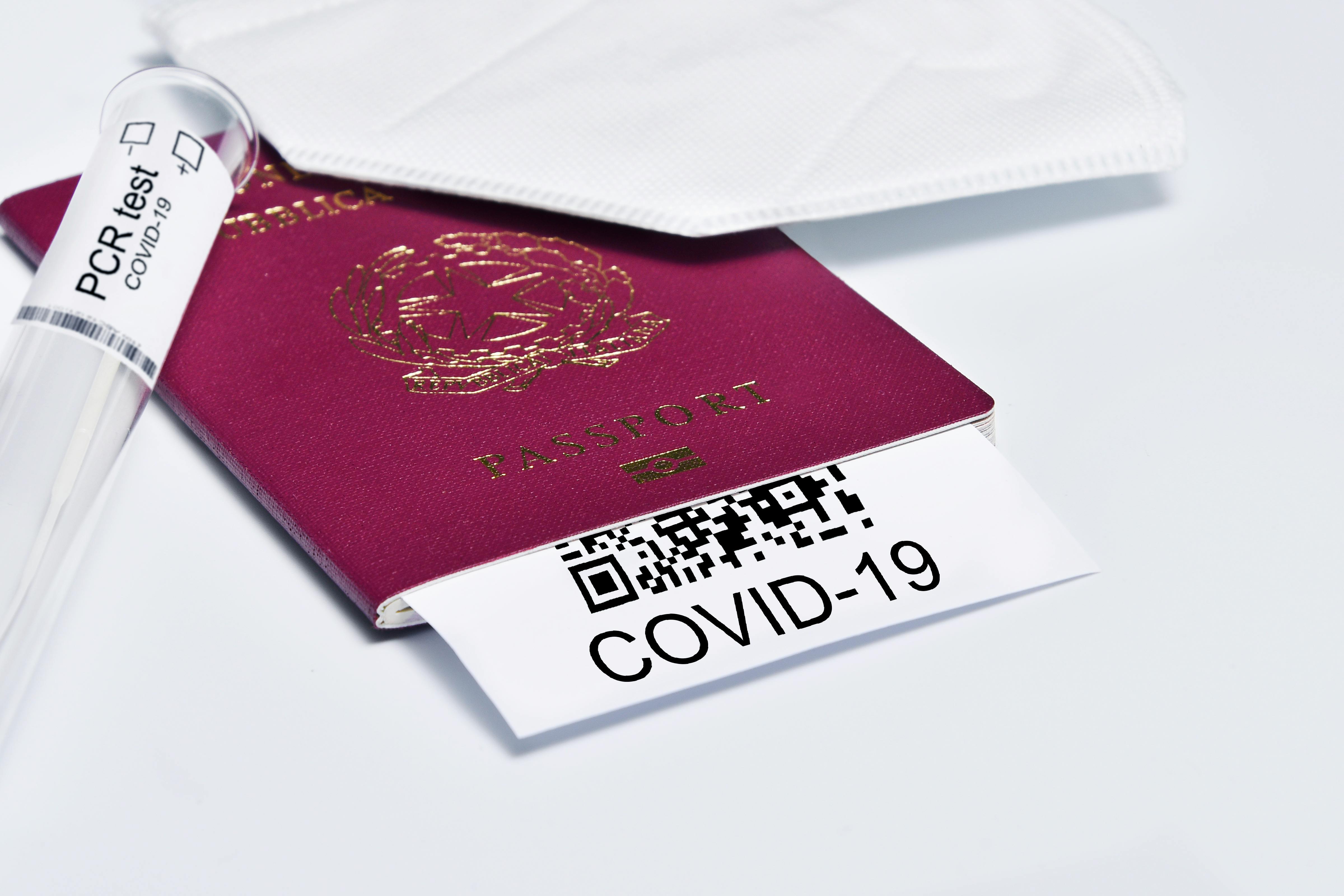
Explain Main Types of Travel Insurance Coverage
Travel insurance offers crucial protection against unexpected events that could disrupt your trip or lead to costly expenses. Understanding its key coverage types helps travelers choose the best policy. Here we break down the main areas of travel insurance, with practical examples of when claims apply.
Trip Cancellation and Interruption Protection
This coverage reimburses non-refundable trip costs if you need to cancel or cut short your journey due to covered reasons. Common reimbursable causes include sudden illness, injury, or severe weather that makes travel impossible. For instance, if you fall sick just before departure or your flight is canceled due to a hurricane, trip cancellation coverage can recover prepaid costs like airfare and hotel stays.
Interruption coverage works similarly when your trip is unexpectedly cut short. Say a family emergency arises, or a natural disaster strikes your destination partway through the trip—this insurance will cover unused portions and additional return travel expenses.
Medical Coverage When Traveling Abroad
Domestic health insurance plans often provide limited or no coverage outside your home country. That’s why medical travel insurance is essential when exploring international destinations. It covers costs for unexpected illness or injuries requiring treatment abroad—such as hospitalization, doctor visits, or prescription medications.
Imagine you suffer a severe allergic reaction while hiking in a foreign country. Without medical coverage, you’d face potentially huge out-of-pocket costs. Travel medical insurance ensures you receive prompt care and helps pay for emergency medical care, which can be prohibitively expensive overseas.
Emergency Evacuation and Repatriation
Evacuation coverage covers transportation to the nearest adequate medical facility or back to your home country if conditions require. This is vital in scenarios where local medical care is insufficient. For example, if you are critically injured in a remote location, evacuation insurance funds specialized air ambulance services to a hospital where you can receive proper treatment.
Repatriation also covers transporting your remains home in the unfortunate event of death while traveling, relieving your family of logistical and financial burdens during a difficult time.
Baggage Loss and Delay Protection
Luggage mishaps can disrupt your travel plans and cause unnecessary stress. Baggage loss coverage reimburses you if your checked or carry-on bags are lost, stolen, or damaged during transit. Typical claims include replacing clothing, toiletries, and essential items required during your trip.
Many policies also cover baggage delay, providing funds to purchase immediate necessities while waiting for lost bags. For example, if your suitcase doesn’t arrive on time, this coverage helps you buy essential items like a change of clothes or toiletries until your luggage is returned.
24/7 Travel Assistance Services
Beyond direct financial reimbursements, many travel insurance plans include access to 24/7 assistance hotlines. These helplines connect you with multilingual staff who can help with emergency referrals, lost passport assistance, or travel arrangements during crises. Having this around-the-clock support ensures travelers never feel stranded or helpless when unexpected issues arise abroad.

Identify Who Should Buy Travel Insurance
Travel insurance isn’t a one-size-fits-all purchase. Whether it’s a must-have or a nice-to-have depends largely on your unique travel plans and personal circumstances. Understanding when insurance is advisable helps you avoid unnecessary costs while protecting yourself against potential losses.
When Travel Insurance Is Recommended
Consider travel insurance essential if you’re booking expensive vacation packages, cruises, or trips to remote or international destinations. These scenarios often carry higher financial risk and complex logistics, making coverage valuable.
- Expensive vacation packages: If you’ve invested a substantial amount into flights, hotels, or tours, canceling due to illness or unforeseen events could result in significant losses. Insurance safeguards your investment.
- Cruises: Cruises usually include multiple components—flights, lodging, excursions—with strict cancellation policies. Insurance can cover medical emergencies at sea and trip interruptions.
- Remote or international travel: Traveling to areas with limited medical facilities or high evacuation costs increases your vulnerability. Insurance can provide critical assistance in emergencies abroad.
When Travel Insurance Might Be Optional
On the other hand, short domestic trips or travel where you already have overlapping benefits might not always require additional insurance. For example, many credit cards offer travel protections like trip delay reimbursement or lost baggage coverage.
- Short domestic trips: If your trip is brief and within your home country, the financial risk is often lower, and you may already have medical coverage, reducing the necessity for added insurance.
- Credit card travel benefits: Some premium credit cards include travel insurance perks. Review these policies carefully to ensure they adequately cover your trip’s needs.
Evaluate Personal Risk and Trip Factors
Ultimately, deciding to buy travel insurance depends on your personal risk tolerance and the cost of your trip. Reflect on how much financial loss you can handle if plans change unexpectedly or an emergency occurs.
Ask yourself:
- What is the total cost of the trip, and how much can I afford to lose?
- Do I have pre-existing medical conditions that might require emergency care abroad?
- What protections do I already have through my credit cards or healthcare plans?
- How comfortable am I with potential risk if unexpected events arise?
Taking the time to assess these factors will help you make an informed choice that balances cost with peace of mind.
For budget-conscious travelers seeking affordable options, AirTtkt offers an easy way to secure deals and compare trip protection policies. Carefully weighing your insurance needs ensures you stay protected without overspending.
Analyze Travel Insurance Costs Versus Benefits
Travel insurance typically costs between 4% and 10% of your total trip price, depending on factors like destination, trip length, and coverage level. For example, a $2,000 trip might carry an insurance cost of $80 to $200. While this upfront investment can seem steep, it often pales in comparison to unexpected expenses from emergencies such as trip cancellations or medical treatment abroad.
Consider a scenario where your $2,000 trip is canceled last-minute due to illness. Without insurance, you may forfeit the full amount. With a typical 6% insurance premium, the $120 spent could save you that entire loss. Similarly, overseas medical care can be prohibitively expensive; a minor injury requiring emergency hospital care might cost thousands of dollars. A solid insurance plan would cover these costs, preventing financial setbacks that far exceed the initial premium.
However, opting solely for the cheapest policy can be risky. Low-cost plans often limit coverage or exclude vital protections, such as emergency evacuation or pre-existing condition waivers. Prioritizing quality ensures comprehensive safety nets. A more expensive policy might cover trip delays, lost baggage, or travel assistance services that cheaper alternatives omit—important benefits for travelers seeking peace of mind.
Seasonal airfare fluctuations also influence insurance pricing. During high-demand travel periods, airlines tend to charge more, which can increase the base amount on which insurance costs are calculated. Purchasing insurance early, ideally soon after booking your flight on AirTtkt, locks in a premium based on your initial airfare, rather than risk higher costs linked to last-minute fare spikes. Timing your insurance purchase strategically can thus optimize value.
Choose the Right Travel Insurance Policy
Selecting the perfect travel insurance policy is essential to secure peace of mind while exploring. Start by thoroughly reading the policy documents to understand exactly what is covered and what is excluded. Pay close attention to details on medical coverage, trip cancellations, lost luggage, and adventure activities. Knowing your policy’s limitations helps avoid unpleasant surprises when filing a claim.
Equally important is understanding the claim procedures and timelines. Policies vary in how and when you must report incidents or submit documentation. Familiarize yourself with these steps before traveling to ensure smooth reimbursement. Missing deadlines or skipping required paperwork can result in denied claims, costing you unnecessary expenses.
To find the best match for your needs, compare multiple providers and plans. Use trusted resources and read customer reviews to gauge reliability and service quality. Look beyond price—consider coverage amounts, deductibles, and exclusions. Moreover, check whether policies offer additional benefits like 24/7 customer support and emergency assistance, which can be invaluable in unexpected situations abroad.
Remember, the goal is to align your travel insurance policy with your individual circumstances. By investing time in research and comparison, you can confidently book your trip knowing you have the right protection. For a seamless travel planning experience, visit AirTtkt to explore flights and travel protection options that suit your budget and itinerary.

Answer Common Travel Insurance Questions
Travel insurance provides financial protection for unexpected issues that may arise before or during your trip. It typically covers trip cancellations, medical emergencies, lost luggage, and other travel-related risks. Understanding what travel insurance covers—and why it matters—is essential to making informed booking decisions.
Deciding if travel insurance is worth it depends on factors like the trip cost, destination, and your personal risk tolerance. For expensive or international trips, it’s usually a wise investment. If your itinerary involves multiple connections, or if you’re traveling during unpredictable seasons, insurance can save you a lot of stress and money.
To get the best coverage, purchase travel insurance soon after booking your trip. Early purchase ensures protection against unforeseen cancellations and disruptions. Some policies require buying insurance within a certain window—often 14–21 days after booking—to qualify for full benefits like pre-existing condition waivers.
Medical coverage is crucial when traveling internationally, as healthcare costs can be exorbitant outside your home country. Travel insurance helps cover emergency medical treatments, hospital stays, and potential medical evacuations, which many domestic health plans and credit cards might not fully cover abroad.
Many credit cards offer some degree of travel insurance, such as trip delay or rental car coverage, but these benefits often have limitations and exclusions. Relying solely on credit card coverage can leave you underprotected. Separate travel insurance policies typically provide broader and more comprehensive coverage tailored to your trip’s specifics.
Trip cancellation coverage protects your prepaid travel expenses if you need to cancel due to covered reasons like illness, severe weather, or sudden work commitments. Without this protection, you risk losing non-refundable deposits and payments, making cancellation coverage an important safety net.
Emergency evacuation coverage handles urgent transport to the nearest suitable medical facility or back home in case of critical illness, injury, or natural disasters. This type of coverage is vital in remote or high-risk destinations where medical resources are limited or unavailable.
Make an Informed Travel Insurance Decision
Travel insurance is a valuable safety net, but making the right choice requires understanding your personal travel risks and existing coverage. Before purchasing a new policy, carefully review your current health insurance, credit card perks, and any policies tied to your bookings. This ensures you avoid overlapping coverage and select insurance that truly protects you.
Many credit cards offer travel insurance benefits like trip cancellation, lost luggage, or medical coverage. Verify these features with your card issuer to maximize your protections without extra costs. Additionally, trusted travel booking platforms like AirTtkt provide options to add or compare insurance plans during the flight search process, making it simpler to bundle your travel needs efficiently.
For authoritative travel safety information and regulations, consider resources from official agencies such as the Transportation Security Administration (TSA), Federal Aviation Administration (FAA), and International Air Transport Association (IATA). These organizations offer up-to-date guidelines on travel restrictions, security protocols, and airline policies—all useful when evaluating your travel risks and insurance needs.
Ultimately, selecting travel insurance should be an informed decision tailored to your itinerary, health conditions, and potential disruptions. Use available tools and trusted sources to weigh coverage limits, exclusions, and price versus benefits. This approach empowers you to travel confidently, knowing you are fully prepared for the unexpected.