
Explore Skiplagging and Hidden-City Ticketing
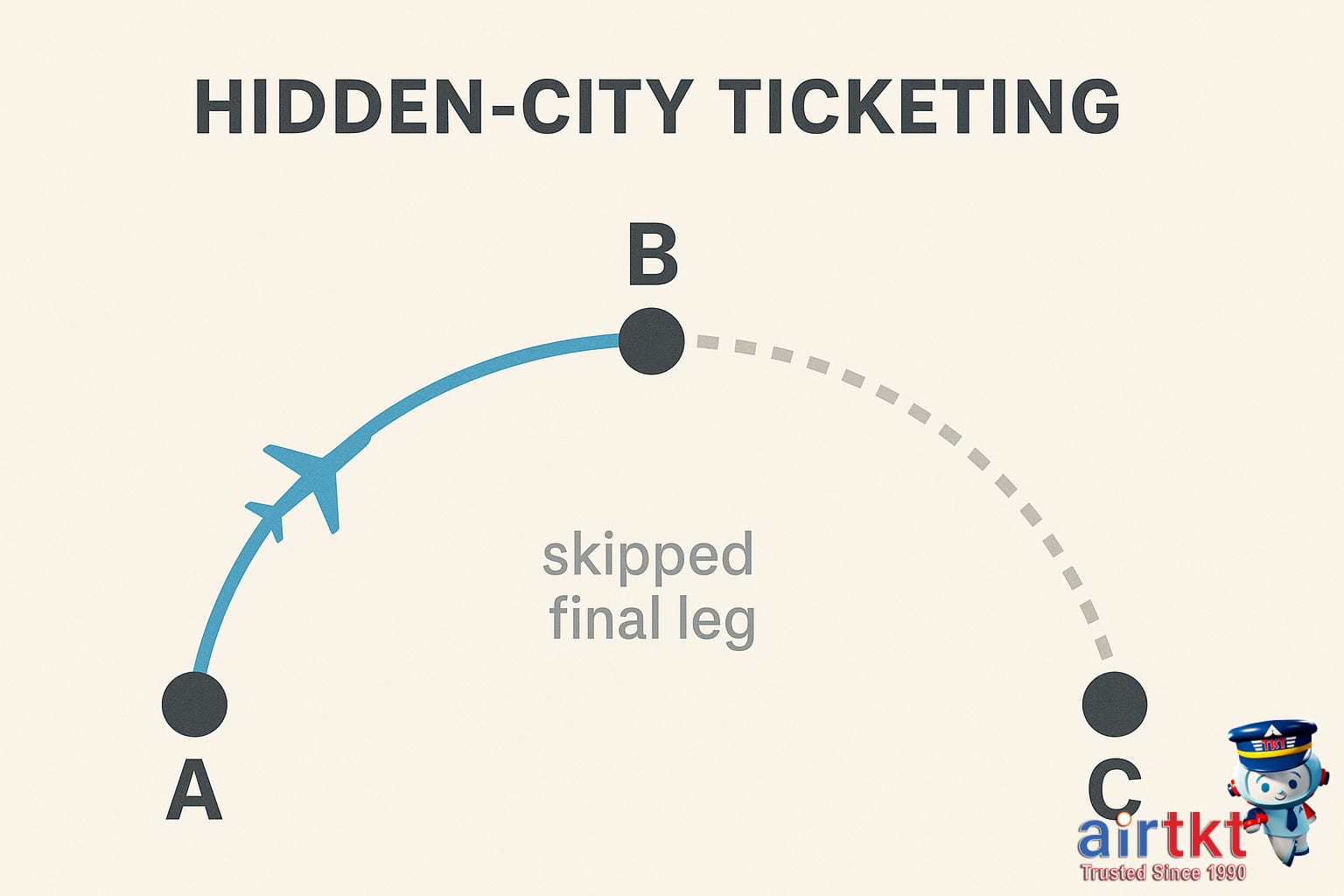
Skiplagging and hidden-city ticketing are unconventional airfare strategies that have caught the eye of savvy travelers looking to spend less on flights. At their core, these tactics involve booking flights with layovers where the traveler intentionally disembarks at the intermediate city rather than the final destination on the ticket. For example, if a nonstop ticket to City B is expensive, one might book a connecting flight through City B to City C—then simply skip the last leg to save money.
These fare hacks appeal strongly to budget-conscious travelers because they can uncover significantly lower prices than standard direct tickets. Airlines sometimes price multi-leg itineraries differently due to complex market dynamics, meaning the hidden-city fare can offer an unexpected discount. For students, frequent flyers facing tight budgets, or those seeking spontaneous trips, skiplagging presents an opportunity to stretch travel dollars farther without sacrificing destinations.
The benefits of skiplagging include the potential for noteworthy savings and access to routes that otherwise seem unaffordable. However, the practice is not without controversy or risk. Airlines discourage hidden-city ticketing since it disrupts pricing models and can lead to penalties or cancelled frequent flyer miles. Certain logistical challenges arise as well: checked luggage can’t be retrieved mid-journey, and round-trip fares are trickier to execute.
This article delves into how skiplagging and hidden-city ticketing work, exploring the intricacies of these fare hacks alongside airline policies and responses. By outlining both the opportunities and pitfalls, our goal is to help you make informed decisions about when and how such strategies might fit into your travel plans.
At AirTtkt, we understand the quest for affordable airfare is often a balancing act between innovation and caution. We aim to equip travelers with practical knowledge about fare options so you can book smarter and save responsibly.
Define Skiplagging and Ticketing Mechanics
Skiplagging, also known as hidden-city ticketing, is a strategic airfare technique where a traveler books a flight with a layover but intentionally disembarks at the connecting city instead of continuing to the final destination. Essentially, the passenger takes advantage of airline pricing quirks by purchasing a ticket for a route that includes an extra segment they never actually fly.
To understand how this works, imagine booking a flight from City A to City C that connects in City B. Instead of completing the entire journey, the traveler leaves the airport at City B, effectively skipping the last leg of the trip. Airlines price flights based on a variety of factors, including route popularity, competition, and demand, which sometimes results in the longer journey (City A to City C with a stop in City B) costing less than a shorter, direct flight between City A and City B.
Consider a practical example: A direct flight from New York City (JFK) to Chicago (ORD) might cost $250, but a flight from New York City to Denver (DEN) with a layover in Chicago could be priced at $200. By booking this cheaper route and skipping the Denver segment, a traveler reaches Chicago for less than the standalone direct fare. This exploit takes advantage of how airlines set prices — the longer trip is sometimes cheaper due to demand balancing, promotional fares, or competitive pressures on specific routes.
These discrepancies arise because airlines apply dynamic pricing systems influenced by many variables like booking class, ticket restrictions, flight occupancy, and market competition. They aim to maximize revenue by varying prices according to perceived demand elasticity for each leg of a route. This complex pricing can cause seemingly illogical fare differences between direct flights and connections.
However, not all booking scenarios allow skiplagging to work smoothly. Recent airline fare class rules and conditions often explicitly forbid hidden-city ticketing and may penalize travelers caught using this strategy. Airlines sometimes cancel return segments if outbound flights are not completed, impose fines, or blacklist frequent offenders. Despite this, hidden-city ticketing remains a relevant tactic for savvy budget travelers willing to navigate the risks involved.
When looking for the best deals on airfare, it’s critical to balance potential savings with these airline policies. Platforms like AirTtkt provide fare comparison tools that help travelers identify when a hidden-city ticket might be cheaper while also offering insights about restrictions and validity. This knowledge empowers users to make smarter booking decisions suited to their travel plans.
Explain Why Airlines Oppose Skiplagging
Airlines explicitly forbid hidden-city ticketing, also known as skiplagging, through their contracts of carriage. These contracts, which all passengers agree to when purchasing tickets, include clauses that prohibit using a ticket to disembark at a layover city instead of the final destination. Airlines view skiplagging as a violation of this agreement because it undercuts their pricing models and revenue management strategies.
When passengers engage in hidden-city ticketing, airlines can impose serious consequences. These include suspending frequent flyer accounts, reclaiming fare differences from customers, denying boarding on future flights, and even canceling reservations. Frequent flyer penalties are particularly significant, as loyal customers may lose miles or elite status as part of enforcement actions.
One landmark example is the 2014 United Airlines lawsuit against the website Skiplagged, which publicly facilitated finding and booking hidden-city fares. United claimed the site encouraged breaches of its contract of carriage and sought to restrict such fare searches. This legal dispute highlighted how frustrating hidden-city ticketing is for airlines and demonstrated their willingness to pursue legal remedies.

Despite these strict policies and enforcement efforts, airlines face practical challenges in combatting skiplagging. Detecting passengers who intentionally skip segments is complicated by the sheer volume of travelers and the limitations of airport systems. Additionally, enforcing punishments can be difficult when customers book through third-party agents or when data privacy laws limit airline access to passenger information.
Some airlines have increased monitoring of travel patterns to identify hidden-city ticketing but must balance enforcement with customer goodwill to avoid alienating genuine travelers. As a result, enforcement remains a complex and evolving issue, with airlines carefully updating policies and terms as new legal precedents emerge.
To stay informed on current rules and airline responses to skiplagging, always review the most recent contract of carriage provisions for your carrier. Reliable travel platforms like AirTtkt provide updated summaries and help you understand ticketing policies so you can avoid unintentional violations and travel smoothly.
Discuss Risks and Traveler Precautions
Skiplagging, the practice of booking flights with hidden layovers to secure lower fares, comes with several significant risks. Airlines may cancel the remaining segments of your itinerary if they detect intentional missed legs. In some cases, unexpected itinerary changes or rerouting can disrupt your travel plans entirely. Additionally, if you check luggage, it will typically be sent to your final ticketed destination, making skiplagging impractical or impossible with checked bags.
This method primarily suits travelers booking one-way tickets who travel light with carry-on bags only. By avoiding checked luggage, you prevent your bags from reaching the unintended final destination. Carry-on-only travel also reduces the chance of complications stemming from checked baggage policies, which have tightened under updated airline and TSA guidelines to improve security and efficiency.
To mitigate risks, follow these key strategies:
- Avoid checking bags to maintain control over your belongings and travel path.
- Don’t link your frequent flyer accounts to bookings, as airlines monitor account activity for suspicious patterns.
- Opt for flexible or refundable tickets where possible to adjust your plans without severe penalties.
Ethical considerations around skiplagging often spark debate. While some see it as a savvy tactic to access lower fares, airlines argue it disrupts revenue management and can increase fares overall. Travelers should weigh these factors and decide if the potential savings justify the risks and moral questions. Understanding both sides ensures informed, responsible choices.

Help Travelers Decide If Skiplagging Works
Skiplagging, or hidden-city ticketing, can offer travelers significant savings by booking flights with layovers where they intend to disembark early. However, these discounts come with potential complications that require careful consideration. The monetary savings might seem attractive, but travelers must weigh these benefits against possible risks such as canceled return flights, checked luggage issues, and airline penalties.
Before deciding to use this strategy, consider the following checklist to evaluate if skiplagging suits your travel plans:
- Flight type: Is your trip one-way or round-trip? Skiplagging works best for one-way tickets since returning on a round trip can lead to cancellations of remaining segments.
- Luggage constraints: Do you travel with only carry-on luggage? Checked bags usually continue to the final ticketed destination, making skiplagging impractical.
- Schedule flexibility: Are you prepared for sudden changes? Airlines may alter flights, complicating hidden-city plans.
- Airline policy risks: Are you aware of possible penalties, including account suspension?
- Alternative routes: Can you identify clear savings over direct flights?
Adopting best practices can minimize disruptions when using hidden-city fares:
- Book one-way tickets rather than round trips to avoid automatic cancellation of unused segments.
- Pack light and avoid checking bags, as only carry-on luggage can be retrieved at your early stop.
- Maintain a flexible schedule to accommodate sudden flight changes or cancellations.
If skiplagging seems too risky or restrictive, explore safer alternatives to slash travel costs. Monitor last-minute deals on trusted platforms like AirTtkt, which offers real-time fare comparisons and exclusive discounts. Setting up fare alerts helps you snag the best prices right when they drop, ensuring you never miss a bargain. Additionally, booking flights during off-peak times and mid-week can uncover hidden discounts without resorting to tactics that might jeopardize your travel plans.

Answer FAQs About Skiplagging and Ticketing
How does skiplagging save money on flights?
Skiplagging saves money by booking a flight with a layover in your intended destination and intentionally skipping the final leg. Airlines often price connecting flights cheaper, so passengers can pay less than booking a direct flight to their desired city.
What is hidden-city ticketing and how does it work?
Hidden-city ticketing involves purchasing a ticket to a final destination beyond your true stop, using a layover city as your actual arrival point. Travelers disembark during the layover, avoiding the last flight segment, thus benefiting from lower fares airlines set for longer routes.
When should travelers consider skiplagging?
Travelers may consider skiplagging for one-way trips when no checked baggage is involved, and the layover city matches their actual destination. It is best used when direct flights are expensive, but caution is advised to avoid airline restrictions or complications.
Why do airlines disapprove of hidden-city ticketing?
Airlines disapprove because it disrupts their pricing models and revenue management. Skiplagging can lead to lost profits and operational challenges, including incorrect passenger counts and unused flight segments, prompting some airlines to enforce penalties against this practice.
Can I check luggage if I plan to skip a flight segment?
No, checking luggage is not recommended when skiplagging. Checked bags typically continue to the final ticketed destination, making it impossible to retrieve them at a layover city, defeating the purpose of hidden-city ticketing and potentially resulting in lost baggage.
Is skiplagging legal or ethical?
Skiplagging is generally legal, though it breaches airline contract terms and can lead to penalties. Ethically, opinions vary; some view it as exploiting pricing loopholes, while others see it as a smart way to access affordable travel options responsibly.
How do I avoid airline penalties when using skiplagging?
To reduce risk, avoid checking bags, use it sparingly on one-way tickets, and never book round-trip hidden-city fares. Also, consider alternate travelers for similar bookings. Awareness of airline policies can help minimize chances of penalties or account restrictions.
Summarize Skiplagging Insights and Encourage Smart Travel
Skiplagging, the practice of booking a flight with a layover and intentionally missing the final segment to secure cheaper fares, can indeed slash airfare costs significantly. However, this strategy carries inherent risks, including potential penalties from airlines such as canceled return flights, frequent flyer account suspensions, and even being blacklisted. It’s a method that demands careful consideration before taking any action.
Before trying skiplagging, travelers should weigh the pros and cons thoughtfully. While the lure of substantial savings is appealing, the consequences of violating airline policies can outweigh those benefits. It’s essential to consider factors like baggage restrictions, trip flexibility, and the possibility of unexpected itinerary changes that may complicate or invalidate travel plans.
Responsible travel planning is key to both saving money and ensuring a smooth journey. Rather than relying on risky loopholes, savvy travelers benefit from using trustworthy, transparent platforms that present fare options clearly and ethically. Platforms that prioritize user support and offer comprehensive comparisons enable informed decision-making without compromising travel integrity.
AirTtkt is designed to empower travelers with precisely these capabilities. By providing a user-friendly interface, real-time fare comparisons, and exclusive discounted offers, AirTtkt helps you find affordable flights legitimately and confidently. Their dedicated customer support ensures that any questions or issues are addressed promptly, making the booking process seamless and worry-free.
Choosing a reliable booking platform like AirTtkt means you can avoid the pitfalls of skiplagging while still benefiting from competitive prices and smart travel options. When you combine ethical travel choices with the right tools, your journey becomes smoother, more predictable, and ultimately more enjoyable.
In conclusion, skiplagging may offer short-term savings, but the risks and airline pushback often make traditional fare comparisons and responsible planning a safer bet for most travelers. Use trusted resources like AirTtkt to navigate the flight booking process with confidence, unlocking excellent deals without compromising your travel experience.