

Overcome First-Time Flying Challenges
Taking your first flight can bring a mix of excitement and anxiety. Many new flyers worry about navigating busy airports, understanding security procedures, or even what to expect during the flight itself. Common fears include missing a flight, handling baggage correctly, overcoming the intimidating check-in process, or simply feeling overwhelmed by unfamiliar surroundings. These uncertainties are perfectly normal and experienced by countless travelers on their initial journey.
At AirTtkt, we understand that first-time flying presents a learning curve. That’s why this guide is designed to walk you through each step of the journey, from arriving at the airport to touchdown at your destination. By breaking down the entire process into manageable parts, we aim to demystify air travel and replace your uncertainties with clear, actionable knowledge.
Knowing what to expect at each stage of flying reduces stress markedly. When you understand the flow of check-in, security screening, boarding, and in-flight etiquette, you gain control over the experience and can focus on the adventure ahead. Instead of surprises, you’ll encounter familiar steps, allowing you to relax and even enjoy the thrill of air travel. This preparedness is key to transforming nervousness into confidence.
Throughout this guide, you’ll find practical advice, insider tips, and straightforward explanations tailored to first-time flyers like you. Whether it’s packing smartly, timing your arrival, or understanding airline jargon, each insight is crafted to ease your transition into a seasoned traveler. With AirTtkt by your side, you’re empowered to plan smart, save money, and navigate the skies with assurance.
Remember, every experienced flyer started exactly where you are now—facing new challenges with each flight. By embracing this learning process, you’ll soon find flying to be a smooth, accessible, and enjoyable part of your travel adventures.
Plan Flights and Manage Check-In Options
Booking your next flight is simple with AirTtkt. Using this platform, you can compare real-time fares from multiple airlines in one place, allowing you to easily find the most affordable options without the hassle of visiting dozens of sites. The user-friendly interface guides you through each step, from selecting your flight to securing your reservation quickly. Whether you’re looking for budget-friendly tickets for domestic travel or international journeys, AirTtkt streamlines the process and offers exclusive deals to help you save.
Explore Check-In Methods
Once your flight is booked, managing your check-in is the next crucial step. Airlines typically offer three main check-in options, each with its own advantages and considerations:
- Online Check-In: Available 24 to 48 hours before departure, online check-in lets you select seats and print boarding passes or download them on your phone. This method saves time and helps skip long airport lines. However, baggage drops might still require some wait time.
- Self-Service Kiosks: Found at most airports, kiosks are convenient for printing boarding passes and baggage tags. They reduce wait times compared to counter check-in but might be confusing for first-time flyers or those with special requests.
- Counter Check-In: Traditional check-in via airline counters is helpful if you need assistance with special tickets, extra baggage, or travel documents. It’s slower and can involve longer lines, so plan accordingly.
Plan Airport Arrival and Check-In Timing
Timing your arrival at the airport depends on your flight type and airline policies. For domestic flights, arriving at least 2 hours before departure is standard to allow time for check-in, security, and boarding. International flights typically require arriving 3 hours early due to additional customs and immigration steps.
For example, major airlines like Delta and American Airlines recommend checking in online 24 hours prior and arriving at the airport 2 hours before domestic flights. For international flights, they advise at least 3 hours ahead to accommodate document verification and security screening.
Understand Baggage Rules and Prepare Smartly
Before packing, familiarize yourself with baggage allowances to avoid unexpected fees. Most airlines have specific size and weight limits—commonly 22 x 14 x 9 inches for carry-ons and a weight limit near 50 pounds for checked bags.
Additionally, be aware of prohibited items such as liquids over 3.4 ounces in carry-ons, sharp objects, and certain electronics. Packing smart means using lightweight luggage, distributing items evenly, and securing valuables in your carry-on.
Navigate Airport Security Screening Smoothly
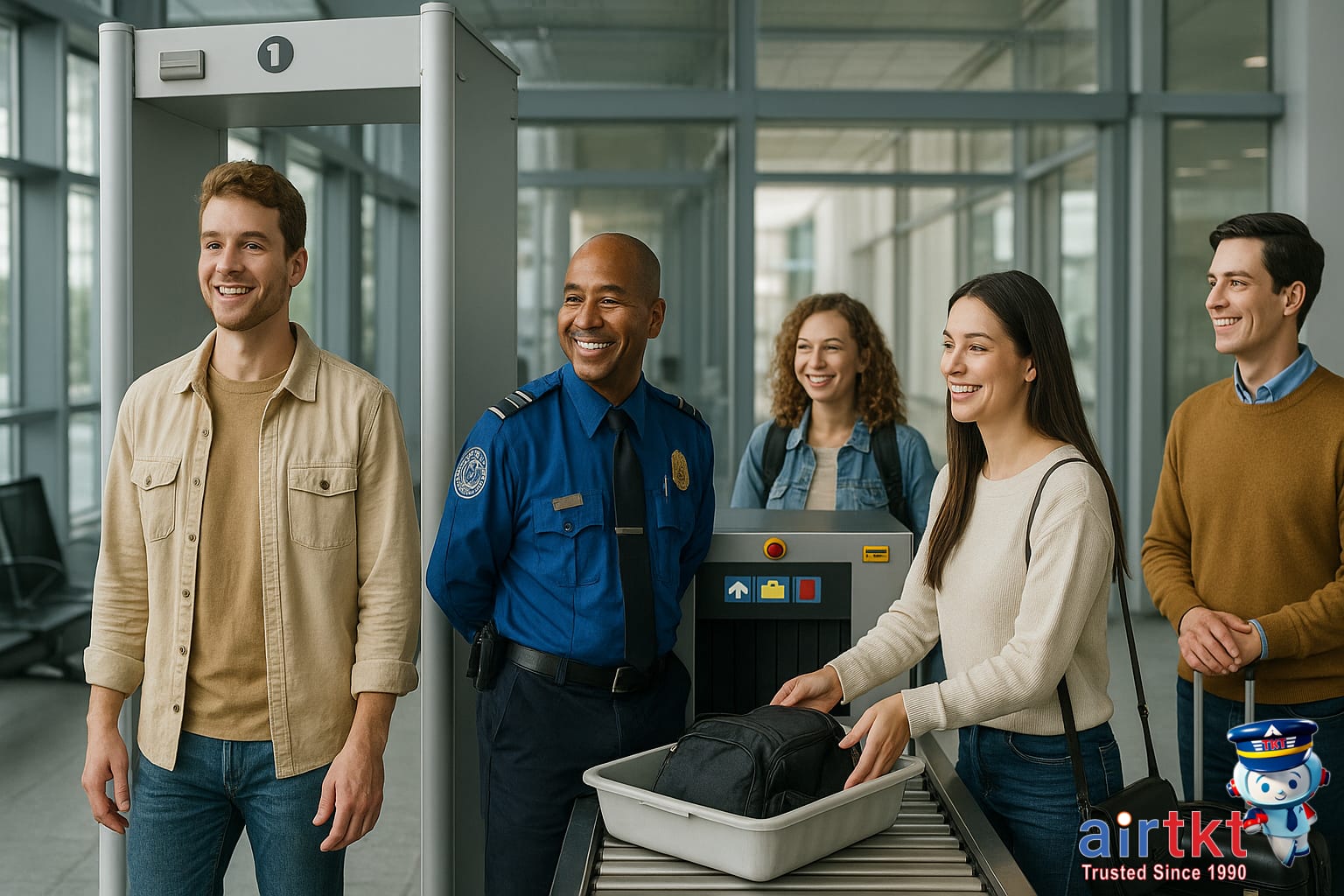
Airport security screening is an essential step designed to keep travelers safe by preventing dangerous or prohibited items from being brought onto planes. It involves passengers moving through checkpoints where their carry-on luggage and personal items are examined. Standard procedures include removing shoes, taking out liquids and electronics for separate inspection, and walking through metal detectors or body scanners.
Knowing what to expect can help ease stress and speed up the process. You’ll typically be asked to place your belongings in bins for X-ray screening. Shoes often must be removed unless you have TSA PreCheck, a program that allows eligible travelers to keep shoes on. Liquids are limited to containers of 3.4 ounces (100 milliliters) or less, which must be placed in a clear, quart-sized bag for inspection.
Checklist of Prohibited Items
Avoid delays or confiscations by steering clear of these common prohibited items in carry-on luggage:
- Sharp objects such as knives, scissors longer than 4 inches, and box cutters
- Flammable items like lighters and aerosol sprays
- Sports equipment including baseball bats and golf clubs
- Large liquids or gels exceeding 3.4 ounces
- Firearms and ammunition (unless properly declared and packed in checked baggage)
- Certain tools such as hammers or drills
For a full list, always check the latest TSA prohibited items to avoid surprises.
Use TSA PreCheck and Expedited Screening
TSA PreCheck is an expedited screening program that lets approved travelers keep shoes, belts, and light jackets on while passing through a dedicated lane. Electronics and liquids can also stay packed in carry-ons, making the process faster and less stressful. Enrollment involves a background check and an application fee, but frequent flyers often find the cost worthwhile for the time saved.
Other programs like Global Entry provide similar benefits, especially for international travelers. Check if your airline partners with these programs, and remember to add your Known Traveler Number during booking on platforms like AirTtkt to take advantage of expedited screening.
Handle Additional Screening Calmly
Sometimes extra screening is necessary if an alarm is triggered or your bag requires further inspection. Stay patient and cooperative—security officers are simply doing their job to ensure safety. Responding calmly and answering questions clearly can help speed this step along.
Keep your boarding pass and ID handy to show when requested, and avoid sudden movements or arguments with staff. This respectful approach will help maintain a smooth experience for you and fellow travelers.
Check Updated TSA and FAA Regulations
Security rules can change frequently due to evolving threats or seasonal travel trends. Before heading to the airport, check the latest regulations directly on the TSA and FAA websites. This ensures you’re aware of current policies, including new banned items or temporary restrictions that might impact your journey.
Preparing in advance saves time, reduces stress, and lets you breeze through security, setting the tone for a relaxed trip ahead.
Find Gates and Understand Boarding Procedures
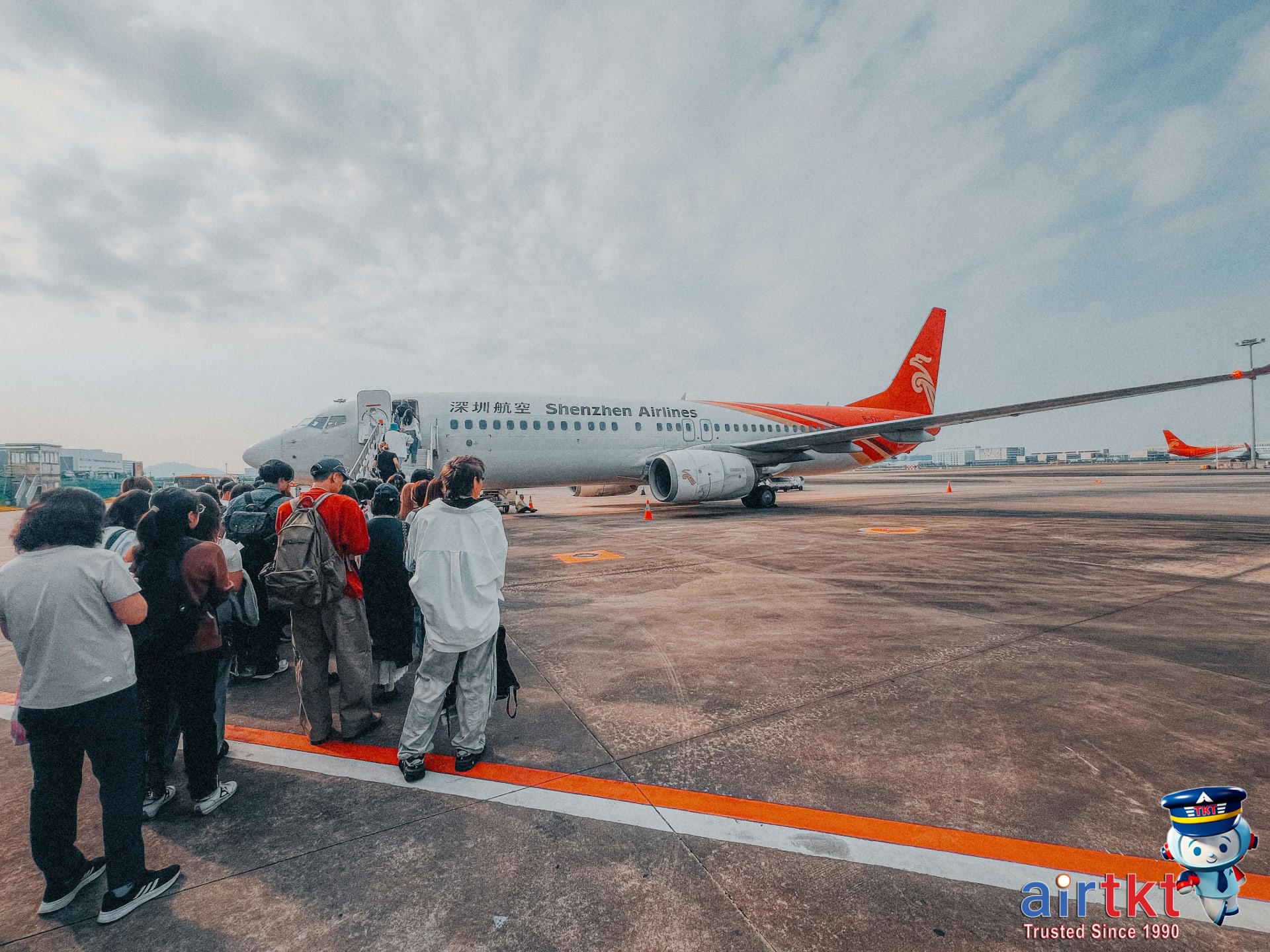
Navigating the airport to find your departure gate and grasping boarding procedures can streamline your travel experience immensely. Upon arriving at the terminal, focus on large digital monitors that display flight information. These screens list flights with their destinations, departure times, and most importantly, gate numbers. Airport signage uses clear, bold arrows guiding passengers toward corresponding gate areas. Regularly check these monitors for any changes in gate assignments or boarding time updates to avoid last-minute rushes.
Airlines typically organize boarding groups or zones to board passengers efficiently. These groups prioritize certain travelers like families, elite frequent flyers, or those needing extra assistance, allowing them to board first and settle in comfortably. Standard boarding groups are commonly labeled as Group 1 through Group 5, or Zones A, B, and C, reflecting different priority tiers. This method helps reduce congestion at the gate and speeds up the boarding process.
Compare Boarding Methods
Most airlines use a standard line boarding method where passengers queue up based on their assigned group or zone. This straightforward approach is familiar and helps maintain order. However, some airlines and experts advocate for the Steffen Method, a boarding theory designed to avoid aisle interference by boarding passengers in a specific alternating seat pattern. Though less common for commercial airlines, understanding these methods highlights the efforts to maximize boarding efficiency.
When it’s your turn to board, have your boarding pass—printed or digital—ready to present to the gate agent. Quick presentation helps keep the line flowing. Once on board, find your seat promptly and store your carry-on luggage in the overhead bin or under the seat in front of you. Efficient storage ensures the aisle stays clear, helping fellow passengers board smoothly behind you.
Practice Respectful Boarding Etiquette
Boarding etiquette goes beyond just seating quickly. Once seated, adjust your seatback gently to avoid startling the passenger behind you. Keep noise levels low by using headphones and speaking quietly—this creates a calm environment for everyone. Be mindful when using overhead bins: avoid taking extra space or removing others’ bags unnecessarily. Small acts of consideration help maintain a comfortable atmosphere for all aboard.
Experience Comfort and Courtesy Onboard
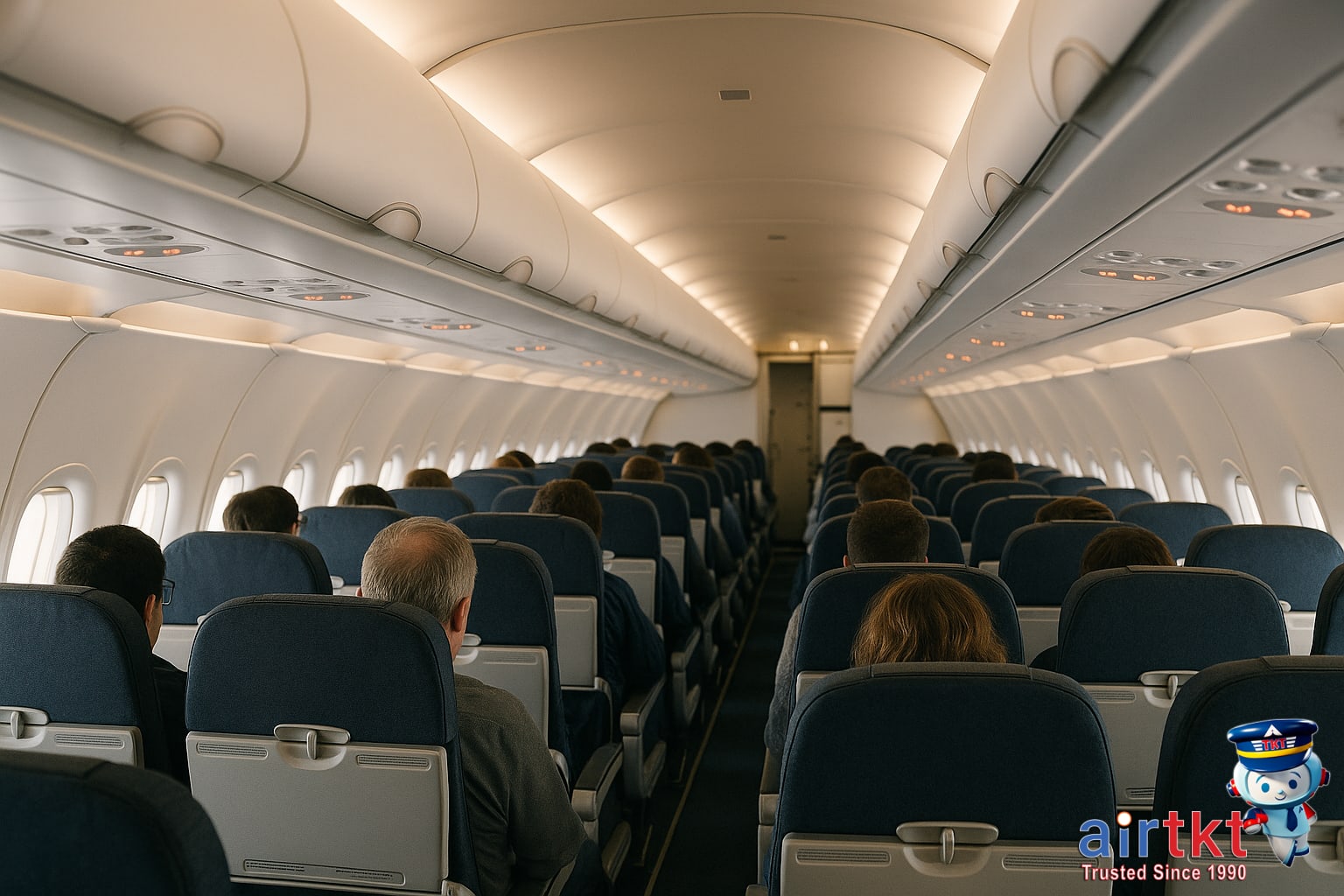
Choosing the right seat can significantly enhance your flight experience. Airplane seating typically includes window, aisle, and middle seats, each offering unique benefits. Window seats provide scenic views and a wall to lean on, ideal for those who wish to rest undisturbed. Aisle seats grant easier access to walkways and lavatories, perfect for travelers who prefer mobility. Middle seats are usually less desirable but may offer proximity to companions during group travel. Most airlines allow passengers to select seats during booking or check-in, though some assign seats automatically. Checking your options early through AirTtkt can secure your preferred spot and improve your onboard comfort.
Managing your carry-on items is essential for safety and convenience. Overhead bins offer storage for your luggage, but space can fill quickly. Stowing your bag properly ensures it won’t shift during turbulence, avoiding injury or obstruction. Larger carry-ons go overhead, while smaller items like handbags or laptops can fit under the seat in front of you. Always place heavier items at the bottom and lighter belongings on top to keep your bin stable. Securing your luggage promptly helps the cabin crew prepare for takeoff and landing on schedule.
In-flight electronic device policies require passengers to switch gadgets to airplane mode, disabling wireless signals to prevent interference with aircraft systems. Devices can usually be used in offline mode during the flight; however, always comply with flight attendants’ announcements regarding when to power off or stow devices, especially during takeoff and landing. Staying attentive to these safety instructions ensures a safe journey for everyone onboard.
Comfort and courtesy go hand in hand during your flight. Respecting personal space, especially in cramped cabins, helps reduce stress and discomfort. Using headphones maintains a peaceful environment, minimizing disturbances for fellow travelers. If you encounter turbulence or delays, remaining calm and patient sets a positive tone. Simple gestures like offering assistance to those needing help or promptly returning shared items foster goodwill among passengers.
Remember these in-flight etiquette tips:
- Keep the armrests shared with your neighbor to avoid conflicts.
- Avoid reclining your seat abruptly during meal service or when the person behind is standing.
- Speak softly to maintain a quiet atmosphere.
- Secure your belongings promptly to keep aisles clear.
By understanding seating options, properly storing carry-ons, following electronic device rules, and practicing good manners, you’ll enjoy a safer and more pleasant flight experience. Booking your next trip with AirTtkt makes it easy to focus on these details, ensuring your journey begins smoothly and comfortably.
Complete Landing and Arrival Procedures
Once your plane touches down, the landing process is just the beginning of your journey through the airport. After landing, the aircraft taxis slowly from the runway to the designated gate. This can take several minutes, especially at busy airports, so it’s normal to stay seated until the captain or flight crew signals it’s safe to disembark.
When the plane arrives at the gate, prepare to leave your seat promptly but patiently. Gather your carry-on items and personal belongings, but avoid rushing, as aisles can become congested. Follow crew instructions carefully to ensure a smooth and orderly exit from the aircraft.
International travelers should be ready to fill out customs and immigration forms if required. These documents usually arrive during the flight or can be picked up at the airport. Fill them out accurately and legibly, as errors may cause delays. Keep the forms handy, since you’ll present them along with your passport to immigration officials.
At the customs checkpoint, be honest and concise when answering questions. Have any required documents such as visas, vaccination records, or declarations of goods prepared beforehand. This proactive approach speeds up your clearance and reduces stress after a long flight.
After clearing customs, proceed to baggage claim. Locate your flight number on the monitors to identify the correct carousel. Retrieving checked luggage can take some time, so remain patient, especially during peak arrival hours. In case your baggage is lost or delayed, contact the airline’s customer service booth immediately.
Once you collect your bags, you’ll move toward the final exit or transfer points if you have connecting flights. Airports typically have clear signage directing you to transportation, rental car counters, or shuttle services. Stay attentive to these signs and ask airport staff if you need help navigating.
Busy airports can be overwhelming during peak schedules, but staying calm and patient makes the experience more manageable. Expect some queues and follow instructions promptly. Remaining courteous to fellow travelers and staff creates a positive atmosphere in crowded terminals.
By understanding these landing and arrival steps, you can move through the airport with confidence and avoid common frustrations. For more tips on booking flights and navigating travel, visit AirTtkt, your go-to platform for affordable and hassle-free travel solutions.
Common Questions About First-Time Flying
What is the easiest way to book my first flight? Using a trusted online travel platform like AirTtkt simplifies the process. You can compare real-time fares from multiple airlines, filter by price or schedule, and book directly without hidden fees. The interface is designed for beginners, ensuring a hassle-free experience with clear steps from search to payment.
How early should I arrive at the airport for check-in? For domestic flights, arriving 2 hours before departure is generally enough. For international flights, plan to get there 3 hours early. This buffer accounts for check-in, security screening, and any unanticipated lines. Airports can be busy, so avoiding last-minute rush gives peace of mind.
When should I check in online to save time? Most airlines allow online check-in 24 hours before departure. Completing this step early lets you select seats, print boarding passes, or save mobile passes, reducing time spent at the airport. With AirTtkt, you can access these airline options directly, making the process seamless.
Why is security screening so strict and what can I expect? Security rules protect all travelers by preventing dangerous items from boarding. Expect to remove shoes, belts, and jackets, place carry-on items in bins, and pass through metal detectors. Agents may ask questions or perform additional screening. Though it can feel intrusive, cooperating ensures safety and a smoother process.
Can I bring my liquids and electronics through security? Yes, but liquids must be in containers holding 3.4 ounces (100 milliliters) or less, all fitting inside a clear quart-sized bag. Laptops and large electronics should be placed separately in bins for X-ray screening. Preparing these items beforehand speeds up security checks significantly.
How do I find my gate once inside the airport? After security, look for airport monitors displaying departure gates. Boarding passes from AirTtkt show your flight details, including gate number. Airports often have clear signs directing you to concourses and gates, and staff are available to assist if confused.
What should I know about customs if flying internationally? Upon arrival, all passengers go through customs inspection where documents and declarations are reviewed. Have your passport and visa ready, answer questions truthfully, and declare any goods as required. Customs processes vary by country, but staying calm and prepared helps expedite clearance.
Gain Confidence with AirTkt for Your Journey
Embarking on your first flight can feel overwhelming, but with the right preparation, it becomes an exciting adventure. By following a clear, step-by-step process—from researching flights and packing smartly to understanding airport procedures and choosing seats wisely—you set yourself up for a smooth travel experience. Each of these steps builds your familiarity with air travel, reducing uncertainty and letting you focus on the joy of your journey.
Confidence naturally grows with every flight you take. What once seemed complicated transforms into routine, and knowledge becomes your best travel companion. Understanding how to navigate security lines, check baggage policies, and manage connections helps ease anxiety, allowing you to travel with peace of mind and enthusiasm.
AirTkt stands out as your trusted partner in making travel straightforward and affordable. Its intuitive platform lets you compare real-time fares quickly and lock in the best deals without hassle. Beyond great prices, AirTkt offers 24/7 customer support, ready to assist you at every stage—from booking to final boarding. This reliable support network ensures that unexpected issues never spoil your plans.
Your travel planning is simplified with tools that keep everything organized—from flight options to trip details—all in one place. This streamlined approach means less time worrying and more time looking forward to your destination.
Whether you are a first-time flyer or returning to the skies, taking your next step with AirTkt means choosing ease, affordability, and confidence. Embrace travel with open arms and trust that every journey is within reach. With the right preparation and a dependable partner, your adventure starts the moment you book.