
Backpacking Travel Style and Packing Importance
Backpacking is a distinct travel style that prioritizes mobility, comfort, and efficiency. It involves carrying all necessary belongings in a single backpack, focusing on compact, lightweight, and versatile gear. This approach suits travelers who seek extended, flexible journeys where ease of movement is crucial. Unlike traditional travel, backpacking demands careful consideration of what to bring—and what to leave behind—to maintain comfort over long periods.
The challenges of backpacking stem largely from its mobility demands. You often navigate uneven terrain, public transport, and crowded urban settings, all while carrying your luggage. This reality limits the amount and type of gear you can comfortably manage, making smart packing essential. Overpacking or poor distribution of weight can quickly lead to fatigue, discomfort, or even injury, compromising the entire travel experience.
This guide from AirTtkt aims to support your backpacking journey with practical, TSA-compliant packing advice. It includes a detailed checklist to help you streamline your essentials, tips on space-saving techniques to maximize your backpack’s capacity, and strategies for optimal weight distribution to keep your load balanced. Equally important, it highlights common mistakes to avoid—like packing redundant items or ignoring airline and TSA restrictions—that can otherwise derail your trip.
By following this guide, you’ll improve your overall comfort and ease during travel. Efficient packing means less time fumbling with your gear and more time enjoying your destination. You’ll also benefit from reduced stress at airport security checkpoints thanks to TSA-compliant packing tips. Ultimately, this preparation ensures your backpack supports your adventure, rather than hinders it.
Essential Backpacking Gear Checklist with Brand Options
Preparing for a 7-14 day backpacking trip requires careful gear selection to stay comfortable, safe, and efficient on the trail. Below is a comprehensive checklist of essential gear with recommended quantities and brand options across budget tiers. Adapt quantities based on trip length and climate to optimize your pack weight and utility.
Clothing Items and Layers
- Base Layers: 2-3 moisture-wicking shirts and 2 pairs of underwear. Look for merino wool or synthetic fabrics for odor control and quick drying.
- Middle Layers: 1-2 insulating pieces such as fleece jackets or lightweight down vests to retain heat.
- Outer Layers: 1 waterproof and breathable rain jacket and pants to shield against weather.
- Socks: 3-4 pairs of hiking socks made of wool or synthetic fibers to avoid blisters.
Brand suggestions:
- Low: Columbia, REI Co-op, Uniqlo Airism
- Mid: Patagonia Capilene, Icebreaker Merino, Outdoor Research
- High: Arc’teryx, Smartwool, The North Face
Footwear Recommendations
- Hiking Boots: 1 pair of well-broken-in waterproof boots for rugged terrain.
- Camp Shoes: 1 pair of lightweight sandals or trail runners for resting feet at camp.
Brand suggestions:
- Low: Merrell, Keen, Salomon
- Mid: Vasque, La Sportiva, Altra
- High: Lowa, Scarpa, Arc’teryx
Shelter Options
- Tents: 1 lightweight, 2-person tent with efficient setup.
- Hammocks: Optional, but great for warm climates and lightweight carry.
- Tarps: Versatile, lightweight alternative for shelter or ground cover.
Brand suggestions:
- Low: Kelty, Alps Mountaineering, ENO (Eagles Nest Outfitters)
- Mid: Big Agnes, Black Diamond, Hennessy Hammock
- High: MSR, Zpacks, Hyperlite Mountain Gear
Cooking Gear Essentials
- Backpacking Stove: 1 compact stove and fuel canister or alcohol stove.
- Cookware: Lightweight pot with lid, spork, and a small cutting board.
- Water Filtration: Essential for safe hydration via filter or UV purifier.
Brand suggestions:
- Low: Coleman, Optimus, Sawyer Mini Filter
- Mid: Jetboil, MSR PocketRocket, Katadyn BeFree
- High: Soto, Primus, Grayl Ultralight
Navigation Tools
- Maps: Physical topographic maps of your trail region.
- GPS Devices: Handheld GPS units or smartphone apps for backup navigation.
- Compass: Reliable magnetic compass as a fail-safe.
Brand suggestions:
- Low: Suunto A-10 Compass, Gaia GPS App (basic subscription)
- Mid: Garmin eTrex Series, Brunton Compass
- High: Garmin GPSMAP 64st, Suunto MC-2 Compass
Health and Hygiene Supplies
- First Aid Kit: Basic supplies including bandages, antiseptic, pain relievers, and blister treatment.
- Toiletries: Biodegradable soap, travel toothbrush, toothpaste, and quick-dry towel.
- Sun Protection: Sunscreen, lip balm with SPF, and insect repellent.
Brand suggestions:
- Low: Adventure Medical Kits, Dr. Bronner’s Soap
- Mid: Lifesystems First Aid Kit, Sea to Summit Toiletries
- High: MyMedic First Aid Kit, BioLite Essentials Kit
Miscellaneous Items
- Chargers and Batteries: Portable power bank and spare batteries for electronics and headlamps.
- Repair Kits: Multi-tool, duct tape strips, and gear patches for quick fixes.
- Lighting: Reliable headlamp with extra batteries.
Brand suggestions:
- Low: Energizer Batteries, Black Diamond Spot Headlamp
- Mid: Anker PowerCore Bank, Leatherman Multi-tool
- High: Goal Zero Venture Power Bank, Petzl NAO Headlamp
Space Saving and Weight Distribution Techniques
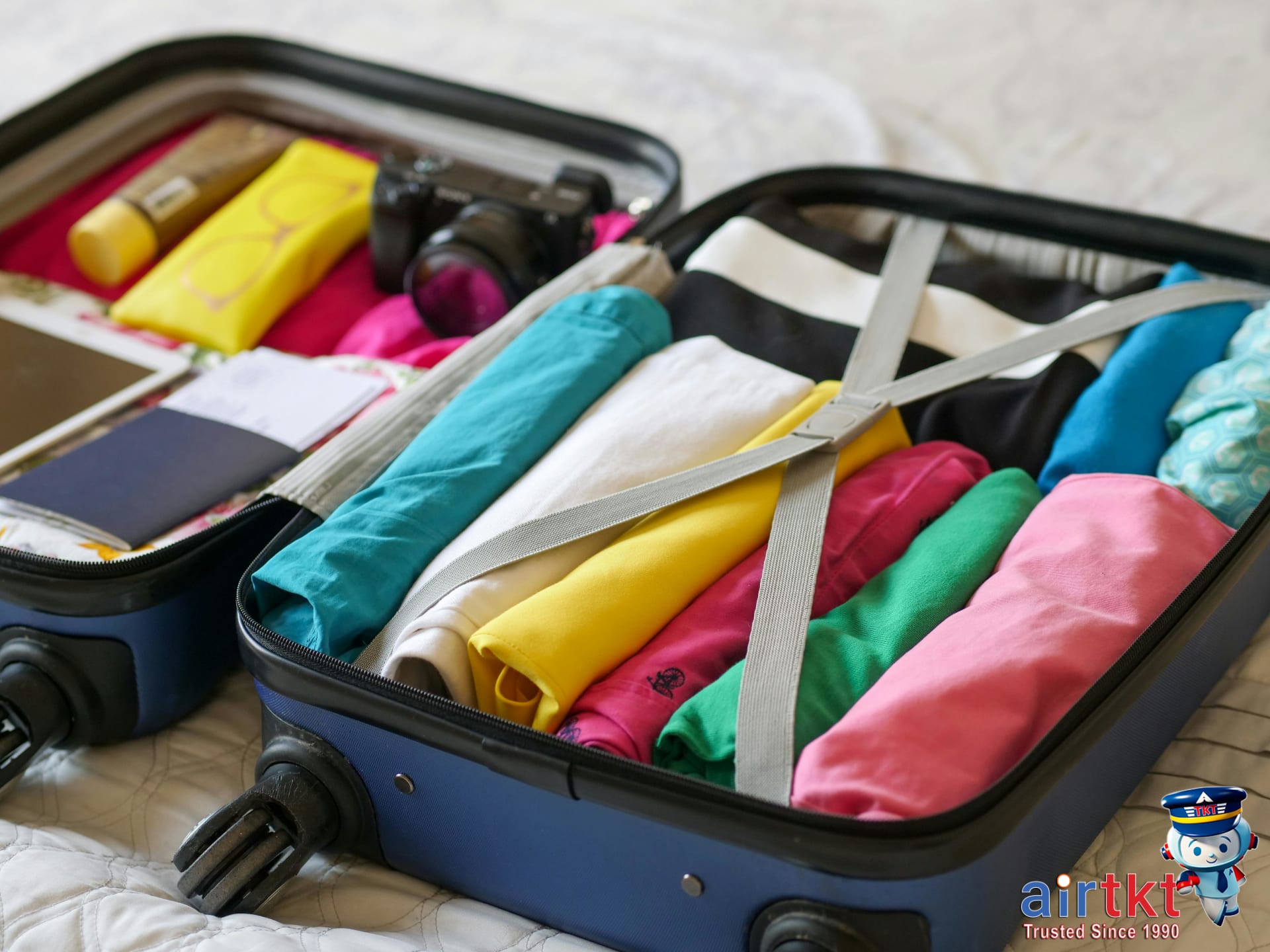
Packing efficiently is key to maximizing space and maintaining comfort during any backpacking trip. One of the most effective methods to reduce bulk is rolling your clothes tightly instead of folding them. This technique minimizes wrinkles and compresses fabric, allowing you to fit more items in less space. Pair rolling with compression bags, which expel excess air and shrink your clothing volume further, freeing up valuable room for essentials.
In addition, modular packing systems like packing cubes or dry sacks streamline organization and space usage. Packing cubes divide your gear into sections for easy retrieval and compact stacking inside your backpack. Dry sacks, often waterproof, protect your items from moisture and help compress soft gear such as jackets or sleeping bags. These systems not only save space but speed up packing and unpacking by keeping similar items grouped.
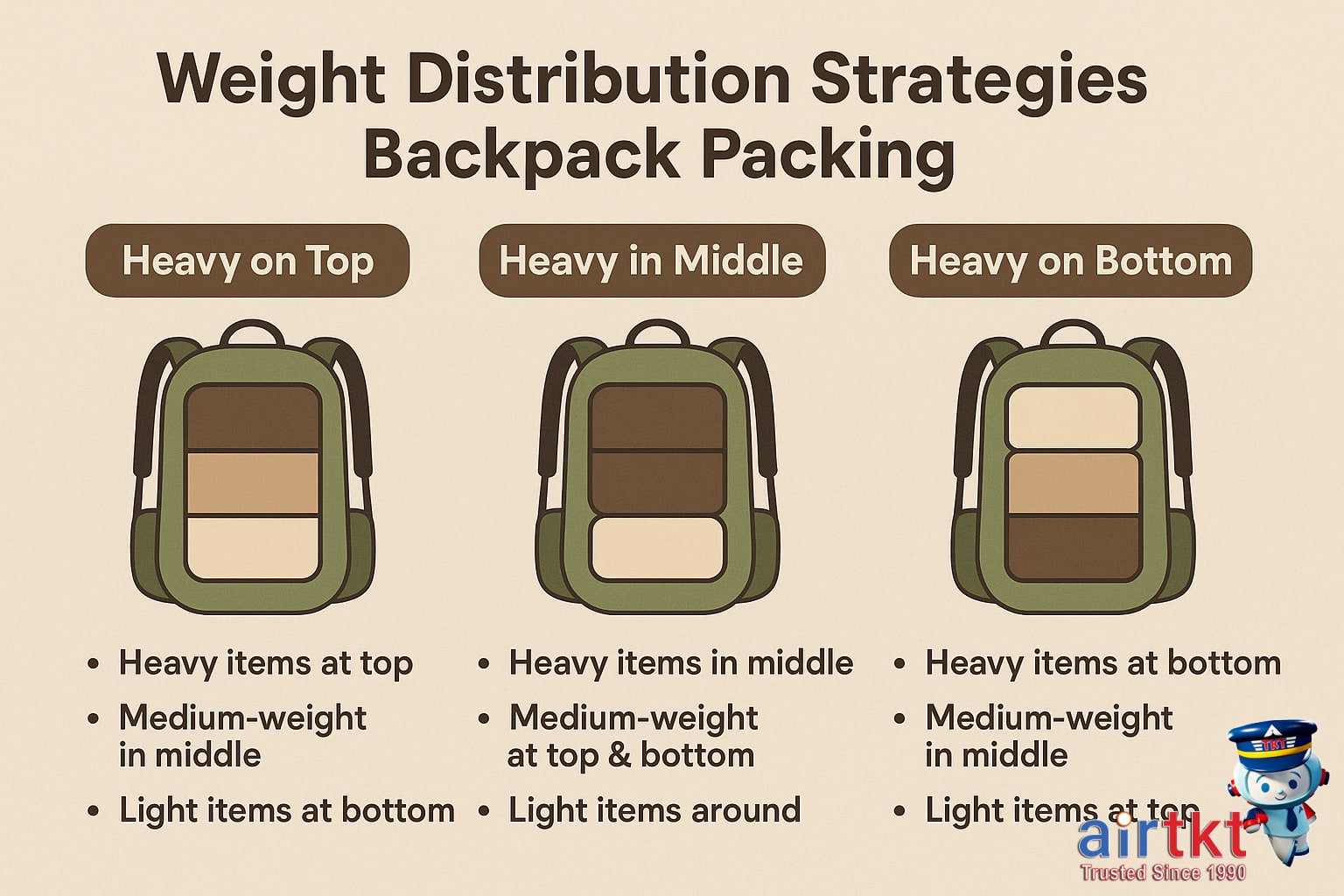
Proper weight distribution is essential to reduce strain and improve mobility on the trail. Place heavier gear, such as water reservoirs or cooking equipment, as close to your back as possible, ideally near the middle or upper back. This positioning keeps your center of gravity stable and prevents the pack from pulling you backward. Ensure you balance weight evenly from side to side to avoid unnatural leaning and fatigue. When packing bottom to top, heavier items belong lower to stabilize your stance, while lighter items, like clothing or sleeping mats, fit on top.
Quick-access items deserve special attention for convenience and safety. Keep snacks, maps, rain gear, and your first aid kit in external pockets or near the top of your backpack. This arrangement saves time and frustration during stops or sudden weather changes, letting you grab essentials without unpacking your entire bag.
- Roll clothes tightly to maximize space and reduce wrinkles.
- Use compression bags to shrink soft items and save room.
- Employ packing cubes or dry sacks for modular, organized packing.
- Place heavy gear close to your back and center of gravity.
- Balance weight evenly side to side to prevent strain.
- Pack heavier items near the bottom; lighter items go on top.
- Store quick-access items like snacks and rain gear externally.
By applying these space-saving and weight distribution techniques, you ensure better comfort and endurance on your hike. A well-packed backpack reduces back pain and helps maintain good posture, allowing you to enjoy your adventure without unnecessary physical stress.
TSA Compliance and Travel Security Tips
Backpacking is all about mobility and convenience, but airport security introduces strict TSA regulations that every traveler must understand to avoid delays. Key among these are rules governing liquids, sharp objects, and electronics, which can impact how you pack and what gear you bring on your trip.
Understand TSA Liquid Limits and Restrictions
The TSA enforces the “3-1-1” liquid rule: each passenger may carry liquids, gels, and aerosols in containers no larger than 3.4 ounces (100ml), all fitting into one quart-sized, clear, resealable bag. This limit directly affects backpackers who often rely on versatile travel-size items.
Common liquid items like shampoo, sunscreen, and hand sanitizer must fit these limits. Using TSA-compliant reusable travel bottles made from durable plastic or silicone can help reduce waste and ensure compliance. Look for lightweight bottles with secure caps to prevent spills.
Know Prohibited Sharp and Restricted Items
Sharp objects such as knives, scissors with blades longer than 4 inches, and other cutting tools are not permitted in carry-on luggage. Backpackers often carry multi-tools and camping knives, so it’s best to pack these in checked baggage.
Other prohibited items include firearms, flammable liquids, and certain sporting goods. For up-to-date details, always consult the official TSA guidelines.
Manage Electronics and Valuables
Large electronics such as laptops, tablets, and game consoles generally require separate screening. To expedite this, keep these devices accessible by placing them in top compartments or dedicated electronic sleeves within your backpack.
Smaller electronics, like cameras and batteries, should also be easy to access. Storing valuables and electronics together in organized packing cubes or padded pouches helps protect them while simplifying security checks.
Optimize Packing for Smooth Screening
- Use packing cubes: These help segregate liquids, electronics, and clothes, allowing TSA agents to inspect only necessary items quickly.
- Prepare your bag: Place your quart-sized liquid bag and large electronics at the top or in an external compartment for easy removal.
- Check backpack pockets: Remove any prohibited items like sharp tools or flammable materials before arriving at the checkpoint.
Organizing your backpack this way reduces the risk of additional screening and streamlines your journey through security.
Common Packing Mistakes and Avoidance Strategies
Packing for a backpacking trip can be challenging, especially when the urge to prepare for every possible scenario leads to common errors. One of the most frequent mistakes is overpacking. Bringing too many clothes, unnecessary gadgets, or bulky items not only weighs you down but can also cause discomfort during long hikes or transfers. Instead, focus on essentials and versatile pieces.
Another frequent oversight is neglecting weather conditions. Weather varies significantly by destination and season, so failing to tailor your packing list to expected climates can leave you unprepared for rain, cold, or heat. Check the forecast thoroughly and pack accordingly—for instance, lightweight, moisture-wicking layers for warm environments or insulated gear for cooler locations.
Poor gear quality choices also impact your travel experience. Substandard gear may break or fail at critical moments, causing inconvenience or even safety risks. Investing in durable, lightweight, and trusted brands for items like backpacks, footwear, and sleeping bags can optimize both comfort and longevity.
Ignoring weight balance within your pack is another challenge. Uneven distribution makes carrying your backpack strenuous and may cause back pain or fatigue. Distribute heavier items close to your back and centered to maintain stability and reduce strain during movement.
To avoid these pitfalls, customize your packing list based on climate and trip duration. For example:
- In tropical climates, pack breathable clothing, insect repellent, and rain protection.
- In alpine or desert areas, bring layered clothing for temperature shifts and sun protection.
- For multi-day hikes, include adequate hydration systems and energy-rich snacks.
Before departure, conduct checklist review sessions and trial packing runs. This practice helps detect unnecessary items and familiarizes you with your pack’s weight and fit. Set aside time a few days before the trip to pack completely, then evaluate what can be removed or swapped for lighter, multi-functional alternatives.
Finally, embrace the discipline of leaving non-essential items behind. While it’s tempting to bring comforts from home, pare down to what truly supports your adventure. Minimizing clutter in your backpack increases mobility and reduces stress, letting you focus on exploring rather than hauling excess stuff.
Practical Packing Tips and Final Checklist
Packing smart is the cornerstone of any successful backpacking trip. Embracing layering techniques allows you to adapt to varying climates while keeping your load light. Start with a moisture-wicking base layer, add an insulating mid-layer, and top it with a weatherproof outer shell. This approach maximizes versatility and minimizes the number of bulky items you carry.
Incorporate multi-purpose items to cut down on weight and space. For example, a lightweight scarf can serve as a sun shield, towel, or blanket. Choose clothing and gear that perform double duties—such as zip-off pants that convert to shorts or a jacket with removable liners—so you pack less without sacrificing functionality.
Never overlook essential emergency gear. A compact first aid kit tailored to your destination’s risks is vital. Complement this with navigation backups like a physical map, compass, or a GPS device with offline capabilities. These tools increase safety and reduce reliance on potentially unreliable technology or network coverage, giving you peace of mind throughout your journey.
Final Backpacking Checklist
- Clothing: Layered base, mid, and outerwear; moisture-wicking socks; multi-use accessories
- Footwear: Durable hiking boots and lightweight camp shoes
- Emergency Supplies: First aid kit, whistle, headlamp with extra batteries, multi-tool
- Navigation: Physical map, compass, GPS device or smartphone with offline maps
- Sleeping Gear: Ultralight sleeping bag, compact sleeping pad, and shelter (tent or tarp)
- Food and Water: Portable stove, lightweight cookware, water filter or purification tablets
- Personal Items: Sunscreen, insect repellent, toiletries, lightweight towel
- Documentation: ID, permits, reservation confirmations, travel insurance info
For ease of use during packing and on the trail, consider having both digital and printed versions of this checklist. Digital lists can sync to your phone or tablet for quick reference, while printed checklists provide a no-fuss, battery-free option especially useful in remote areas.
FAQs About Backpacking Gear and Packing
When should I start packing backpacking gear?
Begin packing your backpacking gear at least one week before your trip. This gives you enough time to organize essentials, test your gear, and adjust for any missing items. Early packing also allows you to pack light and avoid last-minute stress.
How do I pack backpacking gear to comply with TSA rules?
To comply with TSA rules, pack liquids in containers of 3.4 ounces (100 ml) or less, all fitting inside a single clear quart-sized bag. Keep electronics easily accessible for screening. Avoid prohibited items like sharp objects and flammable gear. Check TSA guidelines before you pack for hassle-free security screening.
What is the best way to distribute weight in a backpack?
Distribute weight with heavier items close to your back and centered between your shoulders. Place medium-weight items below and lighter gear in outer or top pockets. This balance reduces strain, improves stability, and increases comfort on long hikes.
Why is avoiding overpacking important for backpacking trips?
Overpacking adds unnecessary weight, causing fatigue and discomfort. It limits mobility and increases the risk of injury. Lightweight packing lets you move faster, conserve energy, and enjoy the trip without being weighed down.
Can I bring full-size toiletries in my backpack through airport security?
No. The TSA restricts liquids, gels, and aerosols in carry-on bags to containers of 3.4 ounces or less. Full-size toiletries must go in checked luggage or be purchased after security checkpoints. Using solid alternatives like bar shampoo can also help reduce liquid items.
How do space-saving techniques improve backpacking comfort?
Space-saving methods such as rolling clothes, using compression sacks, and packing multi-use items optimize backpack capacity. They reduce bulk, improve weight distribution, and keep gear organized—making it easier to carry and access your essentials comfortably.
What brands offer reliable backpacking gear at affordable prices?
Brands like REI Co-op, Osprey, Deuter, and Columbia provide quality backpacking gear that balances durability and cost. For budget-friendly options, look for sales on platforms like AirTtkt, where discounts often make trusted gear more accessible without sacrificing reliability.
Benefits of Thoughtful Backpacking Packing with AirTkt
Packing thoughtfully for your backpacking adventures can be a game-changer, offering benefits that extend well beyond simply fitting everything into your bag. Selecting the right gear and organizing it efficiently help reduce stress while traveling, especially when navigating airport security. Ensuring TSA compliance means fewer delays and smoother transitions through checkpoints, making your journey less daunting.
Thoughtful packing directly enhances your mobility. With lighter, well-organized luggage, you can move freely between destinations, explore with ease, and avoid common hassles like searching for specific items in an overstuffed bag. This improved efficiency leads to greater comfort and overall trip enjoyment as you focus more on the experiences awaiting you rather than the burdens of your gear.
Partnering your packing strategy with smart flight booking makes for an unbeatable combination. AirTkt offers a powerful platform to help backpackers find affordable flights tailored to their itineraries. The website’s real-time fare comparison lets you quickly identify the best prices across 470+ airlines. By using AirTkt, you gain access to exclusive discounts, military and senior savings, seasonal promotions, and last-minute deals that can significantly reduce travel expenses.
AirTkt’s user-friendly tools, like Lazy Fare, Nearby Airport Search, and Flexible Date Search, empower backpackers to customize their trips for maximum savings without sacrificing convenience. Coupled with 24×7 customer support, including a free phone-assisted reservation service, you can book flights with confidence and peace of mind—essential for stress-free adventure planning.
Integrating careful packing with smart flight booking from AirTkt ensures your backpacking journey will be comfortable, efficient, and affordable. Remember, taking the time to pack strategically and using reliable travel services allows you to fully immerse yourself in your adventure without unnecessary worries. Experience the benefits of planning ahead and traveling smarter on your next trip.