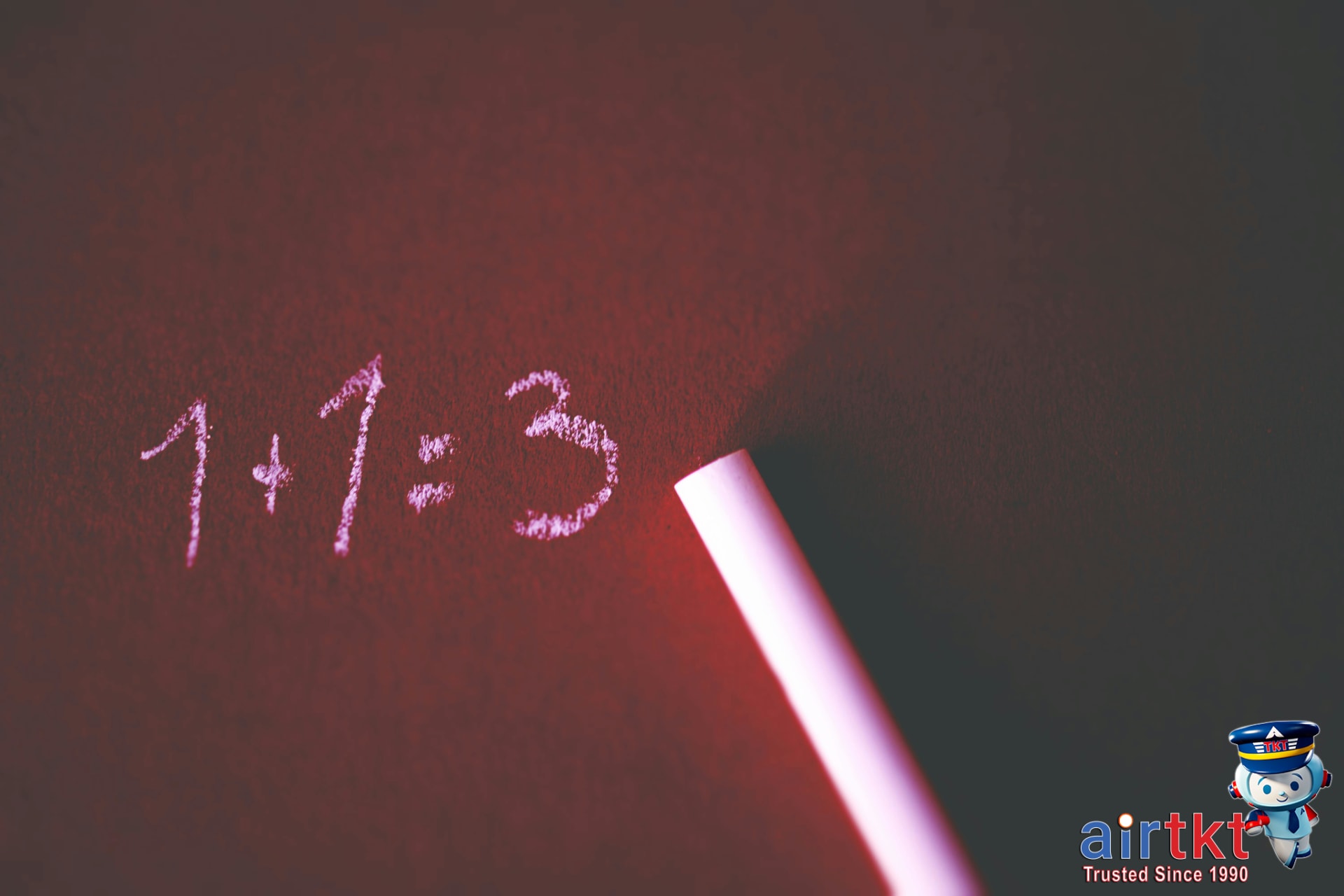
TSA 3-1-1 Rule Overview for Air Travelers
The TSA 3-1-1 rule is a crucial regulation for anyone traveling with carry-on luggage. Established to enhance security while expediting the screening process, this rule limits the amount and packaging of liquids, gels, and aerosols passengers can bring through airport security checkpoints. Understanding and following this rule is essential to avoid delays and ensure a smooth travel experience.
Specifically, the TSA 3-1-1 rule means:
- 3: Containers must be no larger than 3.4 ounces (100 milliliters) each.
- 1: All containers must fit comfortably within 1 quart-sized, clear, resealable plastic bag.
- 1: Each traveler is allowed only 1 such plastic bag.
This means you can carry a limited amount of toiletries like shampoo, toothpaste, lotions, and other liquid items, but they must follow this packaging rule to pass through security checkpoints swiftly. Containers larger than 3.4 ounces should be packed in checked luggage.
Complying with the TSA 3-1-1 rule has several benefits. First, it helps TSA agents efficiently screen carry-on bags without having to remove or test large quantities of liquids, reducing wait times. Second, travelers who prepare their liquids according to this rule avoid unnecessary confiscations or repacking at security checkpoints. The result is a more convenient boarding process and less travel stress.
By carefully packing your toiletries in the required quart-sized bag and ensuring no container exceeds the size limit, you create a hassle-free experience for yourself and others. This simple step improves overall airport security’s smooth functioning and minimizes unexpected interruptions during your journey.
When planning your trip, it’s also smart to book flights through a reliable and affordable platform like AirTtkt. AirTtkt offers an easy-to-navigate website with access to thousands of flights worldwide, allowing travelers to find budget-friendly fares for domestic and international journeys. Whether you’re looking for a last-minute trip or want to explore multi-stop itineraries, AirTtkt equips you with robust tools and expert assistance 24/7, helping you travel smarter and more economically.
Define TSA 3-1-1 Liquid Rule Details
The TSA 3-1-1 liquid rule sets clear limits on the amount and packaging of liquids passengers can bring through airport security checkpoints. Each liquid container must be 3.4 ounces (100 milliliters) or less. All containers must fit comfortably in one clear, quart-sized plastic bag, which passengers are allowed to carry only one of per person.
This “3-1-1” acronym refers precisely to these limits: 3.4-ounce containers, 1 quart-sized bag, and 1 bag per passenger. TSA enforces this standardized rule to help security officers efficiently screen carry-on items while minimizing risks associated with larger quantities of liquids. These regulations derive from security policies designed to prevent liquid explosives or dangerous substances from being brought onboard.
TSA’s website (tsa.gov) confirms these requirements and provides further details on items allowed. Similarly, transportation.gov and iata.org offer authoritative references aligned with global security standards.
Typical toiletries subject to the 3-1-1 rule include shampoo, conditioner, lotion, toothpaste, deodorant gels, liquid makeup, hand sanitizer, and contact lens solutions. Even common travel items like sunscreen and hairspray must adhere to the size limitation and fit inside the approved bag. Solid powders or pastes, unless in liquid form or aerosol, usually are not restricted in the same way but are subject to TSA discretion.
The TSA periodically reviews these regulations but there have been no significant changes to the 3-1-1 liquid rule in recent years. Travelers are advised to check official TSA updates before flying, especially following shifts in security alerts or health emergencies that might impact liquid allowances. Keeping up to date ensures smoother checkpoint experiences and helps avoid confiscations.
Understanding and following the TSA’s 3-1-1 liquid rule will make your security screening faster and hassle-free. For travelers using AirTtkt to book flights, being aware of these limits complements our mission to simplify travel by helping you plan for every detail, including airport protocols.
Essential Toiletries Checklist for 3-1-1 Packing
Adhering to the TSA’s 3-1-1 liquid rule can make packing toiletries for air travel a breeze without sacrificing your essentials. Here’s a detailed checklist focused on compact, travel-friendly items that fit perfectly within the limit of 3.4 ounces (100 ml) per container, all stored in a single quart-sized clear bag. Below, find recommended quantities and brand options tailored to different budgets for a typical short trip.
Key Toiletries to Pack
- Shampoo and Conditioner: Choose travel-size bottles, ideally 3.4 oz or smaller. One bottle each is usually enough for trips up to a week.
- Toothpaste: A travel-sized tube (preferably 0.85 oz to 1 oz) suffices for most short stays.
- Moisturizer: A lightweight, hydrating formula in a small container helps maintain skin balance on the go.
- Sunscreen: An SPF 30+ sunscreen in a travel size is essential for skin protection during outdoor activities.
- Deodorant: Solid sticks or travel-sized roll-ons are TSA-compliant and convenient.
- Hand Sanitizer: A small bottle with at least 60% alcohol content keeps your hands clean when soap and water aren’t available.
- Makeup Essentials: Select only your go-to items such as a tinted moisturizer, mascara, and compact powder, all in travel sizes.
- Medications: Include only daily doses in labeled containers, adhering to TSA guidance for liquids and pills.
Suggested Quantities by Trip Length
For trips lasting 3 to 7 days, aim to pack a single 3.4 oz container of shampoo and conditioner each, one travel-size toothpaste, and small quantities of skincare and sunscreen. Deodorant can be one stick or roll-on. Makeup should be minimal, limited to essential items only. Medications should reflect the duration, but always pack excess in your carry-on for safety.
Recommended Brands by Price Range
| Product | Budget | Mid-Range | Premium |
|---|---|---|---|
| Shampoo & Conditioner | Suave, Herbal Essences | OGX, Paul Mitchell | Oribe, Aesop |
| Toothpaste | Crest, Colgate | Tom’s of Maine, Hello | Marvis, Uncle Harry’s |
| Moisturizer | CeraVe, Neutrogena | Kiehl’s, Clinique | La Mer, Drunk Elephant |
| Sunscreen | Coppertone, Banana Boat | Blue Lizard, Supergoop! | La Roche-Posay, EltaMD |
| Deodorant | Degree, Dove | Native, Schmidt’s | Le Labo, Aesop |
| Hand Sanitizer | Purell, Germ-X | Bath & Body Works, EO | BYRD, Lavanila |
Use Space-Saving Packing Techniques
Maximizing carry-on space is essential when flying, especially while adhering to TSA’s strict 3-1-1 liquids rule. Smart packing techniques not only help you bring everything you need but also keep your luggage organized and compliant. Incorporating travel-sized bottles, TSA-approved toiletry cubes, and clever clothing hacks allows you to optimize every inch without sacrificing essentials.
Choose Travel-Sized Bottles and Toiletry Cubes
Start with travel-sized bottles that hold 3.4 ounces (100 milliliters) or less to meet TSA requirements. Investing in TSA-compliant toiletry cubes keeps your liquids tidy and accessible during security checks. These transparent, sealable cubes often include compartments to organize shampoo, lotion, toothpaste, and other liquids efficiently.
Separate liquids into designated cubes to prevent leaks and save interior bag space. Toiletry cubes also minimize the bulk messy bottles add when placed loosely in your carry-on. This method promotes easier unpacking and repacking for quick transitions between stops.
Use Double-Duty Toiletry Products
Streamline your essentials by opting for multi-use products like conditioner/body wash combos or moisturizer with SPF. These double-duty items reduce the number of containers you need to carry. For example, a 2-in-1 shampoo and conditioner replaces two bottles, leaving room for other necessities.
Multi-use products not only conserve space but also simplify your routines. Skincare or makeup items combining functions minimize your toiletries further while meeting travel-size limits. Always verify each product’s bottle size to comply with the 3-1-1 liquid maximum before packing.
Pack Clothes Strategically with Toiletry Bags
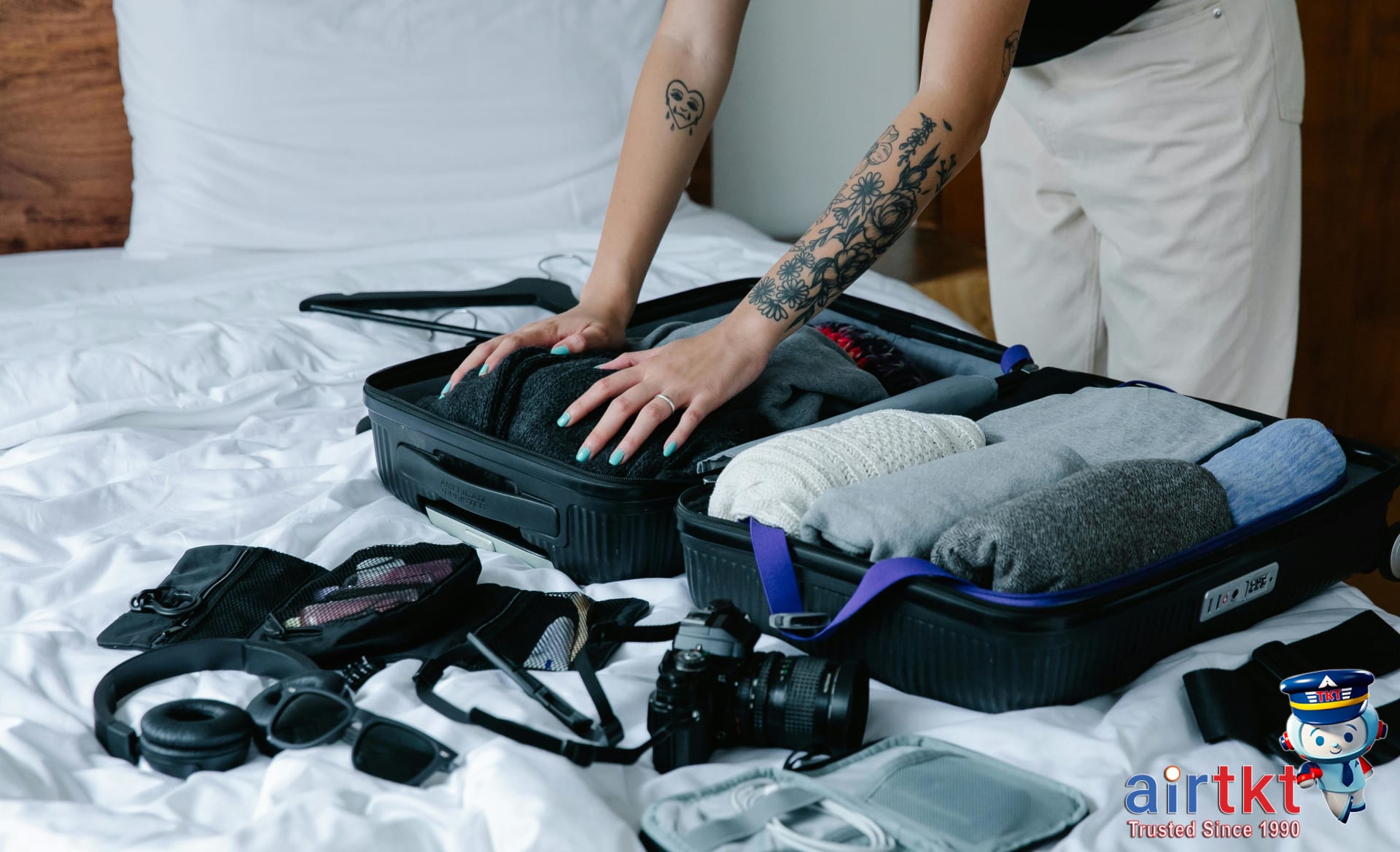
Rolling clothes is a proven space saver that complements your toiletry packing strategy. Roll lightweight items like t-shirts, leggings, and scarves around your toiletry cubes or bags. This squeezes air out and maximizes compactness without excessive wrinkling.
Compression packing cubes take this a step further by allowing you to squeeze out excess air and create dense, organized bundles. Fit your rolled clothes tightly around toiletry cubes inside these cubes to optimize space inside your carry-on.
Remember Airline Carry-On Size Limits
While focusing on toiletry and clothing space-saving, keep your total carry-on size in mind. Most airlines allow carry-ons around 22 x 14 x 9 inches, but sizes can vary. Your toiletry container must fit comfortably within this limit while leaving room for clothes and essentials.
Ensuring your toiletries comply with size standards is crucial—oversized bottles or bulky containers often cause delays or confiscations at TSA checkpoints. Verify your bottles and bags before every trip, especially if switching airlines.
TSA Compliance Tips and Packing Mistakes
Travelers often face delays and frustrations at TSA checkpoints due to improper packing, especially when it comes to toiletries and electronics. Preparing your carry-on with TSA compliance in mind can save time and avoid unnecessary stress. The key is to pre-package liquids in clear, resealable bags, separate electronics for easy inspection, and steer clear of banned or questionable items. Understanding the common packing mistakes helps ensure a smooth screening process and keeps your travel day hassle-free.
One of the most important TSA rules is that all liquids, gels, and aerosols must be placed in containers no larger than 3.4 ounces (100 milliliters) and fit into a single quart-sized clear, resealable plastic bag per passenger. Pre-packing your toiletries in these bags before arriving at the airport speeds up inspection since screeners need to see all liquids at once. Avoid using unmarked or homemade containers, as they can raise suspicion and cause delays. Always verify the container size, and remember that exceptions exist only for medications, baby formula, and breast milk.
Electronics such as laptops, tablets, e-readers, and cameras should be packed separately and easily accessible. TSA officers typically ask passengers to remove these items from bags for X-ray screening. Keeping them in an organized, dedicated section of your carry-on or a separate pouch facilitates quick removal and replacement. In addition to electronics, avoid carrying banned substances like aerosols with flammable ingredients, certain sharp objects, and any liquids exceeding the permitted volume. Familiarize yourself with the TSA’s updated list of prohibited items to prevent surprises at the checkpoint.
Frequent packing mistakes include:
- Using oversized bottles: Containers above 3.4 ounces are automatically disqualified.
- Overfilling liquids: Bottles filled beyond the fill line can leak and cause messes.
- Mixing medications and cosmetics in the same bag: This complicates inspection and may require additional screening.
- Failing to separate electronics: This leads to slower security lines as officers ask you to remove devices halfway through screening.
- Carrying unapproved aerosols or sharp items: These are banned and can cause confiscation or penalties.
TSA-Approved Toiletry Packing Checklist
- All liquids, gels, and aerosols in bottles no larger than 3.4 oz (100 ml)
- Single quart-sized clear resealable bag for all liquids
- Label original packaging whenever possible
- Medications and baby items separated but declared if needed
- Electronics packed separately and easy to remove
- Banned items like sharp objects, flammable aerosols, and large volumes excluded
By following this checklist and understanding common packing pitfalls, you’ll glide through TSA checkpoints with ease. For the best travel experience, pairing smart packing habits with reliable flight booking through AirTtkt ensures peace of mind from start to finish.
Manage Weight Distribution in Carry-Ons
Proper weight distribution in your carry-on is crucial to avoid unexpected baggage fees and to keep your bag manageable throughout your journey. Uneven or overweight carry-ons can lead to difficulties when lifting, stowing in overhead compartments, or passing through security checkpoints. More importantly, excess weight might trigger additional charges, turning what should be a smooth travel day into an expensive hassle.
To minimize these risks, pack heavier items near the bottom or base of your carry-on suitcase. This placement stabilizes the bag’s center of gravity, preventing it from tipping over when standing upright and easing the strain on your arms and shoulders as you carry it. For example, place shoes, heavy books, or electronics at the bottom before layering lighter clothing and accessories on top.
Keeping your toiletry bag accessible is another smart packing strategy. Security checkpoints often require easy retrieval of liquids, gels, and aerosols, so situating your clear toiletry pouch near the top or in an external compartment saves time and reduces stress. This approach also prevents you from rummaging through your entire bag mid-flight when you need a quick refresh.
Integrate your toiletries efficiently by combining them with other essentials without creating bulk or imbalance. Use travel-sized containers and pack them inside your clothing layers to maximize space and maintain balance. For instance, you can nest small toiletry bags inside shoes or side pockets, which stabilizes the overall load and keeps everything compact. Similarly, group tech gadgets like chargers and headphones together in an easy-to-reach compartment, so weight is distributed evenly and essential items remain handy.
By carefully arranging heavier items at the base, maintaining accessibility for toiletries, and thoughtfully grouping your essentials, you ensure a balanced carry-on that’s easy to handle and compliant with airline regulations. These packing methods not only keep your weight within limits but also enhance your overall travel experience, making each step—from airport security to boarding—seamless and stress-free.
Troubleshoot Common Toiletry Packing Pitfalls
Packing toiletries efficiently is crucial to a smooth and stress-free travel experience. Yet, many travelers fall into common traps that lead to overpacked bags, forgotten essentials, or compliance issues with airline liquid restrictions. Identifying and solving these pitfalls can help you streamline your toiletry kit and avoid unexpected hassles.
Avoid Frequent Toiletry Packing Errors
The most typical mistakes include:
- Forgetting containers: Without appropriate bottles or travel-sized dispensers, you risk carrying bulky full-sized products or having to buy replacements at your destination.
- Overfilling containers: Exceeding allowable liquid limits can result in confiscated items or delays at airport security checkpoints.
- Ignoring climate considerations: Packing heavy moisturizers for tropical trips or skipping sunscreen in sunny locales often means discomfort or inadequate skin care.
Use Smart Solutions to Simplify Packing
Implement these strategies to build a practical toiletry kit:
- Bring refillable bottles: Opt for durable, leak-proof containers sized under 3.4 ounces (100 ml) to meet TSA and most international liquid restrictions.
- Consolidate products: Combine similar items such as multiple lotions or shampoos into single, multi-use formulas to save space and reduce weight.
- Tailor your kit by destination: Research the climate of your travel spot and pack accordingly—lightweight sunscreen and aloe for beach trips; hydrating balms and lip care in cold environments.
Research Liquid Regulations Abroad
Different countries and airports enforce varying rules for liquids in carry-on luggage. Generally, liquids must be in containers no larger than 3.4 ounces (100 ml), with all items fitting into a single, clear quart-sized bag. Some destinations have stricter controls or additional limitations for aerosols and gels.
Before travel, consult authoritative resources or your airline’s page to confirm:
- Permitted liquid volumes and packaging requirements
- Local prohibitions for specific toiletry items
- Whether medications or baby products have exceptions
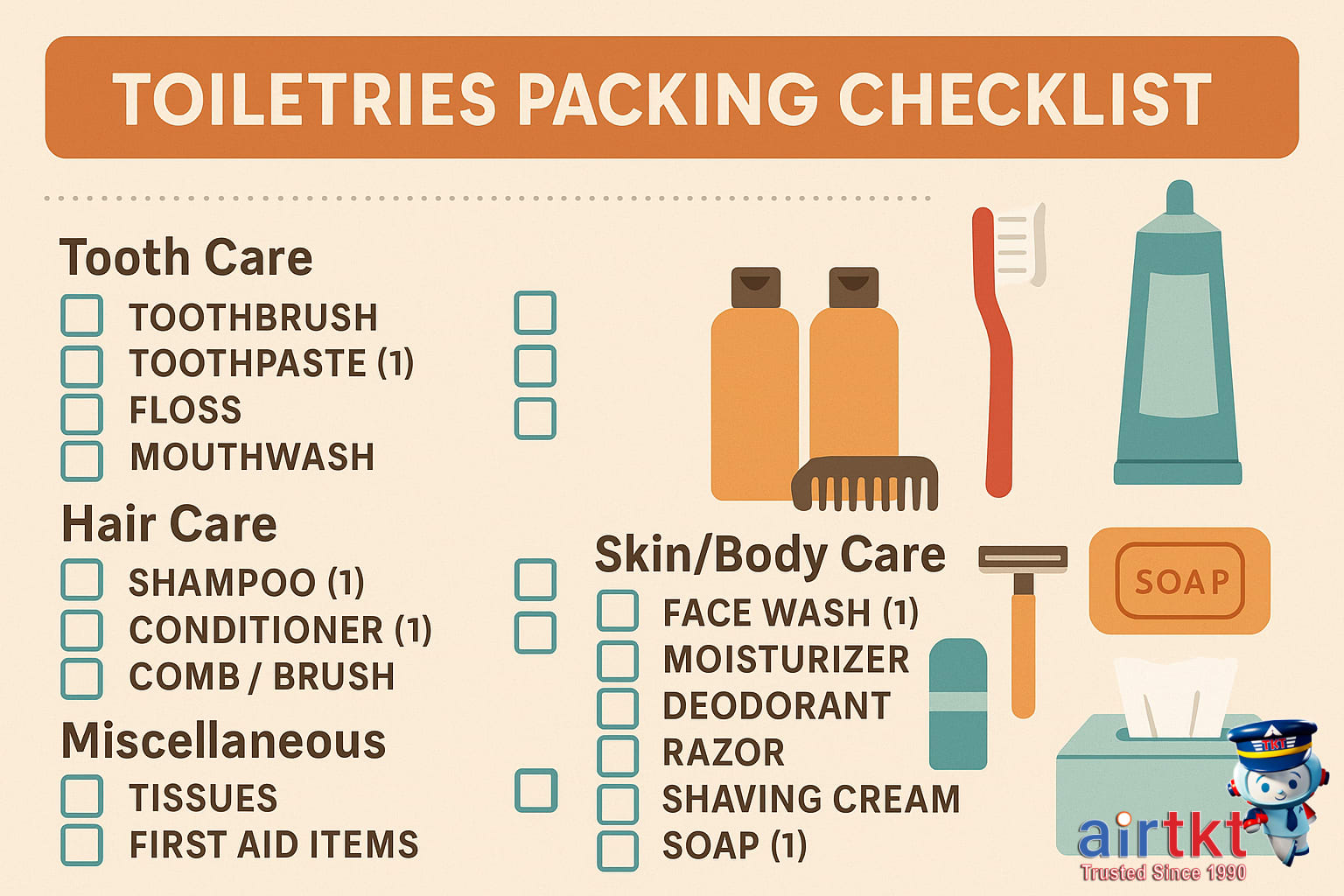
Printable Toiletry Packing Checklist
To help you pack smarter, here’s a comprehensive checklist to print or save. It covers essentials often forgotten and helps avoid overpacking:
- Refillable travel bottles for shampoo, conditioner, body wash, lotion
- Toothbrush, travel-sized toothpaste, floss
- Deodorant (solid or gel format)
- Razor and shaving cream (travel size)
- Sunscreen and lip balm with SPF
- Makeup essentials (if applicable) and remover wipes
- Moisturizing cream or balm tailored to climate
- Hairbrush or comb
- Contact lenses and solution (if needed)
- Medication and prescriptions in labeled containers
- Small first aid items like band-aids or antiseptic wipes
- Sanitizer or hand wipes
Checking items off this list ensures you’re covered without the burden of excess weight or missing must-haves.
By troubleshooting toiletry packing pitfalls and relying on smart strategies, your trip preparation will be more organized, your carry-on lighter, and your journey hassle-free. For more tips on travel planning and deals, trust AirTtkt to guide you.
Toiletries Packing FAQ and Expert Answers
How to pack toiletries under 3-1-1?
Pack liquids, gels, and aerosols in containers of 3.4 ounces (100 ml) or less. Place all containers together in a single clear quart-sized bag. Each traveler is allowed one bag. Make sure the bag is sealed and easily accessible for TSA screening.
What is the TSA 3-1-1 rule?
The TSA 3-1-1 rule limits carry-on liquids to 3.4 ounces per container, one quart-sized clear bag per traveler, and one bag per passenger. This rule helps speed up screening and enhance security by controlling how much liquid is brought on board.
When should liquids be packed separately?
Liquids must be packed separately from other items during security screening. Always place your 3-1-1 quart bag in a separate bin for TSA officers to inspect easily. Larger liquids belong in checked luggage to comply with regulations.
Why is the 3-1-1 rule important?
This rule prevents potentially dangerous quantities of liquids from entering aircraft cabins. It ensures a smoother security process and helps protect passengers by limiting the volume of liquids that can be carried onto a plane.
Can I carry sunscreen in 3-1-1 sizes?
Yes, sunscreen is considered a liquid and must follow the 3-1-1 rule. Use a container of 3.4 ounces or less and place it in your quart-sized bag. Larger sunscreen bottles should be packed in checked luggage to avoid security delays.
Are toothpaste and deodorant subject to the 3-1-1 rule?
Yes, toothpaste and gel or aerosol deodorants must comply with the 3-1-1 sizes. Solid deodorants do not have size restrictions and can be carried in any size container without counting toward your quart bag.
Can I bring baby formula or medications exempt from 3-1-1 rule?
Yes, baby formula, breast milk, and medications are allowed in reasonable quantities exceeding 3.4 ounces but must be declared at security checkpoints for separate screening.
Summarize Toiletries Packing Tips and Plan Travel
When preparing for a smooth airport screening process, adhering to the TSA 3-1-1 rule is essential. This rule limits liquids and gels to containers no larger than 3.4 ounces (100 milliliters), all fitting comfortably in a single, clear, quart-sized bag. Staying within these limits not only avoids unnecessary delays but also prevents item confiscations. Packing toiletries in travel-size containers and selecting multi-use products helps manage weight and save precious suitcase space, making your journey more efficient and stress-free.
Effective toiletries packing prioritizes space-saving methods, such as using leak-proof travel bottles, minimizing the number of items, and organizing them for easy access during security checks. Balancing compliance with TSA guidelines while managing your luggage’s weight ensures a hassle-free airport experience. Remember, repack any bulky items at home, so you avoid surprises on arrival at the security line.
Beyond packing tips, booking your trips affordably and easily is just as crucial. AirTkt offers a robust platform that aggregates fares from over 470 airlines and thousands of airports worldwide. Its user-friendly tools, such as Lazy Fare and Flexible Date Search, empower travelers to find the best prices on flights without the hassle of visiting multiple websites. Plus, 24/7 customer support means expert help is always available when you need it.
Before you embark on any trip, it’s wise to stay updated on the latest TSA and airline regulations, as policies may change due to safety or health concerns. Double-checking these guidelines minimizes surprises at the airport and helps ensure your travel goes as planned.
Ultimately, combining smart packing strategies with savvy flight booking through AirTkt sets you on a path toward enjoyable, stress-free travel. From optimizing your toiletries to finding unbeatable fares, preparation goes a long way in enhancing your overall journey.