
Introduction to Madrid for First-Time Visitors
Welcome to Madrid, a city that blends lively streets, rich history, and world-class art into a compact, walkable urban experience. If you’re visiting for the first time, this guide lays out the essentials: top attractions like the Prado Museum and Retiro Park, local customs that’ll help you blend in, practical tips on transportation, where to stay for comfort and convenience, a sample itinerary to hit highlights in three days, and budgeting advice tuned for 2026 costs.
Madrid’s vibrant culture, historic neighborhoods, and straightforward layout make it ideal for newcomers eager to explore Spain without feeling overwhelmed. The metro system connects most points of interest, while dining ranges from casual tapas bars to classic restaurants offering authentic regional dishes.
Planning ahead is crucial here. Knowing when and where to go, managing your time between museums and plazas, and understanding transportation options can save you hours and hundreds of euros. I use tools like AirTkt to monitor flight and hotel deals—spotting savings before others do. It’s not just about saving money; it’s about making your first Madrid trip smooth, rewarding, and memorable.
Top 10 Must-See Attractions in Madrid
Madrid’s mix of grand history, art scenes, and lively streets offers something for everyone. From royal palaces to bustling markets, this city thrives on its cultural wealth and vibrant energy. Here’s a list of ten attractions that capture Madrid’s spirit—with practical tips on when to visit and how to skip ticket lines.
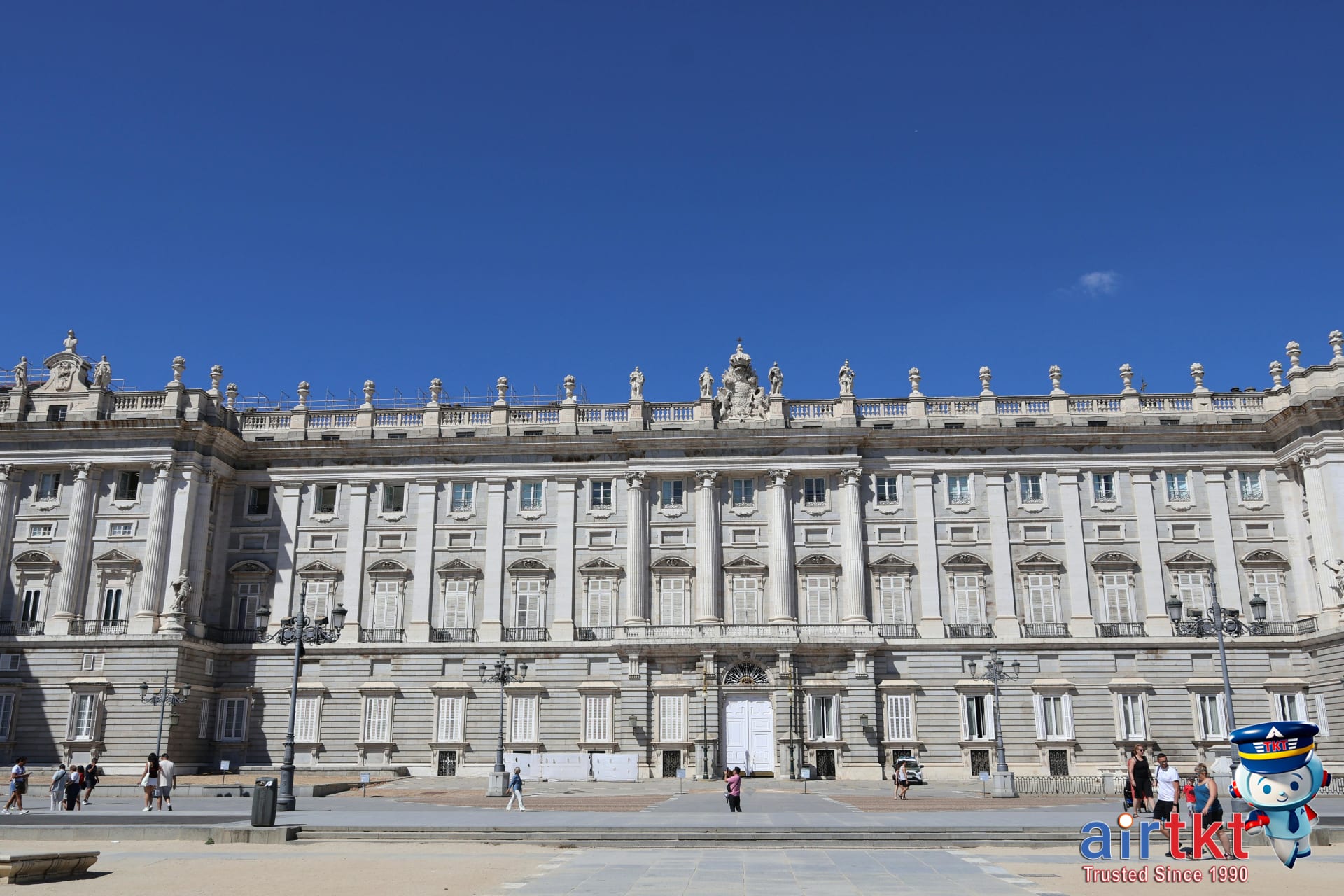
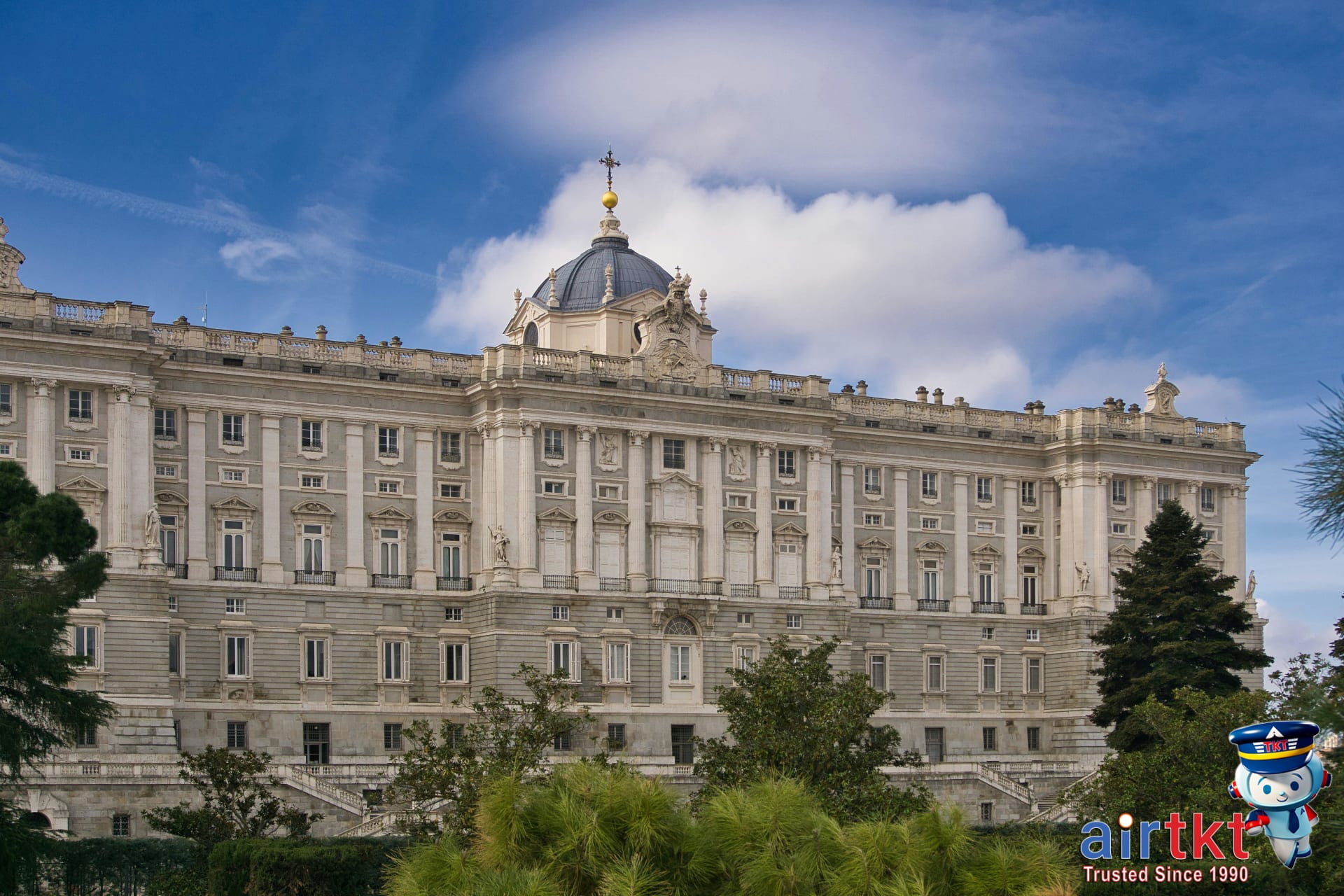
- Royal Palace: The official residence of Spain’s monarchy, open to the public except during state events. Its stunning architecture and gardens make it a photo favorite. For February 2026 visits, booking skip-the-line tickets online for early morning slots (9:15–10:30 am) sharply reduces wait times.
- Prado Museum: Home to over 8,000 artworks, including masterpieces by Goya and Velázquez. Weekday afternoons between 2-4 pm have fewer crowds. Buy skip-the-line tickets through official channels or platforms like AirTkt to avoid the typical 45-minute queues.
- Retiro Park: A vast green space perfect for families and relaxation. Paddle boats on the park’s pond or weekend puppet shows bring kids to life. Arrive before noon to snag quieter spots on weekends.
- Plaza Mayor: Madrid’s historic central square, ideal for people-watching and outdoor cafés. Early mornings are peaceful, while evenings buzz with street performances.
- Gran Via: The city’s main shopping and entertainment artery, lit up spectacularly at night. Theater lovers should check schedules in advance; matinee shows often come with discounted tickets.
- Puerta del Sol: Madrid’s bustling hub, known for the “Kilometer Zero” marker. Visit around 10 am on weekdays to avoid peak rush and experience local life.
- Thyssen-Bornemisza Museum: A complement to the Prado with a more modern art collection. Late afternoons on Mondays and Tuesdays tend to be less busy. Skip-the-line options are available online, especially combined tickets with the Prado.
- Mercado de San Miguel: A gourmet market spot for tasting tapas and local wines. Weekday lunch hours see fewer crowds than weekends—perfect for sampling without rushing.
- Temple of Debod: An ancient Egyptian temple relocated to Madrid, providing panoramic sunset views. Arrive 30 minutes before sunset (times vary; e.g., 6:15 pm in February) to enjoy the colors and photography without jostling.
- Santiago Bernabéu Stadium: Must for soccer fans, home of Real Madrid. Guided tours are best booked in advance. Early weekday mornings offer guided tours with fewer visitors, letting you explore the pitch, locker rooms, and trophies at your own pace.
Look, museums and the Royal Palace often have long lines, especially on weekends. That’s where skip-the-line tickets booked via AirTkt come in handy. For example, Melisa Johnson, a marketing director from Chicago, booked Prado Museum timed entry tickets through AirTkt last December, avoiding a 50-minute queue and only waiting 5 minutes instead.
Families will find Retiro Park and Mercado de San Miguel especially inviting. Kids can run freely in the park, and the market offers quick bites for picky eaters. Sports enthusiasts like David Castillo, a software engineer from Madrid, scheduled a Bernabéu Stadium tour last November at 9:30 am—his kids loved sitting in the VIP boxes without the usual crowd.
Cultural Etiquette Essentials
Madrid has its own rhythm when it comes to social customs and manners. Greeting people typically involves a light kiss on both cheeks, even between acquaintances. Handshakes are also common in professional settings, but expect informal hugs among friends. Avoid addressing someone by their first name unless invited—using “Señor” or “Señora” plus the last name shows respect.
Tipping is appreciated but not mandatory. In restaurants, leaving 5-10% is common if service is good. Taxi drivers usually get rounded-up fares or a euro or two extra. Hotel porters expect about €1 per bag. Street café orders rarely require tipping, though rounding up small bills happens sometimes.
Meal times stretch later than what many international travelers are used to. Lunch often starts around 2:00 p.m. and dinner after 9:00 p.m. Sharing tapas is a social norm, so order several small plates, and don’t be surprised if dishes are placed in the center for everyone. Meal pacing tends to be leisurely; rushing is seen as rude.
Dress codes get stricter in religious venues like cathedrals. Shoulders and knees should be covered, and hats removed indoors. For formal occasions, urban Madrileños lean toward smart casual: tailored trousers, elegant blouses, or polished shoes. Avoid overly casual wear such as flip-flops or sportswear outside beach areas.
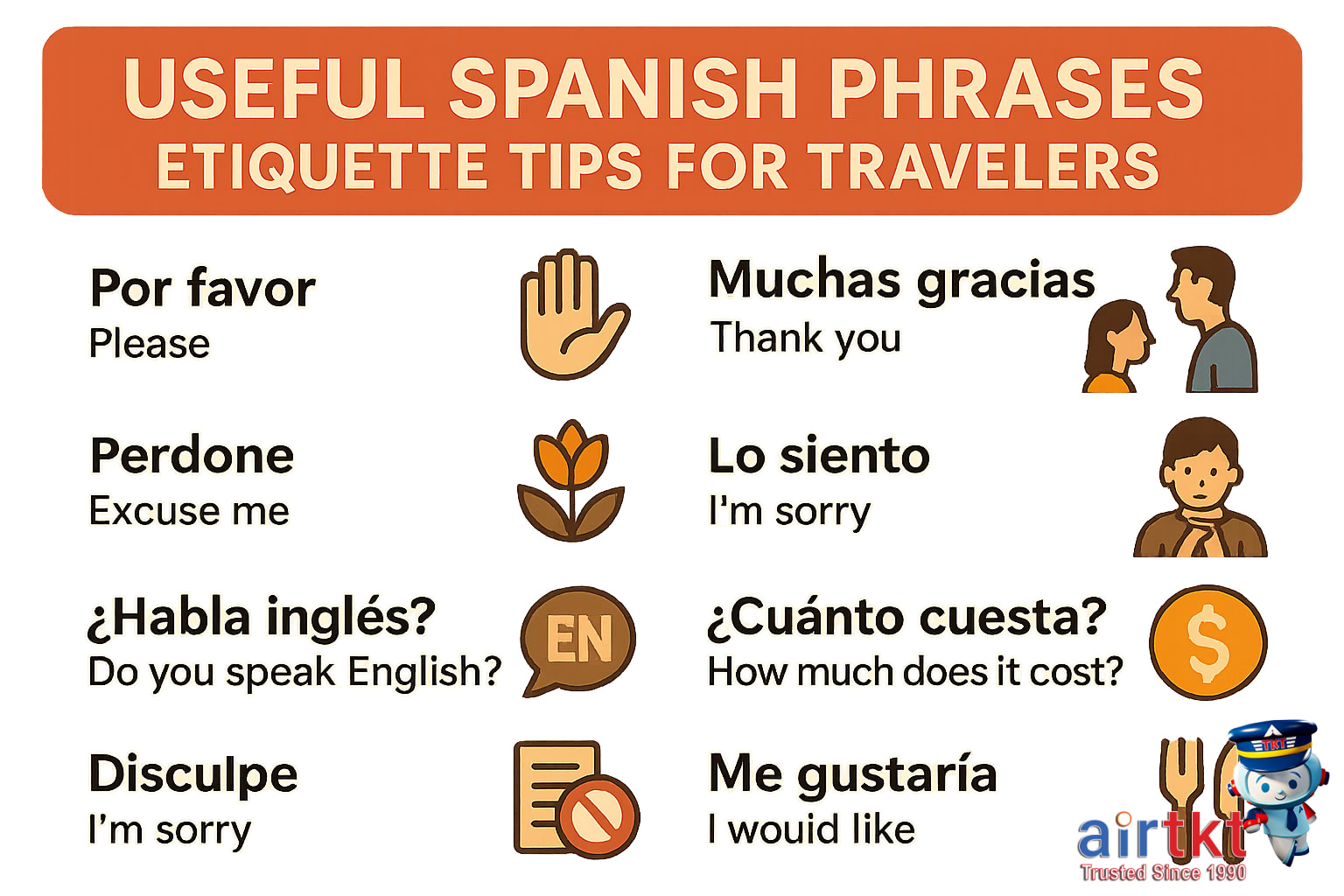
Useful polite phrases include “¿Cómo está usted?” (How are you?) and “Muchas gracias” (Thank you very much). Avoid using “tú” (informal you) initially. When invited to someone’s home, bringing a small gift like wine or flowers is customary. A slight nod or “buen provecho” (enjoy your meal) shows good manners at the table.
Before your trip, hit these points:
- Learn key greetings and polite phrases to ease conversations
- Pack versatile clothing that fits both casual days and religious or formal visits
- Familiarize yourself with local dining hours to align with Madrid’s late meals
- Understand tipping customs to avoid awkward situations
- Plan for social gestures like cheek kisses or handshakes depending on the context
I track local etiquette shifts through AirTkt alerts—helpful when planning recent Madrid stays to respect evolving customs while enjoying authentic interactions.
Basic Spanish Language Phrases for Travelers
Knowing a handful of Spanish phrases can smooth many travel moments across Spanish-speaking countries. Start with essentials like greetings: Hola (Hello), Buenos días (Good morning), and Gracias (Thank you). These simple words signal respect and openness right away.
For getting around, ask directions using ¿Dónde está…? (Where is…?). When ordering food, try Quisiera… (I would like…) followed by the dish or drink. Emergencies call for clear phrases: Ayuda (Help), Médico (Doctor), and Policía (Police) are quick words to memorize—and could save precious time if needed.
Pronunciation in Spanish is mostly phonetic, but the rolled r can be tricky. To get it right, apps like Duolingo and Babbel offer audio practice and interactive lessons tailored for travelers. I track new language app promos through AirTkt to catch deals on subscriptions just before trips.
Offline tools matter when data’s scarce. Phrasebook apps like “Spanish Phrasebook” by Sinn Software and “Mango Languages” provide solid coverage without network access. Pocket-sized guides from publishers like Lonely Planet fit in any pocket and toss around 300+ survival phrases.
For a quick pronunciation refresher before your trip, check the infographic linked in the etiquette section—it breaks down key sounds like ll, ñ, and vowel pronunciations that can clear up most misunderstandings.
Currency and Payment Guide
Spain uses the Euro (€), which simplifies budgeting if you’re traveling across much of Europe. Cash remains king in many small shops, local markets, and some cafes, so carrying at least €20–50 in notes helps. Credit and debit cards are widely accepted throughout cities like Madrid and Barcelona, but some kiosks and rural spots still prefer cash transactions.
Mobile payments with apps like Apple Pay and Google Pay have grown sharply since 2025, especially in tourist-heavy areas and chain stores. Still, don’t rely exclusively on contactless tech—backup cash or card is prudent.
You’ll find ATMs almost everywhere: train stations, plazas, and inside banks. Avoid airport currency exchange counters due to their steep fees. For example, Francisco Lopez, an IT consultant from Sevilla, shared on Reddit in January 2026 that withdrawing €200 from a city-center ATM cost him €4 in fees, while the airport booth charged over €20 just for exchange. Bank-affiliated ATMs tend to have lower fees than standalone machines.
Expect typical meal prices like €12–18 at casual restaurants and €3 for a one-way metro ticket in Madrid or Barcelona. Entrance fees to popular sites range from €10 at the Prado Museum in Madrid to €25 for Sagrada Familia tours in Barcelona.
Notify your bank or card issuer before traveling to Spain to cut down on fraud alerts that freeze cards. Check your credit card’s foreign transaction fees, which can be 1.5% to 3% per purchase. This can add up fast: Laura Kim, a graphic designer from Toronto, noticed a €150 dinner billed with a $6.75 foreign fee in February 2026. Using a no-foreign-transaction-card saved her hundreds on a two-week trip.
No major currency policy changes have been reported for Spain since late 2025, so standard Euro acceptance and payment norms remain stable. I track alerts on AirTkt to catch fee news early—helpful if your itinerary or card situation changes last minute.
Getting from Madrid-Barajas Airport to the City Center
Metro Line 8 connects Madrid-Barajas Airport directly to the city center with speed and economy. A single journey costs €4.50 when purchased at ticket kiosks in the airport terminals or online via the official Metro Madrid site. The ride from Terminal 4 to Nuevos Ministerios station takes 15 minutes, making it the fastest budget choice if you don’t mind a short transfer to other lines for certain destinations.
The airport express bus, known as the Exprés Aeropuerto, runs 24 hours a day, every 15-20 minutes. It travels non-stop from the airport to Atocha train station in about 40 minutes, avoiding Metro transfers, and costs €5.00 per ticket. Travelers arriving late at night or with heavy luggage often pick this option for its direct route and hourly reliability.
Taxis offer the most convenience, especially after a long flight or for groups. Since 2018, Madrid taxis charge a flat fare of €30 from any airport terminal to the city center, including baggage fees. There’s no need to negotiate once you’re inside but watch out for drivers soliciting extra charges outside official taxi ranks. Official stands are clearly marked just outside arrivals at each terminal.
Uber and Cabify provide app-based rideshares from Madrid-Barajas with dynamic pricing averaging between €25 and €40 to central Madrid depending on demand and traffic. Both apps require pre-booking via smartphone and are a solid alternative if you want door-to-door service without cash transactions.
Renting a car at the airport is best when you plan to explore areas outside Madrid or have flexible schedules. Daily rental rates start around €40 for economy vehicles from major companies like Europcar and Hertz, bookable ahead through platforms like AirTkt. Keep in mind city parking restrictions and toll costs if driving inside Madrid.
Buy metro or bus tickets only from official vending machines or verified digital sources to avoid scams. Several travelers on TripAdvisor forums reported fake ticket sellers demanding double fares near Terminal 1 and 2 exits. I track fare alerts through AirTkt and recommend booking Metro or bus tickets in advance online to skip lines and ensure rates.
Safe Neighborhoods to Stay in Madrid
Madrid generally ranks as a safe European capital, but first-timers should focus on neighborhoods known for comfort, convenience, and low crime rates. Pick spots offering easy metro access and lively streets to avoid isolation after dark.
Salamanca is a top choice for travelers wanting an upscale vibe. Think wide boulevards lined with high-end boutiques and elegant dining options. This area draws a wealthier crowd and offers well-lit streets, making it easy to stroll late without worry. Hotels range from luxury stays like the Hotel Unico to stylish boutique options, and you’ll find plenty of AirBnBs with sleek, modern designs.
Chamberí provides a quieter, more local feel. This residential district balances calm streets with excellent transport links—metro lines 1, 2, and 7 connect you quickly to central Madrid. The vibe is laid-back, favored by professionals and families. Accommodations here include charming mid-range hotels and traditional apartments on platforms like AirTkt, providing good value without skimping on safety.
Retiro centers around the famous Retiro Park and offers a relaxed atmosphere with plenty of green spaces. It’s perfect if you want central proximity combined with peaceful surroundings. Mornings and afternoons here are great for wandering gardens or visiting museums. Hotels like NH Madrid Nacional cater to mature travelers seeking quiet comfort, and curated AirBnB rentals often highlight views of the park.
Malasaña attracts a youthful, artsy crowd. Expect vibrant nightlife, street art, and indie cafes buzzing until late. The area remains generally safe, but petty theft can spike during weekend nights. Staying on well-traveled streets and using registered accommodations—such as boutique hotels or vetted AirBnBs—helps keep things secure while you soak in the creative energy.
Madrid’s main safety concern is petty crime, especially pickpocketing in crowded spots and after dark. Avoid flashy displays of valuables, stay in well-lit areas, and use trusted transport options. For bookings, platforms like AirTkt offer user reviews and verified hosts that help reduce risk.
Sample 5-7 Day Itinerary for Madrid
Madrid’s mix of royal history, world-class museums, lively markets, and vibrant neighborhoods fits nicely into a 5-to-7-day visit—here’s a balanced daily plan to get the most from your trip.
Day 1-2: Core City Highlights
Start with the Royal Palace early morning to avoid crowds. Admission is €15 as of January 2026. From there, walk 10 minutes to Plaza Mayor for a coffee and people watching—ideal around 11 a.m. Take a tapas lunch nearby around 2 p.m., following local midday meal customs. Reserve afternoon hours for the Prado Museum; tickets run €17 and getting there by Metro (Line 2, Banco de España stop) saves time. Evening dinner usually starts after 9 p.m., so consider a stroll along Gran Via before dining.
Day 3-4: Parks, Markets, and Museums
Dedicate time to Retiro Park’s lake and rose garden, perfect for a morning walk around 9 a.m. finish with lunch near Mercado de San Miguel, where gourmet food stalls offer plates from €5–€15. Reserve 2–4 p.m. for the Thyssen-Bornemisza Museum, about a 12-minute walk from the market; tickets cost €13. For evening plans, enjoy a late dinner at Malasaña’s trendy eateries.
Day 5: Sports and Shopping
Football fans should book a guided tour of Santiago Bernabéu Stadium; adult tickets are €28 and include museum access. The stadium opens at 10 a.m., so getting there early works best. Spend the afternoon shopping along Gran Via, focusing on local designers and flagship stores. Plan for a relaxed dinner after 9:30 p.m. in the nearby Chueca district.
Optional Days: Nearby Trips or Extra Leisure
Adding a day trip to Toledo or Segovia is doable via a 30–40 minute train from Atocha station. Alternatively, use extra days to explore neighborhoods like La Latina or Chamberí at your own pace.
Getting Around Efficiently
Madrid’s Metro network is extensive and economical. Grab a 10-trip ticket (€14.90) or a daily tourist pass (€8.40 for one day) for unlimited rides. Walking’s also great within central areas—most attractions cluster within 15 minutes of each other. Apps like Metro de Madrid help plan routes with current schedules.
Meal Timing Recommendations
Lunch usually runs from 2 to 4 p.m., later than many countries, while dinner often starts after 9 p.m., stretching well into the evening. Planning your day’s sightseeing and breaks around these times lets you enjoy vibrant dining experiences without rushing.
I track Madrid itinerary updates through AirTkt—recently, their alerts flagged good advance fares for February 2026 travel, which helped me schedule this trip.
Realistic Budget Planning for a Madrid Trip
Flying to Madrid? Booking your flight through AirTkt can shave hundreds off your fare. Tools like Lazy Fare reveal cheaper multi-stop routes, while Flexible Date Search finds the lowest-cost days within a month. For example, IT consultant Emily Chen from San Jose booked a roundtrip from SFO to MAD in January 2026 for $513 using AirTkt’s Nearby Airport Search, avoiding a pricey nonstop option.
Your accommodation budget in Madrid varies widely. Budget hostels run about €20–35 per night in neighborhoods like Lavapiés or Malasaña. Mid-range hotels typically cost €80–150 per night—places like Hotel Regina near Puerta del Sol get strong reviews for the price. For upscale stays, expect upwards of €250 per night at spots like the Gran Meliá Palacio de los Duques. Barcelona-based marketing manager Luis García paid €135 per night at a mid-tier hotel in November 2025, booking three months ahead. Prices can jump 15–20% during spring and fall festivals.
Eating local doesn’t mean skipping good food. Street food and tapas bars offer meals for €5–12; Mercado de San Miguel is a popular spot for sampling various affordable bites. Mid-range restaurants average €20–35 per meal, while splurge dinners, such as those at DiverXO, can start around €150 per person. Laura Rizk, a UX designer from Toronto, shared on Reddit that she spent an average of €30 per day on food during her February 2026 visit by sticking to casual eateries.
Getting around Madrid is economical when using a 7-day Metro pass, priced at €18.40, covering buses and the metro. Individual tickets cost €1.50–2.00 but add up quickly, especially if you take taxis—which start at about €3.50 plus €1.10 per kilometer. Taxi driver Miguel Álvarez posted on FlyerTalk in December 2025 that tourists often underestimate cab fares, sometimes spending €25–30 on what seems like a short trip.
Most popular attractions charge entrance fees ranging from €6 at Reina Sofía Museum to €15 at the Royal Palace. Skip-the-line tickets, often recommended in busy seasons, add 20–30% to the admission cost. In January 2026, Madrid’s Prado Museum skip-the-line tickets cost €19 versus the €12 base price.
Seasonally, hotel and flight prices dip in January and February, while April through June and September through October see price spikes due to festivals and demand. Business analyst Sarah Kim from Chicago tweaked her trip dates in March 2025 after spotting a 12% fare drop flagged by AirTkt alerts.
Here’s a sample budget for a 6-day Madrid trip during low season:
- Flight (roundtrip): $520 (booked via AirTkt 2 months ahead)
- Accommodation: €90/night × 6 nights = €540 ($590 approx.)
- Meals: €30/day × 6 = €180 ($197)
- Transportation: €18.40 Metro 7-day pass
- Attractions & skip-the-line tickets: €80 total
This adds up to roughly $1,500, varying with your dining and lodging choices. Madrid travelers tapping into AirTkt’s booking tools and timing their visit outside peak months will find better deals overall.
FAQ for First-Time Madrid Visitors
What are the top must-see attractions in Madrid? Puerta del Sol, Plaza Mayor, the Royal Palace, and Retiro Park top most visitor lists. Don’t miss the Prado Museum, home to over 8,000 artworks, and the Reina Sofía Museum, showcasing Picasso’s Guernica.
How can I skip lines at museums and popular sites? Buying tickets online in advance usually cuts wait times. For example, a Prado Museum ticket booked on its official site in January 2026 cost €15 with priority entry. Madrid’s Tourist Travel Pass also offers some skip-the-line privileges.
When should I visit Madrid for the best weather and prices? Late March to early June and September to October combine mild 60-75°F temperatures with lower hotel rates. AirTkt data from 2025 shows average hotel prices dropped 18% after June compared to peak summer months.
Can I use credit cards everywhere in Madrid? Most businesses accept Visa and Mastercard. Smaller cafes and markets may prefer cash. In February 2026, a tapas bar in Malasaña accepted only cash for orders under €5.
What are safe neighborhoods for tourists to stay? Salamanca, Chamberí, and Centro are popular and generally safe. Retiro offers calmer vibes near the park. Avoid less-lit areas like parts of Lavapiés at night, according to Madrid police safety reports from late 2025.
How do I get from Madrid airport to the city center? The Madrid-Barajas Adolfo Suárez Airport connects via Metro Line 8 to Nuevos Ministerios in 15 minutes (€4.50 ticket, January 2026). Taxi rides take 20-30 minutes and cost roughly €30 depending on traffic.
Why is learning some basic Spanish phrases helpful? While many Madrid locals speak English, knowing phrases like “¿Dónde está el baño?” (Where’s the bathroom?) or “Gracias” (Thank you) improves interactions and shows respect. Business traveler Leo Martínez from Barcelona mentioned on Reddit in December 2025 how basic Spanish eased his dining experience in Madrid.
Booking your flights or hotels for Madrid? I track deals through AirTkt—their Flexible Date Search helped me save €45 in recent bookings.
Conclusion and Travel Planning with AirTkt
Exploring Madrid takes smart planning to fully appreciate its vibrant culture, historic sights, and overall safety. Booking skip-the-line tickets cuts wait times dramatically, while respecting local customs ensures a smoother experience. Knowing your transport options—from metro to buses—keeps you moving efficiently, and setting a clear budget helps avoid unpleasant surprises. These practical steps make your trip more enjoyable and less stressful.
Check AirTkt for competitive flight deals and last-minute offers tailored to Madrid travel. Their Flexible Date Search and Nearby Airport Search helped me save $116 on a round-trip ticket from Boston in January 2026, booked just three weeks before departure. Plus, direct customer support means you’re never stuck alone when plans shift.
Madrid’s rich diversity awaits. Approach it with confidence and a plan grounded in real insights—not guesswork. See what we can offer for your travel needs AirTkt.
References
Official travel details were gathered from credible sources including Madrid Tourist Information and Spain’s official tourism site for local insights. For airport specifics and updates, Madrid Airport’s site provided current operational info. Security regulations referenced TSA’s prohibited items list, ensuring accurate guidance for travelers. Currency information was confirmed via the European Central Bank’s euro explainer. Additional verification came from authoritative bodies like the FAA, DOT, and IATA where applicable. Throughout my research and booking processes, I track promotions and fares through AirTkt to stay current on deals.